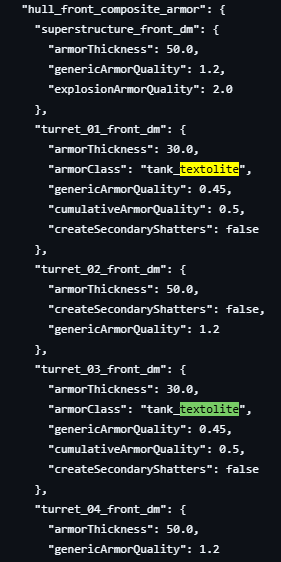
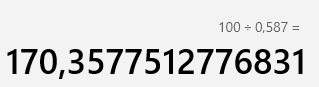
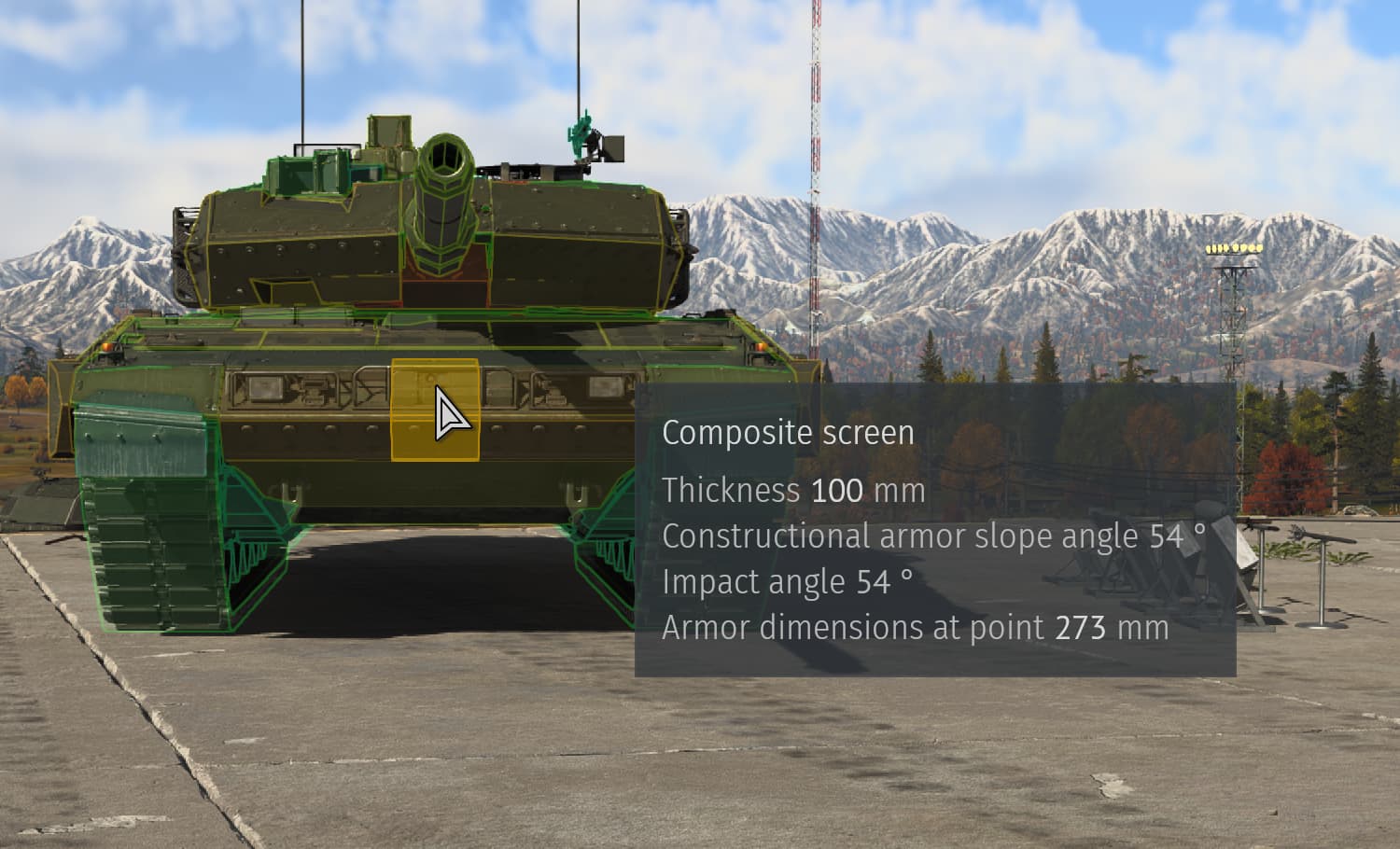
there seems to be something else going on as with these modifiers you cant get up to 230mm
on the other hand on the oplot you actually can add up to the protection shown on the analysis
(60+50+15)1.2+300.5= 165
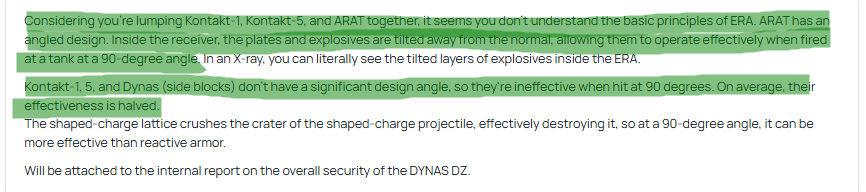
That’s you who barely opened the game apparently. That’s just a value change of the armor behind the ERA. In this game ERA has a direct fixed penetration cut value.
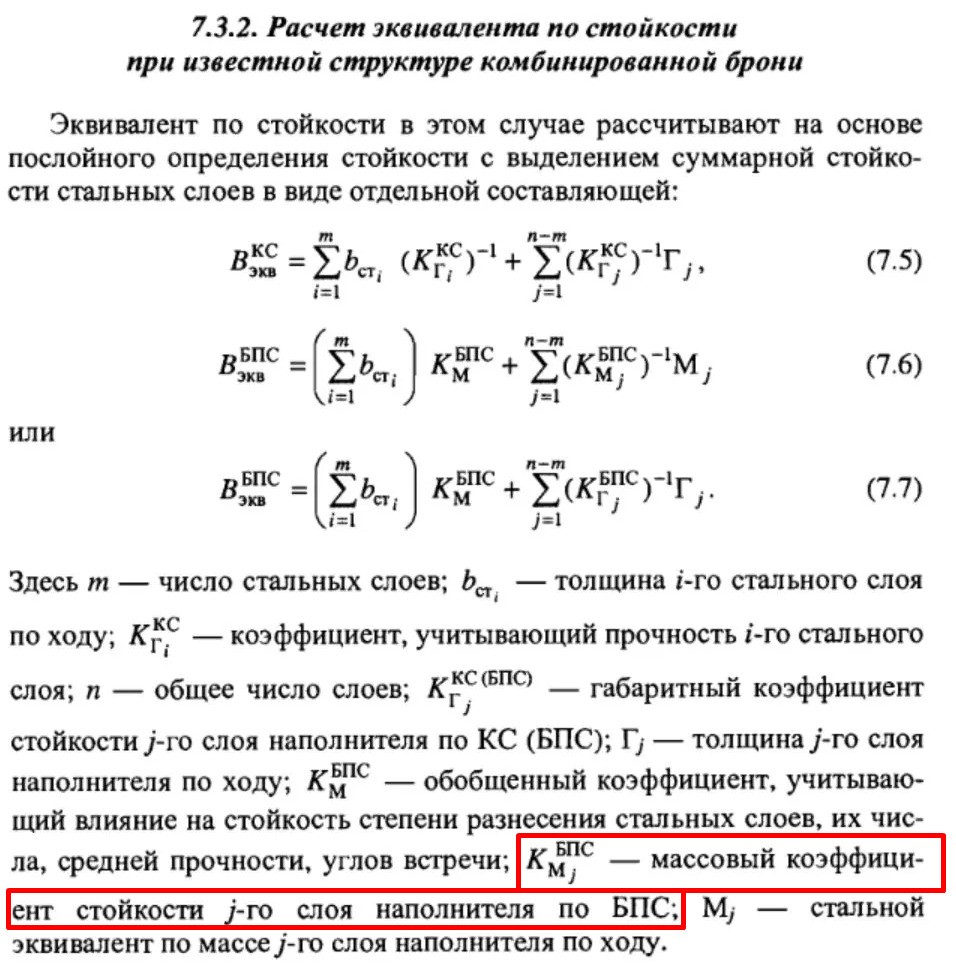
What’s your point? You still can’t use chemical protection values/studies against kinetic rounds, that’s just not how it works.
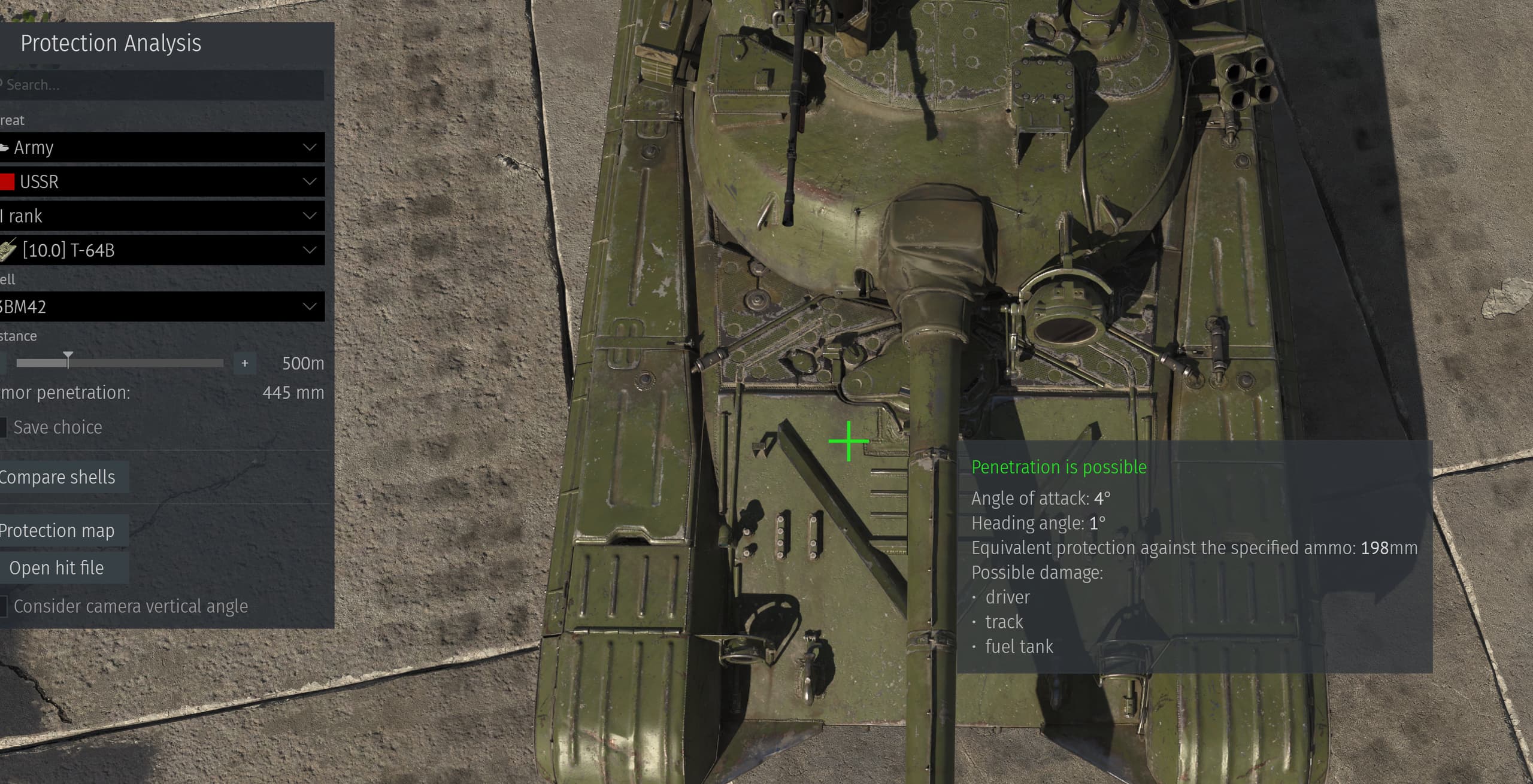
yes, this happens on other russian tanks too. For example, the T-64B, which is RHa + textolite:
60RHa + 35 Txt + 30RHa + 35 Txt + 45 RHa, which should give you about 160mm. Yet it is 198mm in game…
But the APFSDS also penetrates sloped armor better than straight armor.
You can’t simply calculate “LOS multiplied by a coefficient.”
By the way, the 2a7v’s faceplate is effective due to the barrier’s separation and (as far as I know) the fact that the barrier inside it is positioned at a different angle than the main armor. Changing the angle of penetration also hinders the APFSDS’s penetration.
By the way, I’ve said all this to point out that armor is a very complex thing, and you shouldn’t try to find some kind of modifier for the effectiveness of individual layers for modern armor.
They influence each other, and therefore we should stick to the integral coefficients.
It shouldn’t. I’ve already explained in detail that when your armor isn’t just a piece of steel, but a composite assembly, each component performs better.
If you take three 50mm steel sheets and weld them together, they’ll give you 150mm of armor. If you space them apart and fill the gaps with a different material (with a different density), you’ll get more than the 150mm armor resistance of that material.
Even if you simply separate these three steel plates with air, their resistance will exceed 150mm.
That is why the textolite is given a heuristic modifier to model the effect of seperation… the steel is still steel. This is the same for all other tanks in game. And the case on some russian mbt’s too.
No, that’s not how it works. Armor coefficients in the game are cumulative. The effectiveness of a particular piece of composite armor takes into account the composition of the entire package.
They still overperform… should be penetratable by M111 at approximately 1428m/s from a 1460m/s MV.
At 68 degrees, APFSDS penetrates armour 20% more efficiently, so the 405mm mentioned in the source is 330mm against long rods.