Guess what component of the T-90M is the most expensive.
Spoiler:
Spoiler
The CITV/RWS with intergrated LRF, stabilization, variable zoom and hunter-killed functionality
Point being: The biggest costs are often from the fire control systems and other electronics, not the outer shell or armour.
Arguably those electronics benefit the combat capability of a tank more than it’s armour protection does.
Secondly: One of the main goals with the Abrams program was/is affordability, it’s meant to be cheap relative to the programs that preceded it. Purchasing power parity is also a thing. The Abrams would be cheaper if it’d been built in Russia, and the T-90M would be more expensive if it’d been built in America.
Thidly: The Abrams has a significantly larger volume/profile than the T-72 does, that means a lower amount of armour can be applied for the same weight penalties.
Fourthly: Quite a number of Soviet MBT’s certainly weren’t cheap, you could buy three T-62M-1’s for the price of one T-72B, three T-72A’s for the price of one T-80B or THIRTEEN(!) T-55A’s for the price of one T-80UK.
Fifthly: Purchasing power parity is a thing.
Sixthly: Fall of the Soviet Union/Peace dividend resulted in major budget cuts throughout the entire Western militaries, including the US ones. This resulted in the majority of M1 upgrades/proposed upgrades being cancelled, including ones related to armour protection.
And lastly, the M1’s have been equipped with what can generally be considered satisfactory armour protection relative to the opposition they’ve faced. In other words: It’s protection goals seem to have been met and done their job.
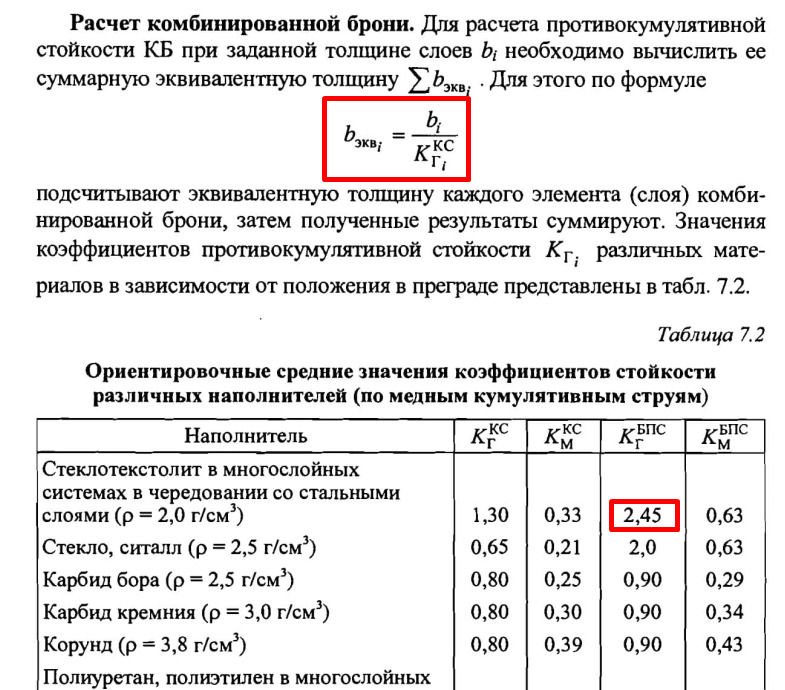
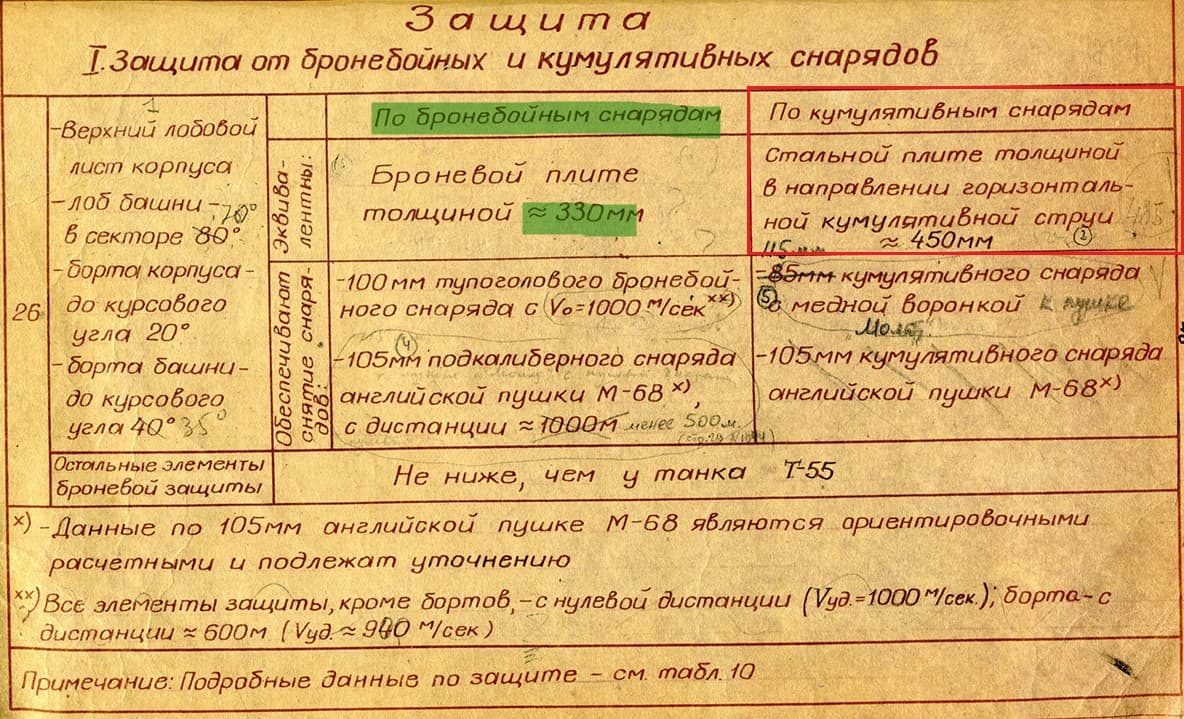
Cumulative resistance is in the adjacent column. БПС - APFSDS in Russian.
I won’t argue with you about your inability to translate the document correctly.
As I said, the effectiveness of the textolite directly depends on the number of steel layers, their thickness, and the hardness of the interlayers.
The more layers, the more effective the textolite will be. The harder the steel, the more effective the textolite will be (since changing the barrier’s density negatively affects the projectile), and the thicker the steel barriers, the more effective the textolite will be.
I say this because the data on the T-64A’s textolite cannot be applied to other T-series tanks.
By the way, there are other estimates of the T-64A’s resistance.
That’s not a problem. It’s good that you’re doing this.
By the way, a flat ERA is different from an ERA with a design angle.
For example, the ARAT produces the value specified in X-Ray when fired at 0 degrees, because the elements inside the ERA are angled at the correct angle.
However, the Relikt or Kontakt-5, with their flat plates, only achieve the stated X-Ray values at an angle of ~30 degrees.
Although I think the developers should remove the ERA protection values, as they confuse more than they provide information.
This should only be verified in the protection analysis.
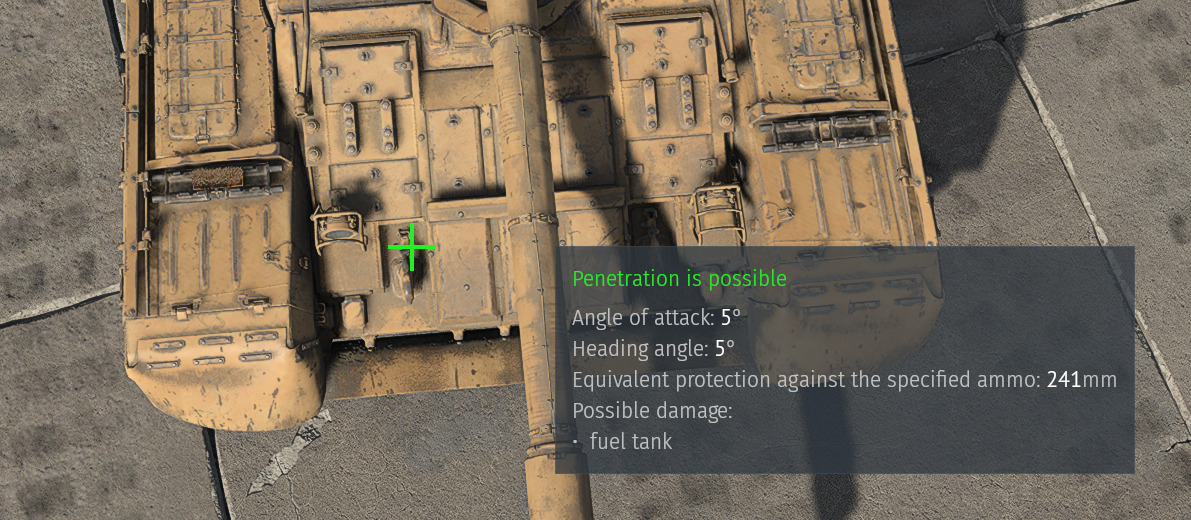
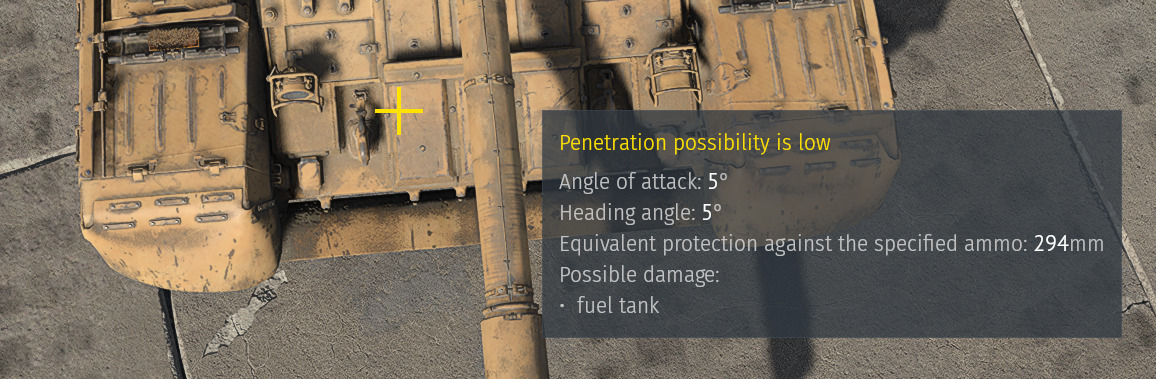
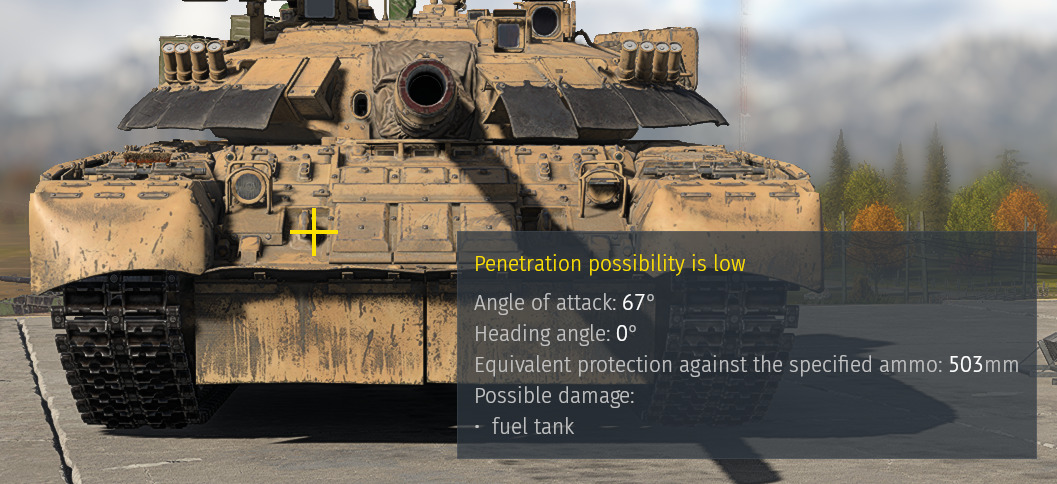
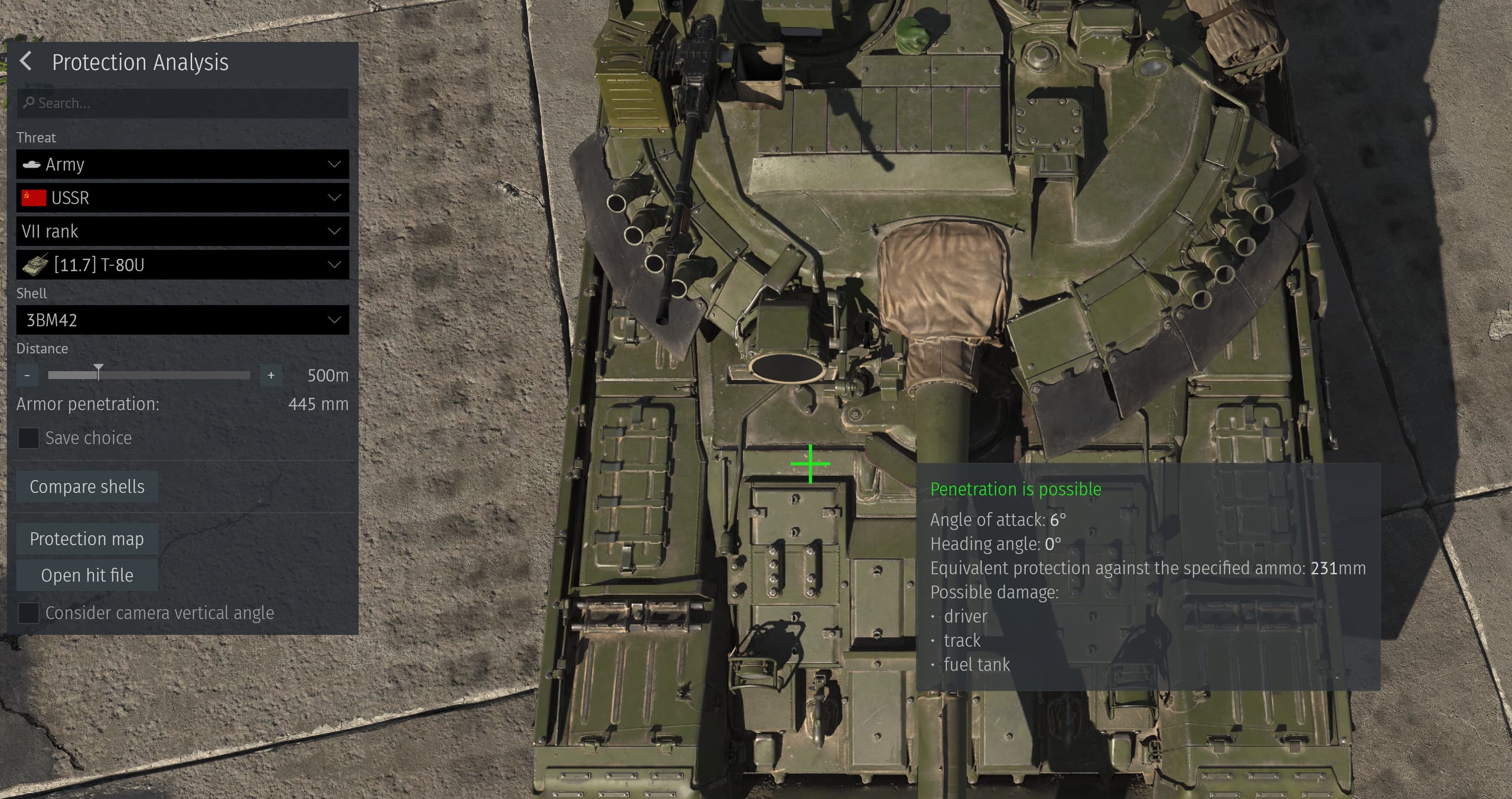
you get 230mm of protection at 0 degrees. This is offered by 150mm of high hardness steel and 60mm of Textolite, lets use the 0.4x of textolite, and 1.2x for the high hardness armour. This gives 204mm protection. Yet we get 230mm in game. I would say the combination of 1.2x and 0.4x is quite generous too. At higher angles… the difference is larger, 30mm becomes 80mm(about 70mm against long rods)… 70mm extra is enough to defend shells which potentially it should not do.