- Yes
- No
Introduction
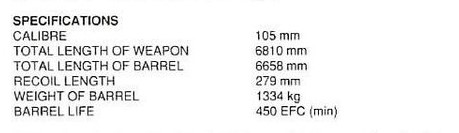
Development Royal Ordnance 105 mm Improved Weapon System (IWS) began in the late 1980s as a private-venture programme aimed at extending the battlefield relevance of existing 105mm L7-armed main battle tanks. Announced in late 1989, the aim was to deliver firepower comparable to contemporary 120mm smoothbore guns while retaining maximum commonality with the proven L7. Developed by Royal Ordnance, the IWS was a high-pressure evolution of the L7 featuring an electro-slag-refined, chrome-lined barrel, fume extractor, thermal sleeve, and a four-baffle muzzle brake that reduced recoil forces by about 25%. The system was designed as a near drop-in replacement for the L7 family, using the existing cradle and recoil system, allowing rapid and cost-effective modernisation without the complexity of retrofitting a 120mm gun.
A key element of the IWS was its new 105 mm APFSDS ammunition, T-2, developed with a tungsten–nickel–iron long-rod penetrator of significantly greater mass and length-to-diameter ratio than existing 105mm rounds. Muzzle velocities in the range of about 1,420 - 1,450 m/s were reported, with claimed penetration performance equivalent to 120 mm smoothbore ammunition. IWS retained full backwards compatibility with all existing NATO 105 mm ammunition, including APFSDS, HEAT, HESH, and training rounds, which was a large part of its intended appeal to operators hoping to extend the life of their in-service MBTs without paying for an entire new fleet.
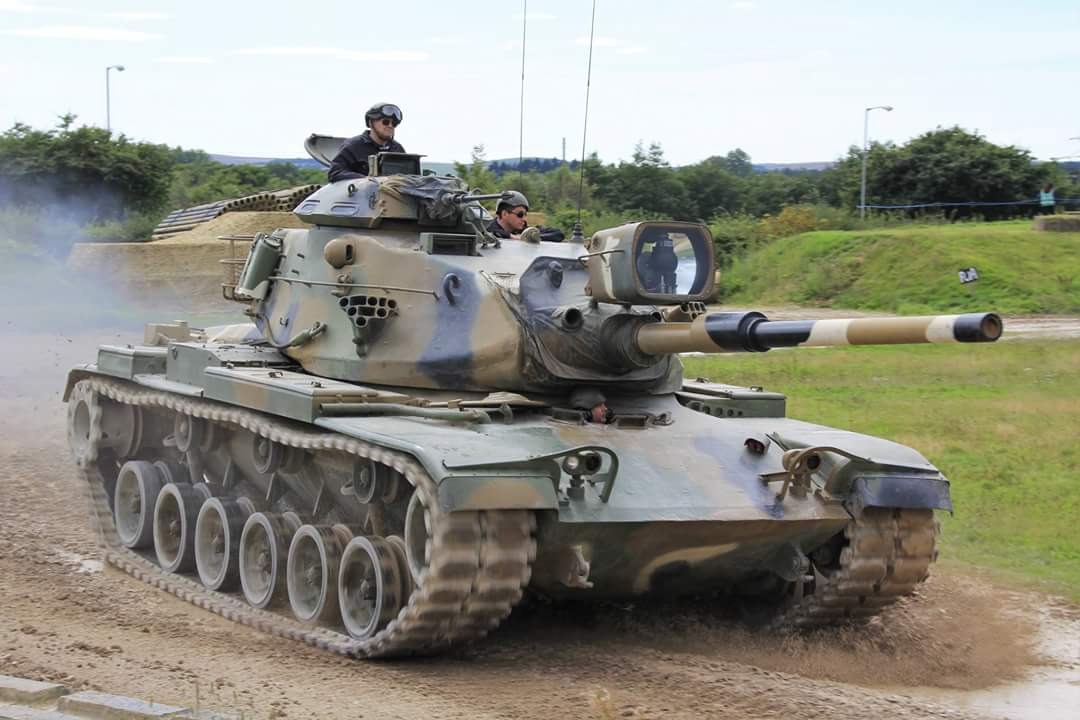
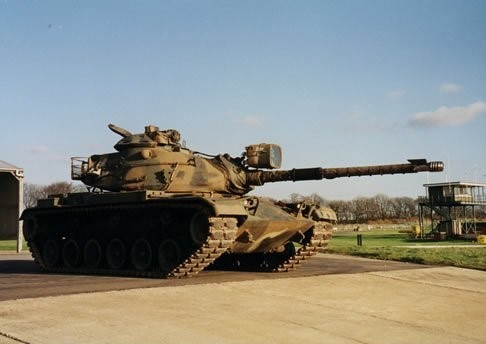
Trials and demonstrations were carried between 1989 and the mid 1990s. The IWS was first fired from a static test rig in 1989, demonstrated later that year in a Leopard 1, and publicly exhibited at the British Army Equipment Exhibition in 1990. Form-and-fit and firing trials followed on Leopard 1 variants, including a Canadian Leopard C1 (firing trials in the UK), an early Leopard 1 borrowed from the Bovington Tank Museum, with the last vehicle it was fit too being an M60A1 RISE, quite where this hull originated from is not known (to me, at least).
Development was considered mature by late 1991, with live-crew clearance secured in 1992 and production availability projected for 1993-94, depending on orders. The system attracted interest from multiple NATO and other 105mmm operators, including Canada, Australia, and Italy. Despite successful trials and strong claimed performance, the combination of firing overpressure issues from the muzzle brake and unresolved programme factors meant that the IWS ultimately did not enter production.
This suggestion is for the M60A1 RISE equipped with the Royal Ordnance 105mm IWS, the final vehicle to mount the cannon. In-game, this would provide a very unique vehicle for the British tree, combined a jack-of-all-trades hull with world-class 105mm firepower.
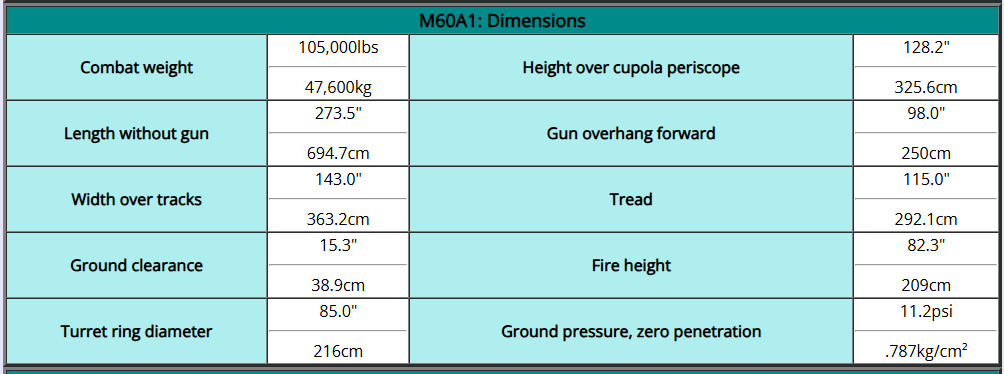
Specifications

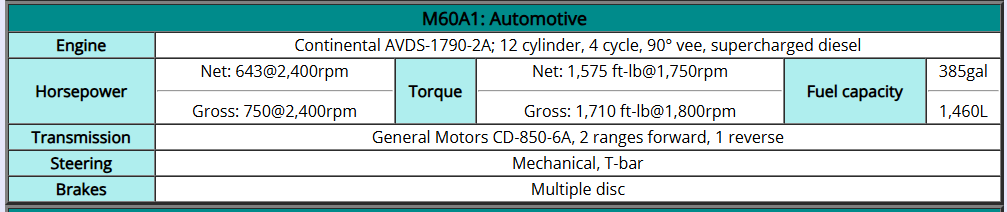
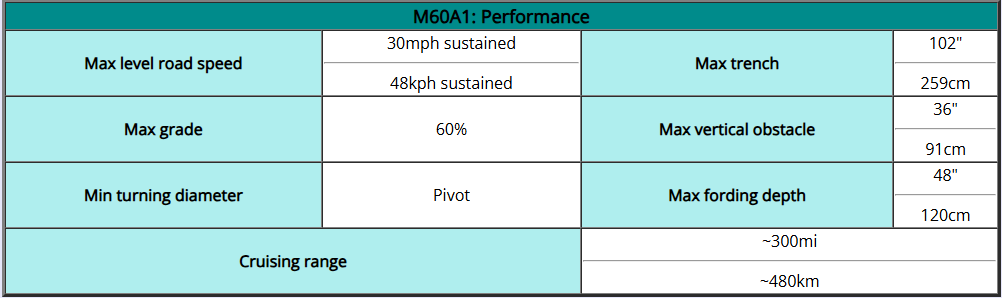
Images
Spoiler

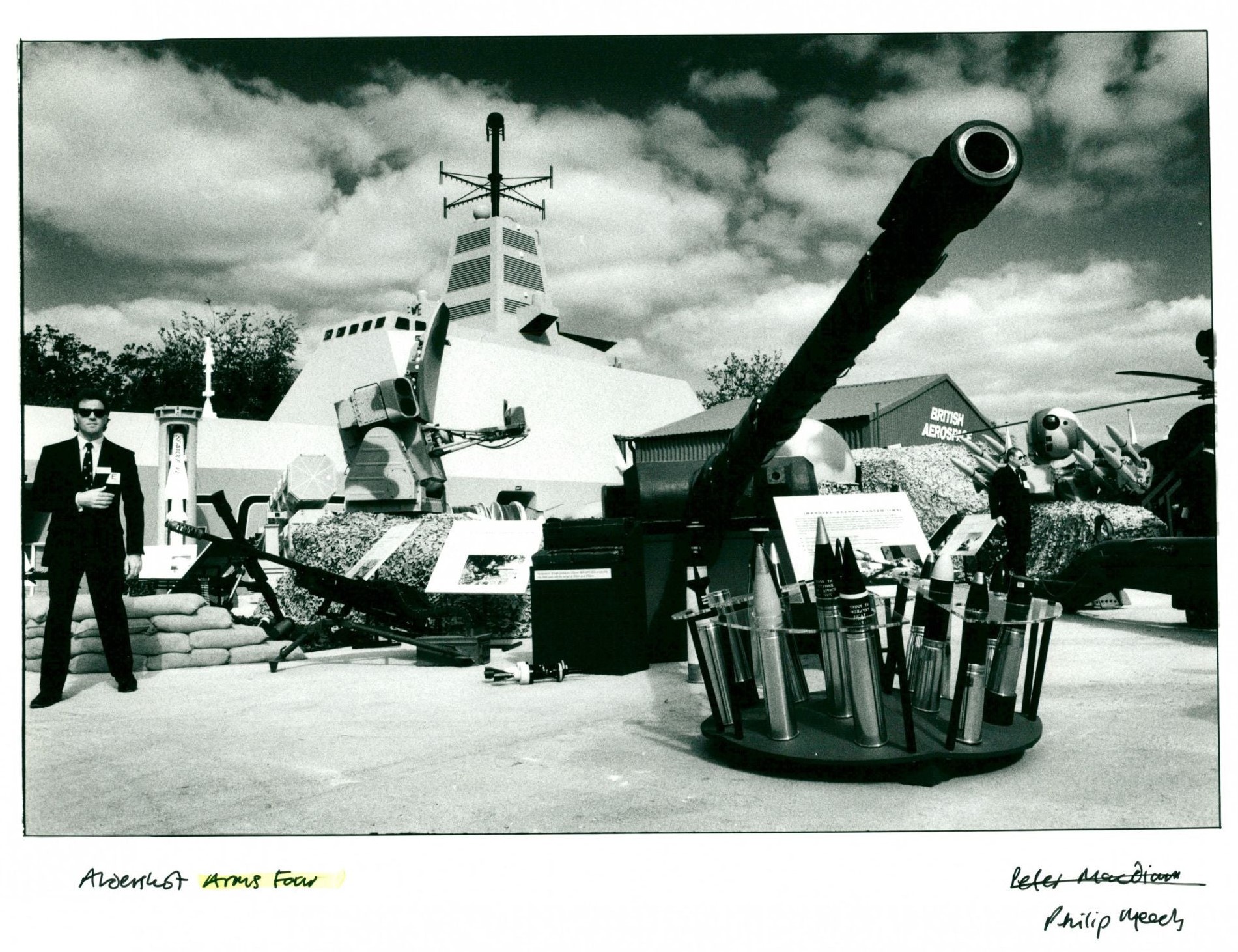
IWS on display in a Centurion mounting
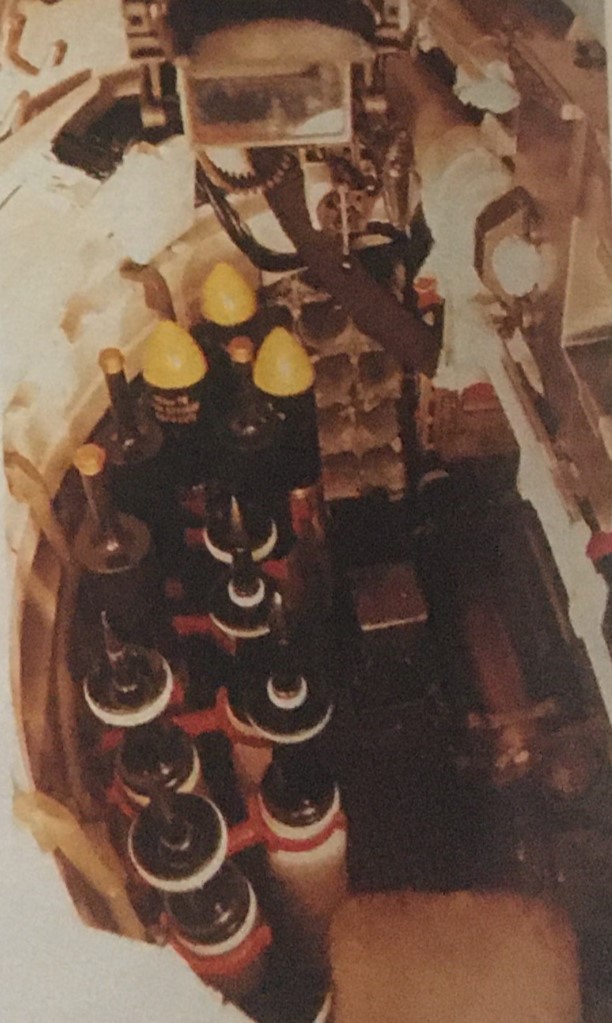
IWS ammunition stowage in the Leopard C1 mounting, showing HESH (top), HEAT (middle), L64A4 APFSDS (lower left), and T-2 APFSDS (lower right)
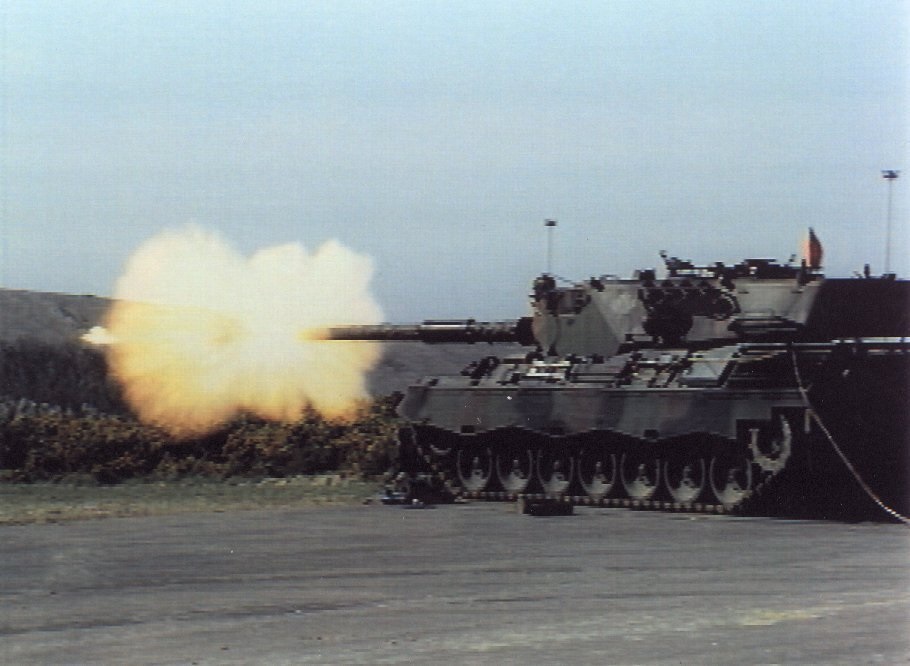
IWS firing trials in the Leopard C1 mounting
Sources
Spoiler
Cheers to @ForeverAloneRage for a bunch of the below.
Royal Ordnance Marketing material (available here)
Janes Ammunition Handbook (available here)
Janes Armour and Artillery (available here)
International Defence Review 9/1991 (available here)
105mm Gun Tank M60 - general M60 specs for reference