- Yes
- No
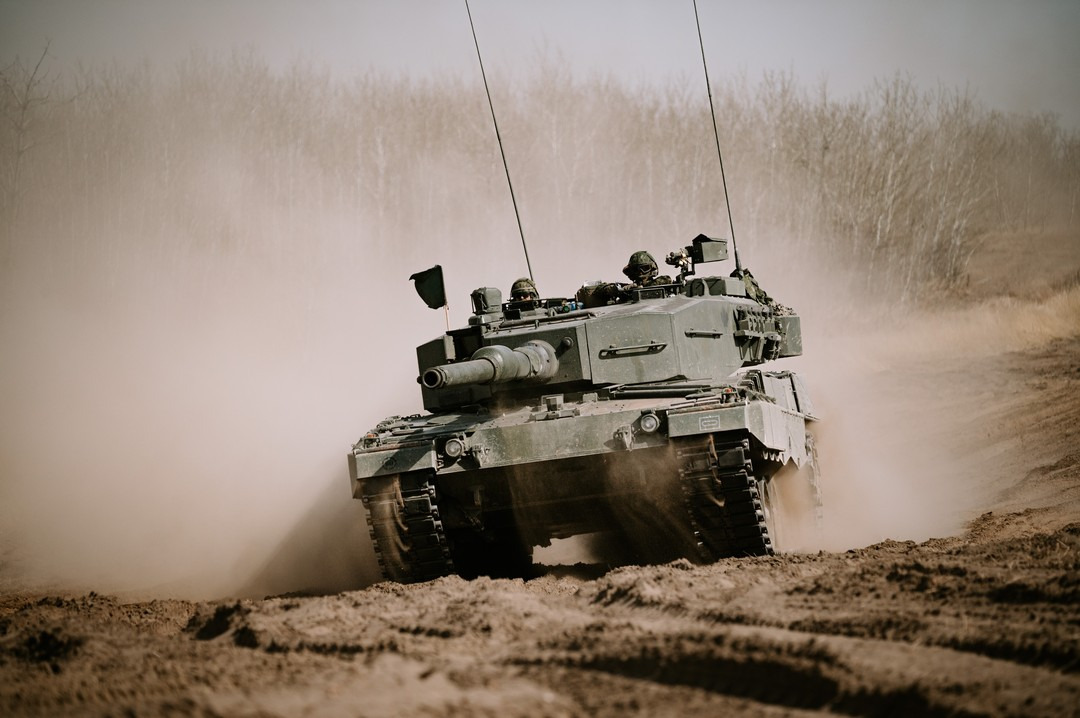
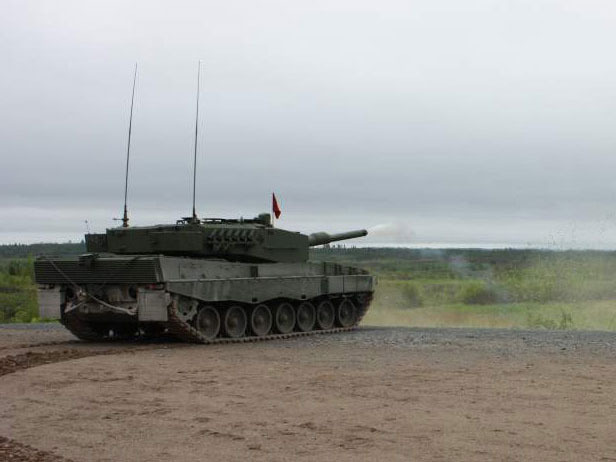
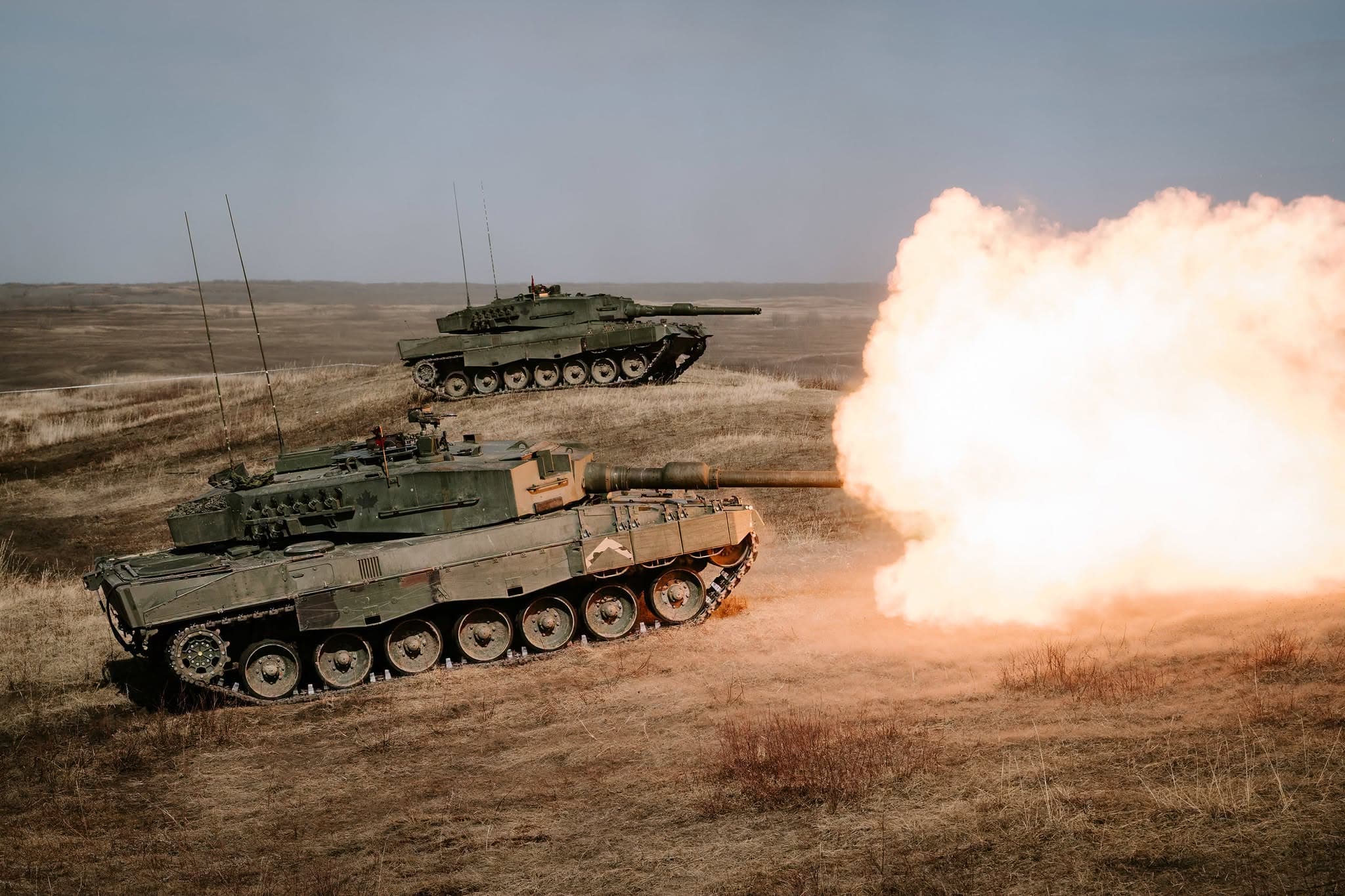
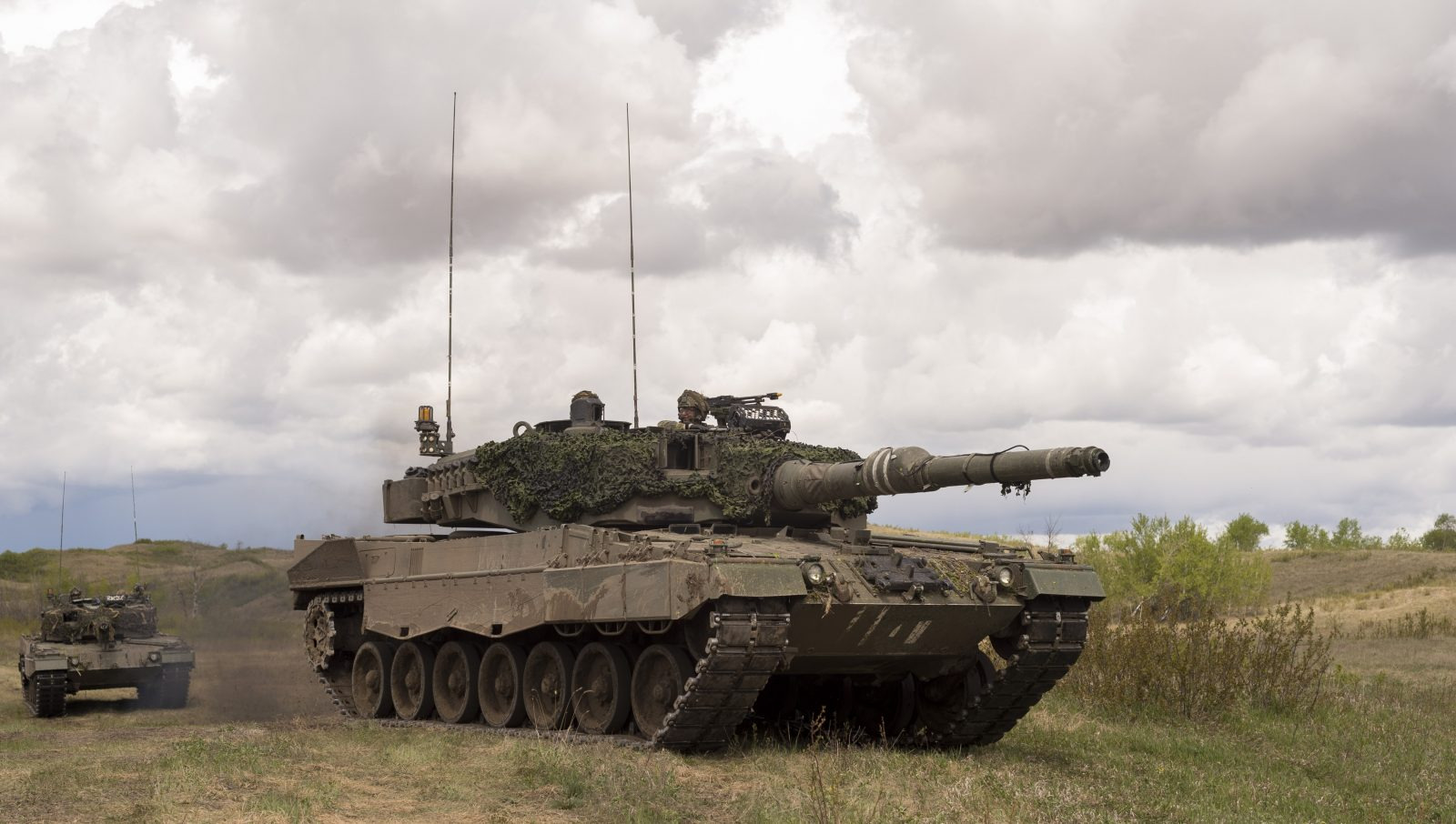
Hello, I’m suggesting the base 2A4 CAN, as I noticed it was missing in the suggestions for Canadian MBTs. Working on this has given me a newfound dislike for the Canadian Leo 2s that differnt then the ones I already had, but it also let me learn some interesting things.

History:
Defence Minister John McCallum and Chief of the Defence Staff Lt.-General Rick Hillier would announce the retirement of the Leopard C2s in October of 2003, after their service for about a quarter of a century. With this, it was announced that Canada would proceed to acquire the Stryker Mobile Gun System due to the platform being based on the LAV-III, along with the government viewing the Leopard as having limited use. This led to a view that any further combat scenarios would require a vehicle like the Stryker. Because of this, the decision to buy 66 of them at a price of $460 million was viewed as logical, as they had a part overlap due to the relation to the LAV-III as talked about earlier.
However, in February of 2006, Canada would gain a new prime minister in the form of Stephen Harper, who would appoint a former tank officer (Gordon O’Connor) as minister of national defence. He would set aside the plan to replace the Leopard fleet within four months of him comming into office. Despite this, due to earlier decisions, the Department of National Defence (DND) had already blown up, sold or given away a little less than half of the army’s
fleet of 114 Leopards, which wasn’t good for the Leo fleet in the long run. As part of a decision taken by Paul Martin’s government, Canada’s role in Afghanistan was changing, with it taking a lead role in the Kandahar Province. Well, Harper’s government’s decision to send tanks to take part in COIN operations would come as a shock to many; the excuse for it was that it was for more protection to Canada’s Provincial Reconstruction
Teams (PRT) over direct combat missions. With 15 Leopard C2s initially deployed to Afghanistan, it would be discovered they where effecvtive at knocking down earthen walls, which great help the mobility of the infantry. In September of 2006, the Canadian Forces would lead Operation Medusa, which was an offensive which aimed at retaking areas in the Kandahar Province. The outcome of this was the discovery of a need for sustained high-intensity combat operations, something the current government thought tanks would play a useful role in.
In 2006, the Leo C2s had also been nearing the end of their service life and delaying their retirement wouldn’t help Canada; this would lead to looking at buying Leo 2s. DND would determine that Canada would need a total of 100 Leopard 2 tanks, with them being broken down as follows: 40 for deployment, 40 for training and another 20 more for other functions. April of 2007 would see the announcement of an agreement to purchase 80 Leopard 2A4s and 20 2A6s from the Dutch, with the deal for them being formalized in December of 2007. The 2A4s were more advance then the C2s with their flat titanium/tungsten armour, an automated fire-and-explosion suppression system, and an all-digital
fire control system which could handle the new ammunition types. Despite all this, the 2A4s needed refurbishment and, as part of the Canada-Netherlands deal, would be done by Krauss Maffei-Wegmann. Sadly, not all of the 100 tanks could be refurbished, as some had to be cannibalized for spare parts. The estimated cost of the acquisition of the Dutch Leos was $650 million, and it would be another $650 million for 20 years of extra support. Yet at the same time, DND would announce that there where borwwing 20 German Leo 2A6s where would be deployed to Afghanistan right away, until Canada had received the Leo 2 that had been bought from the Dutch, which them the Leopards borrowed from Germany would be returned. 2008 would see Canada buying 15 Leopard 2A4s from Germany for more spare parts. By 2022, Canada had 42 Leopard 2A4s in service, tho their primary role was for training. 2023 would see Canada donate 8 Leo 2s to Ukraine and a report that the majority of the Canadian Leo 2 fleet was in disrepair.
Specs:
Weight
- Basic weight: 55,150 kg
- Combat load: 57,200 kg
Dimensions
- Length: 9.67 m
- Width: 3.70 m
- Height: 2.90 m
Mobility
- On-road speed: 68 km/h
- Off-road speed: 40 km/h
- Range:
- On-road: 340 km
- Off-road: 220 km
- Average: 280 km
- Max grade: 60%
- Side slope: 30%
- Ditch cross: 2 m
Fuel
- Type: F-54 Diesel DF-2
- Capacity: 1,160 L
- Consumption:
- On-road: 3.4 L/km
- Off-road: 5.3 L/km
- Average: 4.1 L/km
Capabilities
- Arctic: No
- Add-on armour: No
Crew
- Personnel: 4
- Passengers: 0
Armament:
- L44 120-mm smooth bore gun
- C6 7.62-mm coaxial, medium machine gun
- C6 7.62-mm flexible, medium machine gun
- 76-mm multi-barrel grenade dischargers (16 tubes)
Sources
https://www.canada.ca/en/army/services/equipment/vehicles/leopard-2a4-tank.html
Leopard 2 - Wikipedia
Canada will send Ukraine 4 Leopard battle tanks: defence minister - National | Globalnews.ca
https://thecanadianencyclopedia.ca/en/article/leopard-2-tank
https://thecanadianencyclopedia.ca/en/article/leopard-1
https://www.policyalternatives.ca/wp-content/uploads/attachments/Stuck_in_a_Rut.pdf
https://www.collectionscanada.gc.ca/obj/thesescanada/vol2/002/NR83404.PDF
Redirecting...
The Leopard changes (some) of its spots | Canadian Army Today
https://www.reuters.com/world/canada-bolster-latvian-nato-deployment-with-15-leopard-2-tanks-minister-2023-06-16/