I happened to notice that China once purchased 4 L-29 trainer jets. Given that the L-39 is already in the game from a previous update, and considering China’s lack of low-tier aircraft, the L-29 could be a great fit to fill the gap between 5.0-6.0
- Yes
- No
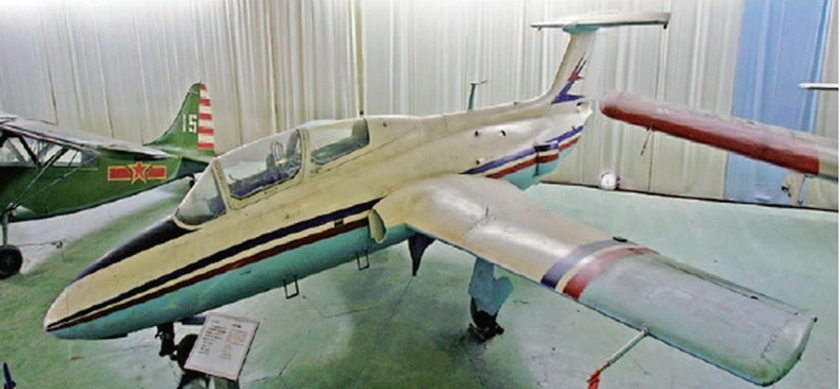
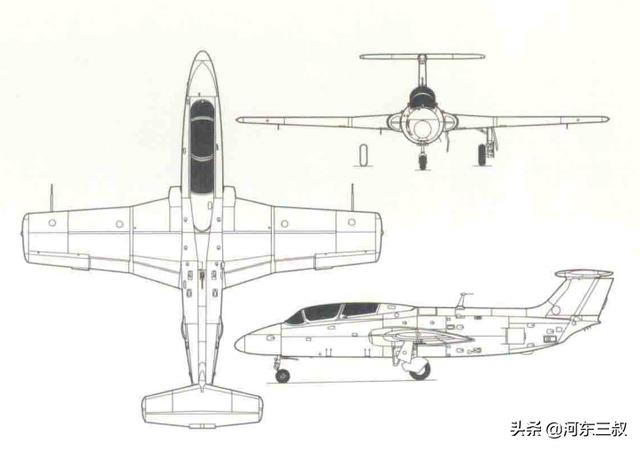
The L-29 trainer jets (AERO L-29, Chinese designation: 勒-29教练机) is a jet-powered trainer aircraft developed and manufactured by the Czech company AERO. It was the first jet aircraft designed and built independently in Czechoslovakia and was widely adopted by the Soviet Union and other Warsaw Pact nations.
Shortly after the end of World War II, with the mass introduction of jet aircraft, the Czech company AERO developed the XL-29 trainer to meet this demand. The prototype successfully completed its maiden flight on April 5, 1959, and was initially powered by a British Bristol Siddeley Viper engine. The second prototype was equipped with a domestically designed and built M701 engine, which was subsequently used in all production versions of the aircraft.In 1961, the L-29 won a competitive fly-off against the Polish PZL TS-11 Iskra and the Soviet Yakovlev Yak-30, and was consequently designated as the standard trainer for all Warsaw Pact air forces. Production of the L-29 continued until 1974, with a total of 3,665 aircraft built. The People’s Republic of China purchased four of these aircraft.
In the 1960s, the Chinese Air Force was in a period of significant expansion, with its main combat aircraft transitioning from propeller-driven to jet-powered planes. During this time, pilots faced considerable difficulty and long training cycles when moving directly from primary propeller trainers to jet fighter trainers. To shorten training times and meet the demand for training a large number of pilots for the J-6 and J-7 fighters, the Air Force conceived the idea of acquiring a type of jet primary trainer. This aircraft would serve as a transition between propeller planes and high-speed combat trainers.
Beginning in 1966, China evaluated various aircraft models from different countries. Ultimately, the L-29, developed by the Czech company AERO, was considered ideal, as it was already widely used in the Soviet Union and Eastern European countries.
On June 11, 1966, Czechoslovakia also promoted this aircraft to China. The Chinese side agreed to order four aircraft and requested delivery by the fourth quarter of 1966. However, the Czechoslovakian side indicated they could not meet this delivery deadline, so a contract was not signed at that time. In July 1967, Czechoslovakia once again marketed the aircraft to China, but this time at a unit price of 110,550 rubles, which was 9,850 rubles higher than the 1966 quote. Both parties signed a contract on September 22, 1967, for the purchase of four L-29 aircraft at this price.
The aircraft arrived in Beijing in March 1968. After flight tests, they were officially delivered to flight schools for trial use in June of the same year. In September 1968, the Czechoslovakian commercial counselor in China suggested supplying another 20 aircraft in 1969. However, because the aircraft did not fully meet the requirements of the Chinese Air Force, the Chinese side ultimately declined further purchases. Consequently, the L-29 trainer was never inducted into the Chinese Air Force in large numbers.
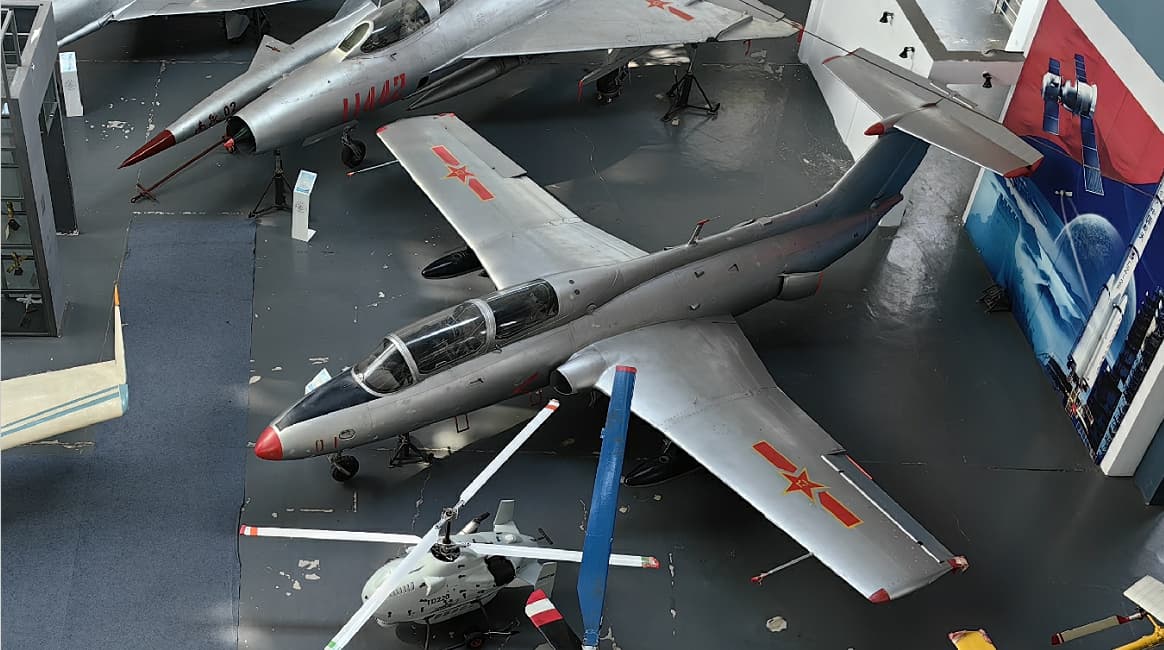
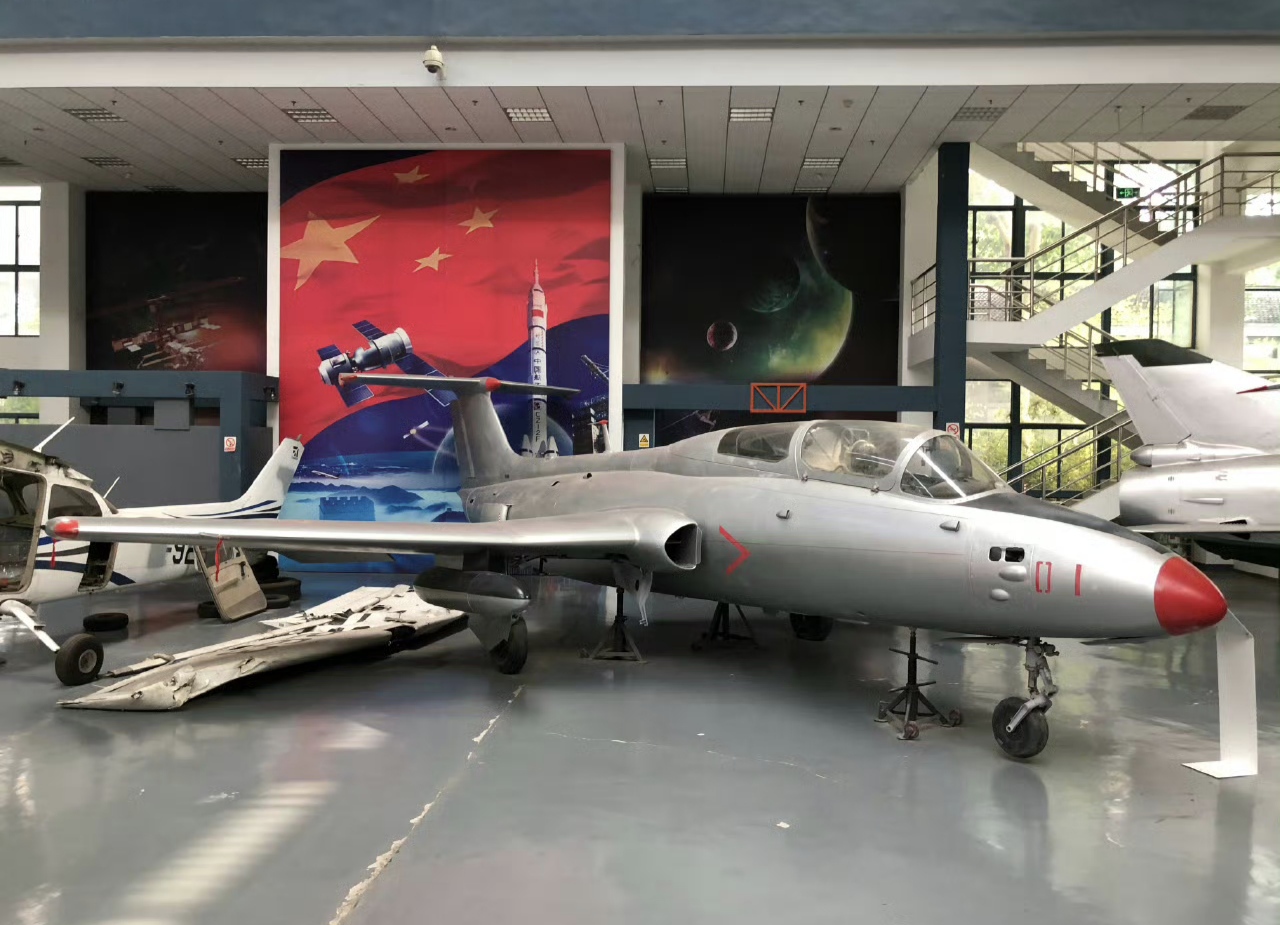
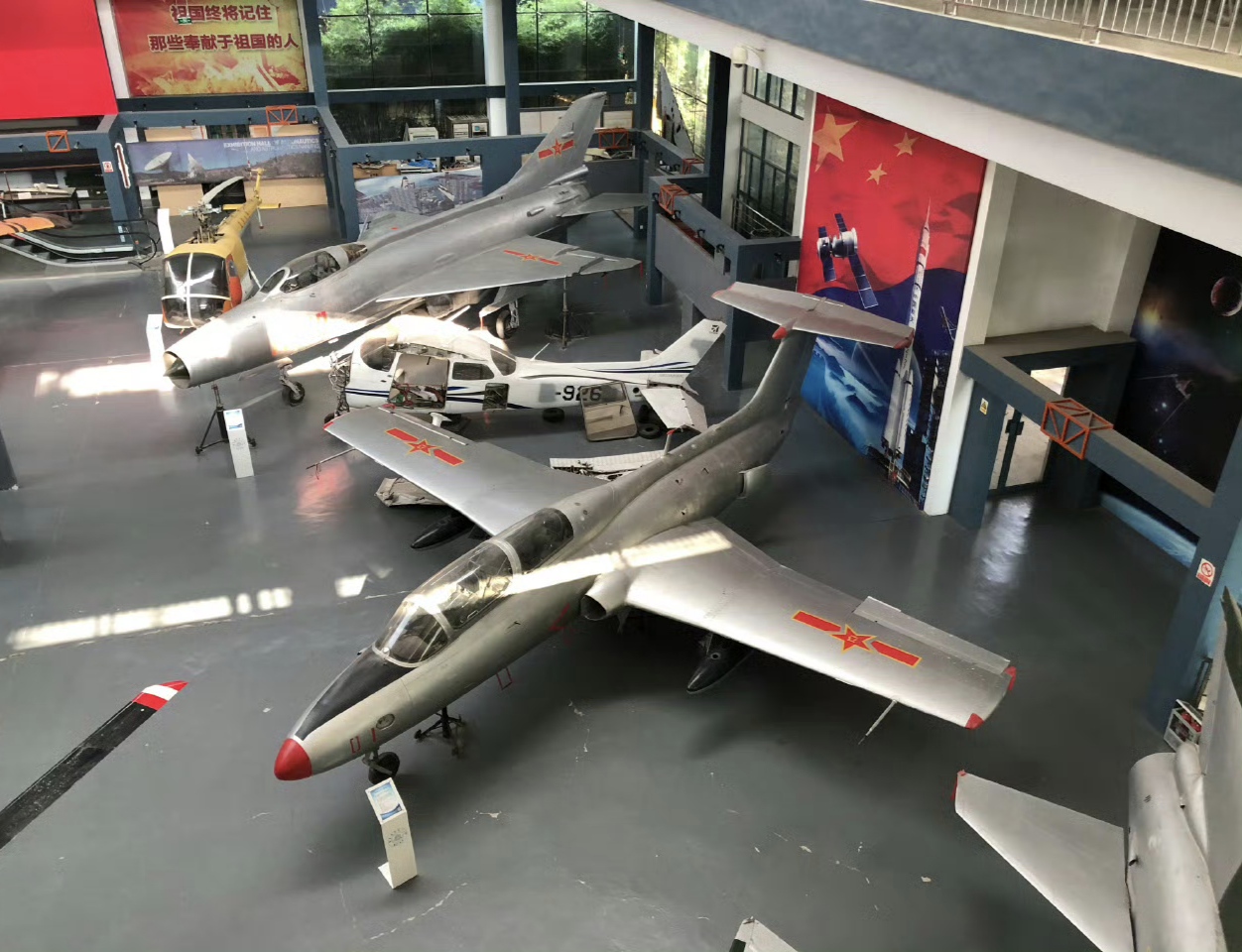
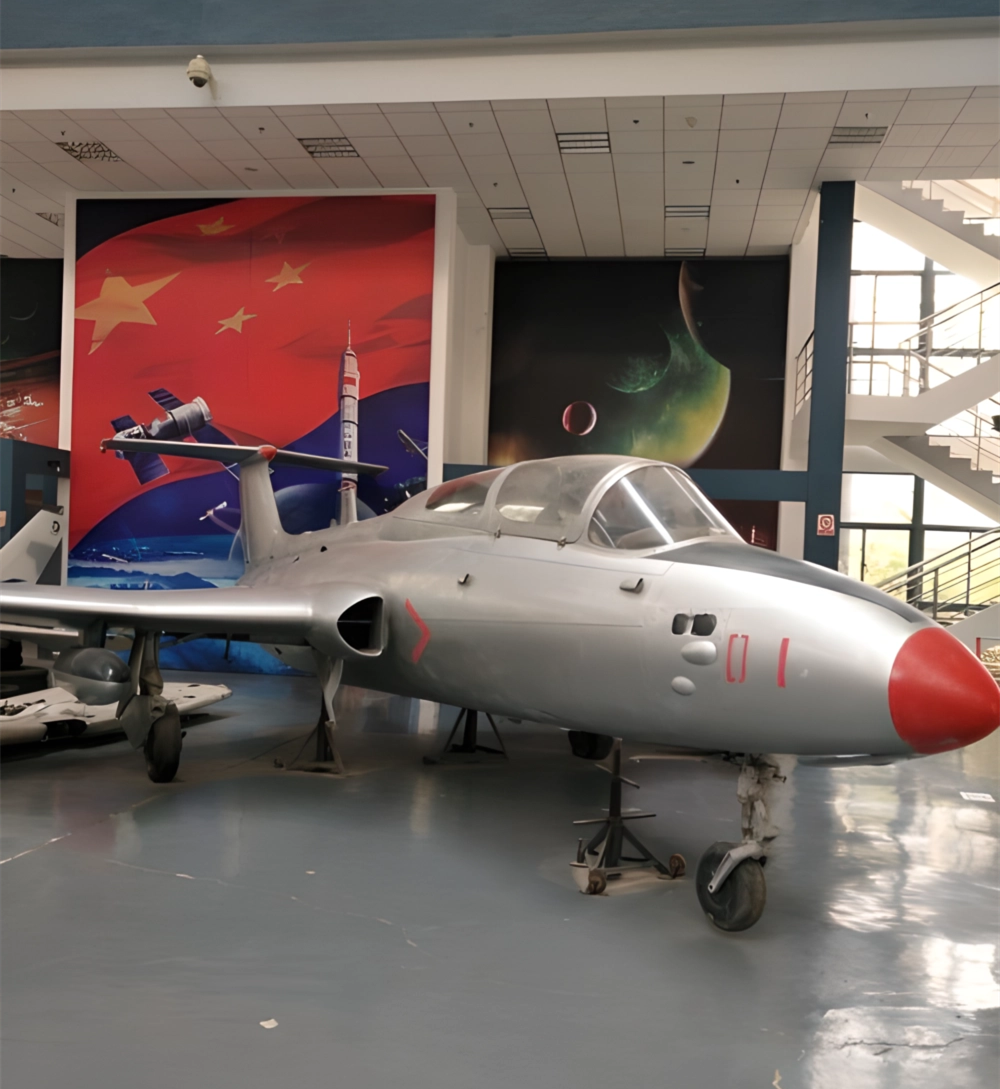
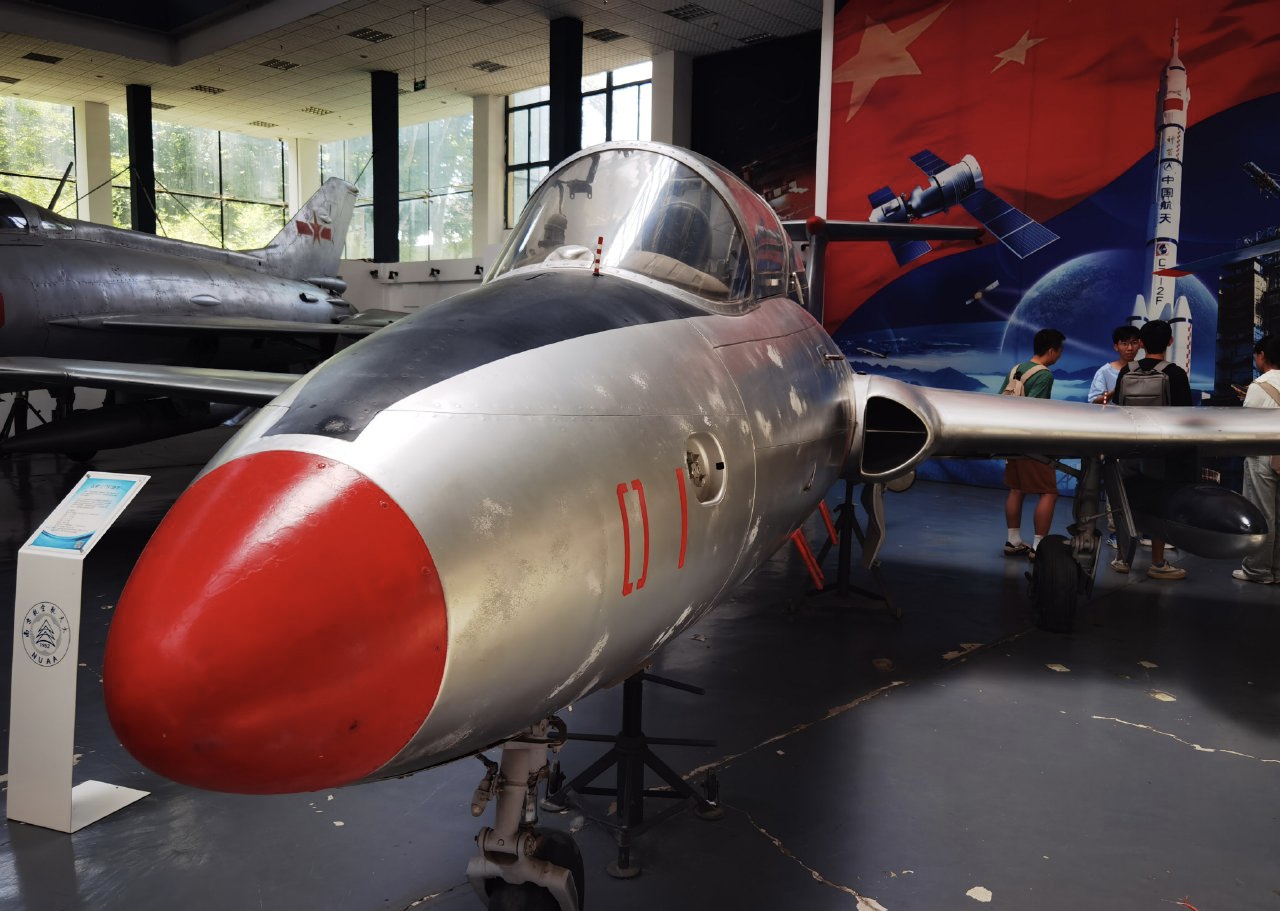
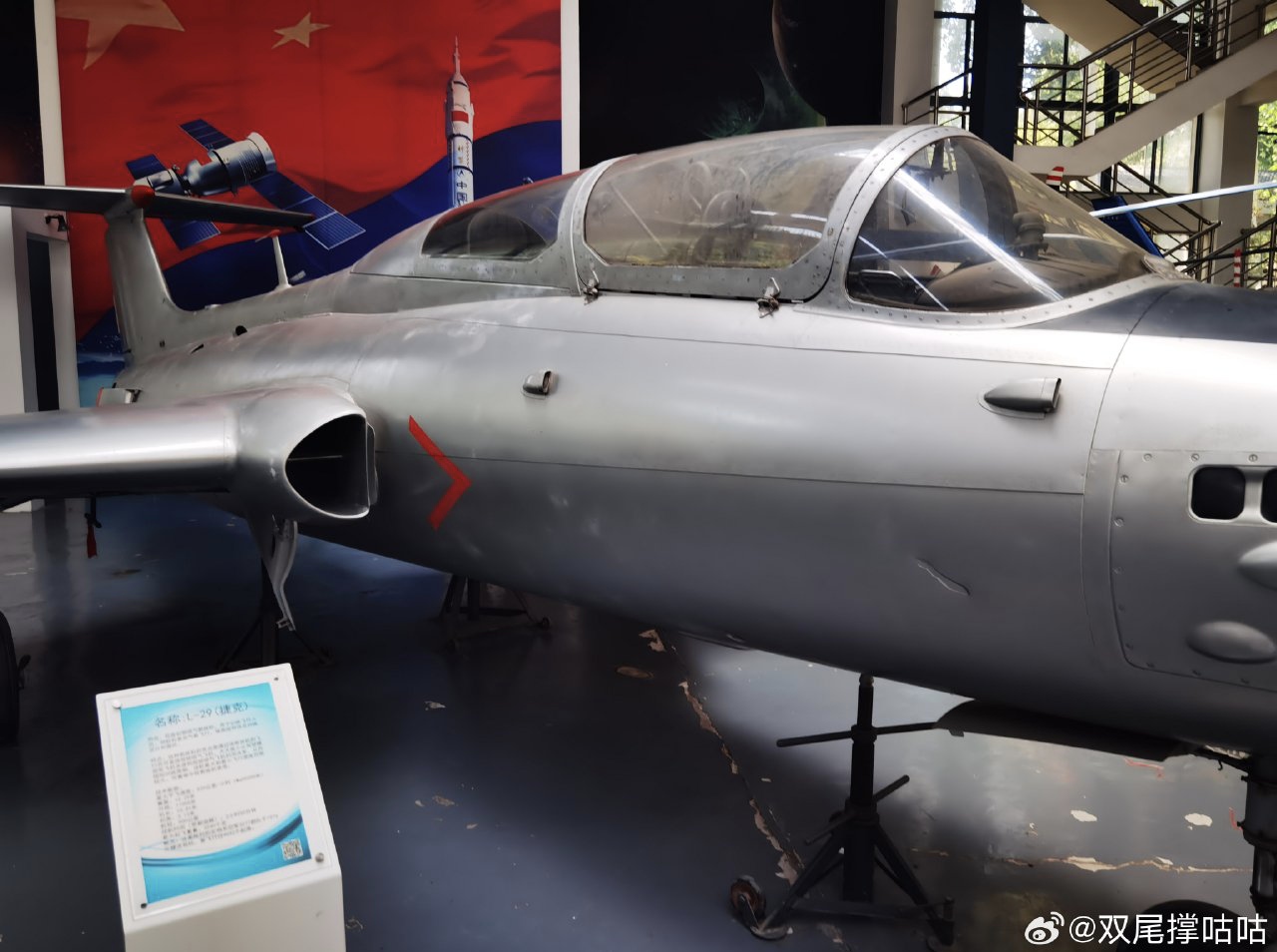
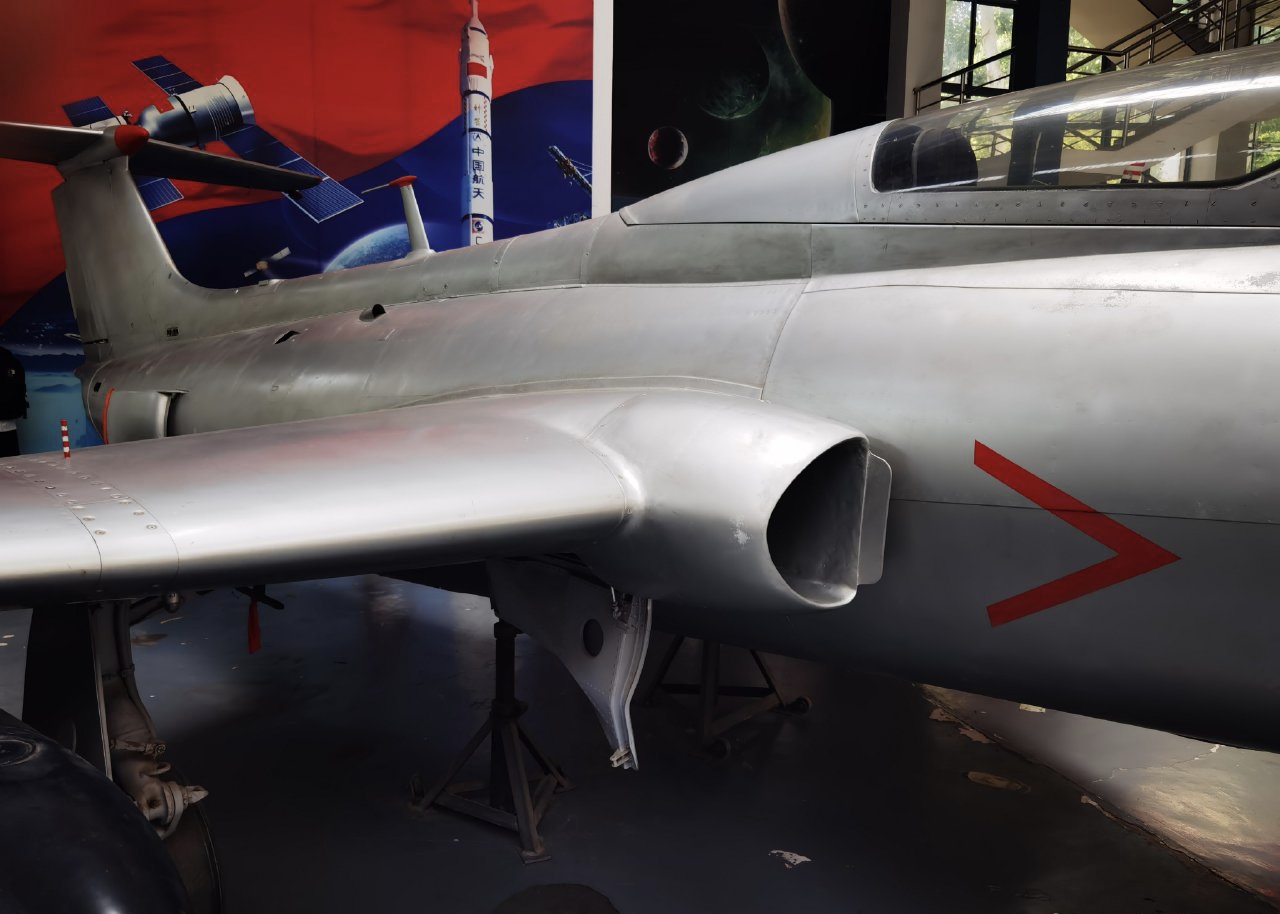
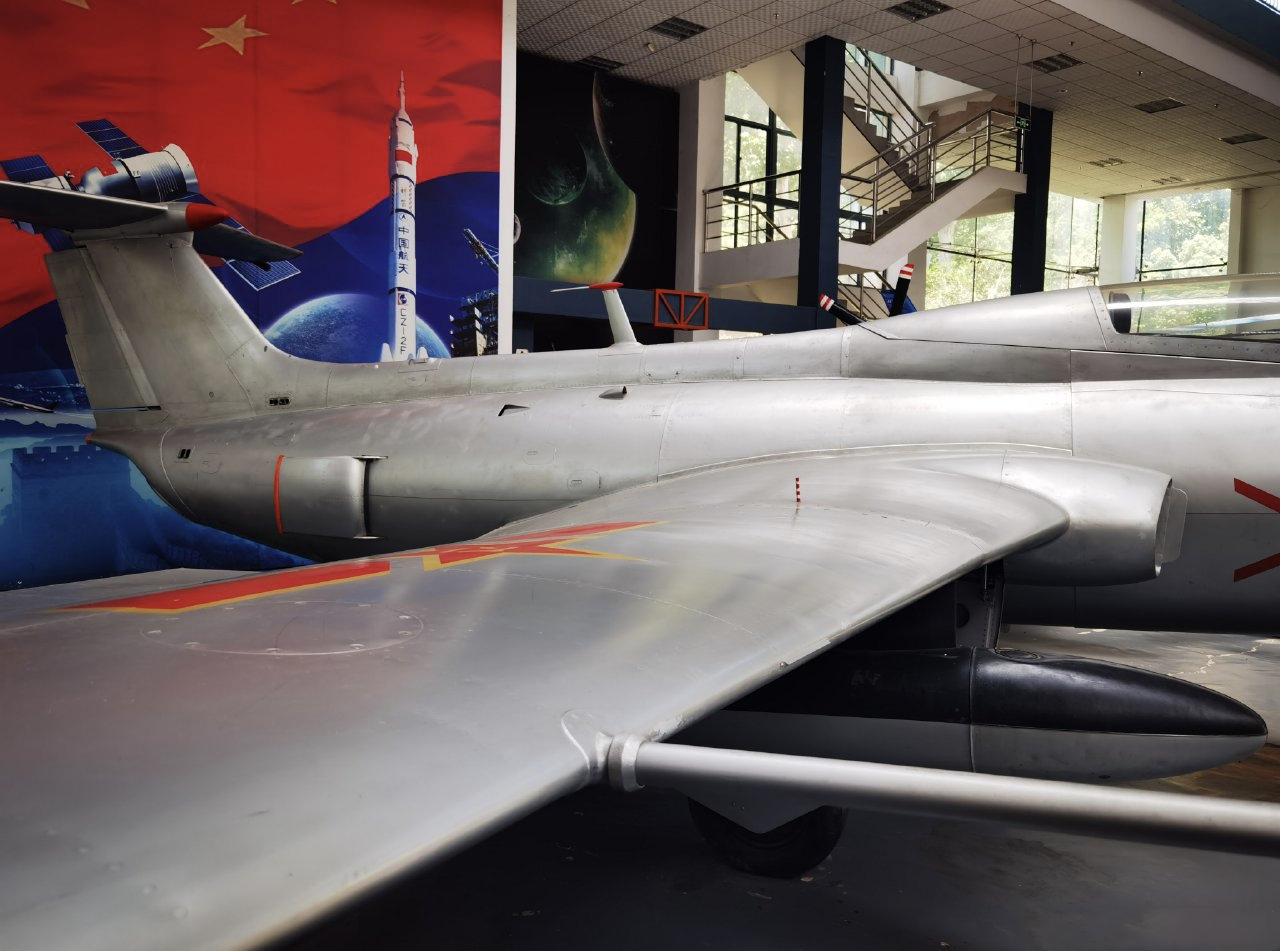
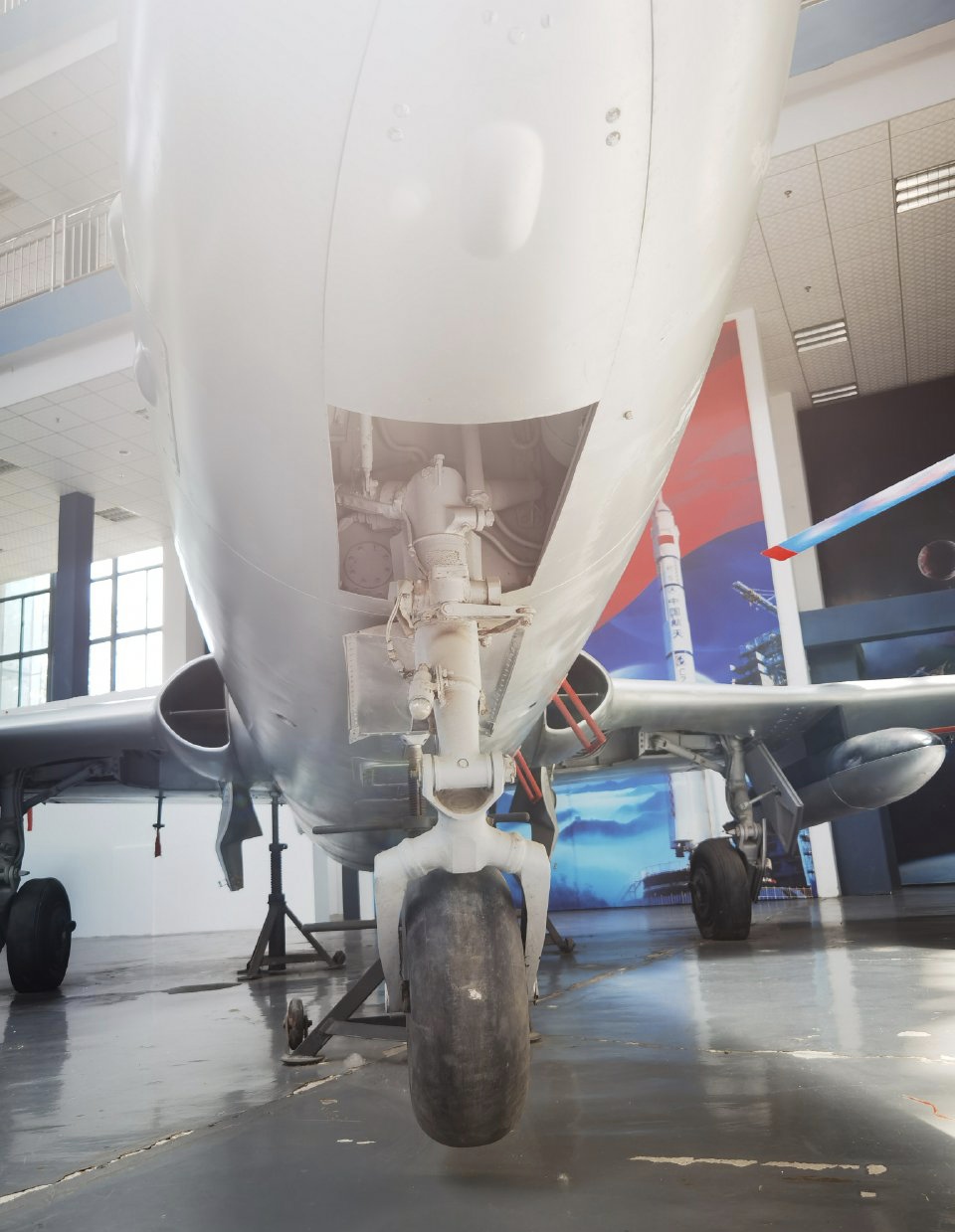
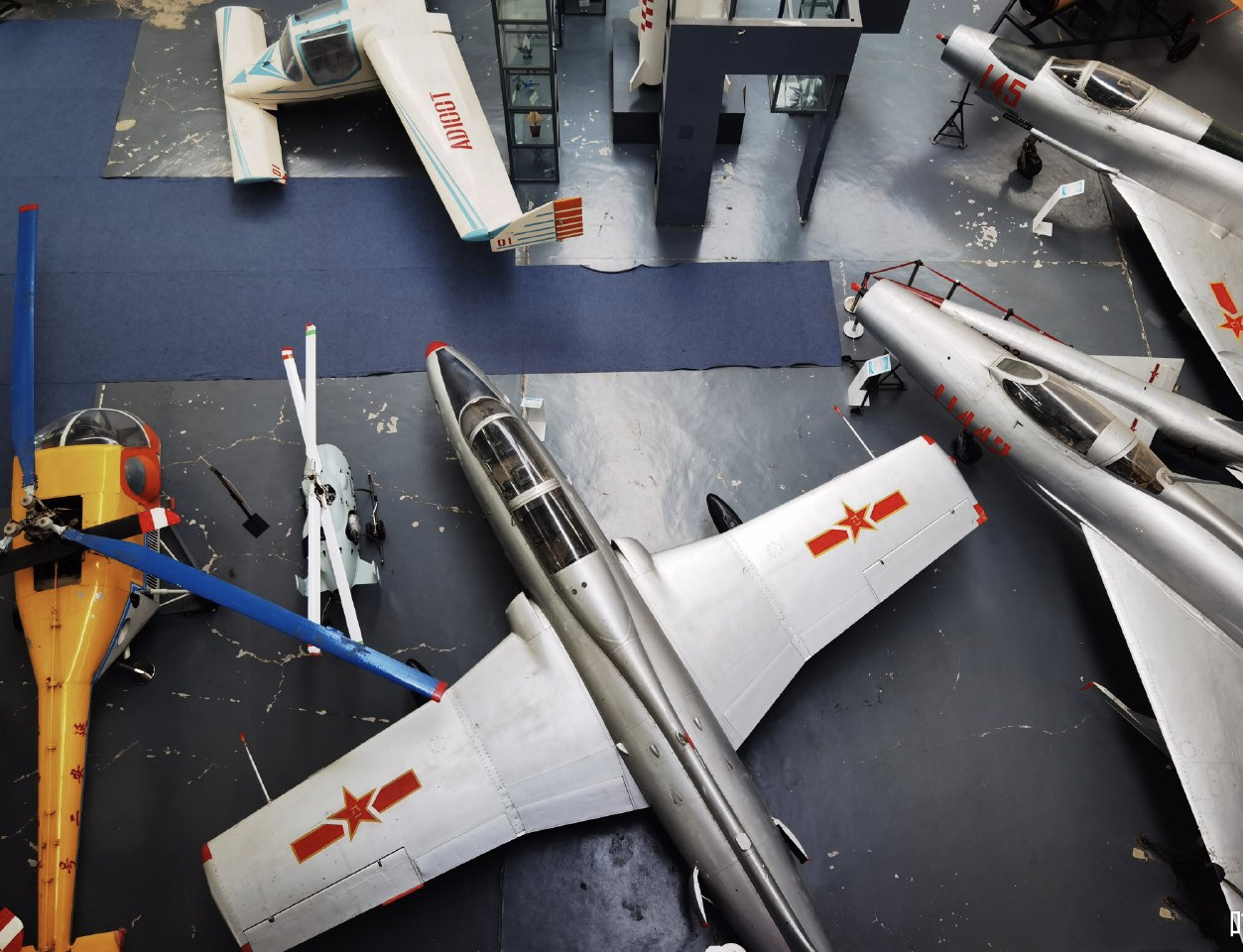
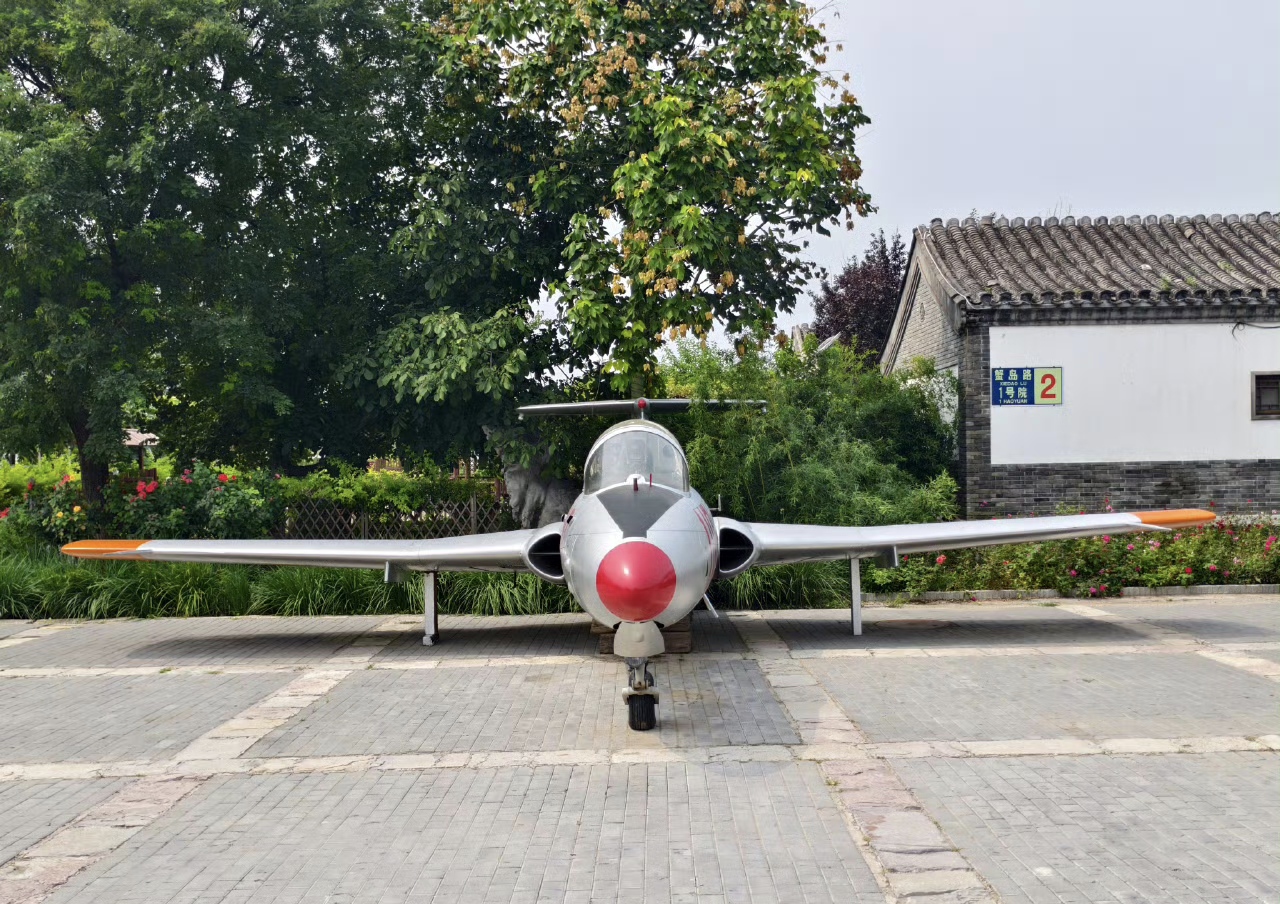
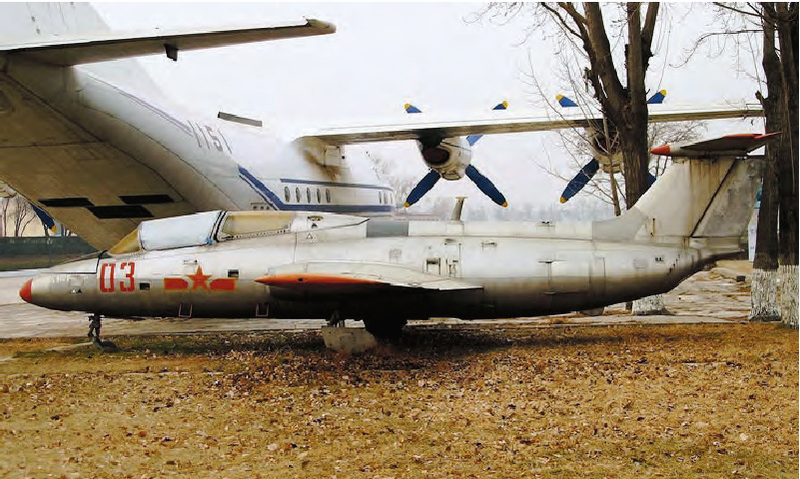
Over time, the position of the sole four L-29 aircraft was eventually replaced by the domestically produced K-8 trainer. After their retirement, these aircraft were placed in aviation museums. For example, one is displayed in the central hall of the Aviation Museum at Nanjing University of Aeronautics and Astronautics. It was donated in 1976 by Unit 3577 of the Air Force, and records show it completed 4,032 takeoffs and landings. One is housed at the Nanchang Hongdu Machinery Factory, and the other at the China Aviation Museum.
Spoiler
- Length: 10.81 m
- Wingspan: 10.29 m
- Height: 3.13 m
- Wing Area: 19.8 m²
- Wheelbase: 3.9 m
- Empty Weight: 2,280 kg
- Standard Takeoff Weight: 3,286 kg
- Maximum Takeoff Weight: 3,540 kg
- Powerplant: 1 × M-701C turbojet engine (thrust 8.7 kN)
- Cruising Speed: 655 km/h
- Maximum Speed: 820 km/h
- Stall Speed: 130 km/h
- Service Ceiling: 11,500 m
- Rate of Climb: 14 m/s
- Maximum Range: 894 km
- Takeoff Run: 550 m
- Landing Roll: 440 m
Spoiler
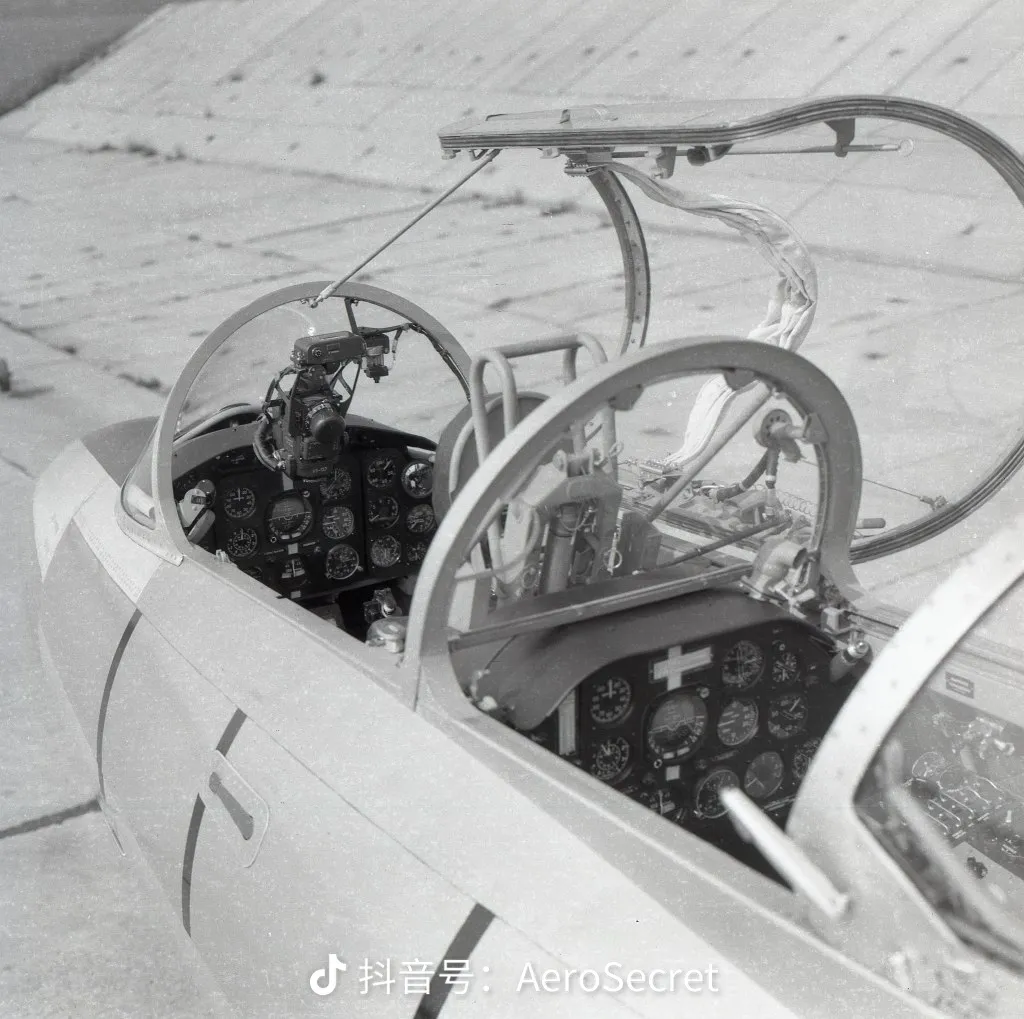
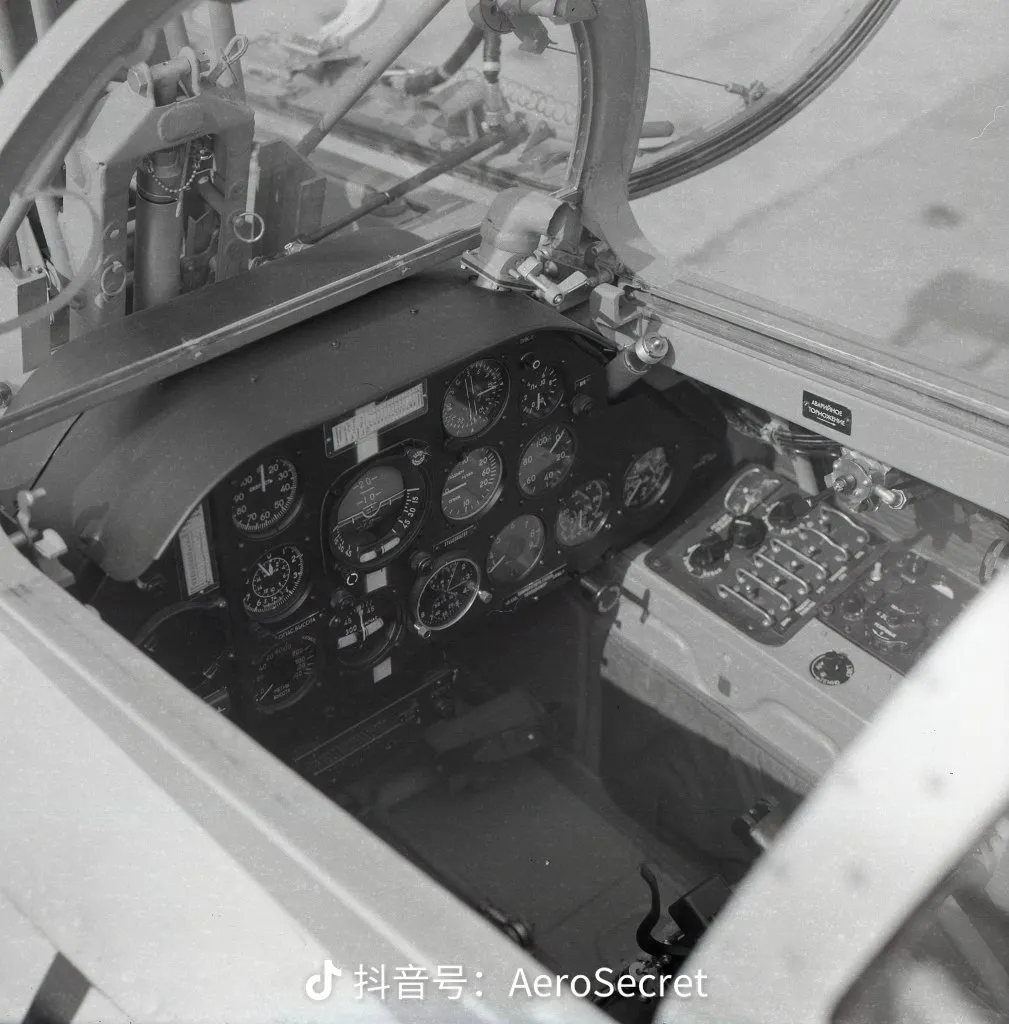
It is equipped with an ASP-3MN/U weapons sight,
Two underwing hardpoints (maximum payload approximately 200 kg)
- Machine Gun Pods: 2 × 7.62 mm machine gun pods
- Rocket Launchers: 2 × rocket launcher pods (containing a total of 8 × 67 mm rockets)
- Aerial Bombs: 2 × 100 kg bombs
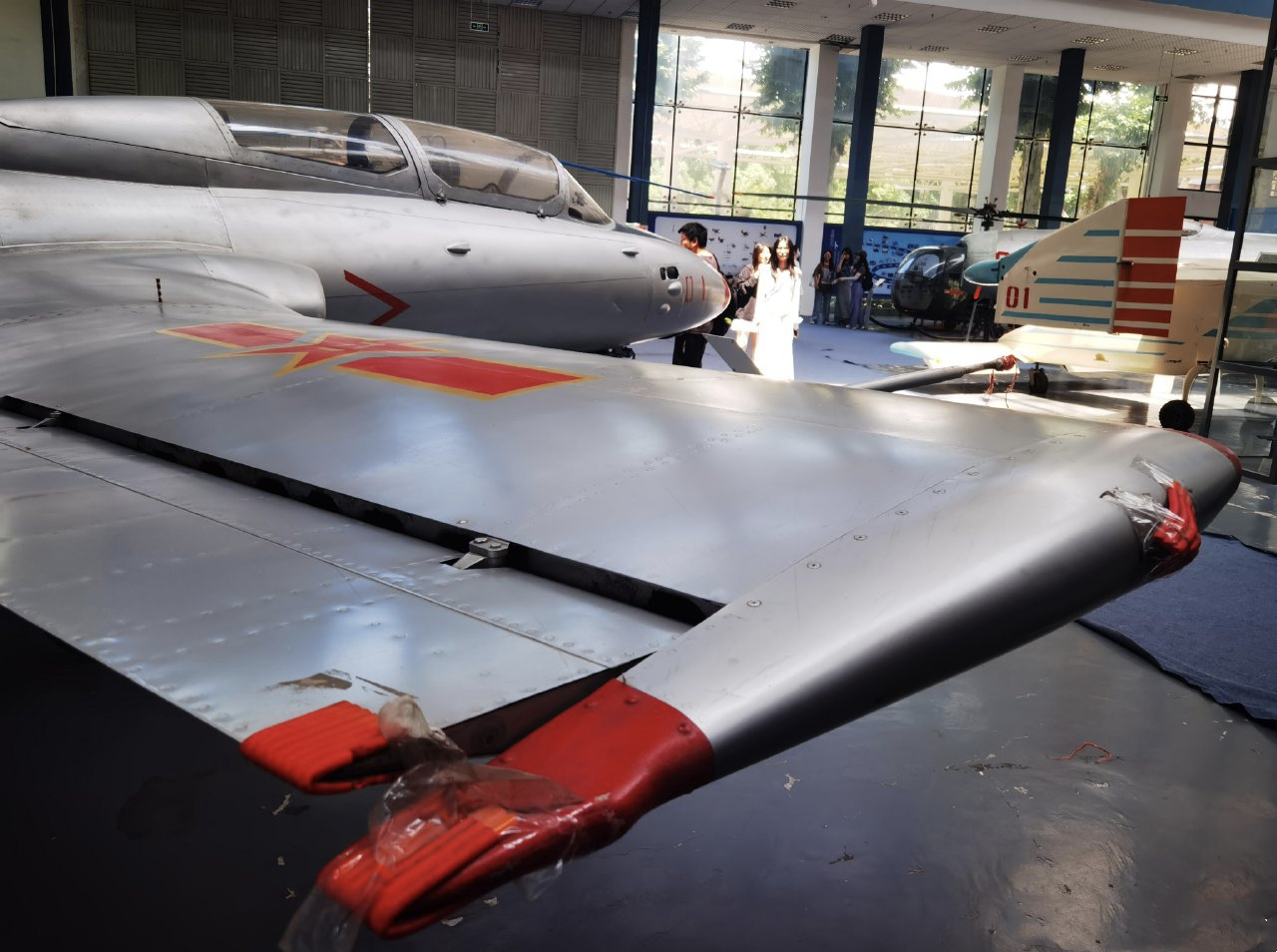
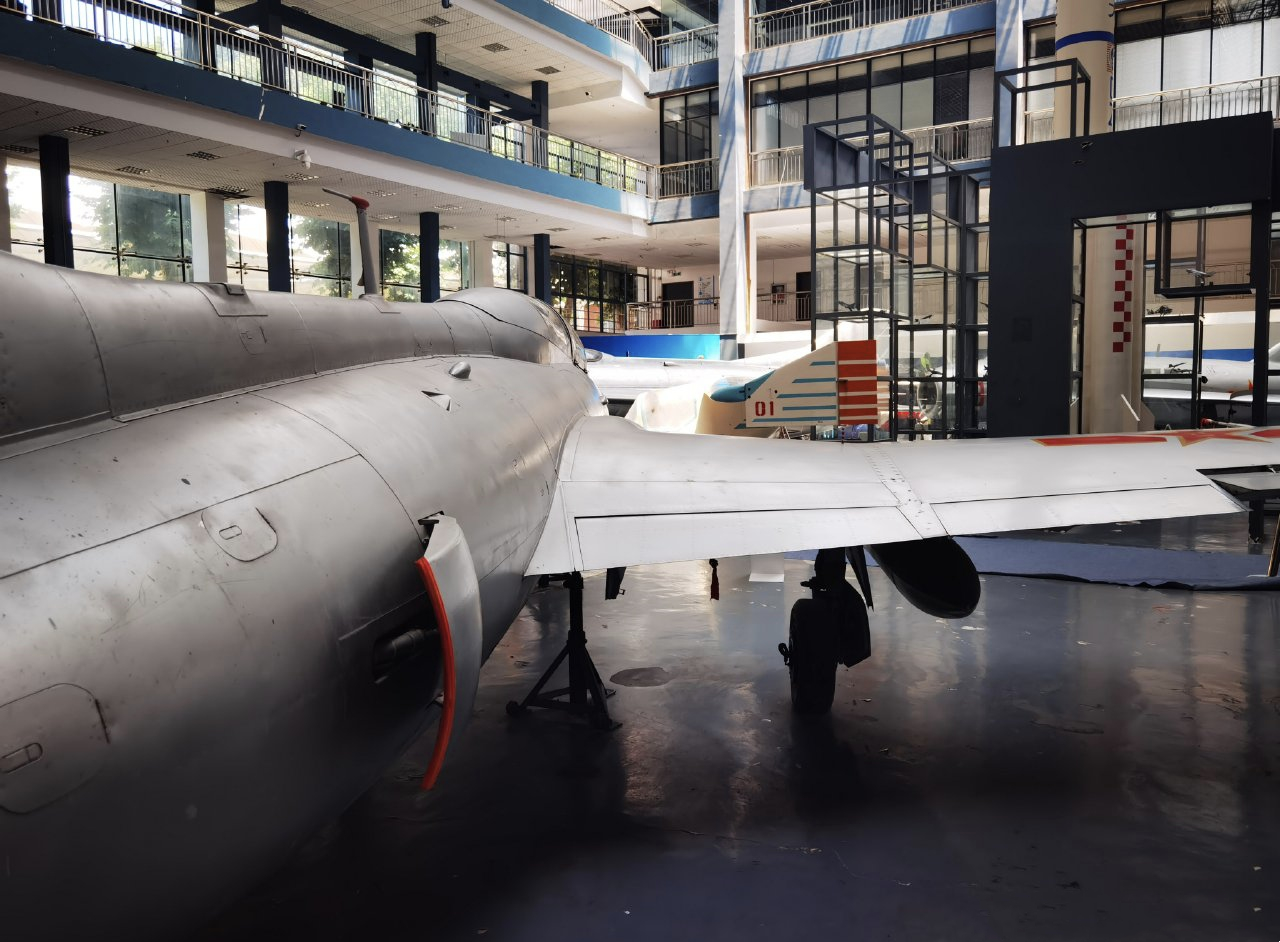
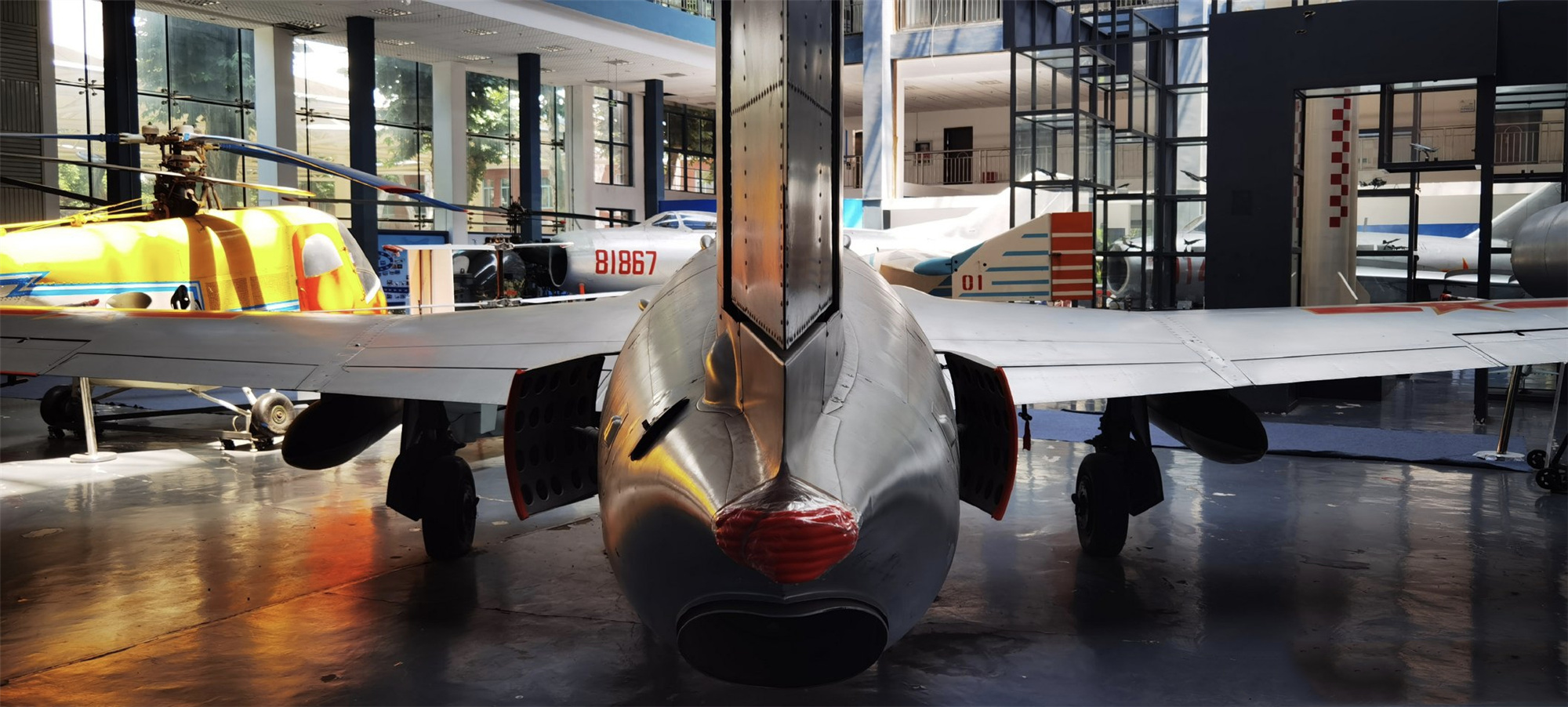
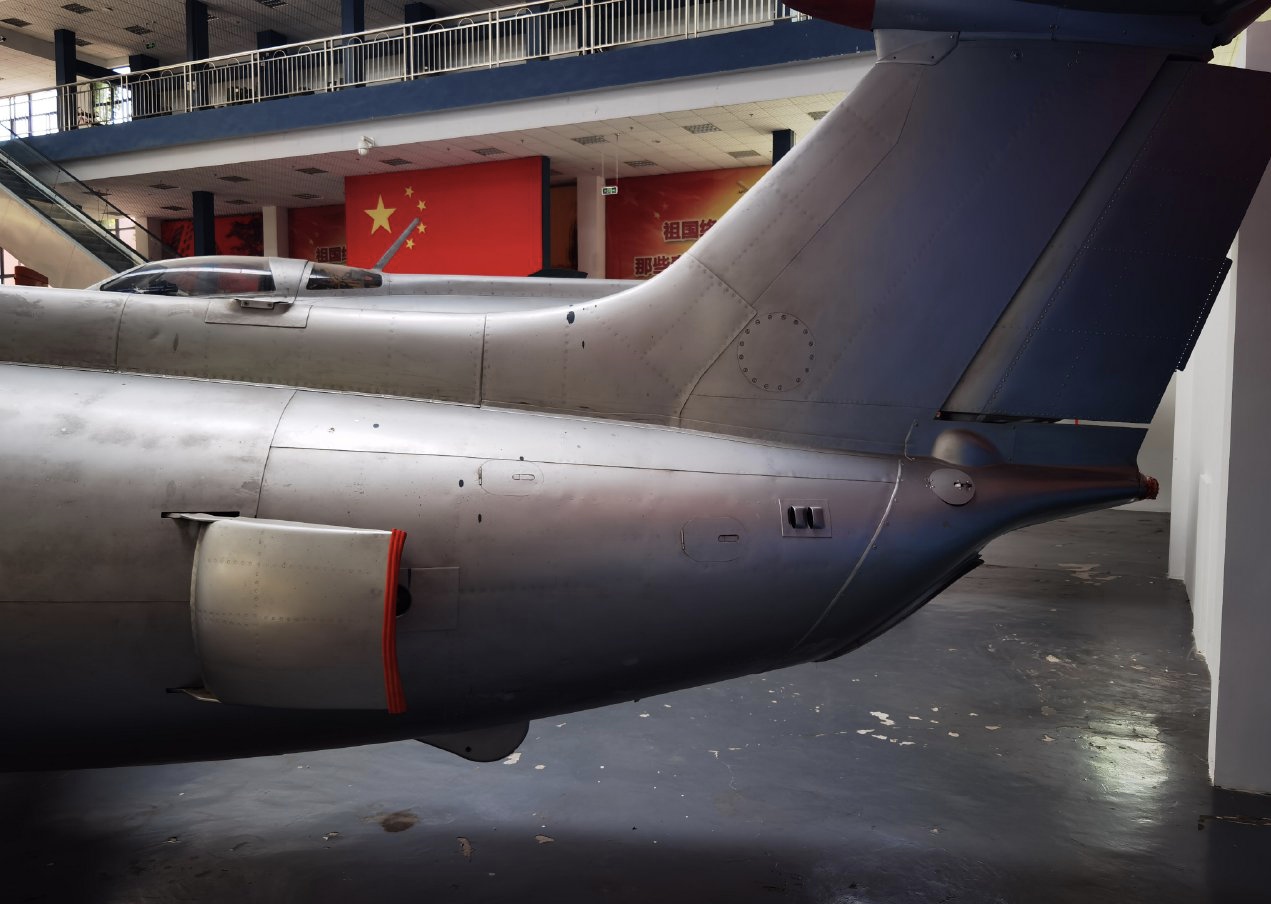

Spoiler
[Beijing: Aviation Industry Press. Wei Gang, Chen Yingming, Zhang Wei. 2011. p. 137](Chinese Aircraft Series, Volume 2)
Sino-Soviet Military Aircraft Trade During the Cold War
The “Falcon” Family: The Development History of the K-8 Series Trainer Aircraft
L-29教练机
Baidu Baike: L-29 Delfin
Chinese Encyclopedia: L-29 Trainer Aircraft
Nanjing Aerospace Museum Official Website Exhibit Introduction
L-29 Sina.com Global Military Headlines
[Liu Le. (2016). Silver Wings from the North: Sino-Soviet Military Aircraft Trade During the Cold War](Ordnance Knowledge, (5), 33-36)