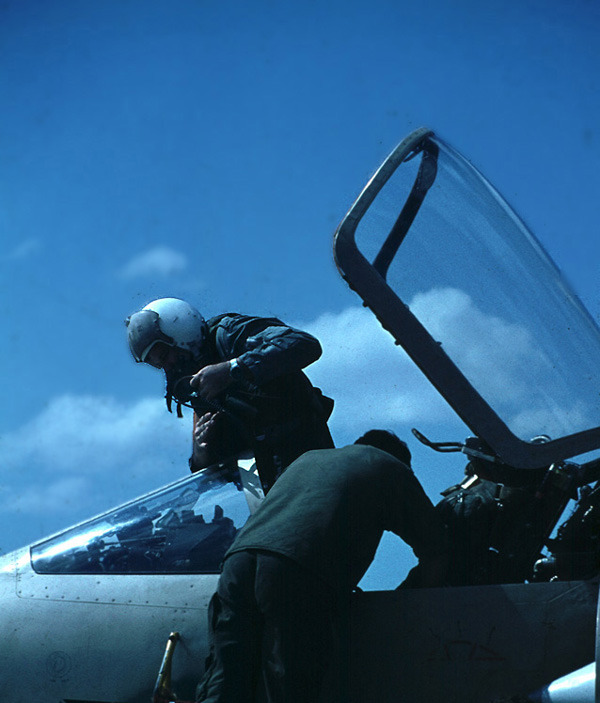
Pretty sure Israeli Kfir pilots used HGU-33/Ps, HGU-2s, etc (whatever else they could get their hands on), with the both the curved and straight visor shields
Greetings Kfir enjoyers, I’ve got good news, previous reports of mine have been updated under the presence of new sources.
I’ve also done a report on the JHMCS caused by a rounding issue, and I’m not missing a chance to be a pedantic individual against a half-assed implementation, also, I cited my physics book.
Lastly, since the holidays season is starting, I will begin working on the EEGS and HUD reports for the Kfir series of aircraft.
Happy holidays to everyone!
3 Likes
Greetings Kfir enjoyers, please excuse me for the inactivity, my uni has kept be busy for quite the long time, however, I’ve got great news!
I’ve done a few more findings in regards to the Kfir family, so please expect to see some more posts from my part.
You might ask, why not publish them now? Well, simply because I’ve got an exam tomorrow and I must study until the last bit (vector calculus does not mess around).

I swear the Kfir is not making me go insane.
4 Likes
Exactly, your work is very important because I’ve been wondering a lot: Why did they downgrade the Kfir’s MFD? (in the Colombian C.10 version of the game)
It’s supposed to have a more modern map, one that integrates the RWR and radar sensors (and a datalink, but they haven’t even included that feature in the Kfir). This game error related to the Multifunction Displays is very important for playing flight simulators; the Kfir’s current MFD is very outdated, and the Tactical Map is also missing.
2 Likes
Greetings dear Kfir community, as my mother once said “lo prometido es deuda”, or in English, “what is promised becomes debt”, here I will present all of the findings I’ve made so far.
Kfir C.2 / C.7 Fuel Tanks and Pylons
content
IMI Systems (also known as TAAS Israel Industries) has provided various fuel tank solutions for Israeli aircraft.
- MADNAP Fuel and Stores Tank
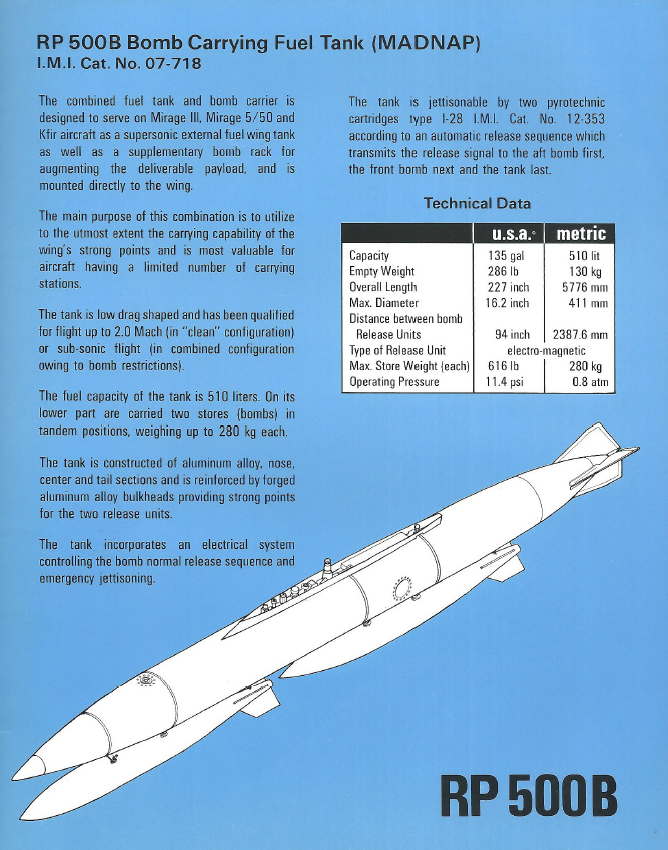
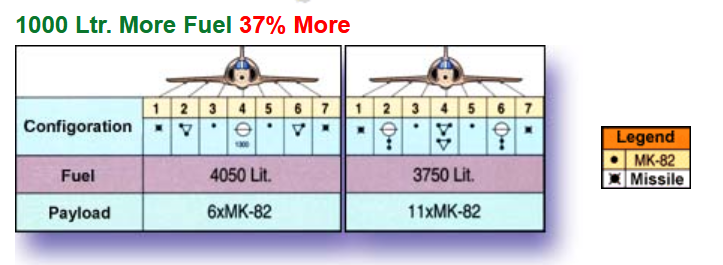
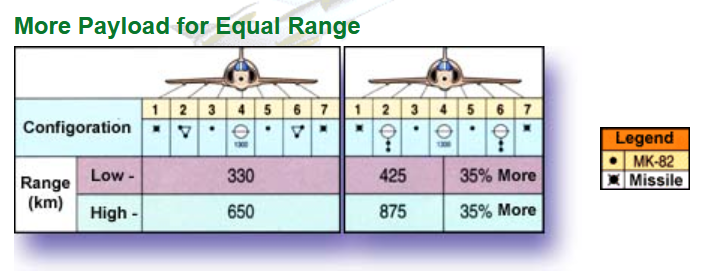
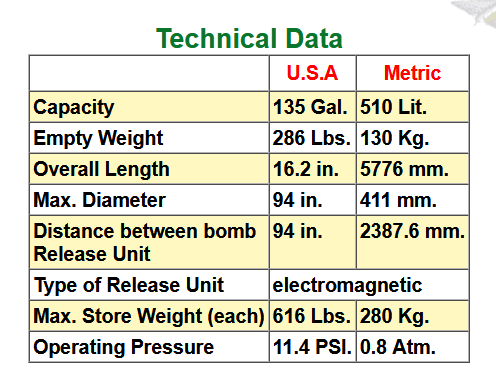
This specific fuel tank has been implemented in-game, however it carries no extra fuel, giving no extra range in terms of fuel (or weight) to the Kfir C.2 / C.7 when attached.
- Multiple Store Carrier (MSC)
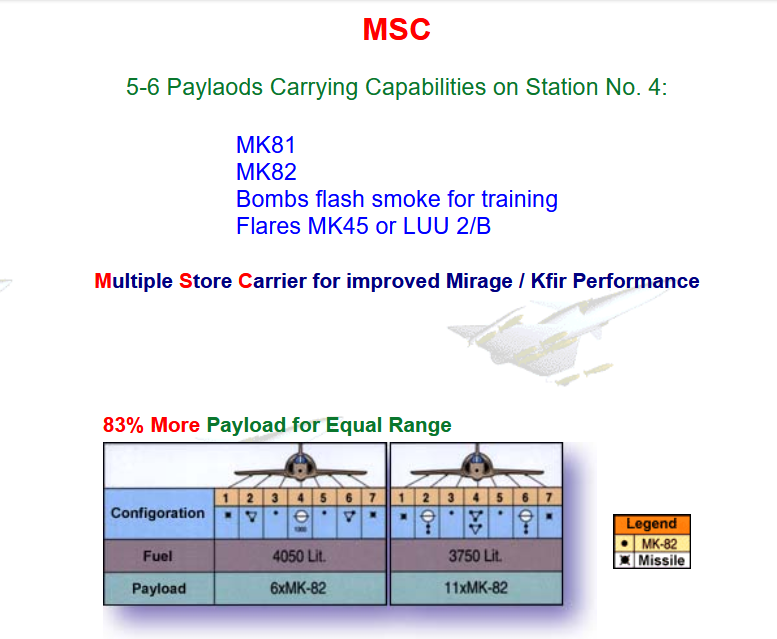
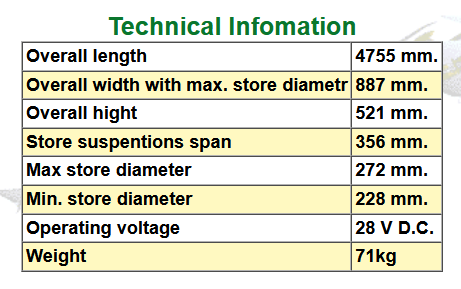
This specific pylon once more reinforces a report already accepted by the developers, being the extra flares for the Kfir aircraft series
- Kfir 825L Centerline Pylon (RP 825)
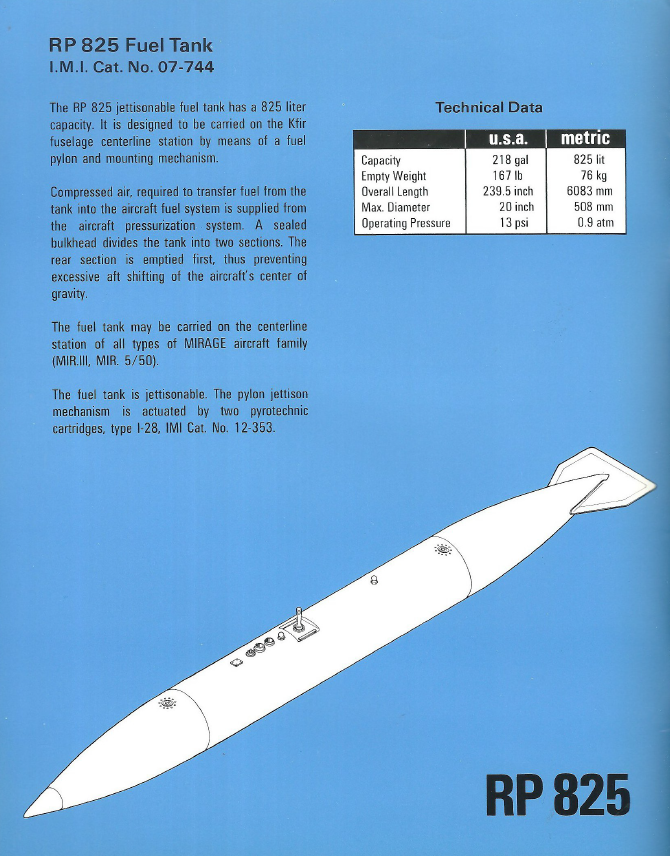
This pylon unfortunately holds the incorrect amount of fuel, in this case, it doesn’t hole 880 litres of fuel as shown in-game, but 825 litres instead, this of course has been already reported and accepted by the developers.
- Kfir 1300L Centerline Pylon (RP 1301)
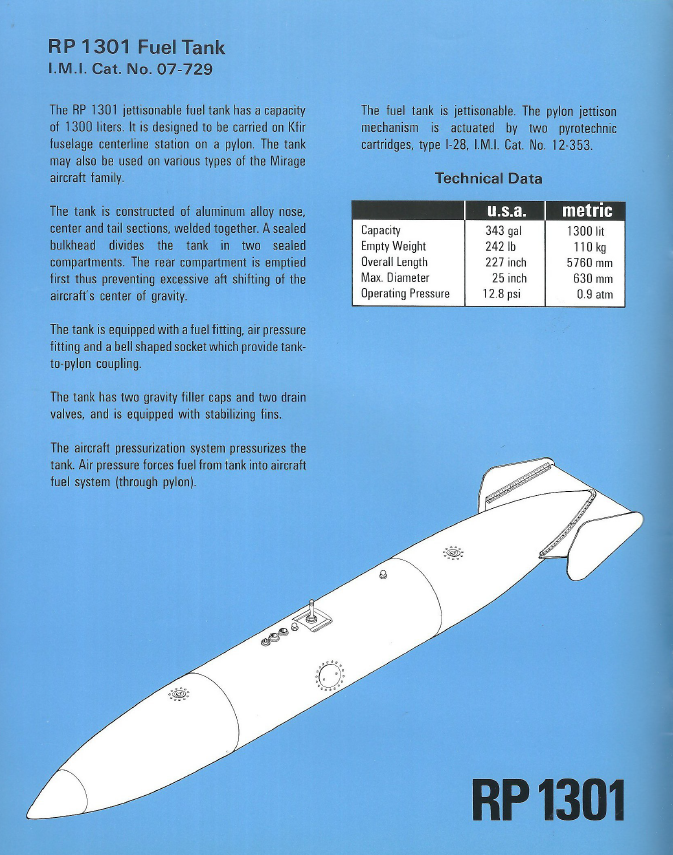
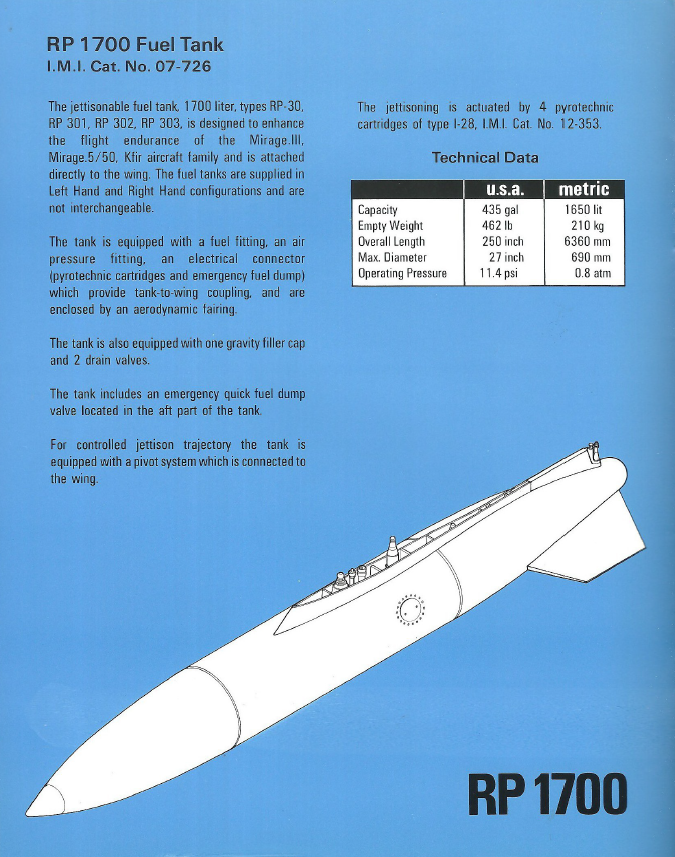
- Kfir 1650L Wing Pylon (RP 1700)
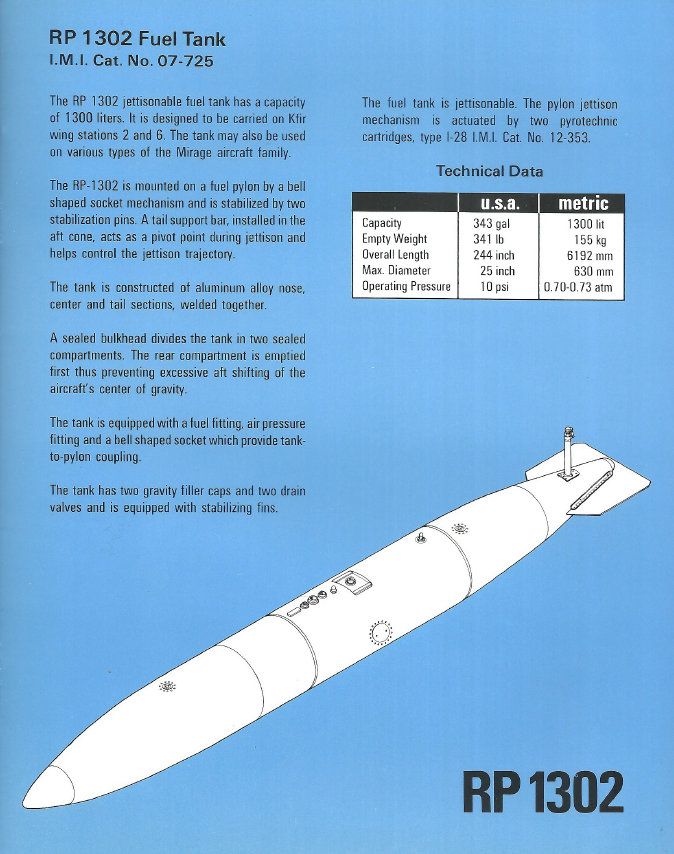
- Kfir 1300L Wing Pylon (RP 1302)
Kfir CE (C.10) MFD’s
content
For a long time I had suspected Astronautics was involved as one of the many military companies providing display solutions for aircraft, this of course started at first as a suspicion due to Wikipedia’s coverage of the IAI Kfir in its Spanish version, specifically this segment:
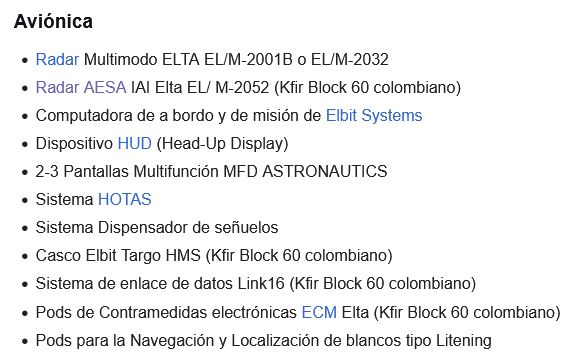
Translation:
Avionics
- Multimode radar ELTA EL/M-2001B or EL/M-2032
- IAI AESA Radar ELTA EL/M-2052 (Colombian Kfir C.10 Block 60)
- Elbit Systems Mission and Flight Computer
- HUD Device
- 2 - 3 Multifunction Screens MFD ASTRONAUTICS
- HOTAS System
- Decoy Dispenser System
- Elbit Targo HMS Helmet (Colombian Kfir C.10 Block 60)
- ELTA ECM Electronic Countermeasures Pod (Kfir C.10 Block 60)
- Litening Pod for navigation and target designation
Of course, a simple Wikipedia article isn’t enough to prove a meaningful link between Astronautics and the Kfir project, however I kept digging, and thanks to the internet archive I was able to unearth various brochures, datasheets and documents regarding their products, which are coincidentally in most aircraft modernization projects, notably, the modern Kfir siblings (C.10 and C.10 Block 60), F-5’s, etc.
For reference, here are some known pictures of the Kfir CE’s MFD’s:
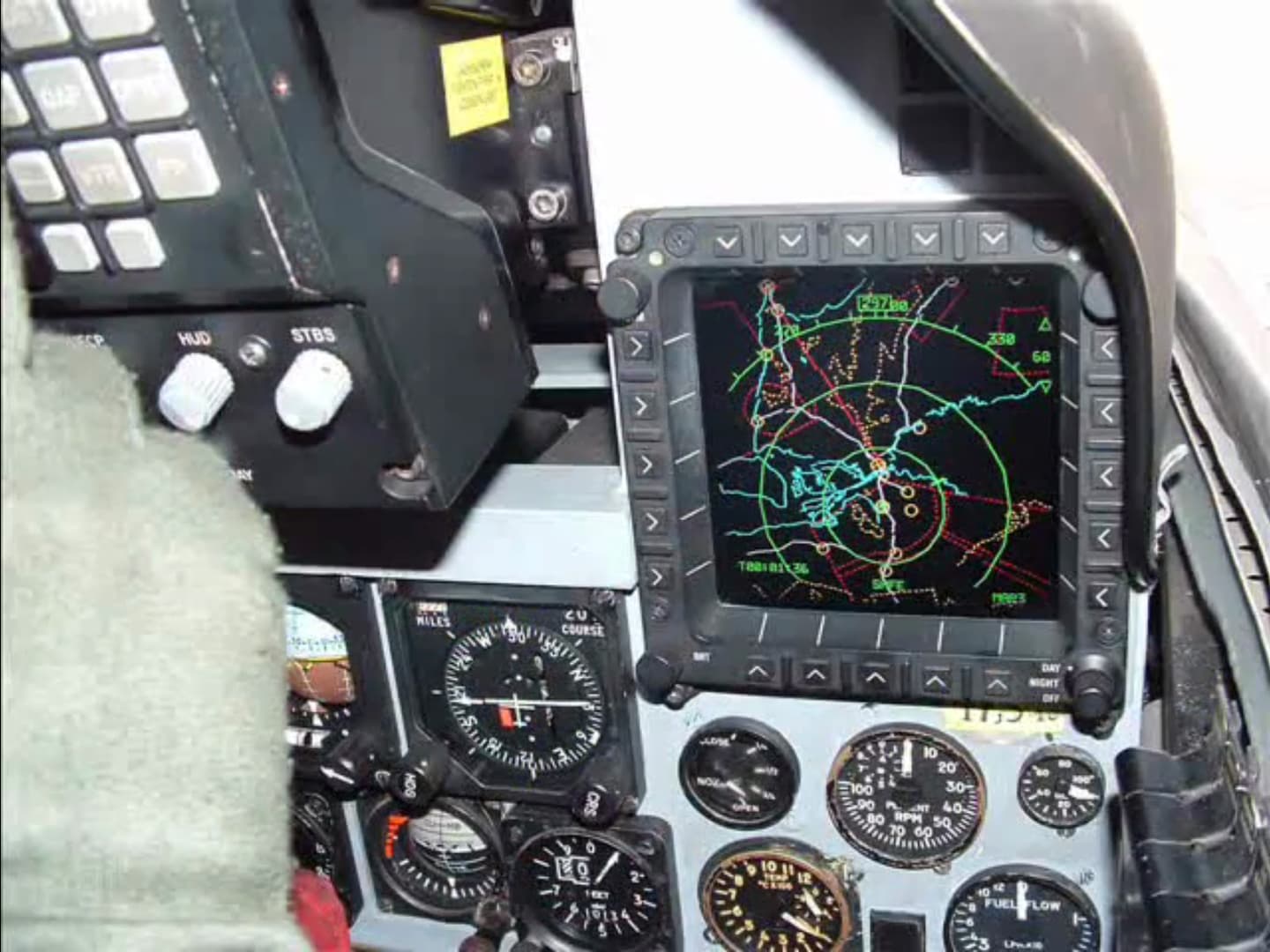
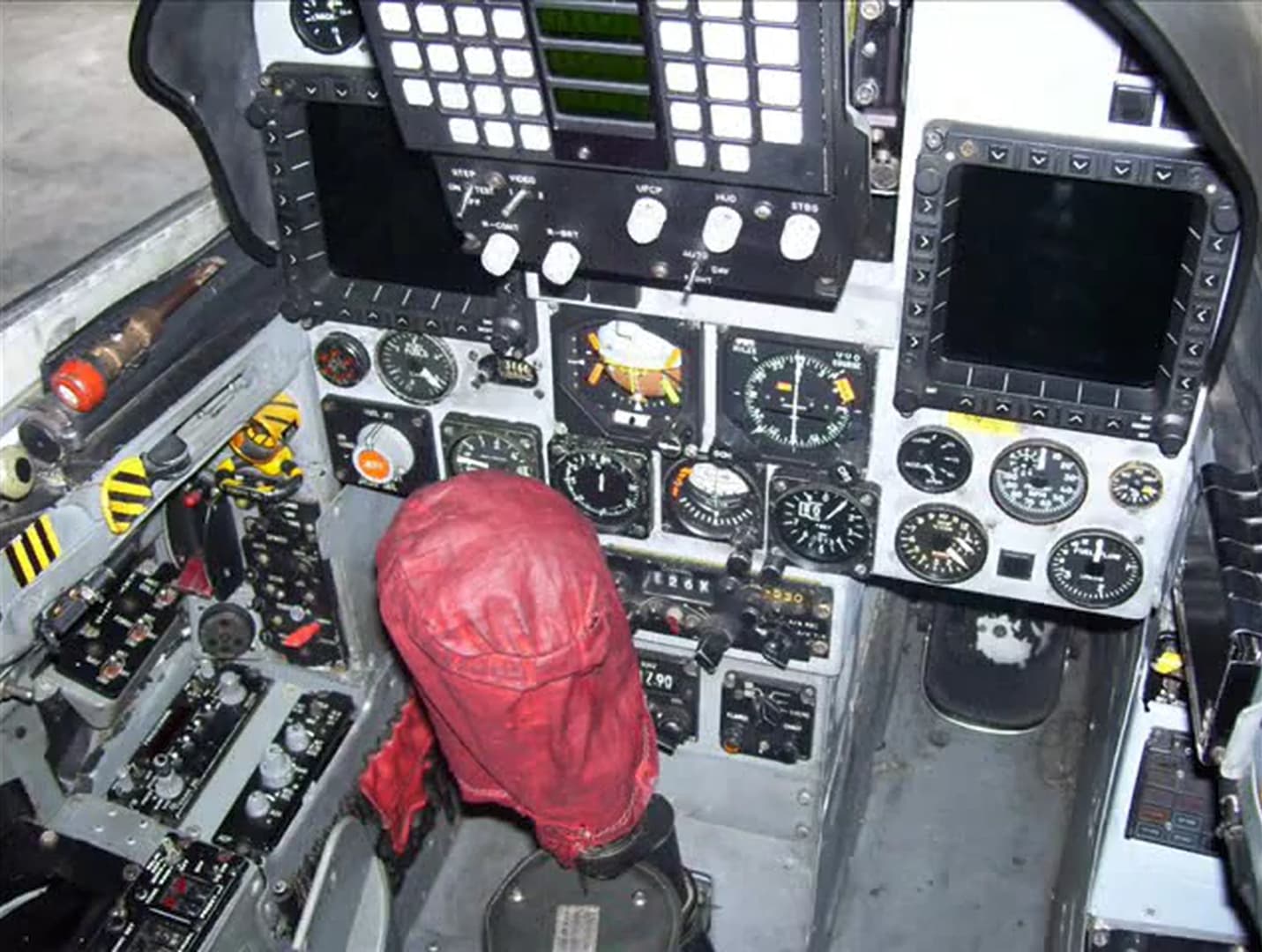
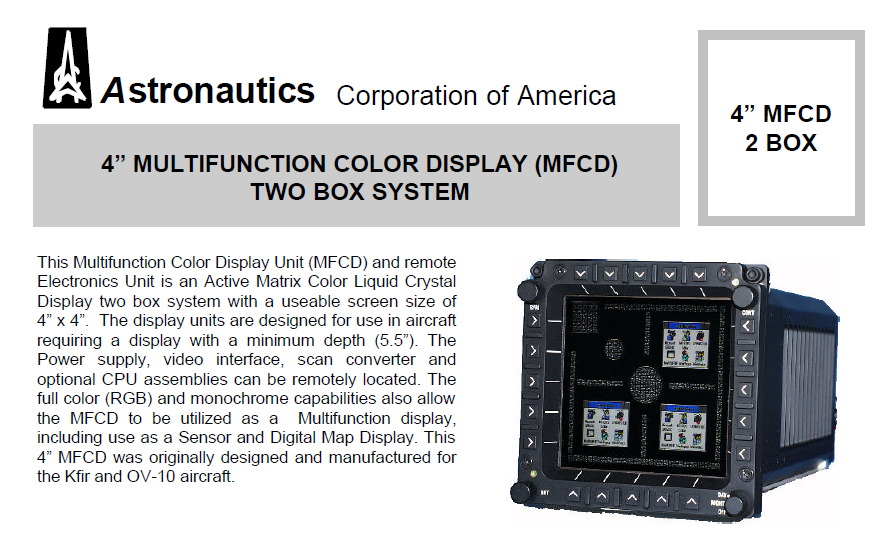
Here are the found data and information regarding the MFD’s, taken directly from Astronautics’ archived website:
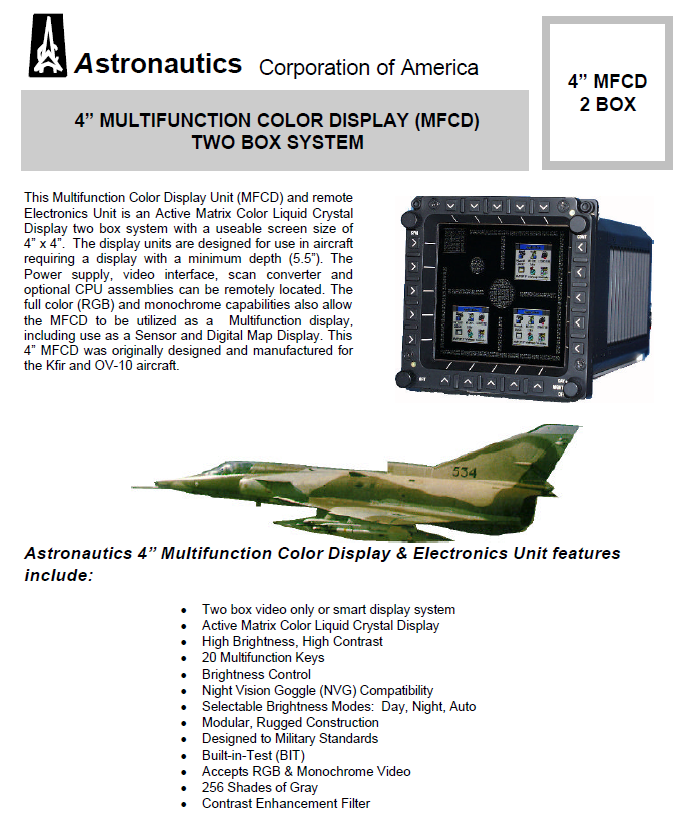
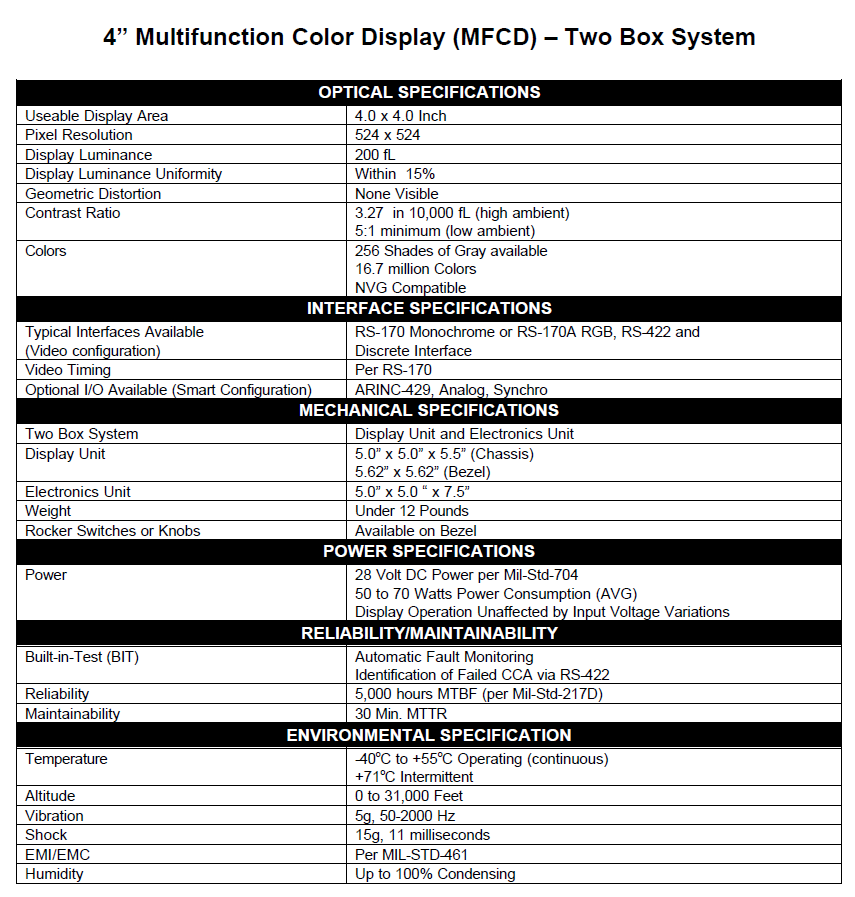
As the images and information would suggest, the MFD setup (the two-box configuration in particular) is the one in use by the Kfir CE (C.10), however, let’s add another piece of evidence, in the shape of an official excerpt of IAI’s website regarding their modernization projects.
The Kfir C-10 draws upon the operation experience of IAF pilots to provide an optimized cockpit layout and man machine interface. The HOTAS controlled cockpit is equipped with a new Head Up Display (HUD), two 5"x5" Multi Function Color Displays (MFCDs), Up Front Control Panel, and an optional Helmet Mounted Display System (HMDS)…
This particular MFCD also appears in surface internet searches, reported by both Astronautics and AeroExpo as part of the “AMF 4400 MFD Family”, however the brochure seems to be locked behind the contacting of Astronautics’ sales representatives, in other words, no free download.
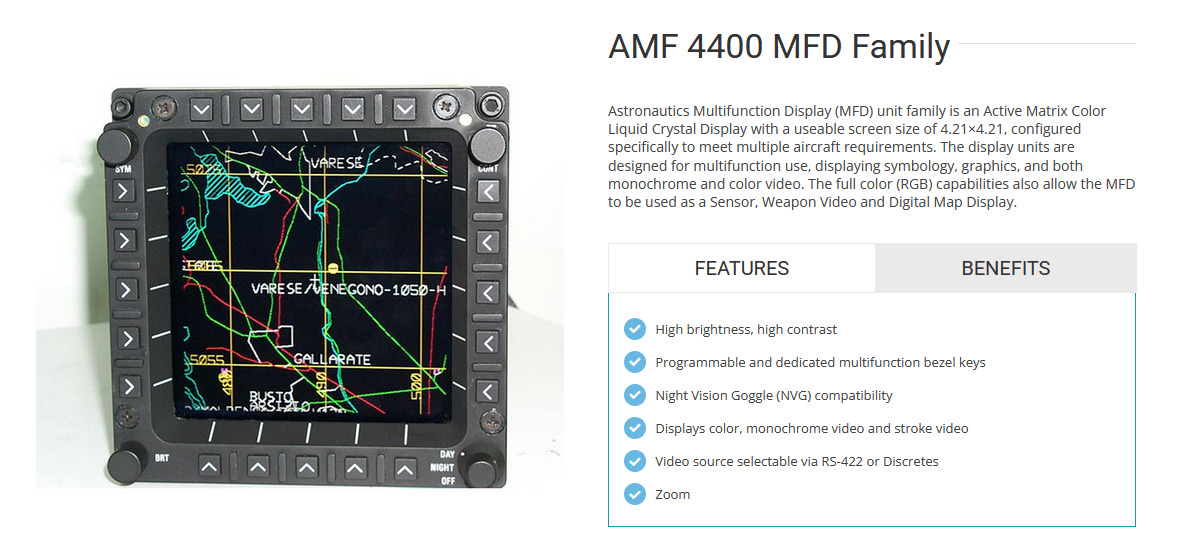
Likely, if you’re an avid reader, you might have noticed the Data Sheet title be “4” Multifunction Color Display (MFCD) Two Box System", of course, emphasizing the “4 in” part, which might be taken as an inconsistency when compared to IAI’s description.
However, if one reads the description under the “Mechanical Specifications” section, one may find the measurements to be " 5.0 in x 5.0 in x 5.5 in (Chassis)" the relevant part in this case being the first two measurements, as the last measurement is given the full depths of the electronics housing.
Of course, I would highly encourage to ignore this small clarification as it might serve of zero purpose other than over-explaining something that you, my dear reader, may already be able to deduce or conclude through comparing the images at hand.
Either way, the MFCD’s brochure and data presented align fully with the Kfir CE (C.10’s) MFCD’s.
Kfir CE (C.10) ADI & HSI
content
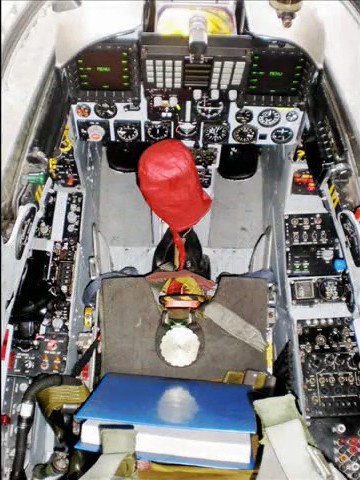
During my research over at Astronautics’ internet page I found they also provide traditional mechanical sensors, in this case, I noticed the instruments found on the Astronautics America website looked quite similar to the ones found in the Kfir CE (C.10).
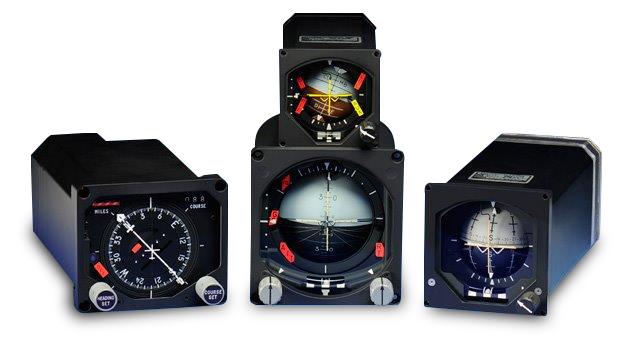
So I continued looking through their website, and of course, found a higher definition picture of these very instruments.

And with this picture, and with the help of the archived contents found inside the Internet Archive, I was able to find the respective datasheets for the ADI (Attitude Direction Indicator) and HSI (Horizontal Situation Indicator) provided by Astronautics on their Israel page, here are the contents:

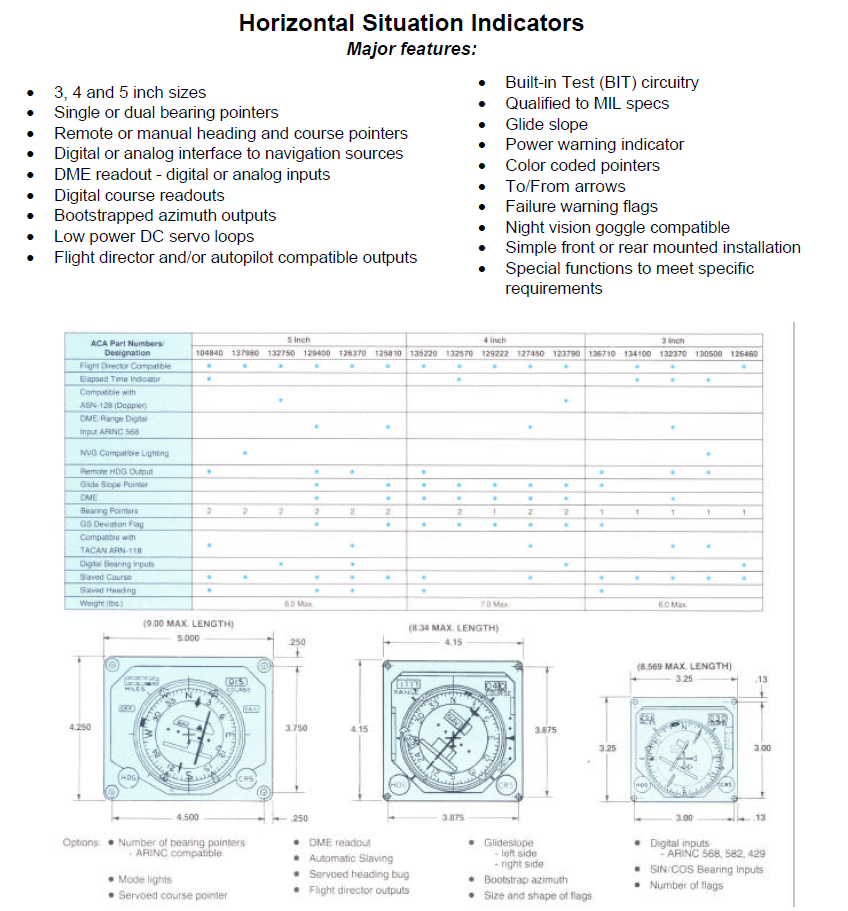

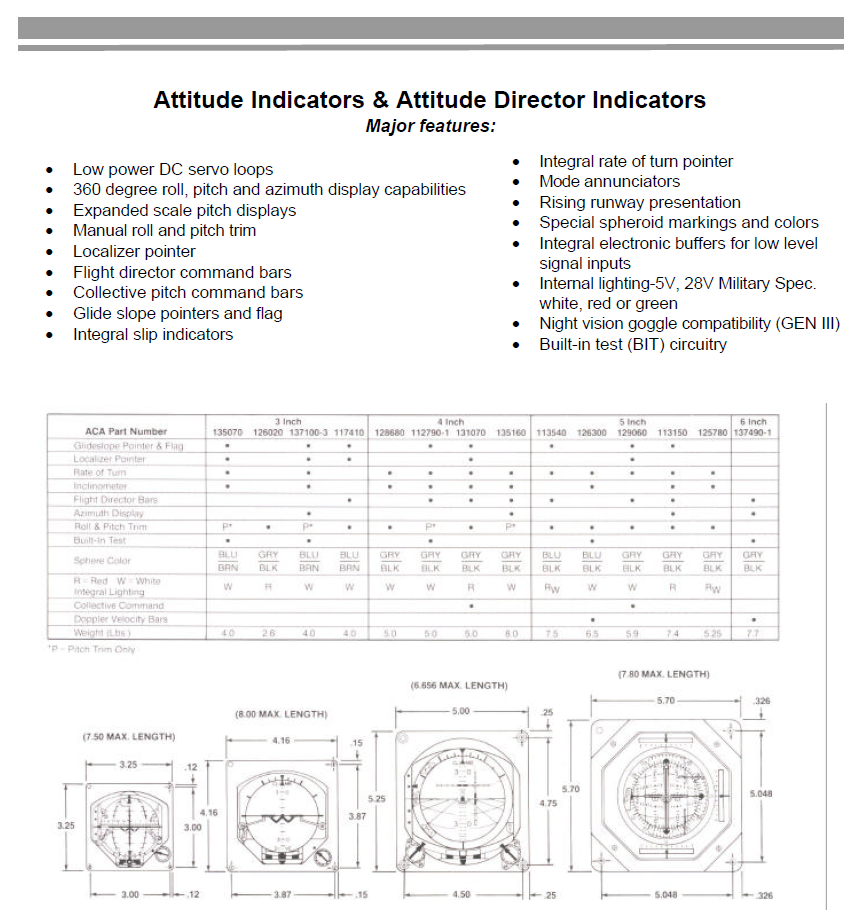
Once more, making the due comparison to Kfir CE pictures once may notice that they are in fact instruments designed and provided by Astronautics, here are some already known Kfir CE cockpit pictures for reference:

Kfir C.10 Block 60 MFD’s
content
Upon discovering the pride of the Ecuadorian Air Force, the Kfir CE (C.10) used astronautics products as part of its avionics suite, I continued looking forward, finding a picture of the display directly on Astronautics’ Israel website:
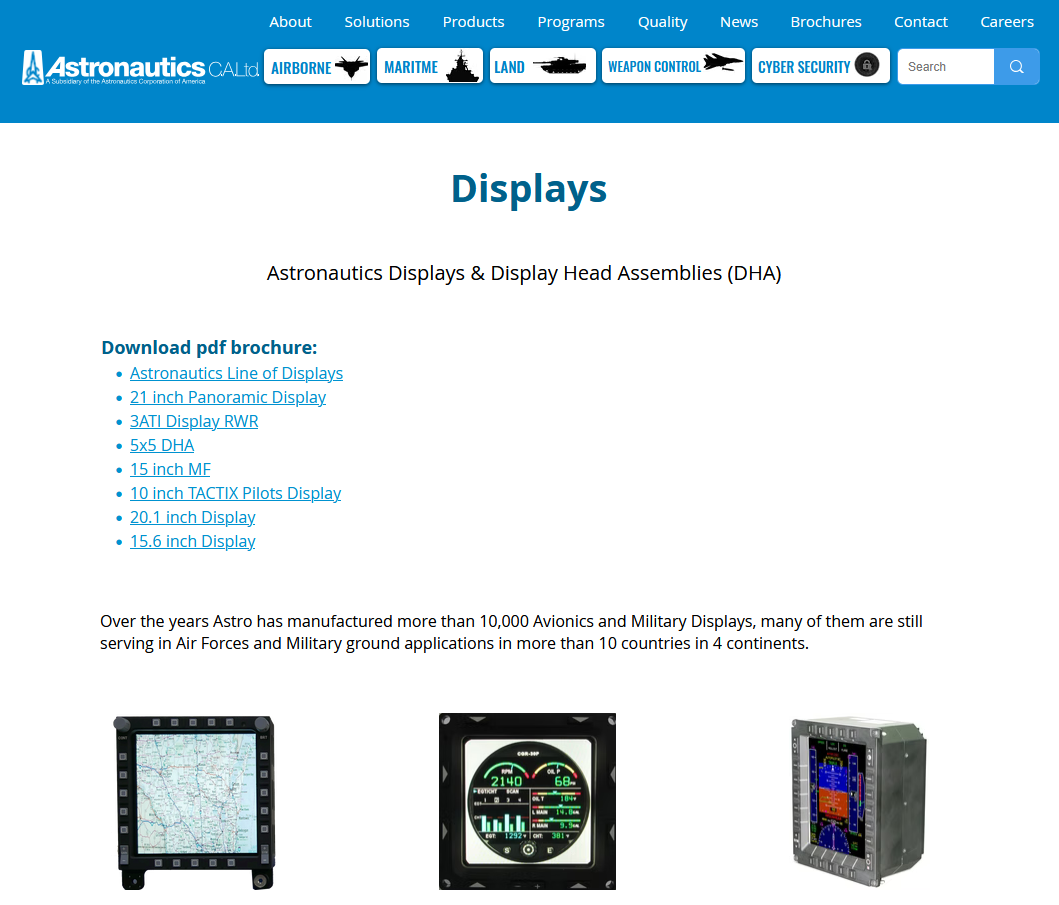
However, in this website there is no brochure present for this particular MFD, therefore, once again the Internet Archive comes to the rescue, as in Astronautics’ archived website one could find the 2009 datasheet and brochure for this particular MFCD.


Now for comparison, here is a photo of the Kfir C.10 Block 60 MFD’s:
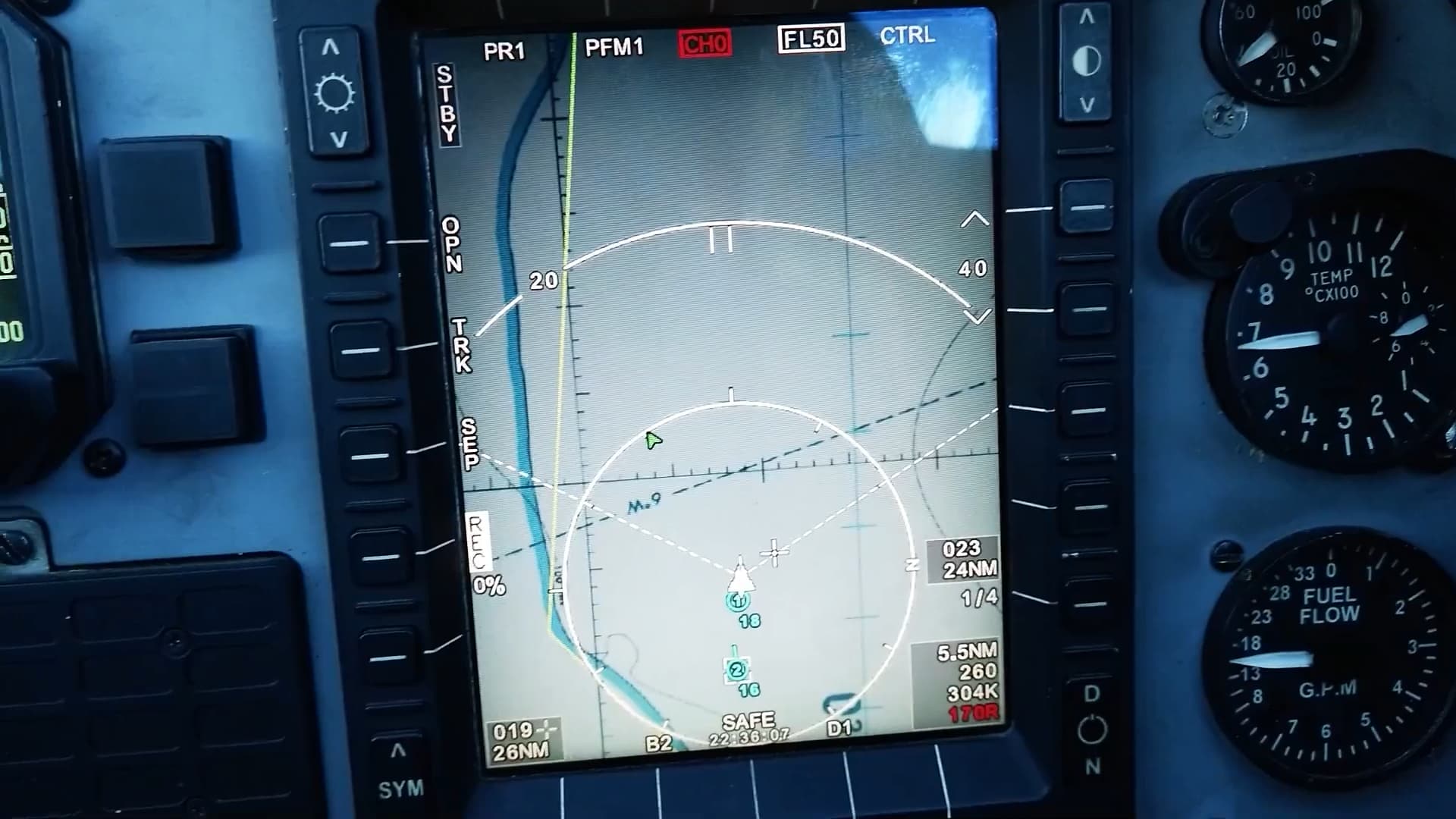
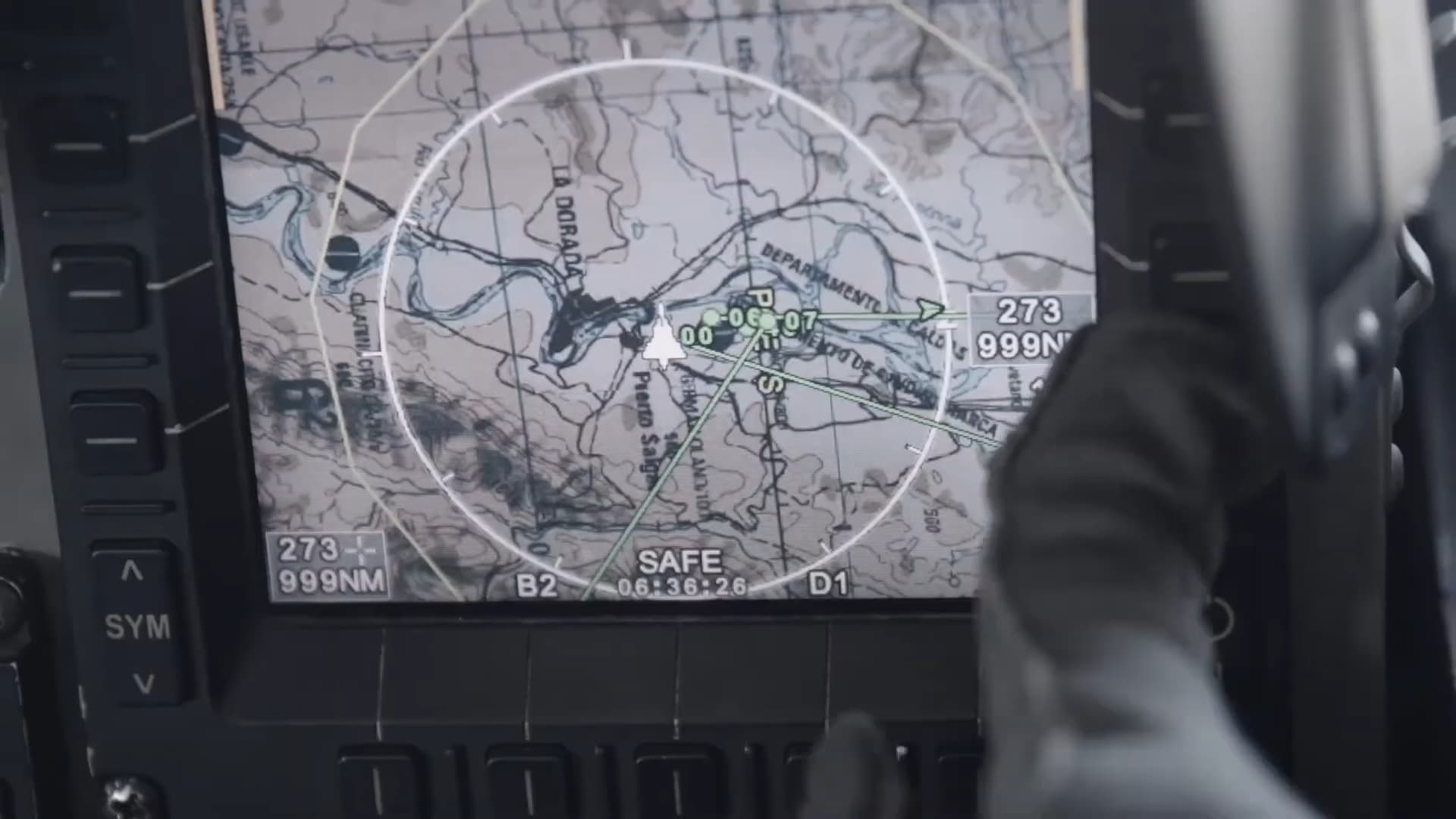
Compared to the product images provided by Astronautics and the ones provided by the Colombian Air Force, we can guarantee these are the same Multi-Function Color Displays
Kfir C.10 Block 60 Artificial Horizon
content
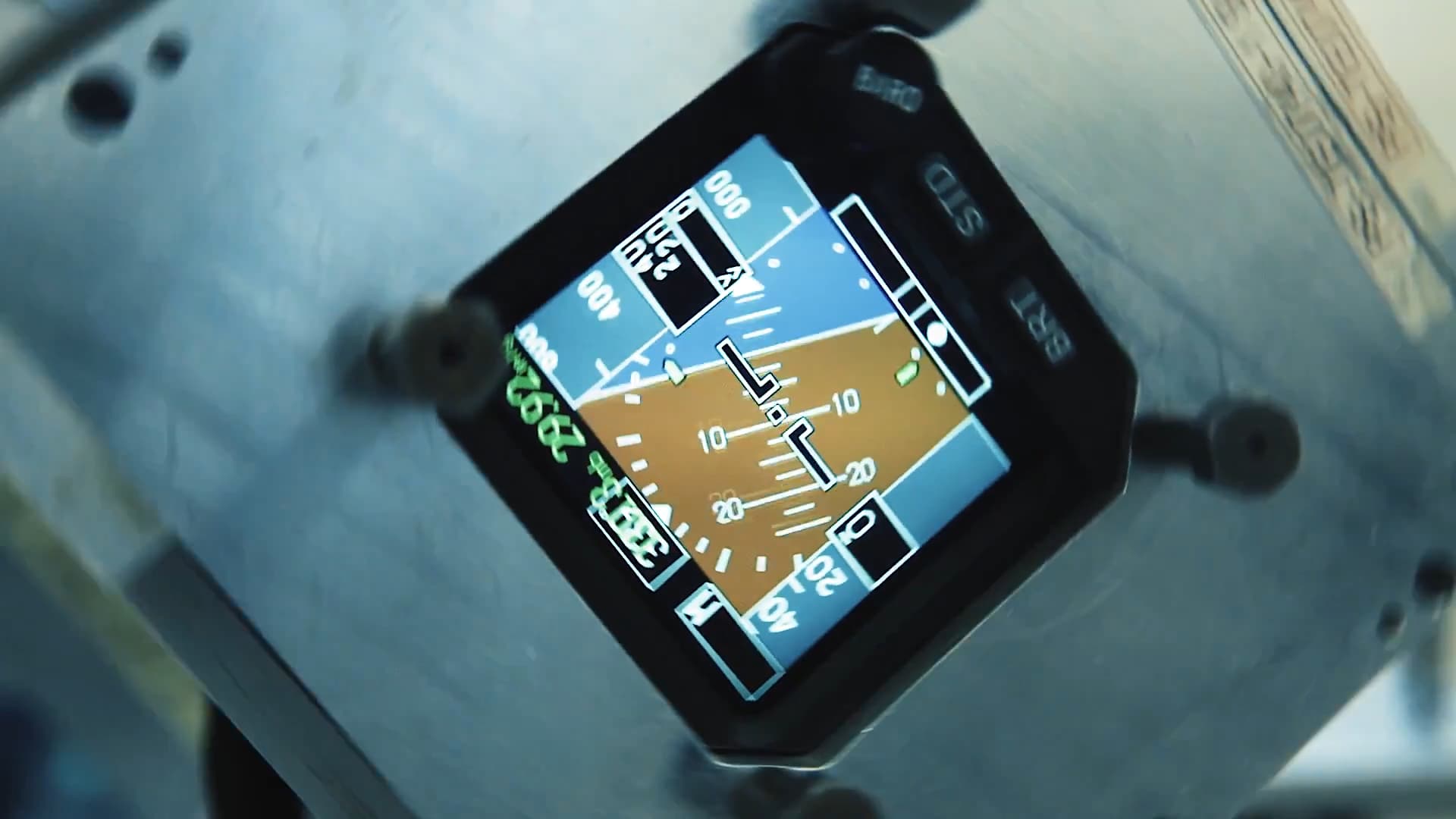
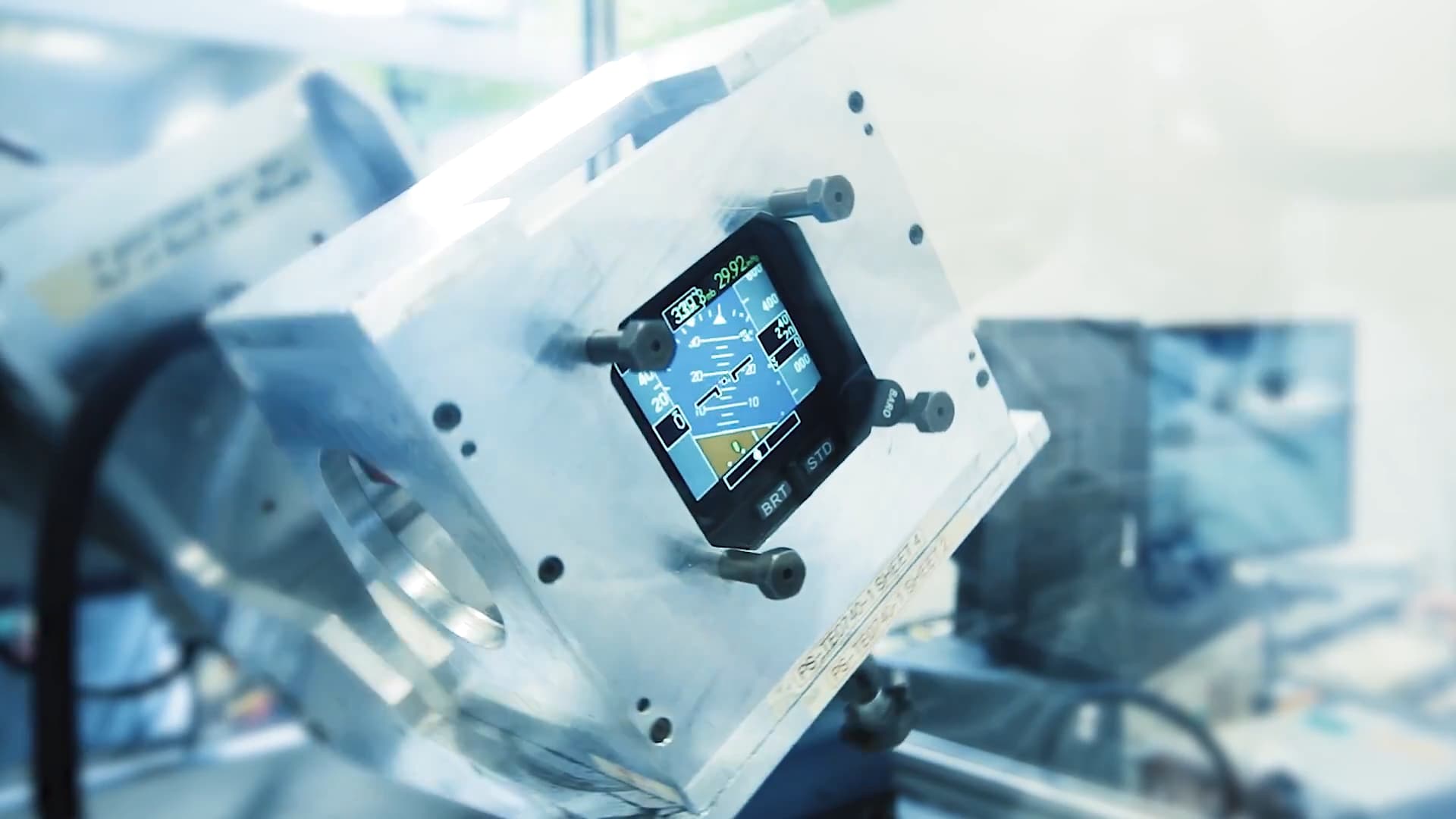
The last of the identified Kfir C.10 Block 60 displays is its artificial horizon, finding it was certainly easier than other components so far shown in this forum post, here are a few pictures showcasing this instrument inside the Kfir C.10 Block 60.
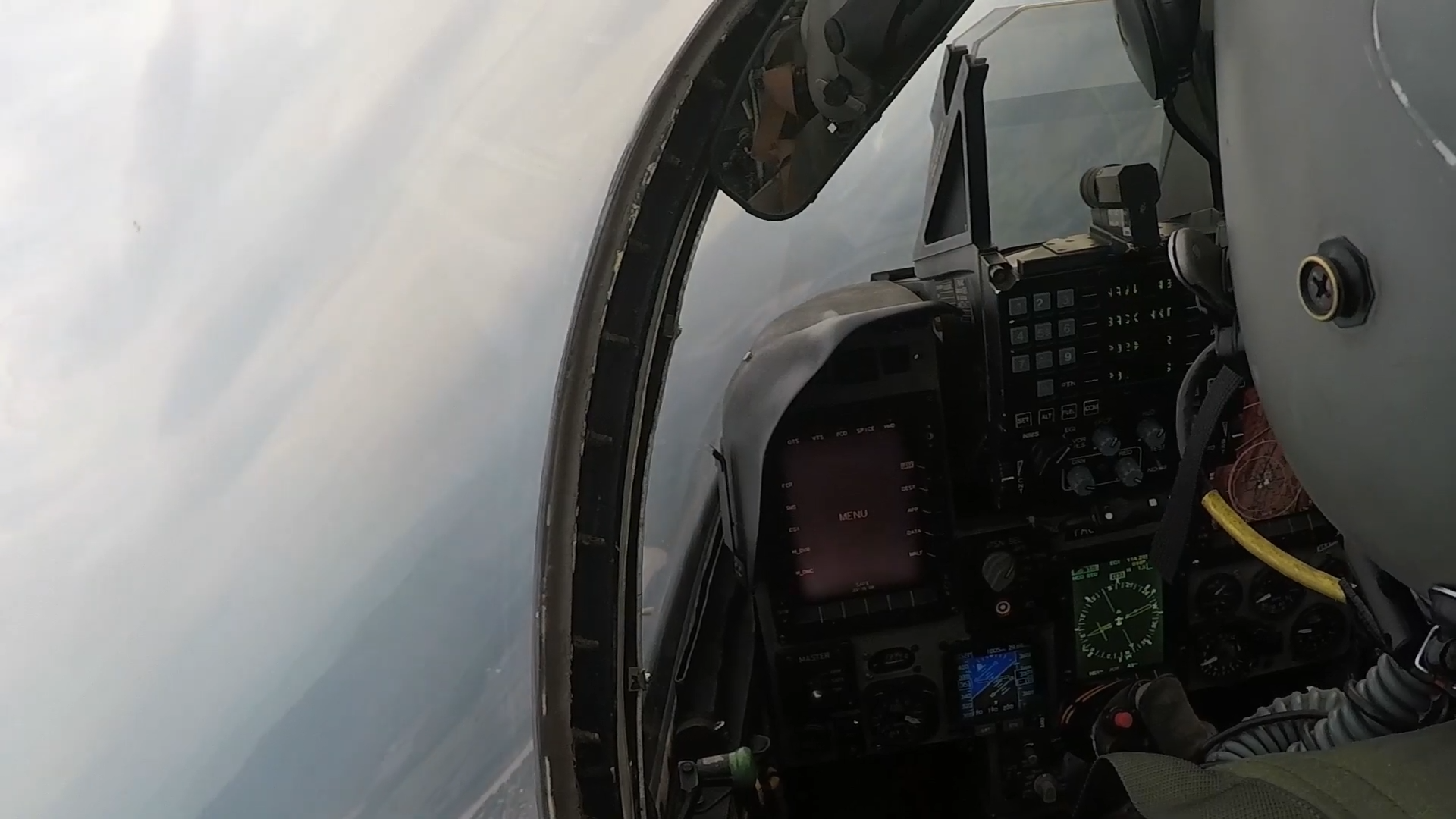
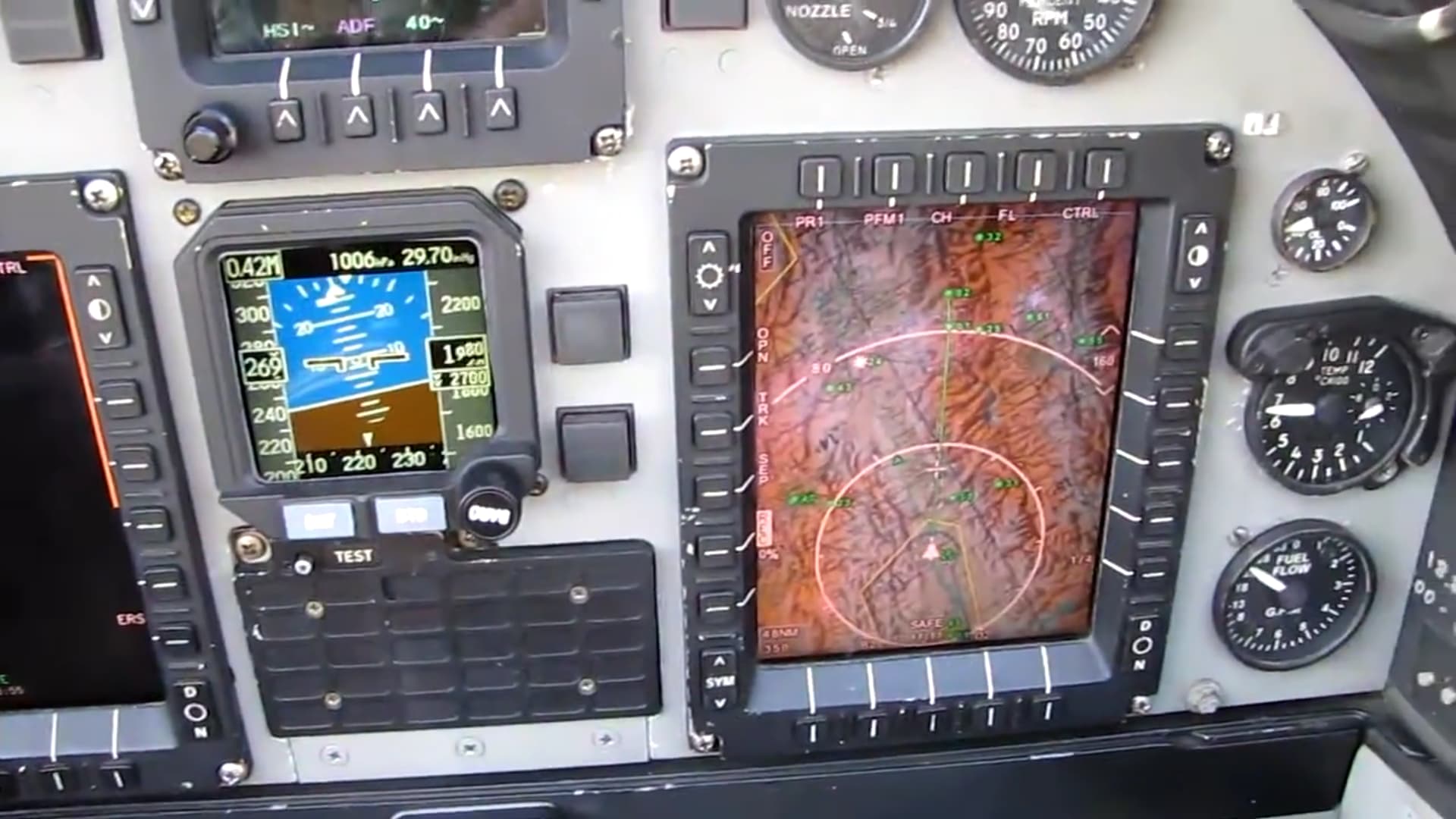
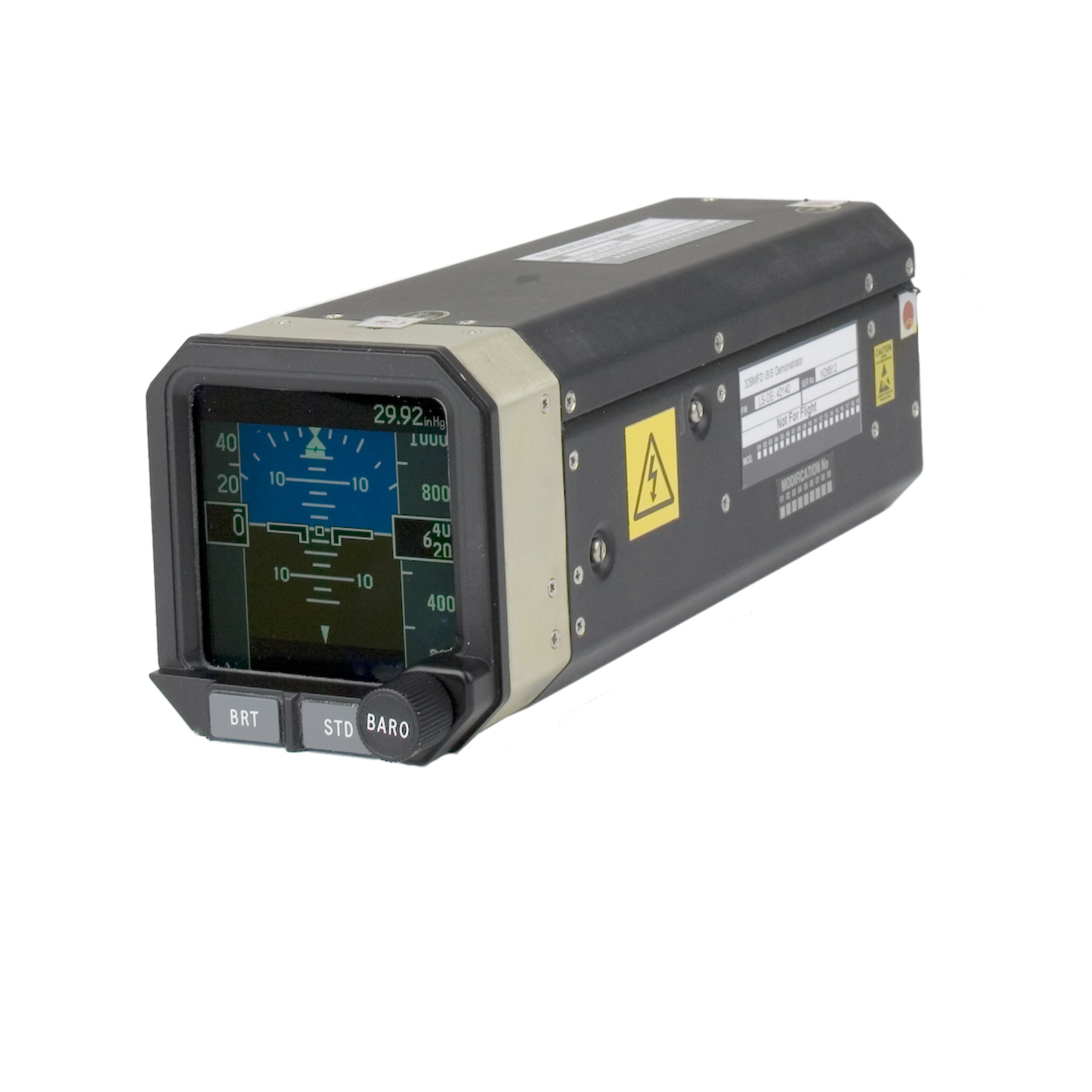
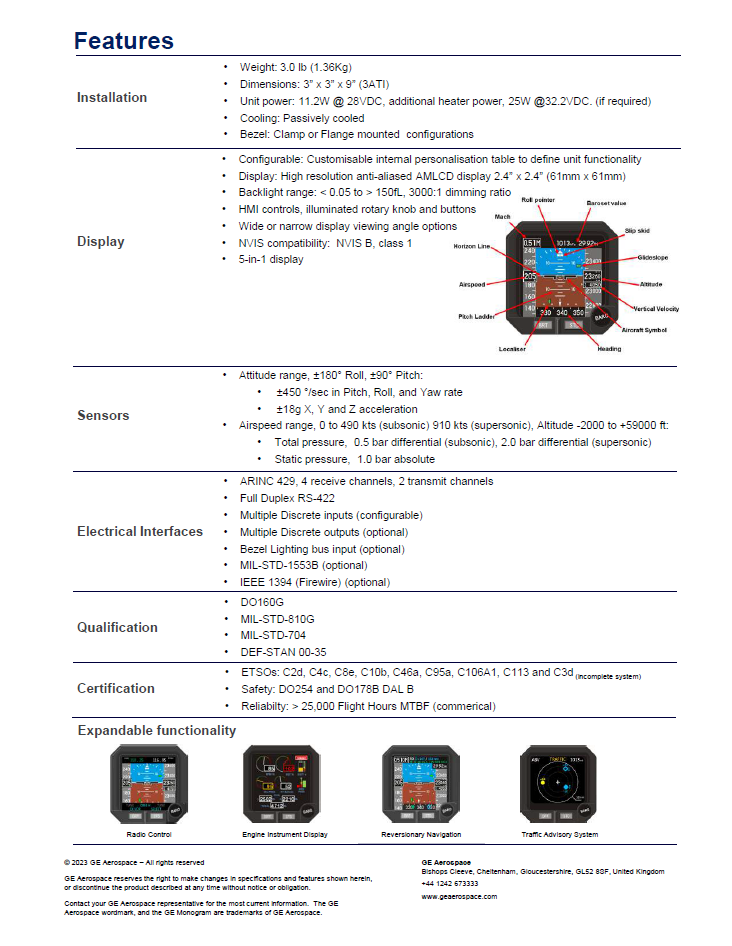
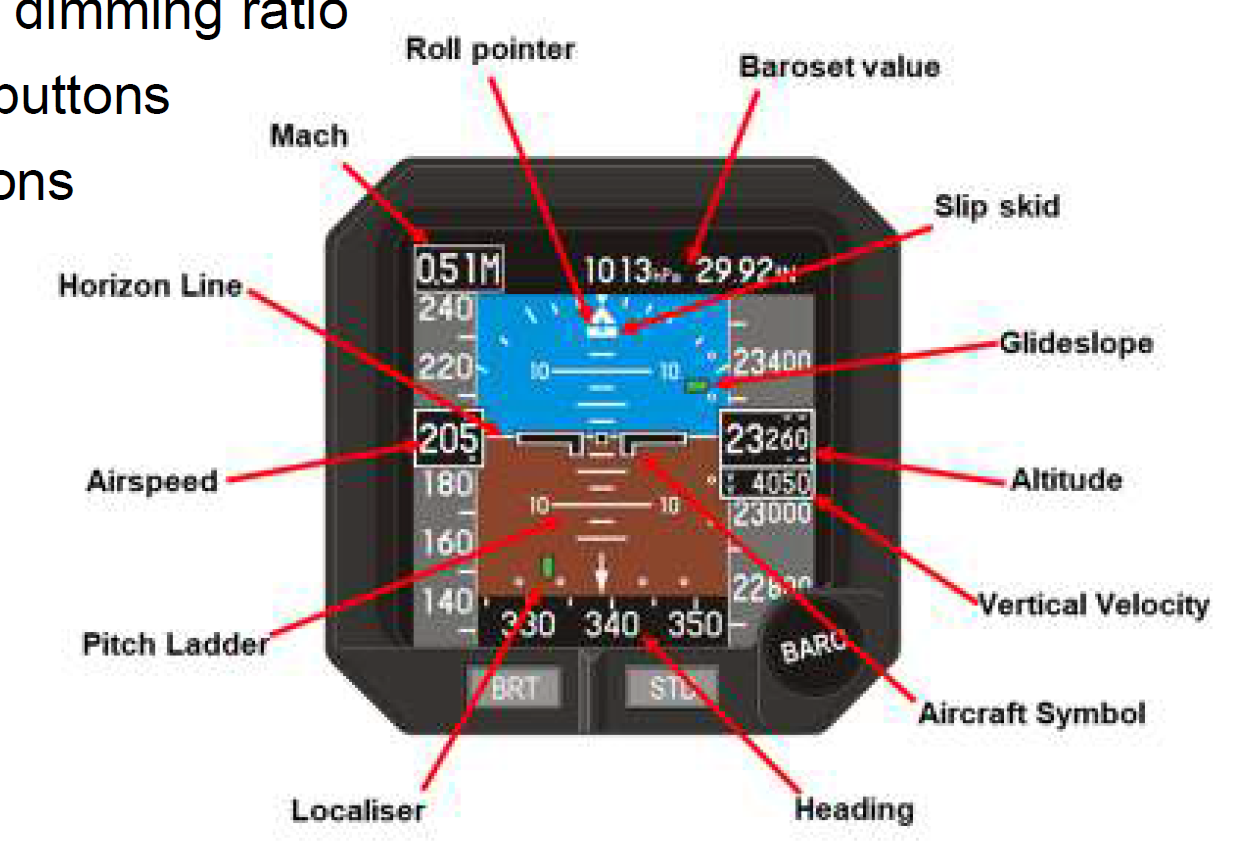
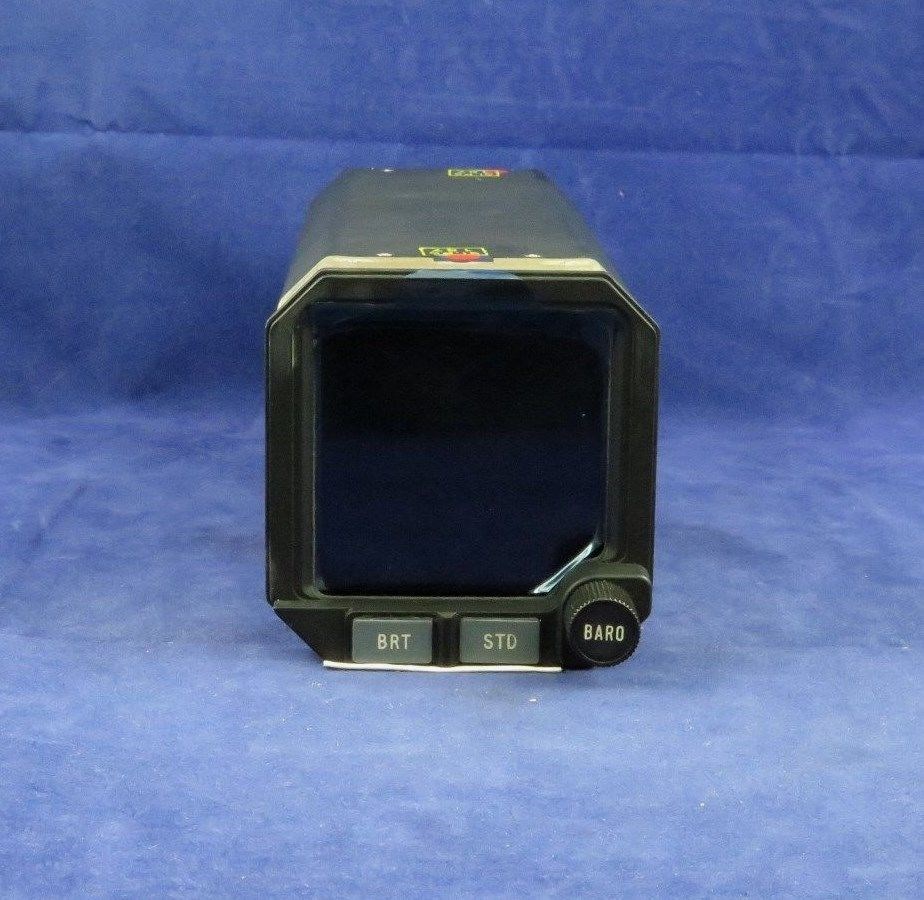
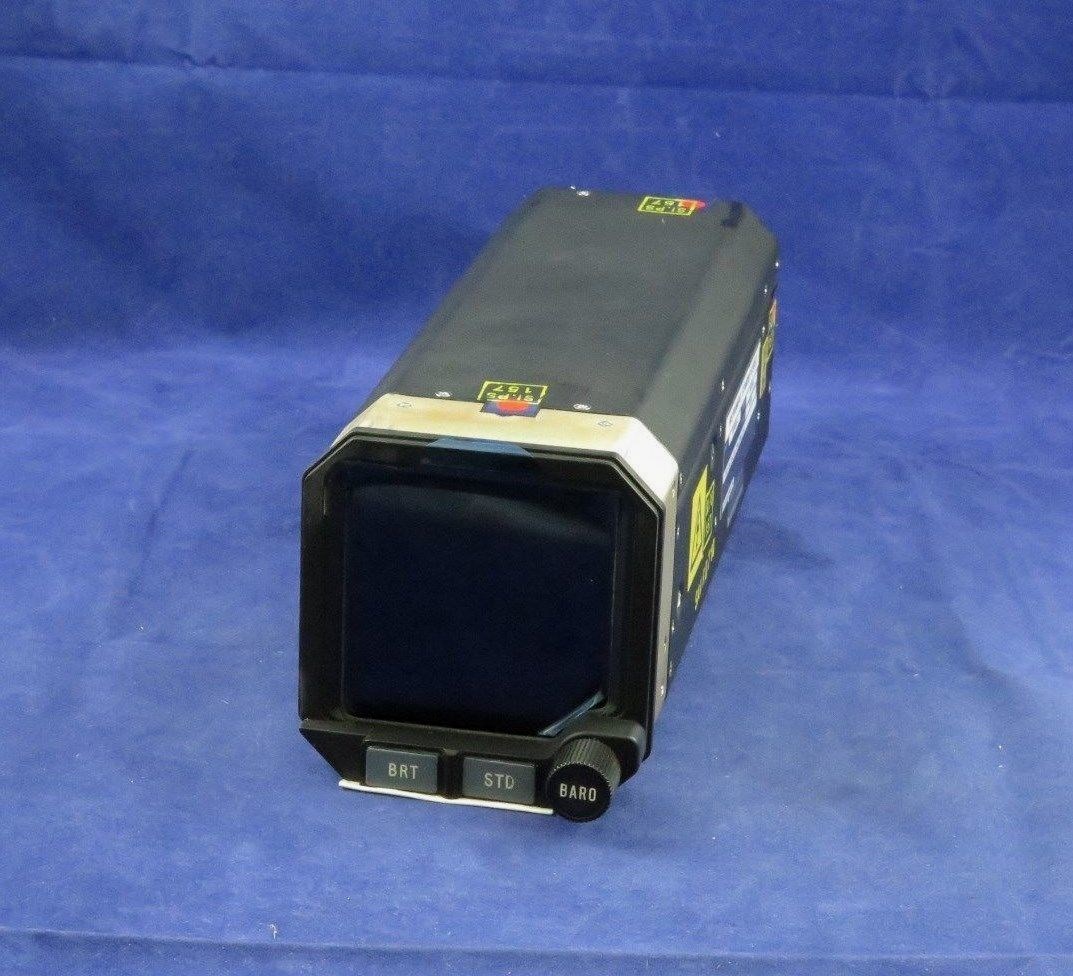
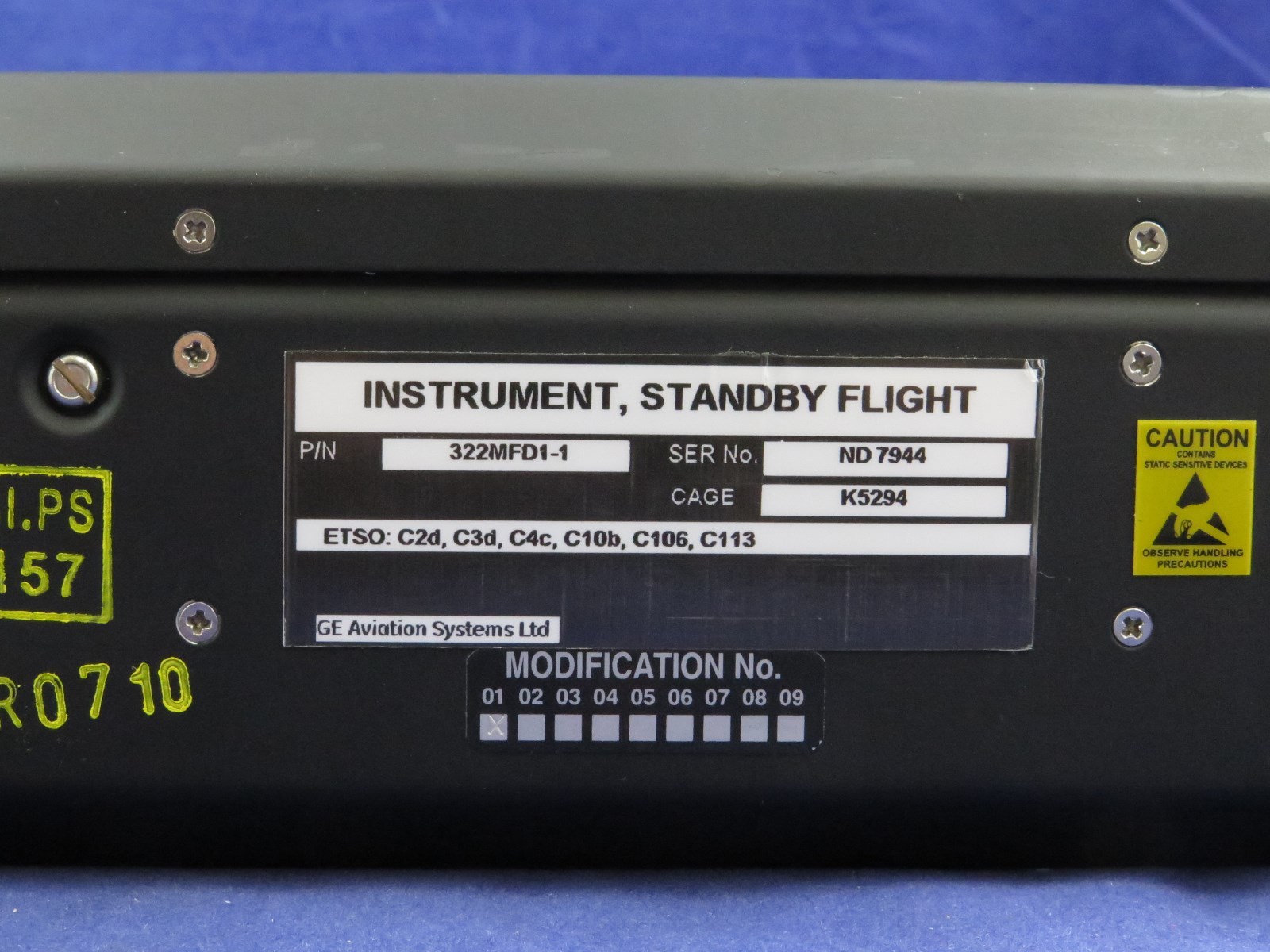
This artificial horizon display is a part of General Electric avionics, named as “General Electric Integrated Standby Instrument” abbreviated as “ISI”, being marketed for civilian and military applications, as well as being of a 3ATI format.
The version mounted on the Kfir C.10 Block 60 seems to be the same display with bigger buttons, likely a revised or newer version.
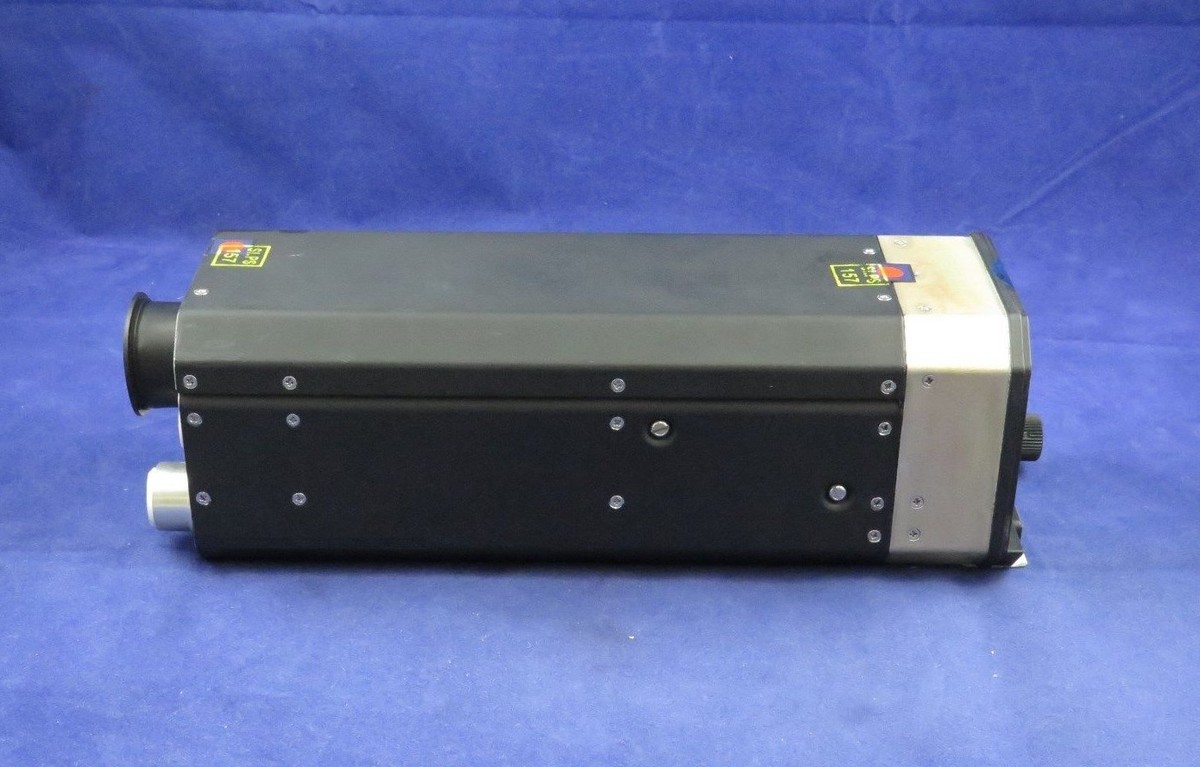
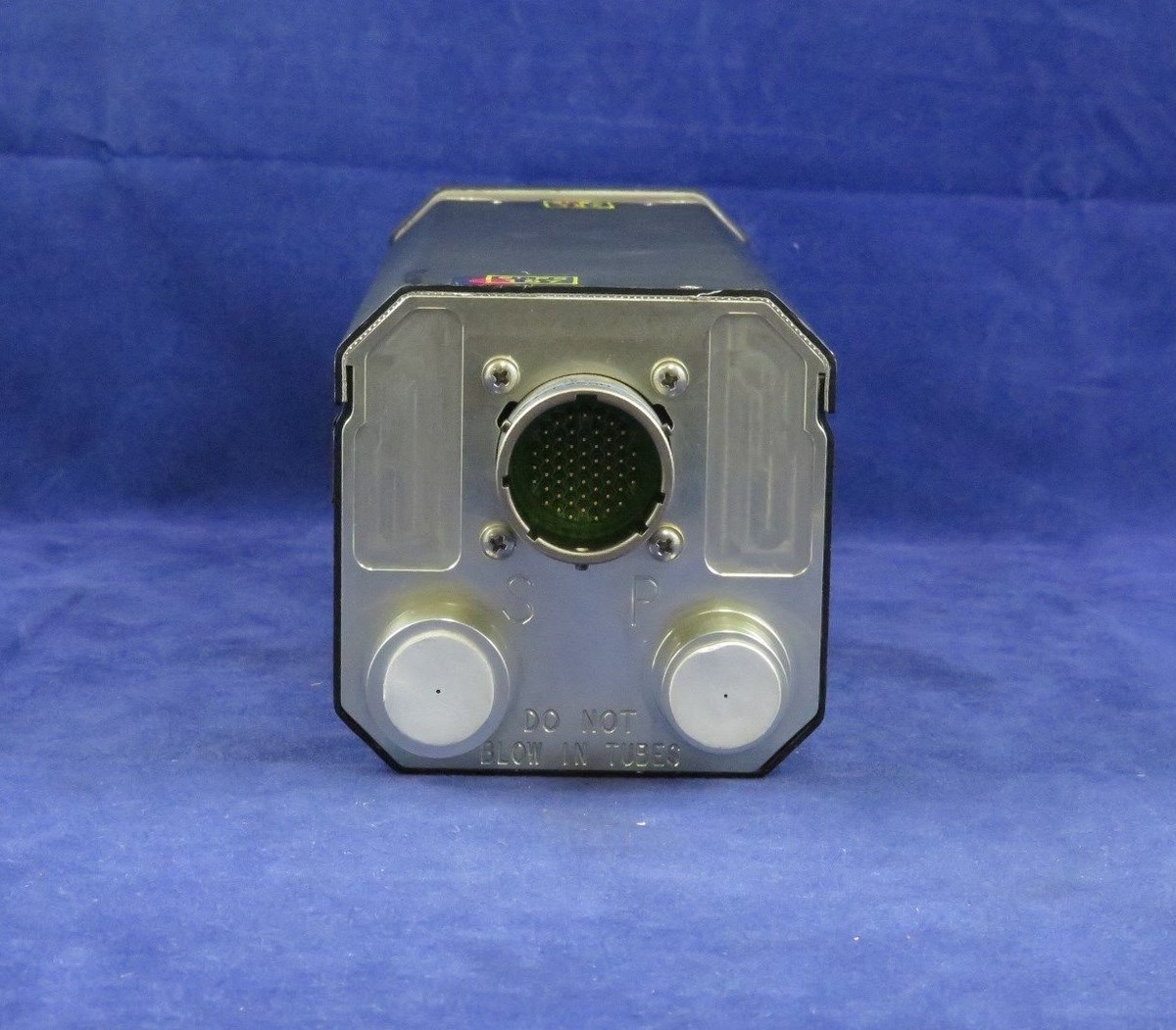
Here is the datasheet as well as some due pictures of the GE ISI 3ATI display



IAI Virtual Training System [MFD Modes]
content
IAI’s provided solution for training Air Force pilots has provided some interesting pictures in regards to the MFD modes present for personnel to hone their aviation skills.

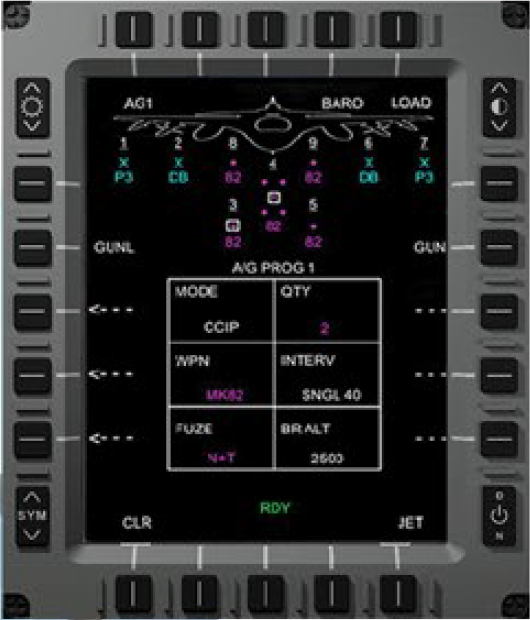
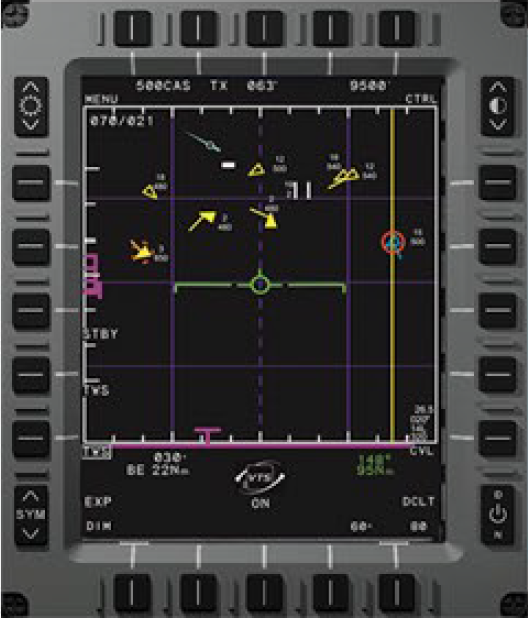
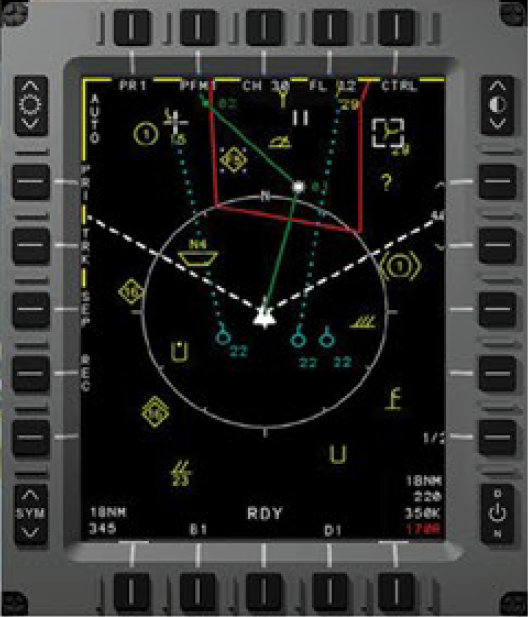
These MFD modes have been seen in Colombian Air Force footage, as well as in the F/A-259 project, once more giving more evidence towards the missing features missing in the Kfir C.10 Block 60.
IAI OPAL
content
For quite the long time I have wondered how the MFD interface is managed on modernized Israeli aircraft platforms, and I seem to have found an interesting lead in regards to this question.
Recently, IAI (Israel Aerospace Industries) has been pushing forward a new combat management solution for aircraft, ground vehicles and warships, offering the following characteristics as part of the IAI OPAL System:
- Interoperability with 5th gen and previous generation aircraft
- Displaying of targets, allied formations, threats, in a single combined system
- Plausible Link 16 Integration (Proved in a demonstrator)
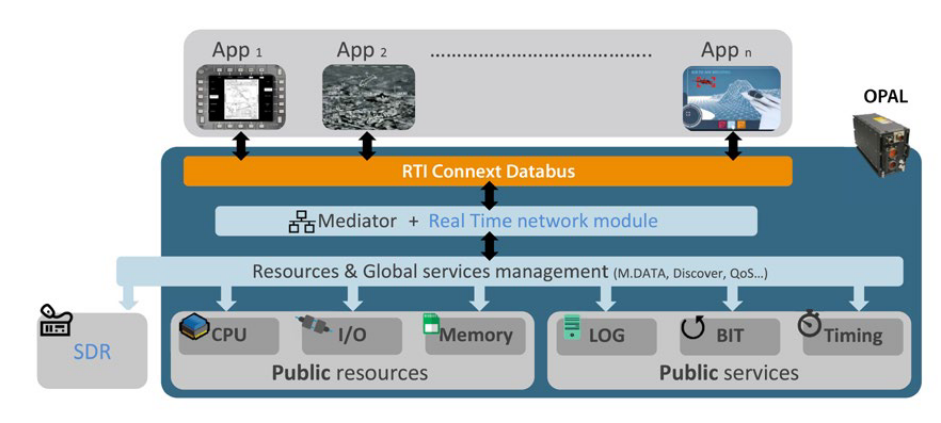
This particular program and solution would be totally irrelevant to the discussion as it mostly only seems to advertise what most defense companies already promise, a complete suite for the customer’s desire to operate their defense assets… HOWEVER, what caught my eye were the following pictures provided by IAI themselves.
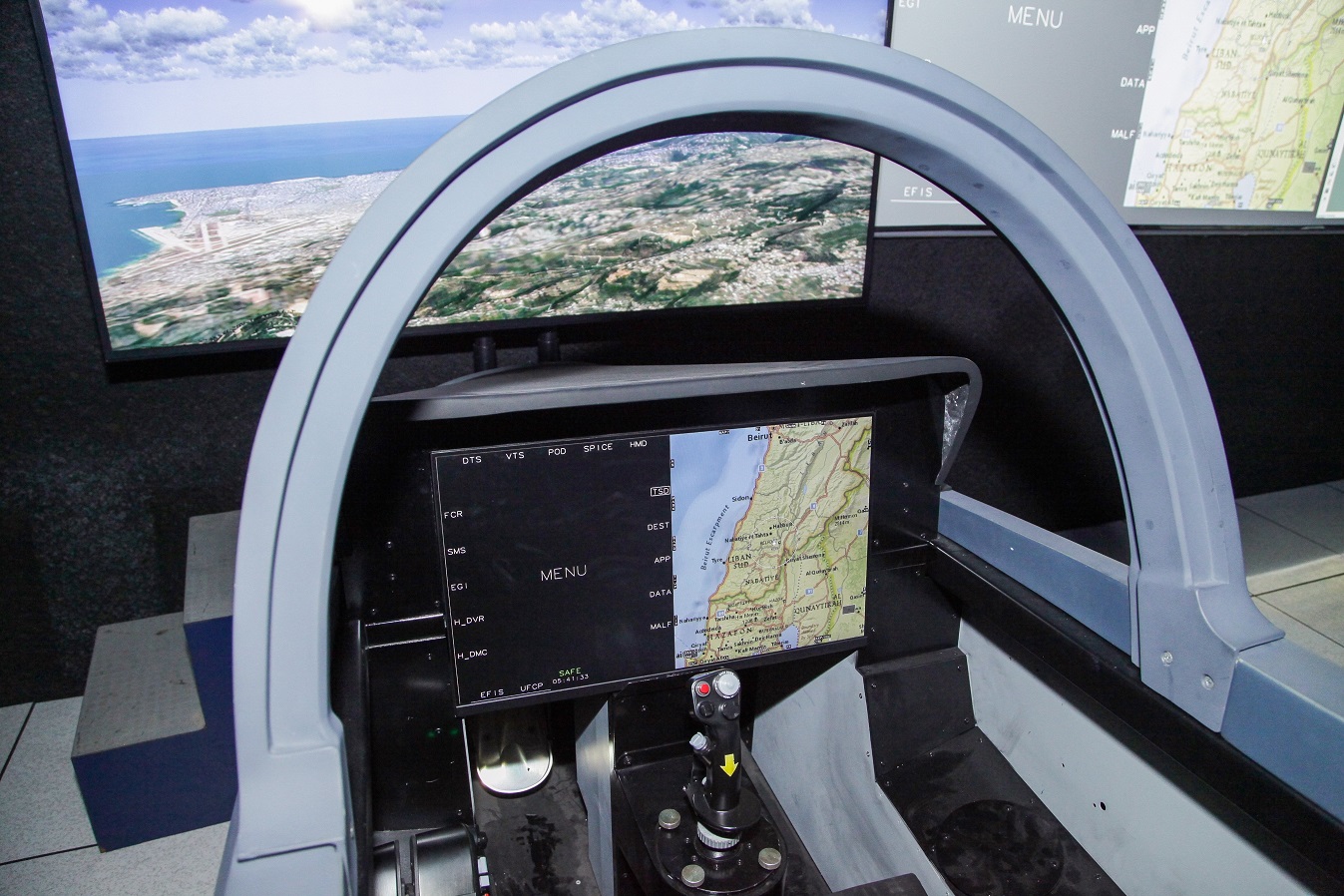
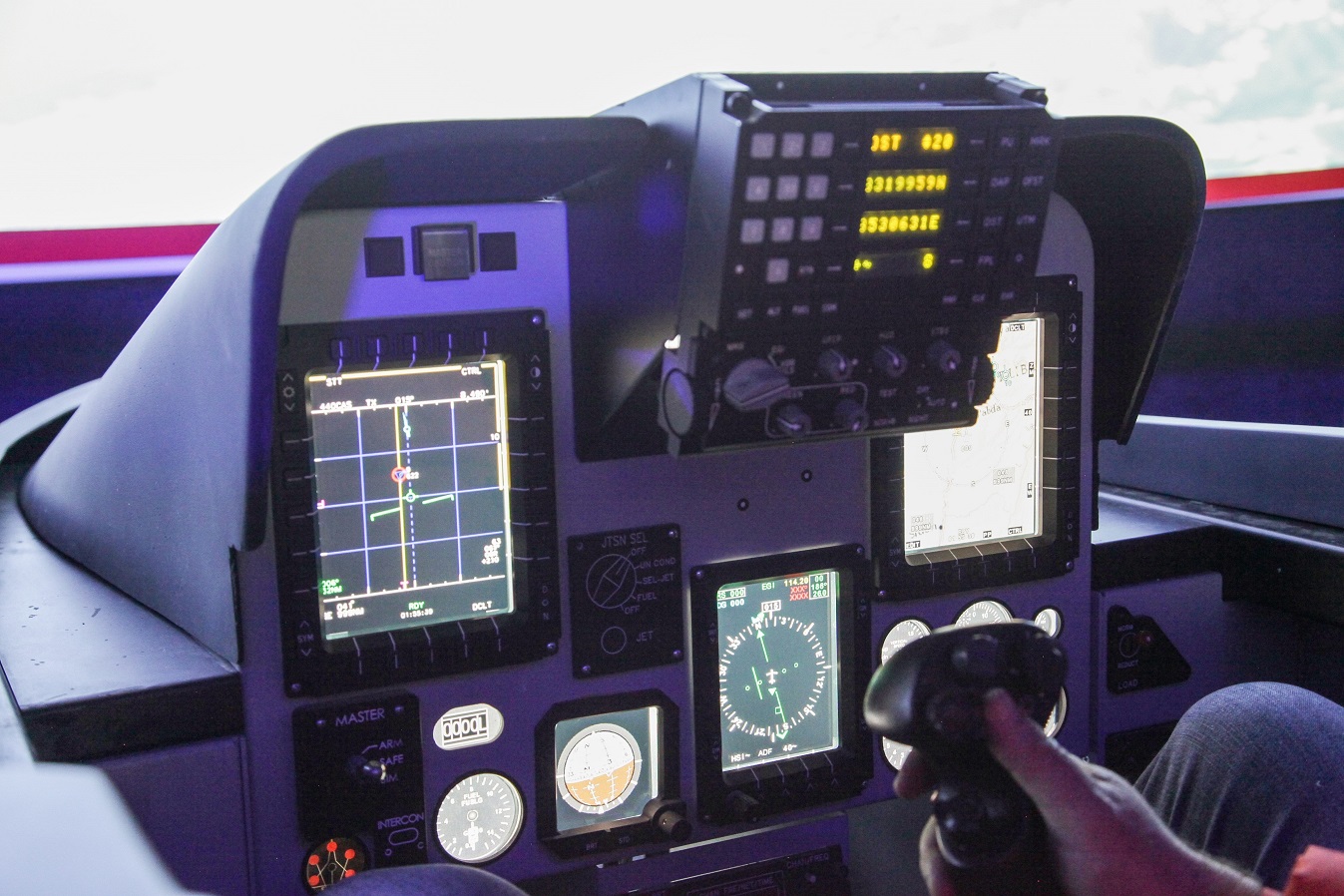
Avid readers of my previous posts might notice all of these pictures share quite the similarity with not only the Kfir C.10 Block 60’s cockpit, but with the F/A-259 demonstrator, this of course, would indicate that OPAL is more than just a “Data Link System” with a few battle management features, but a fully fledged software solution for aircraft management of sensors and information.
Not only that but on IAI’s website these images are captioned as “OPAL Simulator”, which hammers the theory mentioned before, OPAL is more than just a simple suite.
However that is not all, the same format of avionics display, in this case the radar display, has been found on another aircraft, the L-39NG
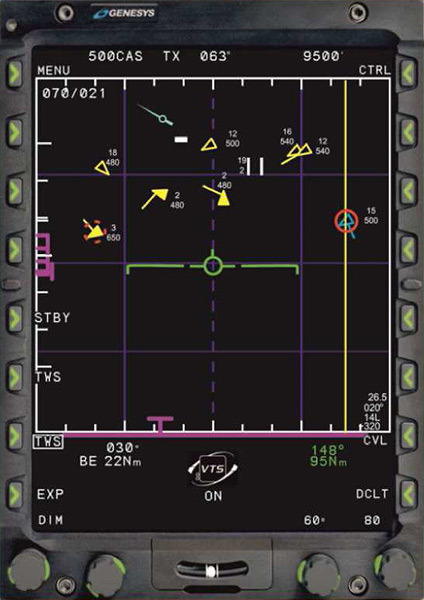
According to a Czech military news website, the following image corresponds to one of the MFD’s of the L-39NG, in this case, showcasing IAI’s Virtual Training System, which is utilized as a training solution for pilots, of course, highlighting the noticeable similarity with the previous OPAL simulators and MFD information shown before.
Once more, for reference, here are the due images of the IAI Kfir C.10 Block 60’s radar MFD’s:

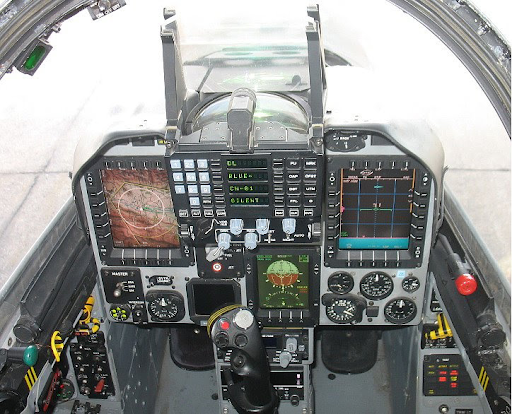
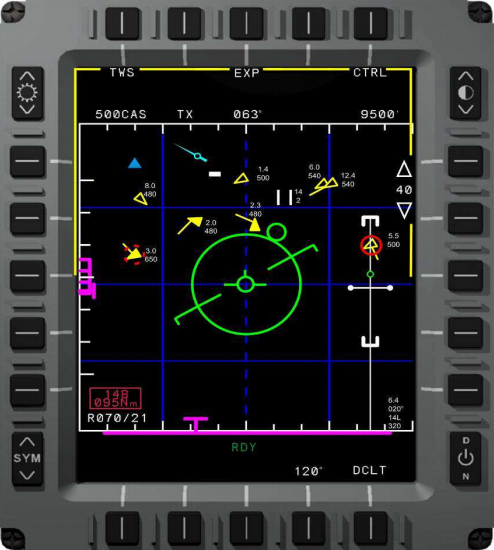
With the noticeable similarities, we can conclude that the IAI OPAL suite or a previous system in capacity has been installed in the Kfir C.10 Block 60 due to the similarities of the provided evidence.
Author’s Note: Feel free to refute and provide new evidence in regards to the IAI OPAL System theory I have formulated, as this is likely my weakest of provided theories with limited evidence to my liking, I’ll gladly read your replies!
Kfir C.10 HUD & UFCP [CE & Block 60]
content
The Kfir C.10 HUD has (and still is) a mystery for most enthusiasts, however I seem to have a good trail of information to correctly identify this HUD and UFCP.
Here are some reference images for the Kfir CE (C.10) and Kfir C.10 Block 60 HUD (and UFCP):
Tracing the origin of this HUD and UFCP leads us directly towards Elbit Systems, to which if we check their website we find the following information regarding their HUD catalogue:

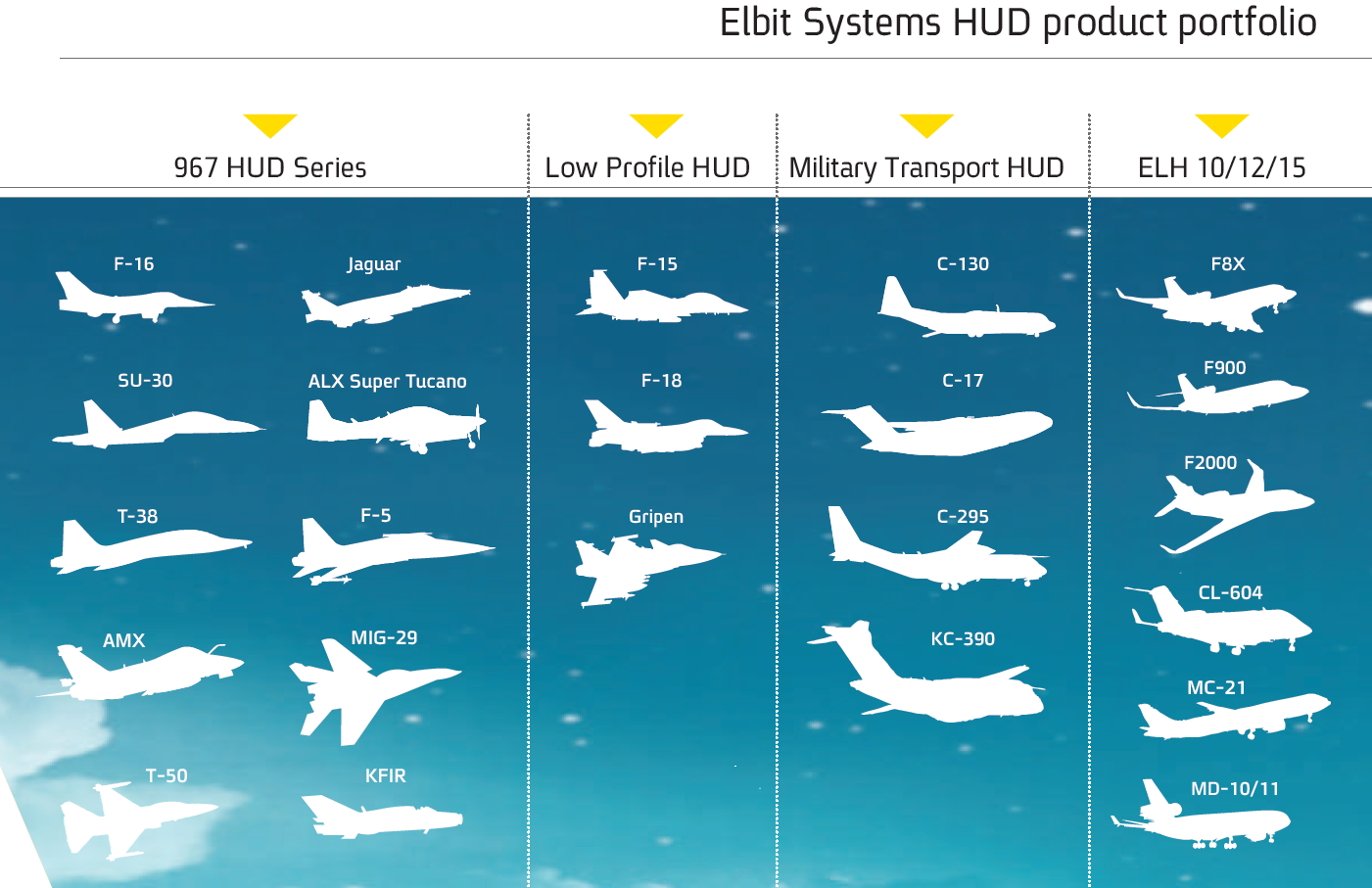
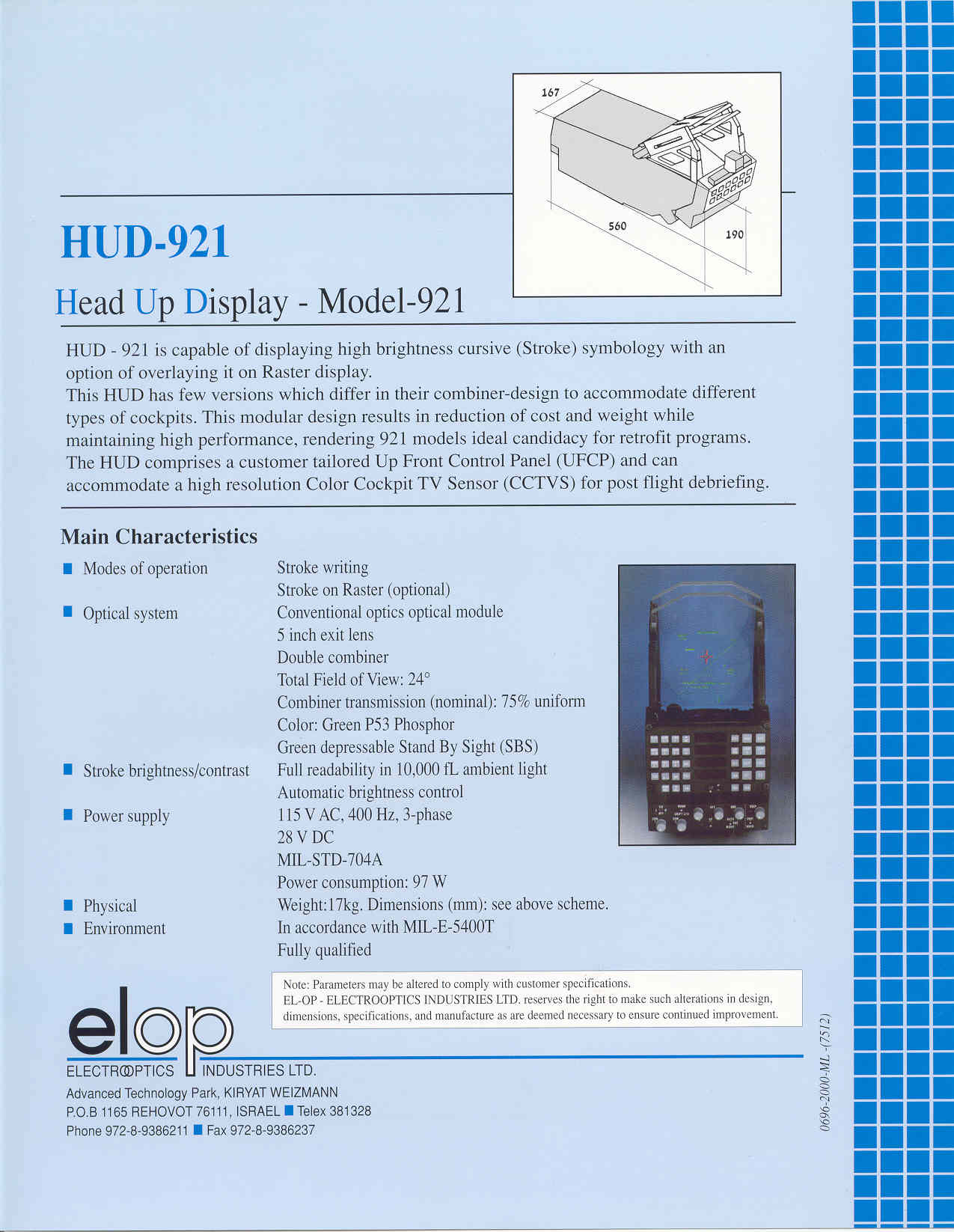
However, an alternative archived PDF showcasing Elbit’s HUD products show us another Elbit HUD Series, in this case being the Elbit HUD Series 921:
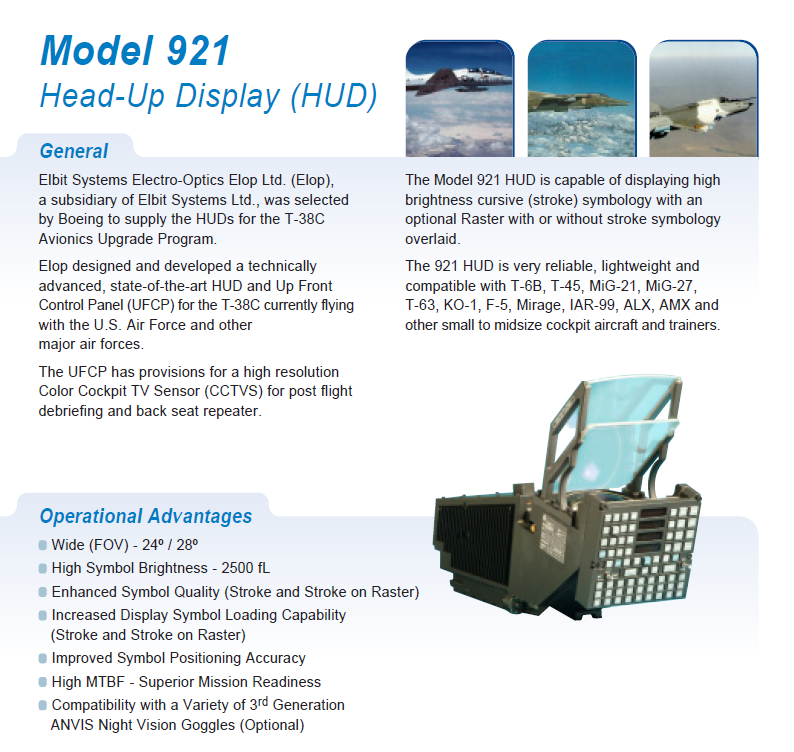
The Elbit HUD Model 921 is likely included in the 967 HUD Series, however the numbers do not match up, either way, for the sake of identification, we will assume that the 921 Model is a seamless component in the 967 HUD Series.
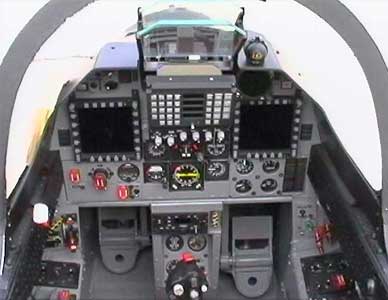
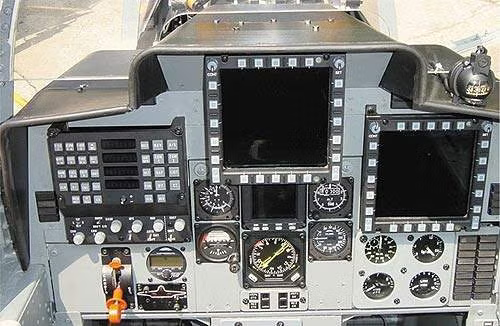
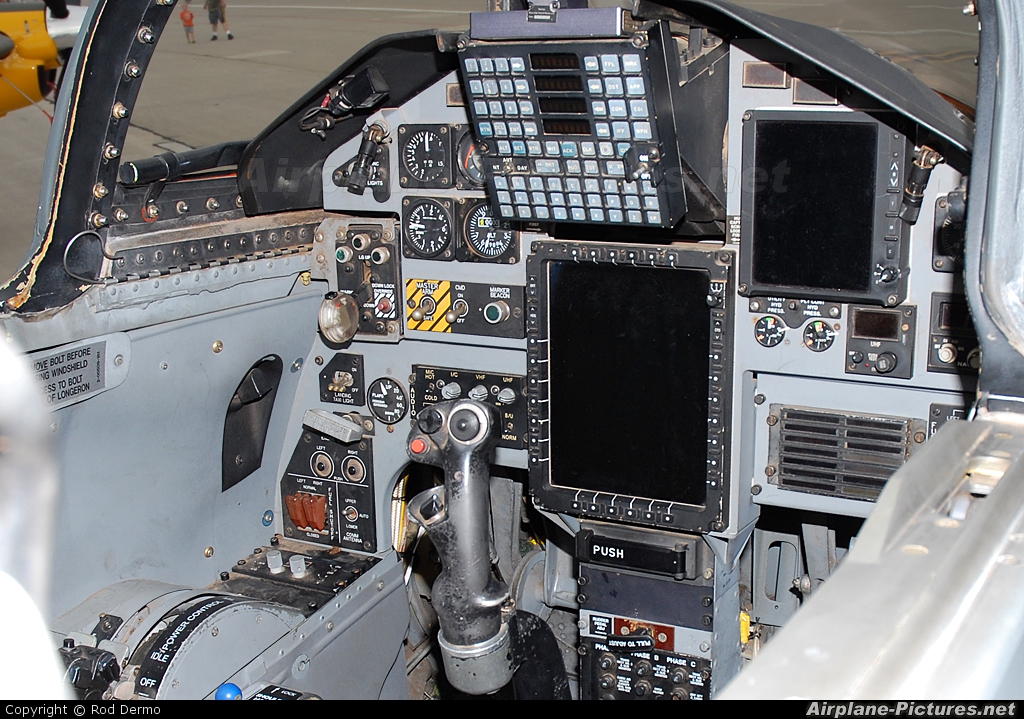
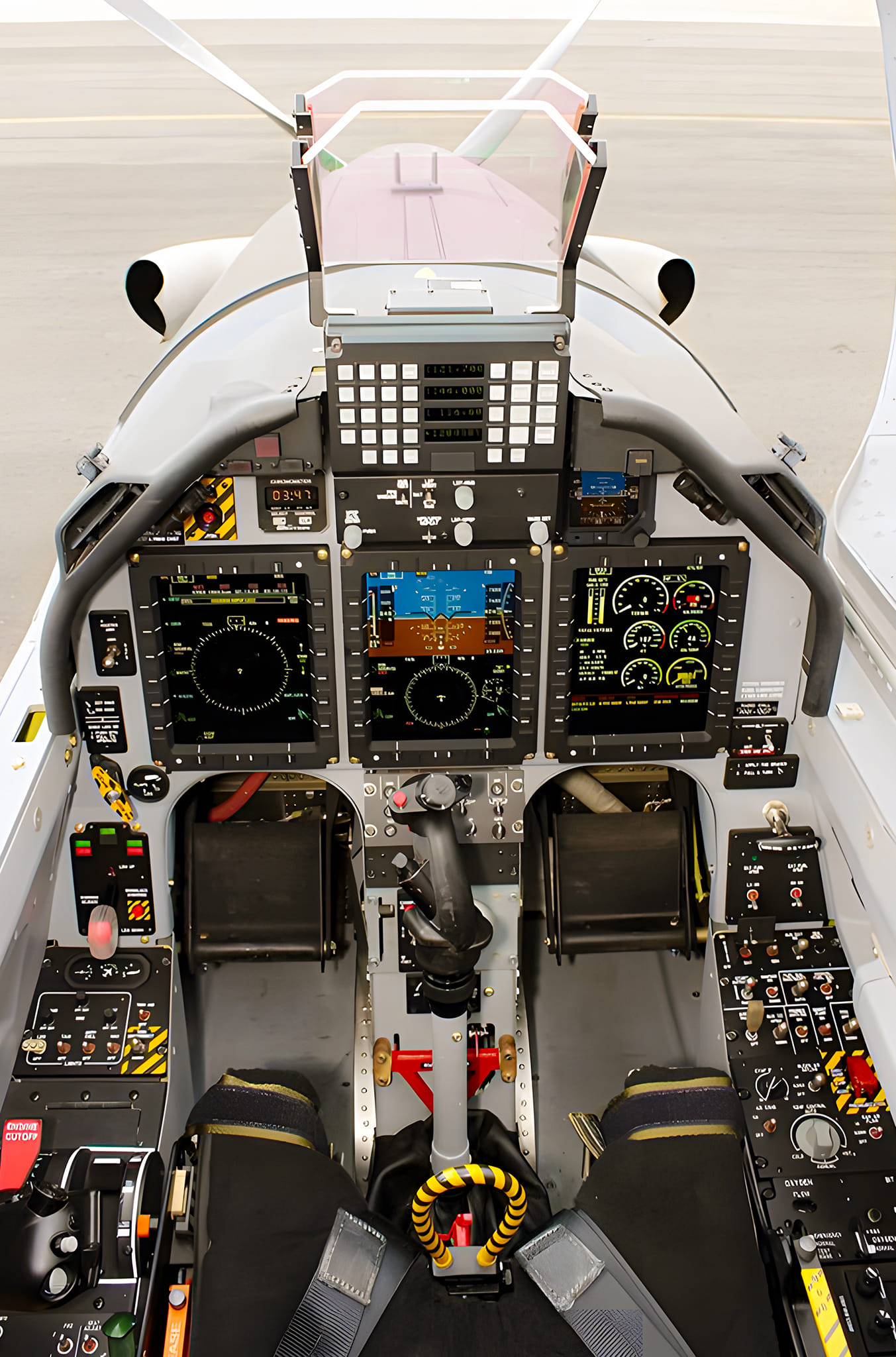
This HUD (and UFCP) holds quite the resemblance to the ones seen in the Kfir CE (C.10) and Kfir C.10 Block 60, taking into the list of integrated aircraft this product has been in, we can then proceed to do the respective comparison:
Here are similar aircraft with the Elbit 921 HUD:
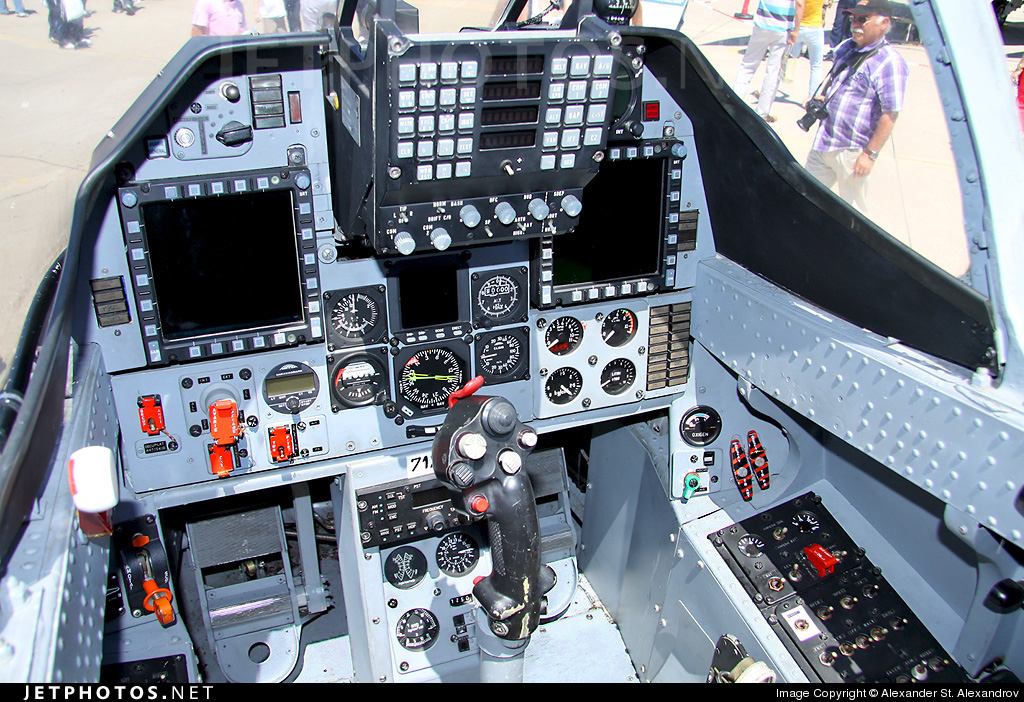
IAR-99 Șoim.
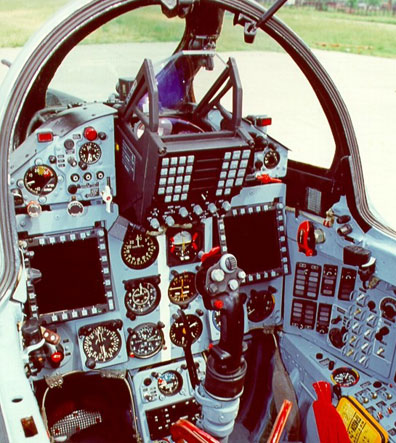
MiG-21 LanceR.
IAR-99 Șoim
IAR-99 Șoim, backseat
T-38C Talon
T-6 Texan II
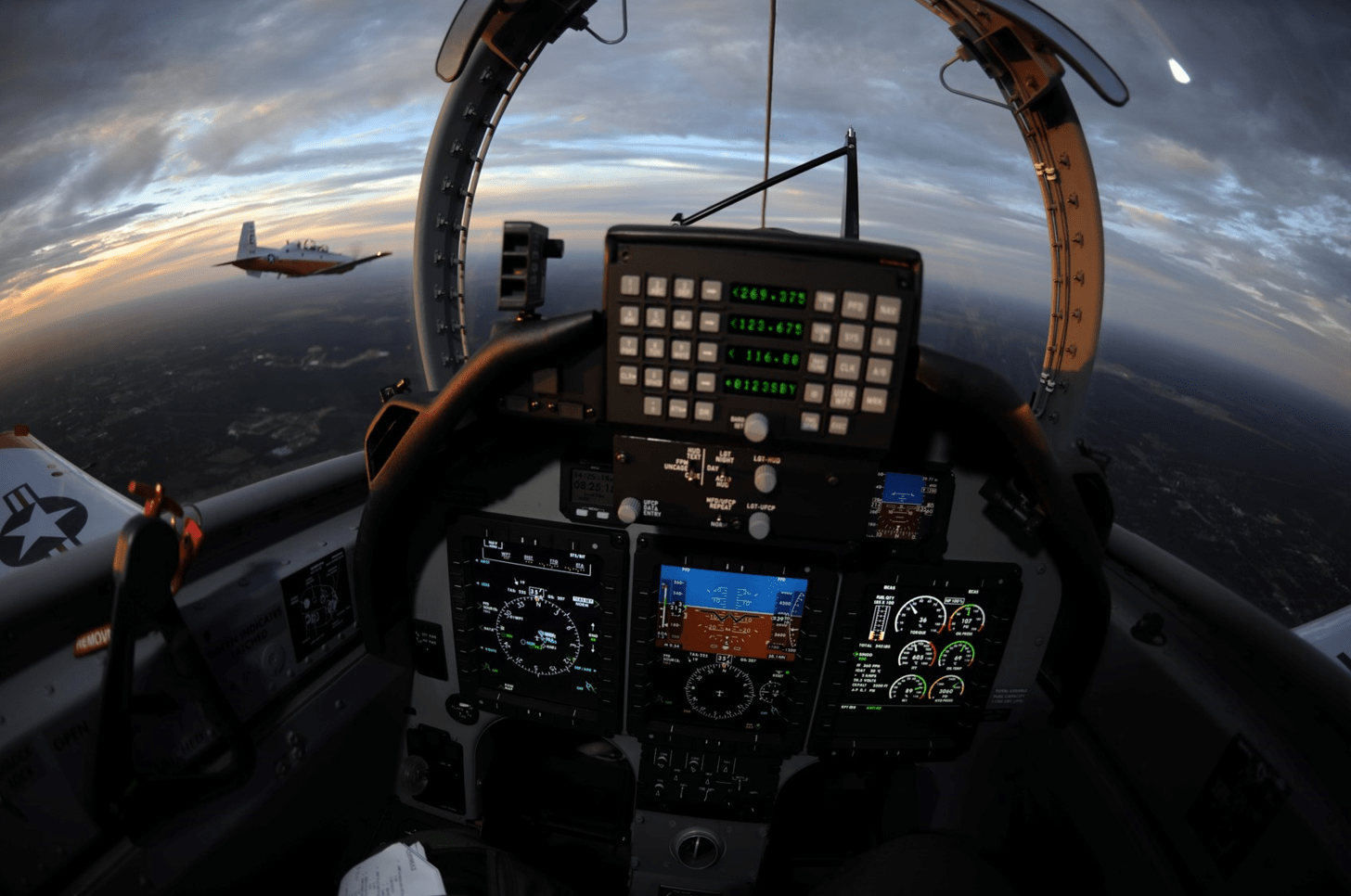
T-6 Texan II
We can conclude based on these pictures that a variant of the Elbit HUD Series 921 has been installed on the Kfir C.10 Block 60 and Kfir CE (C.10).
Sources
content
As always, here are the sources presented for this video, I would highly recommend archiving them in any case the material may be lost forever.
- TAAS Israel Industries Ltd. Company Products Brochure | Pages 18 - 26
- IMI Systems Website - MSC Pylon
- IMI Systems Website - MADNAP Fuel Tank
- Aeroexpo Online - AMF 4400 Aircraft MFD
- Astronautics 4" MFCD Two Box System Brochure
- Astronautics of America - Electromechanical Indicators
- Astronautics of America - Electromechanical Indicators Sales Article
- Astrounautics Israel - HSI Brochure
- Astrounautics Israel - ADI Brochure
- Astrounautics Israel - 5" X 4" MFCD Brochure 2009
- General Electric Aerospace - Standby Display Unit
- General Electric Aerospace - ISIS Datasheet
- General Electric Youtube Channel - GE’s next-generation Integrated Standby Instrument
- Instrument de vol de secours GE Aviation P/N 322MFD1-1 état réviséInstrument de vol de secours GE Aviation P/N 322MFD1-1 état révisé
- IAI Website - VTS Brochure
- Elbit Systems - HUD Family Brochure
- Elbit Systems - HUD Model 921 Brochure
5 Likes
Greetings everyone, the coming update “Ninth Wave” has added an interesting change to the Kfir C.10 Block 60, which is accurately modeling the ADI.
Here are a few images for reference:
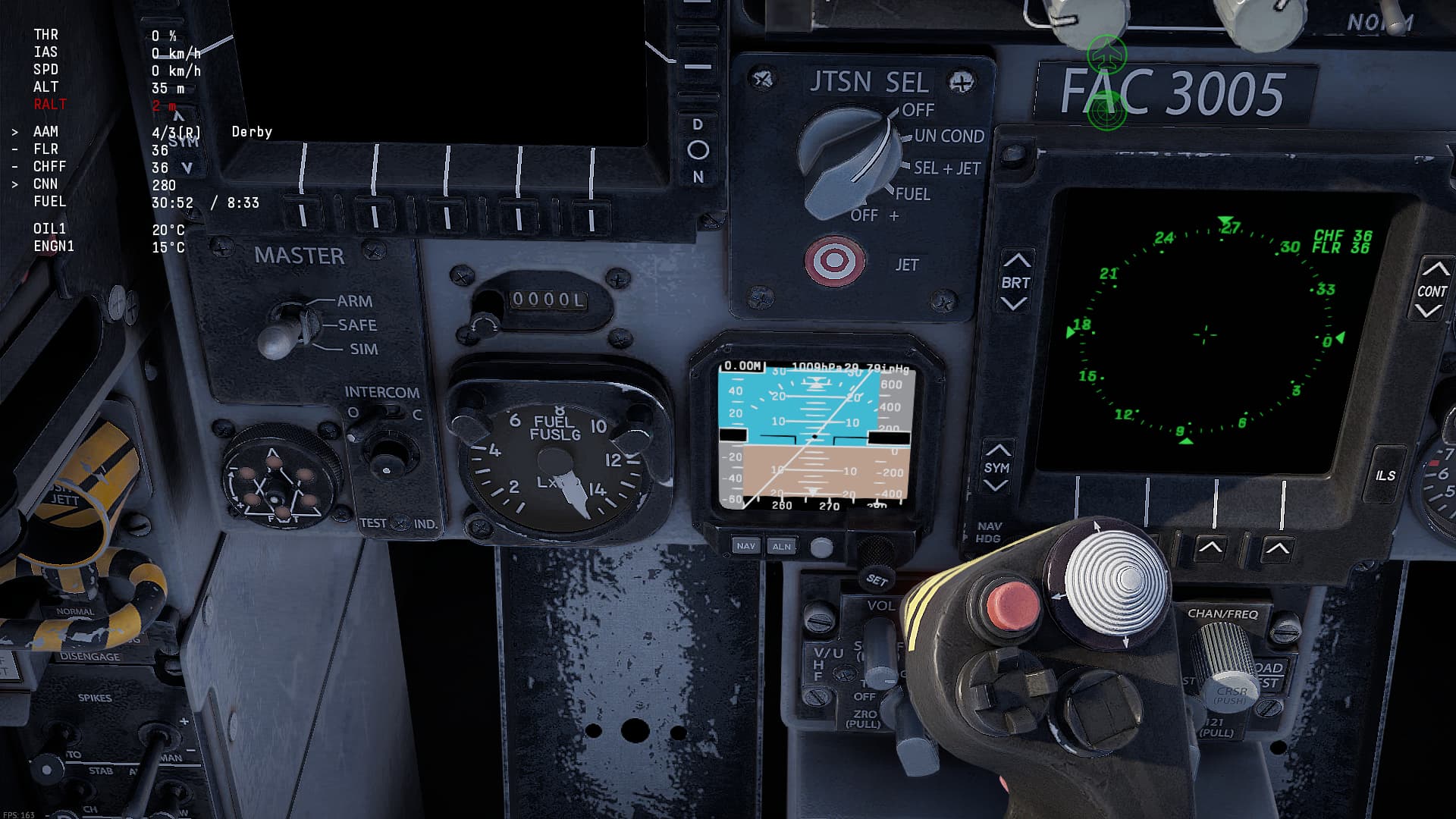
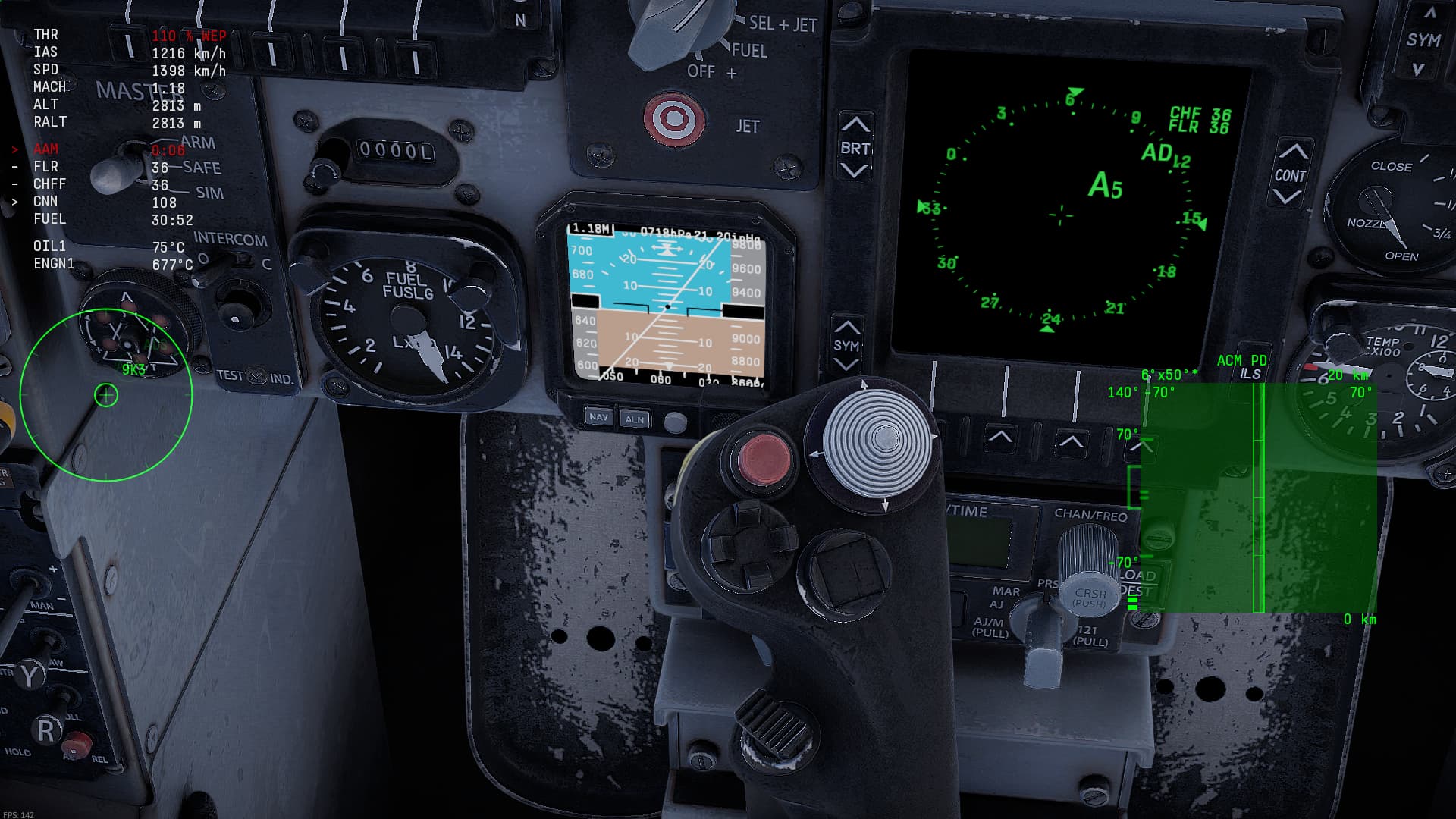
As you may see, there are quite a few bugs, for example, the white diagonal line across the display, the incomplete side bars which extend the cyan and orange sections to the right and left respectively, the black boxes where the current values for altitude and speed being blank, etc.
But most importantly, the 3D model is wrong haha…
Here is how it is meant to look like:
Here is how the “interface” should look like:
2 Likes
Great, it’s a small step at least, but we still need the most important MFDs, that’s really important. But thanks bro, little by little a realistic Kfir C.10 is becoming a reality.
1 Like
Yeah, I’ll have to bug-report it again so it looks like it did in real life.
In regards to the MFD’s only a few reports have been accepted, if I recall correctly, those have been:
- NCTR implementation
- Stores Management System (Weapons Inventory)
- Correctly modeled ADI (Artificial Horizon)
We’re kinda missing A LOT still to be accepted:
- Tactical Map Mode
- Tactical Situation Display + Data Link Mode
- HUD Mode
- Radar Screen Revamp (Pending to make the report)
2 Likes
Hello everyone, I found a few interesting snippets of footage in regards to the Kfir C.10 Block 60 and the F/A-259.
As I’ve covered before, the Kfir C.10 Block 60’s technology is not exclusive to this platform, as it has been found in the venture project between Aero Vodochody and IAI, being first presented at Farnborough’s 2018 expo.
During my further research I found the following video courtesy of Aero Vodochody’s YouTube channel, obtaining the following snippets of footage:

F/A-259 Simulator – Tactical Situation Display as well as the Stores Management System shown on the MFD’s, notice the SMS is currently displaying the MK82 bomb status.
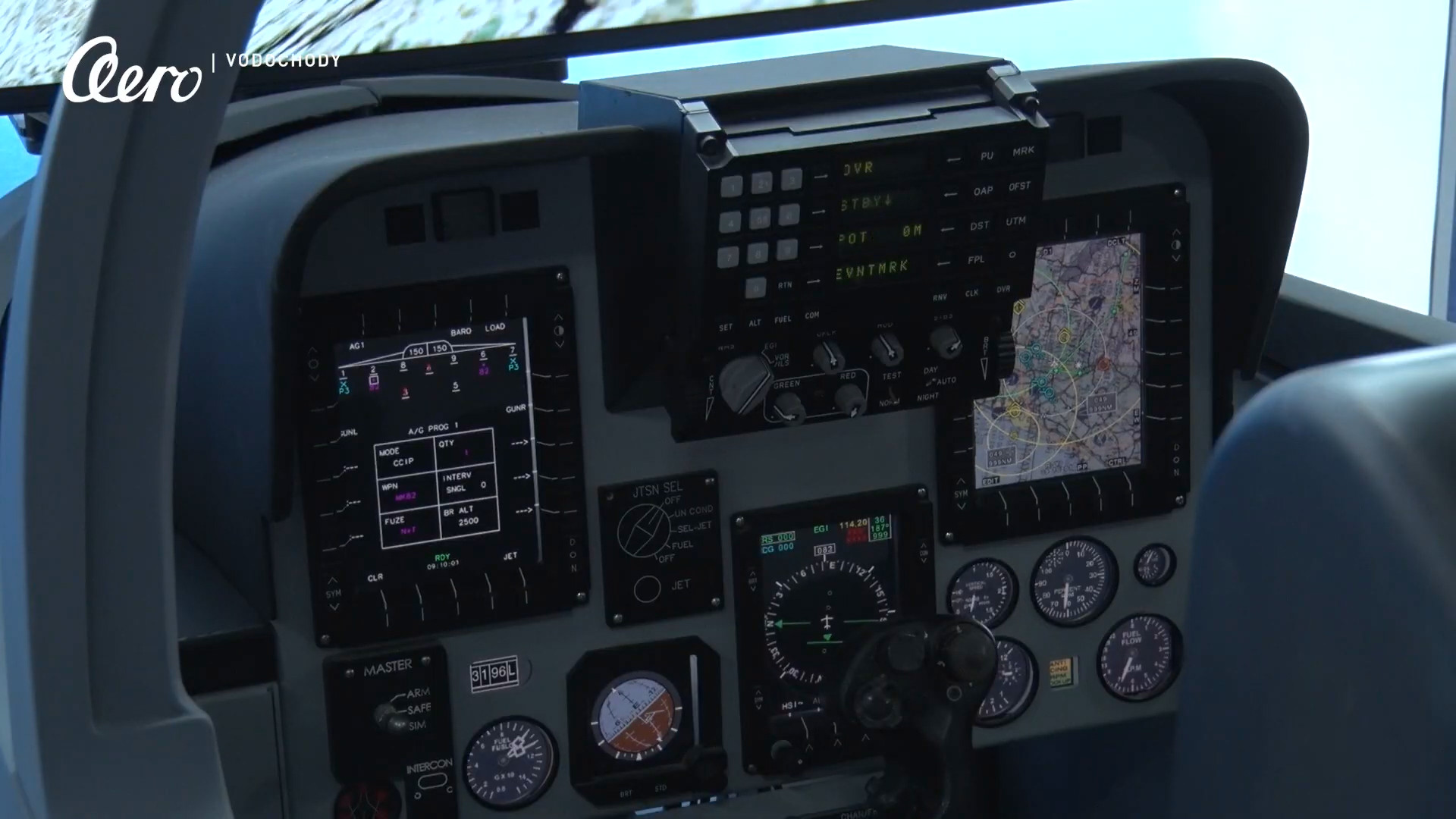
F/A-259 Simulator – Tactical Situation Display as well as the Stores Management System shown on the MFD’s, notice the SMS is currently displaying the MK82 bomb status.
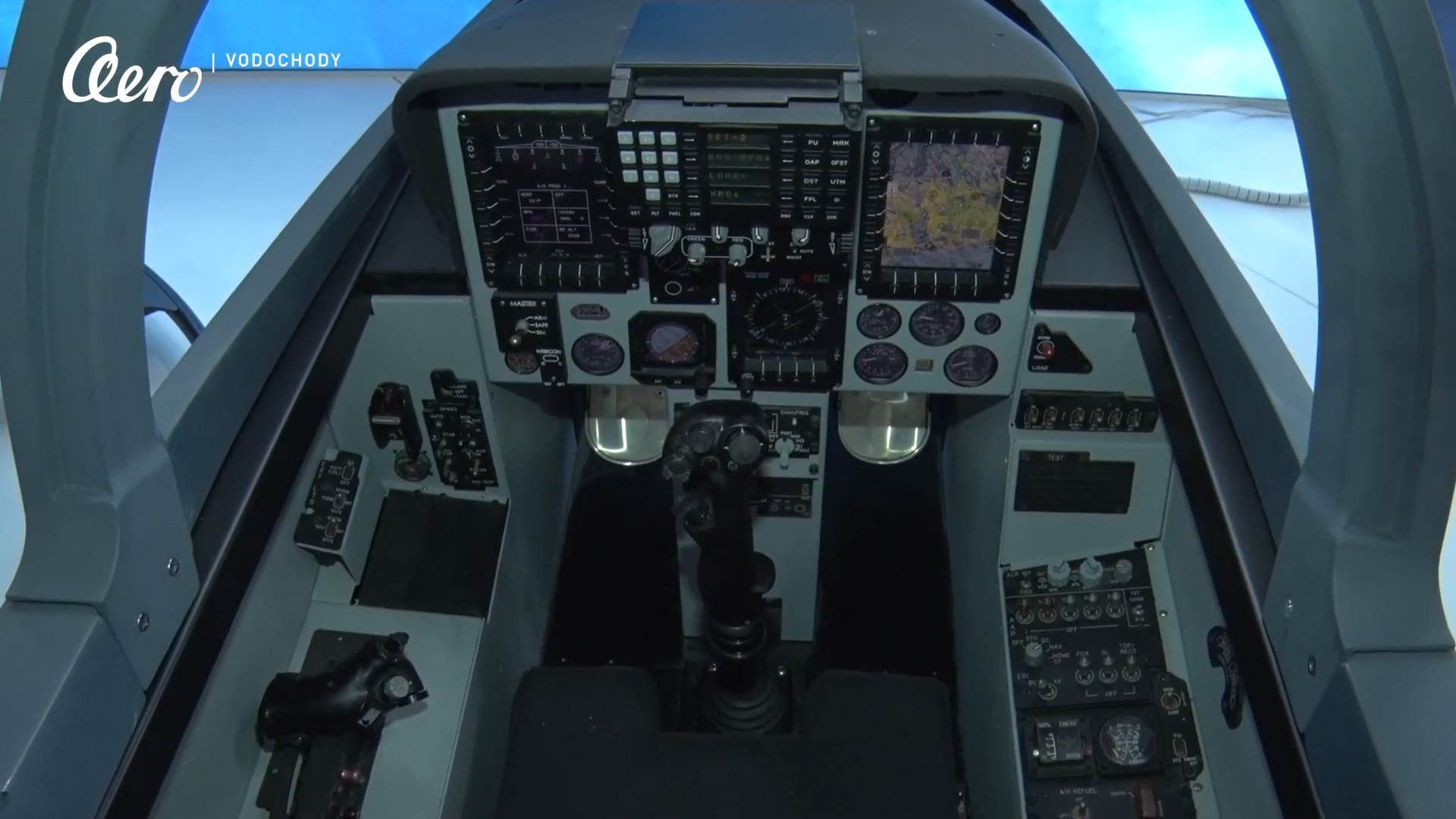
F/A-259 Simulator – Tactical Situation Display as well as the Stores Management System shown on the MFD’s, notice the SMS is currently displaying the MK82 bomb status.

F/A-259 Simulator – MFD Menu and Tactical Situation Display shown on the MFD’s.

F/A-259 Simulator – Fire Control Radar and Tactical Situation Display shown on the MFD’s.

F/A-259 Simulator – Tactical Situation Display as well as the Stores Management System shown on the MFD’s, notice the SMS is currently displaying the Python 3 missile status.
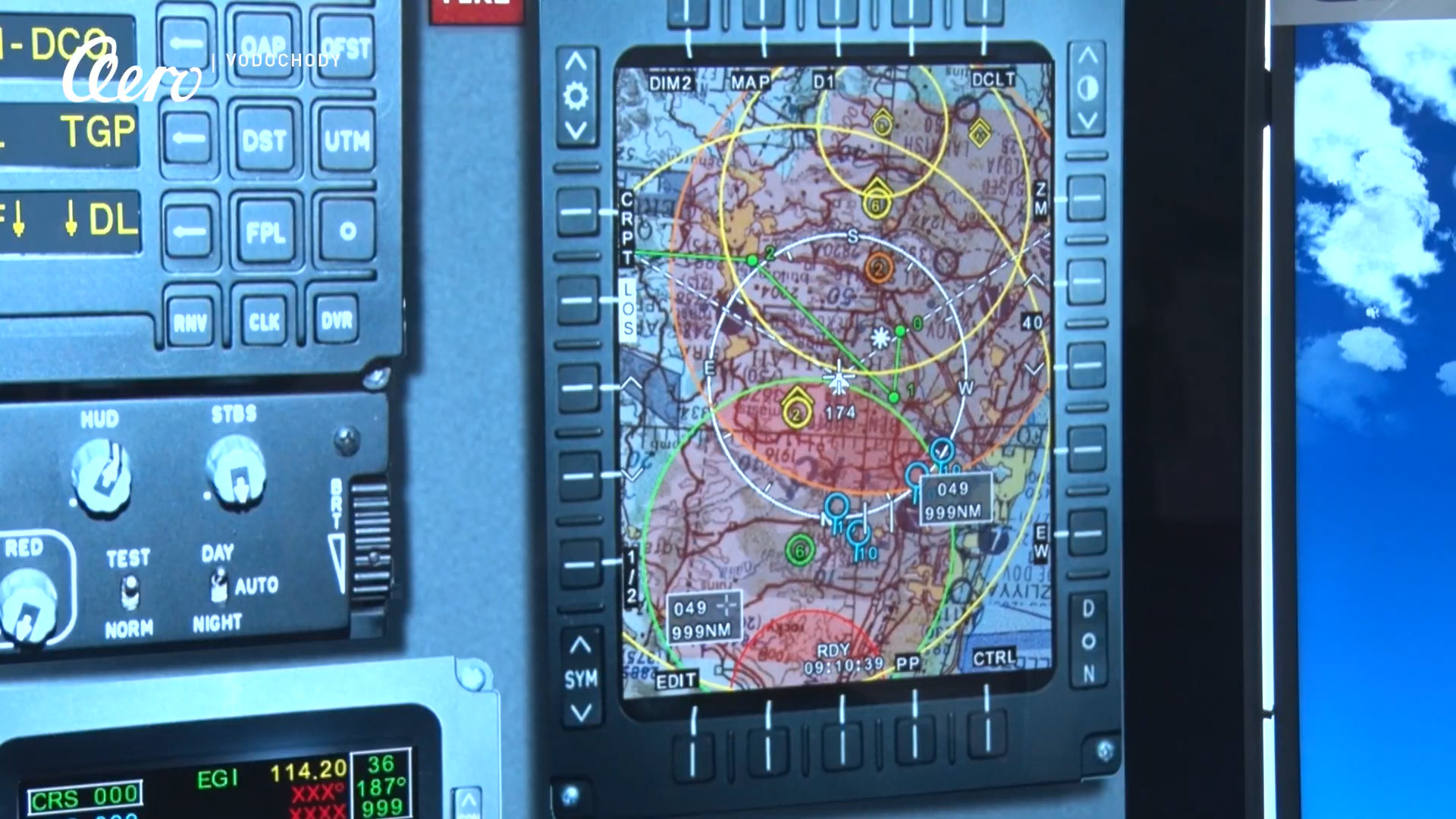
F/A-259 Simulator – Tactical Situation Display MFD mode closeup.
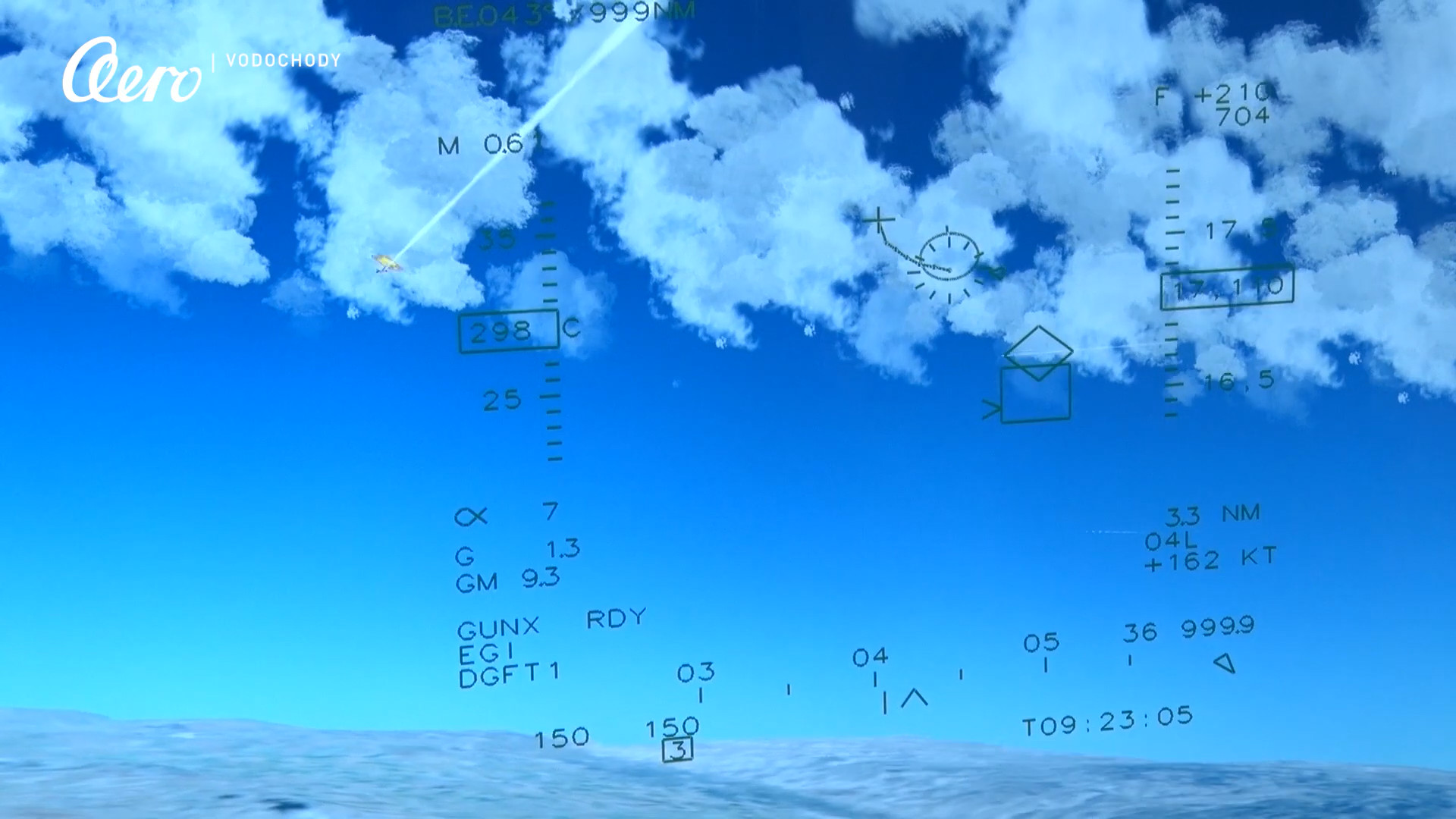
F/A-259 Simulator – Heads Up Display, notice the same "EEGS like cross and “snake” in the HUD, which is the same present in the Kfir C.10 Block 60 as well as the same HUD layout.
Source: [AERO VODOCHODY] - Looking back at Farnborough 2018 (English)
3 Likes
Greetings once again dear Kfir enjoyers, I hope that my absence has not been felt, I’ve been busy lately with university matters, however I believe I have some more material to warrant another update, here is a sneak peek of what I’ve found lately:


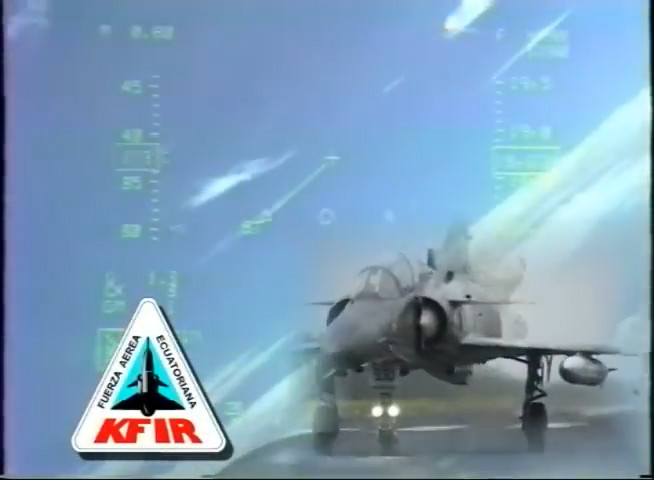


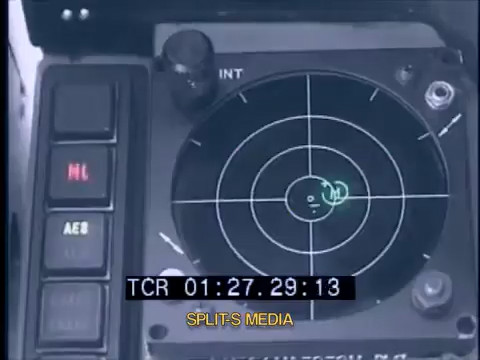
4 Likes
Greetings dear Kfir enjoyers, I originally thought this would be a very small update, but it seems I have heavily underestimated the sheer amount of images I’ve acquired through watching 100+ hours of Colombian footage, to the point where I wouldn’t be surprised if my Ecuadorian accent begins to fade out in favor for the superior Kfir operator.
Crappy jokes aside, I have come once again to hopefully contribute more information and insights in regards to the Kfir family of aircraft. One exception I’ll have to make for this update is to reduce the amount of image descriptions I usually add below every attached image file, this is due to the volume of things I’m posting, however, the descriptions won’t be completely gone, only added when truly needed.
As always, feel free to ask questions or argue with me in this very thread, discussion is healthy for getting bug-reports done and features represented.
Without any delays, here are the findings:
Kfir C.2/C.7 New HUD Images
content
Note: The first two images belong to the Mirage M-5COAM, I have voluntarily included them due to the shared HUD symbology layout as the Kfir C.7, taking into consideration that both use the same El-Op HUD.

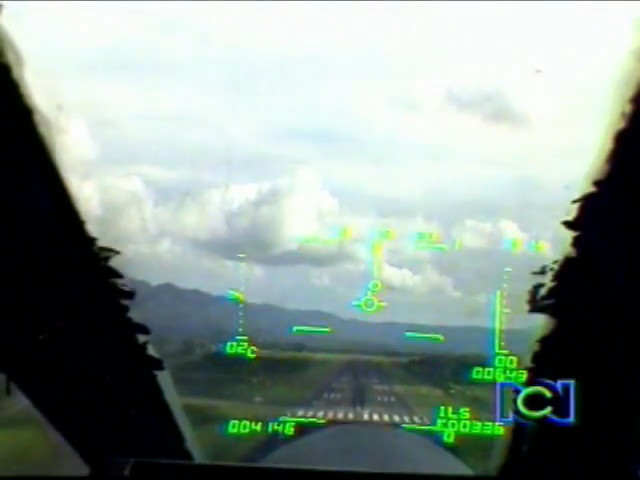
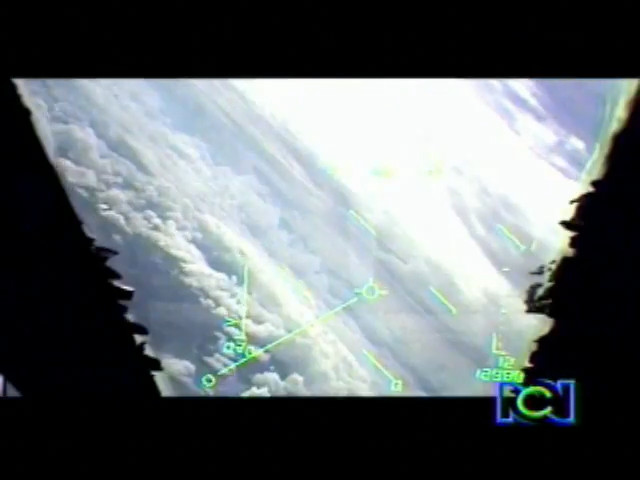
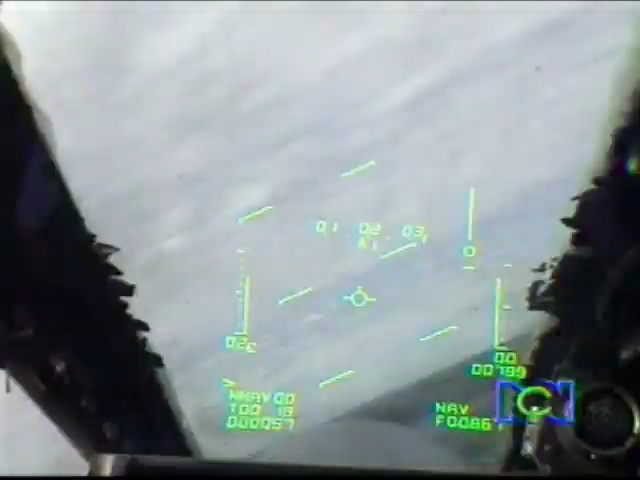
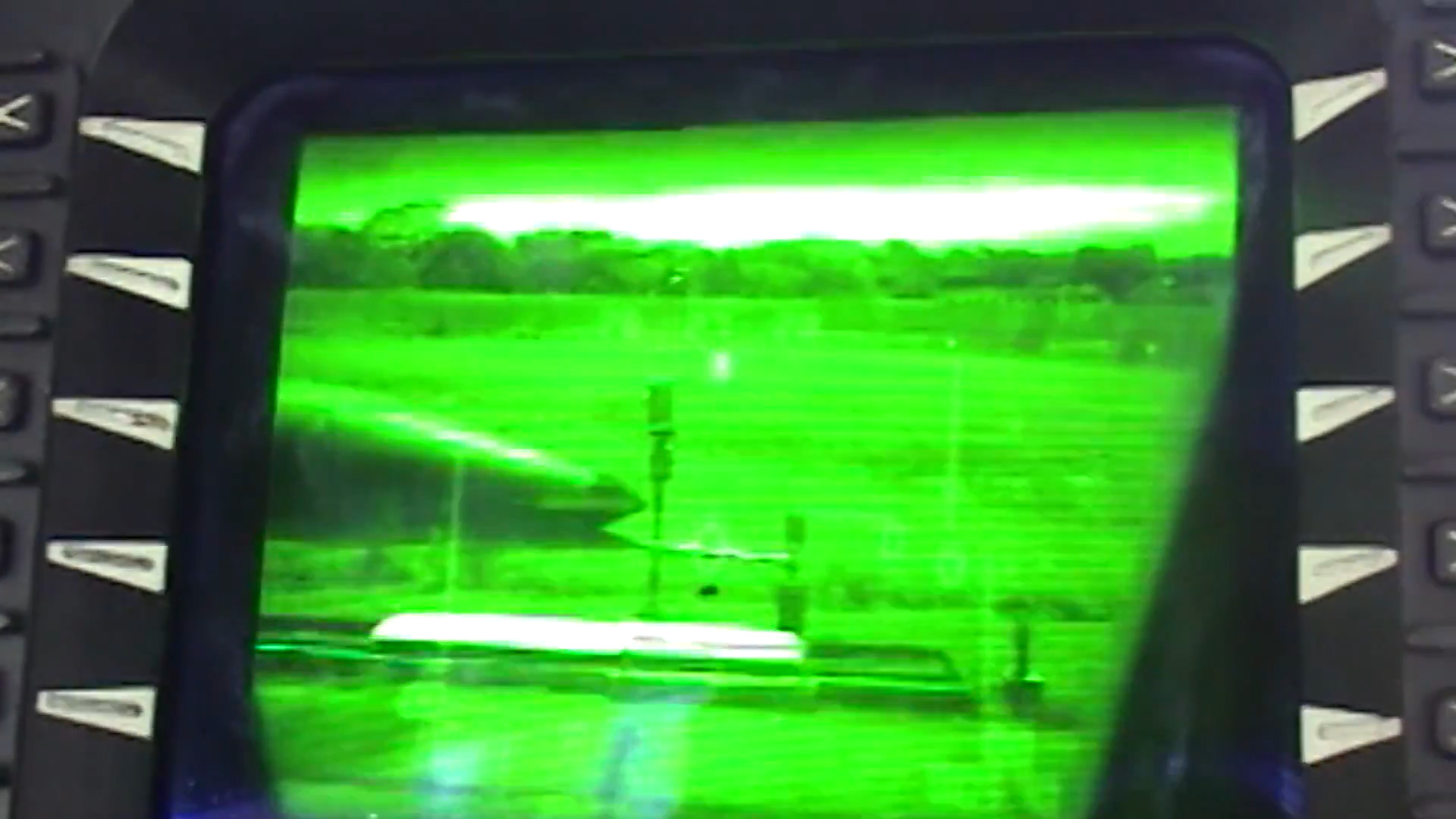


Kfir C.7 New Armament Images
content
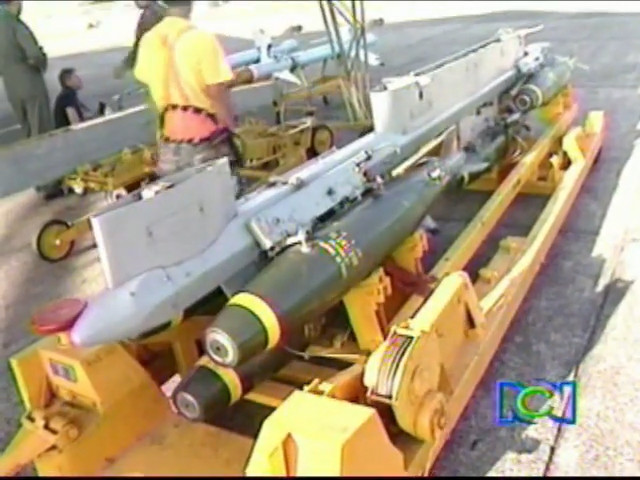
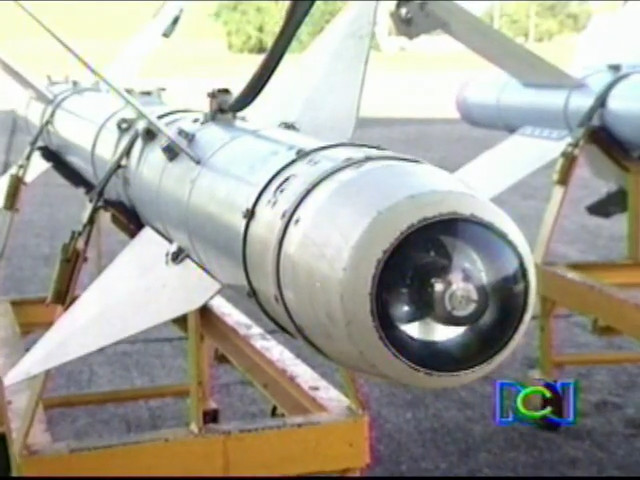
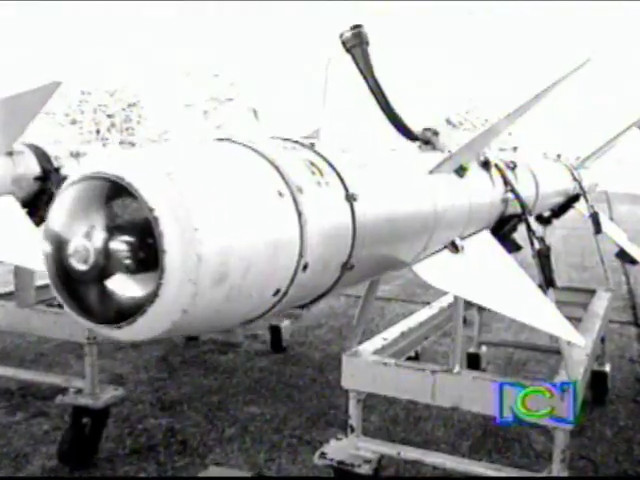
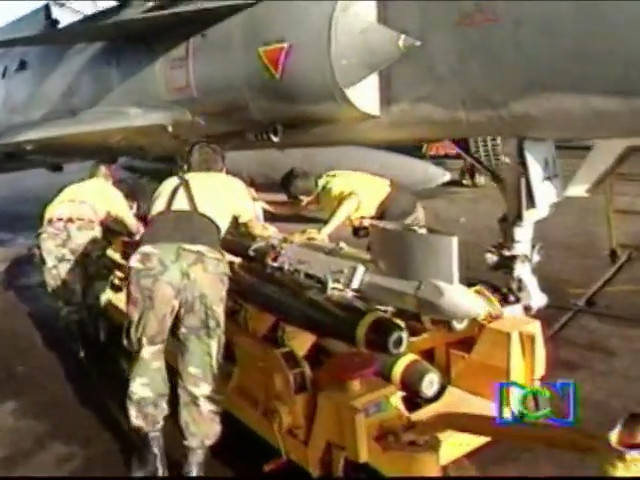
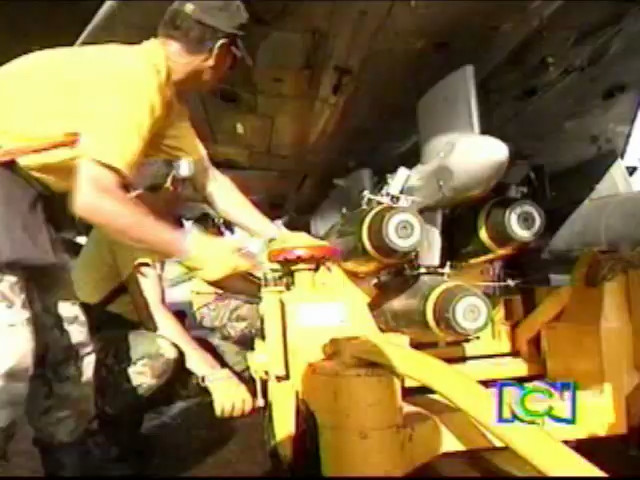
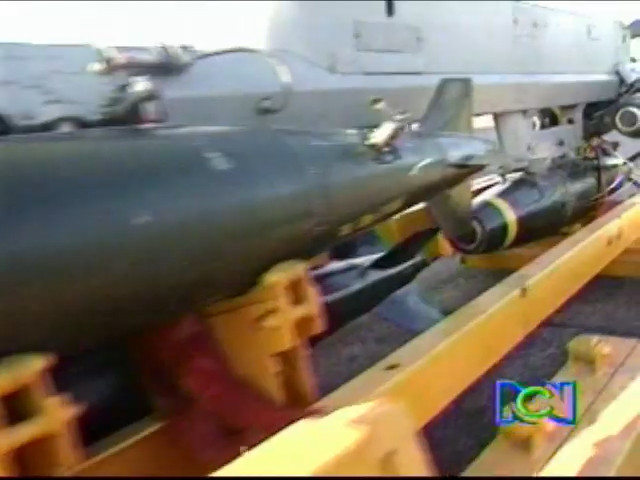
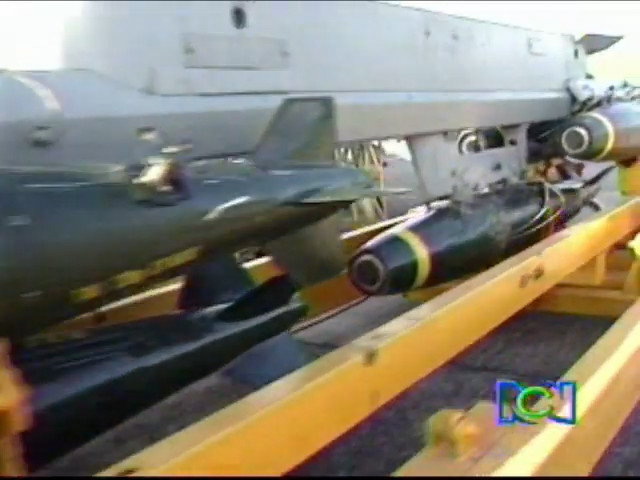
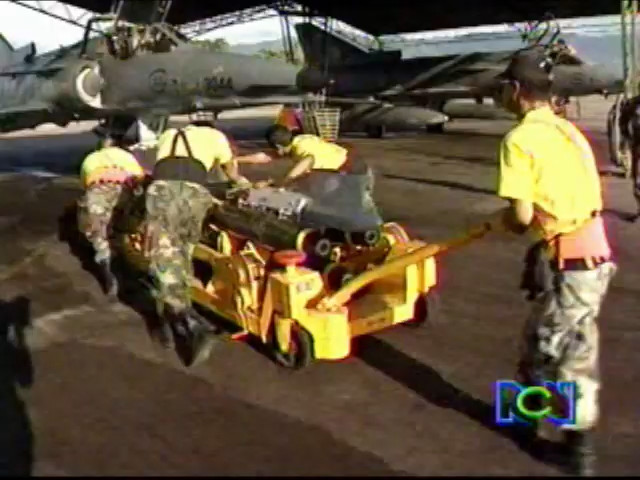
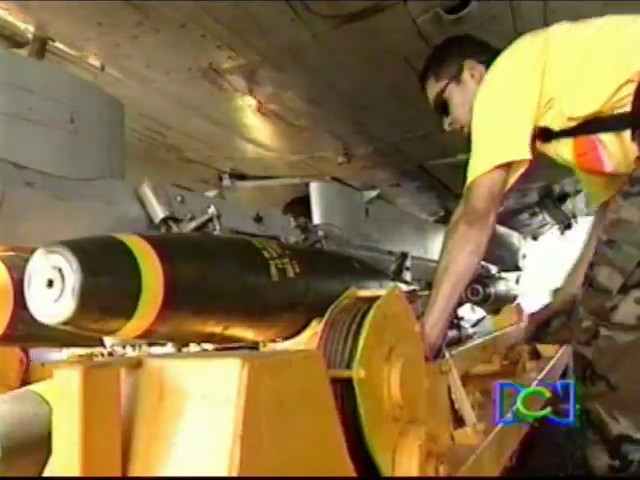
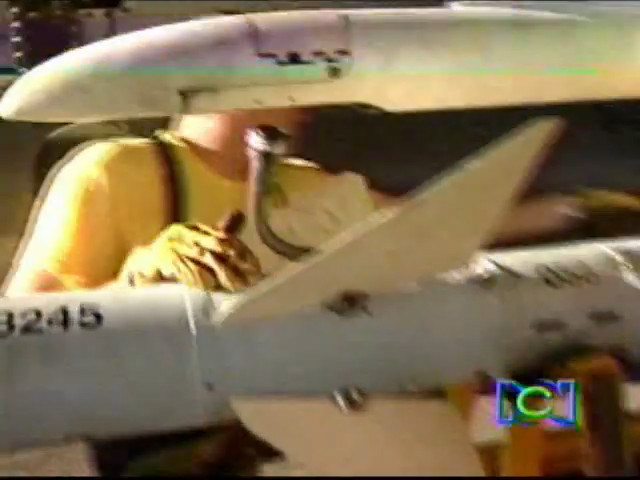
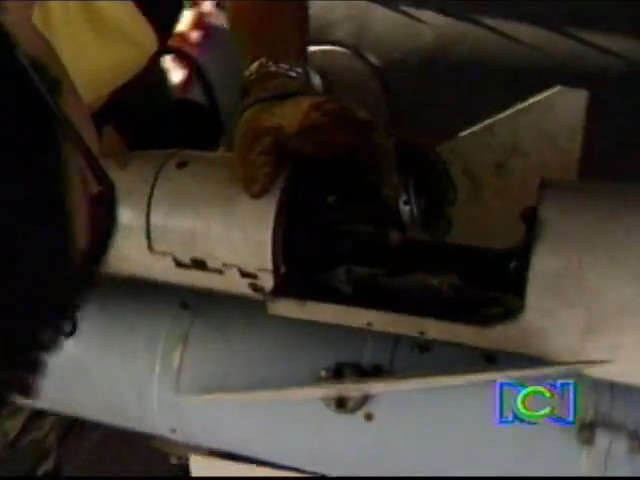
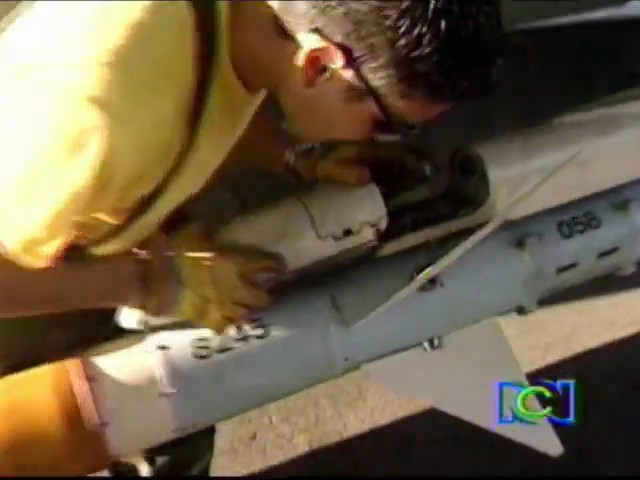
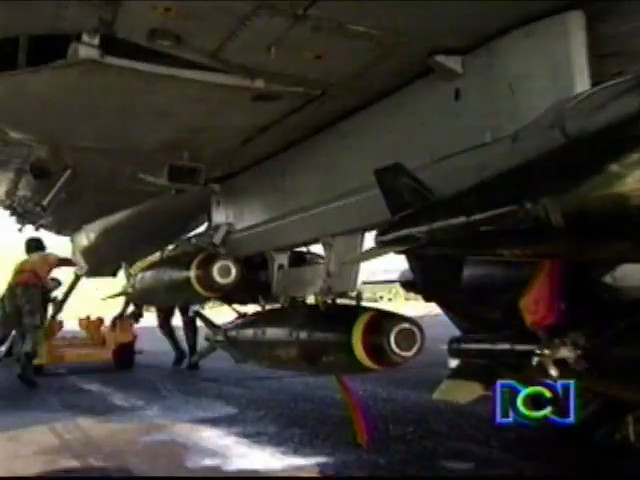

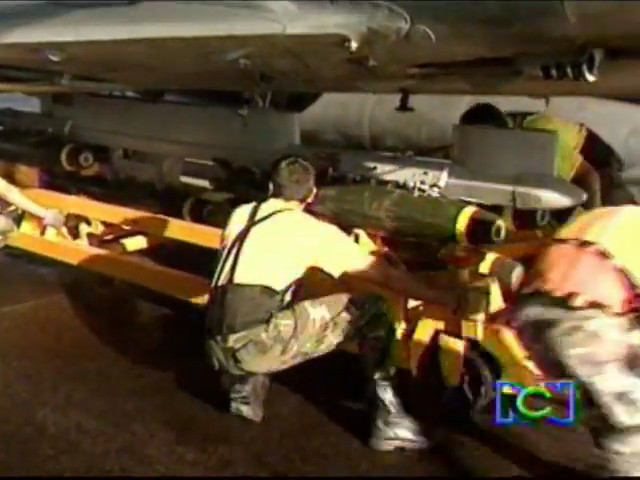
Kfir C.10 Block 60 New Images
content
To start this update, I’d like to present some new images / snippets I found during research.
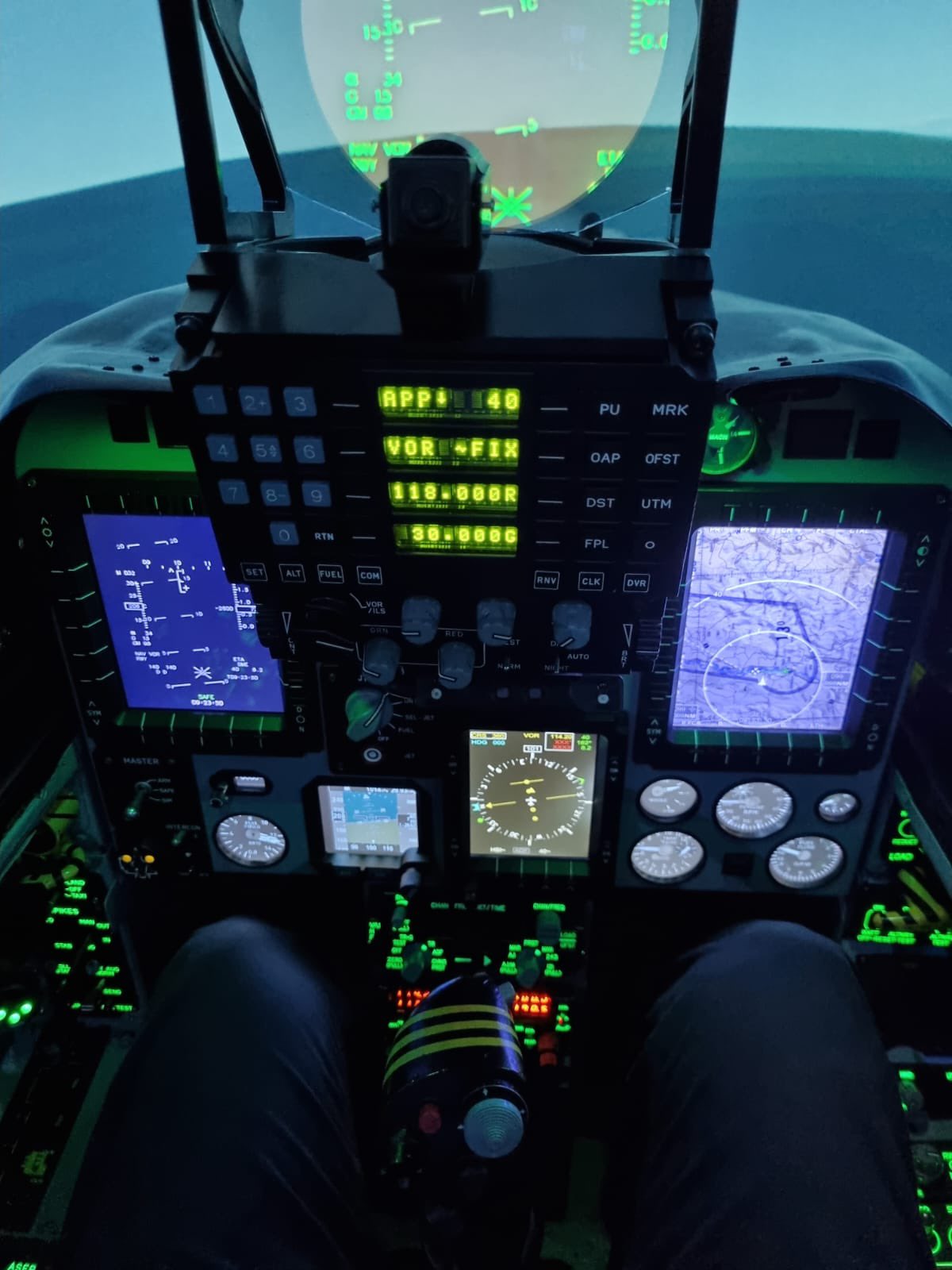
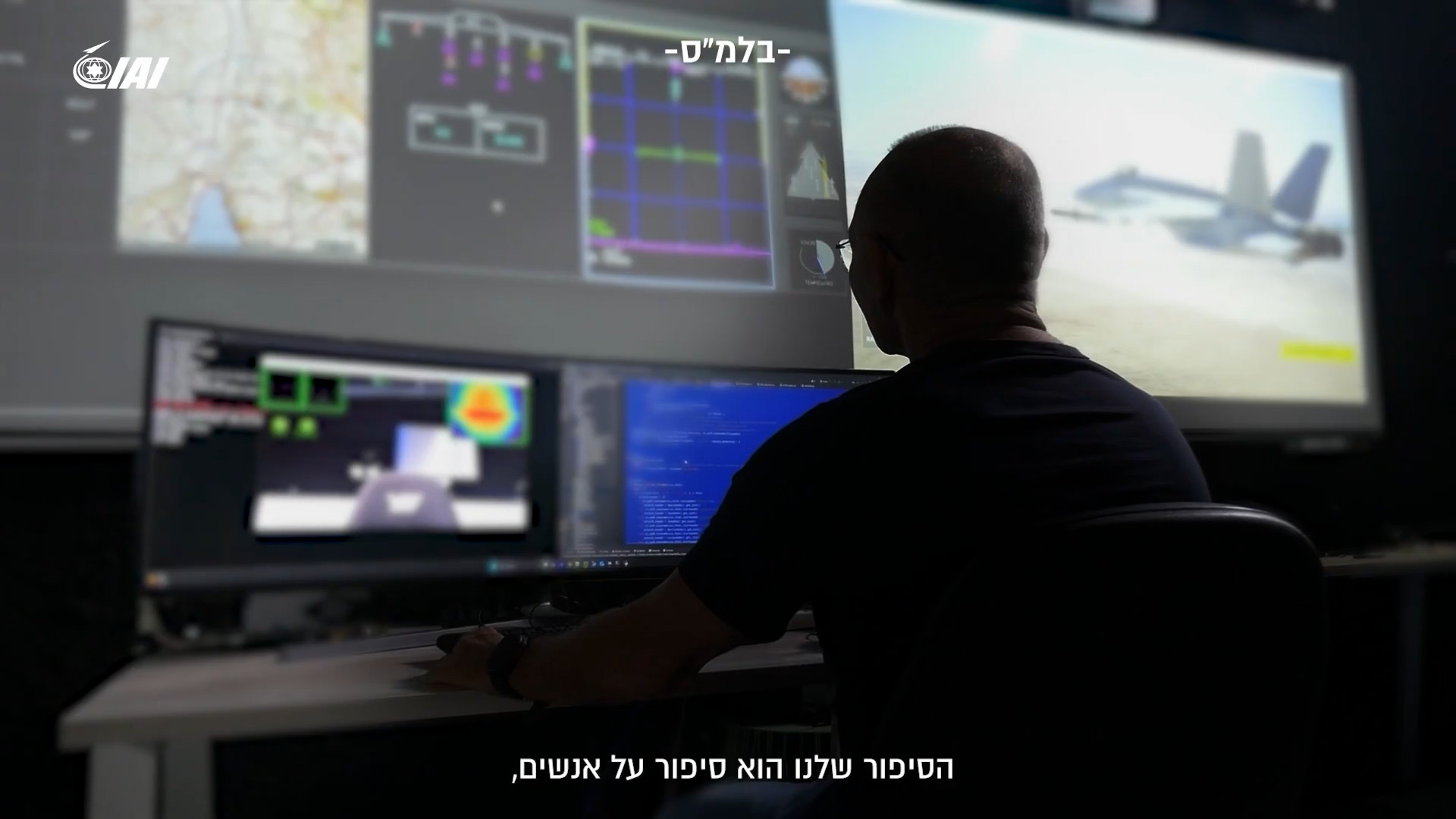
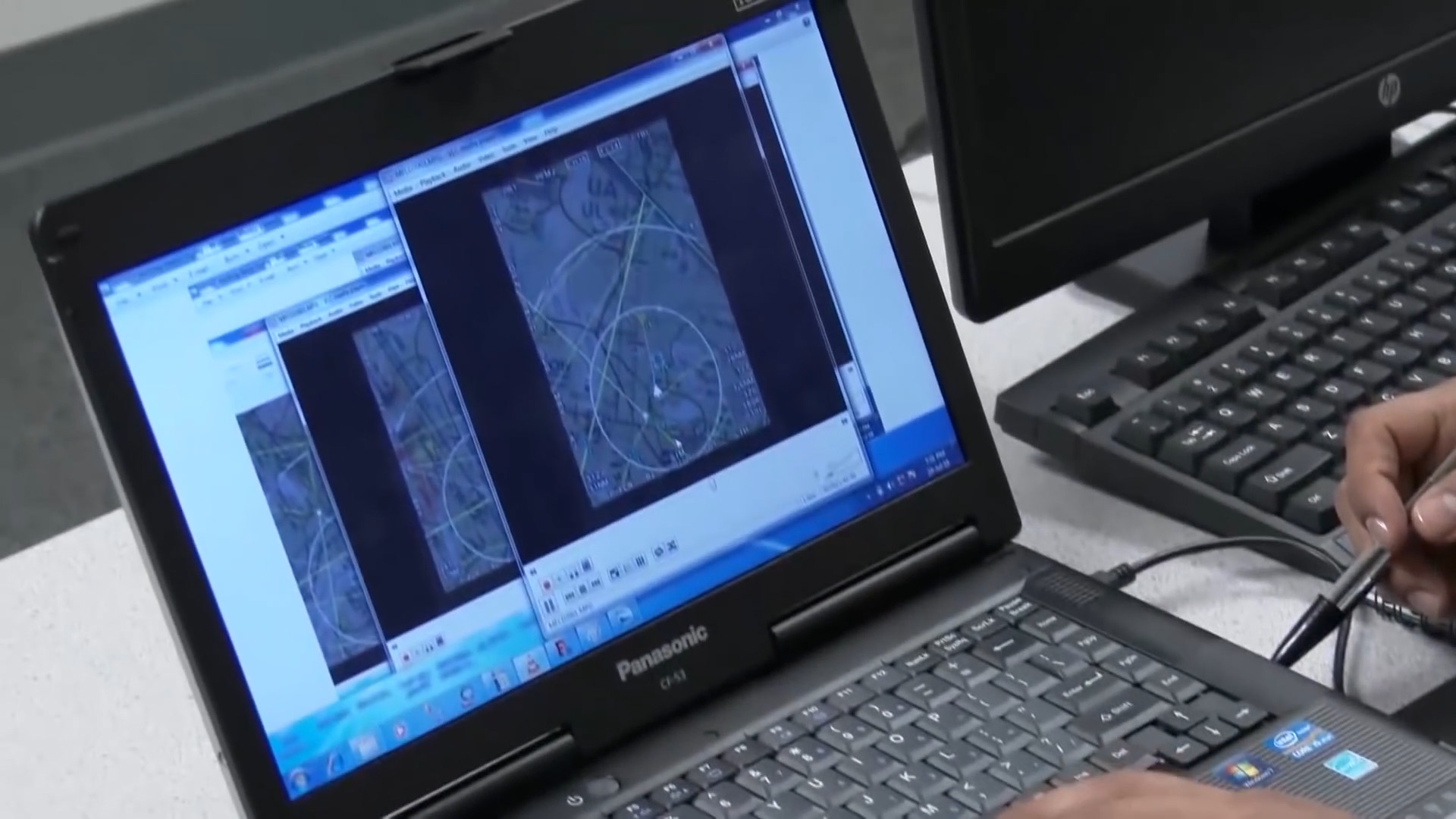
Colombian Air Force Footage, notice the laptop holds a recording of the Tactical Situation Display (TSD) in which a yellow triangle, representing a hostile contact is performing a lock against the Kfir aircraft in question
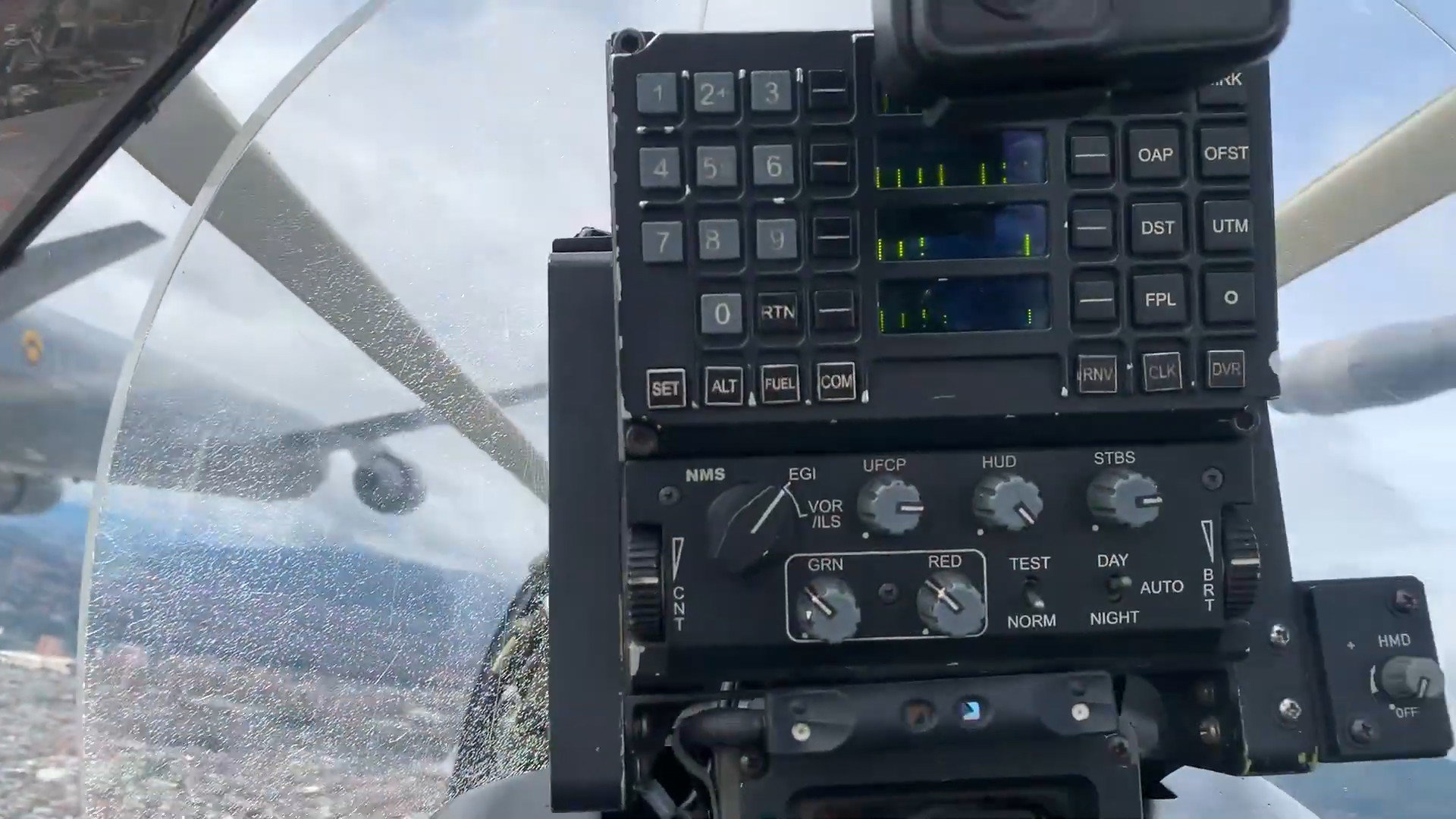
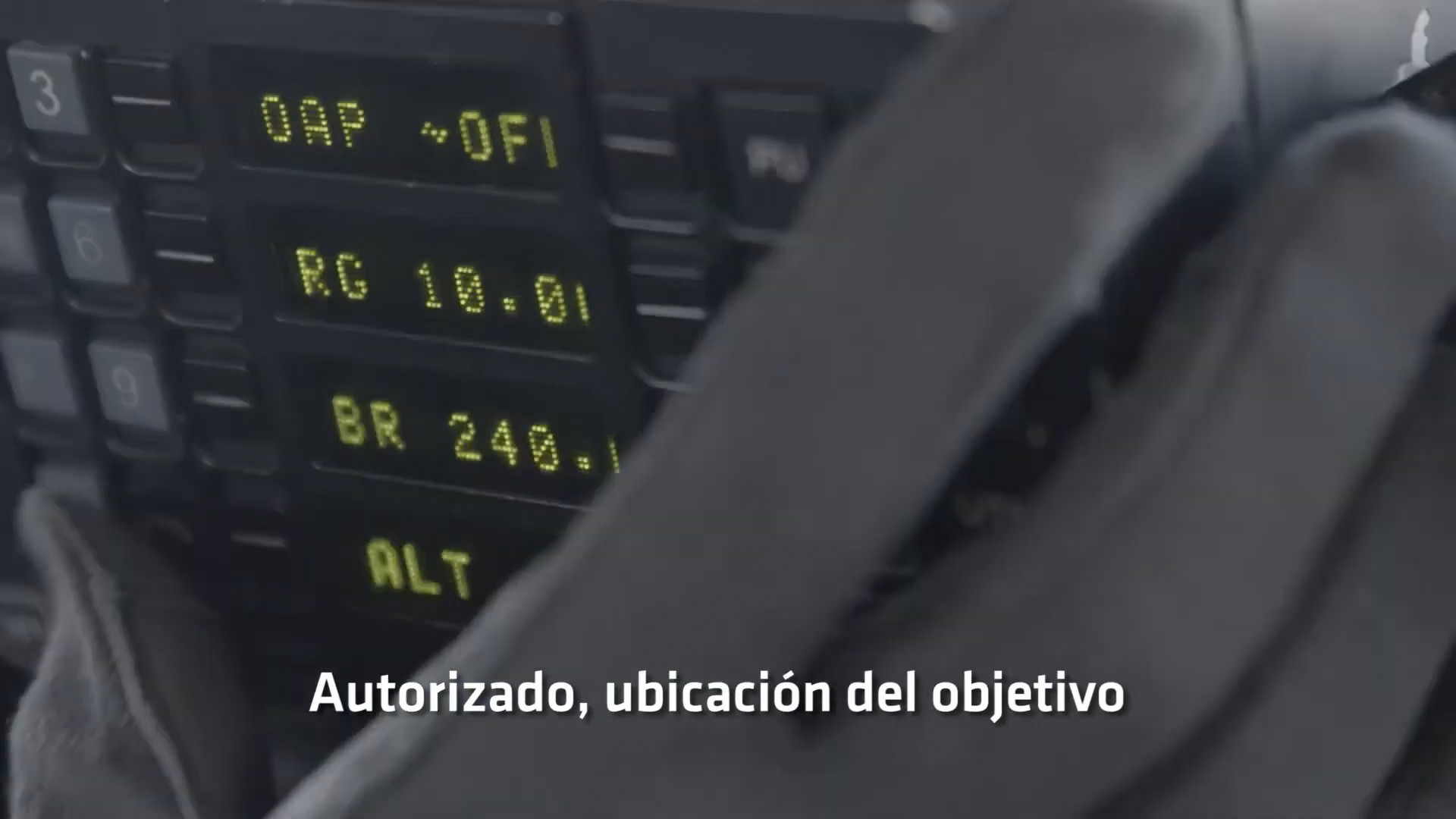
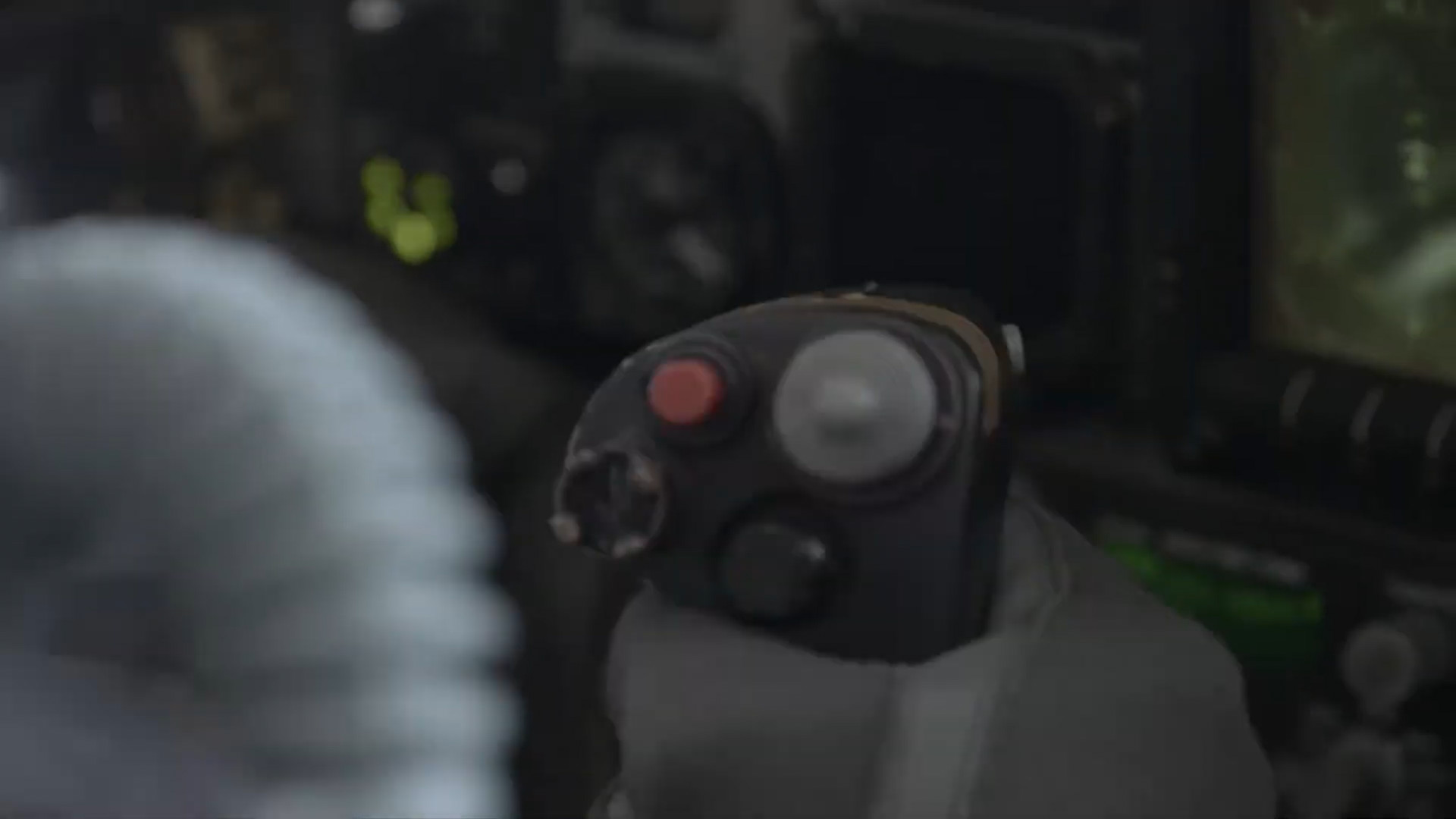

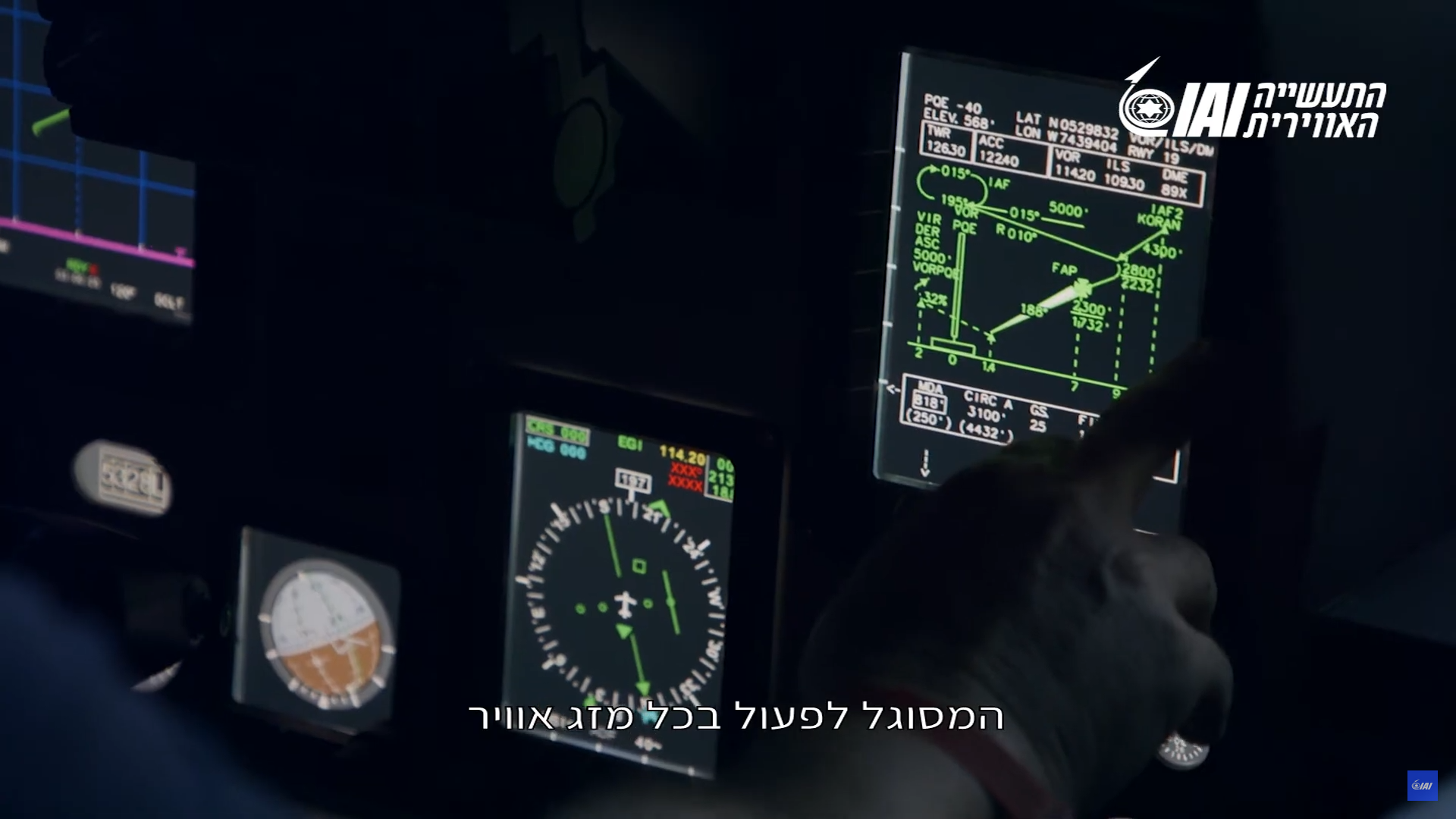
IAI Promotional Material, a Kfir simulator seemingly displaying an interesting MFD page, which even I don’t know what kind of information it is conveying other than latitude, longitude, VOR, ILS and DME at the top.


Kfir C.10 Block 60 Cockpit Inaccuracies
content
As many may know, the Kfir C.10 Block 60 is one of those aircraft that aren’t as widely reported as other more popular aircraft when it comes to aviation, therefore the pictures and information we have of it is sometimes inaccurate or really painful to find.
These statements hold true to Gaijin’s implementation on the 3D model for the Kfir C.10 Block 60’s, so, let’s take a look at how it is currently implemented in-game:
Front
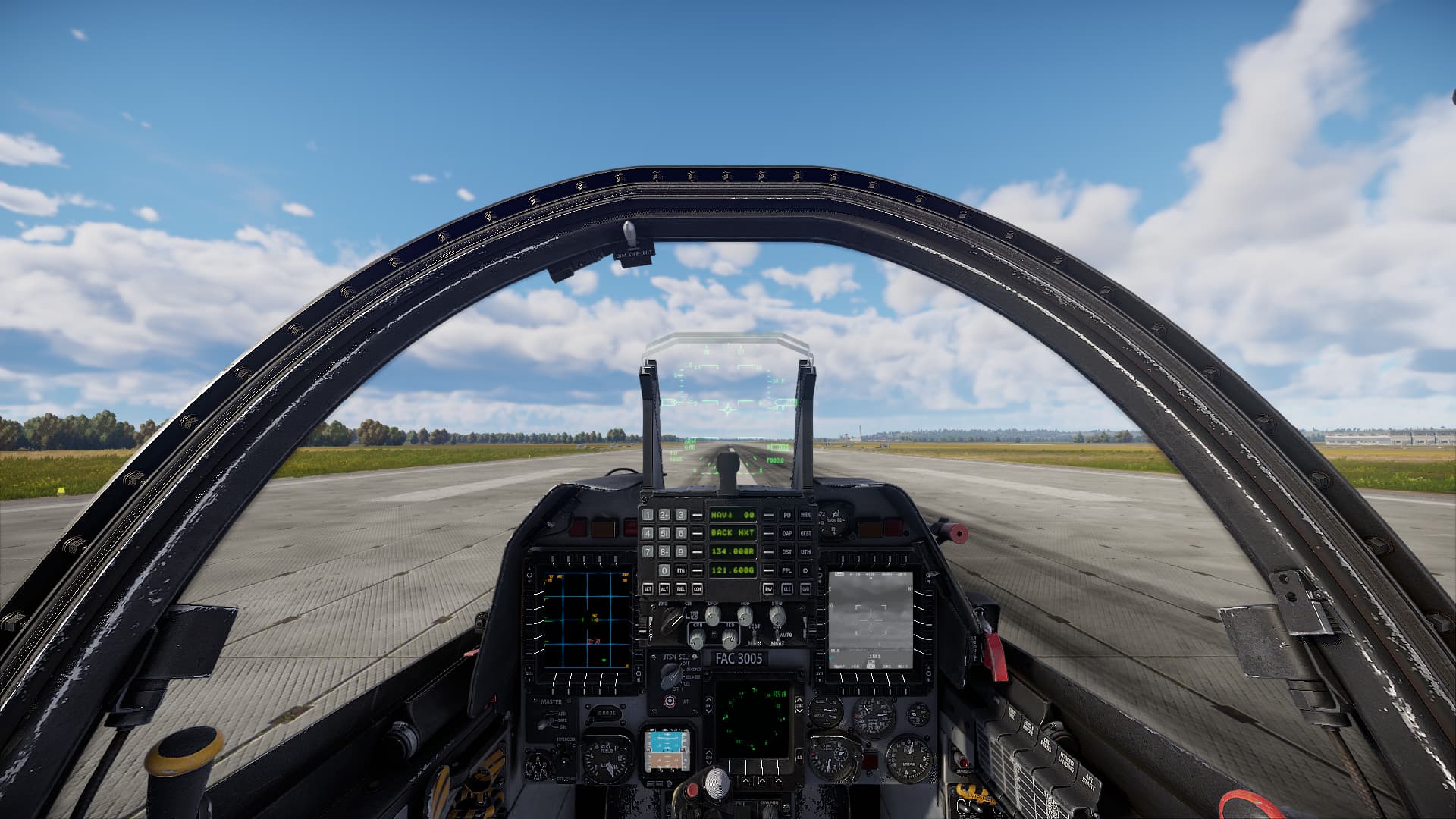
Right Panel
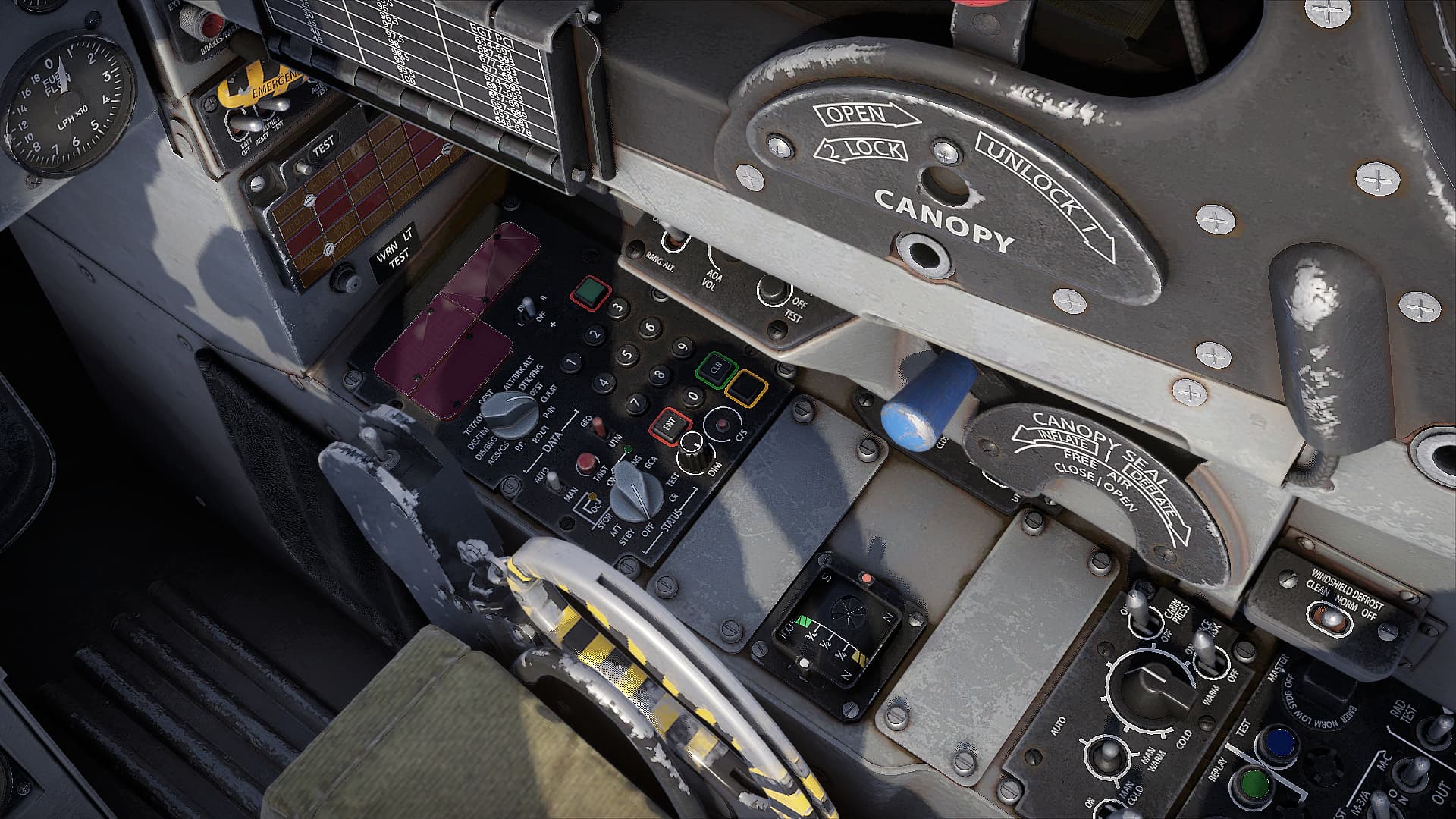
Notice the entirety of the right panel is a copy of the Kfir C.7’s right panel, having the same systems for INS handling as found in the Kfir C.7.
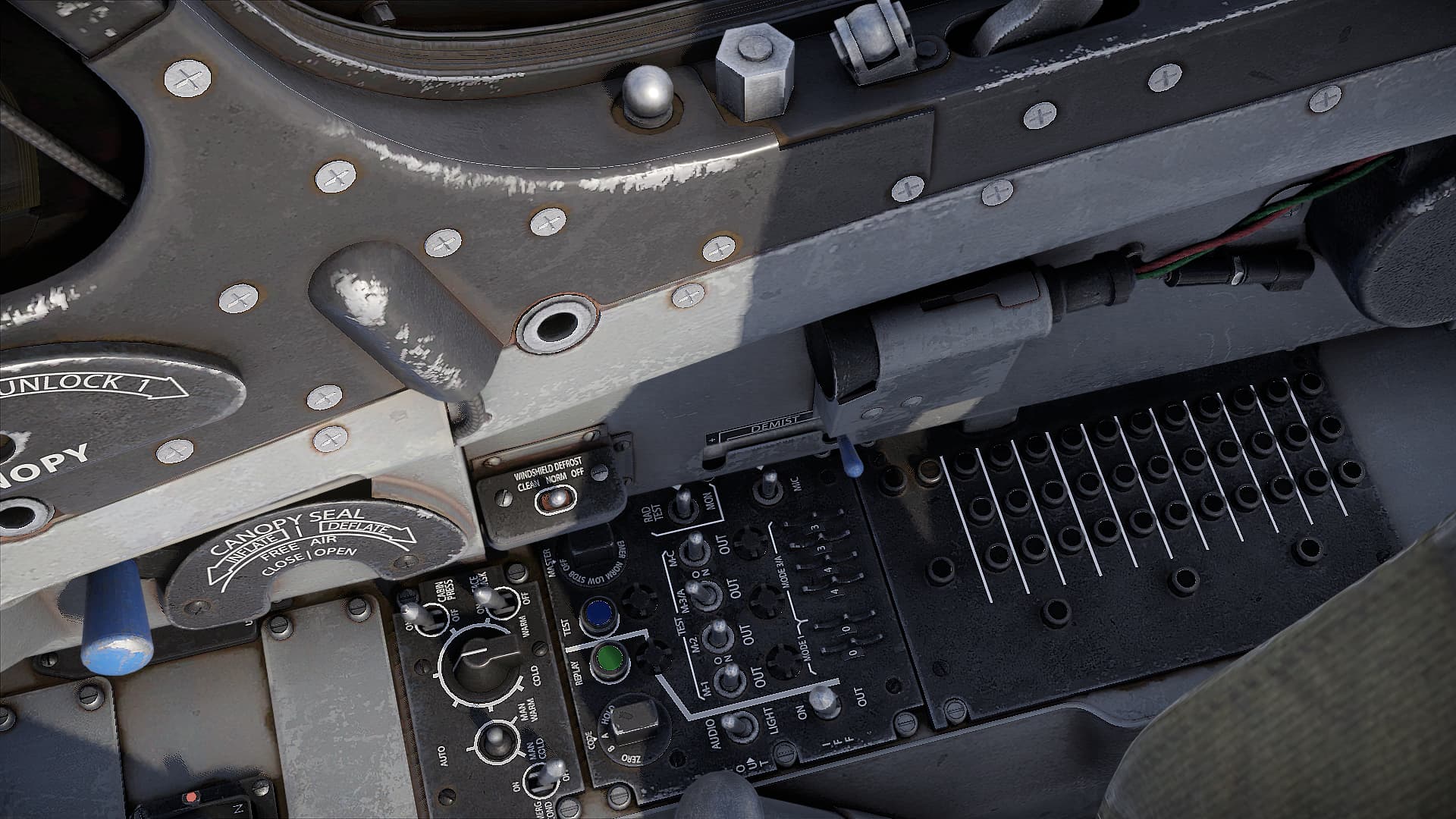
Notice the bottom part of the right panel is still a copy of what one would find in the Kfir C.7 and C.2’s bottom right panel.
Left Panel
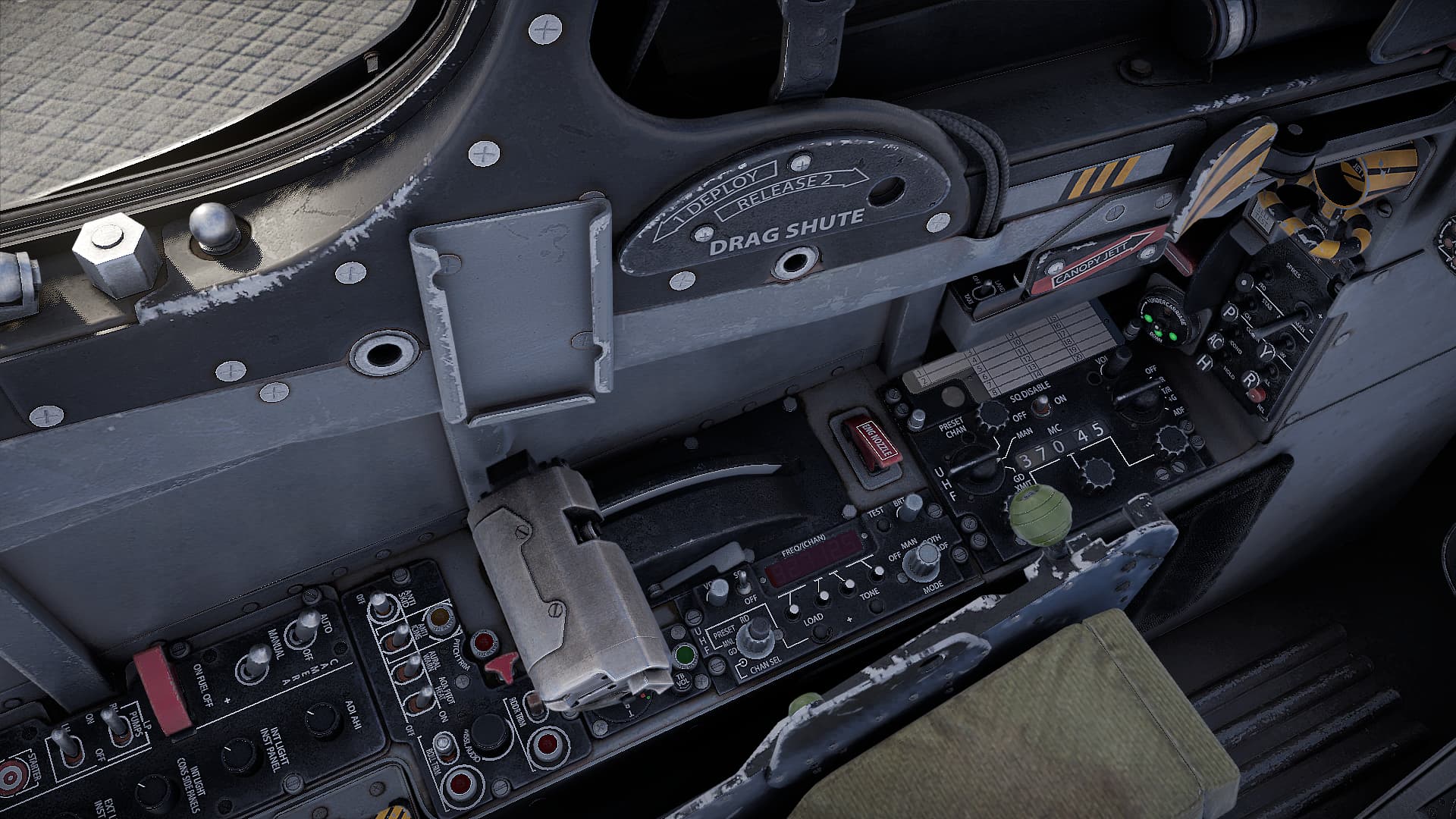
Notice the entirety of the left panel is a carbon-copy of the Kfir C.7’s left panel, down to the throttle, knobs, and other elements which don’t fit at all with a seemingly modernized aircraft.
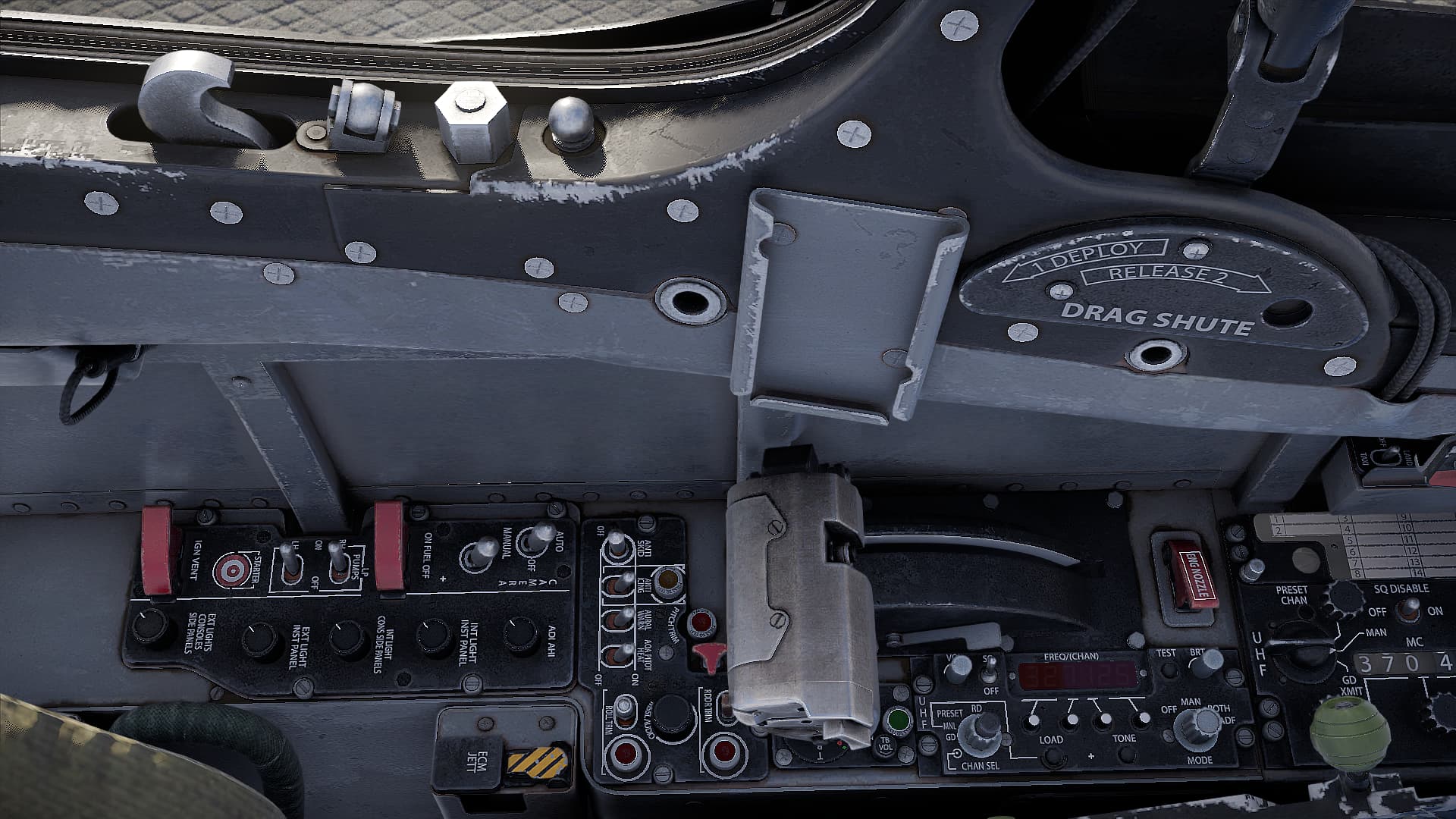
Yet another display of the copy-paste performed on the Kfir C.10 Block 60, once again showing the same left panel as the Kfir C.7.
While this representation of the Kfir C.10 Block 60’s looks “good enough” for a working vehicle, in reality it fails to abide by the “historical precision” standard Gaijin is meant to uphold themselves up to when it comes to vehicle additions.
Considering this, let’s take a look at some images I have found of the actual Kfir C.10 Block 60 cockpit:
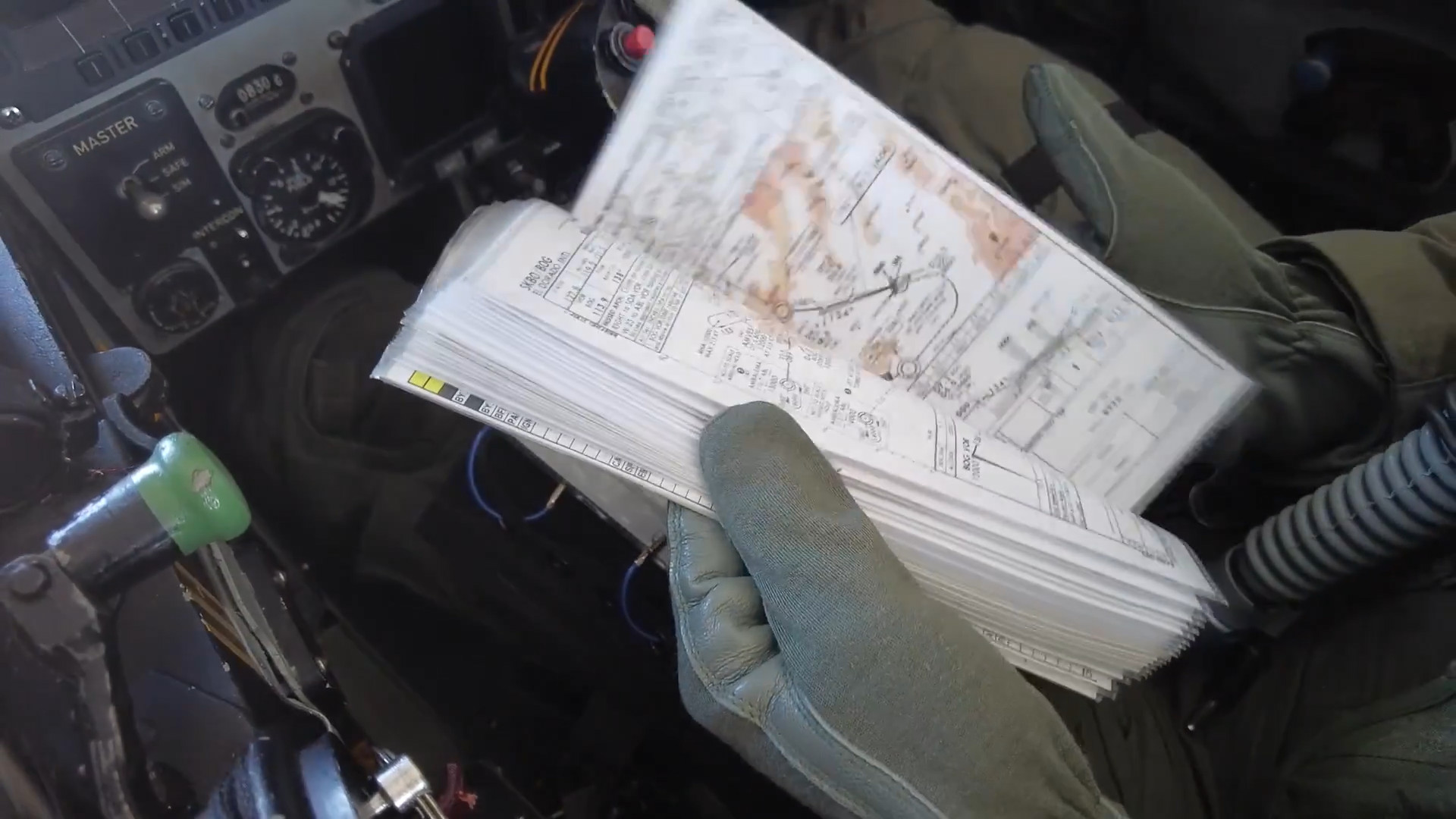
Notice the drag chute lever knob is of the correctly appropriate color, as in-game it is of a yellow and black tonality.
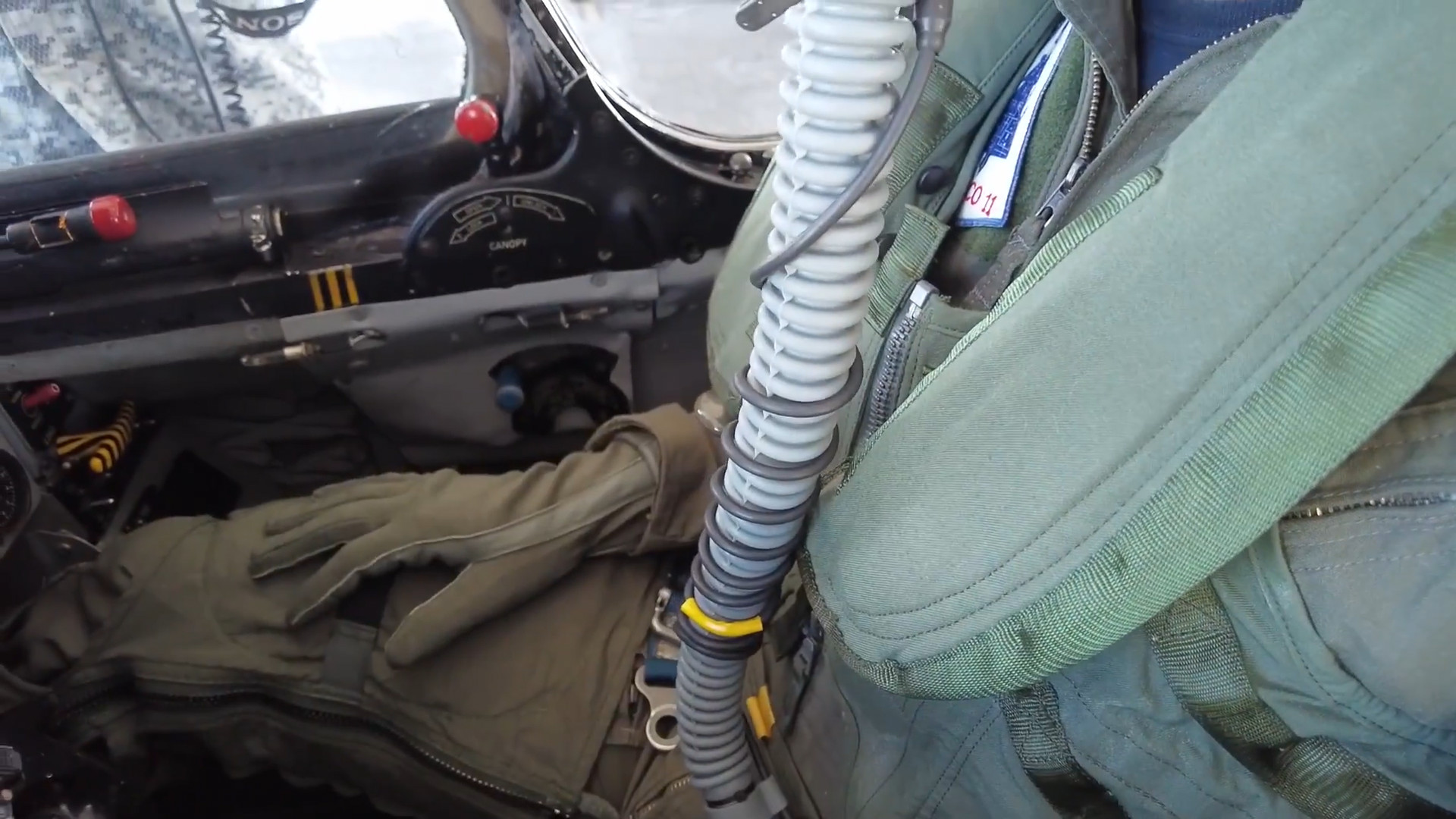
Notice the canopy lever knob is of the correctly appropriate color, as in-game it is of a red and black tonality.
The new Kfir C.10 Block 60 throttle appears to be closer to an F-16-like throttle rather than the copy-pasted throttle we have in-game, this will be analyzed further down this post.
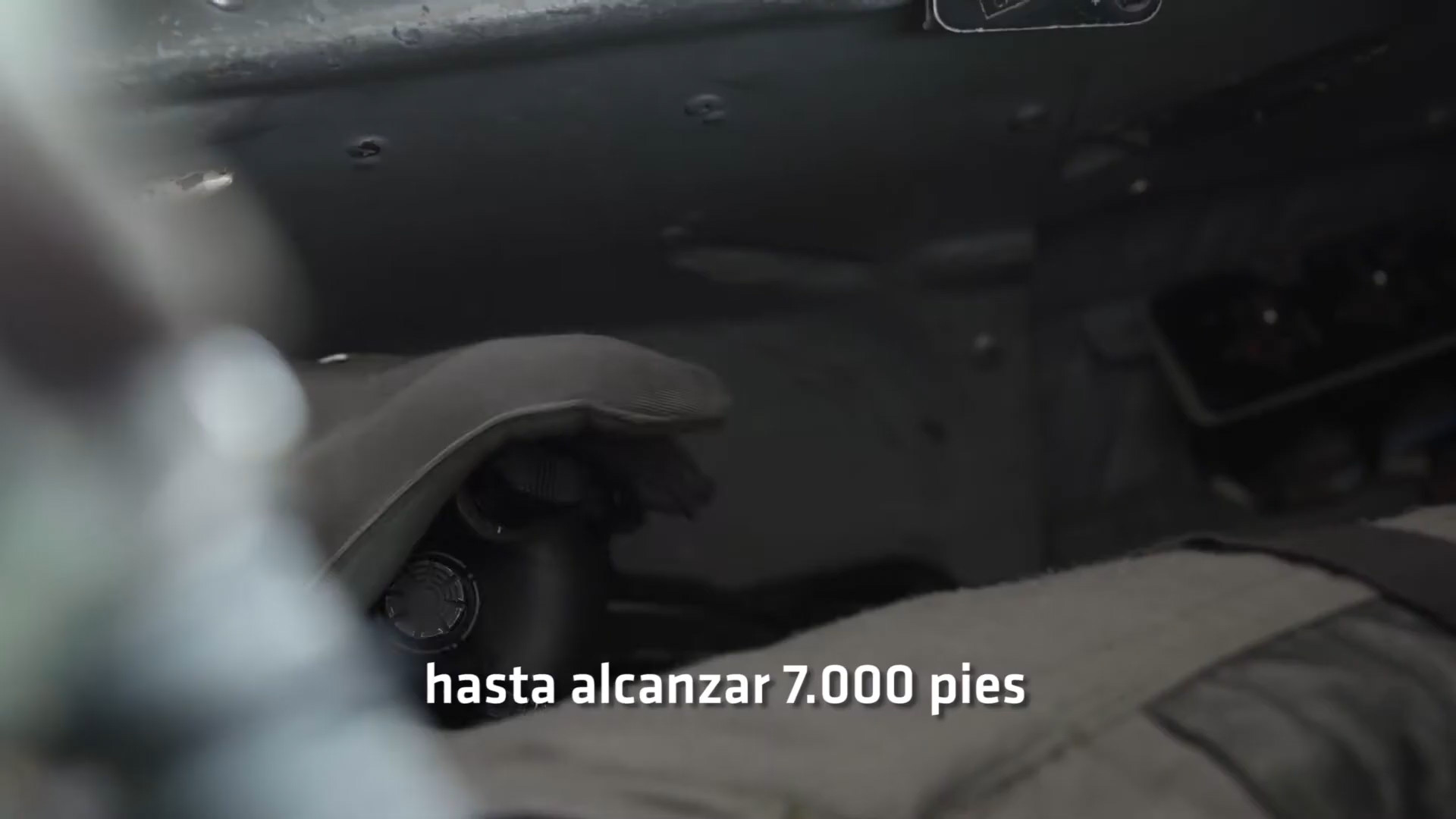
The new Kfir C.10 Block 60 throttle appears to be closer to an F-16-like throttle rather than the copy-pasted throttle we have in-game, this will be analyzed further down this post.
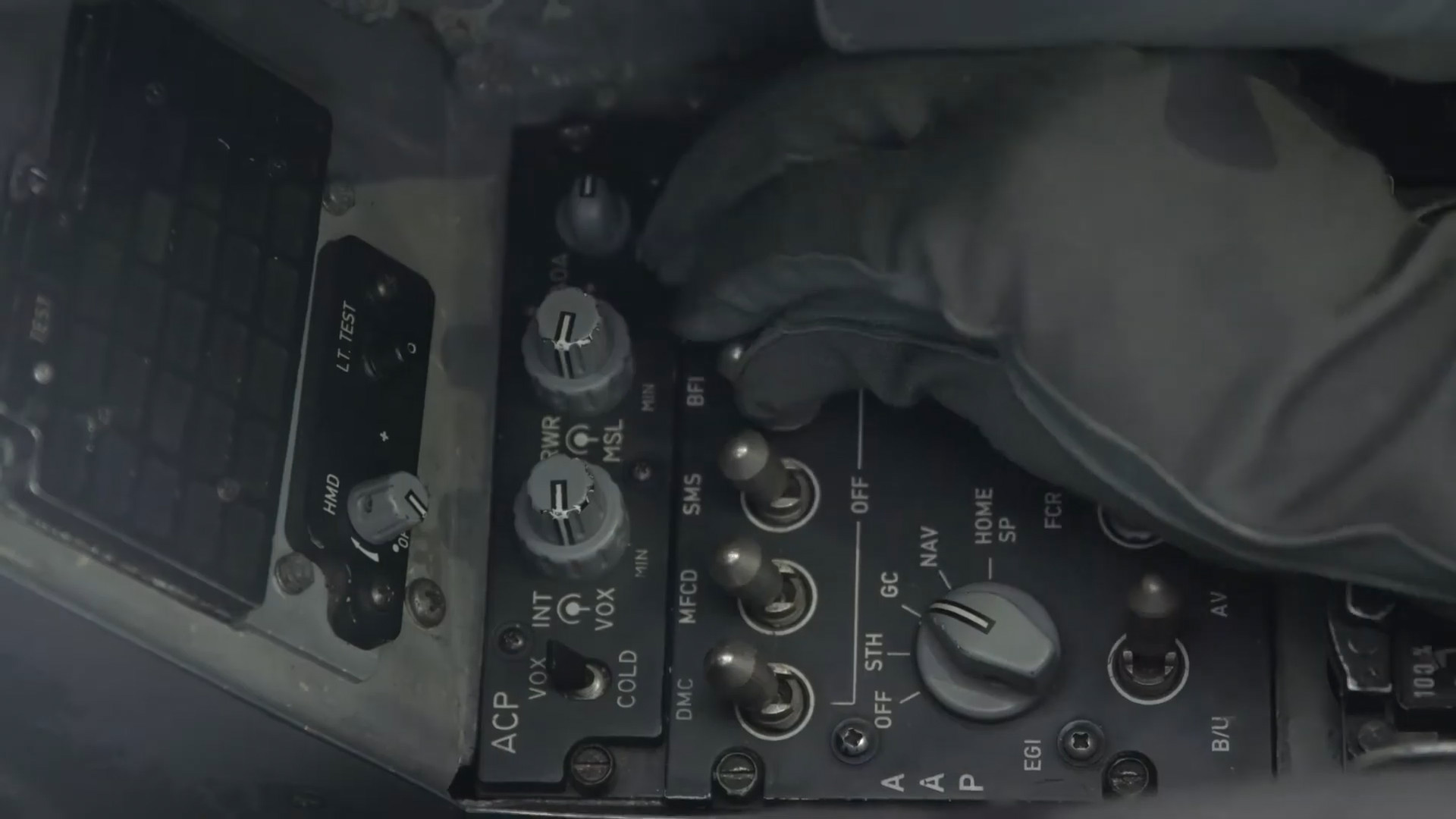
A real picture of the Kfir C.10 Block 60 right side panel, notice all the new knobs, as well as the new slanted surface where the warning lights panel and HMD brightness knob are installed.
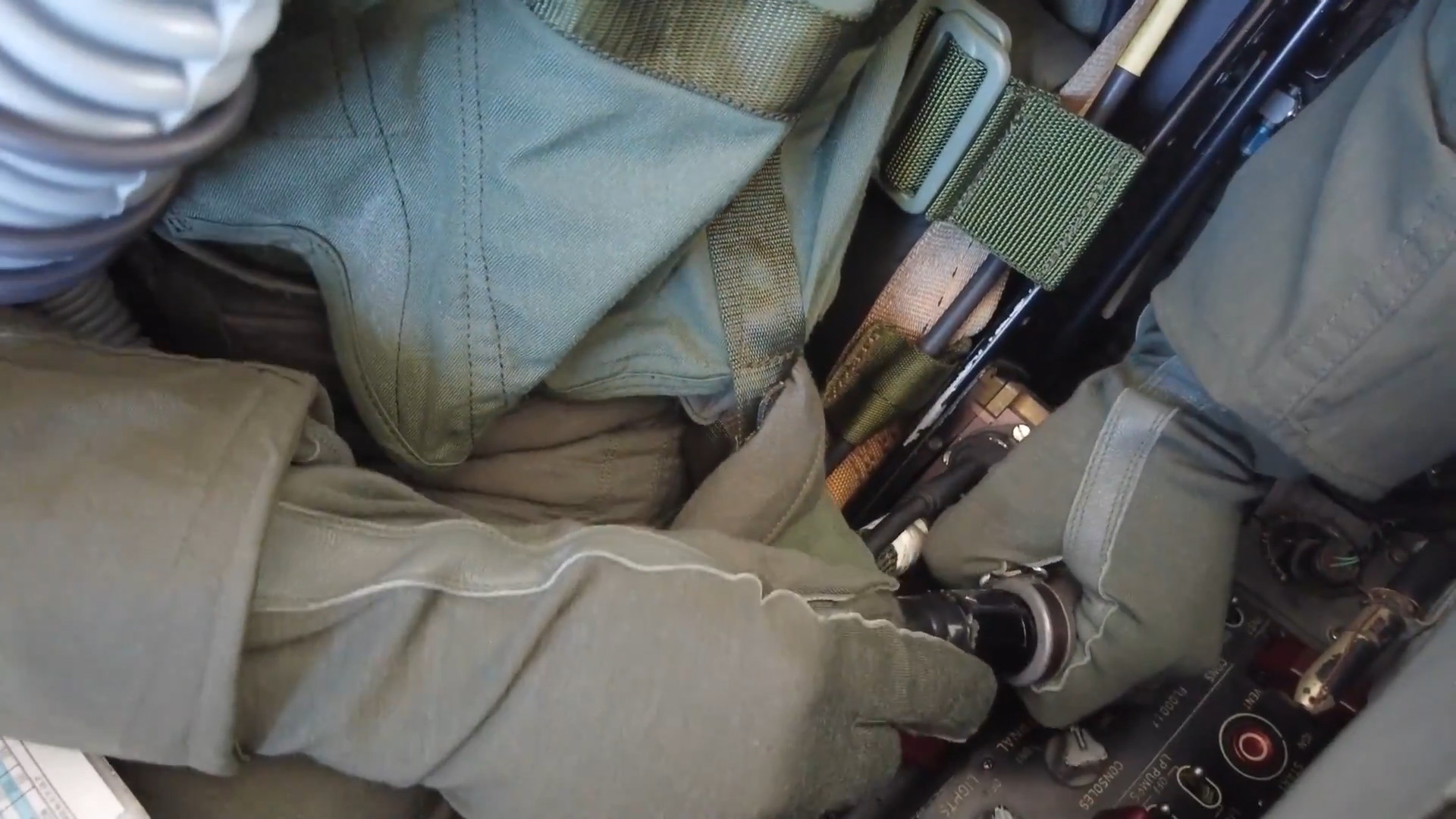
Here we can see the bottom left side panel, notice that despite keeping the same structure as the original Kfir C.7 units, the knobs have been changed to new ones as of part of the modernization program.
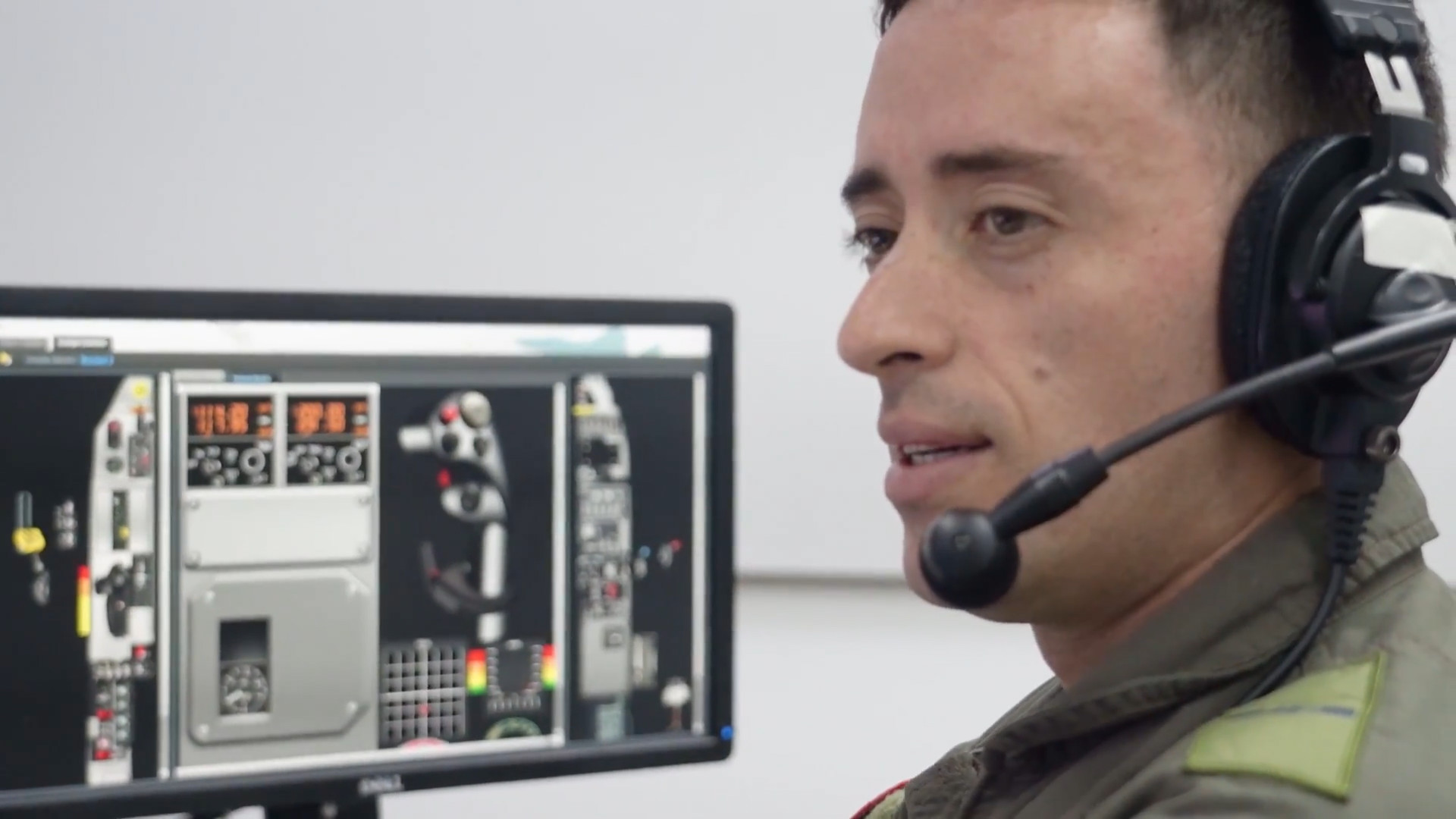
A Colombian Air Force simulator held in the CACOM-1 installations, the operator monitoring the pilot’s performance during sim training, notice the monitor shows the layout of the simulation cockpit, which matches the one of the real Kfir C.10 Block 60.
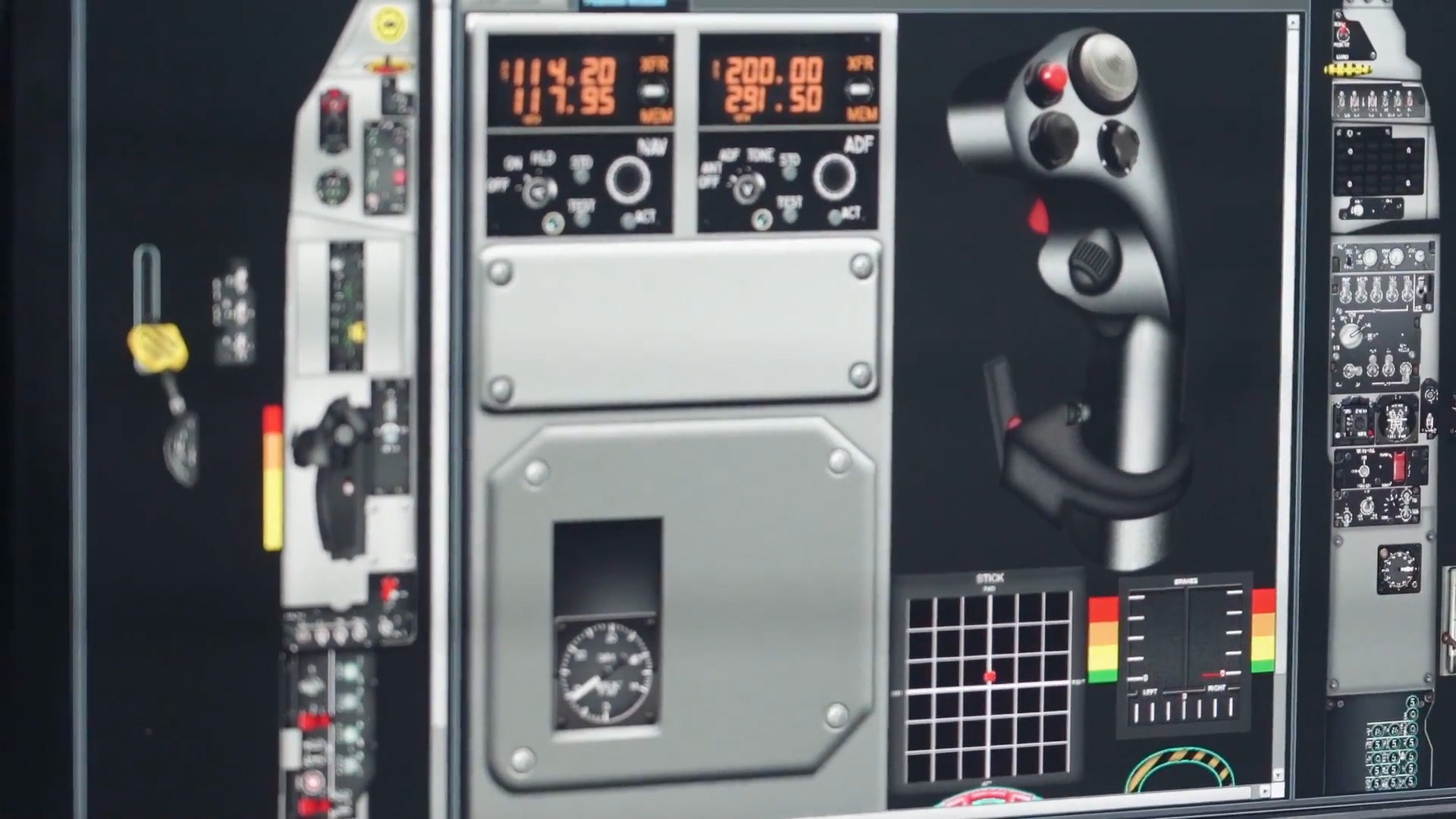
Closeup of a Colombian Air Force simulator held at the CACOM-1 installations, notice all of the new panels and seemingly empty space, as well as the true throttle, being once again similar to an F-16 throttle.

Right side panel closeup of a Colombian Air Force simulator held at the CACOM-1 installations, notice the new knobs and switches for the new functionalities.

Closeup of a Colombian Air Force simulator held at the CACOM-1 installations, this specific I can’t really identify properly.
Another interesting thing to consider regarding the C.10 Block 60’s cockpit is the throttle, in-game it’s a copy-paste of the C.7 throttle, however, as seen in the images, the throttle appears to be an F-16-like throttle layout.
This could be further proven by the pictures found regarding the F/A-259 simulator, in which the throttle layout used for this simulator are similar to the F-16 throttle.
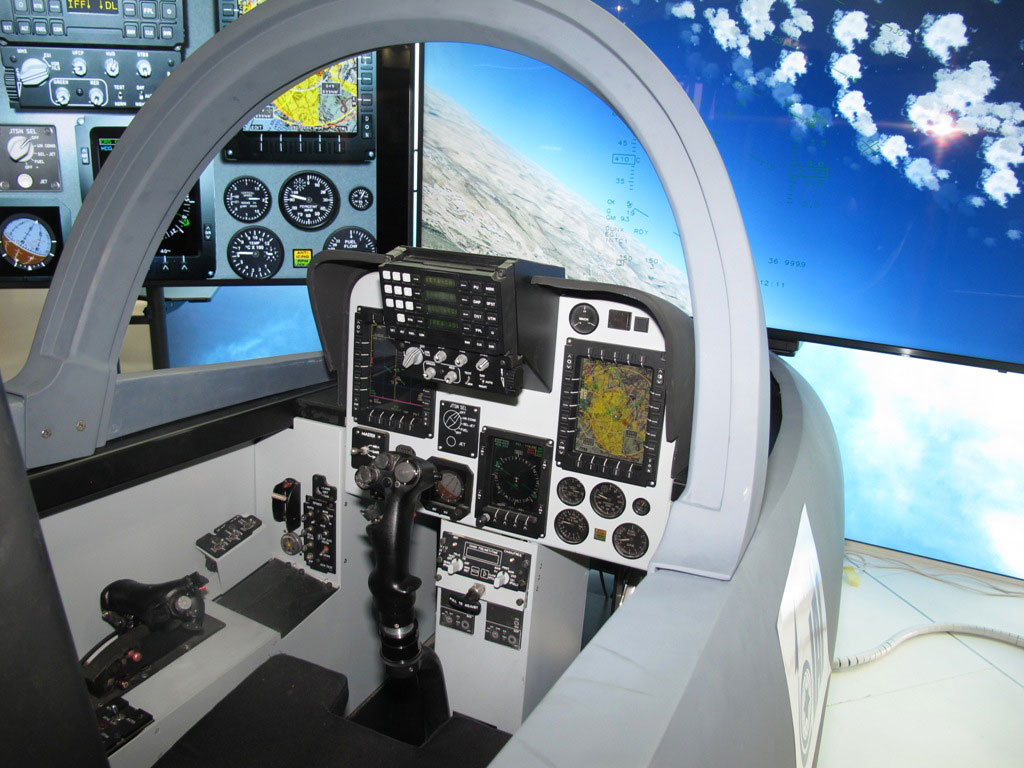
F/A-259 simulator at Farnborough Airshow, notice the F-16-like throttle on the left panel.
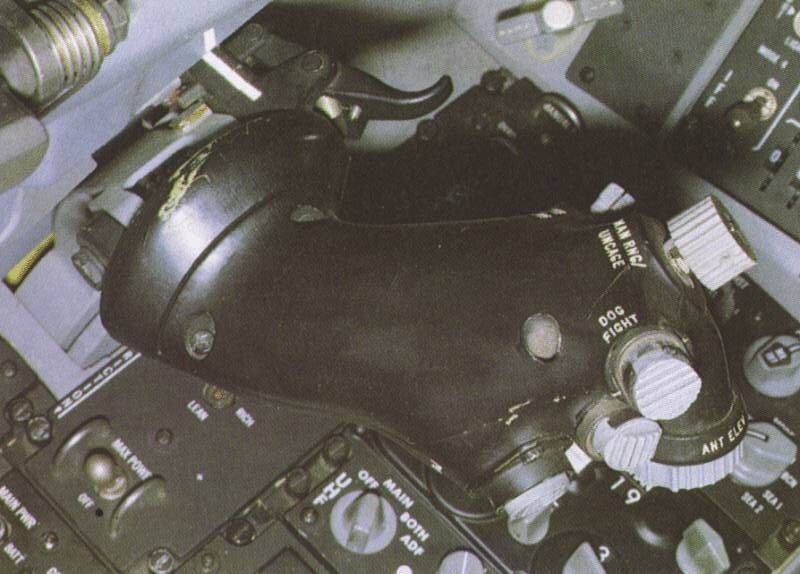
F-16 throttle, notice the similarities between the F/A-259 simulator put up by IAI as well as the images of the Kfir C.10 Block 60.
If I had to make an educated guess, I would assume the Kfir was re-made using the F-16 throttle layout specifically in order to make it easier to repair knowing that it will share spare parts with an already existing platforms. However, I am merely marking this as a hypothesis, if anyone here is reliably good at identifying throttles, please let me know if my conclusion is correct.
Either way, these newfound pictures prove that the implementation of the C.10 Block 60’s cockpit in War Thunder is currently incorrect, these images being taken of course from official Kfir C.10 Block 60 units, as well as the simulator located at the CACOM-1 (Combat Air Command No. 1) facilities.
A bug-report will of course be issued for these inaccuracies to be erased and the true cockpit be adapted into the game.
Kfir CE (C.10) New Images
content
During my research, I found new images and possibly relevant footage when it comes to the Kfir CE, in this case being some new images of the cockpit, instrumentation, and HOTAS.
Here I present the newfound footage:
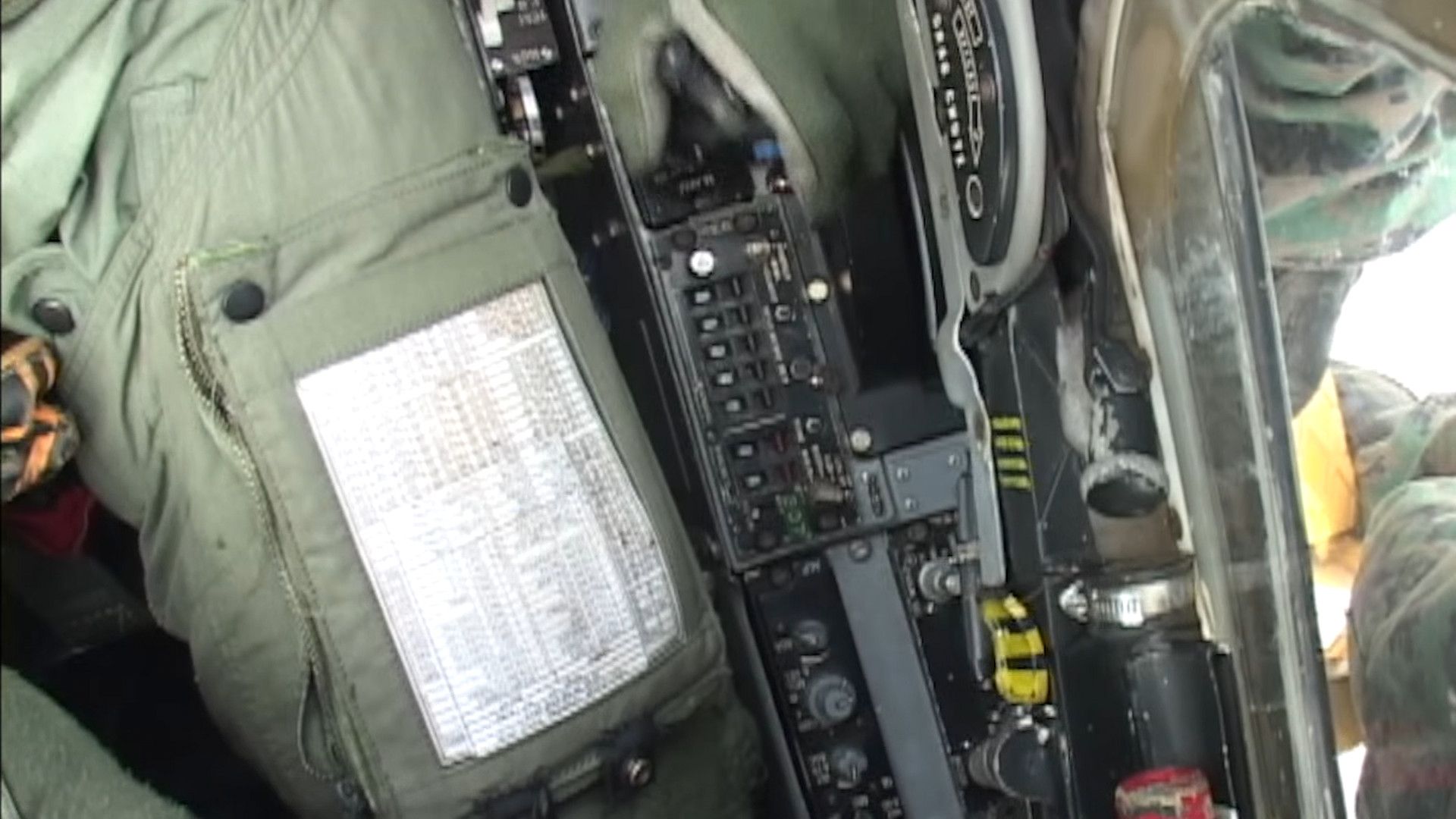
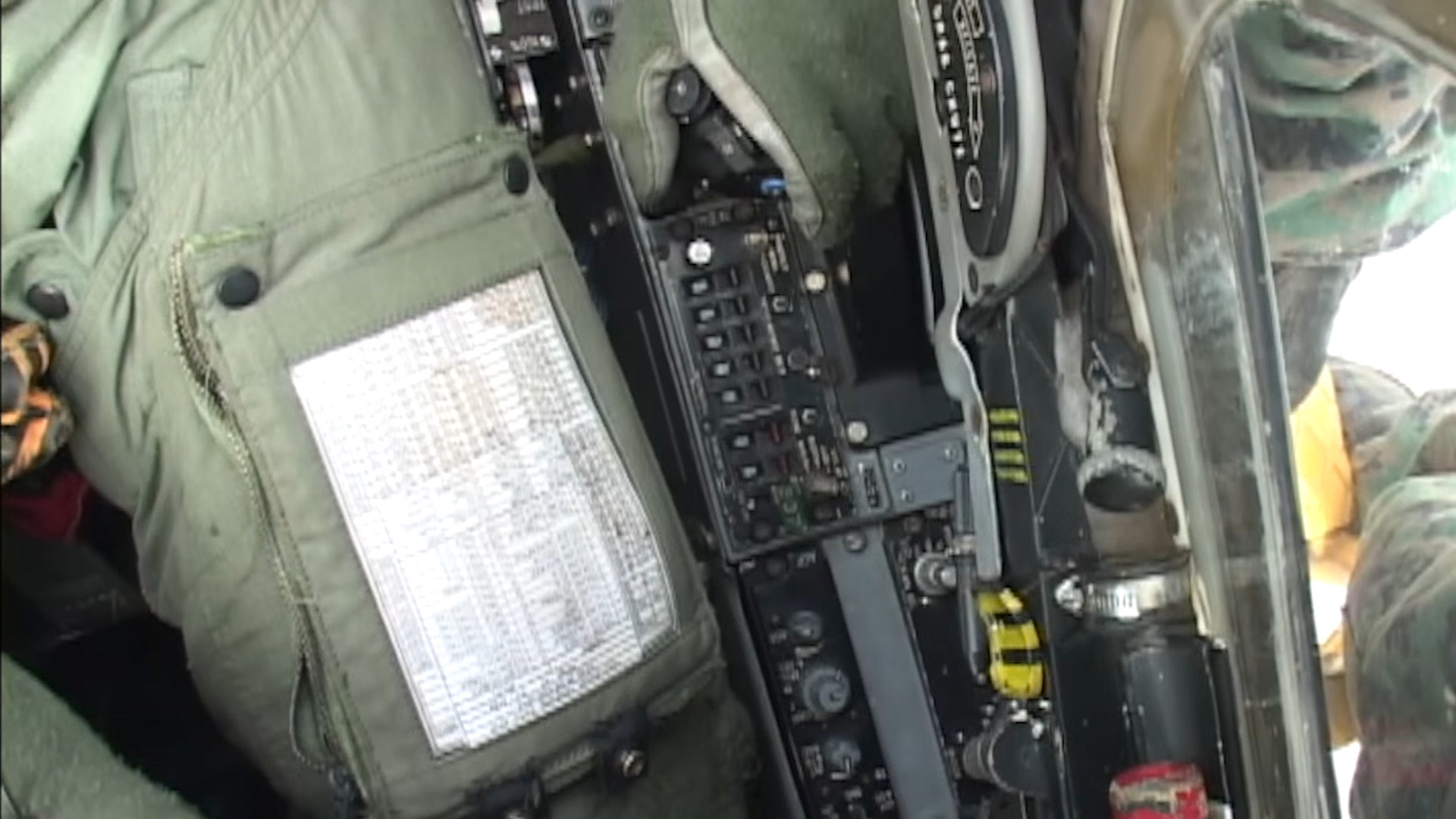
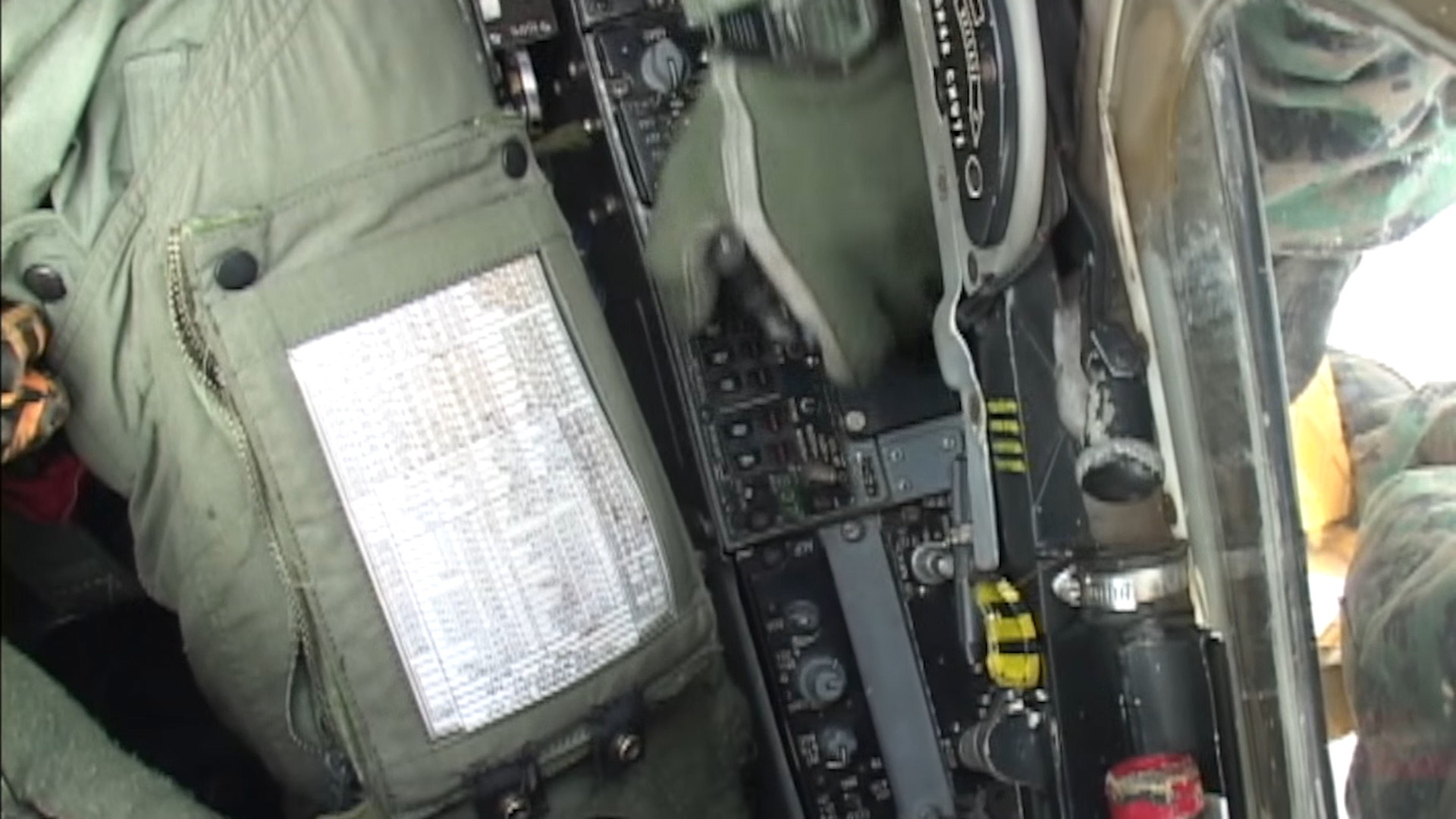
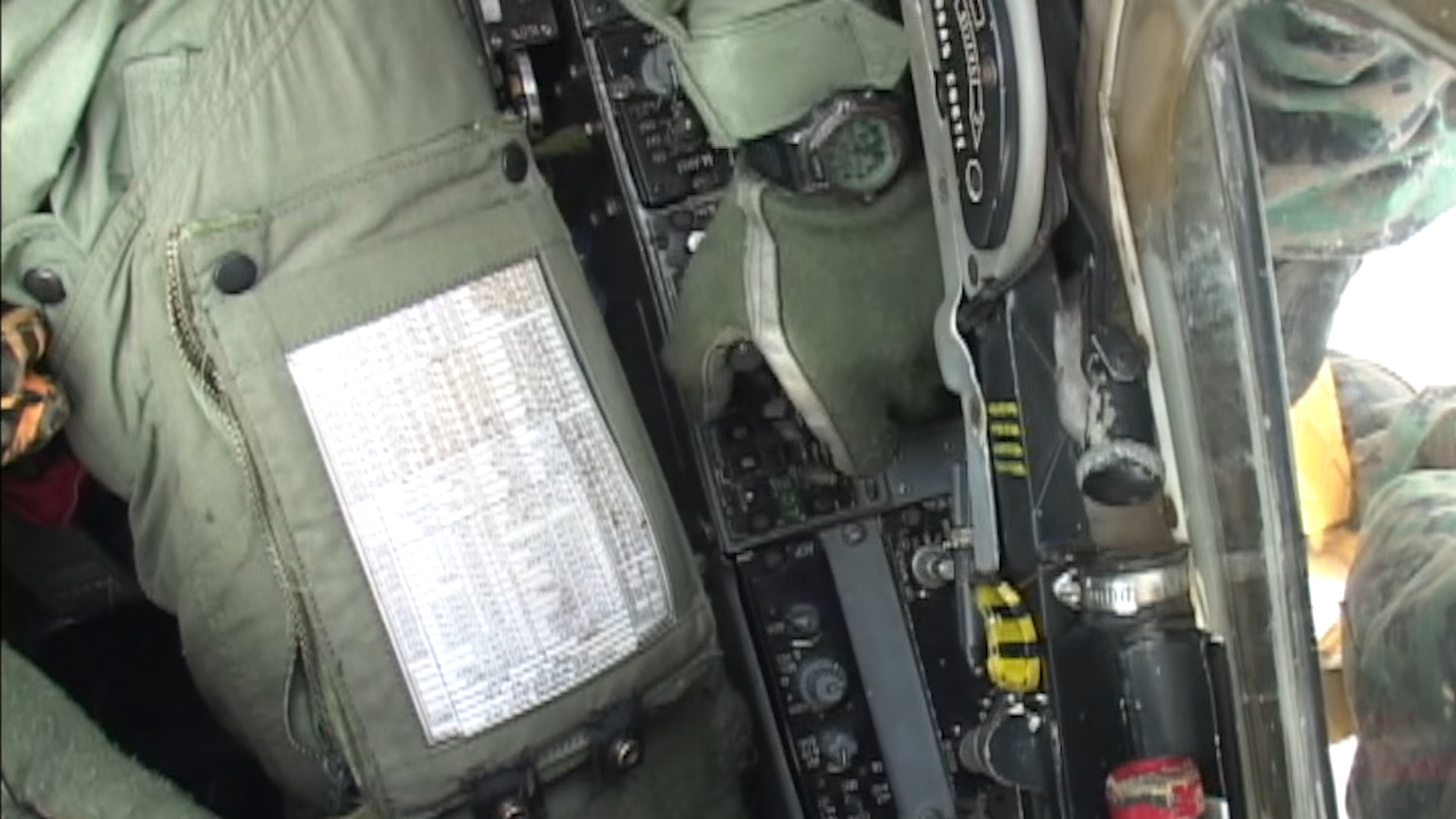

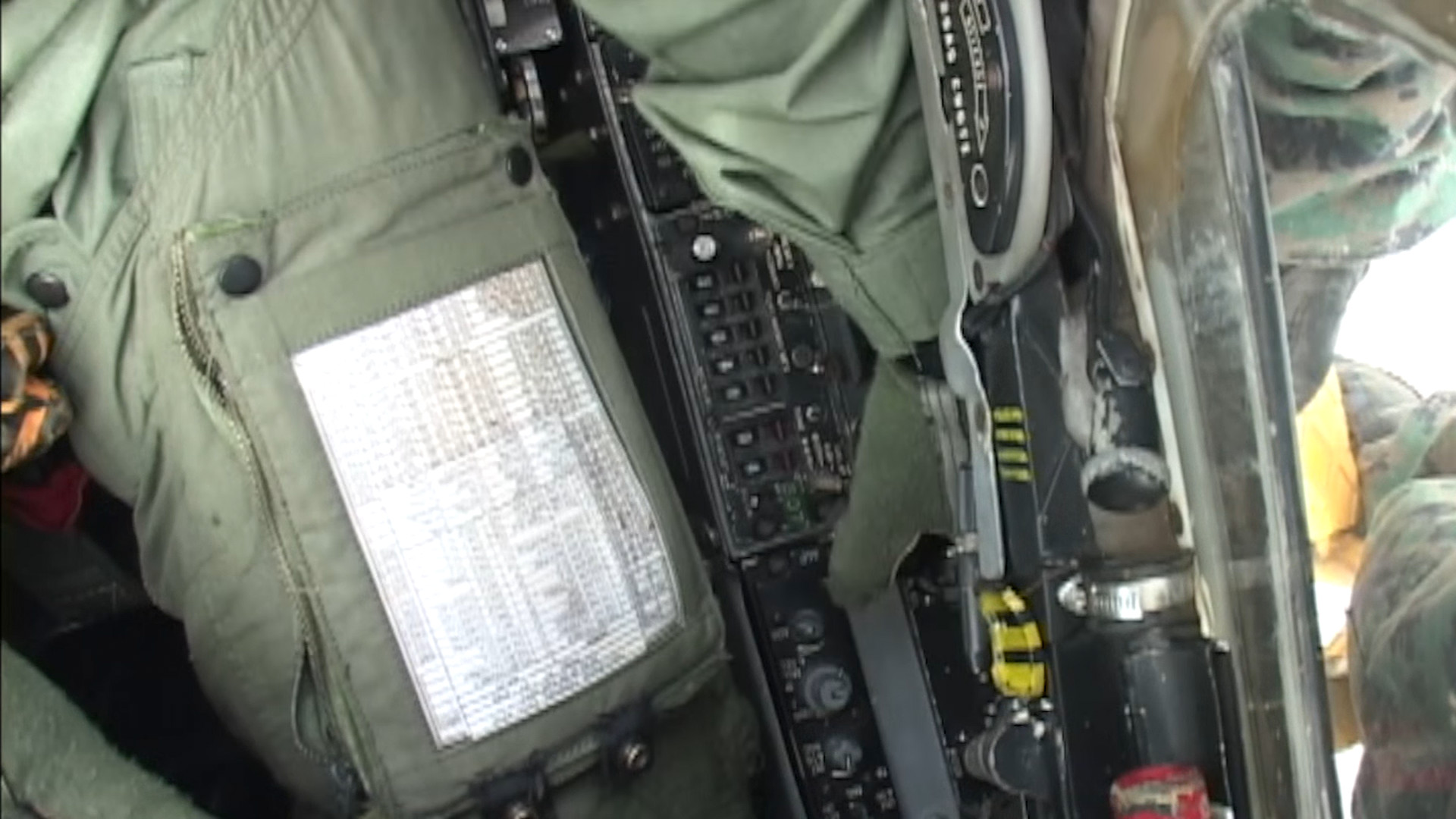
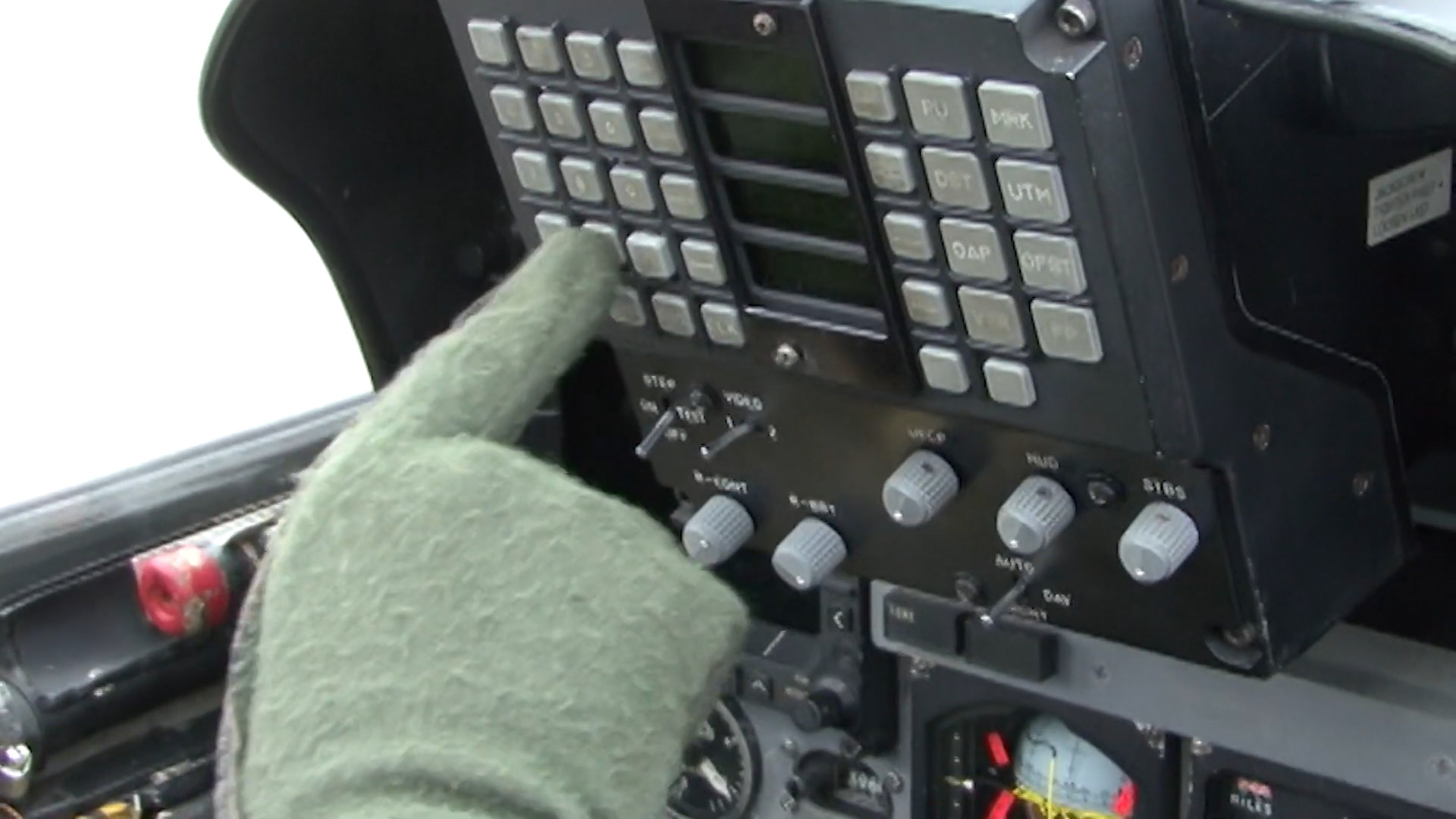
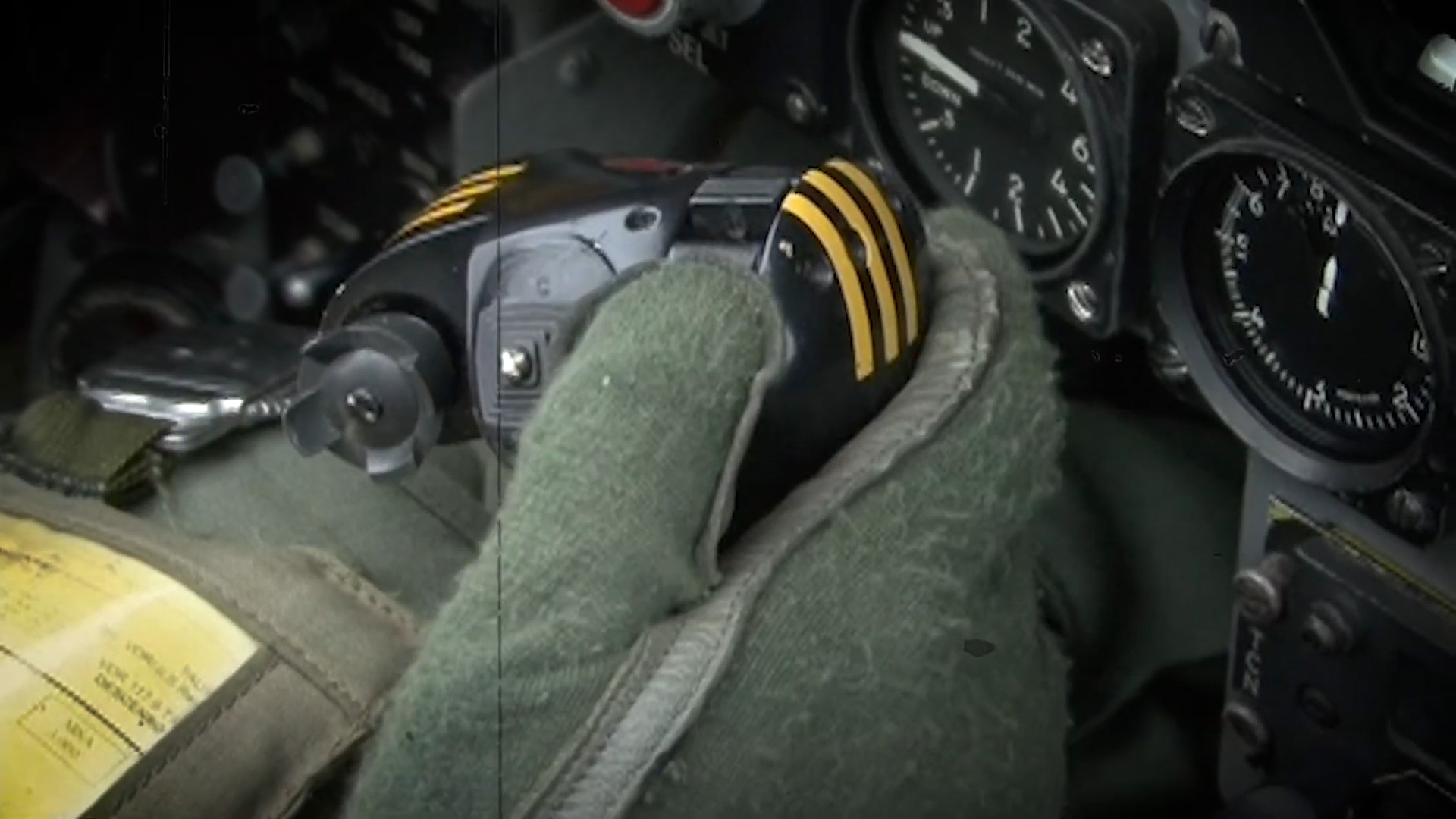
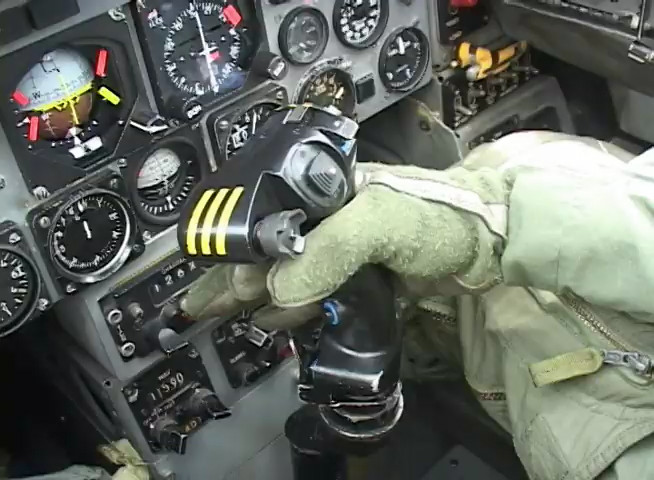
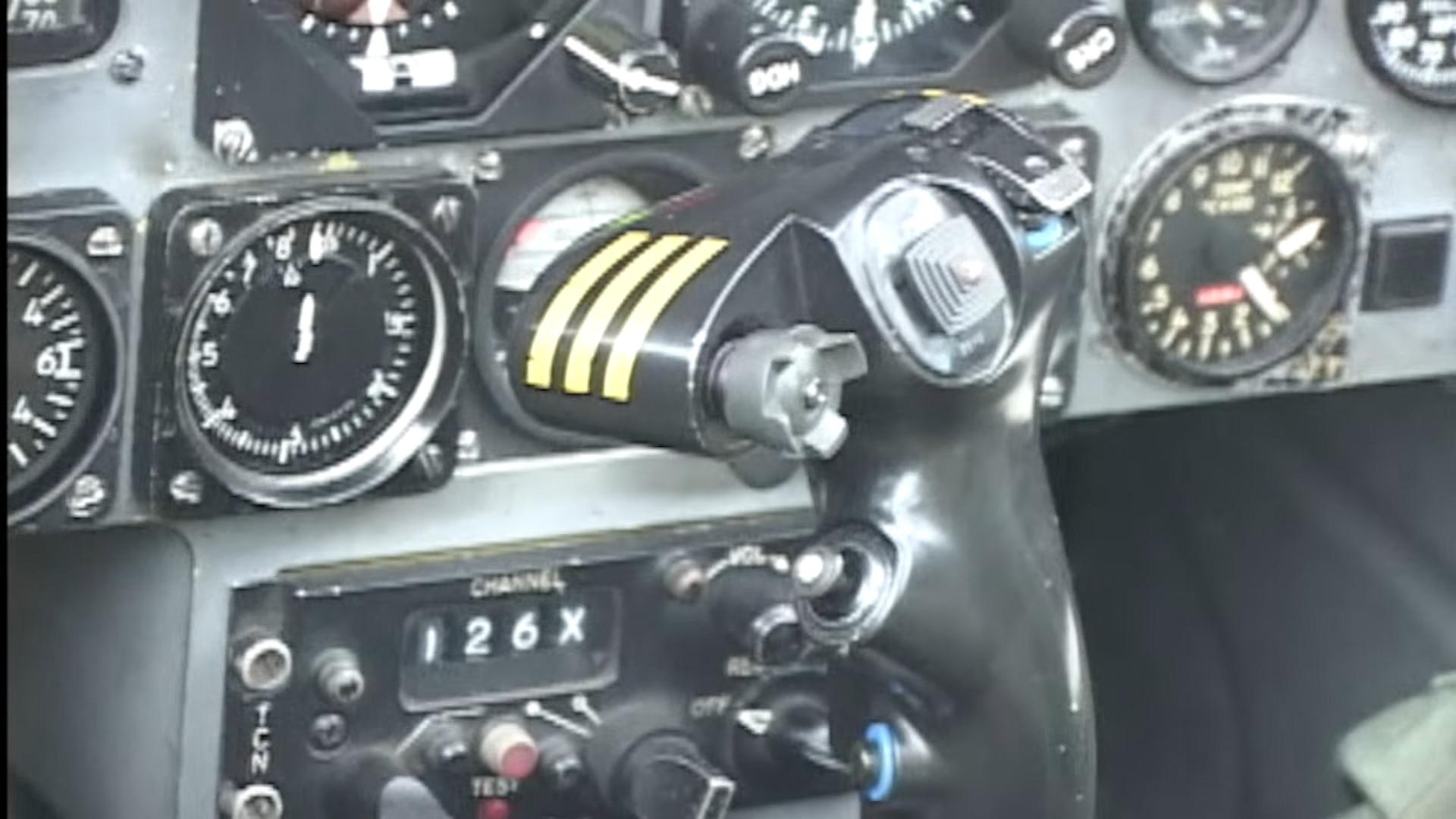
Ecuadorian Air Force Kfir CE, the images presented showcased the throttle trajectory performed by a pilot, notice that the throttle yet again seems to hold this very F-16-like layout, and is very likely to be the same as the Kfir C.10 Block 60.
A curious sight when it comes to these images, it seems that the Kfir CE shares the same F-16-like throttle as the Kfir C.10 Block 60 does, yet again I must say, these is merely a hypothesis and would love to be proven either right or wrong.
Kfir C.10 Block 60 may not have NCTR…?
content
Now, this is a point I’d like heavily EMPHASIZE the “MAY NOT” in my title, because this is a point of discussion to this day due to the lack of official information on this platform, furthermore, I’d like to thank @GranColombia, a good researcher on Kfir matters and a friend of mine, for making the initial report for this issue and politely continuing the discussion on this topic.
Now, assuming that this disclaimer has been precisely announced and read, I would like to present my points.
On May 3rd, @GranColombia presented the following report in favor of adding NCTR capabilities to the Kfir C.10 Block 60’s FCR (fire control radar) page, citing SIBAT’s Israel Defense Directory (2018-2019) Edition, highlighting the first image on page 17, being that of a Kfir C.10 Block 60 cockpit.
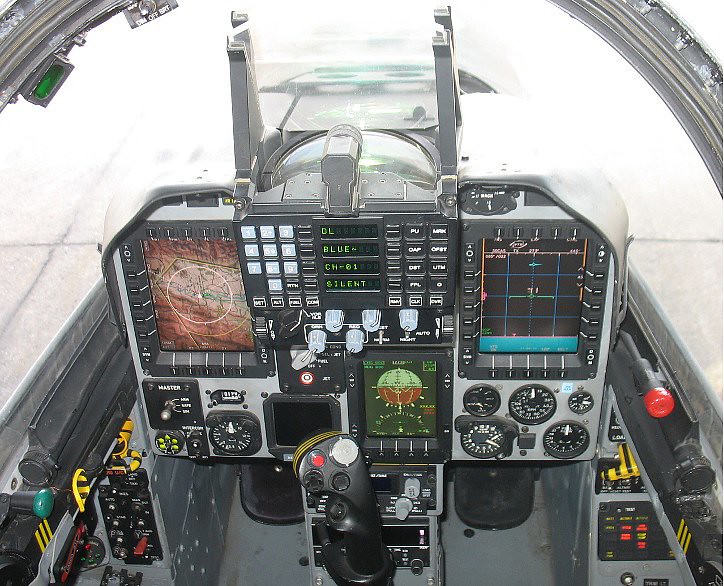
At a first glance, this image does in fact portray what it sells, a Kfir FCR MFD page with displayed information on a radar contact, having seemingly information on both its upper and lower bounds on the locked target; however, I would later find some more media that would re-contextualize this particular image.
Here is were things start to get messy, as I would then discover the following snippets from an official news report on the Kfir C.10 Block 60.
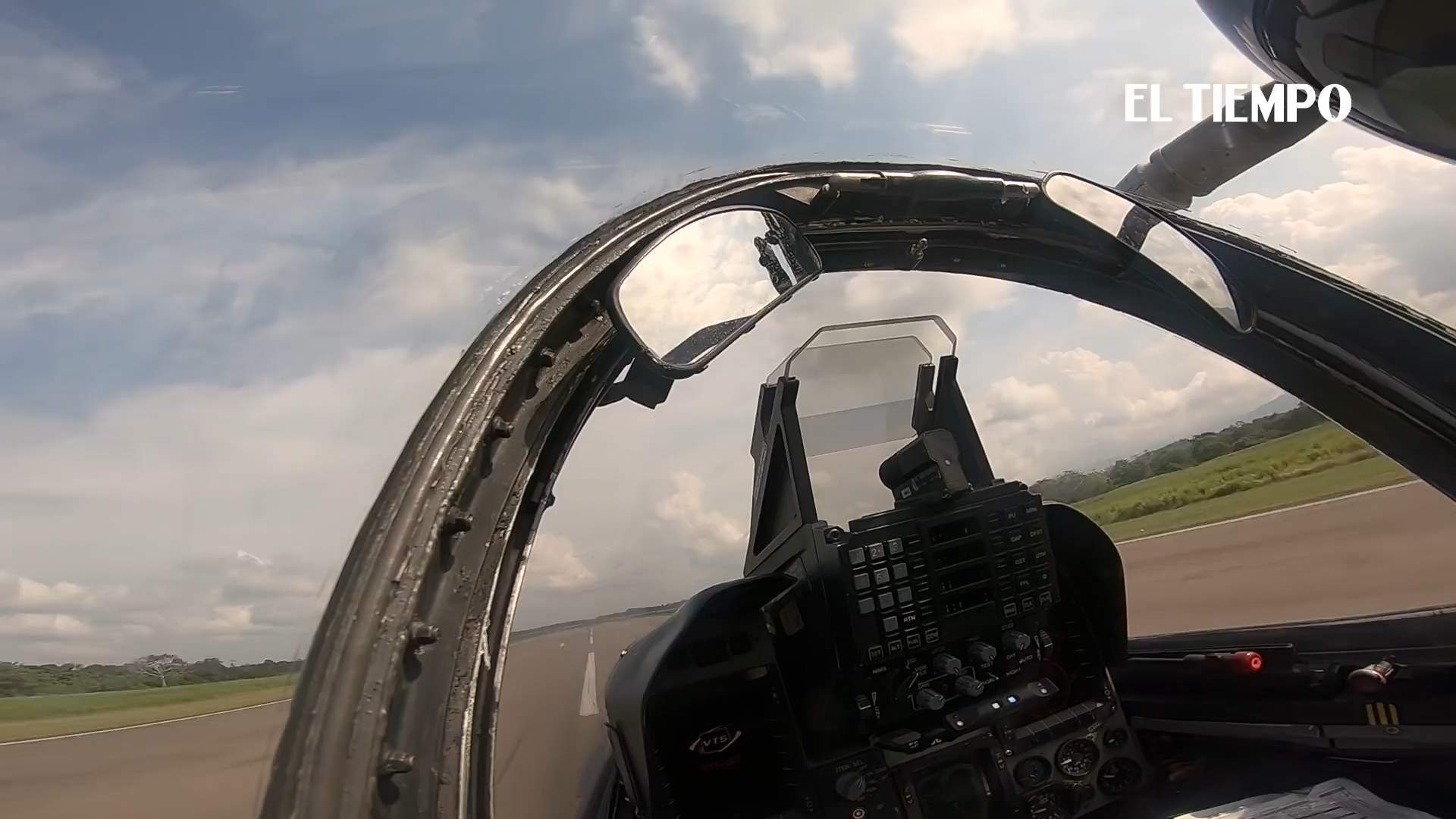
Colombian Air Force footage from newspaper El Tiempo, notice the logo on the MFD pages, which showcases the VTS (Virtual Training System) being engaged.
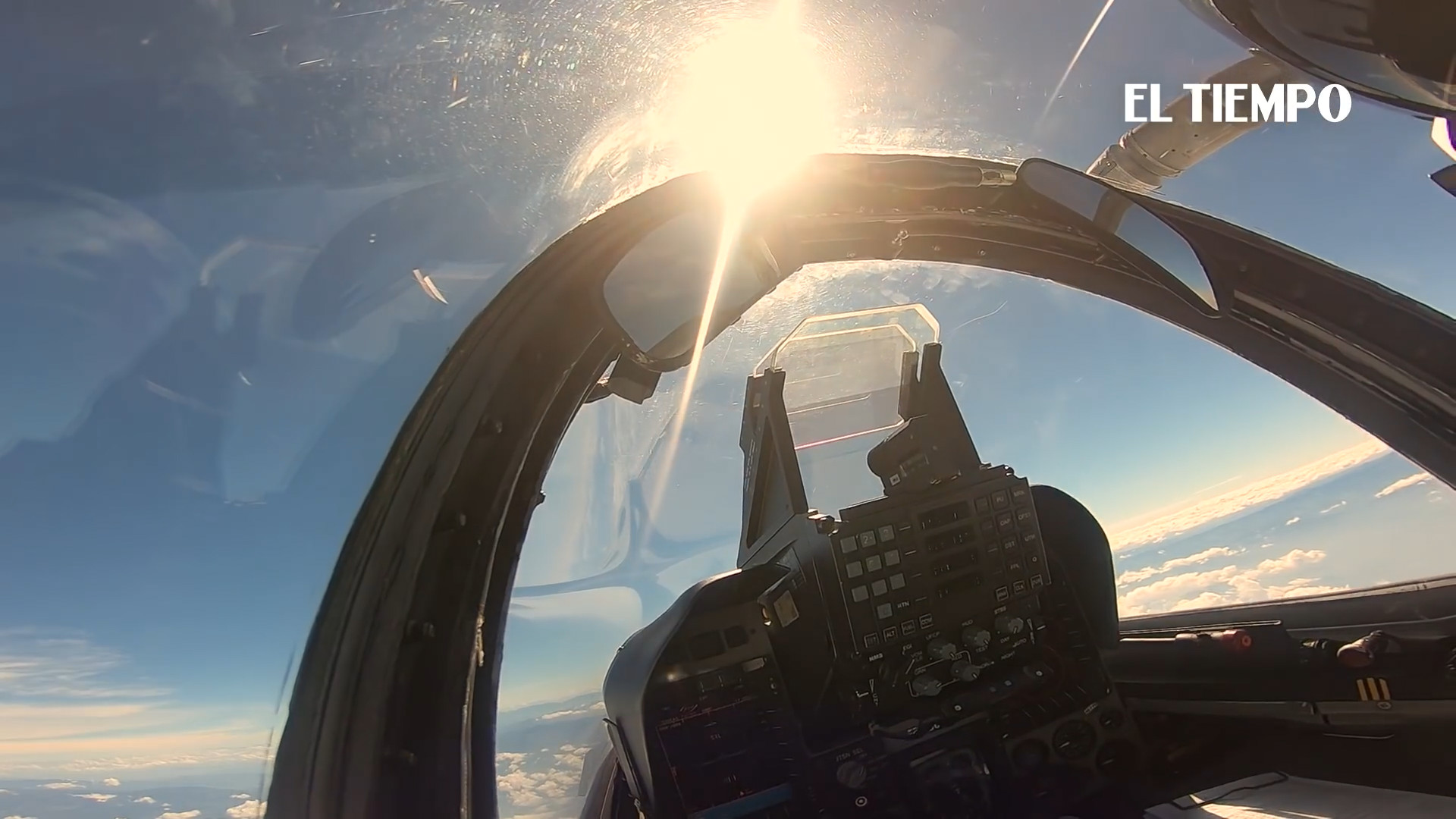
Colombian Air Force footage from newspaper El Tiempo, notice the VTS logo on the upper bounds of the FCR MFD page, as well as the light blue bar below.
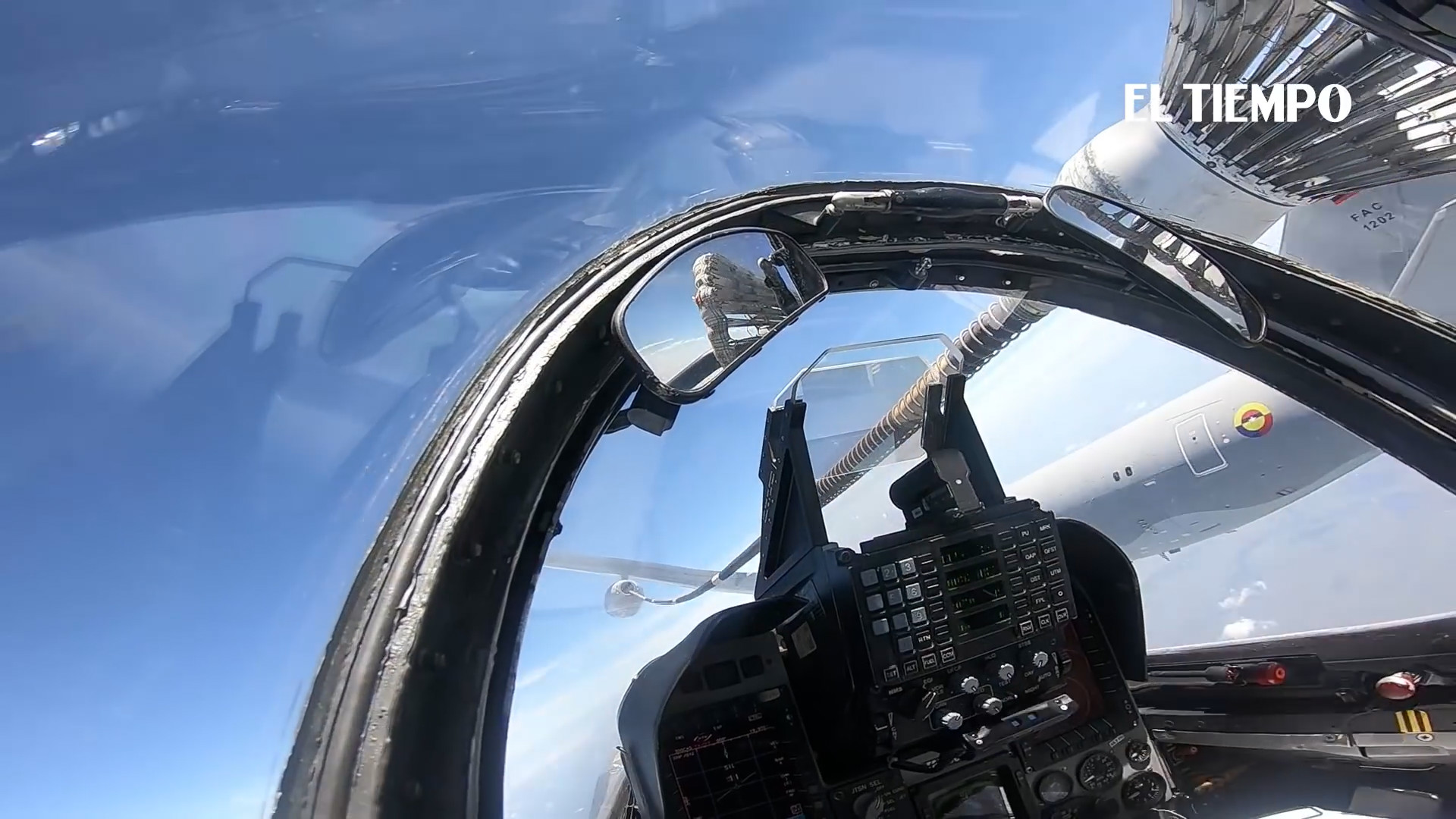
Colombian Air Force footage from newspaper El Tiempo, notice the VTS logo on the upper bounds of the FCR MFD page
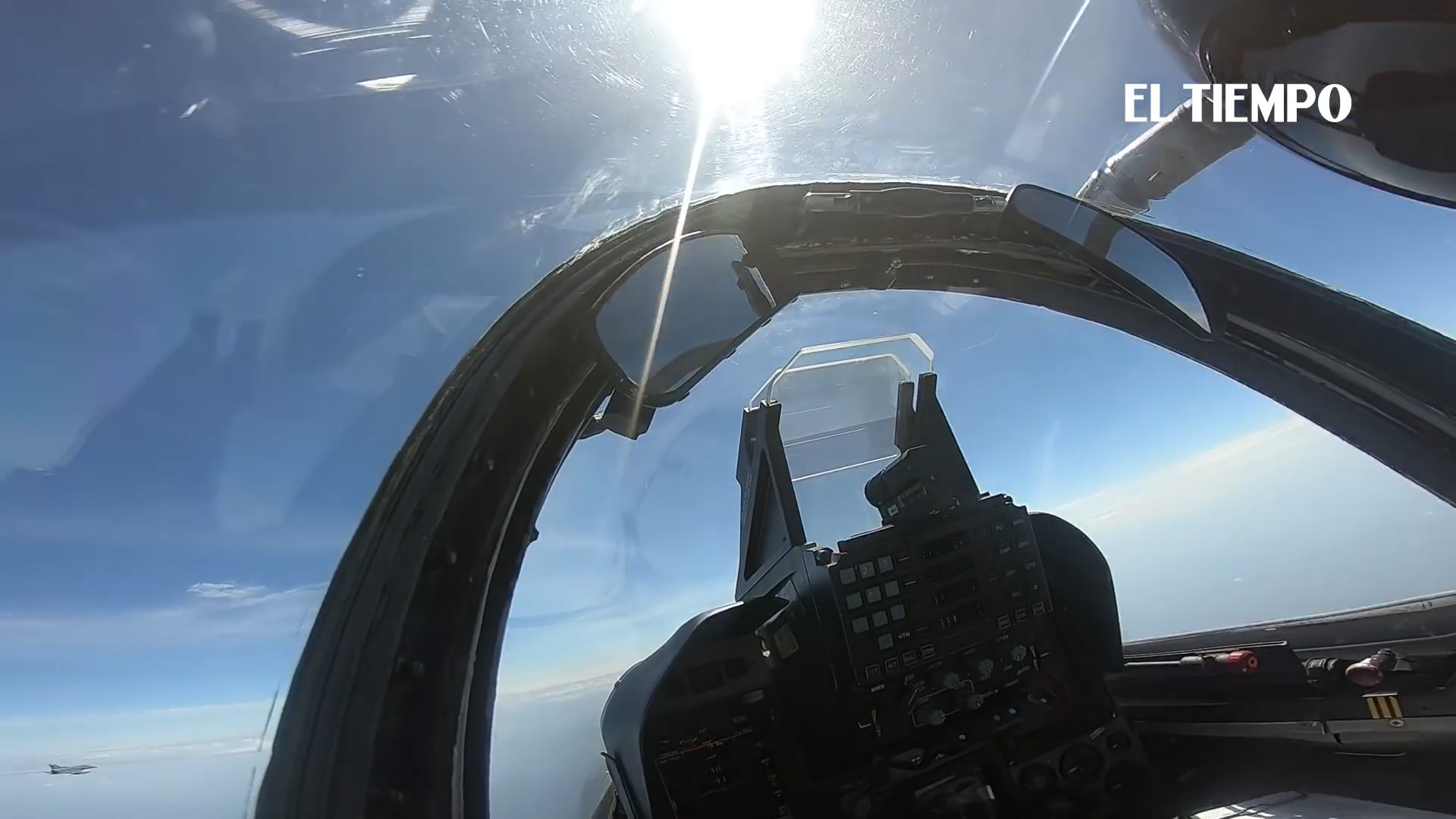
Colombian Air Force footage from newspaper El Tiempo, notice the VTS logo on the upper bounds of the FCR MFD page
Here is where the real “meat and potatoes” of this issue comes to play, the images above depict a system I’ve already talked about, and those who have already read my previous discussions know what point I am about to make, in short, the information shown on the left MFD pages in these four images are of the VTS or “Virtual Training System”.
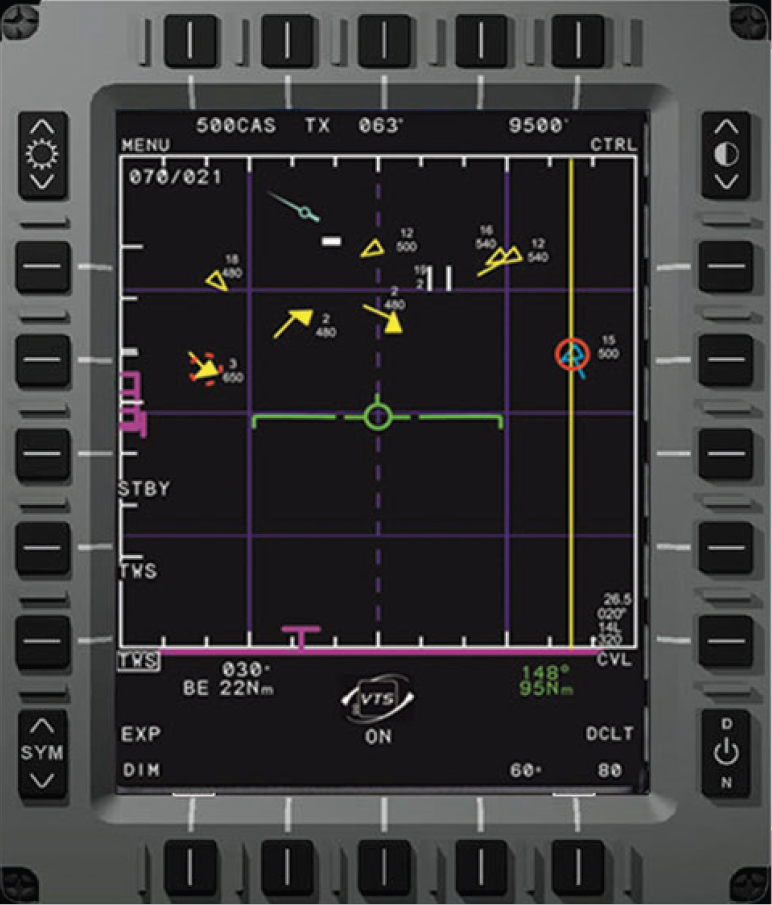
Israel Aerospace Industries Virtual Training System brochure, notice the abscense of any clear NCTR identification or information displayed on the FCR MFD page.
The Virtual Training System, VTS for short, is a training tool that helps prepare pilots with the handling of avionics, and other similar systems to their aircraft, allowing them to simulate threats, missions, strike positions, threat signals, and weapon deployments in controlled scenarios.

Israel Aerospace Industries Virtual Training System brochure showcasing all of the system’s characteristics.
One can tell an aircraft is engaged in the VTS system by the logo shown on its FCR page mostly, this the “VTS” text over the screen, and upper or lower bounds depending on the variant of this system.
While the VTS is a good source for reporting on missing capabilities, NCTR may not be one of these capabilities due to the following reasons:
1) It simulates radar contacts and threats
2) The official VTS material shows no mention or depiction of NCTR identification
On this first point, we’ve come to known the VTS “simulates” radar contacts on its own by using an independent page for the threats and overall necessities of training, as read in the brochure:
“Replicates fighter cockpit displays, mission systems, and sensors.”
“Air-to-Air training with virtual Radar and sensors Virtual RWR A/A and A/G threats”
This means that the VTS does not utilize the actual electronics integrated inside the aircraft, but instead a separate replica of these, in other words, a separate system meant for training. Another thing to considerate is the fact that in none of the Colombian Air Force images found above information regarding target that doesn’t fall from outside of what would be the regular symbology layout is found. To continue further, this all means that in the case of the Kfir, this means that the used radar is of no specific relation to what may be the EL/M-2052 radar.
This last point is brought further by another aircraft that has in fact been integrated with IAI’s VTS: The L-39NG Skyfox.
As it currently stands, the L-39NG has yet to be fit with specific radar or RWR sensors, opting to be an almost exclusive training aircraft, specially when it comes to Czech service, however, interestingly, we have the following snippets:
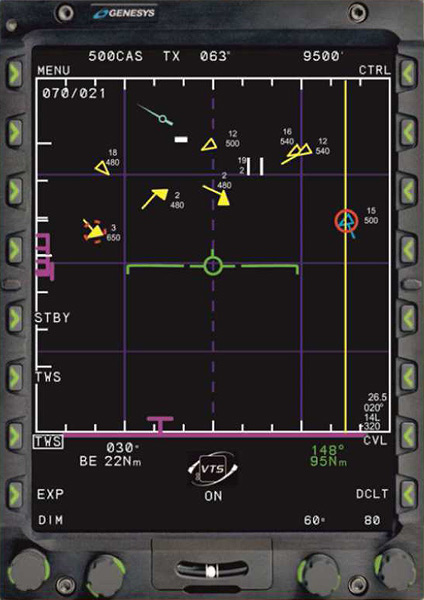
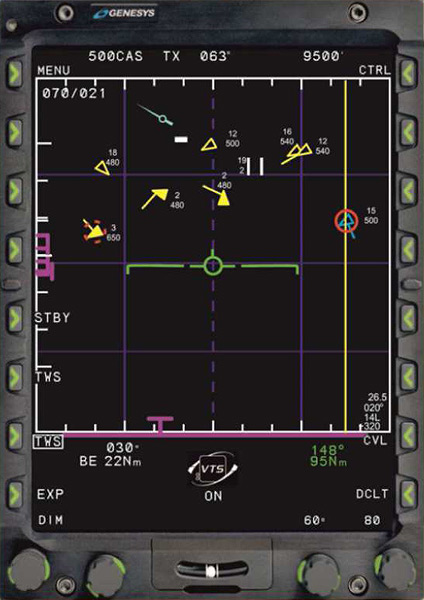
Israel Aerospace Industries Virtual Training System layout presented on an Genesys Aerosystems display, notice it shares the very same layout as the VTS brochure, showing once again a lack of NCTR ID or information on the FCR MFD page.
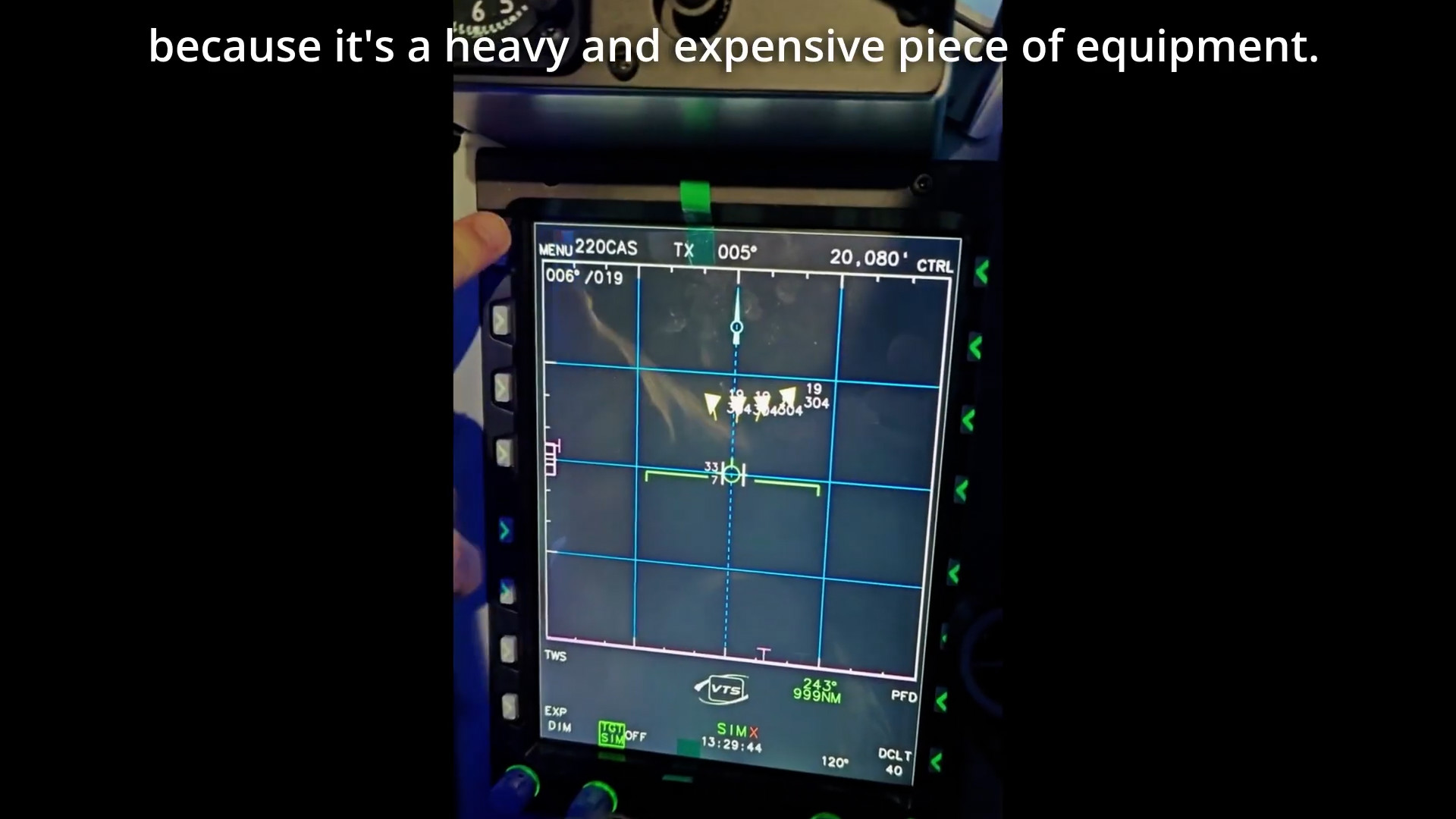
Israel Aerospace Industries Virtual Training System engaged on the L-39NG Skyfox, notice one of the contacts is being locked, however no information on NCTR ID is present.
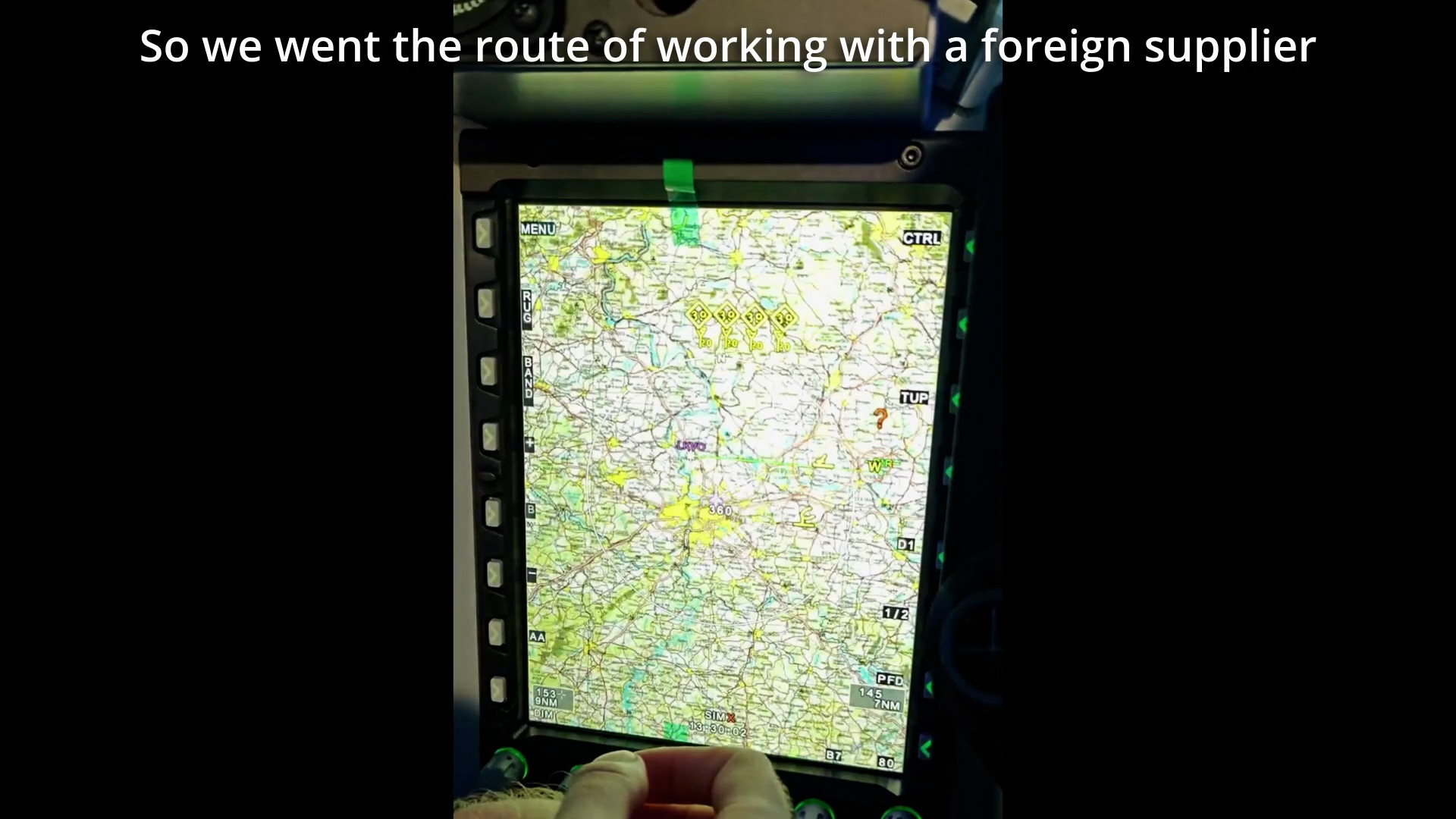
Israel Aerospace Industries Virtual Training System, notice the artificial RWR contacts provided by the VTS with a “39” ID.
In this case, we are seeing a radar-less and RWR-less aircraft be “seemingly” integrated with a radar and an RWR for once again, training missions.
What this means for the Kfir C.10 Block 60, is that the VTS has, as I said before, no relation to the integrated EL/M-2052 radar.
Another piece of evidence I would like to present in favor of the possible non-existence of the Kfir C.10 Block 60’s NCTR capability: the official IAI Kfir C.10 Block 60 presentations.
Israel Aerospace Industries Official Kfir C.10 Block 60 presentation, the Fire Control Radar page once again is missing the crucial NCTR ID information.
The image above depicts the symbology layout for the Kfir C.10 Block 60’s FCR page, in which once again, there seems to be no clear indication of NCTR identification at no point in the screen.
And to conclude, my last pieces of evidence in this whole ordeal are the F/A-259 simulator and “OPAL” simulators showcased by IAI.
Israel Aerospace Industries F/A-259 simulator, a radar lock is being performed towards a fleeing contact, no NCTR ID information is present.
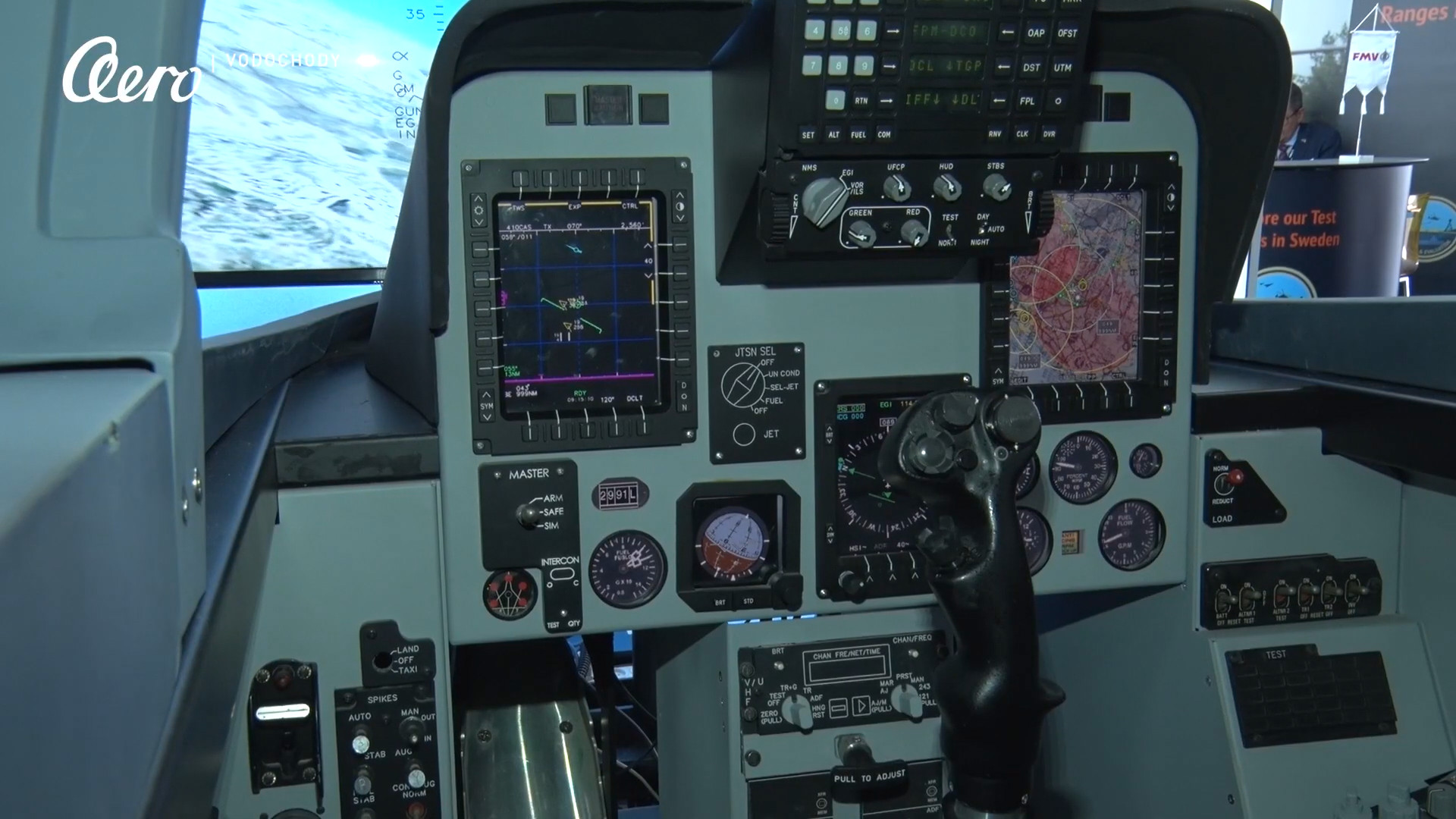
Israel Aerospace Industries F/A-259 simulator, a radar lock is being performed towards a contact moving to the left, no NCTR ID information is present.
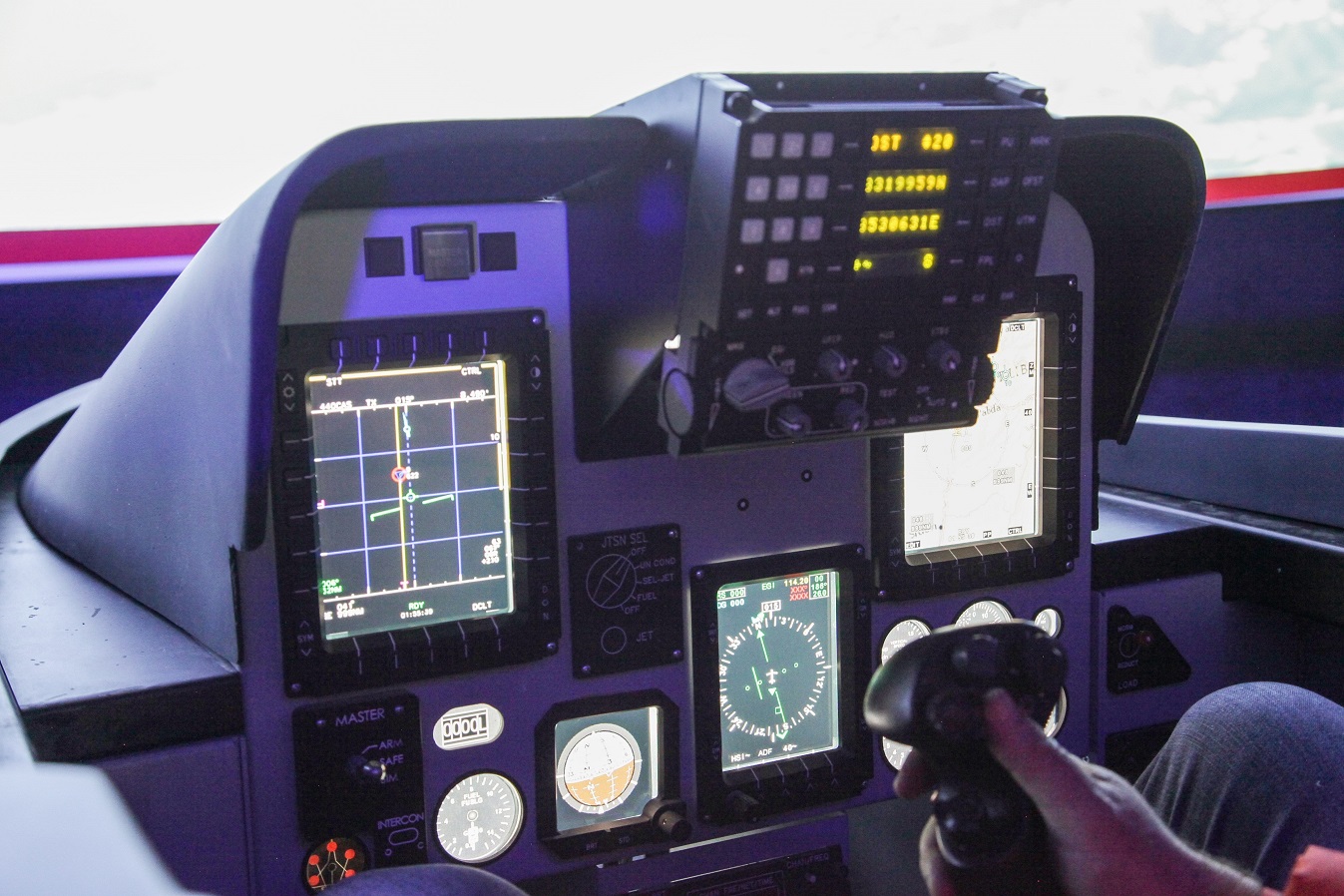
Israel Aerospace Industries OPAL simulator, two contacts are currently being enagaged, no NCTR ID information is present for any of the two.

Israel Aerospace Industries OPAL simulator, a radar lock is being performed towards a target head-on, no NCTR information seems to be displayed.
Despite having radar locks being performed by the simulator on different targets, at different ranges, and different aspects, the common conclusion seems to be that there is in fact no NCTR identification for the FCR MFD page, and thus, the Kfir C.10 Block 60 is presumed (by me and the findings I’ve made) that it likely has no NCTR ID.
Now, before officially handing off the conclusion, I would like to note that despite the seemingly lacking target identification on the FCR MFD page, the Tactical Situation Display (TSD) seems to heavily make up for it, showcasing in all the platforms previously mentioned, being the Kfir C.10 Block 60, VTS, F/A-259 Simulator and “OPAL” Simulators a clear layout of identified allied and enemy targets at the mercy of the pilot, properly showcased on the screen. However, this mostly appears to be handed by the RWR contacts rather than the radar itself.
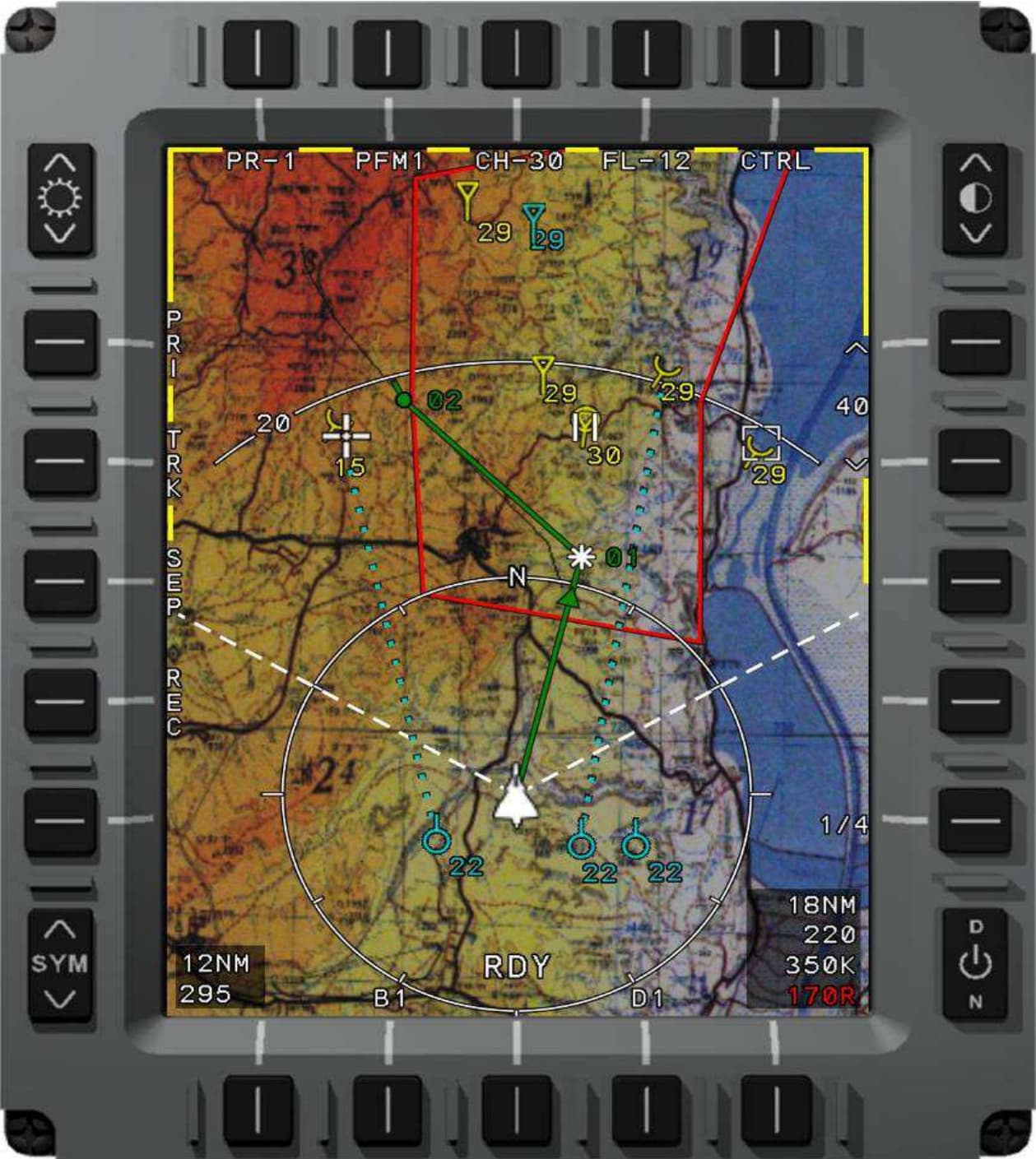
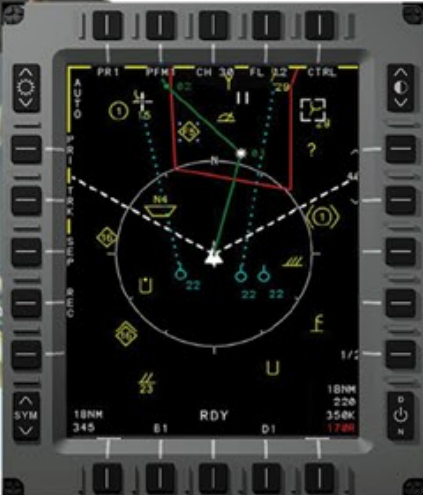

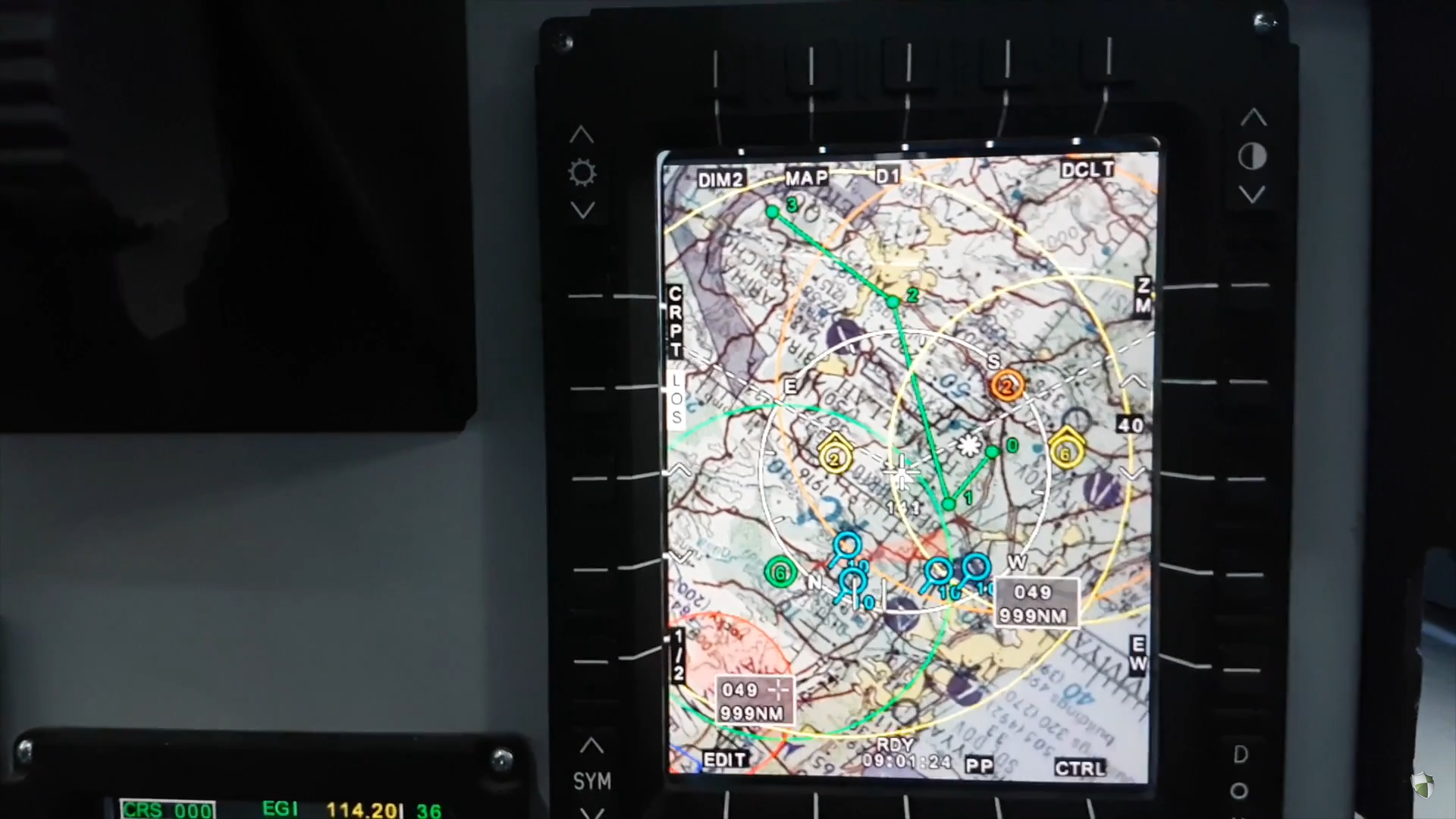
In conclusion, it appears that the Kfir C.10 Block 60 doesn’t have NCTR identification capabilities according to the presented evidence, however it sill retains an identification system by seemingly using the information presented by the RWR on the Tactical Situation Display.
I will still be avidly researching this topic mainly because this conclusion relies on all of these sources, images and whatnot being just precisely right, and it could all come crashing down if an image as equally as effective, interview or any competent source where to come out and essentially invalidate this conclusion.
Another point I’m aware of and that I chose not to put here (for the sake of not interrupting the argumentation) was the fact that almost all modern AESA hold databases for NCTR identification, and while this is certainly true as I have seen myself in other threads in regards to the F-16, F/A-18, Su-30, and other aircraft, these capabilities were confirmed by proper sources found from cockpit footage, training simulators, airshow simulators, etc. While I can (and do) believe that the EL/M-2052 radar is in fact capable of NCTR, I find it hard to believe that the MFD pages conveniently hold no possible place for displaying this information.
In other words, the overwhelming absence of NCTR-related media in both the Kfir C.10 Block 60 and closely related F/A-259 are what have driven forward my previous conclusion.
Kfir C.10 HUD Symbology Elements
content
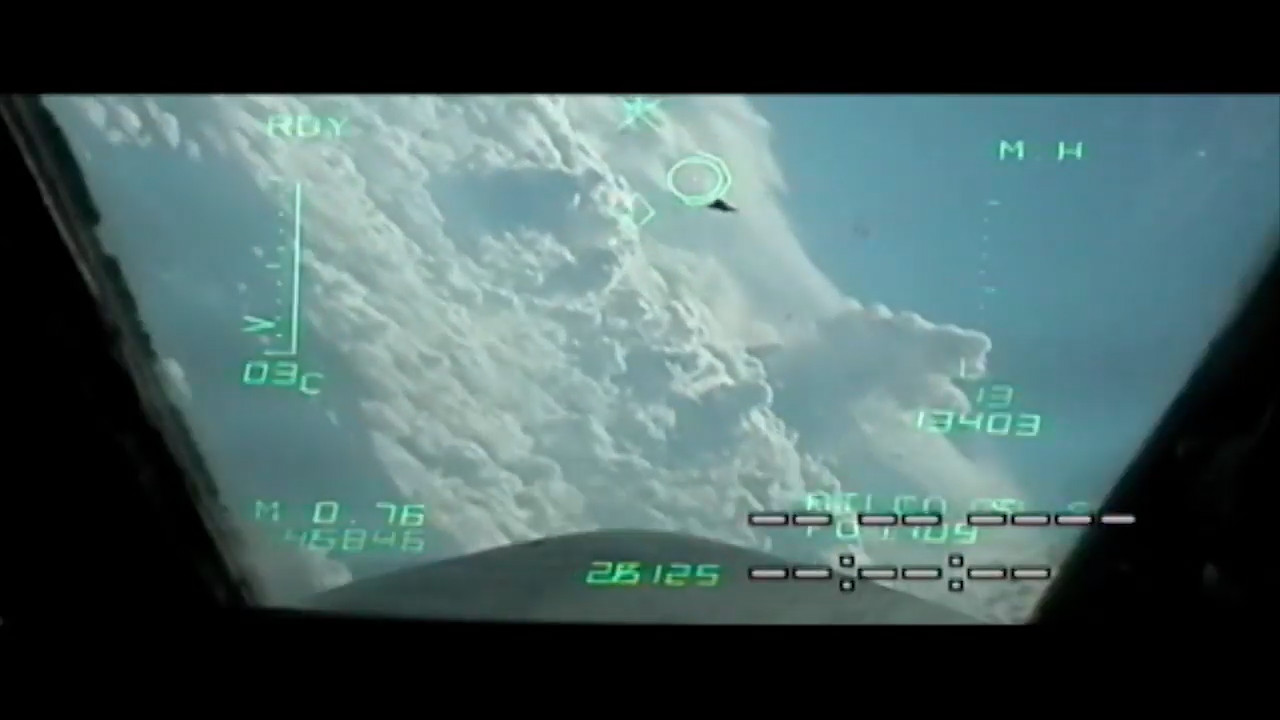
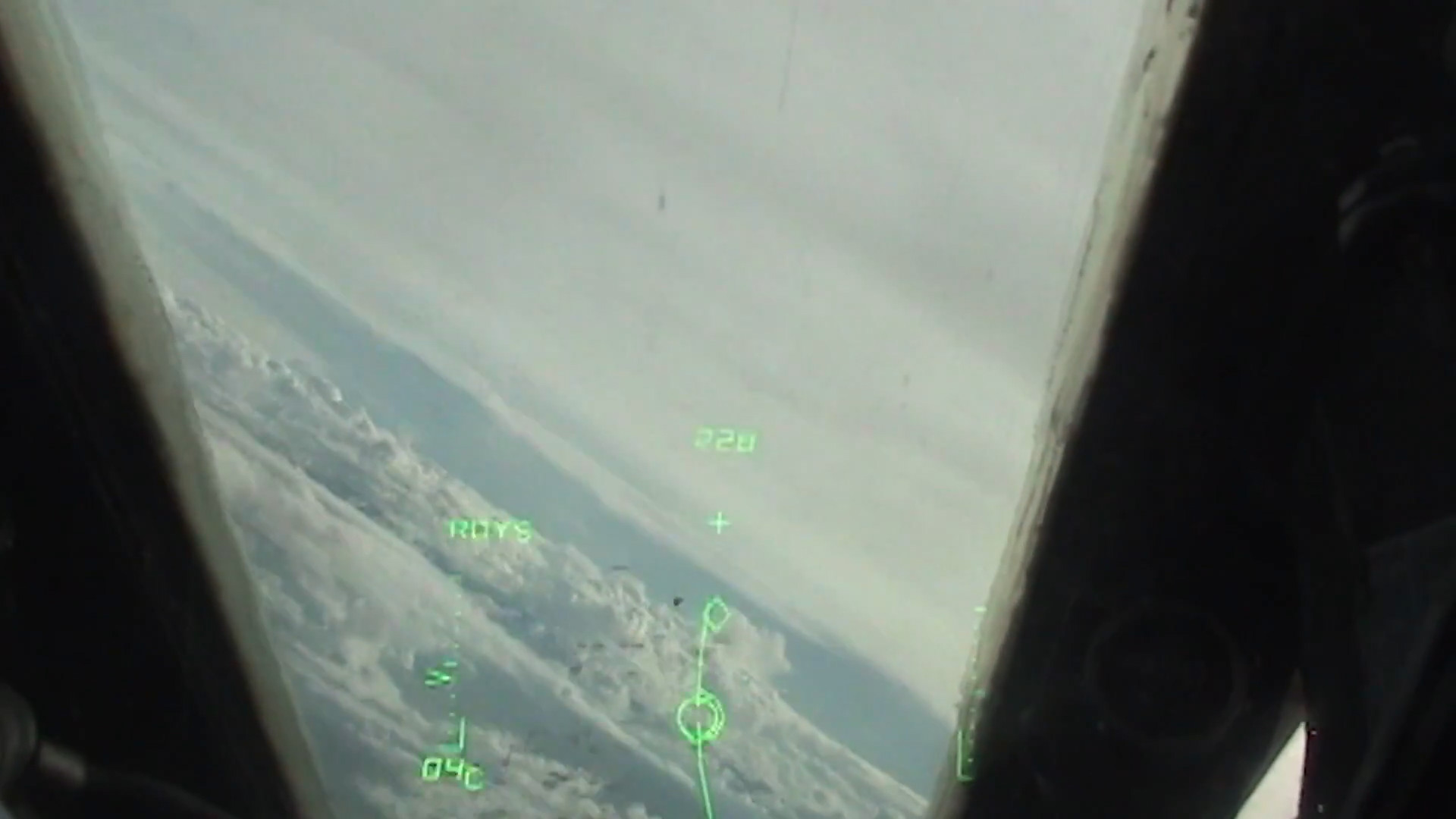
Recently during my research period I found many relevant frames regarding the Kfir C.10, both in the CE and C.10 Block 60 variants since both share many common HUD elements, here are the relevant pictures in question.
Ecuadorian Air Force Kfir CE HUD, notice the arrow pointing back at the locked contact in question which appears to be outside of the HUD’s view, a useful feature not in-game.
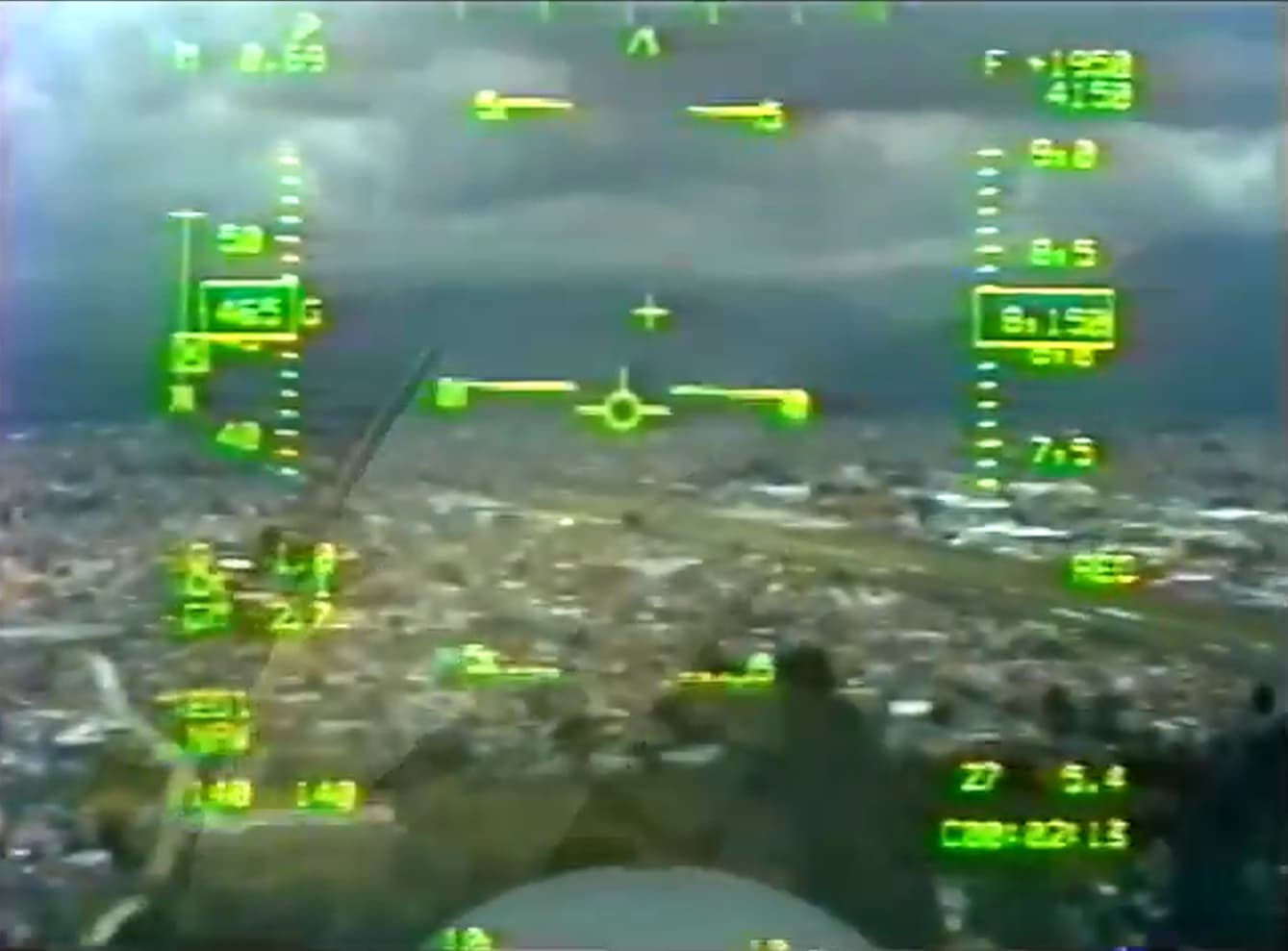
Ecuadorian Air Force Kfir CE HUD, notice the ground target set on the HUD’s symbology.
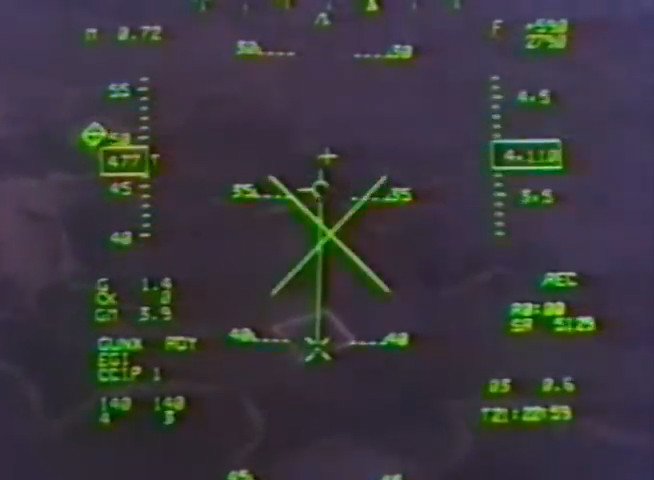
Ecuadorian Air Force Kfir CE HUD, notice the CCIP symbology for ground ordinance delivery, once can see the point of impact as well as the massive cross all over the HUD.
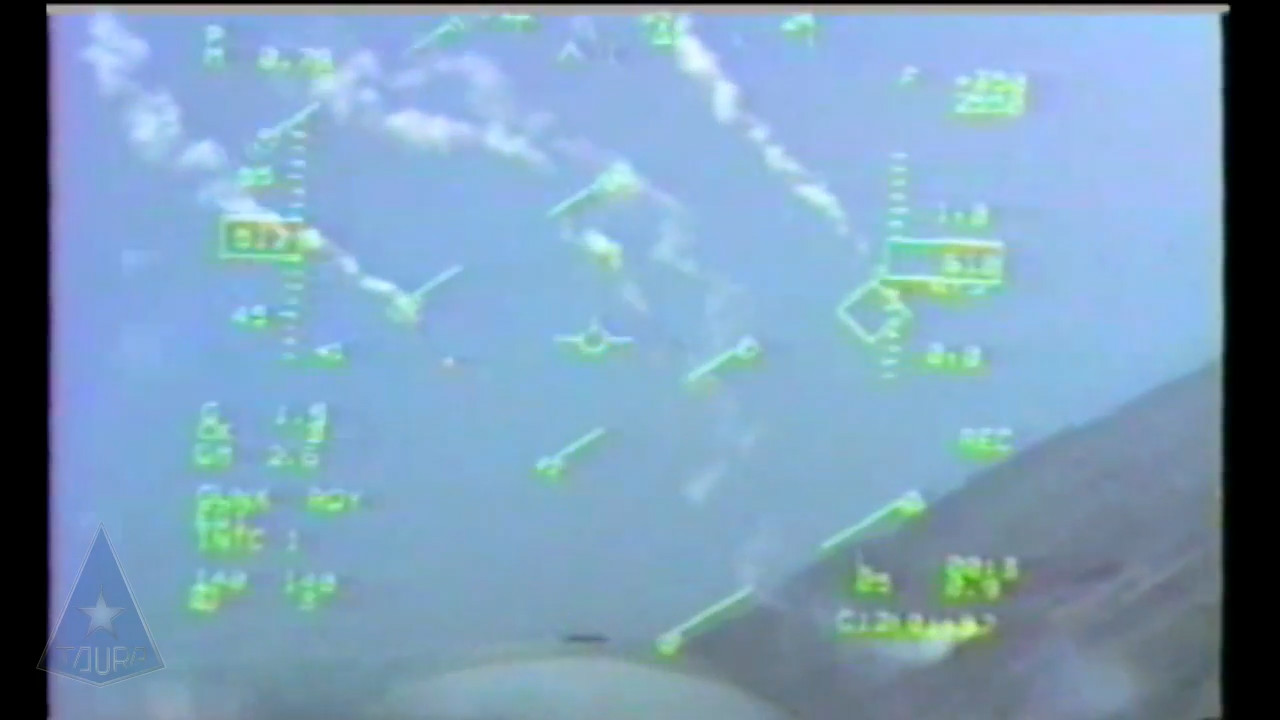
Ecuadorian Air Force Kfir CE HUD, notice diamond locked onto a target before a missile launch is to be performed.
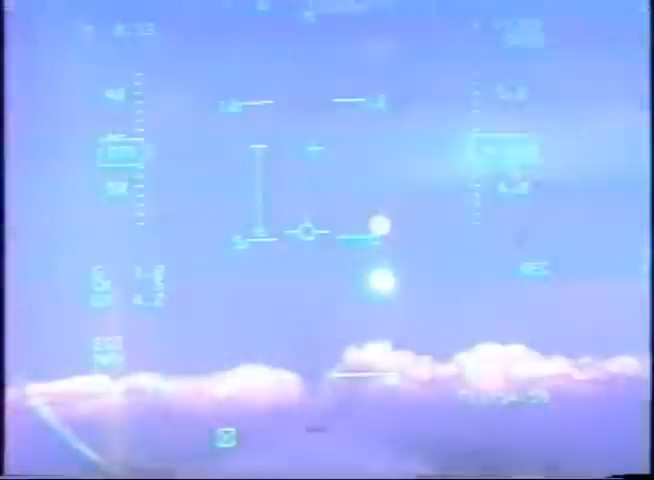
Ecuadorian Air Force Kfir CE HUD, notice the ground target set on the HUD’s symbology.
These particular pictures help paint a better picture in regard to the appropriate functioning and information showcase of the Kfir C.10’s HUD symbology, specially the arrow that points towards the target which could be pretty useful for simulator battles, however, there another set of images I found that were particularly interesting.
Ecuadorian Air Force Kfir CE HUD, the dogfight mode is active, notice the radar ACM “frame” symbology over the HUD.
Ecuadorian Air Force Kfir CE HUD, the dogfight mode is active, a radar lock has been achieved, noted by the box.
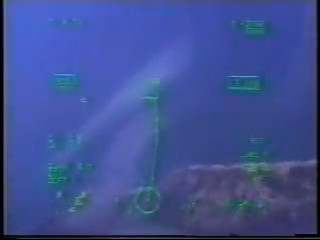
Ecuadorian Air Force Kfir CE HUD, the dogfight mode is active, a radar lock has been achieved, noted by the box as well as the aiming gun-snake and pipper crawling with intent towards the target.
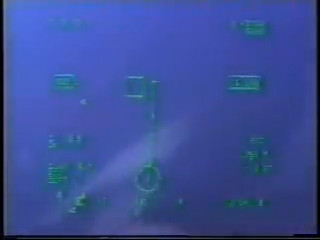
Ecuadorian Air Force Kfir CE HUD, the dogfight mode is active, a radar lock has been achieved, noted by the box as well as the aiming gun-snake and pipper crawling with intent towards the target.
For the non-initiated, or non Kfir-schizophrenic these images may appear to be as just another HUD in the worst quality possible. However, these images are key, since they were found from an Ecuadorian Air Force footage compilation, for which I then emerged to the following comparison once I realized what these images describe:
This is a Kfir CE HUD, this is a recording of a dogfight… WE CAN LITERALLY SEE THE AIMING “PIPPER” AND “GUN-SNAKE”
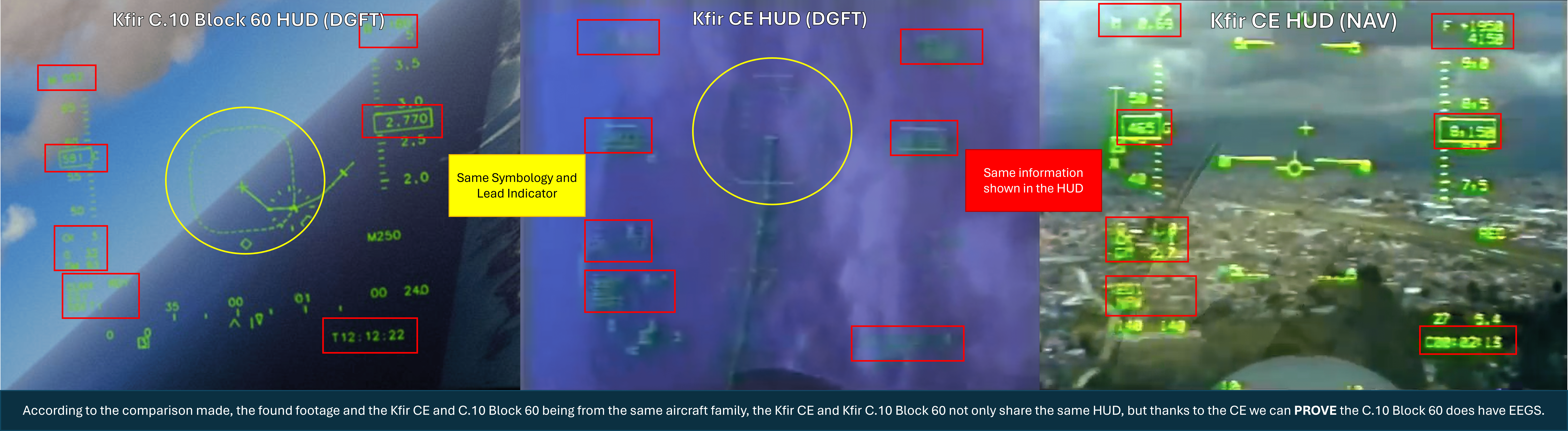
In particular, these images were very useful in the reporting of the missing EEGS capabilities of the Kfir C.10 Block 60, a report that I am glad to announce was accepted 2 months ago.
Kfir CE (C.10) Possible TSD + RWR Integration
content
As many of you may know, the Kfir C.10 Block 60 is the aircraft of choice by the Ecuadorian Air Force, however, a question that emerges when taking a look at its sensors and MFD pages is: How is information conveyed to the pilot for RWR threats?
Let’s start by taking a look at the MFD Menu for the Kfir CE. We know for a fact that this menu is exactly consistent with other Elbit modernizations, for this point we’ll use the snippet found from the MiG-21 2000’s simulator showcase and a Kfir CE picture:
Ecuadorian Air Force Kfir CE HUD, notice the barely legible MFD Menu options due to the low resolution.
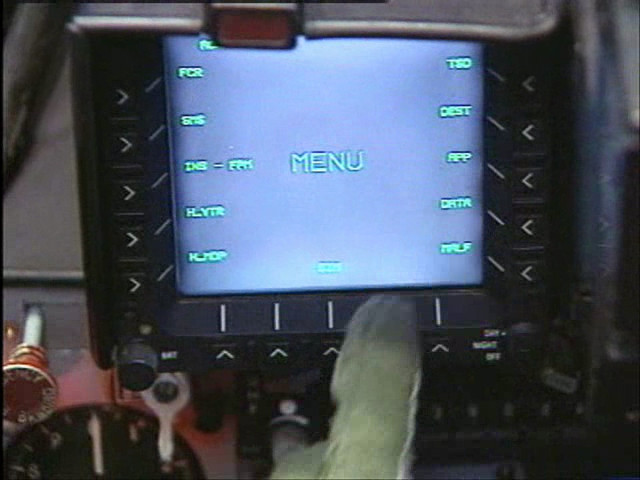
IAI MiG-21 2000 prototype cockpit, notice the MFD options: FCR, SMS, INS-FPM, H_VTR, H_MDP, TSD, DEST, APP, DATA, MALF.
As we can notice, the MFD menu is almost the same despite not being legible, however here is where another incredibly interesting piece of possible evidence may come into consideration for the Kfir CE’s RWR integration:
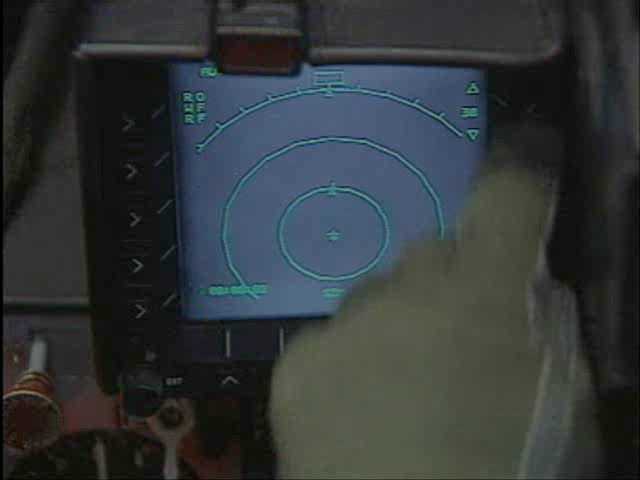
IAI MiG-21 2000 prototype cockpit, notice the upper-left button with the “RWR” option being turned “OFF”.
Now that we can confirm in fact that the Tactical Situation Display allows for RWR integration, I would like to present the following images that demonstrate the integration fully:
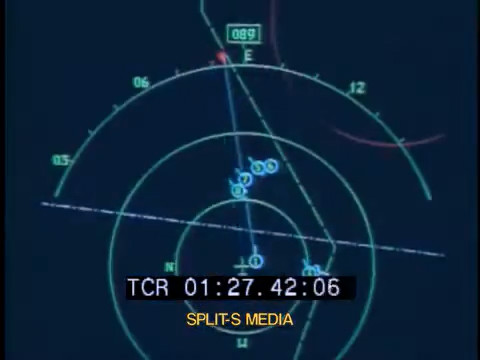
IAI Lahav Promotional material, the Tactical Situation Display showcasing a friendly target being engaged by an enemy target.
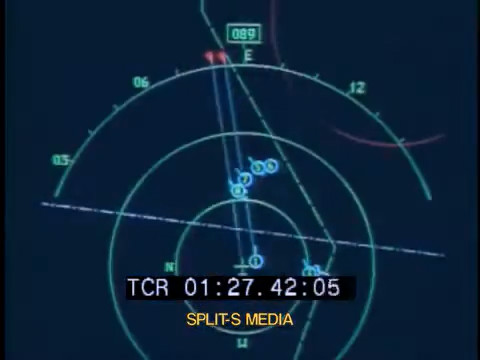
IAI Lahav Promotional material, the Tactical Situation Display, the line between the aircraft and the enemy contact begins to flash, popping up and off again and again as to indicate a missile launch in the video.
One small problem with this assumption in regards to the RWR integration are in fact, official pictures from the TSD, as unfortunately in none of those are any sort of contact information or an RWR toggle option near the MFD buttons.
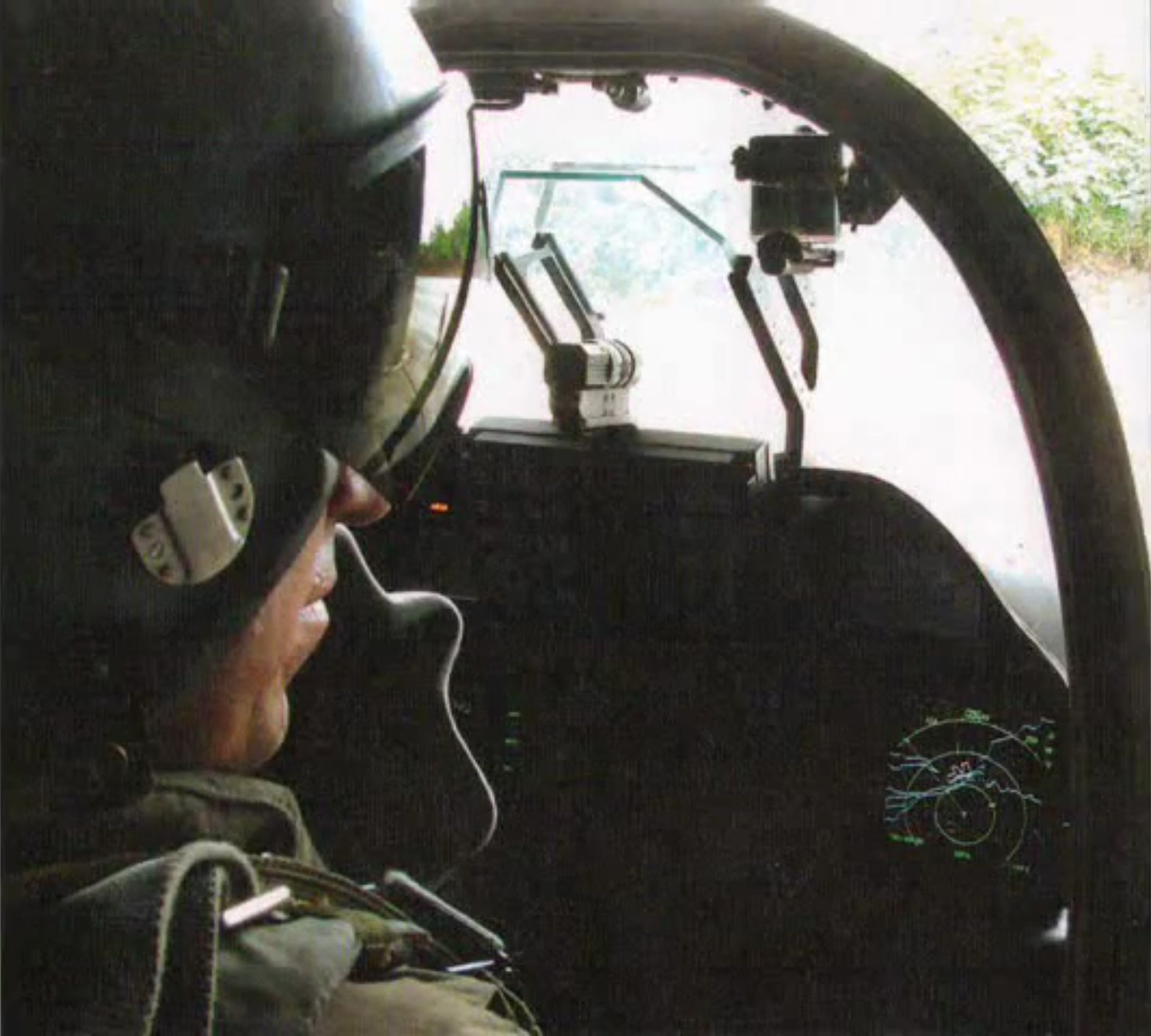
Further evidence is requiered to confirm this capability, however, taking into consideration the fact that the Kfir CE has no separate RWR display, it is very likely that it uses the TSD to display RWR information considering that we have seen other Elbit modernization projects that integrate this capability as well.
Sources
content
As always, I’ll have to take my time and look up every single video I’ve used as a source (again), it’ll take bit of time but as always, I eventually get it done.
6 Likes
You have excellent work mate .
5 Likes
Thank you very much, I enjoy the research process a lot.
3 Likes
Wow! Excellent research, bro. All this information should be in a report because it’s really helpful that they’re finally updating the capabilities of the real Kfir C.10 Block 60 in the game (the most incomplete vehicle ever added to the game).
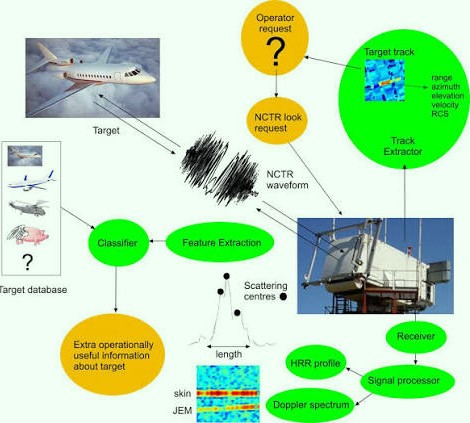
But where you’re mistaken, and as you correctly point out in your conclusion regarding the Kfir C.10’s NCTR (Non-Cooperative Target Recognition) system, you only need to read the basic definition: It’s an advanced function that allows you to identify the exact model of another aircraft by analyzing how radar waves bounce back, without requiring the other aircraft to cooperate or emit response signals (source: Quora).
You’re basing your argument on the need for photographic evidence of a system that, as the game correctly interprets it, all advanced radars (AESA/PESA) have, and which can only be dismissed as obvious through common sense. That’s why I made the report: It’s missing from the radar MFD of several aircraft in the game, and it’s very helpful for situational awareness and making better decisions in the air combat simulator mode.
That’s why in the other thread I showed you the image of how it works:
But otherwise it’s excellent
3 Likes
Correct, my conclusion mostly stems out of the lacking symbology and explicit confirmation of the feature rather than said capability being implausible.
I’ll have to stay eager at new releases from the Colombian Air Force and Israel Aerospace Industries, the latter at least seems to be updating their reference material for export sales, which could possibly mean more information.
P.S: Don’t use Quora as a source
Cheers.
4 Likes