- Yes
- No
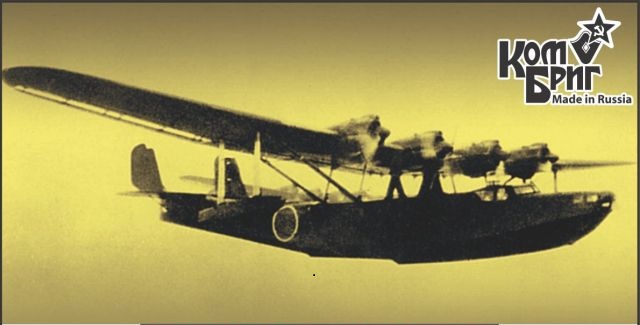
Kawanishi H6K2 Model 11 (九七式二号一一型)
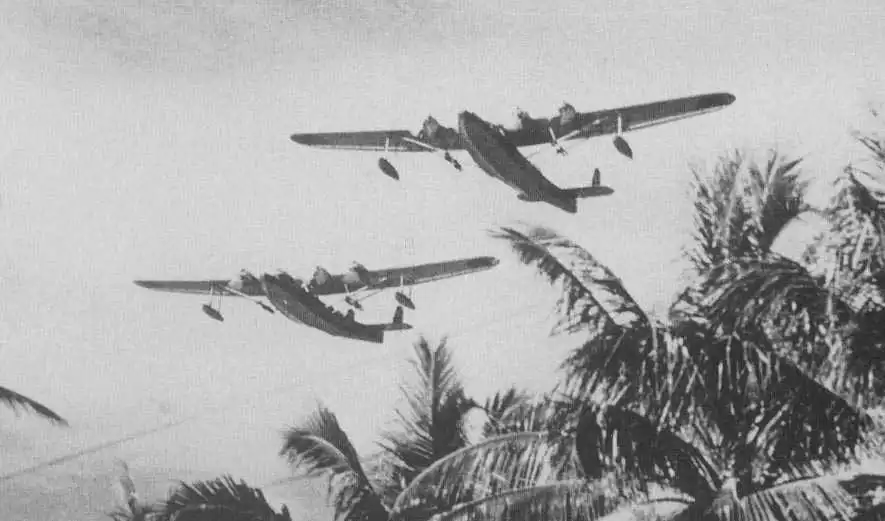
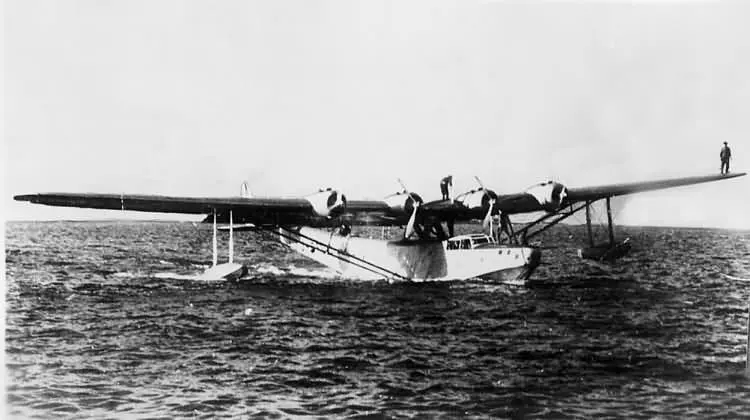
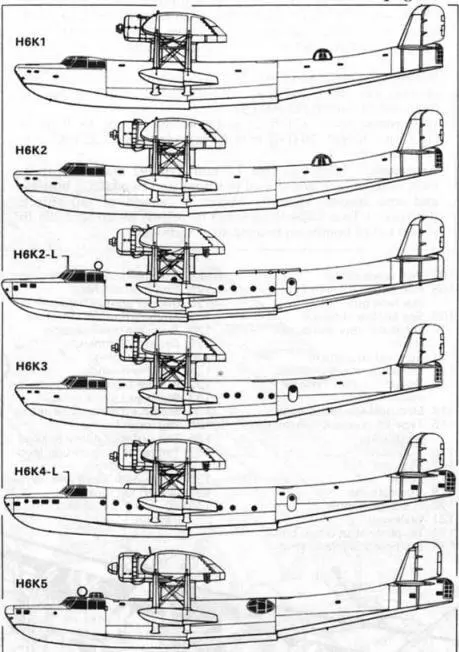
The Kawanishi H6K2 Model 11 is a Japanese flying boat introduced into production in 1938. The H6K2 was a modified version of the H6K1 with better engines. Ten units were built, two of which were converted into VIP aircraft as the Kawanishi H6K3, and two transport seaplanes H6K2-L.
History
In January 1938, the Japanese Navy introduced a modified Type 97 No. 1 (H6K1) flying boat equipped with Mitsubishi Kinsei 43 engines. Later that same year, Kawanishi factories produced the first two serial H6K aircraft, designated Kawanishi H6K2, or officially, the Type 97 No. 2 Type 1 flying boat. These aircraft were almost identical to the modified H6K1 prototypes, differing only in the layout of onboard equipment, which was made more practical. The next H6K2 aircraft were completed in February, March, April, and August 1939. This brought the total to 10 Kawanishi H6K2 aircraft; however, in the spring, production aircraft numbers 7 and 8 (or 3 and 4 if counting only H6K2 without H6K1) on the assembly line were converted into prototypes for the H6K2-L transport aircraft (which entered production in 1940). In August, based on the H6K2 being built, a VIP aircraft was developed and designated as H6K3. The Kawanishi H6K2 were quickly replaced in production by the improved Kawanishi H6K4, which entered production in August 1939. In January 1939, four Kawanishi H6K1 and H6K2 flying boats were relocated to the Ominato base to test these aircraft in extremely cold conditions. This coincided with a crisis in Japanese-Russian relations in the Sea of Okhotsk region. The crisis was related to fishing rights, and the Japanese were determined to assert their claims. To demonstrate force, the Japanese Navy used four H6K flying boats, which were at the Ominato base at the time. The conflict over fishing ended successfully for the Japanese. The H6K2 flying boats were later used for patrols and reconnaissance flights. In 1942, the official designation of the H6K2 was changed to Flying Boat Type 97 Model 11. By the end of the war, only 5 Kawanishi H6K aircraft of all versions had survived.
Construction description
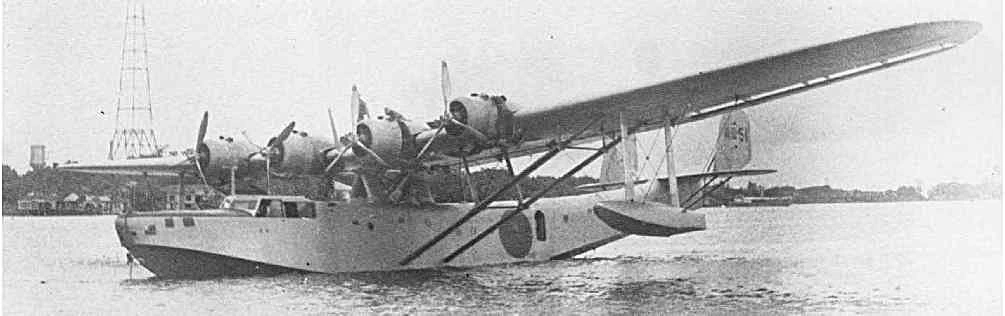
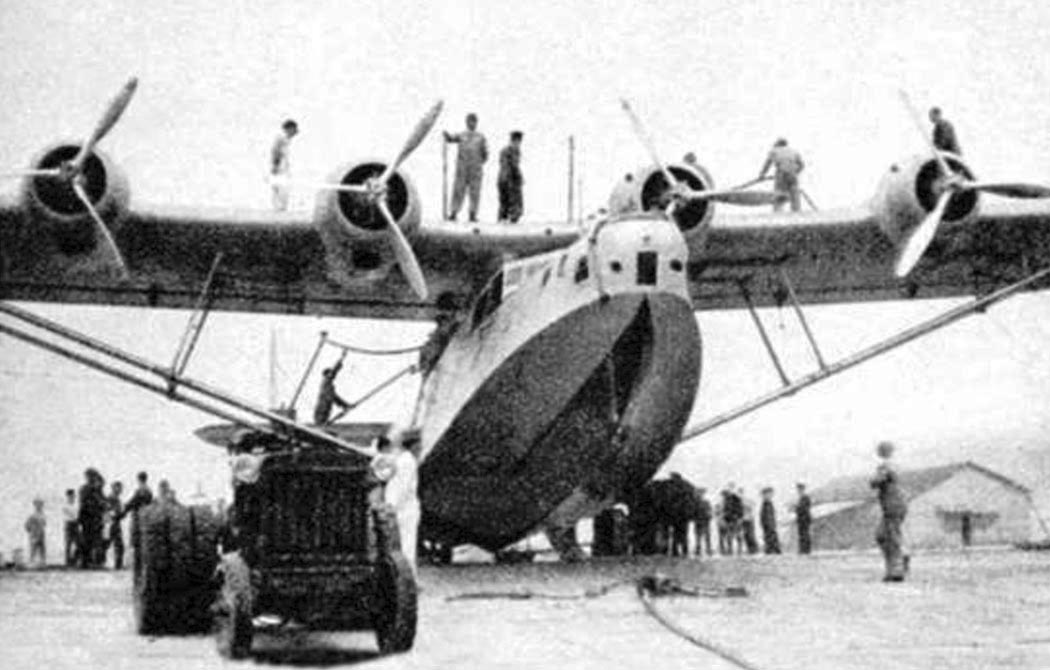
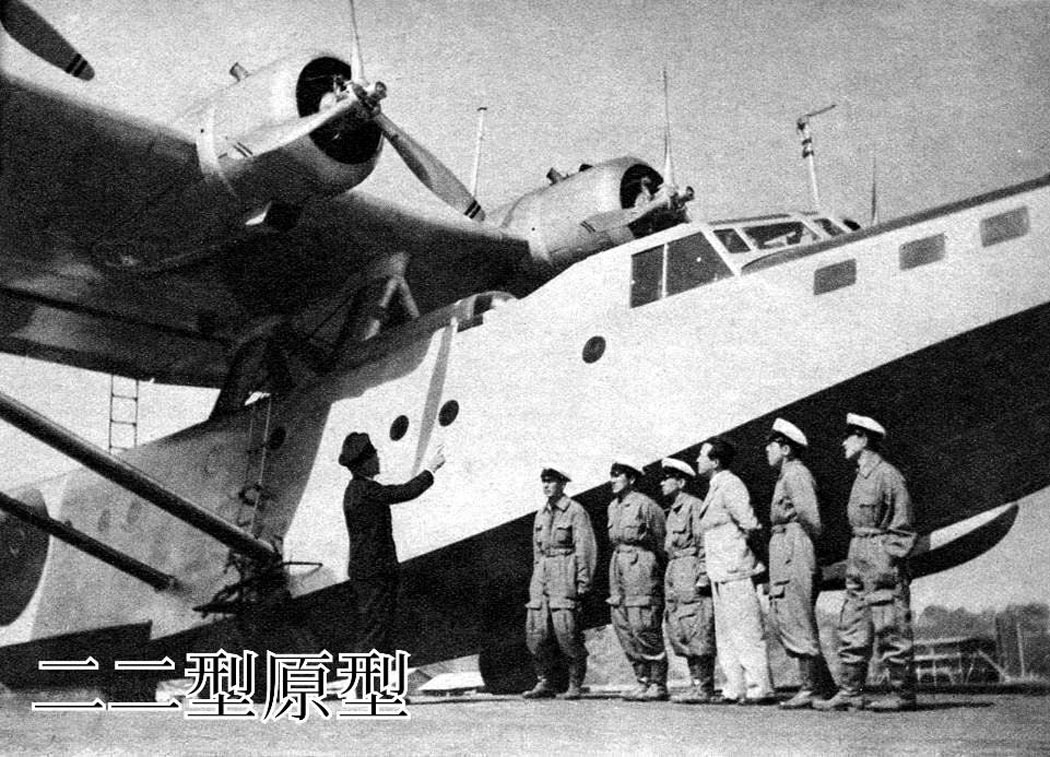
The Kawanishi H6K2 Model 11 is identical to the Kawanishi H6K1 Model 1 (early), the only difference being the use of Mitsubishi Kinsei 43 engines instead of Nakajima Hikari 2. Additionally, minor changes were made in the arrangement of onboard equipment.
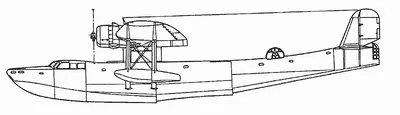
Technical sketches

General characteristics
- Crew: 9
- Length: 24,900 m
- Wingspan: 40,0 m
- Height: 6,27 m
- Wing area: 170,00 m2
- Empty weight: 10340 kg
- Gross weight: 16000 kg
- Maximum Take-off Weight: 23000 kg
- Powerplant: 4 x Mitsubishi MK8D Kinsei 43, air-cooled two-row fourteen-cylinder engine with a starting power of 735 kW (1,000 hp)
- Propellers: Three-blade metal propeller with adjustable pitch, measuring 3,200 mm in diameter.
Performance
- Maximum speed: 332 km/h
- Cruising speed: 241 km/h
- Range: 4130 km
- Maximum Range: 5000 km
- Service ceiling: 7600 m
- Climb Rate: ?
- Rate of climb: 13,97 min to 5000 m
Armament
- Guns:
- 1 × Type 97 7.7mm machine gun in the nose
- 1 x Type 97 7.7mm machine gun in a turret on the back
- 1 x Type 97 7.7mm machine gun in the tail
- Bombs
- 12 x 60 kg bombs
- 4 x 250 kg bombs
- 2 x 500 kg bombs
- 2 x 800 kg bombs (?)
- 2 x Torpedo Type 91
Special thanks
Summary
The Kawanishi H6K2 Model 11 is an interesting flying boat for Japan in War Thunder. This aircraft would be a good lowest-era bomber with a satisfactory bomb load, but with poor bombing capabilities. The Kawanishi H6K2 would be useful in naval battles since it is a flying boat. This aircraft could be placed in the same folder as the Kawanishi H6K4 in the game (as well as H6K1 and H6K5), or be a premium or event vehicle. I encourage you to discuss in the comments and to share your own knowledge on this subject.
Finally, I apologize for the linguistic and logical errors because unfortunately English is not my main language and I had to use google translator.
Internet sources
九七式飛行艇 - Wikipedia
Kawanishi H6K - Wikipedia
Kawaniši H6K2 11 [Mavis] : Kawaniši / Šin-Meiwa
Kawanishi H6K
Kawanishi H6K5 - War History
Kawanishi H6K (1936)
Warplanes of Japan: Kawanishi HK6
Уголок неба ¦ Kawanishi H6K
九七式飛行艇/川西Kawanishi H6K | 大日本帝国軍 主要兵器
Kawanishi H6K Japanese Flying Boat - Destination’s Journey
Kawanishi H6K Mavis: Japanese WWII Flying Boat - Worldwar 1 & 2
Book sources
- Japanese Aircraft of Wolrld War II : 1937-1945 ,Thomas Newdick, Edition 2 2017, page 79-80
- Japanese Aircraft of the Pacific War page 301-307
- Japońskie Samoloty Marynarki 1912-45 część II (Japanese naval aircraft 1912-45 part II) page 97-101
- 野沢正『日本航空機総集 川西・広廠篇』出版協同社 - page 113-122
- Technika wojskowa historia numer specjalny 2/2017 (Military Technology: History Special Issue 2/2017) page 27-28, 33

Thank you for reading the suggestion, see you in the next one. Good luck pilots
