- Yes
- No

Japanese Junkers Ju-88 A-4 (ユンカース Ju-88 A-4)
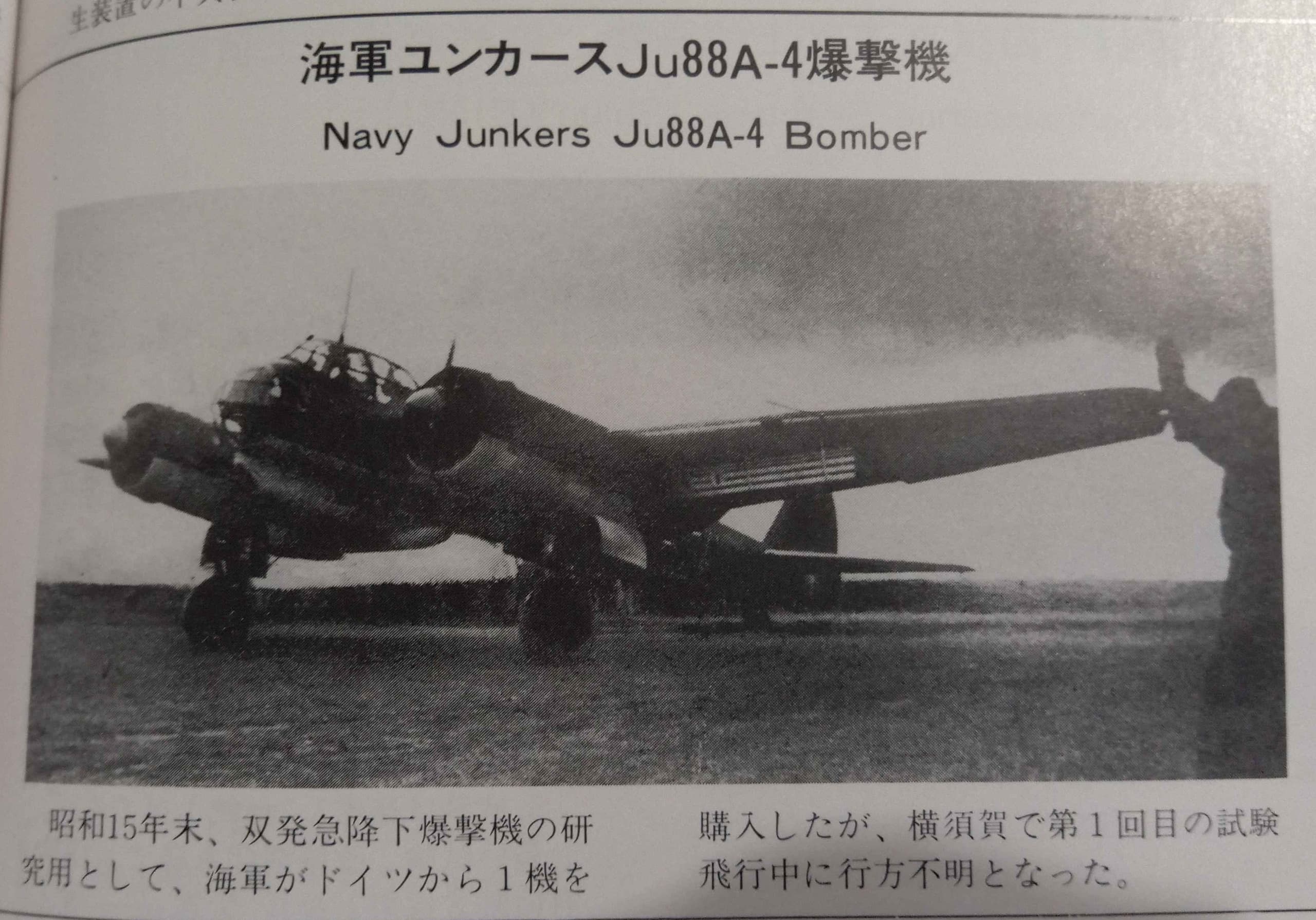
At the end of 1940, the Japanese Navy purchased one Junkers Ju-88 aircraft in the A-4 version for testing purposes. This aircraft was lost along with the entire crew during a test flight on August 17, 1942, during a storm. Based on the Ju-88 design, the Kyushu Q1W patrol aircraft was developed, and it also served as an inspiration for the Yokosuka P1Y bomber.
History
In 1939, the Japanese Navy noticed that most European powers had modern large dive bombers, which were ideal for support. Most of these reports came from Japanese representatives in Germany. The Japanese observed during the fights in China that the main naval attack aircraft (bomber), the Mitsubishi G3M, although it had a good bomb load and enormous range, lacked speed and the capability for precise target destruction in a dive. Since the Japanese Navy did not have sufficient experience in building large aircraft capable of dive attacks, it was decided to purchase a modern dive-capable bomber from Germany. After negotiations, the Japanese bought the most advanced version of the Ju-88 bomber available at that time (1940), the A-4 version. For the Japanese, this aircraft was one of the first of this version (either a pre-production or early production series). Along with one Ju-88 A-4, the Japanese Navy purchased the documentation for this aircraft. At the end of 1940, the Japanese Navy commissioned the construction of the 15-Shi land-based bomber (the future Yokosuka P1Y), which was inspired by the Yokosuka D4Y and the Junkers Ju-88. It is not fully known when the Junkers Ju-88 arrived in Japan, but it was certainly there by August 1942. At that time, the Naval Aviation Technology Factory (Yokosuka) decided to use the Ju-88 to test flight without navigation instruments, which were removed for the flight. The aircraft took off on August 17, 1942, from Kisarazu airfield and flew over Tokyo Bay. There, the plane was caught in a thunderstorm and never returned from the flight. The Junkers Ju-88 likely got lost in the storm and crashed in the Pacific after running out of fuel. A month later (September 1942), the Japanese Navy commissioned Watanabe to create the Shi-17 patrol aircraft (future Kyushu Q1W), which was based on the design of the Junkers Ju-88. During the war in the Pacific, American intelligence mistakenly believed that the Junkers Ju-88 was in Japanese service and gave it the code name Janice. Probably towards the end of the war, the Kyushu Q1W was often mistaken for the Junkers Ju-88.
Construction description
The Japanese Ju-88 A-4 is exactly the same as the German or Finnish Ju-88 A-4
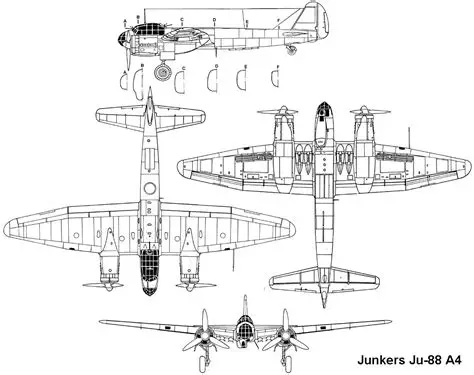
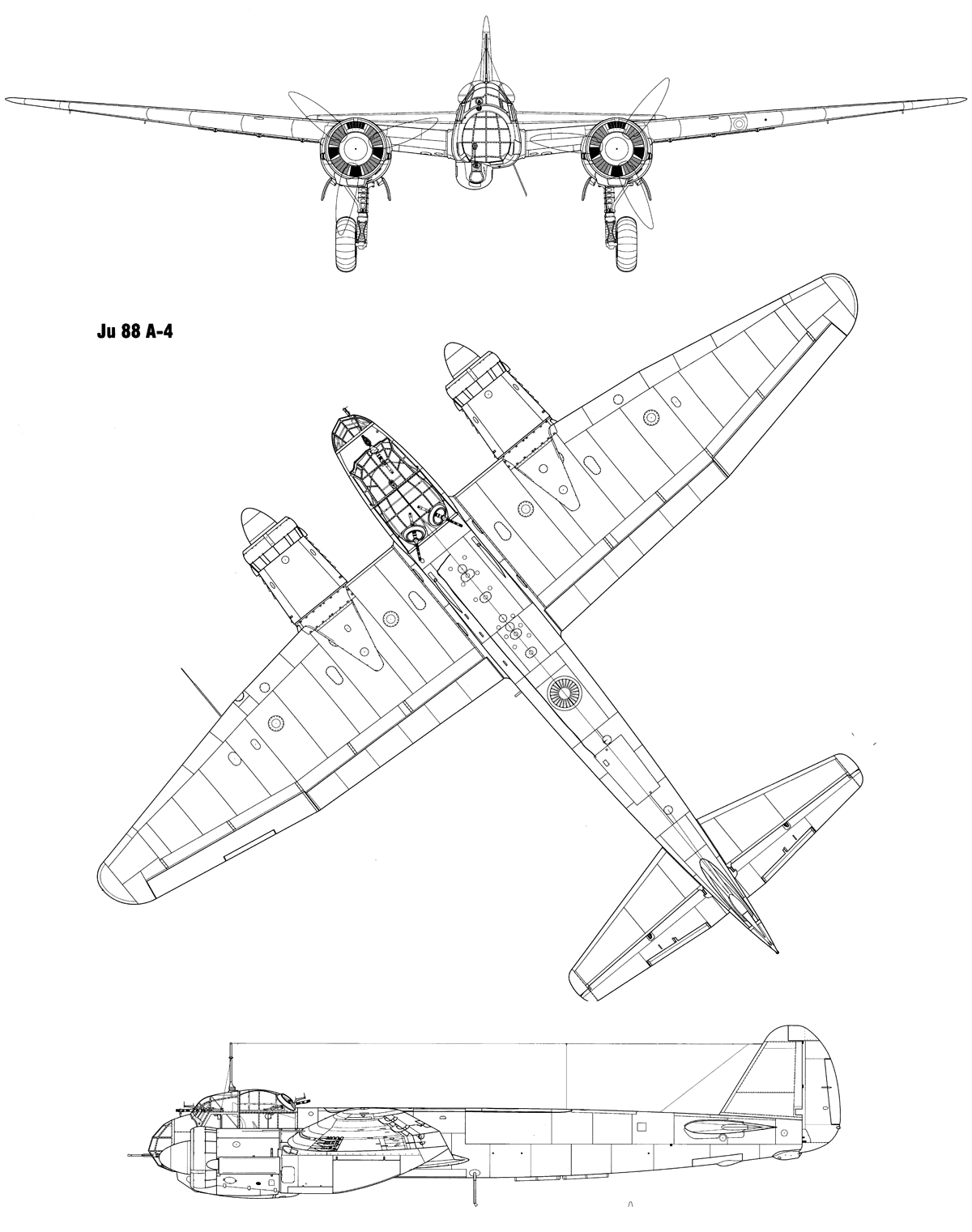

General characteristics
- Crew: 4
- Length: 14,36 m
- Wingspan: 20,08 m
- Height: 5,07 m
- Wing area: 54,7 m2
- Empty weight: 8550 kg
- Gross weight: 12,105 kg
- Maximum Take-off Weight: 14,000 kg
- Powerplant: 2 × Junkers Jumo 211J-1 liquid-cooled inverted piston engine, with a takeoff power of 1,000 kW (1,340 hp) each
- Propellers: Three-bladed VDM variable-pitch propeller
Performance
- Maximum speed: 440-470 km/h
- Cruise Speed: 385-398 km/h
- Range: 1,790 km
- Maximum Range: 2,730 km
- Service ceiling: 8 200 m
- Climb Rate: ?
- Time to Climb to: 23 minutes to 5,400 m
Armament
- Guns:
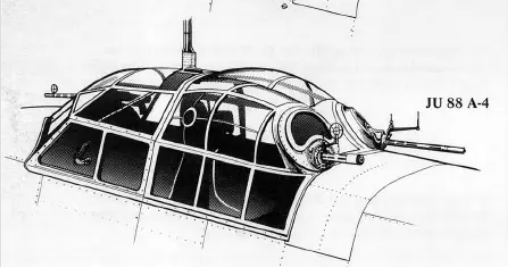
- 1 × 7.92 mm MG 81J machine gun on flexible mount in front windscreen (1,000 rounds)
- 2 × 7.92 mm MG 81J machine guns on flexible mount in the rear of the cockpit canopy, (1,000 rounds each)
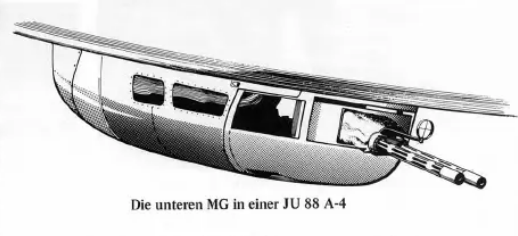
- 1 × 7.92 mm MG 81Z twin machine gun on flexible mount in the rear ventral Bola position, (1,000 rounds.)
- Bombs:
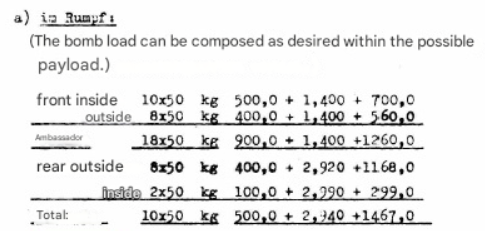
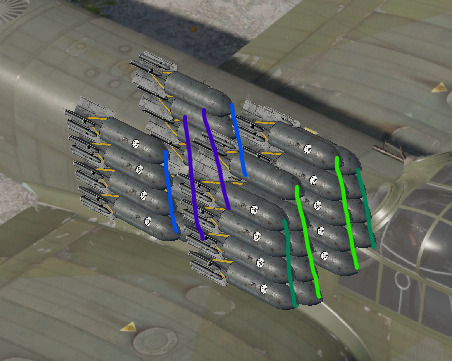
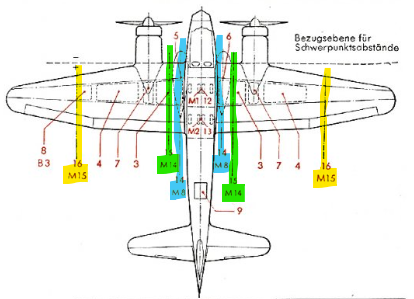
- 10 x 50 kg bombs in the bomb bay (500 kg)
- 28 x 50 kg bombs in the bomb bay (1400 kg)
- 4 x 250 kg bombs under the wings (1000 kg)
- 6 x 250 kg bomb under the wings (1500 kg)
- 2 x 500 kg bombs under the wings (1000 kg)
- 1 x 1000 kg bombs under the wings
- 2 x 1000 kg bombs under the wings (2000 kg)
- 1 x 1400 kg bombs under the wings
- 2 x 1400 kg bombs under the wings (2800 kg)
- 1 x 1800 kg bombs under the wings
Armour
- Self-sealing fuel tanks
- Armor is the same as the German Ju-88 A-4 from the game
Special thanks
Summary
The Junkers Ju-88 A-4 is an interesting aircraft for Japan in War Thunder. This bomber is a very useful bomber that is capable of effectively destroying bases or enemy tanks. This aircraft would be a great premium bomber or event plane for Japan. I encourage you to discuss in the comments and to share your own knowledge on this subject.
Finally, I apologize for the linguistic and logical errors because unfortunately English is not my main language and I had to use google translator.
Internet sources
Ju 88 (航空機) - Wikipedia
東海 (航空機) - Wikipedia
銀河 (航空機) - Wikipedia
Junkers Ju 88 A-4 : Junkers
Уголок неба ¦ Junkers Ju.88A-4(17)
Book sources
- 日本航空機総集 輸入機篇 (Japan Aircraft Catalogue Imported Aircraft Edition) Shuppan Kyosha, 1972, page. 168
- 昭和17年8月1日~昭和17年8月31日 横須賀鎮守府戦時日誌(6)
- 昭和17年8月1日~昭和17年8月31日 横須賀鎮守府戦時日誌(3)
- 015 Waffen Arsenal Junkers Ju 88 | PDF
- 048 Waffen Arsenal Junkers Ju 88 | PDF
- Junkers Ju 88 (Monografie Lotnicze 4) | PDF
- 日本航空機辞典 1910年(明治43年)~1945年(昭和20年) 上巻 (Encyclopedia of Japanese Aircraft 1910 (Meiji 43) – 1945 (Showa 20), Volume 1) page 249

Thank you for reading the suggestion, see you in the next one. Good luck pilots