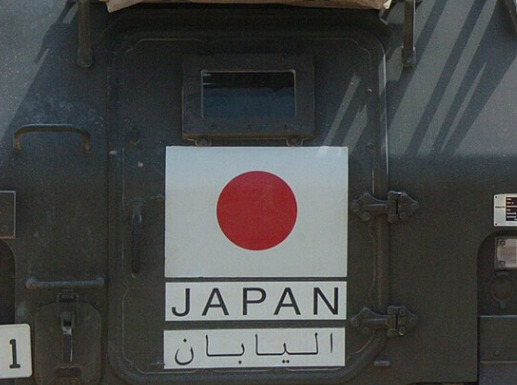
Japanese Iraq Reconstruction and Support Group Identification Emblem
History
Since the end of the Second World War, Japan has largely refrained from engaging in armed conflict. However, in the modern era, the Japan Self-Defense Forces (JSDF) have participated in several overseas missions focused on humanitarian assistance and reconstruction. One notable example was Japan’s deployment to Iraq from 2004 to 2008 during the Iraq War. The Ground Self-Defense Force’s humanitarian and reconstruction mission in southern Iraq lasted from 2004 until July 2006, while the Air Self-Defense Force continued airlift support for personnel and supplies until December 2008.
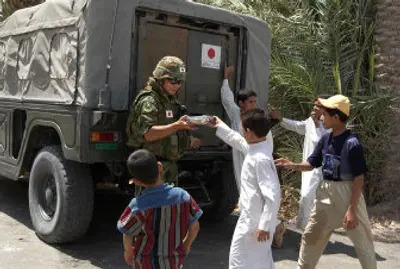
The Japanese contingent was authorized to conduct a range of humanitarian and reconstruction activities, including medical services, water purification and supply, the rehabilitation and maintenance of schools and other public facilities, and the transportation of humanitarian and reconstruction supplies. Although the deployment is sometimes described as a peacekeeping mission, it was not a United Nations peacekeeping operation. Following the adoption of UN Security Council Resolution 1546, Japan’s activities were incorporated into the mandate of the multinational force in Iraq. However, the JSDF remained under Japan’s own national chain of command and carried out its activities according to Japan’s own laws and decisions.
Although Japanese personnel were not deployed to conduct offensive combat operations, this did not mean that they were unarmed. The Japanese government’s deployment plan specifically authorized weapons necessary for the safety of personnel, including pistols, rifles, machine guns, recoilless rifles, and light anti-tank munitions. The mission also included security-support activities, but the government emphasized that the SDF’s role was humanitarian and reconstructive rather than participation in combat operations.
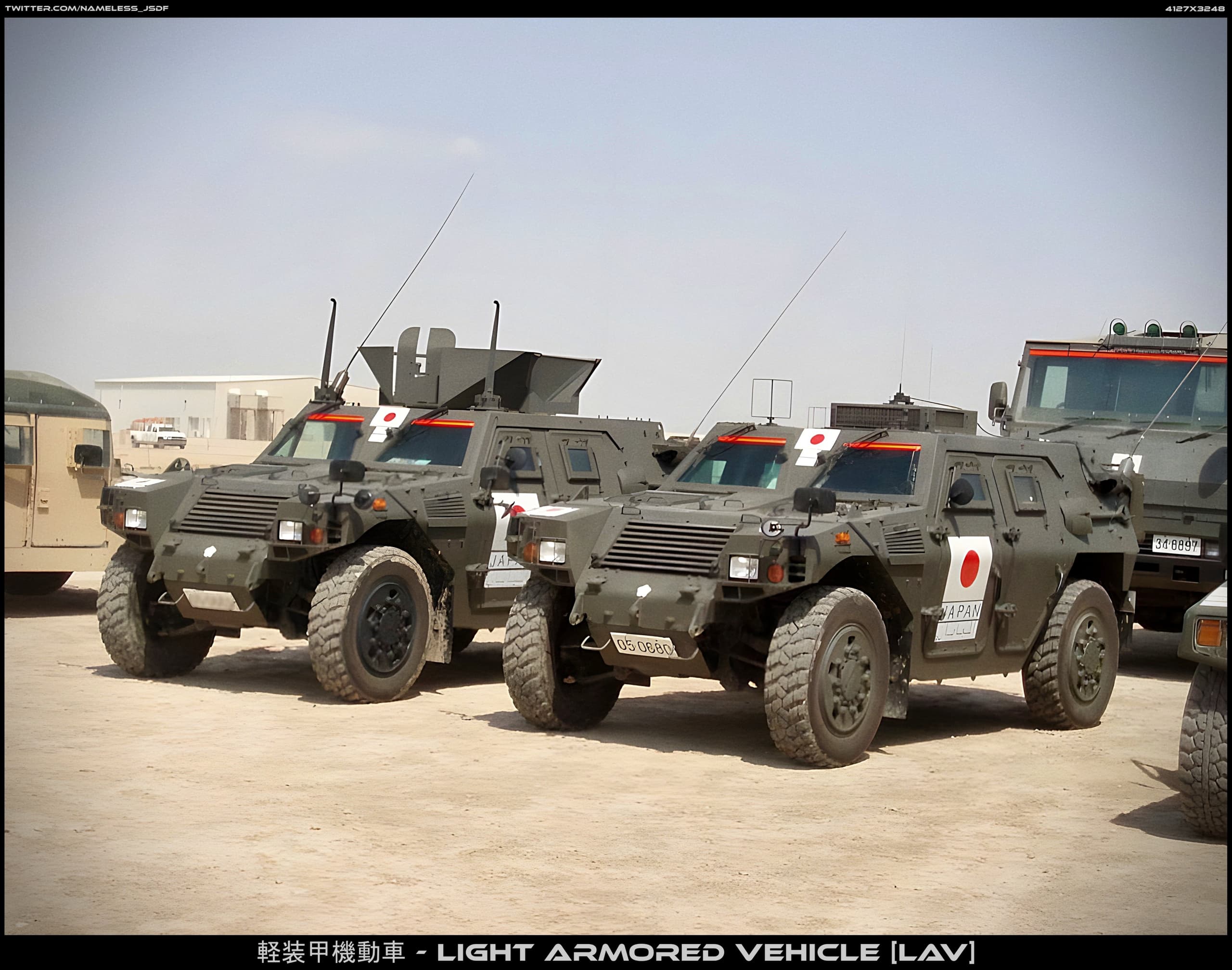
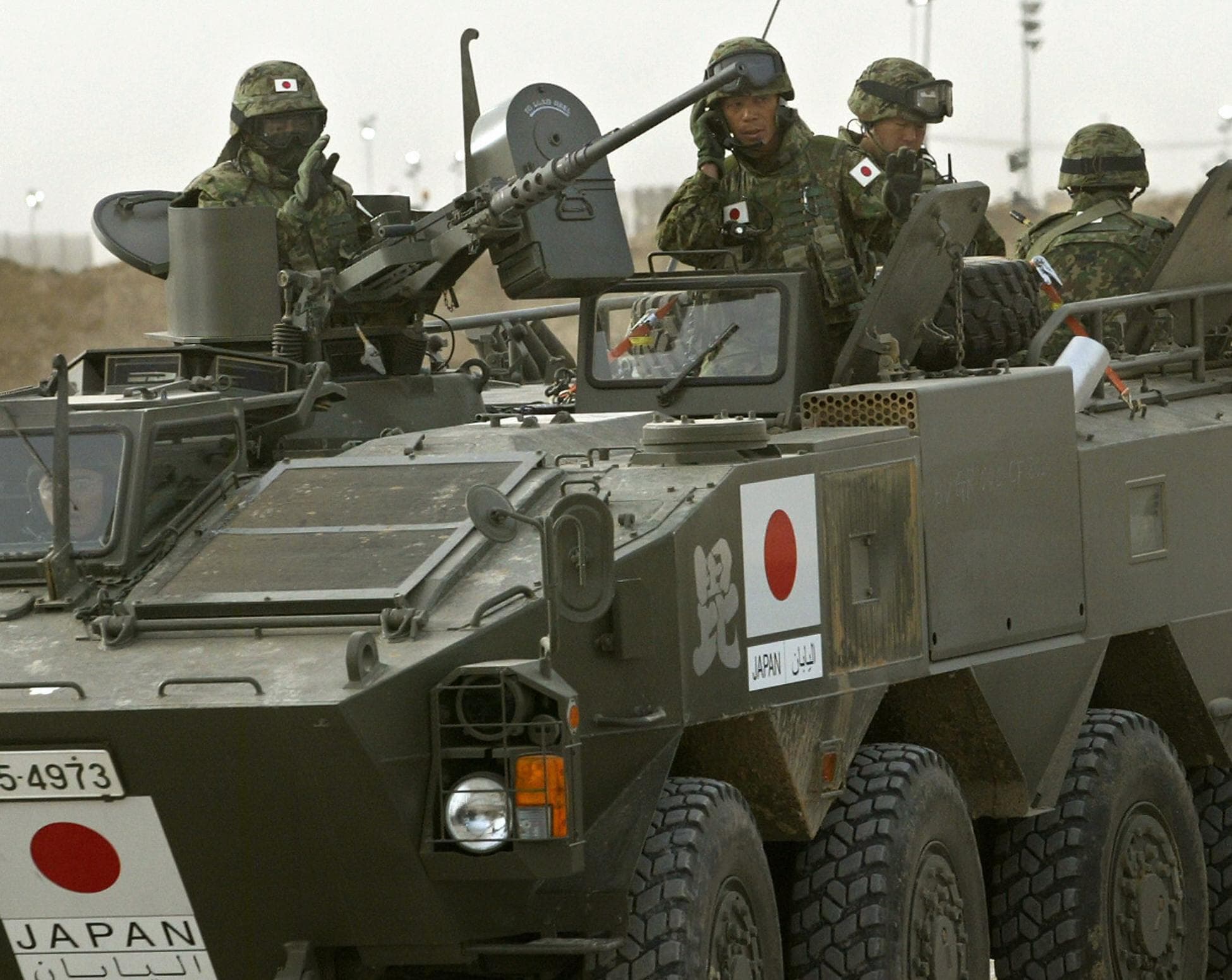
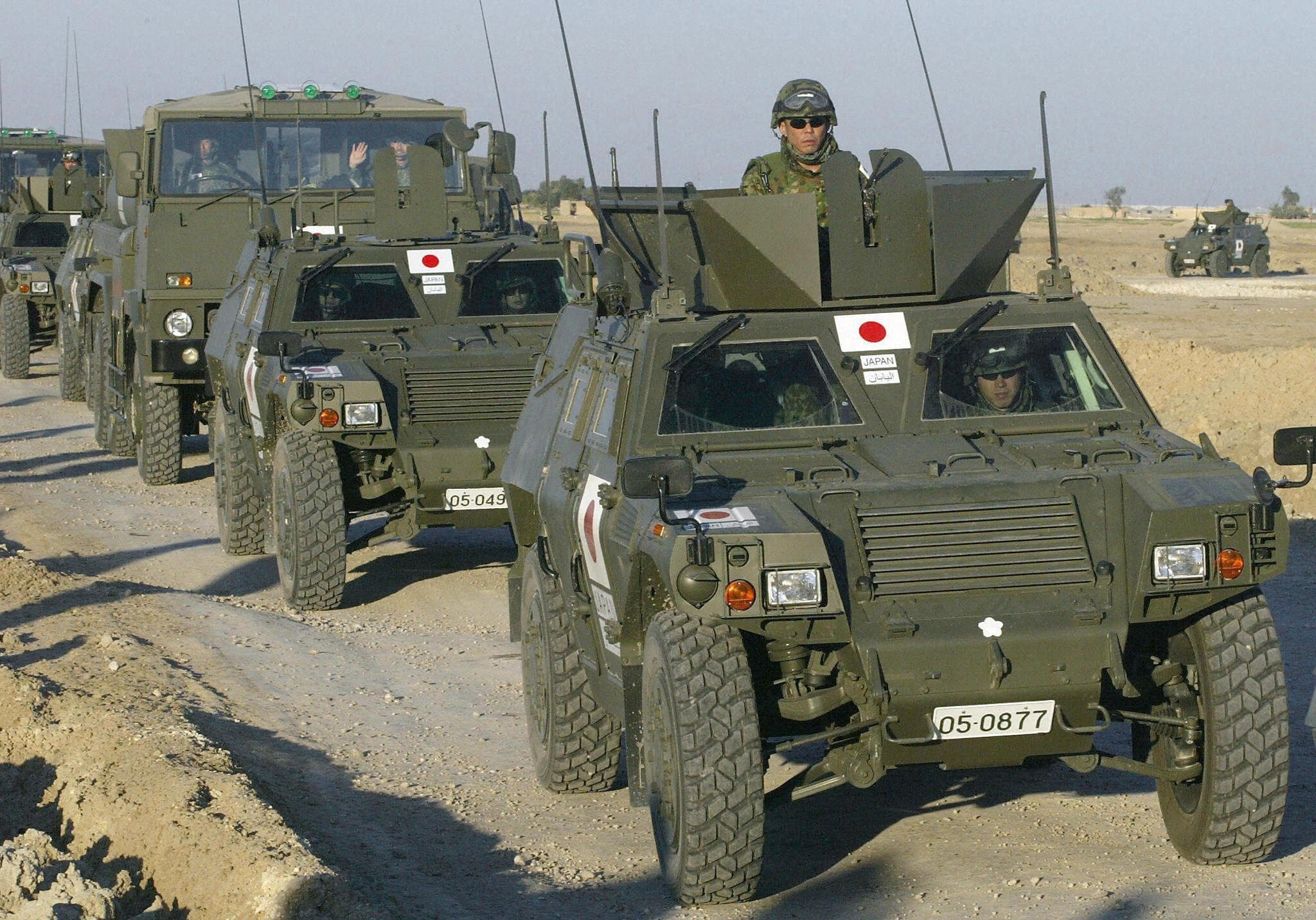
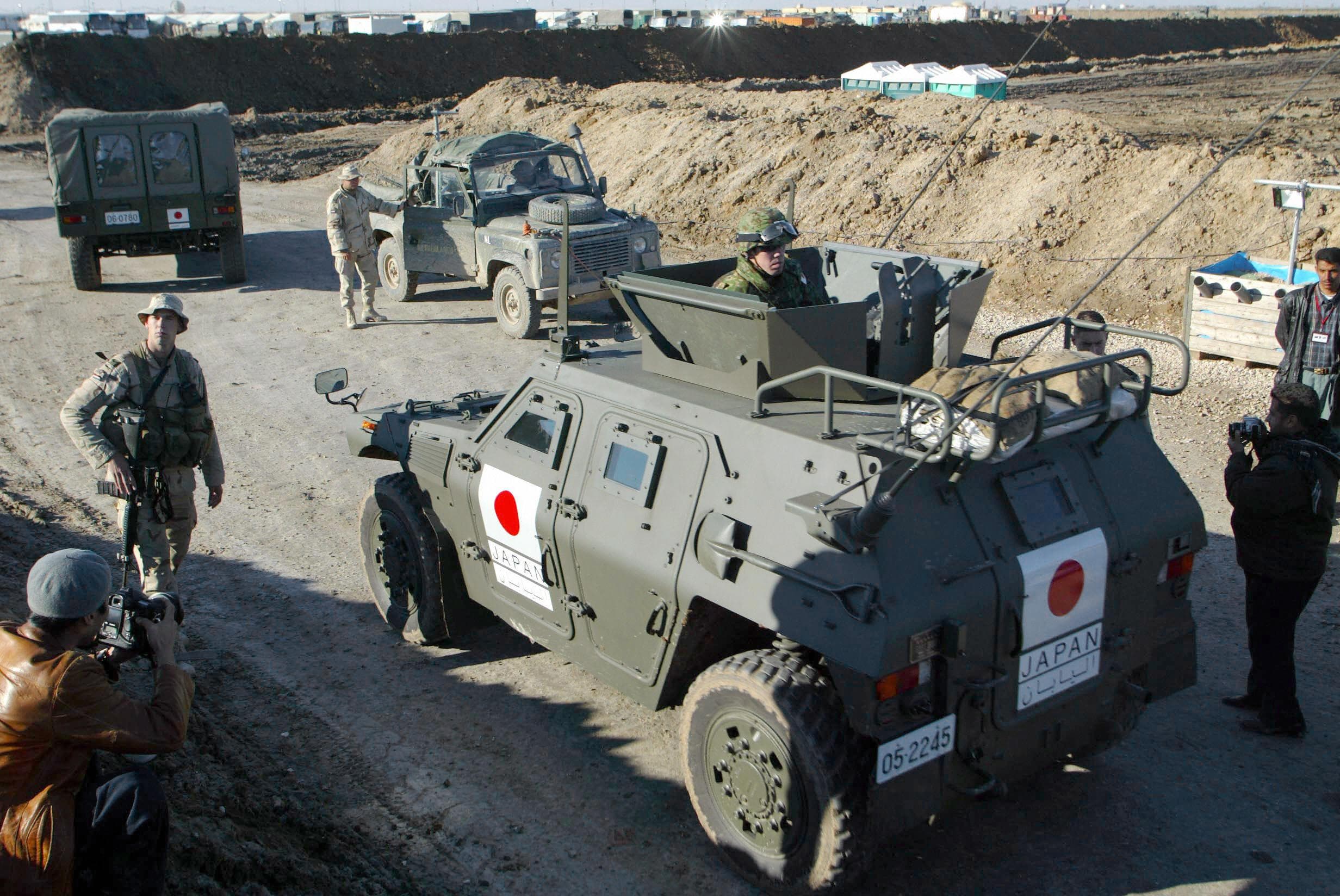
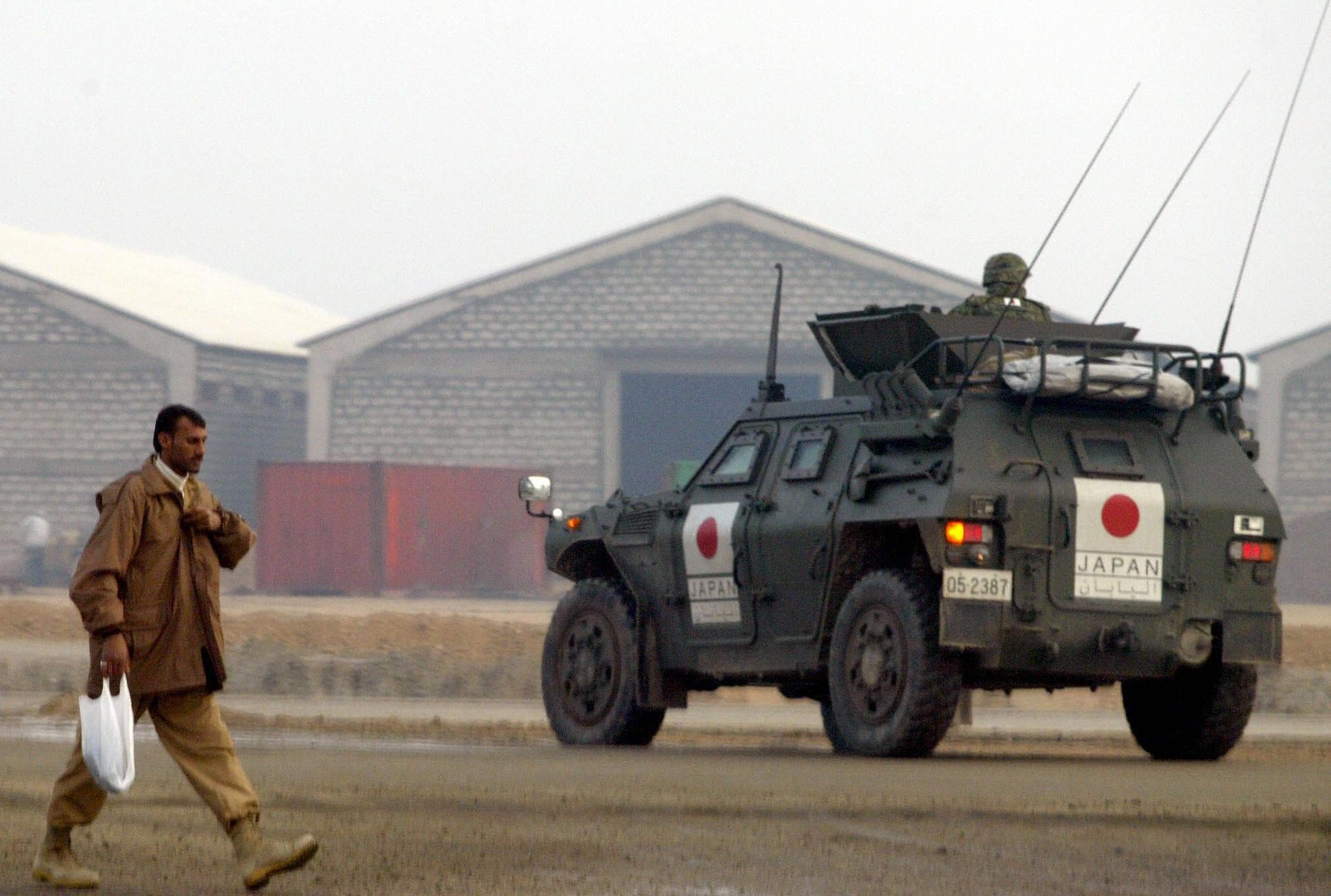
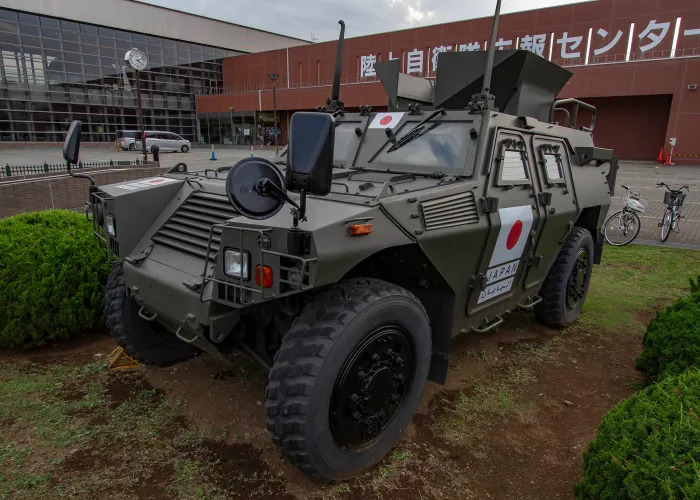
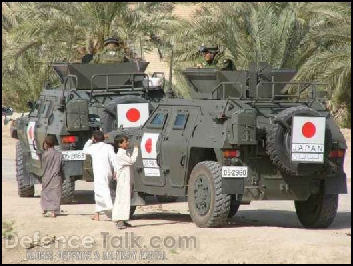
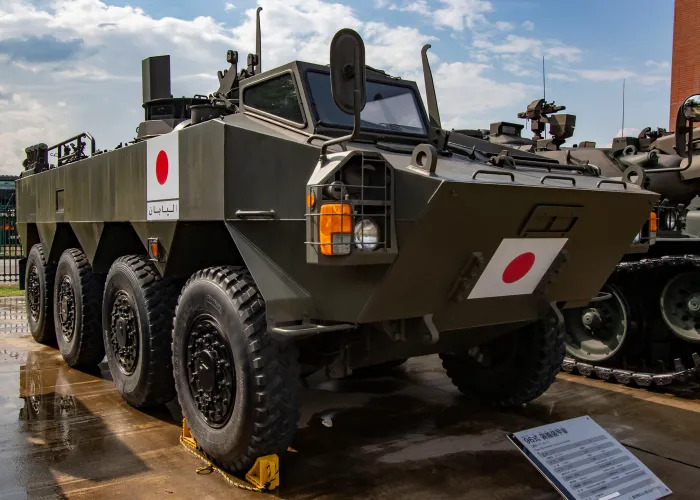
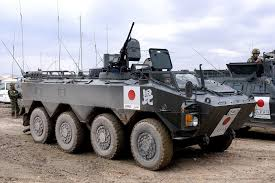
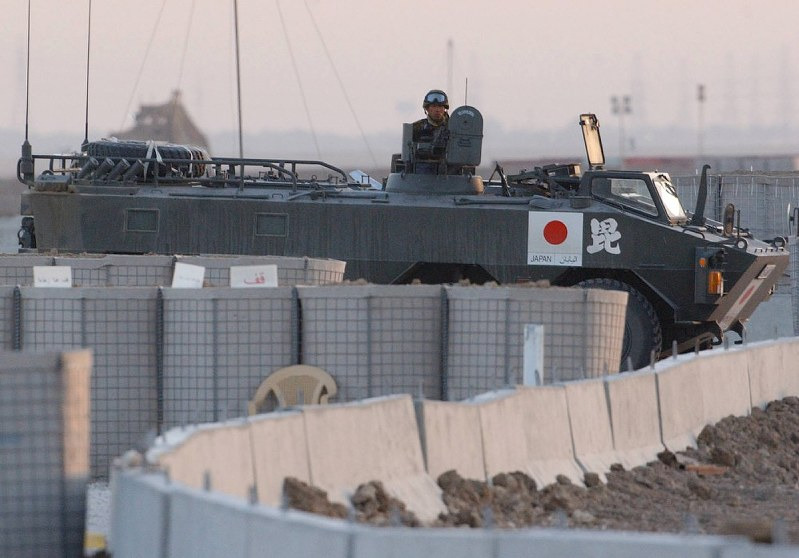
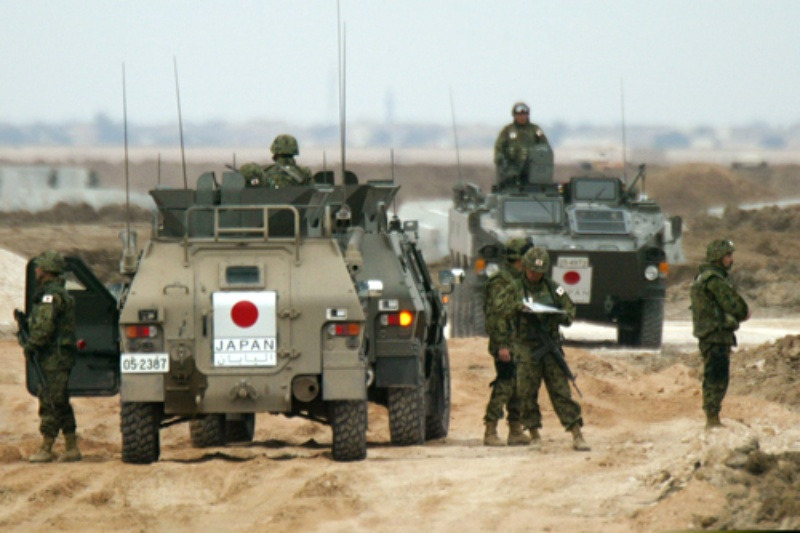
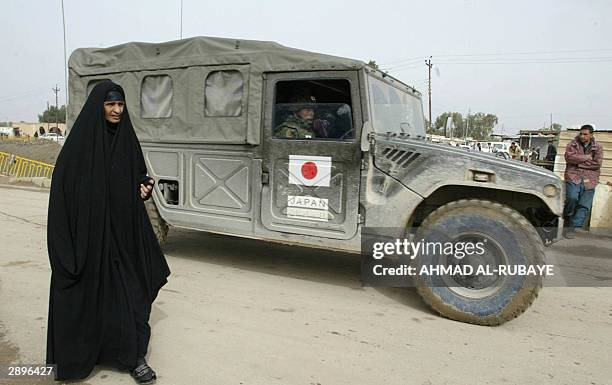
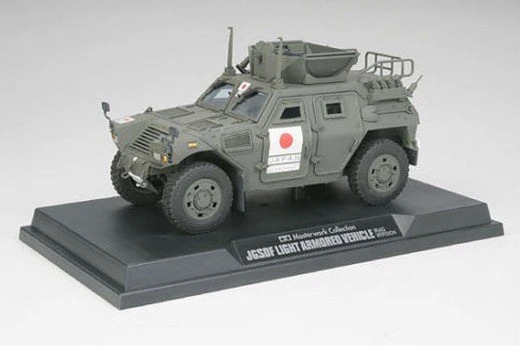
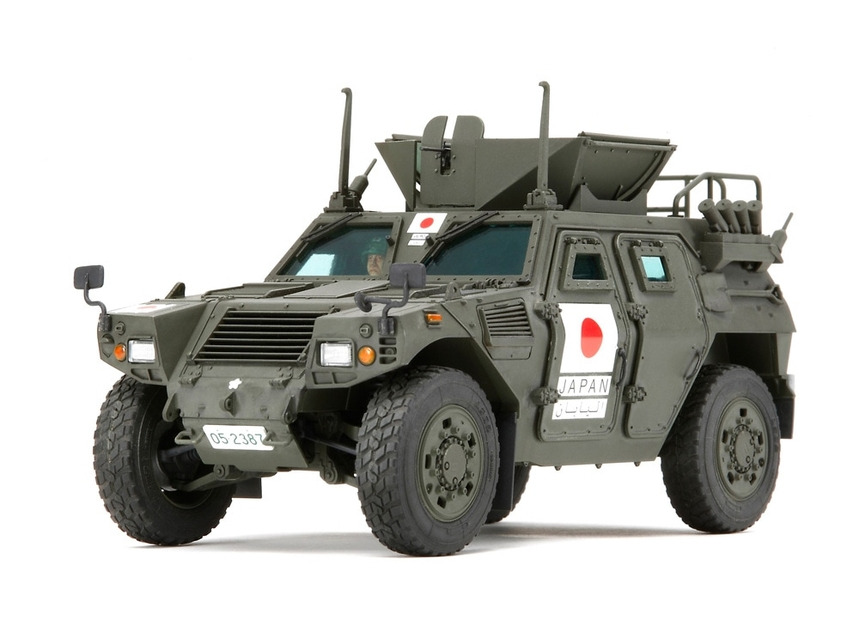
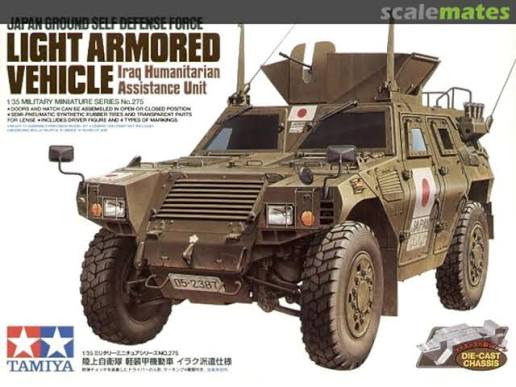
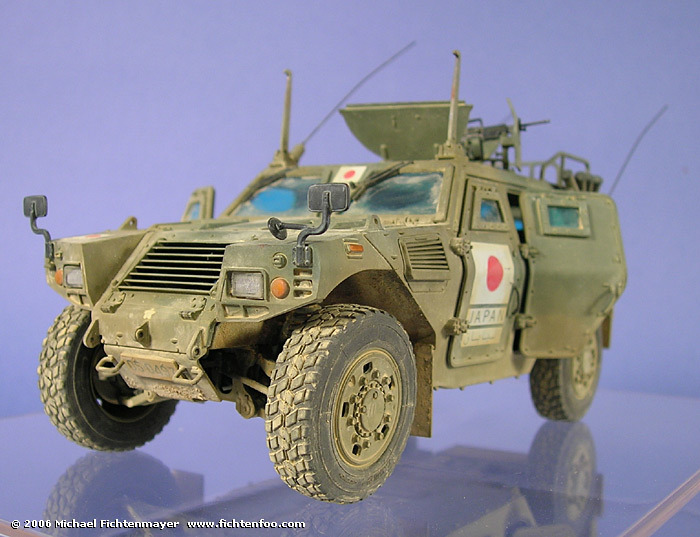
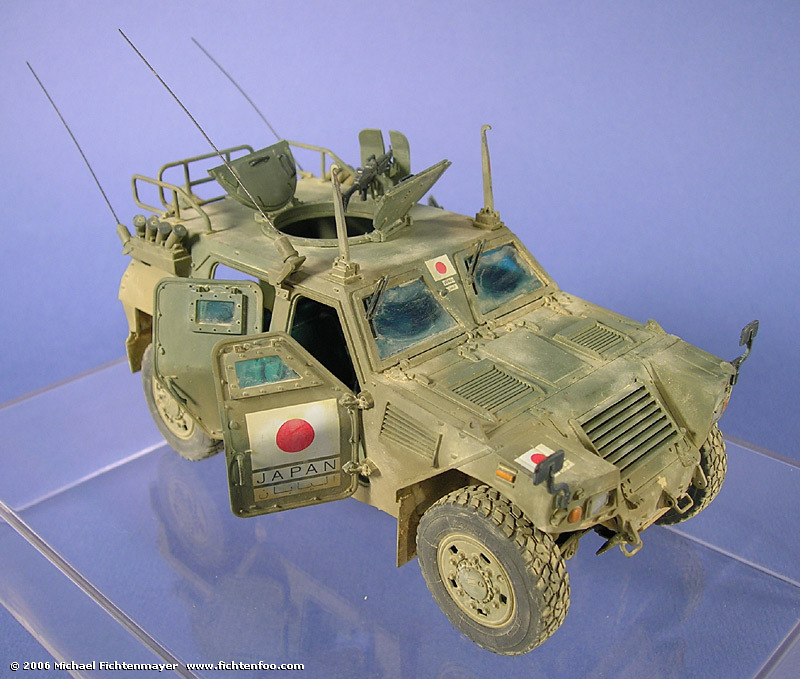
The deployment also saw the use of several Japanese military vehicles, including the Komatsu Light Armored Vehicle (LAV), the Type 96 8×8 Armored Personnel Carrier, and Toyota High Mobility Vehicles. The deployment plan provided for wheeled armored personnel carriers, light-armored mobile vehicles, and other vehicles to support the mission. Together, these vehicles provided Japanese personnel with mobility, protection, and logistical support while carrying out their humanitarian and reconstruction responsibilities in Iraq.
The Emblem and its Addition
Historically, this identification emblem is significant to Japan’s modern military history, as it represents one of the few overseas operations conducted by the Japan Self-Defense Forces (JSDF).
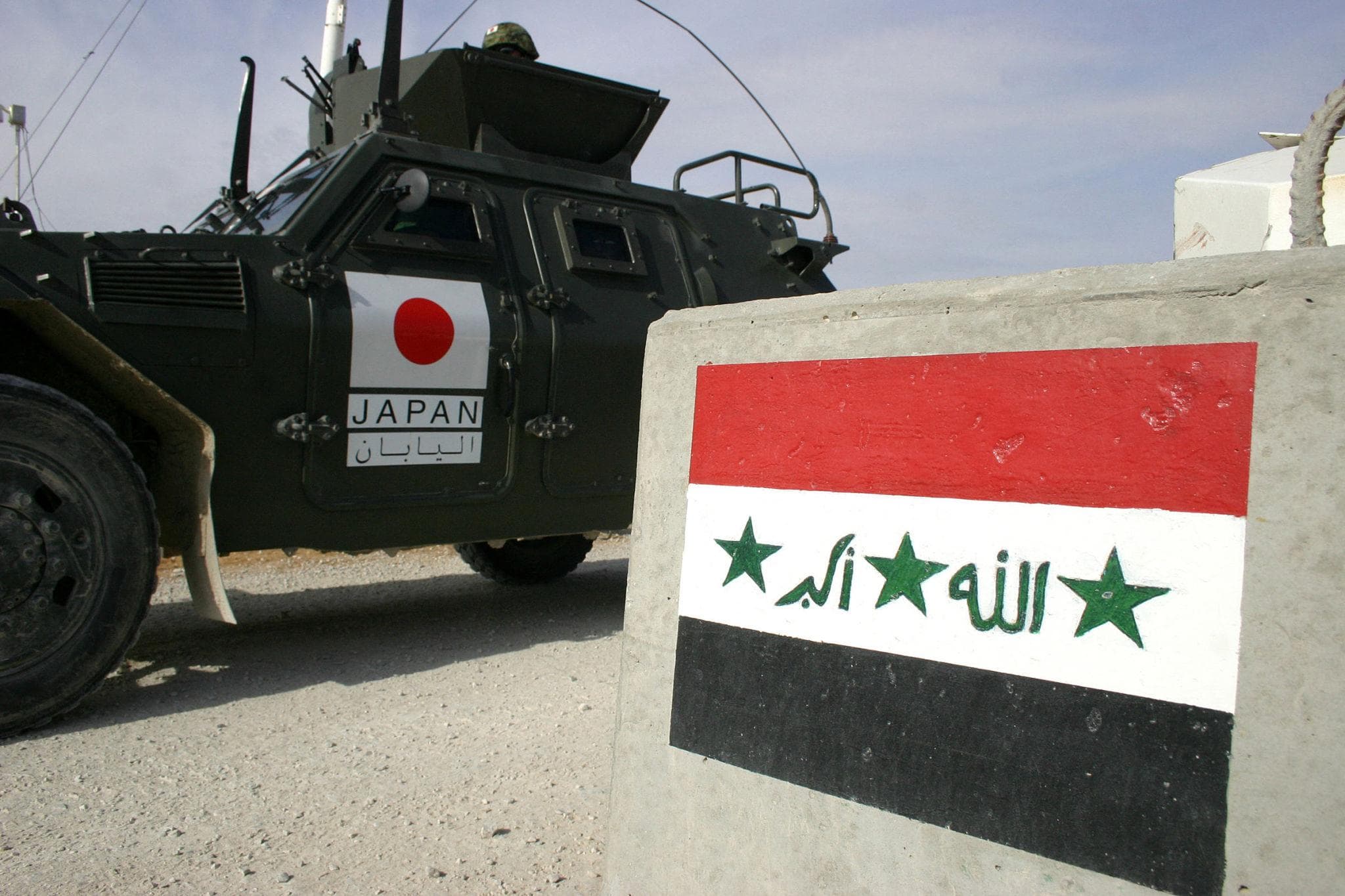
The emblem was primarily used to clearly identify Japanese vehicles and personnel to the local Iraqi population. It was commonly displayed on all four sides of vehicles to make them easily recognizable. The emblem features the Japanese flag alongside the Arabic word اليابان (al-Yābān ), meaning “Japan,” reinforcing the Japanese identity of the vehicles.
This makes the emblem a distinctive and historically accurate example of a modern Japanese military marking from the early 21st century. It would be an excellent addition to the Japanese ground forces decal set, either as a standard decal or as a monthly/event unlock.
A possible unlock requirement could be unlocking Japan Rank IV or repairing allied vehicles 10 times, fitting the emblem’s association with Japan’s overseas humanitarian and reconstruction mission in Iraq.
Extra Images

- YES ✅
- NO ❌