- Yes
- No
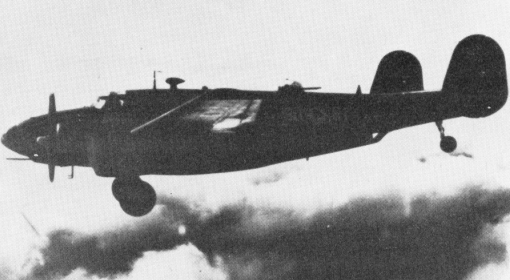
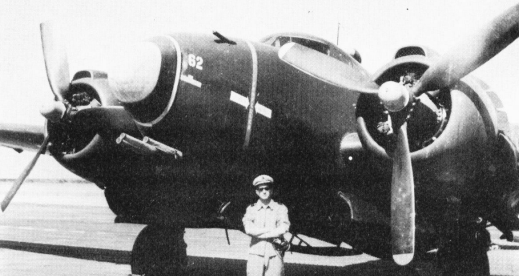
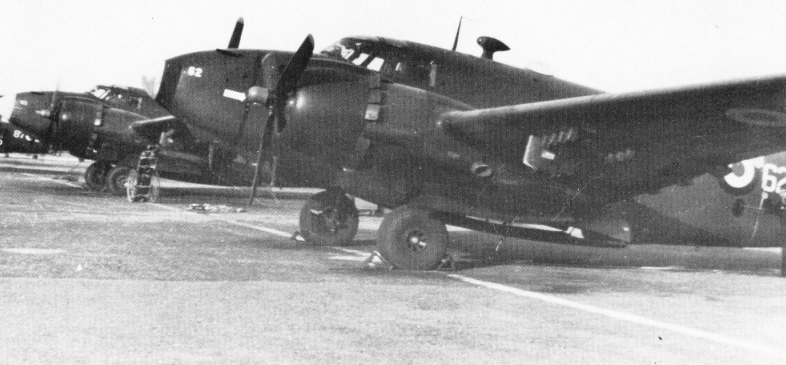
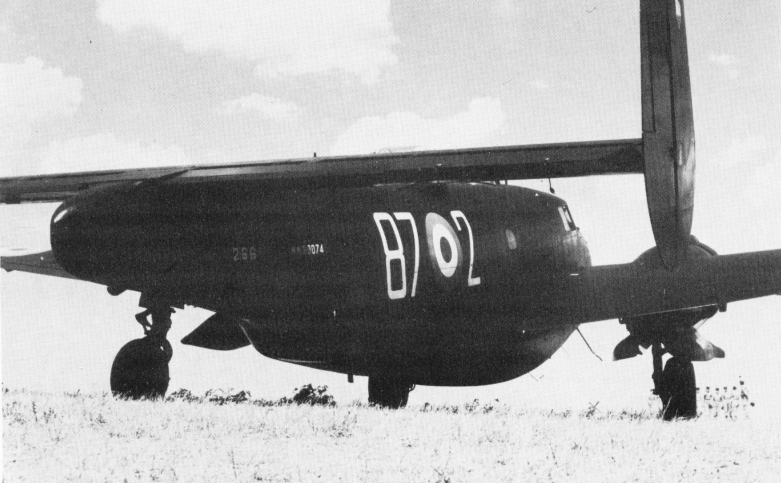
The Lockheed PV-2 Harpoon was an American maritime patrol aircraft developed during World War II as the successor to the PV-1 Ventura. First flown in 1942, it was later adapted for anti-submarine warfare and supplied to several countries through the U.S. MDAP program.
Italy was scheduled to receive 48 PV-2s to equip its anti-submarine groups, following the initial experience with the Curtiss S2C-5 Helldiver. Compared with the Helldiver, the Harpoon offered about 50% greater range and could carry roughly three times the weapons load. It required a six-man crew: two pilots, an observer, radar operator, radio operator and gunner. However, its Pratt & Whitney R-2800-31 engines were considered less reliable, while its high wing loading made engine failures particularly dangerous.
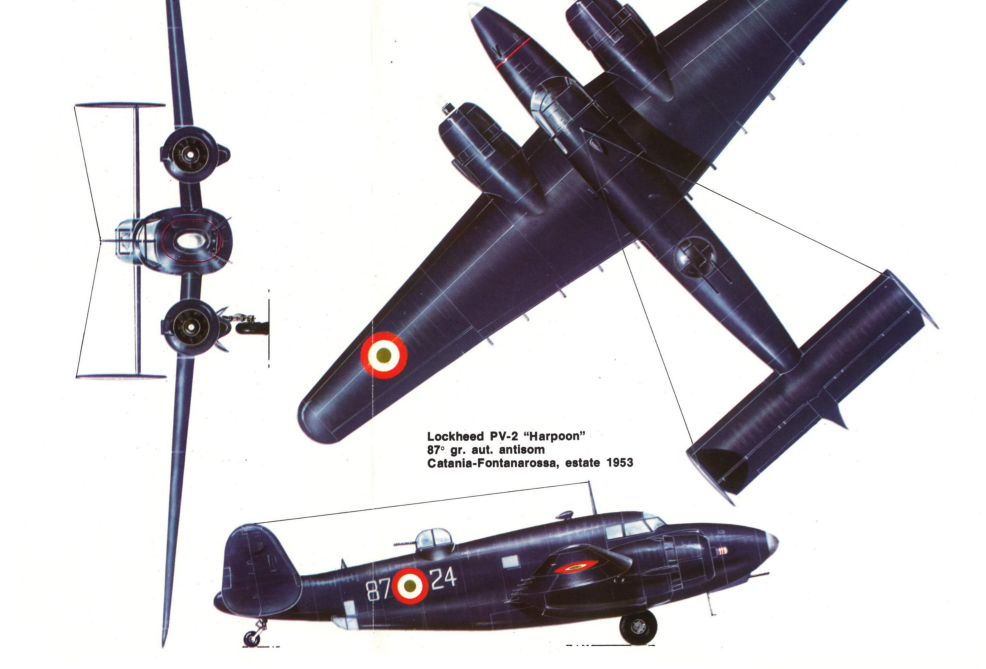
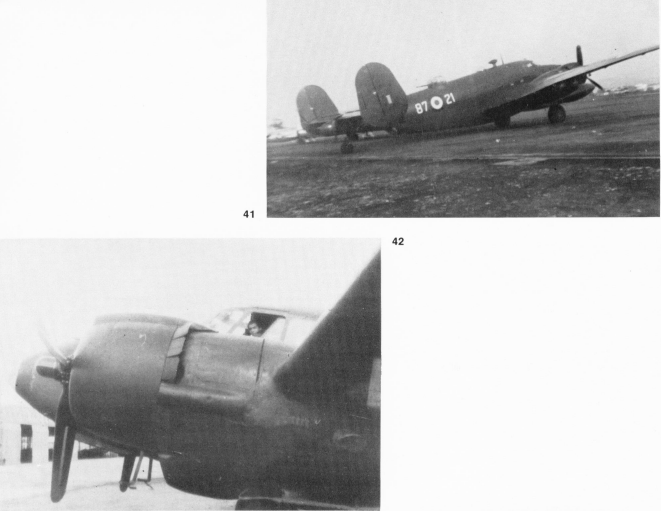
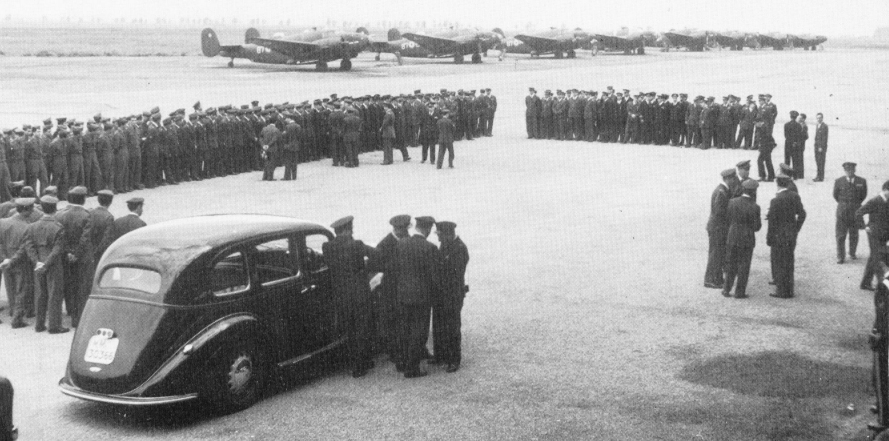
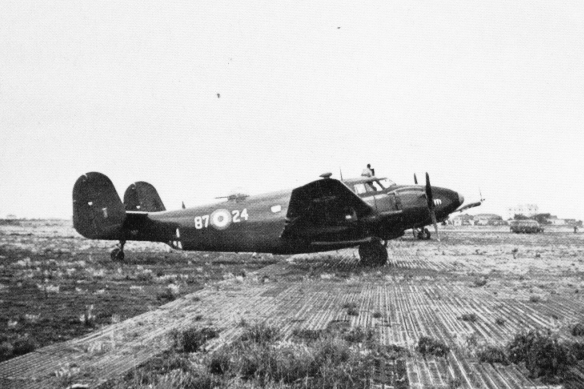
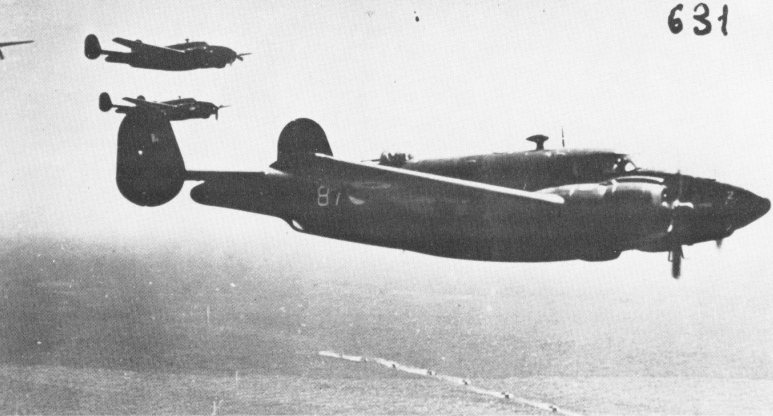
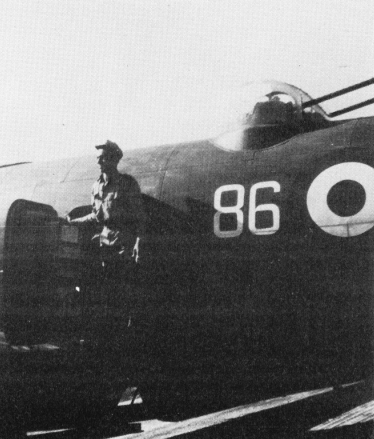
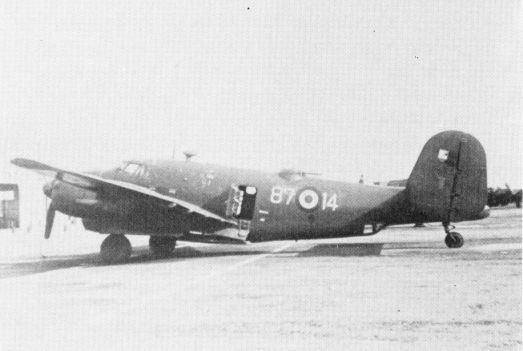
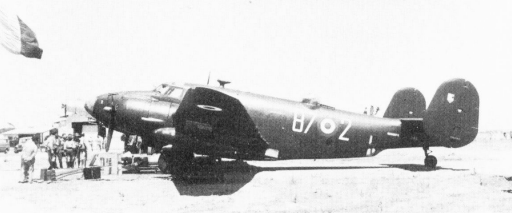
The first Italian PV-2, serial 37282, arrived at Grottaglie on 12 January 1953, already carrying Italian markings. The first aircraft were then assigned to the 87th Anti-Submarine Group at Catania-Fontanarossa, where crews began training with U.S. Navy personnel. Italian Harpoons participated in numerous national and NATO exercises, including operations from Malta and Greece.
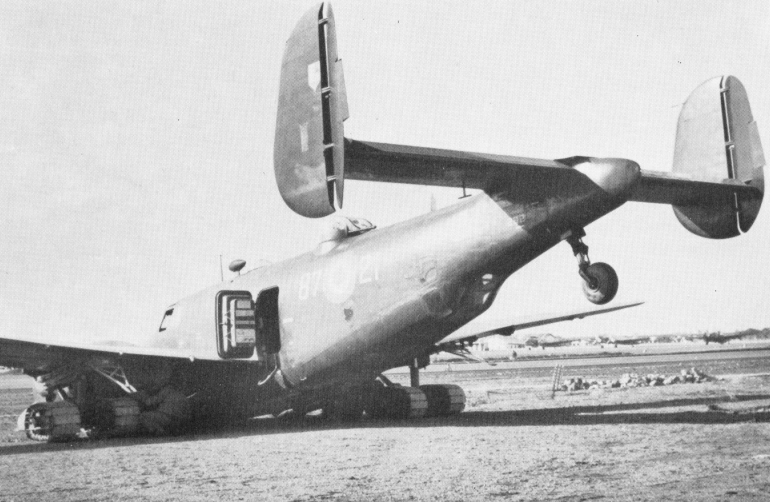
The aircraft suffered several serious accidents, including the loss of an aircraft in July 1954 after an engine failure and a fatal mid-air collision in November of the same year. Structural problems were later discovered in 1956, further reducing the number of operational aircraft.
By the late 1950s, the PV-2 was being replaced by the Grumman S2F Tracker. The last operational Italian Harpoon was transferred in June 1959. Despite its technical limitations and dangerous reputation, the PV-2 played an important role in developing Italy’s modern anti-submarine warfare capability and helped train crews for demanding missions lasting around six hours, often at very low altitude over the open sea.
Specifications
Weight:
< Empty: 9,525 kg
< With maximum load: 16,308 kg
Dimensions:
< Wingspan: 22.85 m
< Total length: 15.87 m
< Total height: 3.63 m
< Wing area: 63.73 m2
< Autonomy: 2880 km
Engines:
< 2 Pratt-Whitney R-2800-31
< Power: 2000 hp
Speed:
< Maximum speed: 454 km/h.
< Minimum speed: 160 km/h.
< Climb time: 10 minutes at 4,000 m.
< Maximum ceiling: 7,300 m.
Crew:
< 5 members (1st and 2nd pilot, radio operator, navigator-observer, radar operator)
Armament
< 7 x 12.7 mm machine guns (5 in nose gun, 2 in dorsal turret)
< 2,718 kg in the bomb bay and in underwing attachments
Pictures
Sources
https://www.marina.difesa.it/noi-siamo-la-marina/pilastro-operativo/mezzi/mezzi-storici/Pagine/aviazione/harpoon.aspx
Dimensione Cielo - Antisom vol. 12