- Yes
- No
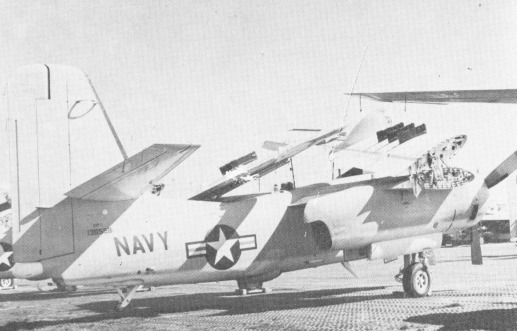
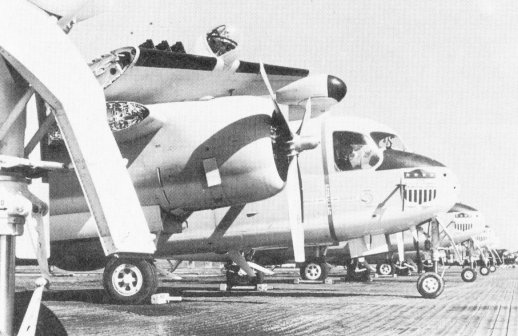
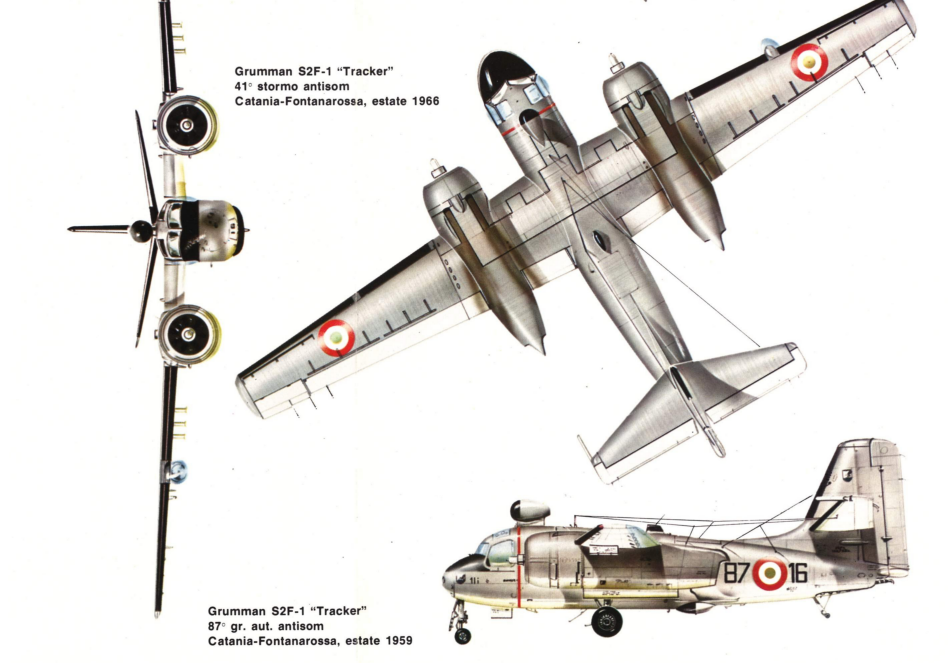
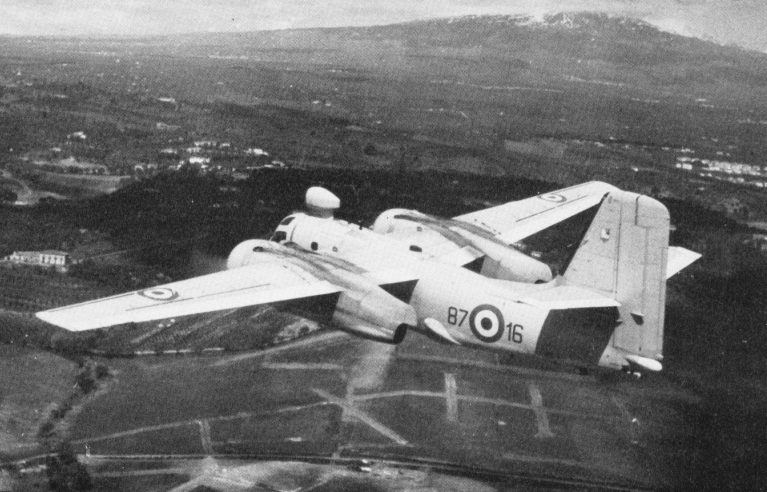
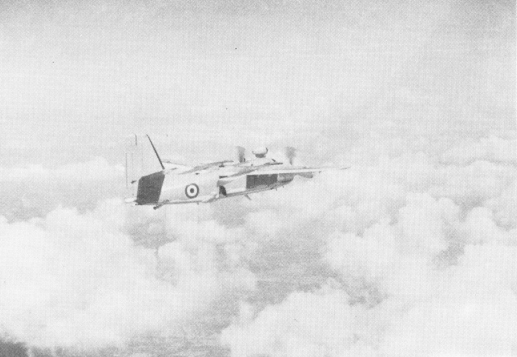
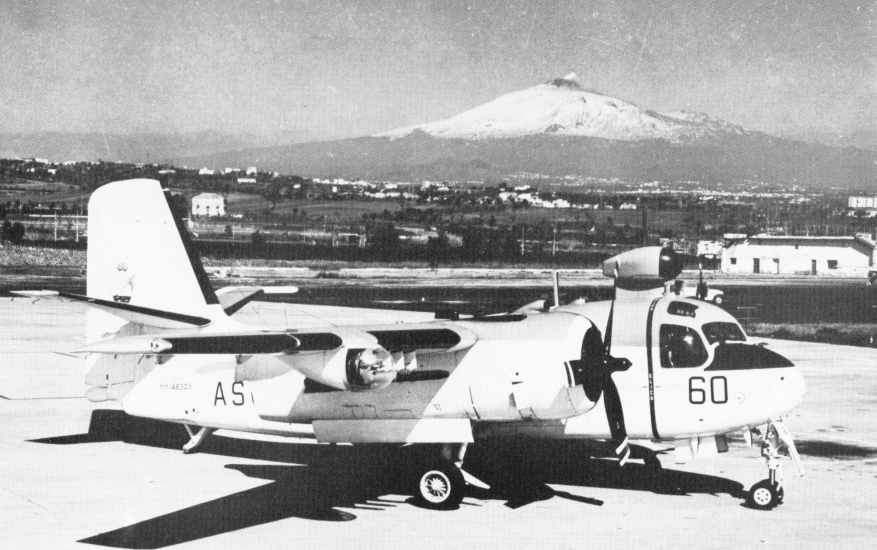
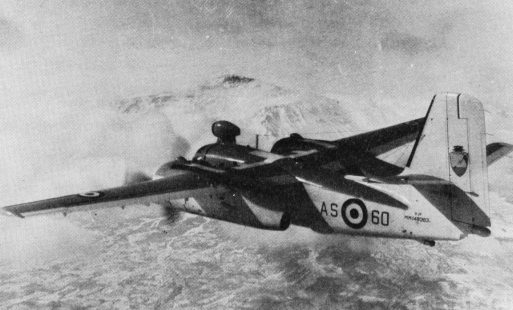
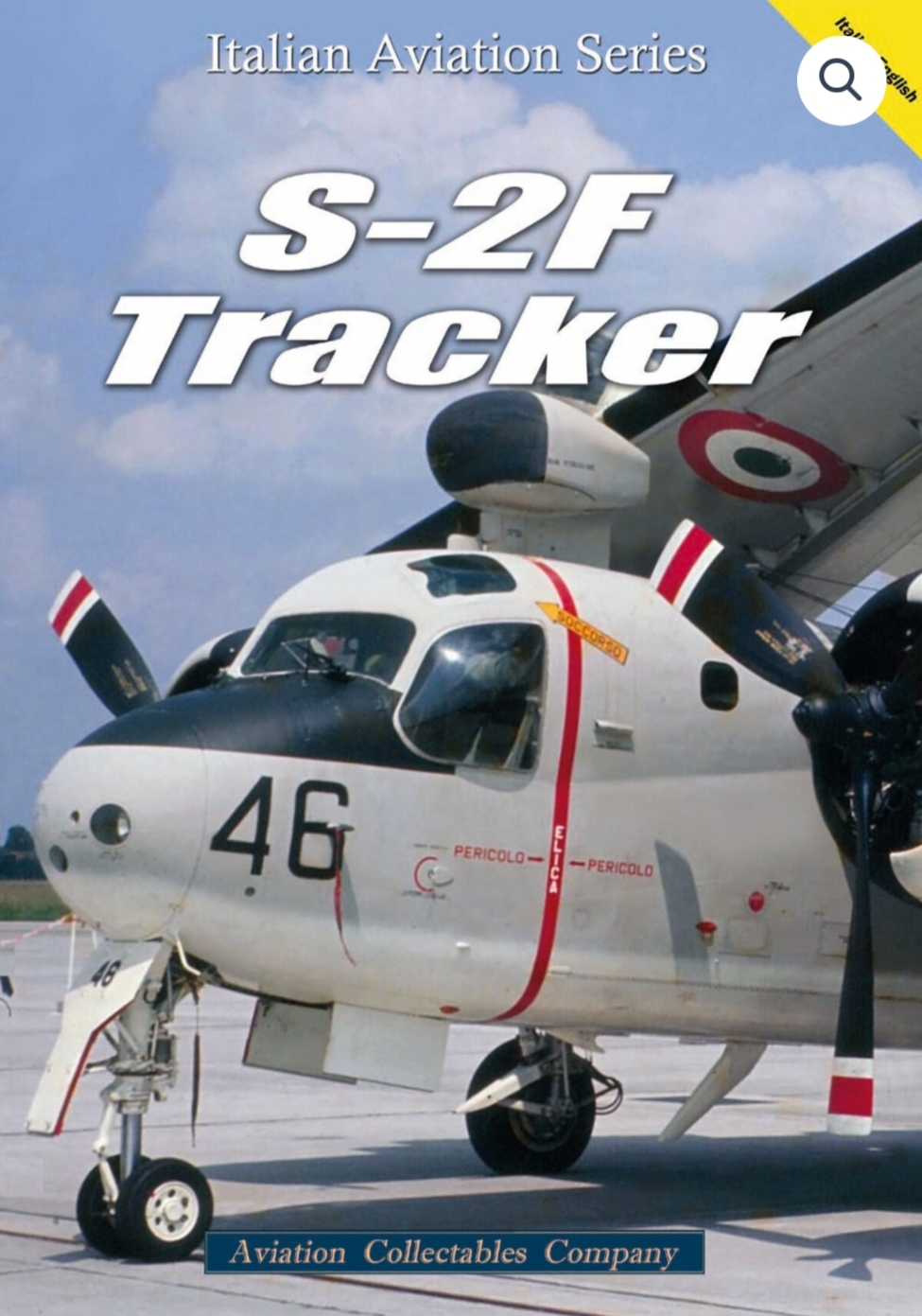
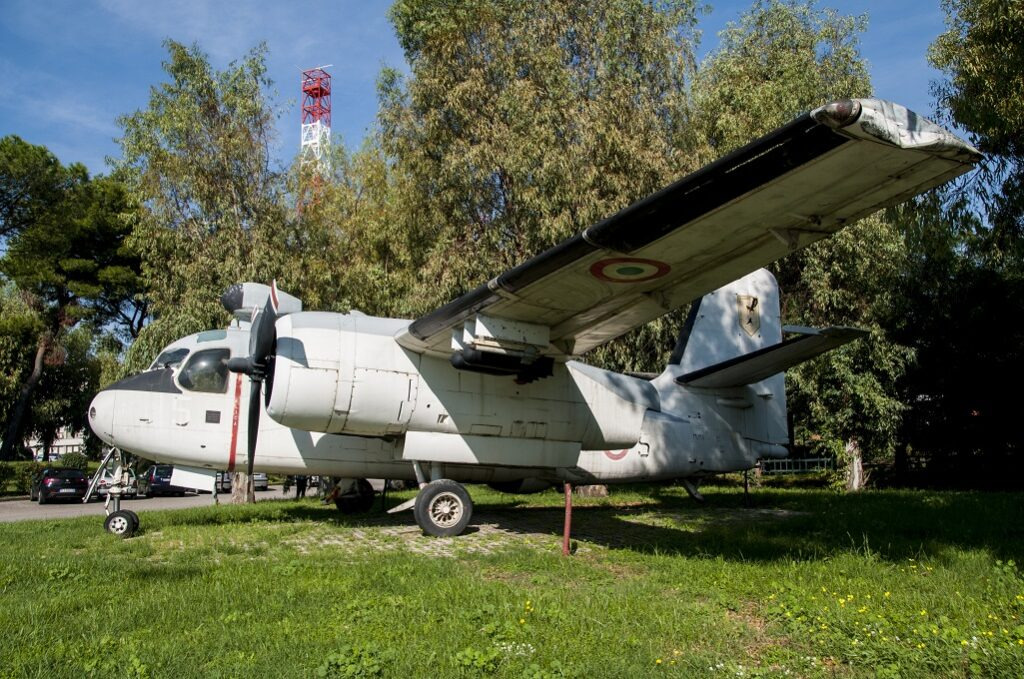
The Grumman S2F Tracker was an American twin-engine aircraft developed in the early 1950s specifically for anti-submarine warfare. Unlike many older patrol aircraft, the Tracker was designed from the beginning around this role, carrying equipment such as radar, sonobuoys and other sensors used to detect and track submarines.
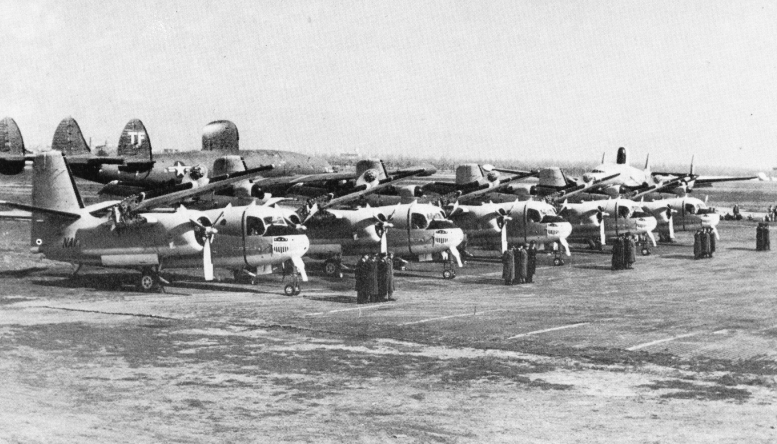
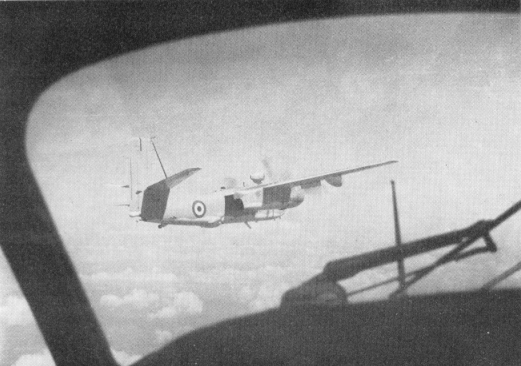
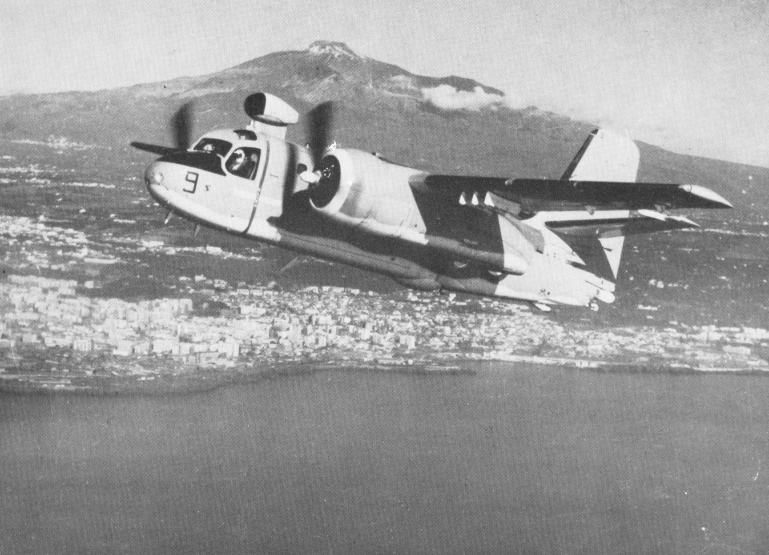
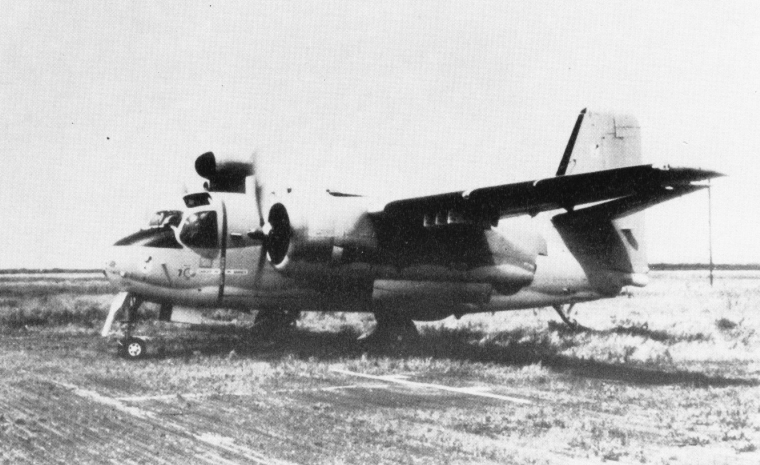
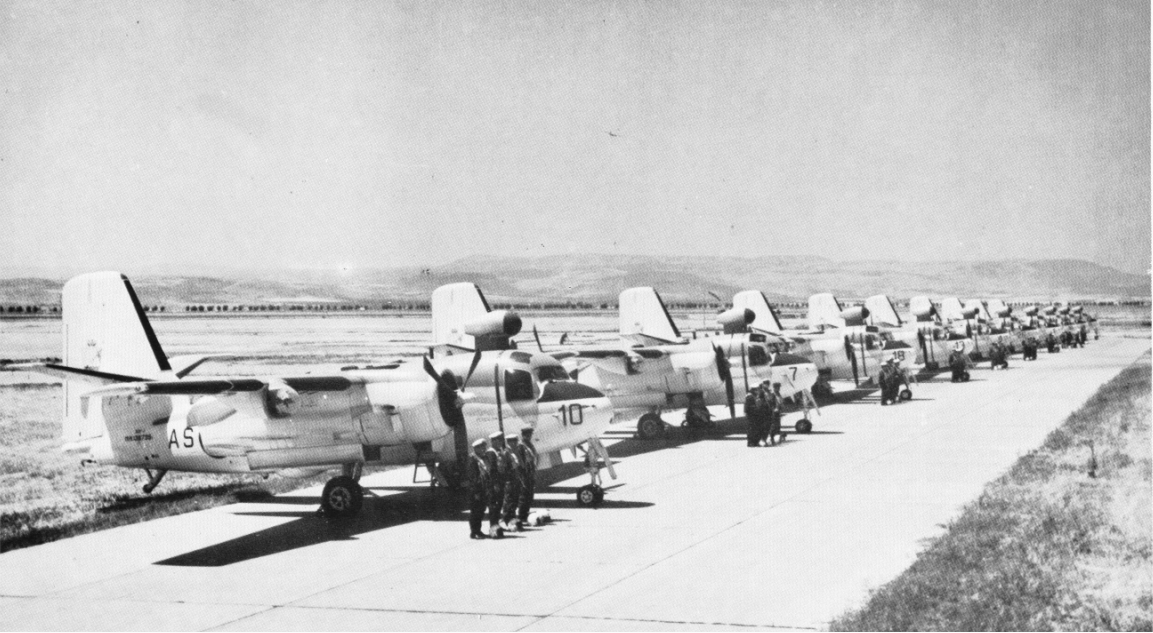
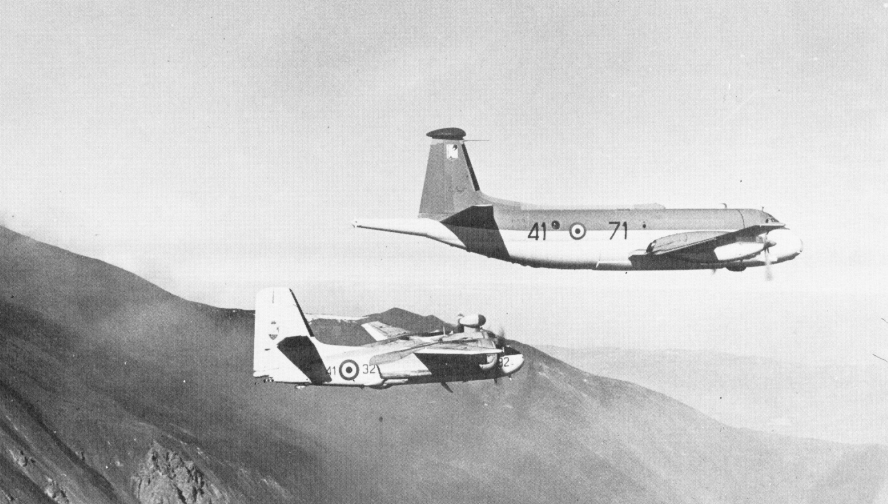
Italy received the S2F to replace the ageing Lockheed PV-2 Harpoon. The first Italian aircraft arrived in 1957 at the 86th Anti-Submarine Group at Naples-Capodichino, introducing a much more modern approach to maritime patrol. The Tracker was easier to handle at low altitude and was equipped with more advanced anti-submarine systems, allowing its crews to search large areas of sea more effectively.
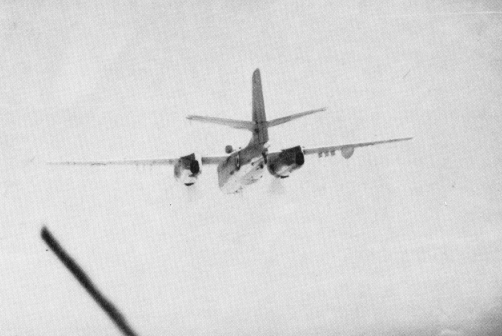
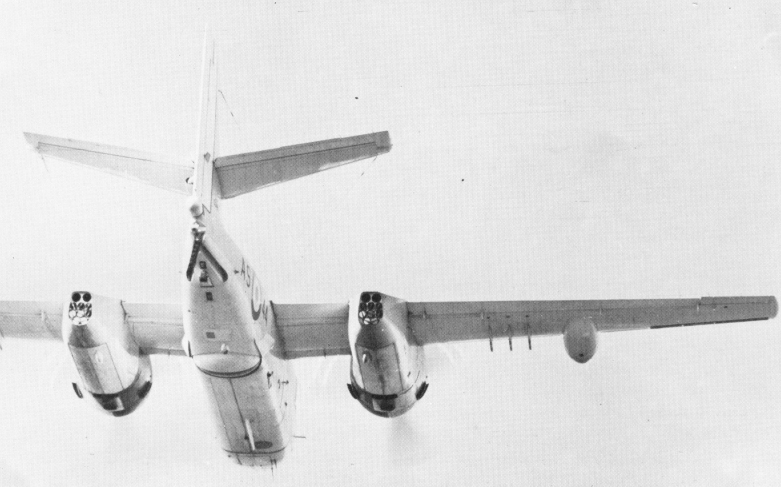
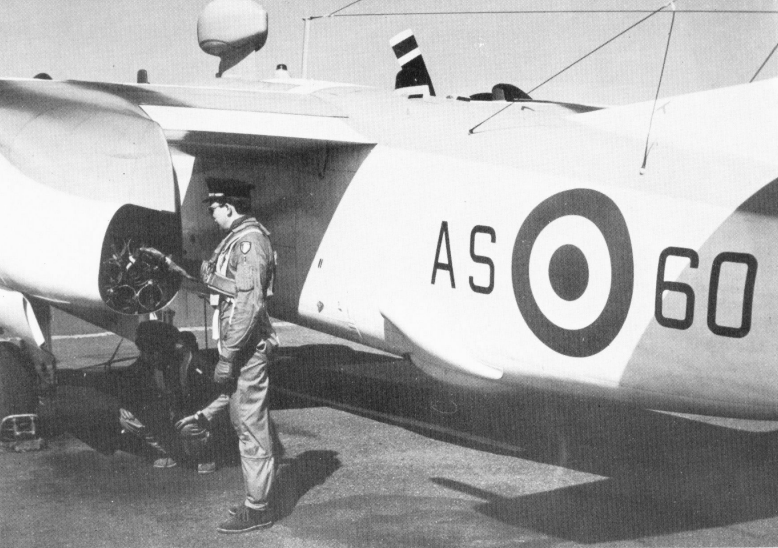
The aircraft was powered by two Wright R-1820 radial engines and had a high-wing configuration, giving it good visibility and stability during long patrols. Its internal weapons and equipment bays could carry anti-submarine weapons and sonobuoys, while the onboard sensors allowed the crew to locate and follow submarines without having to rely only on visual detection.
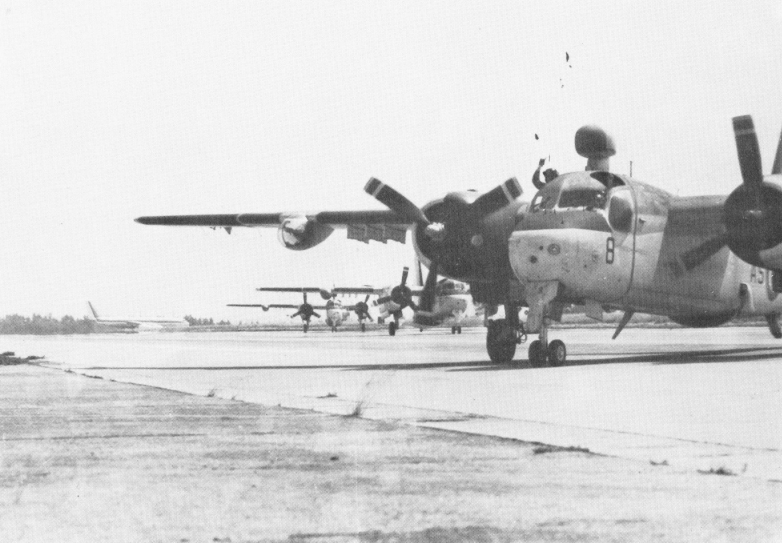
Italian S2Fs regularly operated together with the Marina Militare, taking part in patrols, submarine searches and national and NATO exercises. Crews had to become familiar with new electronic equipment and increasingly sophisticated anti-submarine tactics, making the Tracker an important step in the development of Italy’s ASW capability.
The S2F remained in Italian service for more than twenty years and became one of the country’s main anti-submarine aircraft. From the 1970s it was gradually replaced by the larger and more capable Breguet 1150 Atlantic. Despite being a relatively small aircraft, the Tracker played a major role in modernizing Italian maritime patrol aviation and preparing crews for the much more advanced systems that followed.
Specifications
Empty weight: 7,873 kg
Weight at maximum load: 11,113 kg
Wingspan: 21.24 m
Total length: 12.88 m
Total height: 4.96 m
Wing area: 45.10 m2
Engines: 2x Wright R-1280-82 (1525 hp)
Maximum speed: 439 km/h
Minimum speed: 128 km/h
Maximum ceiling: 6,400 m
Autonomy: km. 2,090 (long range)
Crew: 4 members (1st and 2nd pilot, radar and sonobuoy operator, ECM and MAD operator)
Armament
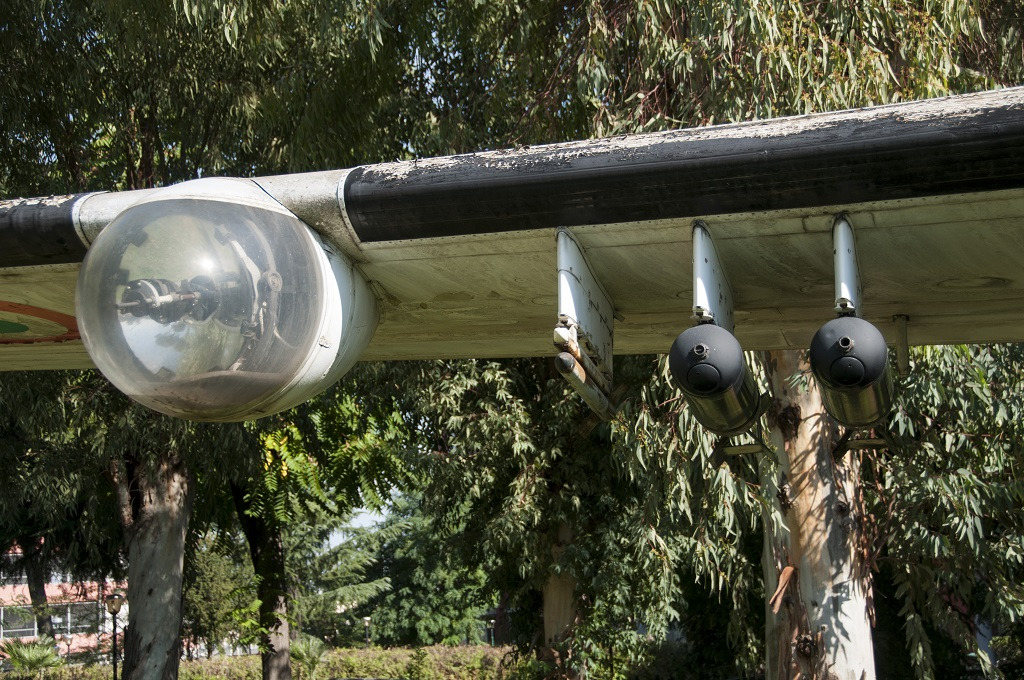
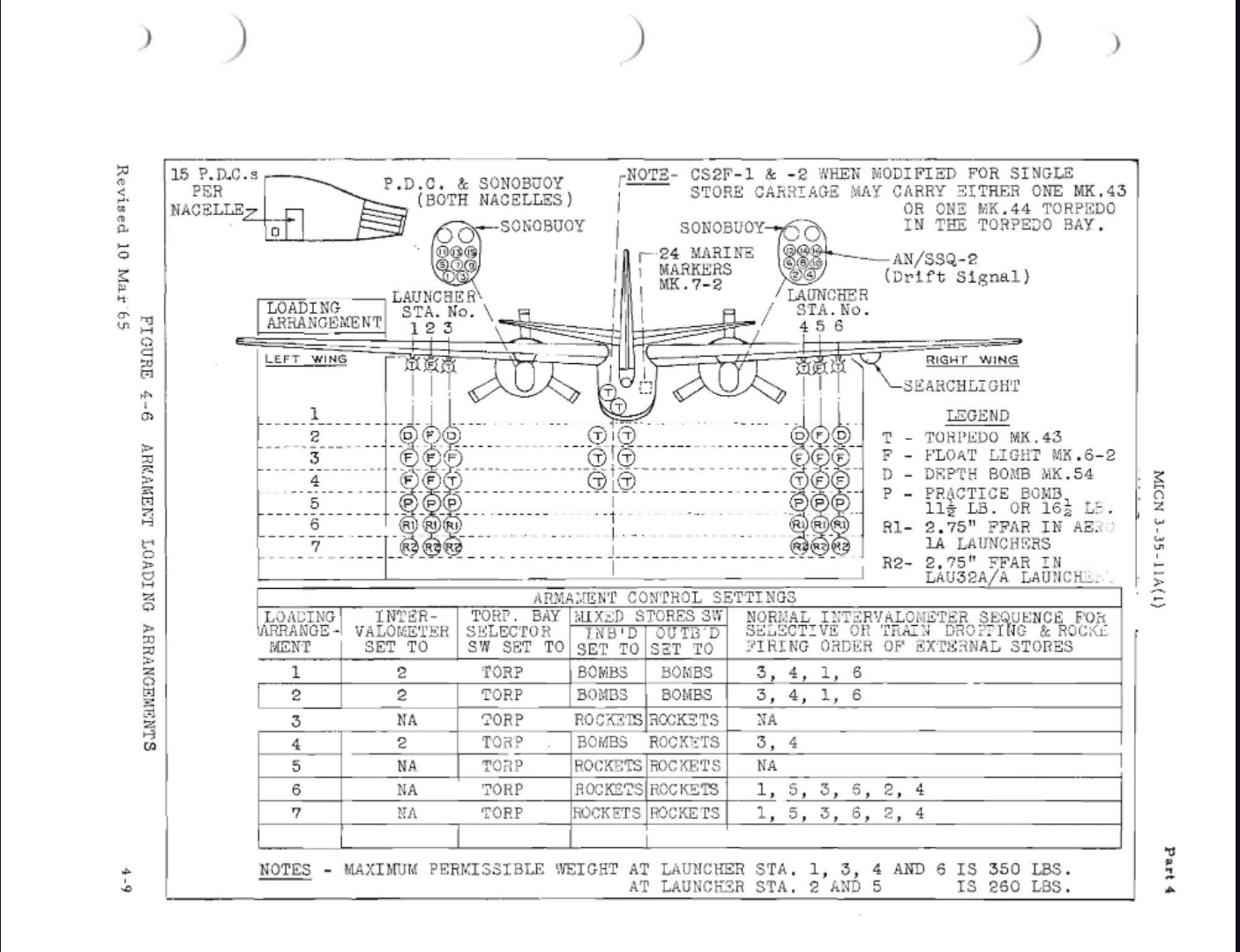
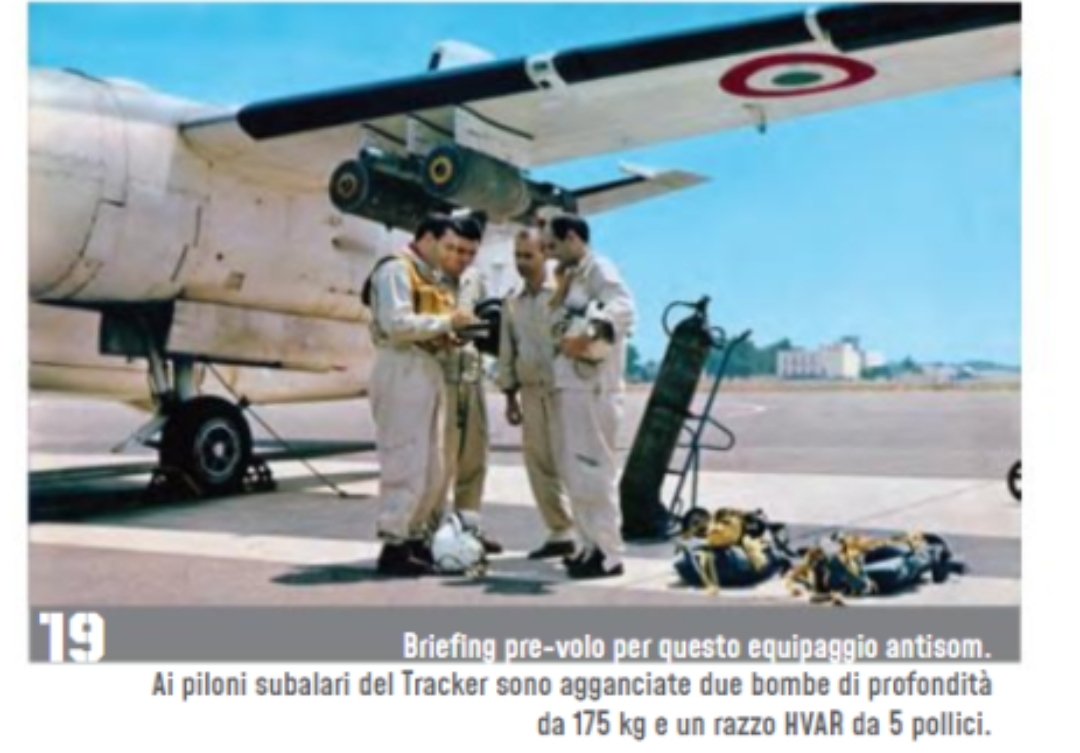
1380 kg of various ordinance (in the bomb bay in the fuselage and in underwing beams).
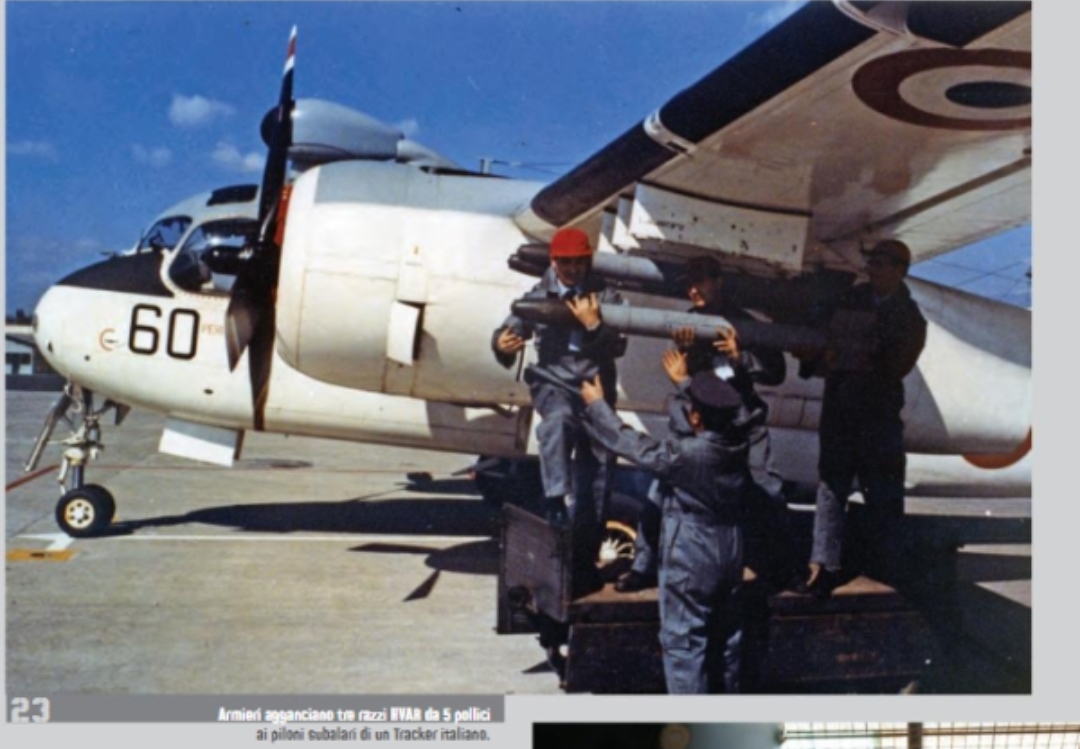
127 mm rockets on the wing pylons.
Sonobuoys behind the engine.
Six pylons and 1 internal weapon’s bay.