Would you like to see Type 69-QM2 in-game?
Iraqi Type 69-QM2
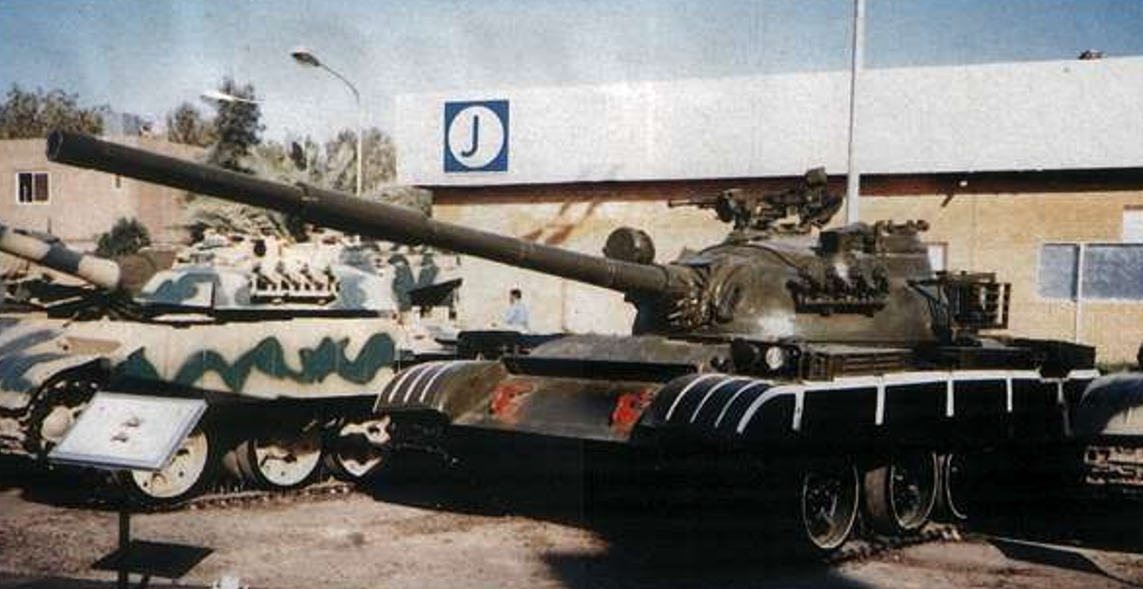
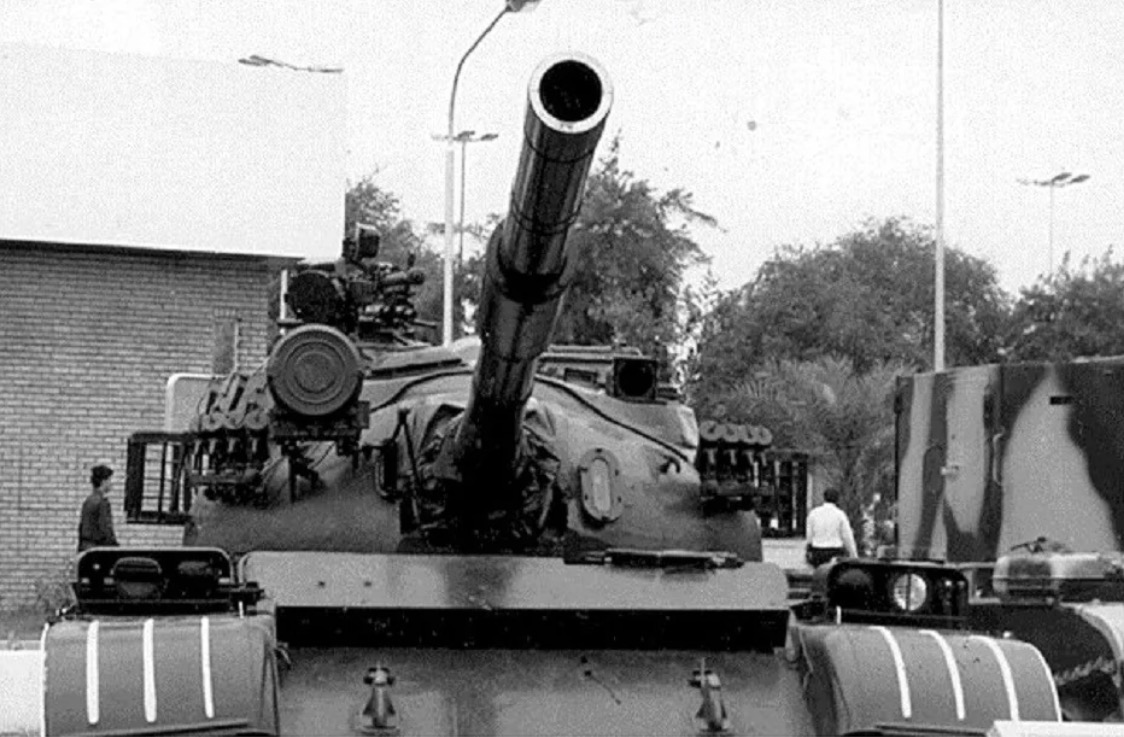
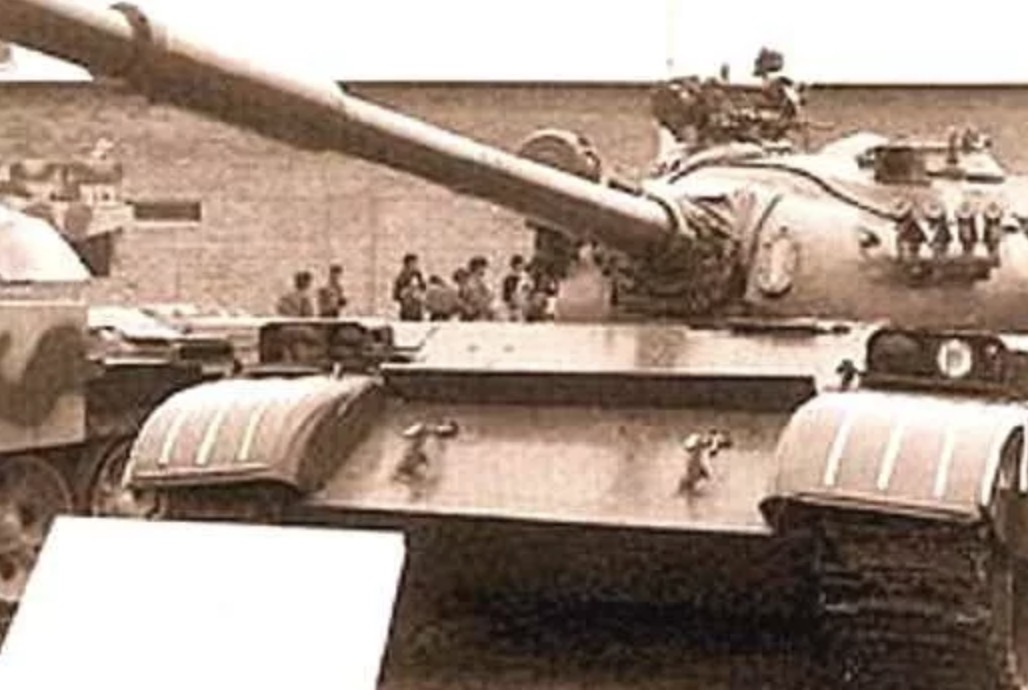
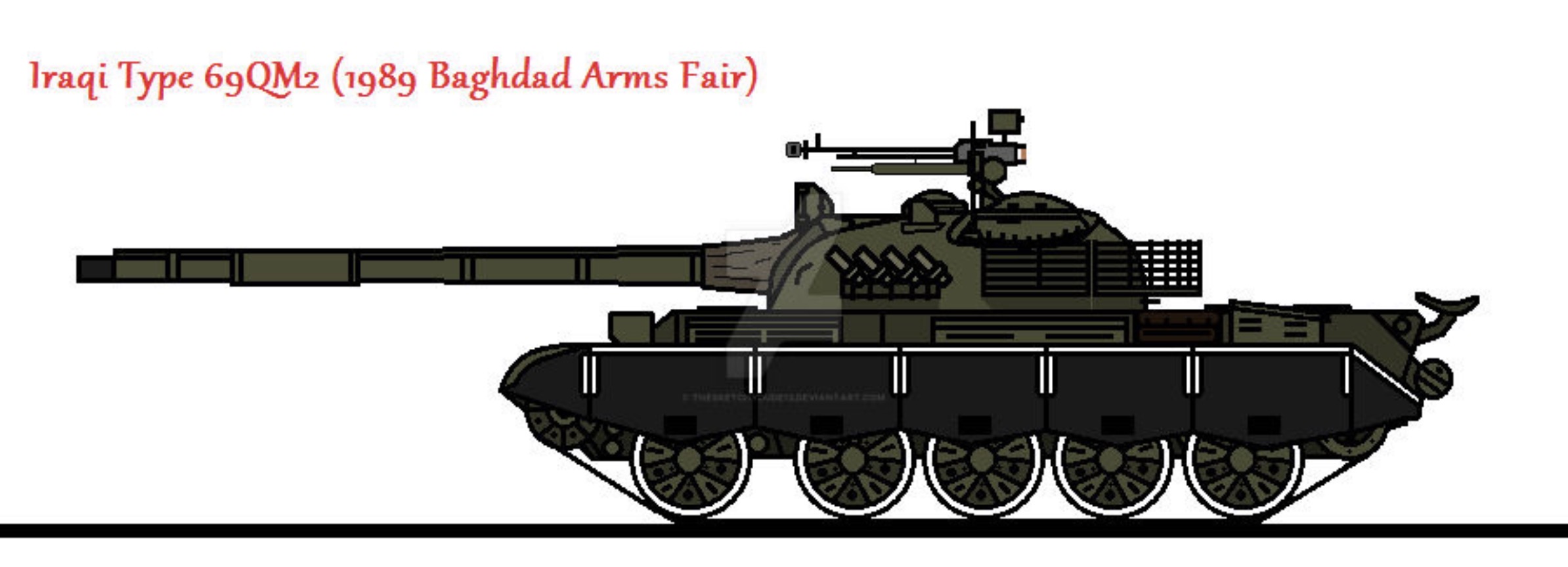
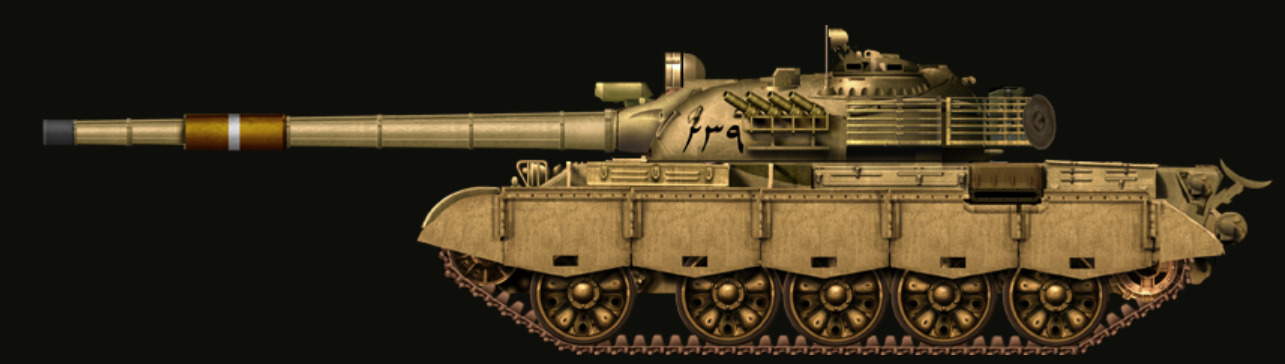
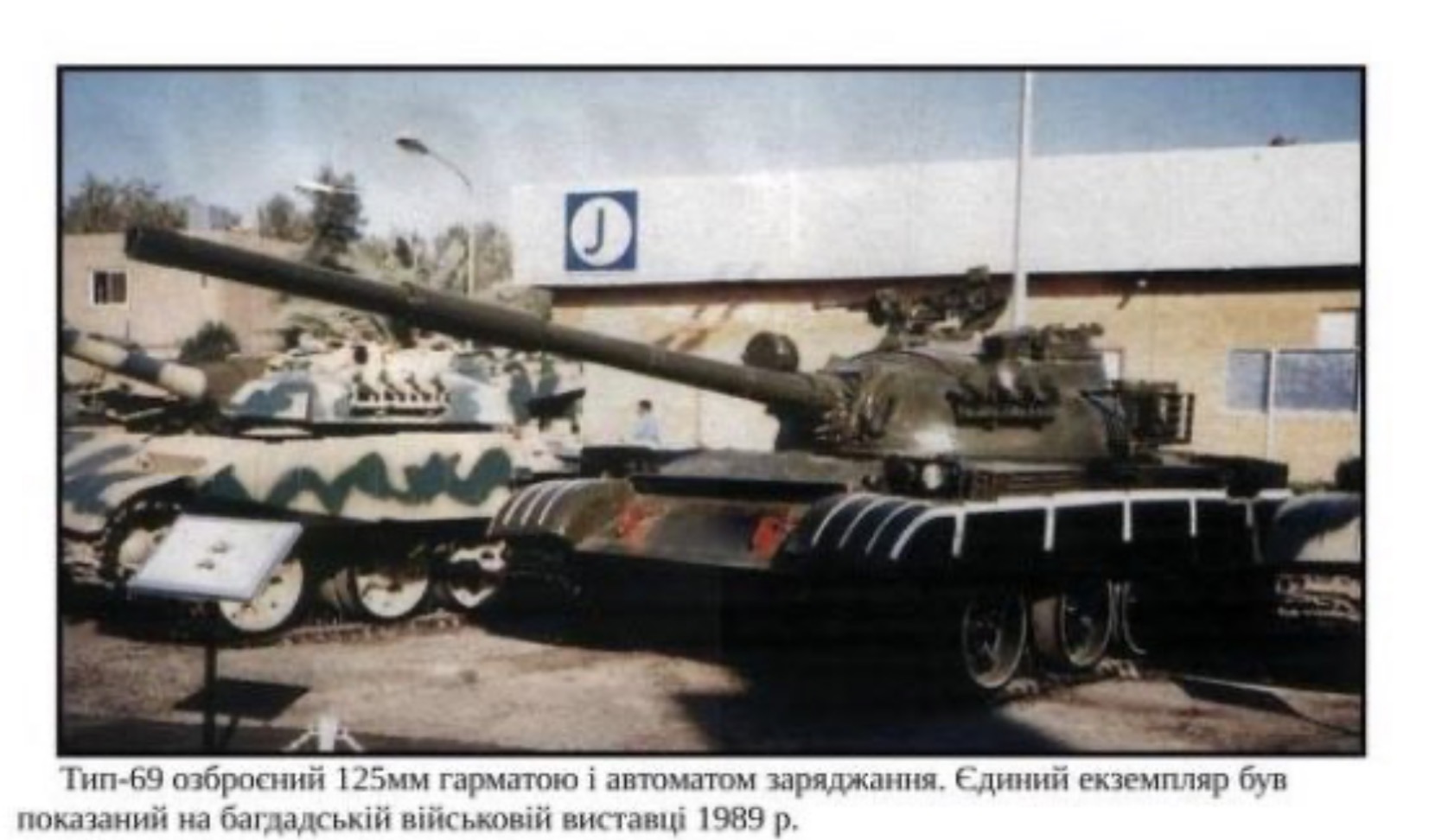
The Iraqi Type 69 fitted with a 125 mm cannon or Type 69-QM2 was an experimental attempt to combine the inexpensive and widely available Type 69 chassis with the greater firepower of the T-72M1. The vehicle was publicly displayed in Baghdad in 1989. It is reported to have been fitted with a Chinese 125 mm cannon and automatic-loading system taken from a T-72M1. This represented a major increase in firepower over the standard Type 69-II, which normally carried a manually loaded 100 or a 105 mm cannon.
Although China had attempted a similar 125 mm upgrade (Type 69-IIA (125 mm)), the project was not particularly successful and, crucially, did not include an autoloader. The Iraqi conversion therefore represented a more complete realization of the concept, reportedly developed with Chinese technical assistance.
While the Enigma (seen on the left there) usually takes the spotlight as Iraq’s strangest and most recognizable tank upgrade, this Type 69 deserves attention as well, especially if all of its reported modifications were genuinely installed and functional. Should Iraq ever be represented in War Thunder, this unusual Type 69 conversion should certainly be given a place.
History
Spoiler
Iraq introduced the Type 69-II during the Iran–Iraq War, purchasing large numbers from China to replace combat losses and expand its armoured formations. Its close relationship to the Type 59, T-54 and T-55 made it relatively easy for Iraqi crews and maintenance units to operate. The tank remained in service after 1988, seeing further use during the 1991 Gulf War and surviving in diminishing numbers until the 2003 invasion.
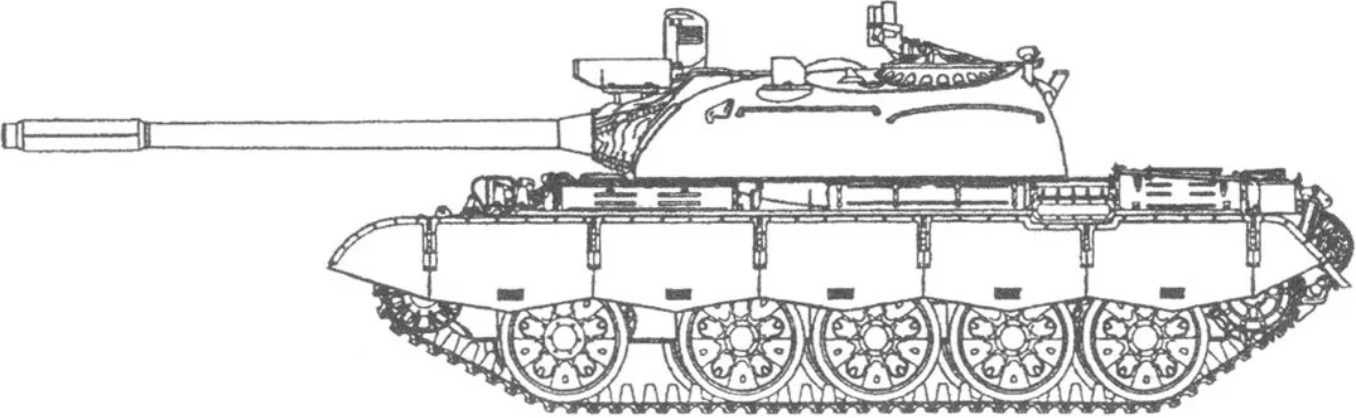
The schematic depicts a basic Type 69, without the turret slat armour or smoke grenade launchers.
Iraqi Type 69s appeared with a wide range of equipment and upgrades compared to the base T-54/55s. Most Type 69s carried rubber side skirts, turret-mounted slat protection, smoke grenade launchers and two-plane gun stabilisation, while better-equipped examples received laser rangefinders and improved fire-control systems. Iraqi workshops also fitted armoured guards around the infrared projectors and added appliqué plates to the glacis of some vehicles. Despite these changes, the Type 69 retained the basic protection, mobility and more importantly firepower of its older T-54/55-derived design. The purpose of the Type 69-QM2 experiment was to address precisely this limitation.
Type 69-QM2 In-depth
Spoiler
To begin with, very little is known with certainty about this modification beyond the fact that it was an Iraqi Type 69 fitted with a 125 mm gun. Several sources provide additional details, although much of this information remains difficult to verify. Most notably, the vehicle is reported to have used a T-72 “АЗ” autoloader, reducing the crew from four men to three, with its ammunition stored entirely within the loading mechanism. It also appears to have featured a shell-ejection port and an enlarged turret rear, probably required to accommodate the larger weapon and its associated equipment.
The tank is also said to have retained two-plane gun stabilization and to have received a laser rangefinder. However, the externally mounted rangefinder normally seen above the gun on Type 69-IIs is absent from the known photographs. When China developed its own 125 mm-armed Type 69 prototype, the sighting equipment was modified to suit the new weapon. It is therefore possible that the Iraqi vehicle used a similar optic, perhaps a Chinese import, although whether this system incorporated an internal laser rangefinder I can not confirm.
The exact ammunition capacity is unknown, as it is unknown whether the tank carried any reserve ammunition outside the autoloader. However, the 125 mm ammunition available to Iraq in 1989 would have provided it with some of the most effective anti-armour firepower in the Iraqi inventory.
The commander’s position appears to have been moved to the right side of the turret (formerly occupied by the loader) , with his infrared projector relocated accordingly. This is the biggest piece of evidence we have confirming that the tank actually received an autoloader. Subsequently, the commander now controls the DShK heavy machine gun, although the weapon was likely operated externally, requiring the commander to expose himself.
Despite its improved firepower, the conversion retained the basic Type 69 hull and much of its original protection. Its armour would therefore have remained significantly weaker than that of a T-72M1. Reports sometimes associate the vehicle with additional glacis armour, but it is uncertain whether the displayed prototype carried the same armour package fitted to some other Iraqi Type 69s. I can not tell if the tank was fitted with an appliqué armour plate on the glacis, based on the available photographs. What can be confirmed is the presence of smoke grenade launchers, rubber side skirts, and a “boom shield” or slat-armour structure around the rear half of the turret, which may also have served as an external equipment basket. The tank’s infrared projectors lack the armoured anti-shrapnel shields fitted to some other Iraqi tanks.
The standard Type 69-II used a 580 horsepower diesel engine. The heavier gun, autoloader, ammunition and internal modifications would probably have increased the vehicle’s weight and placed slight additional strain on the engine, gearbox and turret mechanism. No reliable figures are available for its final weight, speed or power-to-weight ratio.
125 mm Type 69-QM2 — Specifications
Spoiler
Designation: Commonly called Type 69-QM2
Country: Iraq
Chassis origin: China
Status: Experimental prototype or demonstrator
Public appearance: Displayed in Baghdad in 1989
Production: No confirmed serial production
Operational service: Unconfirmed
Crew: Reportedly 3
Crew positions: Commander, gunner and driver
Commander’s position: Right side of turret
Loader: Replaced by automatic loading system
Main armament: 125 mm smoothbore gun
Probable gun family: Soviet 2A46/D-81 family
Loading system: T-72M1-style carousel autoloader
Ready ammunition: Probably 22 rounds
Reserve ammunition: Unknown
Estimated rate of fire: Approximately 6–8 rounds per minute
Ammunition types: APFSDS, HEAT-FS and HE-fragmentation
Gun stabilisation: Two-plane
Gun elevation: Unknown
Gun depression: Unknown
Coaxial weapon: One 7.62 mm machine gun
Roof weapon: One 12.7 mm DShK or Chinese Type 54 heavy machine gun
Bow machine gun: Removed
Machine-gun ammunition: Unknown
Fire-control system: Exact unknown
Gunner’s sight: Modified for the 125 mm gun
Laser rangefinder: Claimed but unconfirmed
External laser rangefinder housing: Not visible in available photographs
Night-fighting equipment: Active infrared equipment retained
Infrared-projector shields: Not fitted
Turret: Modified Type 69 cast turret
Turret rear: Reportedly enlarged
Shell-ejection port: Reportedly fitted
Smoke grenade launchers: Fitted
Rubber side skirts: Fitted
Slat armour or equipment baskets: Fitted around the turret rear
Hull construction: Welded steel
Turret construction: Cast steel
Upper glacis armour: Approximately 100 mm on the standard Type 69
Maximum turret armour: Approximately 200 mm on the standard Type 69
Additional glacis armour: Cannot be confirmed
Engine: Chinese 12150L-7-series V-12 diesel
Engine power: Approximately 580 hp
Transmission: Manual
Gears: Five forward and one reverse
Suspension: Torsion bar
Standard Type 69-II weight: Approximately 36.5–36.7 tonnes
Prototype weight: Unknown
Standard maximum speed: Approximately 50 km/h
Standard road range: Approximately 420–440 km
Standard hull length: Approximately 6.24 m
Standard width: Approximately 3.30 m
Standard height: Approximately 2.80 m
Overall length with gun: Unknown
Ground clearance: Approximately 0.42 m
Trench crossing: Approximately 2.7 m
Vertical obstacle: Approximately 0.8 m
Fording depth: Approximately 1.4 m
Sources
Spoiler
Китай приобрел опыт модернизации старых танков, помогая Саддаму Хусейну
Iraqi Tanks & AFVs 1930-today
Type 69 (Iraqi) - Photos & Video - NET-MAQUETTES
https://www.reddit.com/r/Warthunder/comments/uw8gxr/type_69_main_battle_tank_history_variants/?solution=4f5763d9b7a8ff404f5763d9b7a8ff40&js_challenge=1&token=7afd7253fec22262ff1c52b1703fe9ecab9191010a036d01285698c5710a3349&jsc_orig_r=