Intro:
Yo! We’ve conquered the air and the economy, but now it’s time to head into the concrete jungle. Urban combat is where infantry truly shines, but “concrete boxes” won’t cut it. To make War Thunder cities feel alive and dangerous, we need deep interaction with the environment. Here is my deep dive into Urban Combat and Micro-Destruction.
- The “Breaching” Mechanics
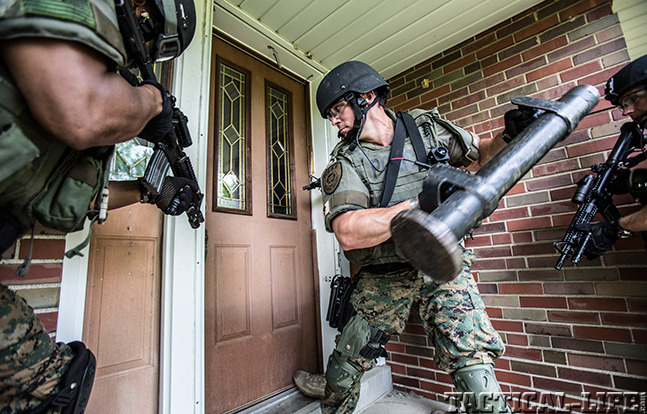
In real life, a door is just an obstacle, not an unbreakable wall. I propose that infantry should be able to “breach” doors.
Tactical Entry:* Kicking a door open (loud) vs. opening it slowly (quiet).
Explosive Entry:* Using a shotgun or a small C4 charge to blast a door open, disorienting anyone inside. This would make room clearing a high-adrenaline experience like in Ready or Not.
- Bullet Penetration (Material Physics)
Wooden doors, thin drywall, and furniture shouldn’t be “bulletproof.” High-caliber rifle rounds (7.62mm and up) should be able to penetrate interior walls. This changes the game: you’re never 100% safe behind a thin wall, forcing you to find “hard cover” like brick or concrete.
- Destruction from Tank Shells
If a tank fires a HE (High Explosive) shell into a building, it shouldn’t just be a “hit marker.” It should create a hole in the wall.
- New Pathways: These holes can become new entry points for infantry.
- Structural Damage: If a corner of a building is destroyed, the debris should create new “natural” cover on the street.
- Micro-Destruction of Interiors
Everything inside the room should react to combat.
Furniture:* Tables, chairs, and cabinets should splinter and break under fire.
Glass:* Windows should shatter realistically, and the sound of walking on broken glass should демаскировать (reveal) your position to enemies.
Dust and Smoke:* After a grenade blast or a tank shot, the room should fill with thick dust for 10-15 seconds, making it impossible to see without thermals.
- Verticality and Rooftops
Cities aren’t just 2D. We need access to multiple floors, balconies, and rooftops.
Snipers:** Rooftops are a sniper’s dream, but they are also vulnerable to air strikes and drones.
Rappelling:** Imagine being able to rappel down from a roof to surprise an enemy on the 2nd floor. This adds a whole new dimension to urban tactics.
- Underground Passages (Sewers and Basements)
On some urban maps, we could have basements or sewer tunnels that connect different buildings. This allows infantry to move across the map without being spotted by tanks or planes. It’s a “cat and mouse” game beneath the streets.
- Fortifying Urban Positions
As an Engineer, you should be able to “barricade” a window with wooden planks or metal sheets. It won’t stop a tank, but it will make it much harder for enemy snipers or drones to see you inside.
- Interactive Light Sources
In night urban battles, you should be able to shoot out street lamps or indoor lights to hide in the darkness. This forces the enemy to use flashlights or NVGs, which reveals their own position. Tactical lighting is key!
- Mouse-Holeing (The Ultimate Tactical Move)
This is a real-world tactic where infantry blows holes in interior walls to move from house to house without ever stepping onto the dangerous street. If we can do this in War Thunder, it will be the most advanced urban sim on the market.
- The Sound of the City
Urban echoes are unique. A gunshot in a narrow alley should sound different from a shot in a large hall. This “Audio immersion” helps you locate enemies by the way their shots bounce off the buildings.
Conclusion:
Urban combat shouldn’t be about who has the bigger gun, but who uses the environment better. If we add these micro-destruction and breaching mechanics, War Thunder cities will become a tactical masterpiece. What do you think about the “Dust after explosion” mechanic? Would it be too annoying, or does it add to the realism?