USS South Dakota
- Introduction:
- This suggestion is about the introduction of independent elevation behaviour following individual cannon damage.
- Certain turrets either had linked, or independent elevation on each cannon. In-game every cannon is linked, meaning even if 2/3 of the cannons in the turret are knocked out, they still elevate with the last cannon.
- This suggestion only applies to ships that had this feature in the turret housing.
- For simplicity, this suggestion uses “three gun turret” to describe turrets with independently elevating guns, and “triple gun turret” to describe turrets whose guns share a common elevation mechanism. These are descriptive terms for this suggestion, as terminology and mounting arrangements vary between navies.
- Gameplay:
- If one or more of your cannons inside the turret are crippled (black), they will remain at the elevation they had at the moment of their destruction.
- The rest of the functional barrels will behave as they currently do in-game, once the damaged barrels are fixed, they will elevate to the player’s current aiming elevation.
- No changes will be done to the functional cannon’s behaviour.
- Historical Background:
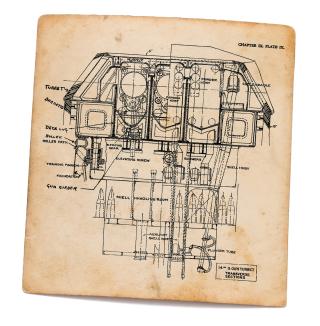
- The first US ship to receive Three Gun turrets was the Pennsylvania-class. The Three Gun turret design was more complicated than a Triple Gun turret design due to each cannon having its own elevation mechanism independent from the others.
- Independent elevation also offered a safety advantage. If a gun malfunctioned and required repairs during combat, its crew could work on it while the other guns continued firing. In a shared-elevation mounting, the disabled gun would continue elevating with the operational guns, making access and repairs more hazardous.
- The Triple Gun turret design was cheaper, lighter and easier to maintain but susceptible to malfunctions caused by damage that afflicted the other cannons training, while the Three Gun turret design was expensive, complicated and harder to maintain but limited damage to only one cannon at a time instead of affecting all of the cannons in the turret.
- The term Three Gun turret and Triple Gun turret only applied to batteries consisting of three cannons, two gun and quadruple gun turrets also existed but for familiarity and simplicity i will refer to the suggestion material with the three gun/triple gun turret term.
- Visual Examples:
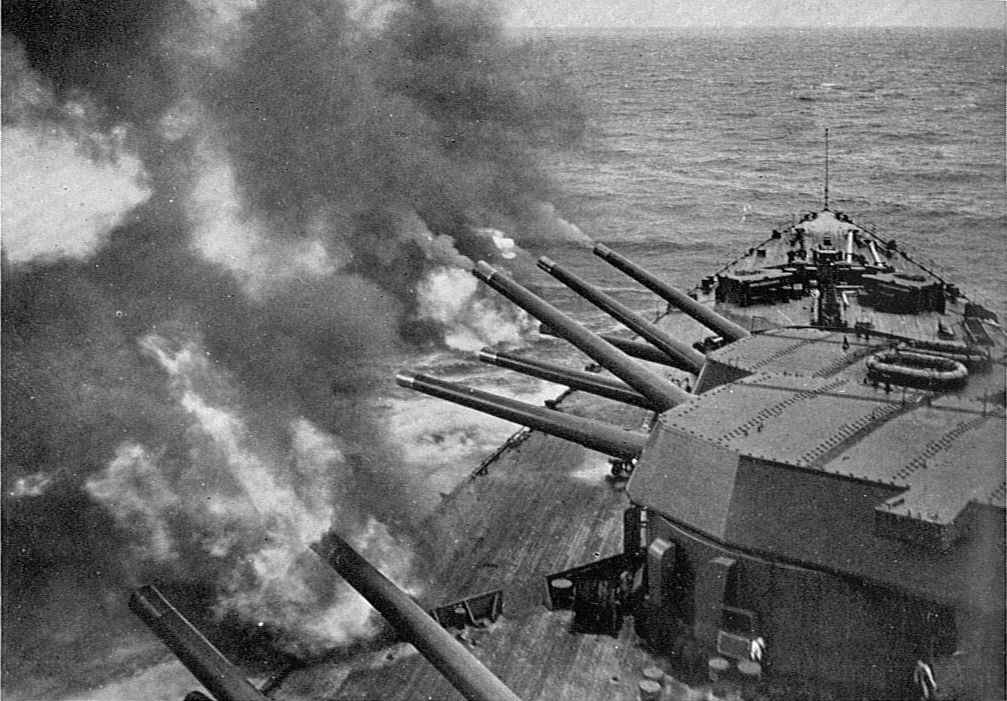
- HMS Rodney
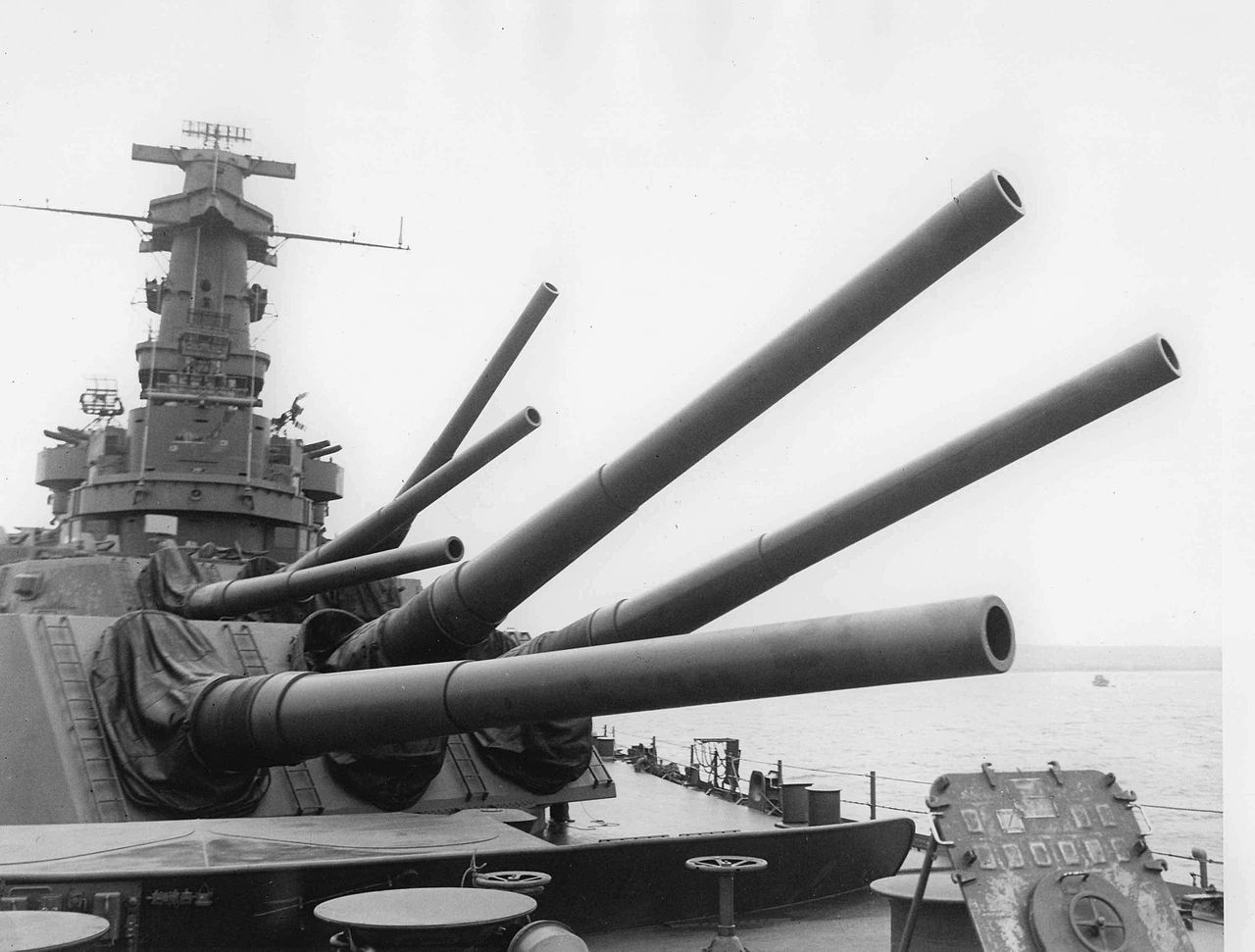
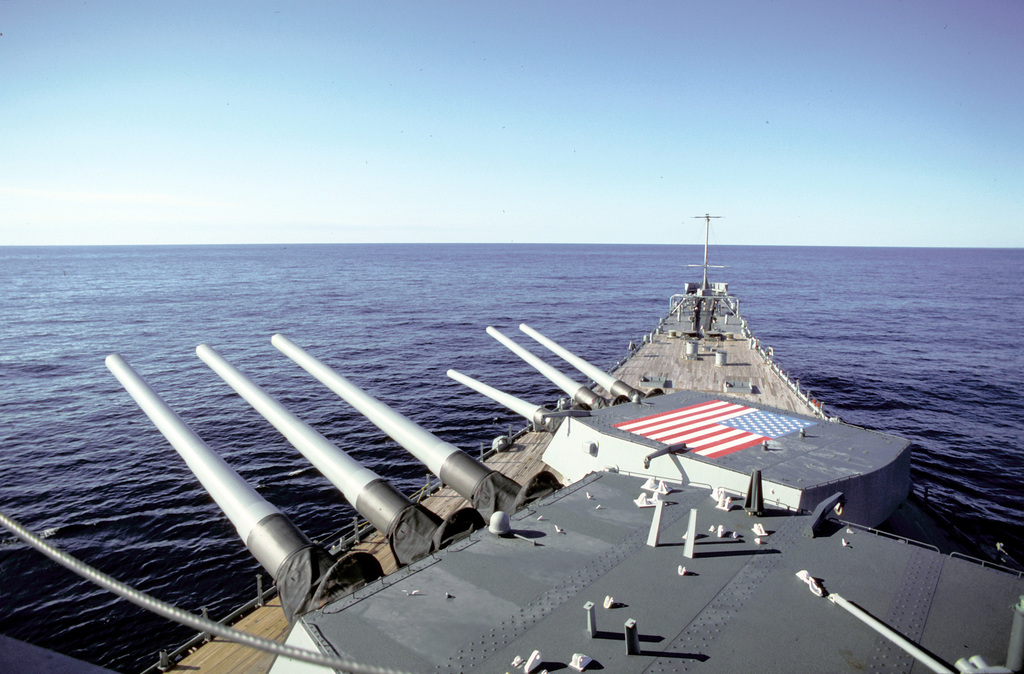
- USS Iowa
- Transverse section of possibly USS Pennsylvania’s turret.
Spoiler
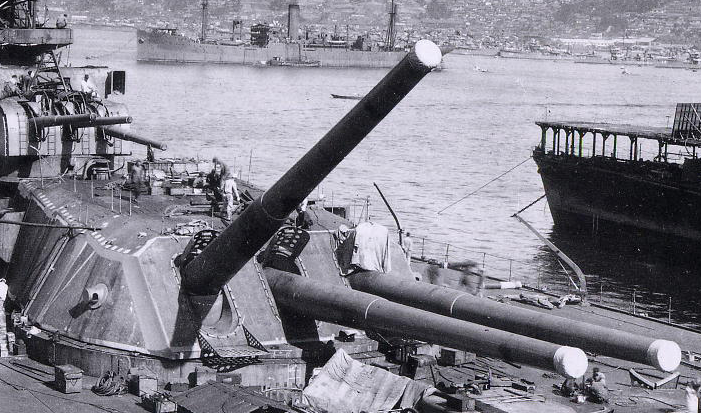
- IJN Yamato
Spoiler
- Limitations and Balance:
- There will be no changes to reload speed, crew loss, accuracy, range nor ballistic behavior.
- The feature is supposed to communicate a loss of cannon in a turret better than what we currently have.
- Cannon that has already been trained to player’s current elevation upon destruction will only display the loss of elevation mechanism when the player re-elevates or depresses the rest of the cannons.
- Additional Notes:
- Not all turrets with two or more cannons get this feature.
- The developers should give this feature to only the turrets that had this feature in real life.
- It is difficult to find pictures of known ships that display their independent cannon elevation, there are a lot of artist’s depictions of these, such as one of KMS Tirpitz but I would not use them as definitive proof of Bismarck and Tirpitz having such mechanism in their turrets.
- The reference material for this suggestion regarding Pennsylvania and description of how the three/triple gun turret designs compare are from the US Navy’s point of view, these dont necessarily apply to every other navy’s designs and reasonings behind them.
- The OP-755 — 16-Inch Triple Gun Turrets is an excellent read on this subject, displaying everything and all there is about the Three-gun turret design.
- The terms Three gun turret and Triple gun turret arent universally recognized terms, so in some situations, the Triple gun turret may be discussed as the Three gun turret.
- Sources:
Would you like to see this feature in-game?
- Yes
- No
0
voters