- Yes
- No (Explain why)
Suggestion No.108
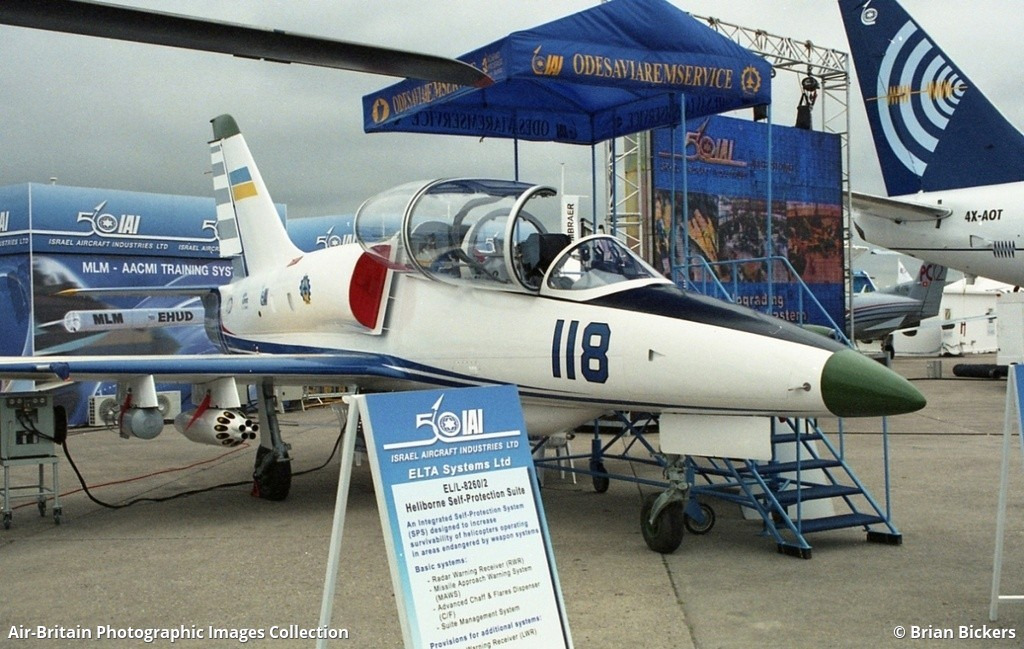
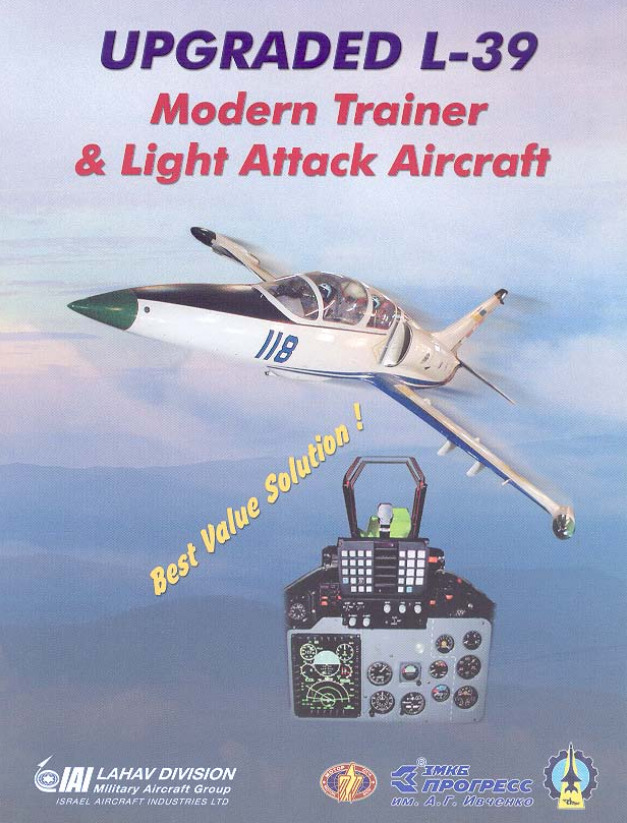
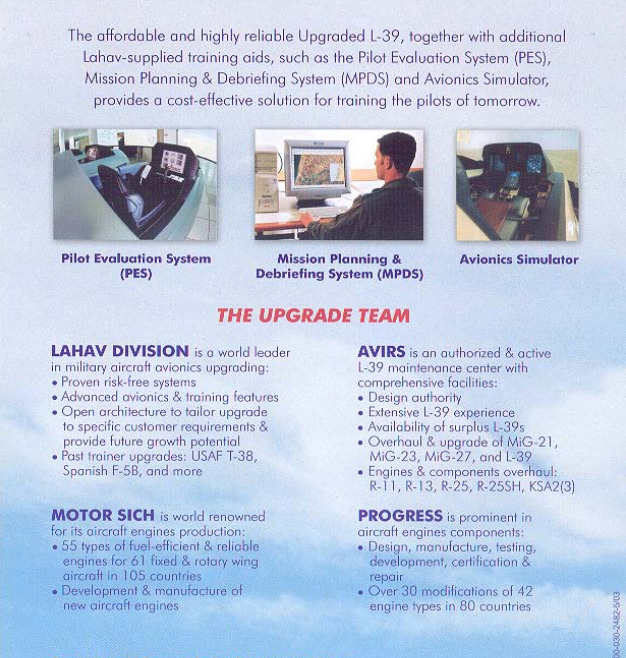
G’day lads. I want to suggest a collab modification named L-39AUP (also sometimes known as the L-39U), which was done by multiple companies, including IAI, AVIRS, Ivchenko Progress and Motor Sich :)
Description:
Spoiler
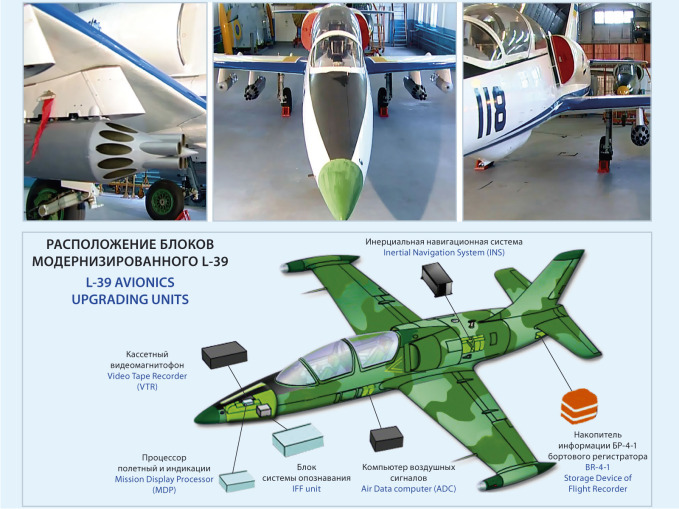
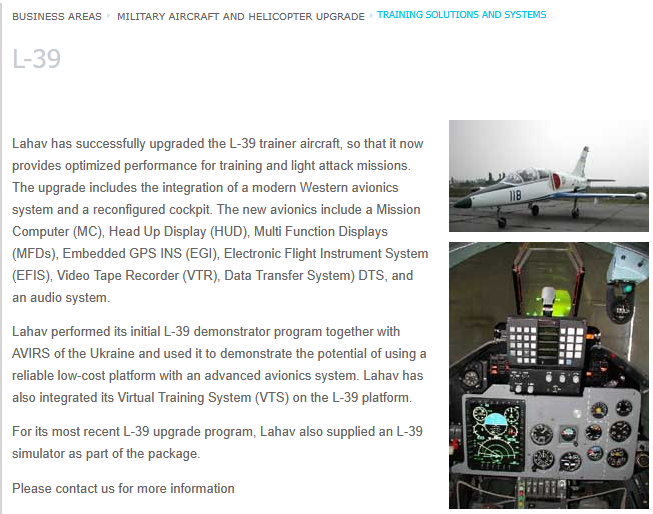
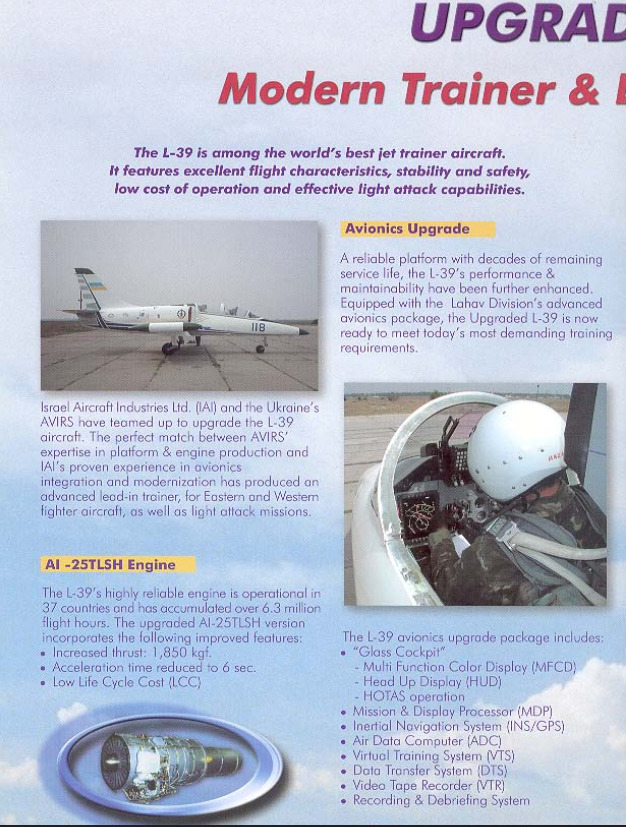
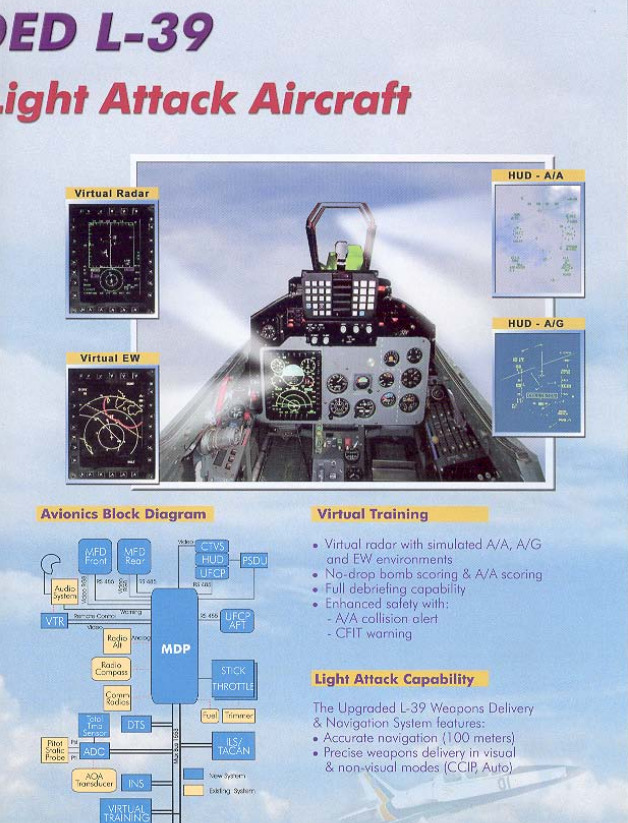
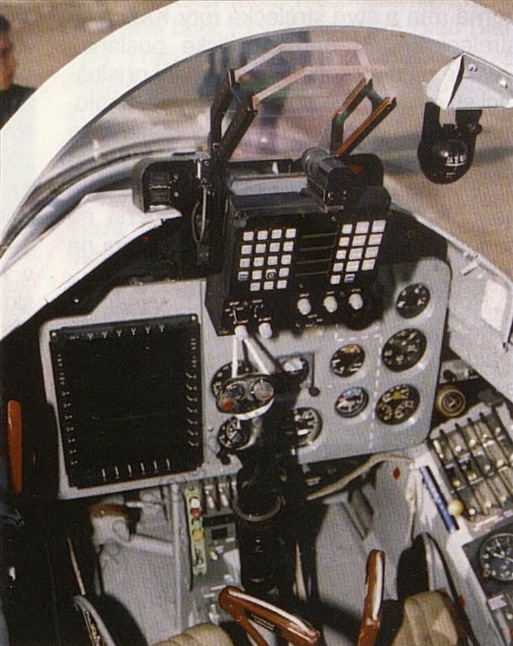
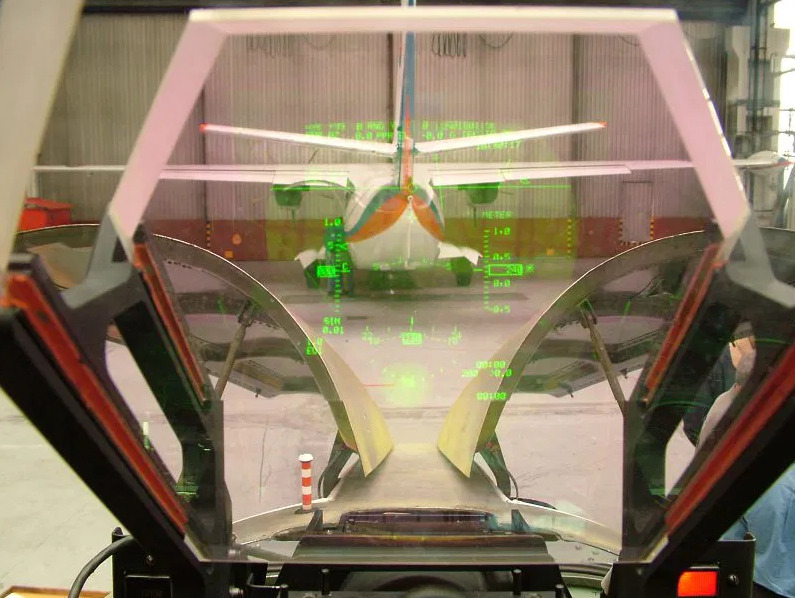
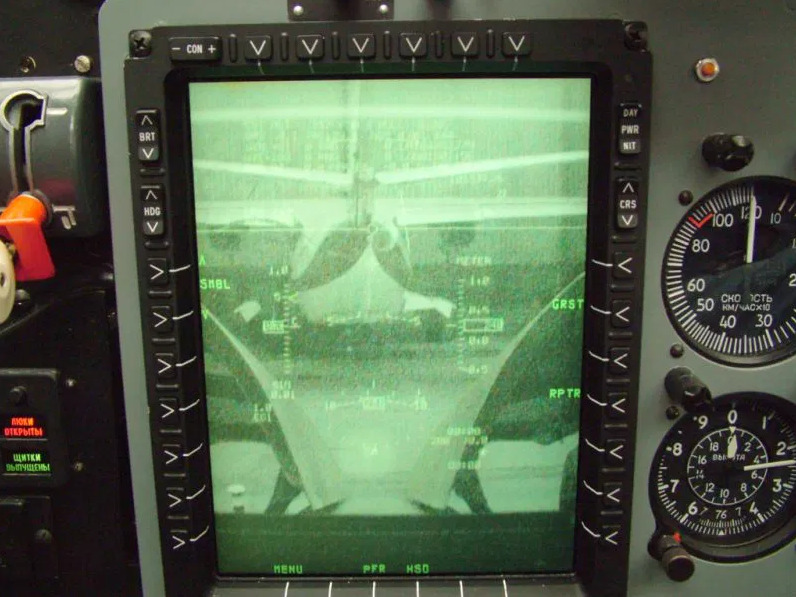
The L-39 AUP (Avionics Upgrade Programme) was a proposed modernization of the Aero Vodochody L-39C Albatros jet trainer, developed in the early 2000s through Ukrainian-Israeli industrial cooperation. The program was made in response to evolving pilot training requirements and the obsolescence of the L-39C’s original avionics in the context of 4th and 5th generation combat aircraft. The upgrade replaced the original analog cockpit with a glass cockpit featuring multifunction displays, a head up display, and HOTAS controls, supported by a new mission computer and integrated navigation system. The modernization concept included multiple upgrade levels, ranging from reliability focused partial upgrades to a fully modernized advanced trainer configuration. Embedded simulation and virtual radar functions allowed the aircraft to replicate A2A and A2G combat scenarios without the use of live weapons. Flight safety was improved through the addition of terrain collision warning systems and GPS navigation. Propulsion was provided by a modernized Ivchenko AI-25TLSH turbofan engine, offering improved thrust and operational performance. Provision was also made for expanded light attack capability, including optional gun installations, additional hardpoints, and defensive countermeasure systems.
Note: The aircraft is also sometimes known as the L-39U. The AUP name is most likely the first designation it was given before IAI left the collaboration.
History:
Spoiler
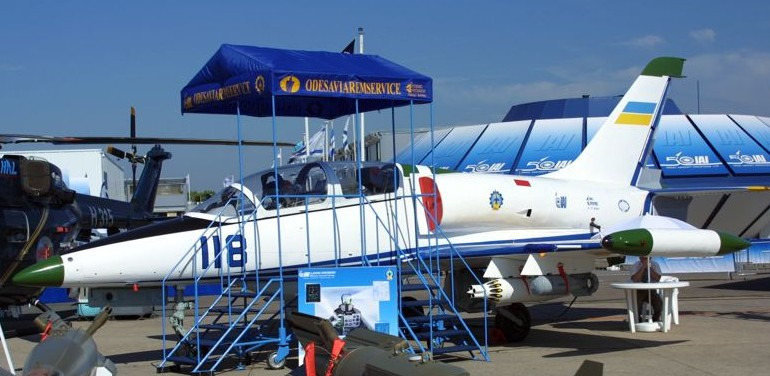
The L-39 AUP program originated from the widespread service of the Aero Vodochody L-39 Albatros, which had served for decades as the standard jet trainer of Warsaw Pact and allied air forces. By the late 90s, changes in pilot training and the introduction of 4th and 5th generation combat aircraft had rendered the original avionics and training capabilities of the L-39C increasingly obsolete, which kind of forced the need for a new modernization program. In particular, the aircraft’s instrumentation, navigation systems, and ability to simulate modern combat environments no longer met the training requirements back then.
In response, the Ukrainian Ministry of Defense tasked the Odessa based aircraft repair enterprise Odesaviaremservice (AVIRS) with developing modernization options for the aircraft. Ukrainian specialists developed their own upgrade concept for the L-39C in cooperation with Israeli counterparts from Israel Aircraft Industries (IAI), building on the existing airframe’s reliability and remaining structural life. In the early 2000s, AVIRS held a joint modernization partnership with the Ivchenko Progress engine design bureau, the engine manufacturer Motor Sich, and the Lahav Division of Israel Aircraft Industries. The program focused on the introduction of a glass cockpit, modern mission computers, embedded simulation systems, virtual radar capability, and the modernization of the AI-25 engine, creating the upgraded lead in fighter trainer designated L-39 AUP.
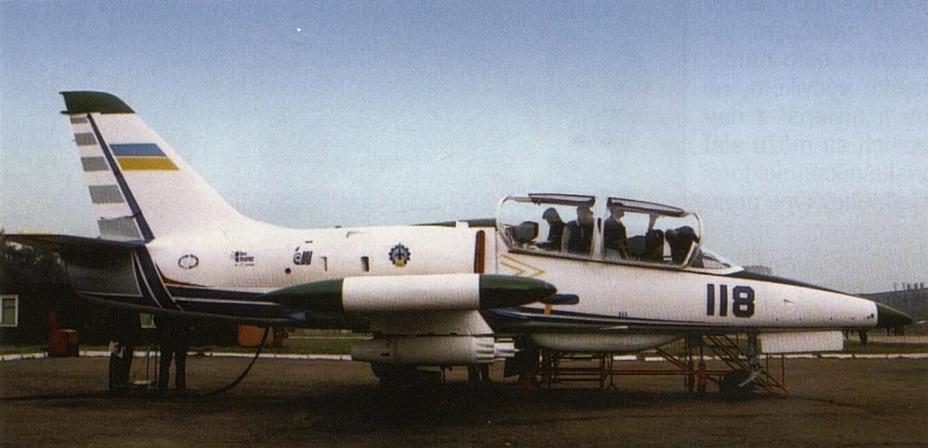
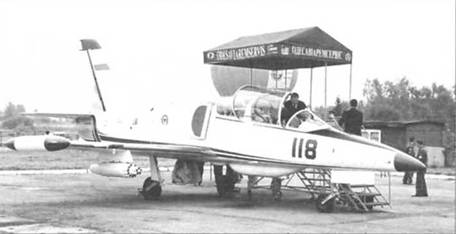
The first flight of the upgraded aircraft took place in Ukraine on 30 August 2002, followed by its public debut at the AVIASVIT XXI International Aerospace Show in Kyiv in September 2002, where it was promoted as a cost effective training platform capable of preparing pilots for both Western and Eastern modern combat aircraft. The aircraft had extensive simulation capabilities, including virtual air combat and weapon employment modes displayed through the head-up display, as well as compatibility with a wide range of simulated and real armament options. However, despite its technical success, the L-39 AUP program was subsequently abandoned by the foreign industrial partners, leading to the termination of international cooperation. Allegedly the reason was due to the Ukrainian Air Force not wanting it, as they wanted it to become export oriented later on. Although the singular prototype completed testing and generated significant interest, no production orders were ultimately received. As a result, the modernization effort continued independently within Ukraine under the leadership of AVIRS, which developed a simplified derivative known as the L-39M1. It is possible that the L-39 AUP (or L-39U) was possibly reused, as it had the number 118. Coincidentally, the L-39M1 had the same blue 118 number.
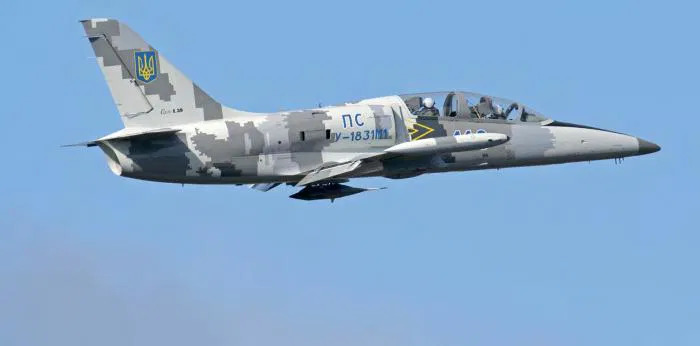
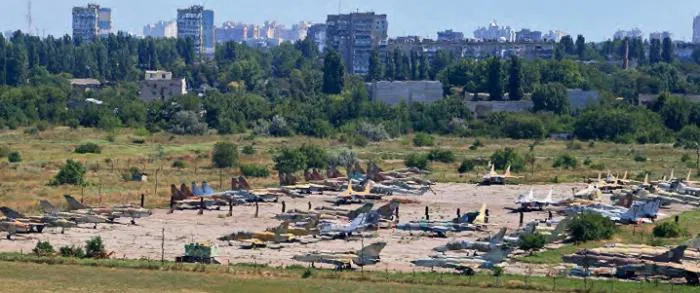
The last time the L-39 AUP/U was seen was in 2018 or so. It can be seen in the center of the photo with it’s white color.
Armaments:
Spoiler
A-12.7 12.7 mm gun pod (under-fuselage)
R-60
R-73
UB-16 rocket pods
B-8M rocket pods
Free-fall bombs (up to 100kg)
250kg bombs
UPK-23-250 gun pods
Underwing hardpoints (additional pylons)
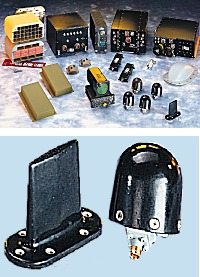
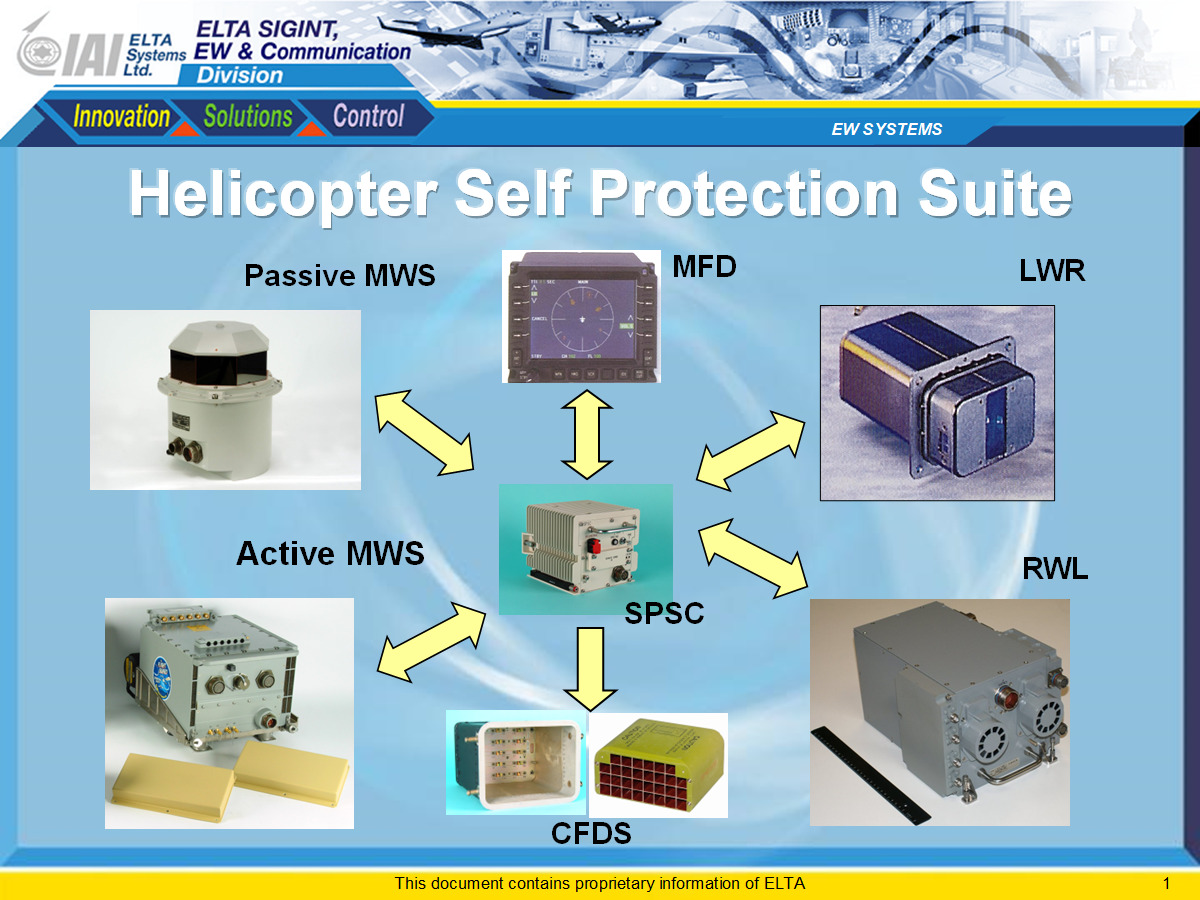
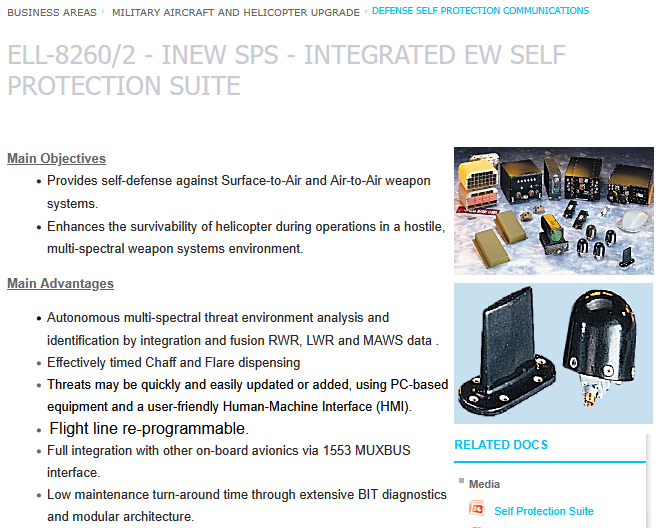
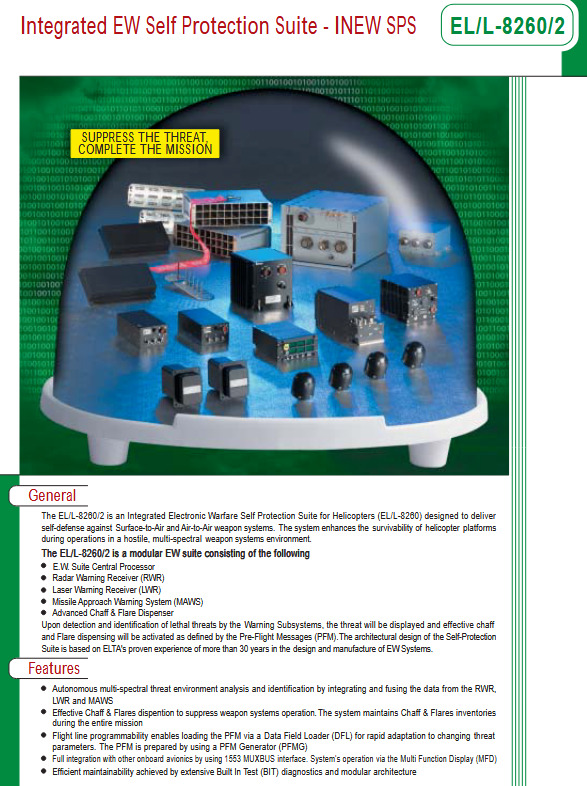
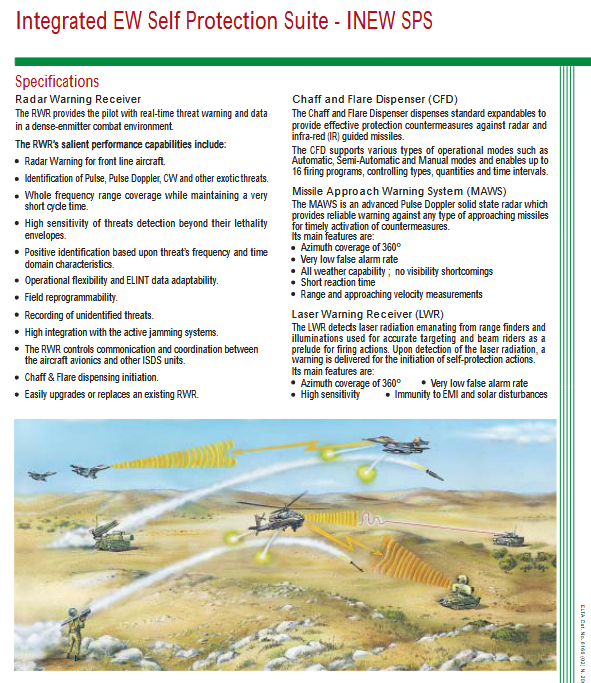
IAI Elta ELL-8260/2 Self Protection Suite (includes and pairs RWR, LWR, MAWS, multispectral threat fusion, automatic chaff & flare dispensing, programmable countermeasures, MFD threat display, MIL-STD-1553 integration, BIT diagnostics)
UV-26 Countermeasure Dispenser (Flare/Chaff Dispensers)
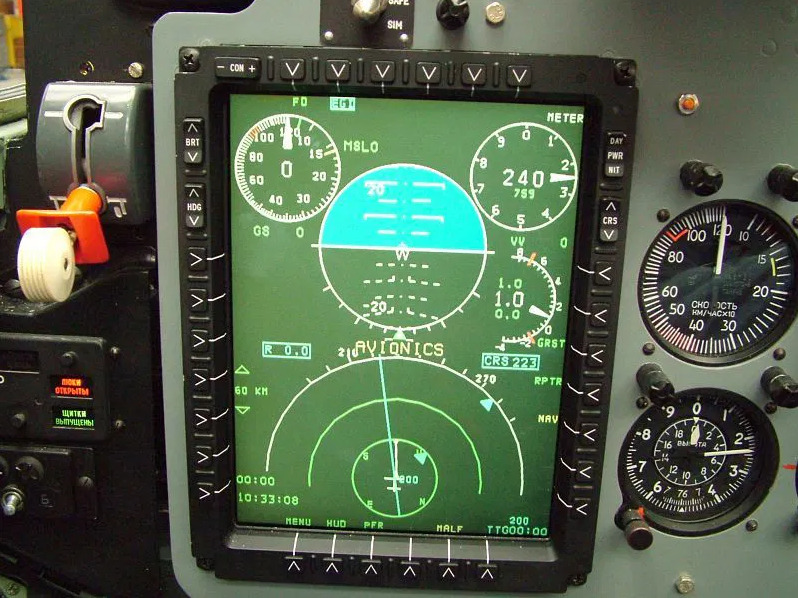
Specifications:
Spoiler
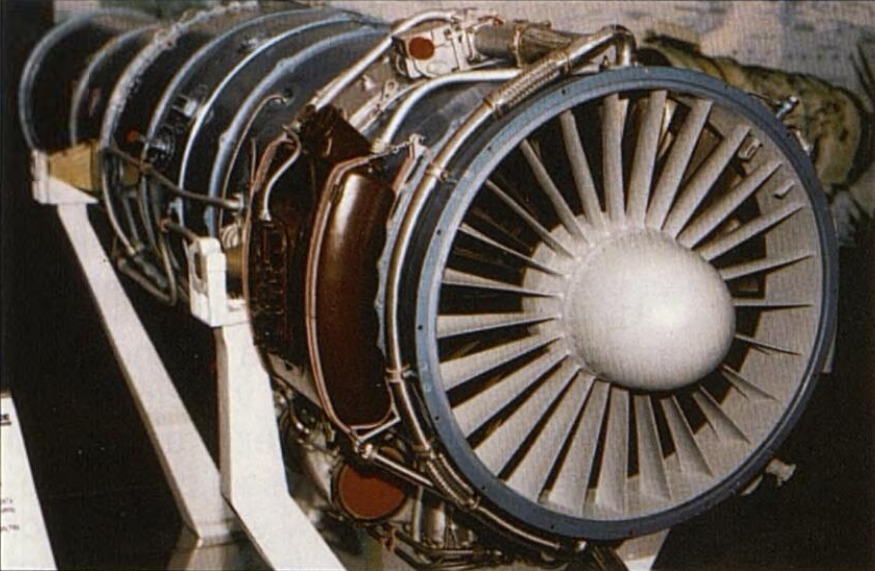
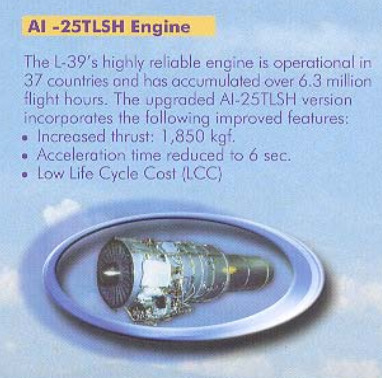
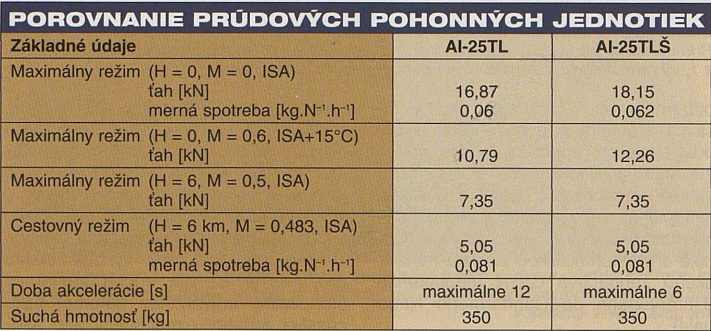
The aircraft has a length of 12.13m, a height of 4.77m and a wing span of 9.46m. It weighs around 3500kg (including the 350kg engine). It is powered by a Al-25TLSH engine, which can give out up to 1850kgf of thrust (max) or 5.05 on cruise (if I translated correctly). Fuel consumption is about 0.062 (kg x N^-1 x h^-1) at maximum. On cruise it’s around 0.081.
Sources:
Spoiler
Armáda mesačník Armády Slovenskej republiky 2002 Issue 11
IAI L-39 (AUP) brochure
IAI ELL-8260/2 brochure
https://www.airwar.ru/enc/other/l39u.html
https://hitechweb.genezis.eu/aero3.htm
https://www.keymilitary.com/article/ukrainian-albatros-additions
https://www.armedconflicts.com/Aero-L-39M1-L-39M-t110975
https://abpic.co.uk/pictures/view/1504760
https://www.key.aero/article/odessa-file
Thanks a lot for reading! If you have any extra information, then feel free to share them in the replies! As always, have a good day :)