IAF Spitfire LF Mk.IXc D.130 (Early) - The IAF’s First Spitfire
- Yes.
- No.
This suggestion is for the IAF Spitfire D.130, a hastily put together elliptical C-wing variant of the LF Mk.9 Spitfire, made from scraps of other Spitfires. This aircraft uniquely for a brief period of time only had 2x 20mm Hispano cannons without any machine guns whatsoever, and before it was re-fitted for PR duties meaning it wouldn’t be designated a PR variant, which is the configuration it’s suggested in here. (I personally suggest this vehicle sits at 5.3-5.7 for the Israeli Air Tree, as it has no options in this BR range ingame other than the clipped wing Spitfires.)
- 5.3
- 5.7
- 6.0
- 6.3
- I Voted No.
- As a Researchable vehicle
- As a Squadron vehicle
- As a Premium vehicle
- As a Event vehicle
- I Voted No.

History:
(Click to Show)
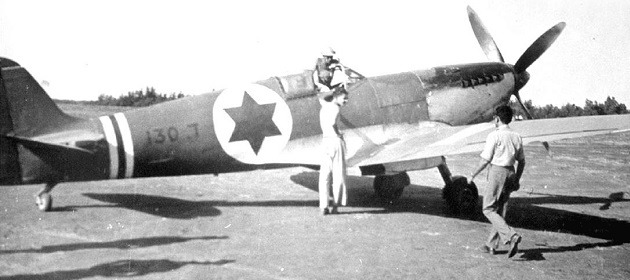
IAF Spitfire LF Mk.IX D.130 warming up its engine. Note the absence of machine guns.
The IAF used the Spitfire Mk.9 series for many years, but D.130 was the very first Spitfire to ever entire service with the IAF. The newly formed IAF was in a desperate need for combat capable aircraft during its war for Independence, and their eyes fell on spitfires left behind by the British not long back.
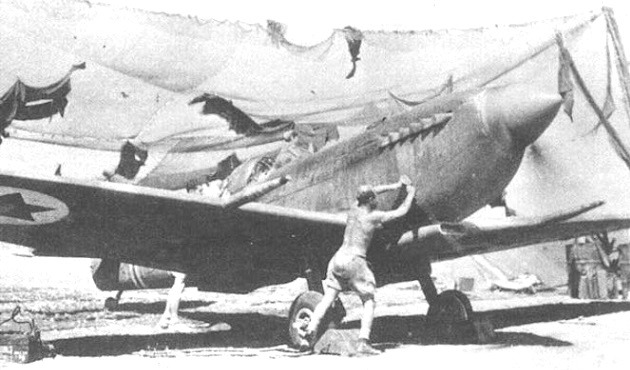
A scavenged PR Spitfire in a British Junkyard, presumed to have become the basis for D.131.
When the RAF evacuated the region by the end of the British Mandate, two large junkyards full of mostly scrapped and discarded aircraft and parts were made use of by the newly forming state. They salvaged many parts and somewhat intact discarded airframes, but lacked many crucial pieces preventing the creation of any working spitfires.
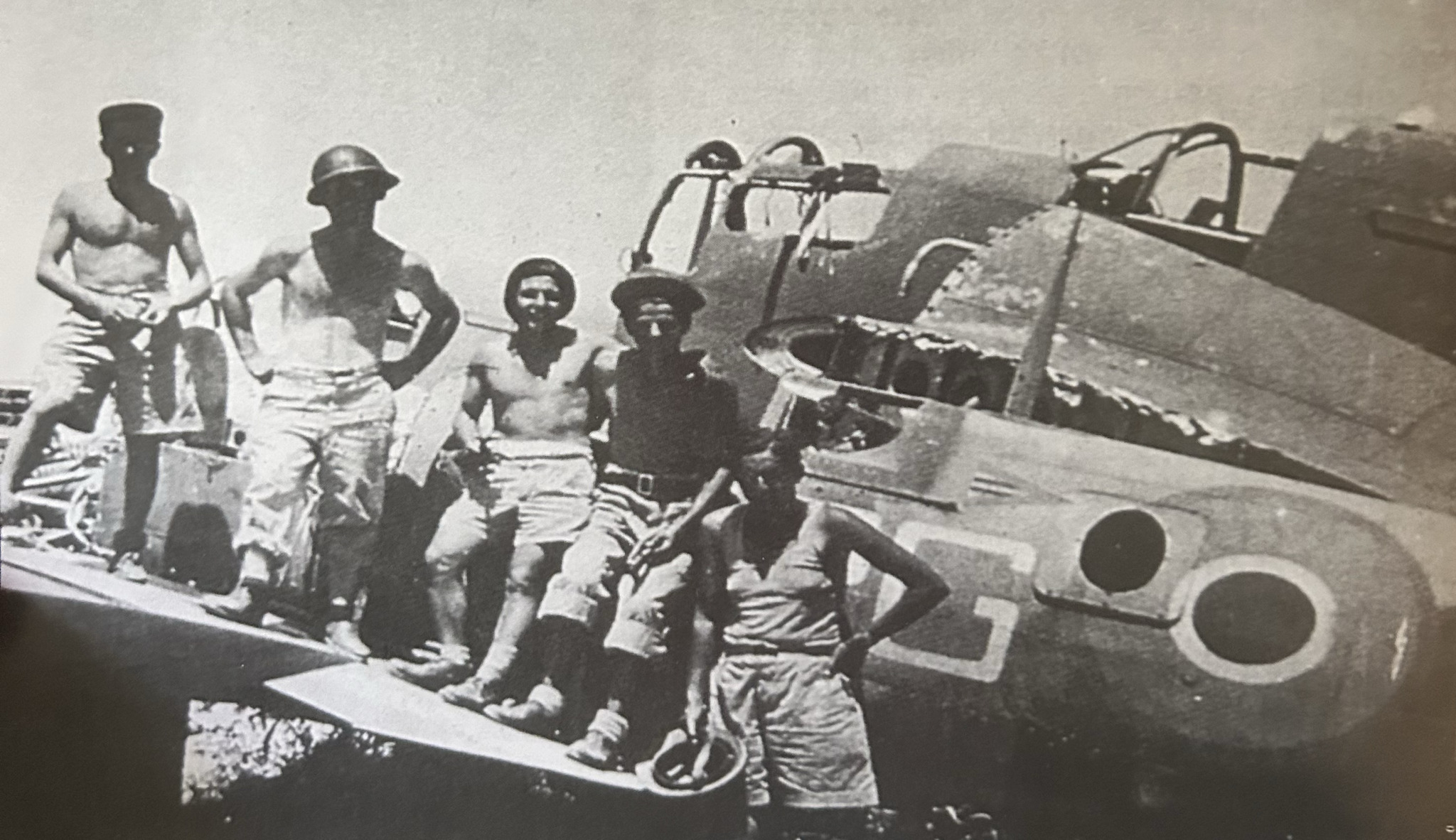
A crashed REAF Spitfire LF Mk.IX, the guns were used in D.130 among other things.
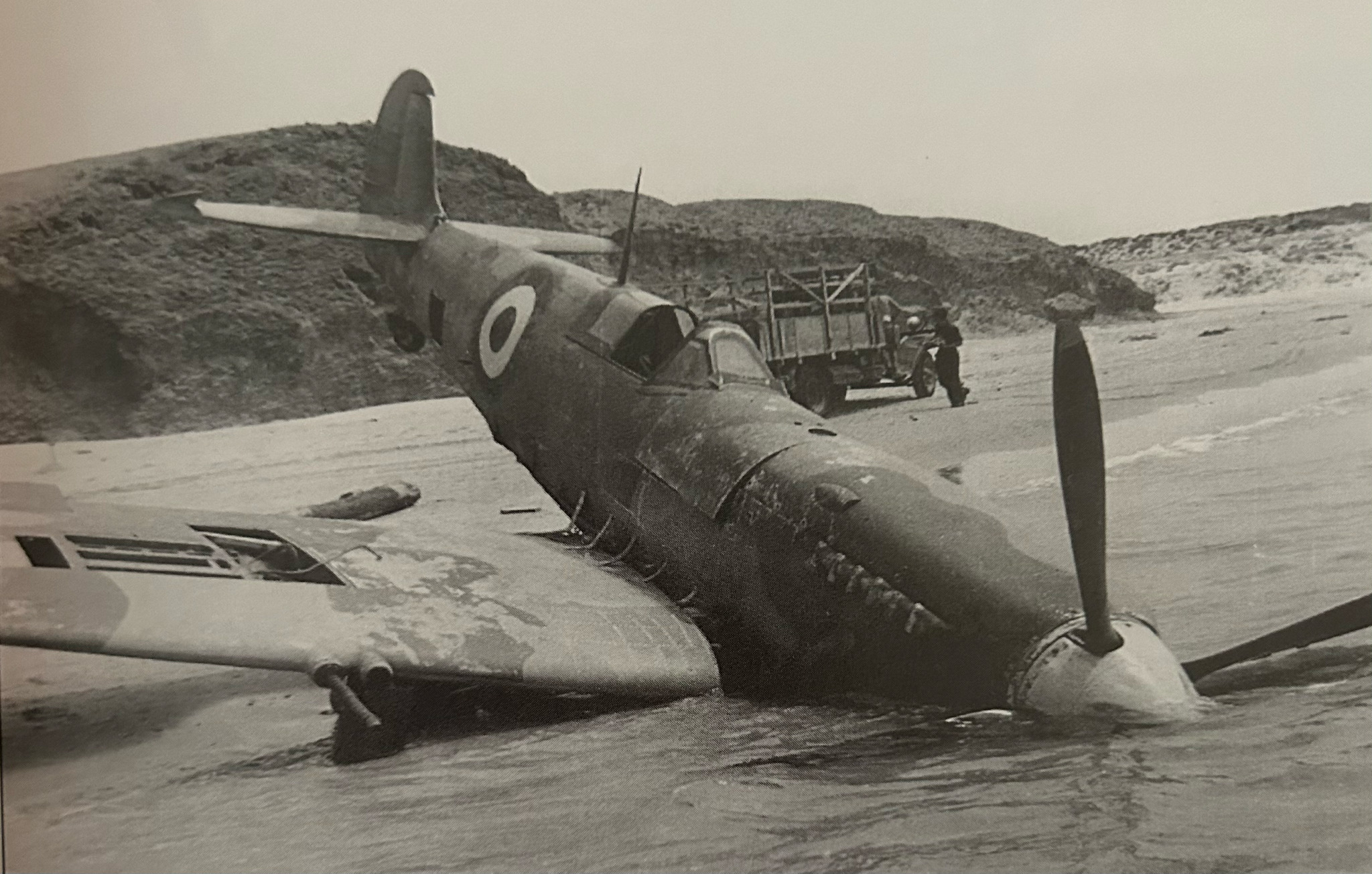
A wreckage of a REAF Spitfire LF Mk.IX, parts from this aircraft were used for D.130 as well.
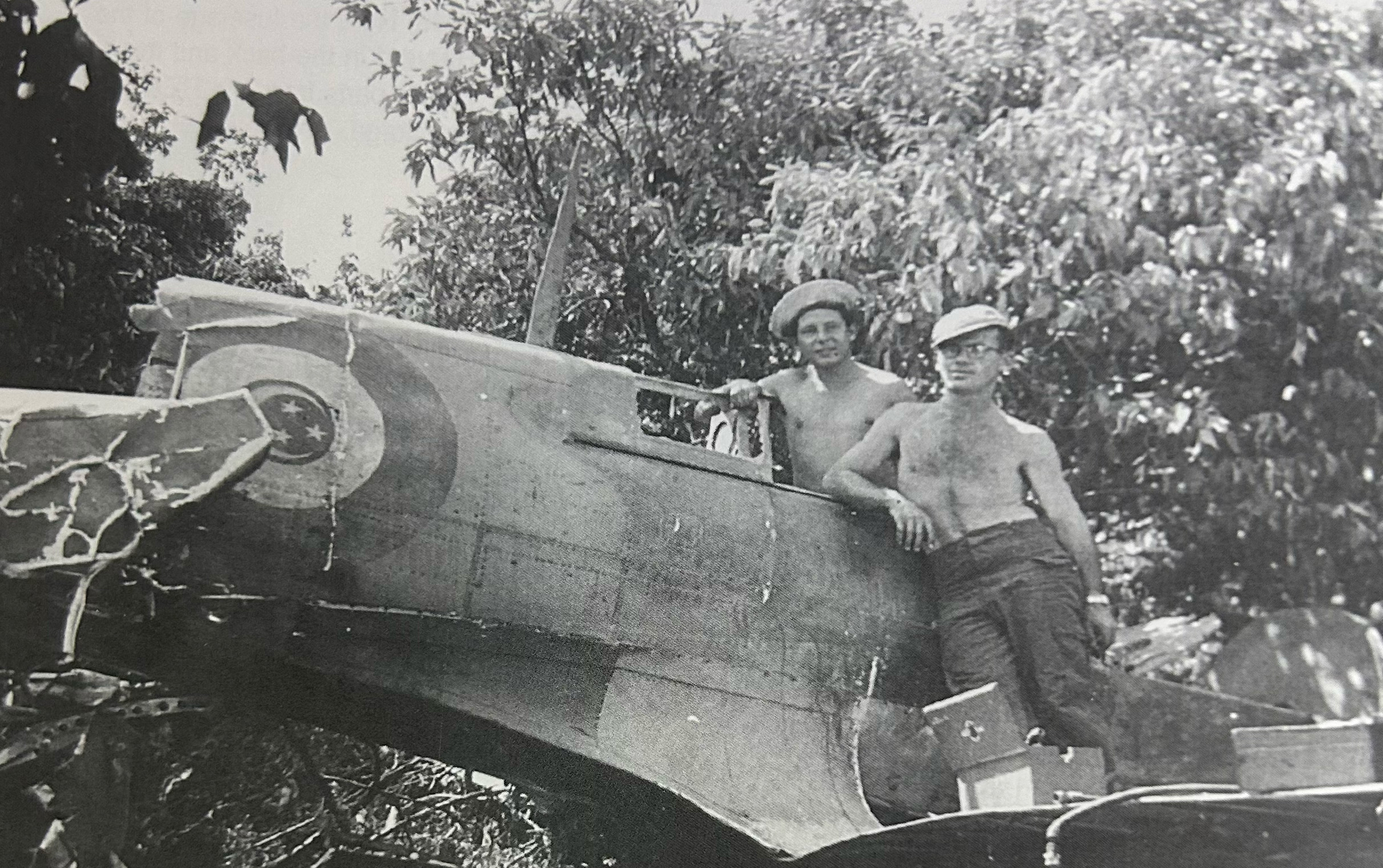
This all changed when an Egyptian Spitfires LF Mk.9 crashed after being shot down by an Israeli machine gun. Although some sources state this aircraft was used entirely to make D.130, it’s crash tore off an entire wing making this impossible. Regardless, it was recovered, examined, and disassembled by Israeli technicians. 3 more downed spitfires then completed the parts needed to create this aircraft.
EN661’s restoration into a airworthy combat capable state.
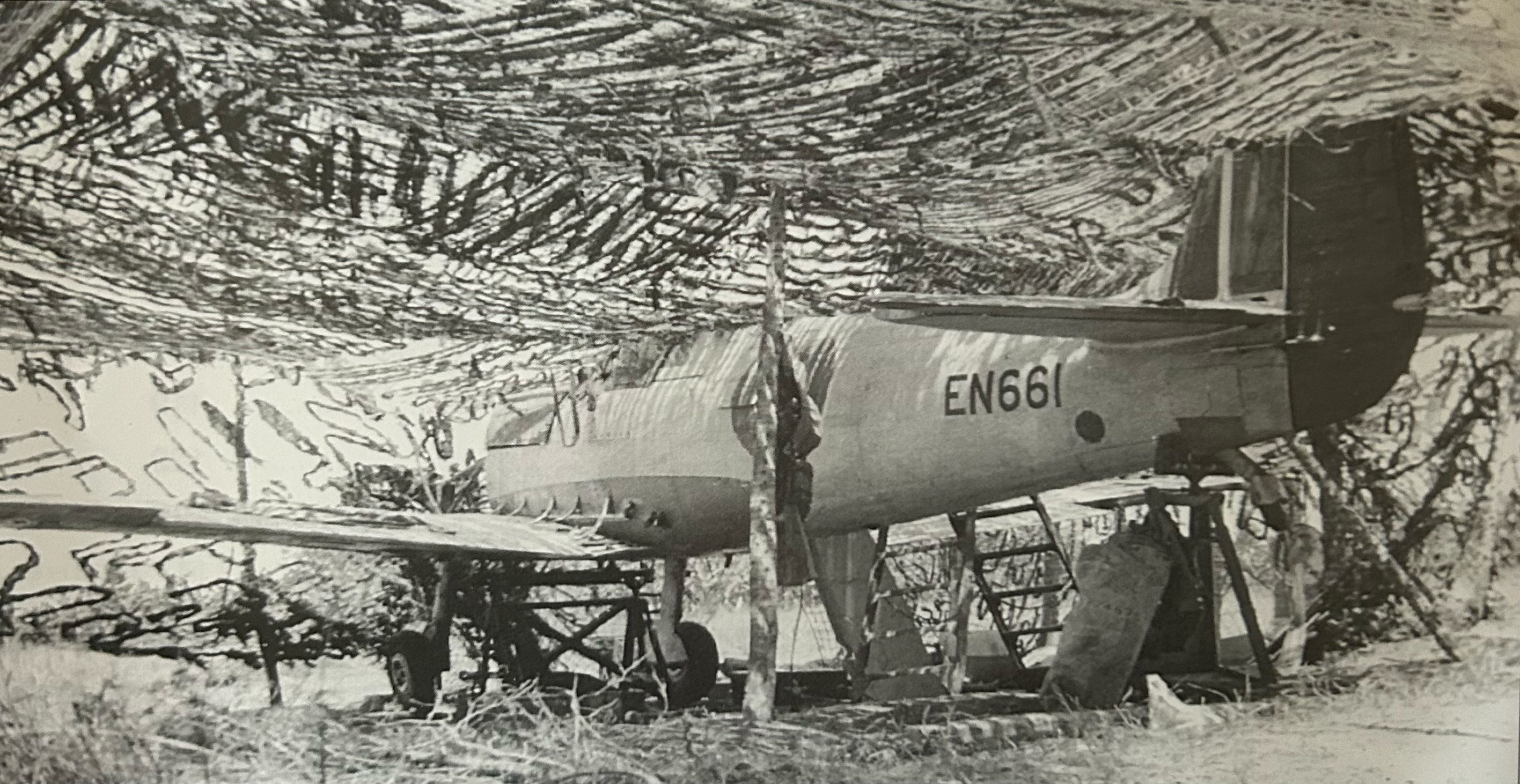
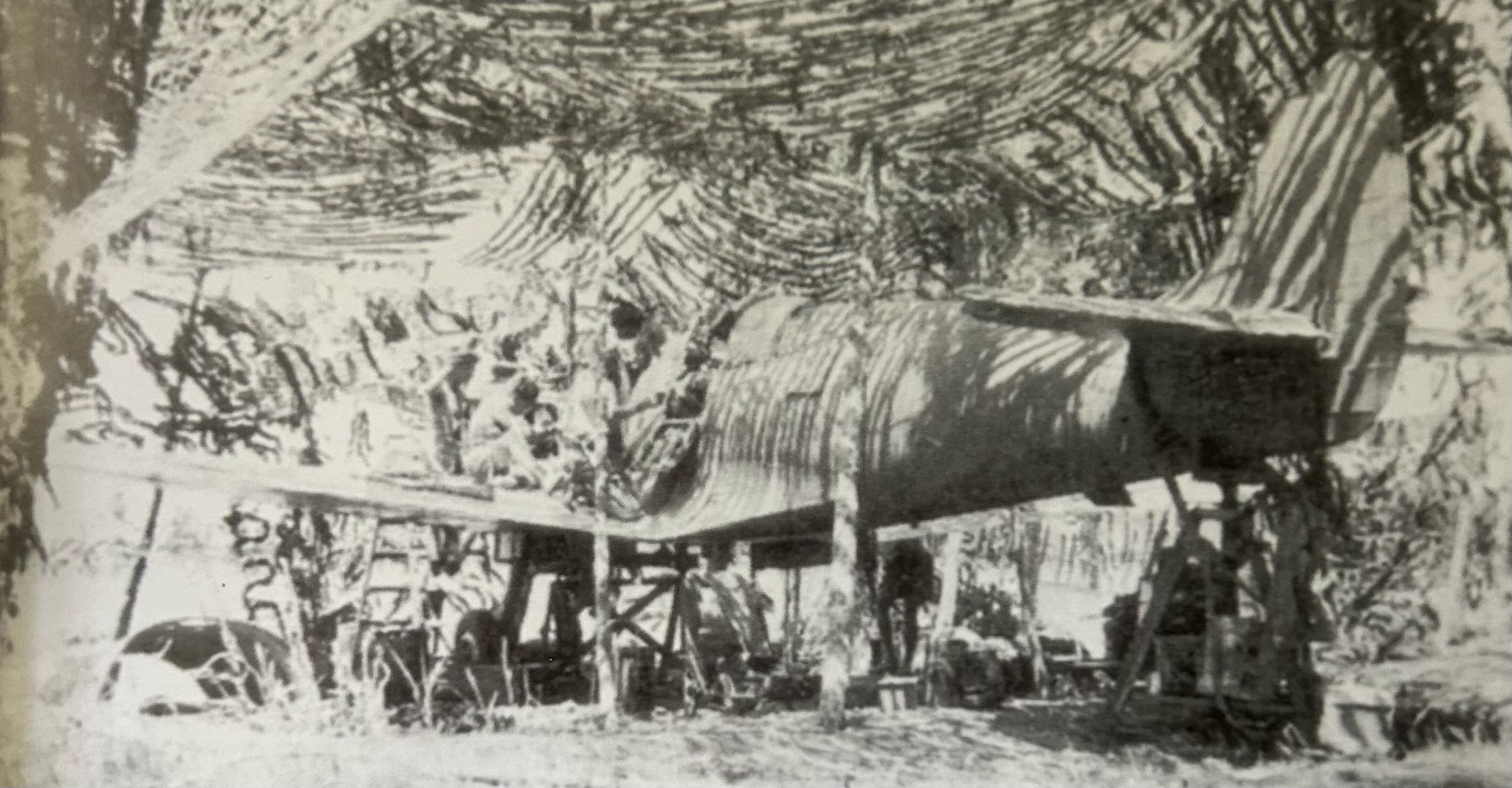
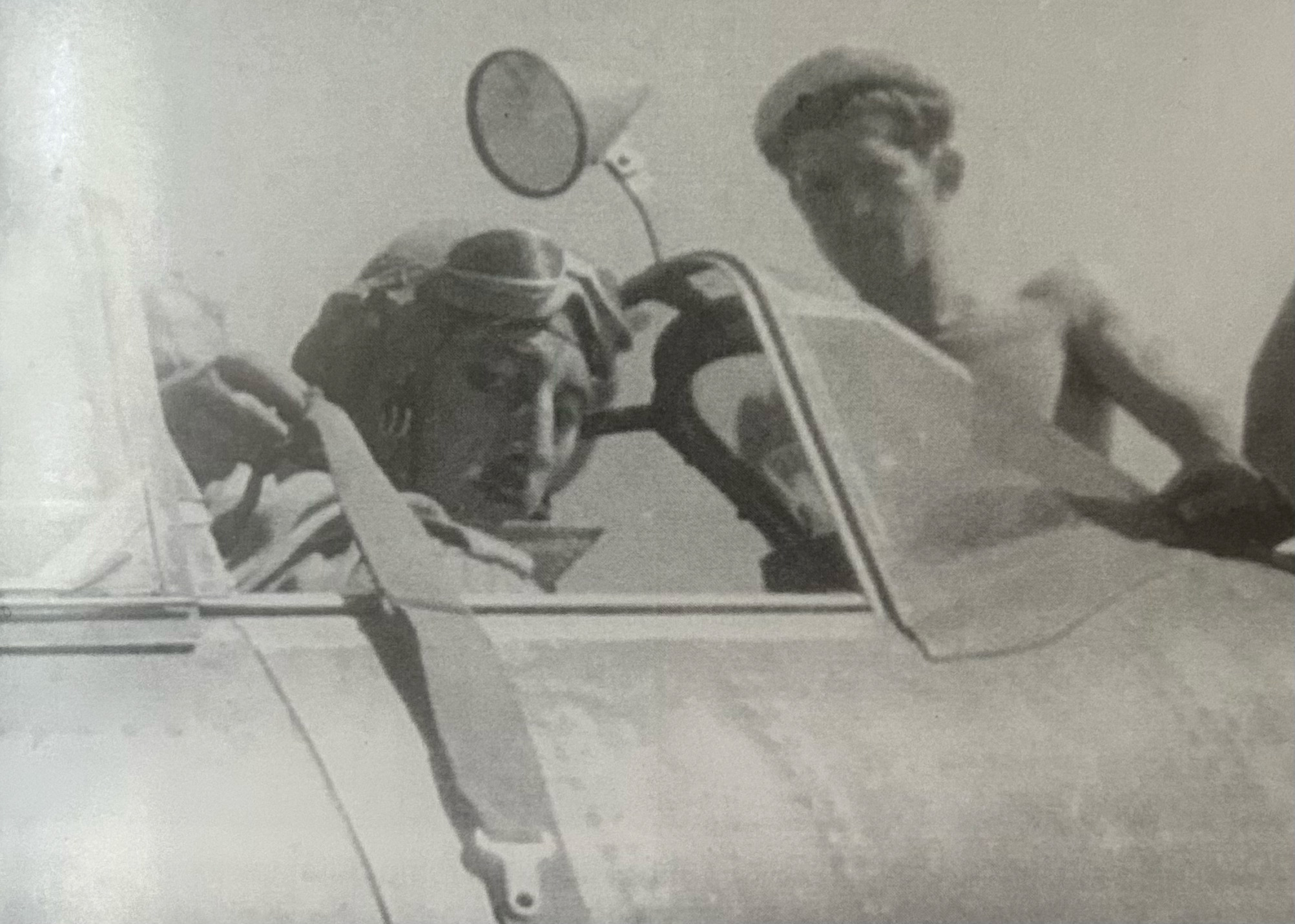
The aircraft was then created from the original airframe of the British EN661 Spitfire PR Mk.9, and was restored to flying condition and then armed with a universal C wing, but uniquely was not given machine guns, only twin Hispano cannons which were used from a downed REAF Spitfire. The vertical stabilizer, which was pointed, had been destroyed and was restored with a rounded Mk.9 tail. Uniquely, it was given an improvised mirror outside the cockpit.
Dalet 130 during it’s engine trials.
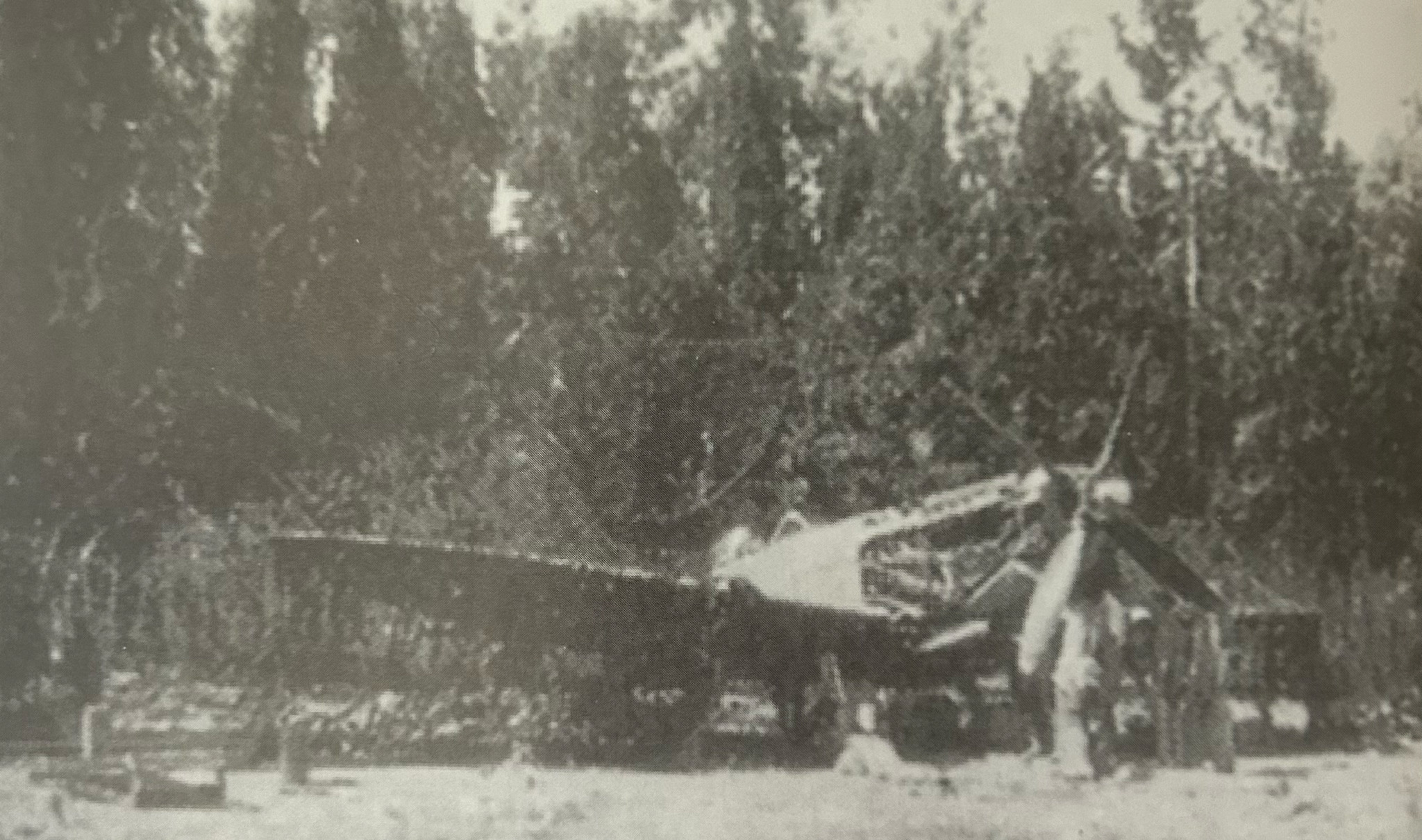
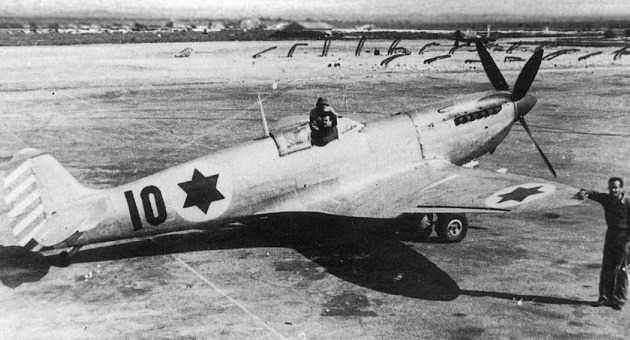
Following engine trials and solving an overheating issue, the aircraft took to the skies as the first Israeli Spitfire on July 23rd 1948 for a 30km flight with Boris Senior at the controls. D.130 went on to eventually be serialized as IAF No.2001, and Radio Sign No.10. It served for a few years but suffered an electric fire in 1951 and was written off.
Boris Senior at the controls, preparing for the first flight test.
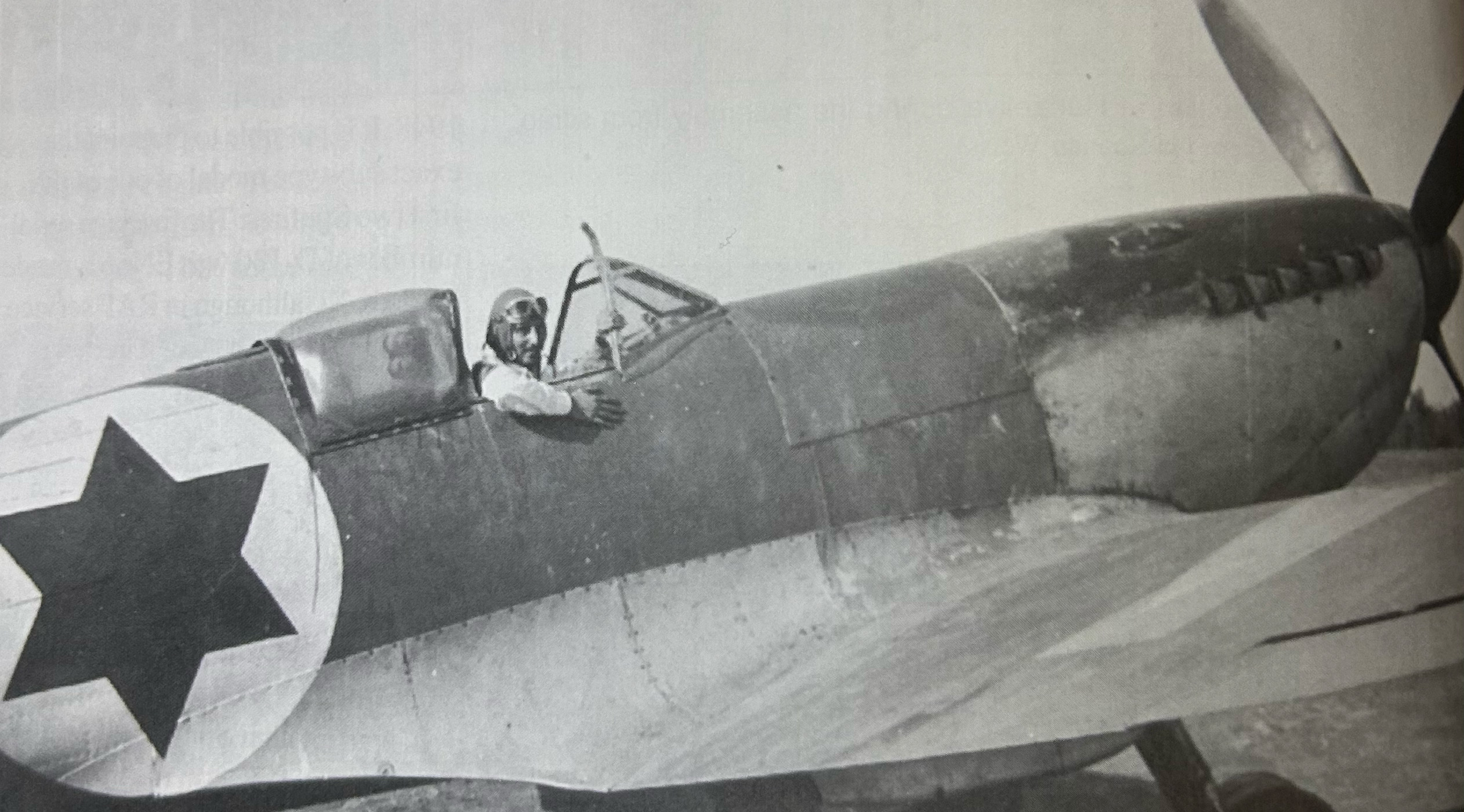
In its initial appearance, it was coated in a green primer all around, and featured a metallic set of wings and lower front. The top engine panel came from RAF resources, and the side panels from the aforementioned downed REAF Spitfire, retaining its camouflage scheme. It had an improvised mirror that was not standard, and had not yet received a radio mast at the time.
A good reference for the underwing SODs, and the lack of machine guns in the wings at the time.

It featured abnormally large Stars Of David on the sides of the fuselage and under the wings, and an identification band on the back center of the tail which was unique to Spitfires D.130 and D.131 for a brief period of time. Eventually, it received machine guns but this is not the configuration this suggestion represents.
Dalet 130 eventually became IAF No.2010, and was brought to parity standards with the other Spitfires they obtained.
In Short:
D.130 was the very first Spitfire the IAF ever got its hands on, cobbled together from left over discarded “junk” from the RAF and recovered materials from downed enemy aircraft. It was completed with unique modifications made to it for its early initial service, notably: having an improvised mirror, no radio mast, only two cannons and no machine guns, and with unique markings and a unique livery. Its reduced armament makes it viable as a lower BR alternative to the machine gun equipped Mk.9s ingame, allowing it to be used as a substitute for the clipped wing spitfires for those who desire elliptical wing spitfires.
Specifications:
(Click to Show)
Operating Country: Israel
Type: Fighter Aircraft
Crew: 1 Pilot
Wingspan: ~11.3m
Length: ~9.1m
Height: ~3.9m
Powerplant: Rolls-Royce Merlin-66
Power Outputs: ~1,330hp on max throttle, and ~1,700hp on War Engine Power
Climb Rate: ~31.8m/s
Max speed: ~690km/h
Service Ceiling: ~13km
Range: ~250mi
Empty Weight: ~2,309kg
Fully Loaded: ~3,354kg
Electronics and Systems:
Armament:
(Click to Show)
- 2x 20mm Hispano cannons. They have 135 rounds each, 270 rounds of ammunition in total.
- Up to 2x 250lb AN-M57 Bombs.
At this stage, no drop tanks were available to it yet. The famous 80mm rockets that the Israelis used were not yet fielded by the IAF Spits until 1953.
Sources:
(Click to Show)
“Spitfire Mk.IX in the Israeli Air Force Service 1948-1956” by Alex Yofe, published January 1st, 2005. ISBN 10: 0977462706, ISBN-13: 978-0977462704.
Israeli Air Force 1948-49 – Mike's Research
Supermarine Spitfire | Classic Warbirds
Supermarine Spitfire - Wikipedia
Supermarine Spitfire (late Merlin-powered variants) - Wikipedia
Specifications and Features of the Spitfire Mk.IX series acknowledged and implemented into the game by Gaijin Entertainment.
Thank you for taking the time to read my First Israeli Spitfire suggestion! I hope y’all have a wonderfully blessed day and I’ll see ya in my next suggestion!