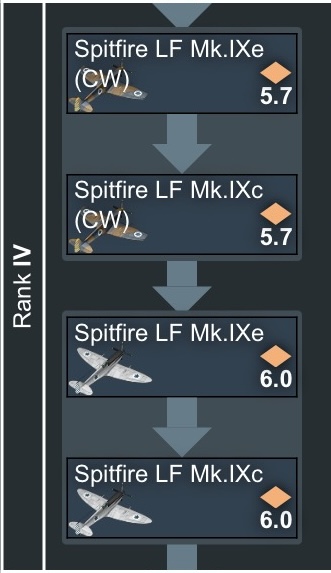
IAF Spitfire LF Mk.IXc Clipped-Wing - The IAF’s LF Mk.IXc CW

- Yes.
- No.
This suggestion is for the IAF Spitfire LF Mk.IXc CW, a clipped C-wing variant of the Mk.9 Spitfire. Although the Israeli Air Tree is currently home to a premium Greek version of this aircraft, this is still a historical piece of Israel’s Air Force History as it was used by the IAF and thus has a place in the tree whether as its own vehicle, or as a modification to the existing IAF Spitfire LF Mk.IXe CW in the tree. Israeli Spitfires also used Israeli made 80mm rockets, found ingame, making them even more unique. (I personally suggest this vehicle sits at 5.3-5.7 as a researchable option for the Israeli Air Tree, preferably foldered with the other clipped-wing Spitfire Mk., so a researchable counterpart to the premium option can exist).
- 5.3
- 5.7
- 6.0
- 6.3
- I Voted No.
- As a Researchable vehicle
- As a Squadron vehicle
- As a Premium vehicle
- As a Event vehicle
- I Voted No.
- Other (Please state why)

History:
(Click to Show)
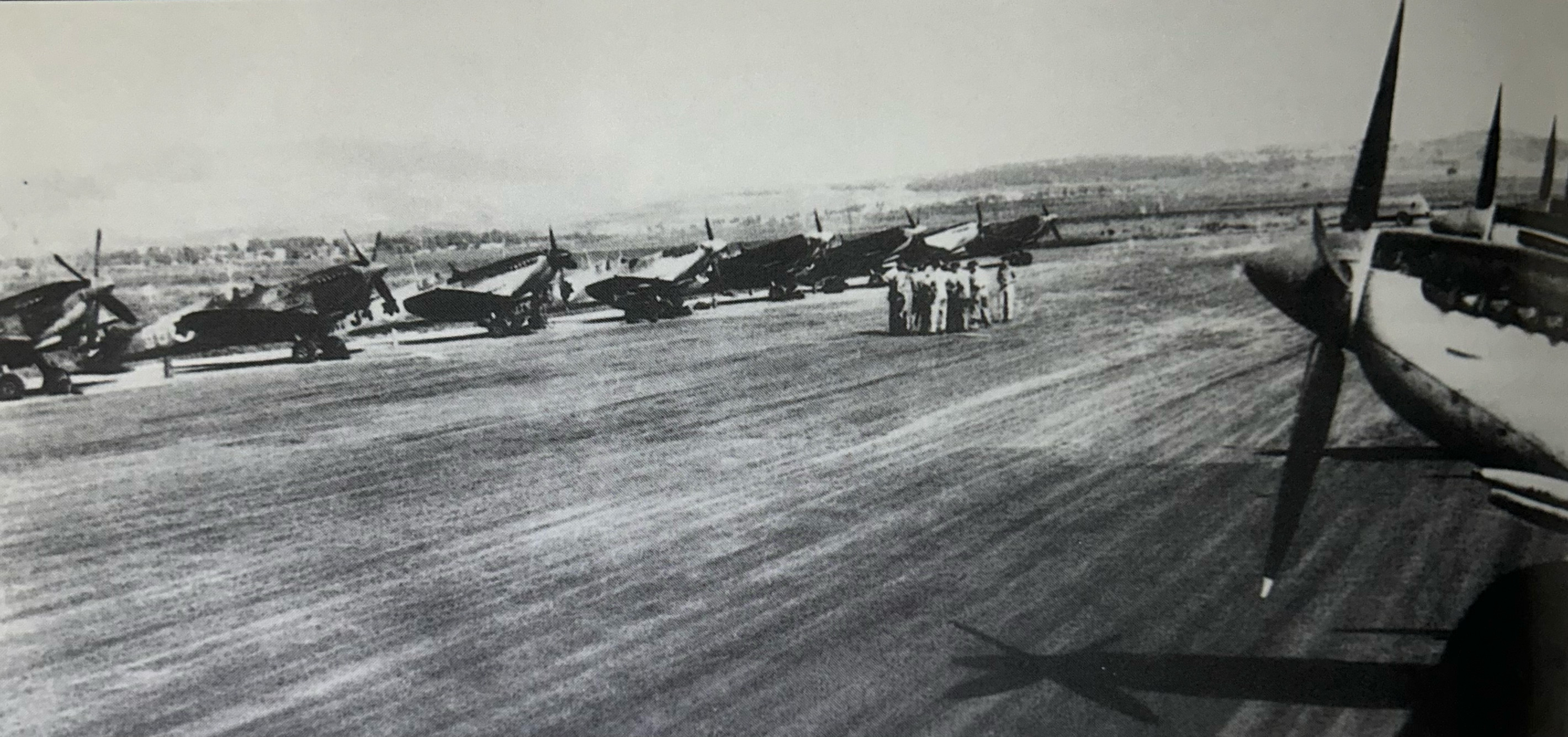
Israeli Air Force Spitfires lined up at a runway.
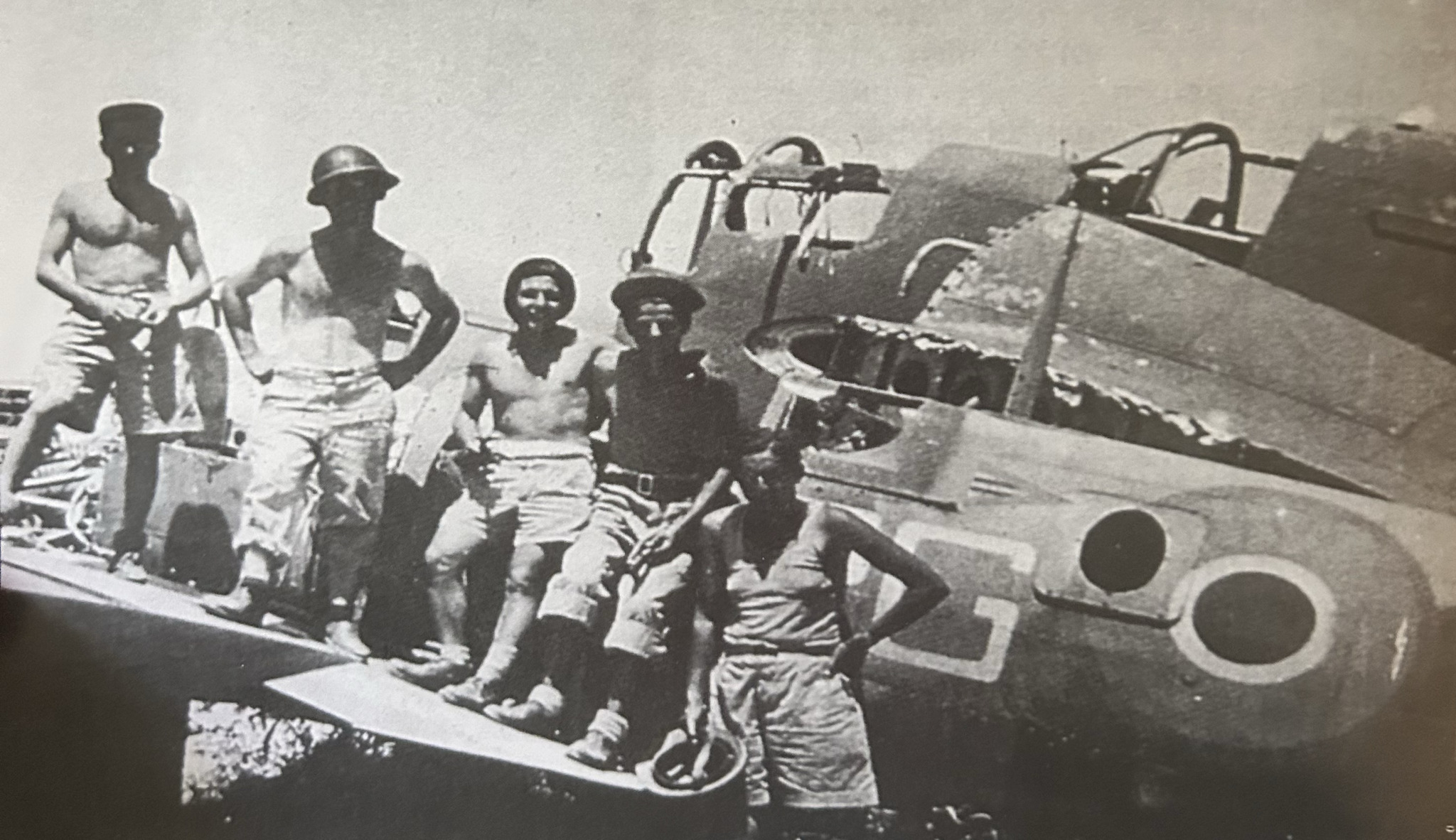
The IAF used the Spitfire Mk.9 series for many years, and first acquired their initial Spitfires through cobbling together leftover British scraps from junkyards and the scavenging usable materials from downed enemy Spitfires. This was the basis for Spitfires D.130 and D.131.
A scavenged PR Spitfire in an abandoned British junkyard, presumed to have become the basis for their second Spitfire.
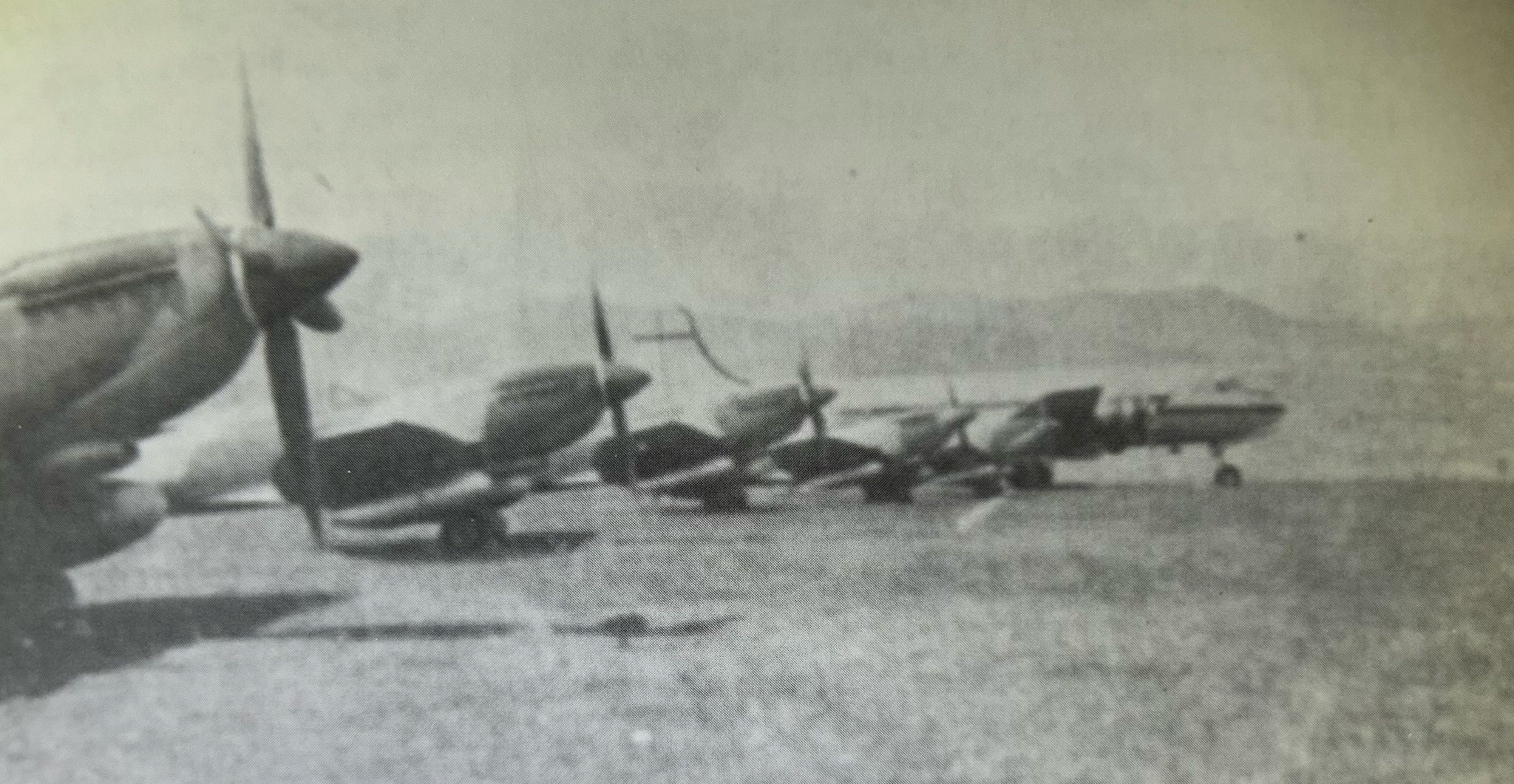
Following this, the Israelis then set out to procure 50 more Spitfire LF Mk.IXs from Czechoslovakia through project Velveta I and II. From Velveta I, 3 of an initial delivery of 5 made it to Israel in September of 1948, and 2 more which were impounded in Greece but made it in mid-1950.
Velveta I Spitfires preparing for the last flight of their journey to Israel. They were not marked with any IAF markings yet, and were fitted with two underwing drop tanks and an underbelly conformal fuel tank.
From Velveta II, 10 of an initial delivery of 15 made it to Israel in December, but 2 crashed in a snowstorm and 2 more which suffered mechanical issues were disassembled and flown to Israel by C-46 in late December. These aircraft turned the tide of the War of Independence heavily, allowing the newly formed IDFAF to achieve Air Superiority in the southwest in the Negev. Following the last ceasefire of the war, the remaining Spitfires from the Czechs arrived in 3 shipments, bringing the total to roughly 50 at a given time, but a total of 61 appear to have been received overall (this includes 2 used as spare parts).
A Spitfire from Velveta II preparing for its trip. Note the front of the conformal belly mounted fuel tank is visible, alongside its two German origin drop tanks.

To account for losses sustained in the war, the IAF purchased an additional 30 Spitfire LF Mk.IXs and spare parts from Italy and 2 additional Merlin-66 engines. These began to arrive in April 1951, of which all had been delivered by early 1953. These Spitfires from Italy are of note for this suggestion.
IAF Spitfire No.2068 (No.68) taking off.
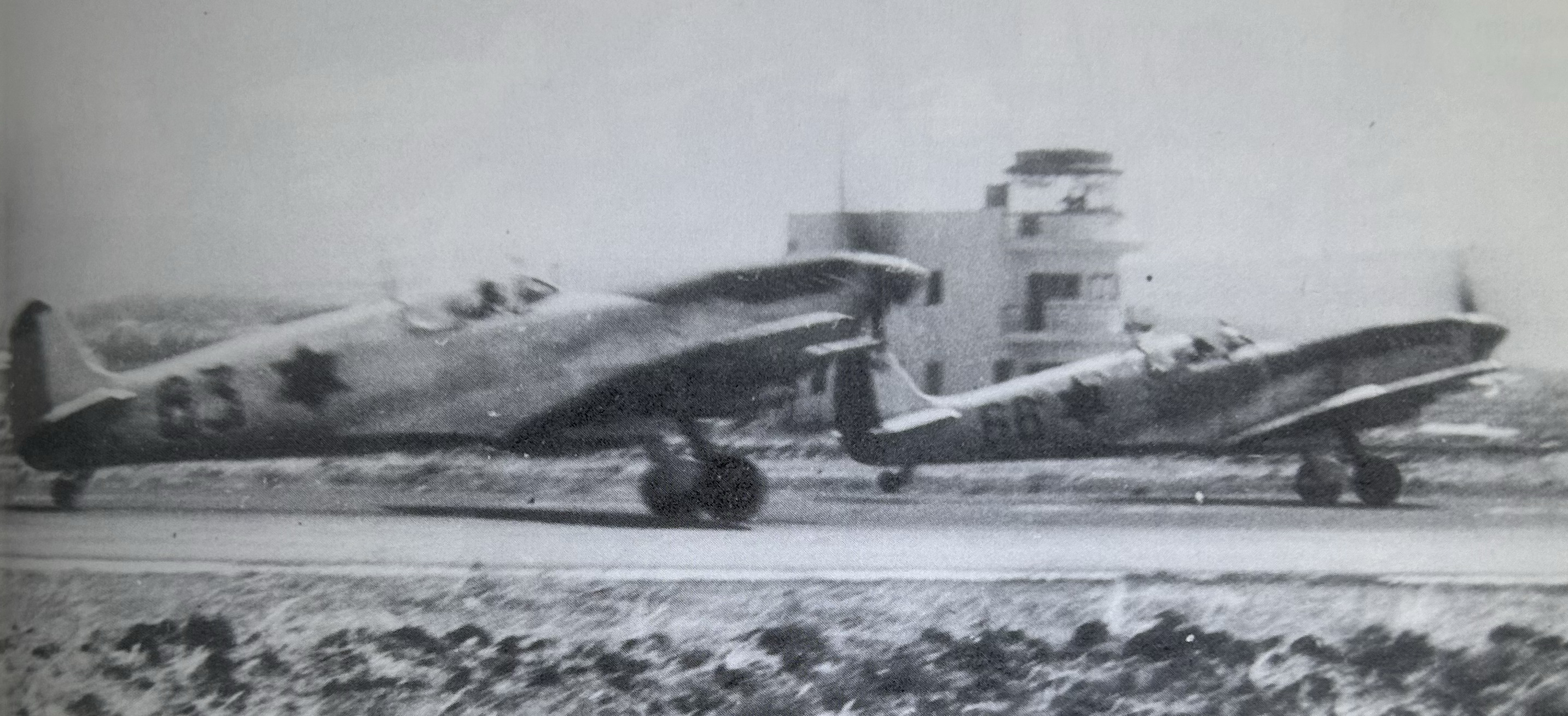
Of note from the Italian acquired Spitfires, I’ve identified the airframes IAF No.64, No.68, & No.78 as airframes of interest for this suggestion. All of these aircraft at one point or another, were seen with a clipped universal C-wing configuration. Most IAF Spitfires used a clipped universal E-wing configuration, like is already seen ingame, which makes these rare examples. There could be more examples of IAF Spitfires in this configuration that I’ve missed.
IAF Spitfire No.2064 (No.64) at Raman David in 1954. This aircraft was in 105 Squadron Colors Yellow & Black, but no Squadron Emblem.
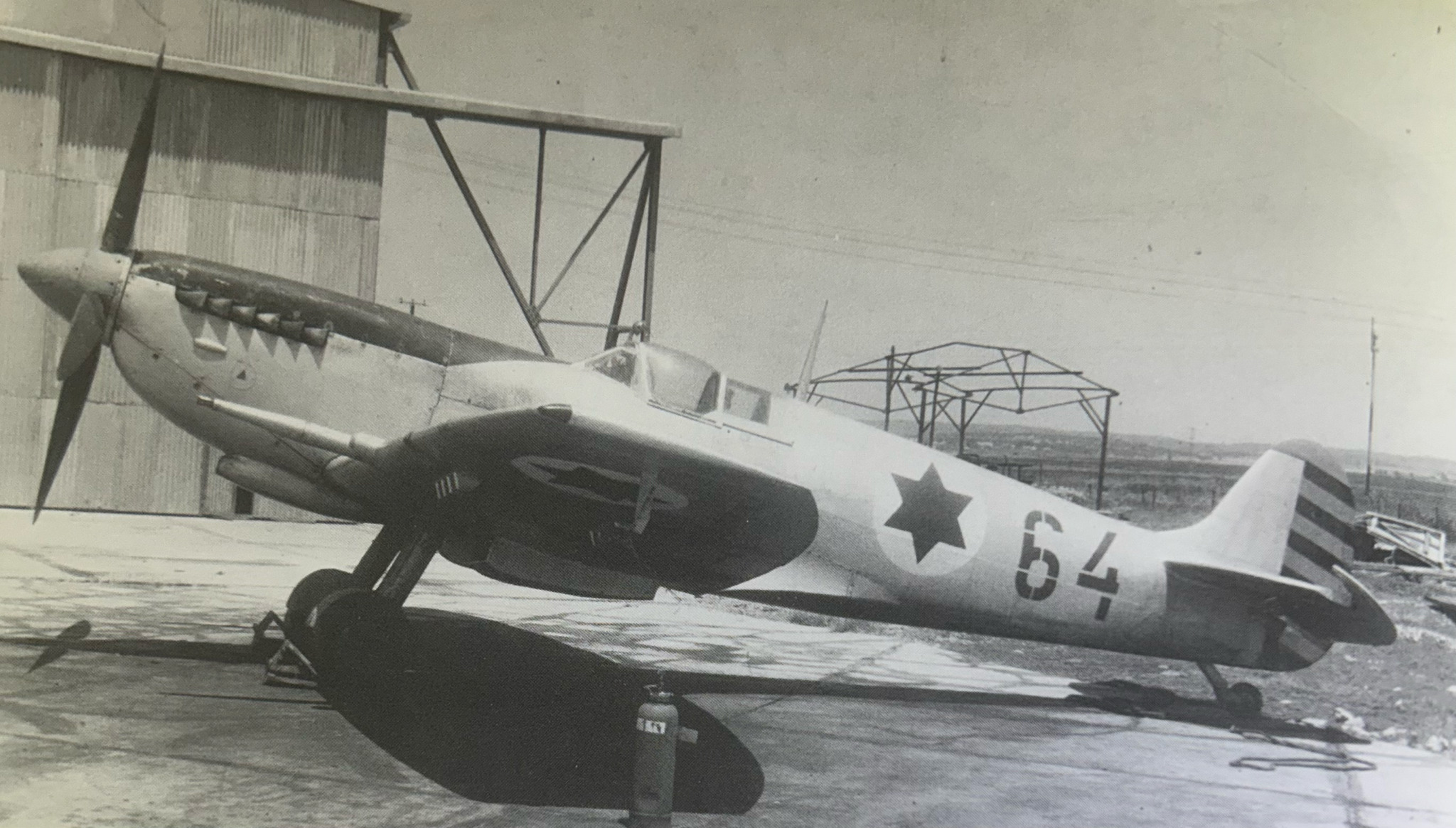
Example IAF No.64 was photographed in 1954, and in the image is particularly clear that it’s using a universal C-wing configuration. The cannons are further inward with the usual E-wing cannon port being covered, while the 7.7mm machine gun ports are visible in the wings. Rocket rail mounts are also visible on the underside of the wings, confirming 80mm rocket compatibility with the Italian Spitfires.
IAF Spitfire No.2068 (No.68) after an accident, later repaired. The cannon is more inward, indicating a C-wing configuration.
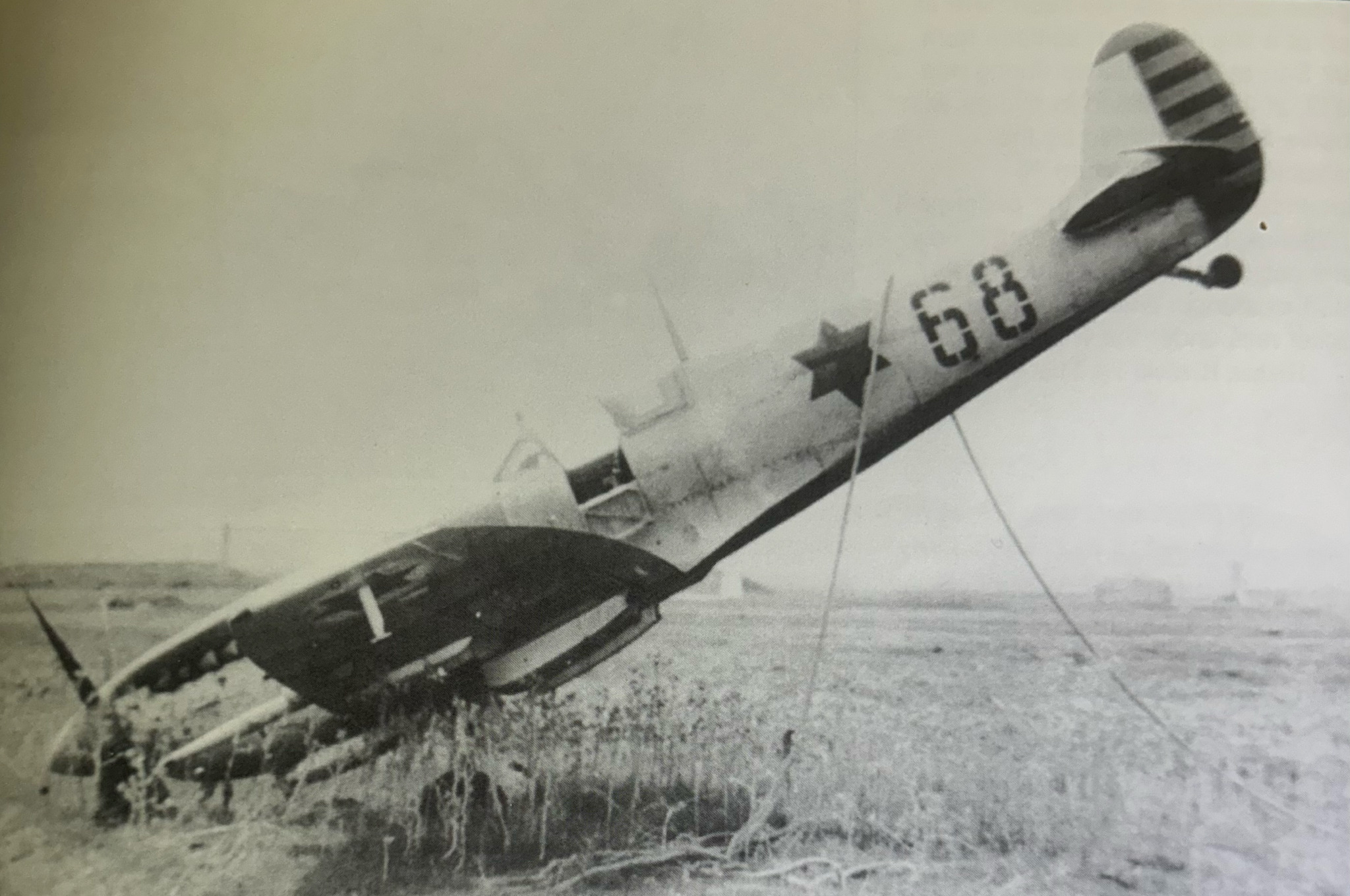
IAF Spitfire No.2068 (No.68) parked at Ramat David. The C-wing configuration is more apparent and undeniable.
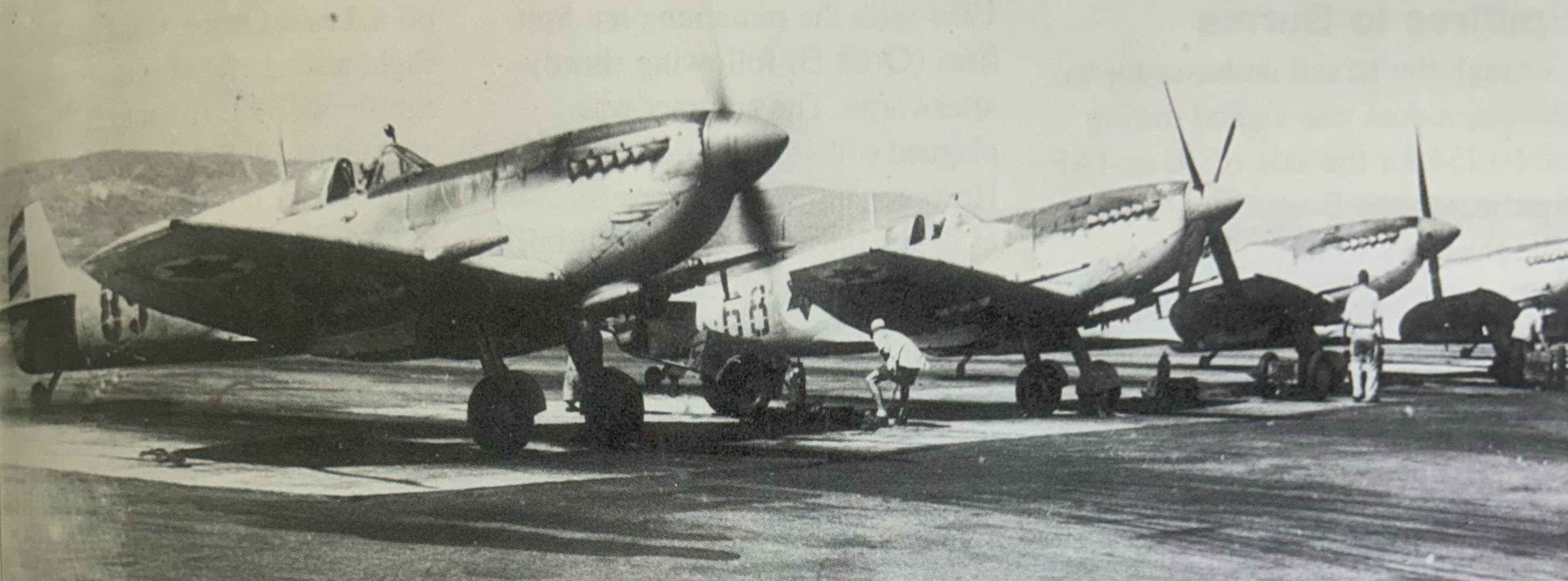
Example IAF No.68 has been traced as Italian Spitfire Serial MM4102. It had an accident where it tipped over its not at Ramat David. It was one of the last 16 Spitfires in IAF service before their retirement in 1956. It appeared in the same livery style as No.68 with its Black and Yellow scheme, but seemingly lost its tail stripes at some point as seen above.
IAF Spitfire No.2078 (No.78) on display as a gate guardian for Ramat David.
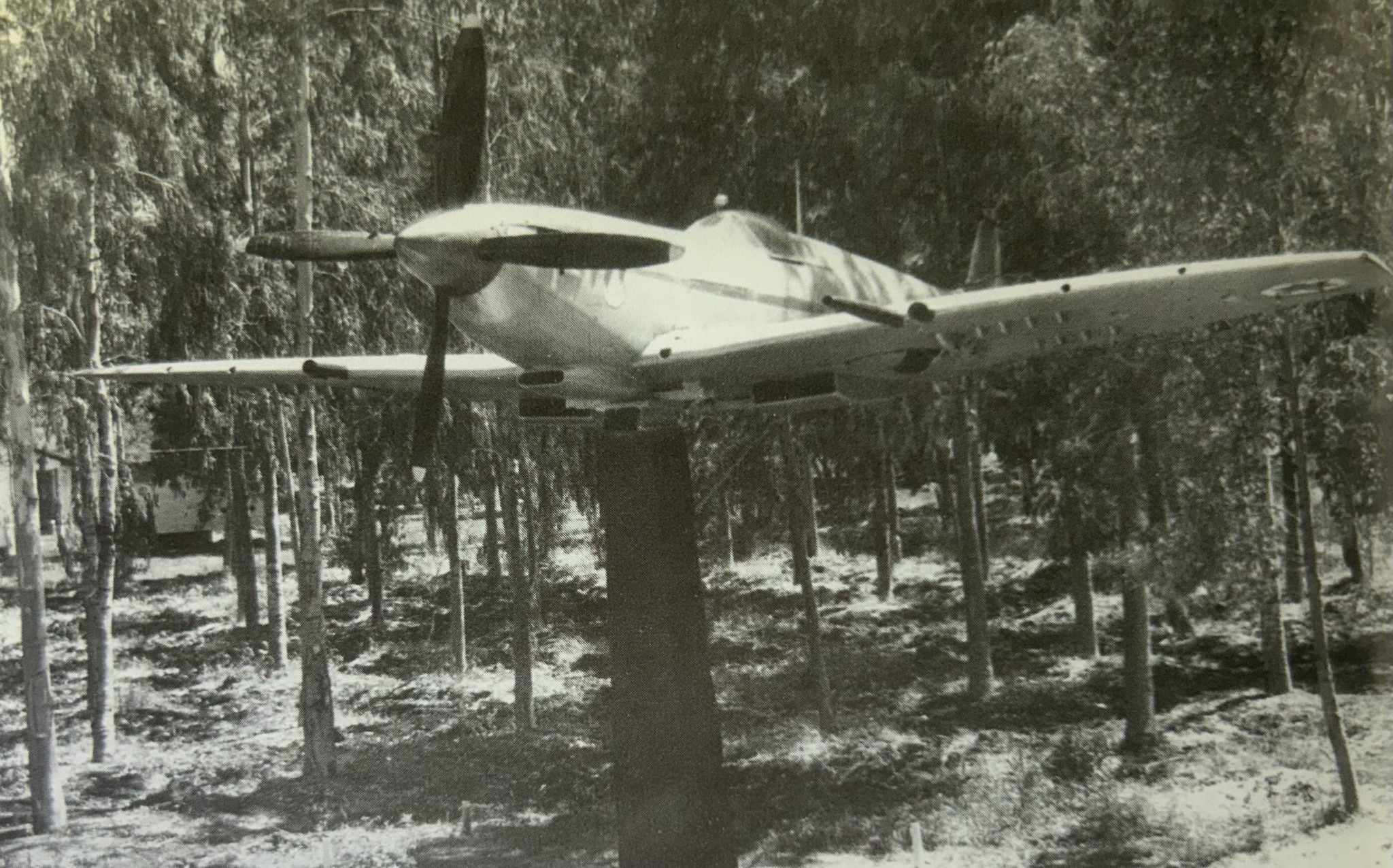
Lastly there’s example IAF No.78 which has been traced as Italian Spitfire Serial MM4116. It eventually found its way to being salvaged for use arts and turned into a gate guardian display at Ramat David Air Base for many years, before being refurbished and put on display at the IAF museum in Hatzerim. It remains there to this day in a 105 Squadron Livery with its C-wing configuration very visible alongside mounted 80mm rocket rails.
IAF Spitfire No.2078 (78) on display at the IAF museum in Hatzerim, it remains here to this day. Note the C-wing configuration and 80mm rocket rails.

In Short:
The Spitfire LF Mk.IXc CW is a configuration already present in the Israeli Air Tech Tree in a Greek iteration. However Israel has operated and used this configuration on their Clipped wings as well, even if less common. Due to this, it has a place in the Tech Tree for those who may prefer having this configuration of 4 smaller caliber machines guns over the E-wing’s two 50-caliber machine guns, or want the 80mm rockets. It could be brought to the tree as a foldered option behind the Spitfire LF Mk.IXe CW, or made available as a weaponry modification for that aircraft.
Specifications:
(Click to Show)
Operating Country: Israel
Type: Fighter Aircraft
Crew: 1 Pilot
Wingspan: ~9.9m
Length: ~9.47m
Height: ~3.9m
Powerplant: Rolls-Royce Merlin-66
Power Outputs: ~1,330hp on max throttle, and ~1,700hp on War Engine Power
Climb Rate: ~31.8m/s
Max speed: ~690km/h
Service Ceiling: ~13km
Range: ~250mi (without drop tanks)
Empty Weight: ~2,309kg
Fully Loaded: ~3,354kg
Armament:
(Click to Show)
- 2x 20mm Hispano cannons. They have 135 rounds each, 270 rounds of ammunition in total.
- 4x 7.7mm Browning Machine Guns. They have 350 rounds each, 1,400 rounds of ammunition in total.
- Up to 16x 8-cm Flz.-Rakete Oerlikon HE/HEAT rockets (later license produced by TA’AS).
- Up to 2x 250lb AN-M57 Bombs.
Missing Weaponry:
- Up to 2x Underwing Drop Tanks with a capacity of 300 gallons.
- Up to 1x Underbelly Conformal Fuel Tank with a capacity of 90 gallons.
Sources:
(Click to Show)
“Spitfire Mk.IX in the Israeli Air Force Service 1948-1956” by Alex Yofe, published January 1st, 2005. ISBN 10: 0977462706, ISBN-13: 978-0977462704.
Israeli Air Force 1948-49 – Mike's Research
Supermarine Spitfire | Classic Warbirds
Supermarine Spitfire - Wikipedia
Supermarine Spitfire (late Merlin-powered variants) - Wikipedia
Specifications and Features of the Spitfire Mk.IX series acknowledged and implemented into the game by Gaijin Entertainment.
Thank you for taking the time to read my Fourth Israeli Spitfire suggestion! I hope y’all have a wonderfully blessed day and I’ll see ya in my next suggestion!