- Yes
- No
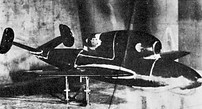
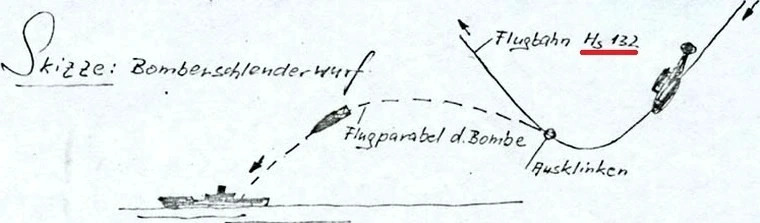
The Henschel Hs 132 was designed as a dive bomber and interceptor to counter the Allied invasion of Europe.
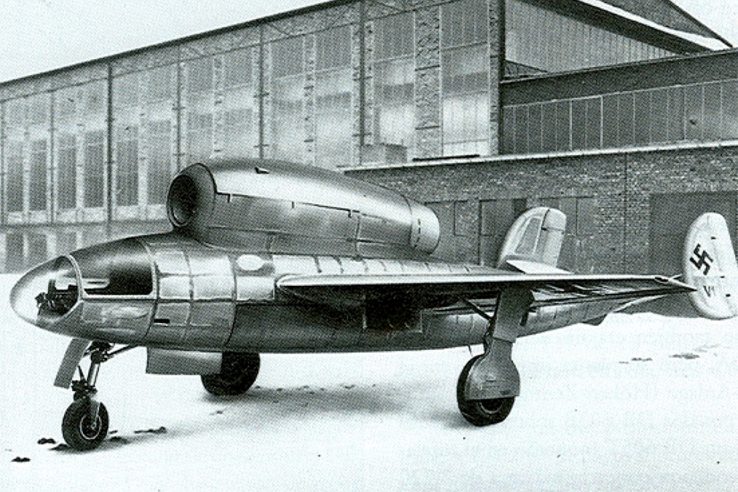
History and development :
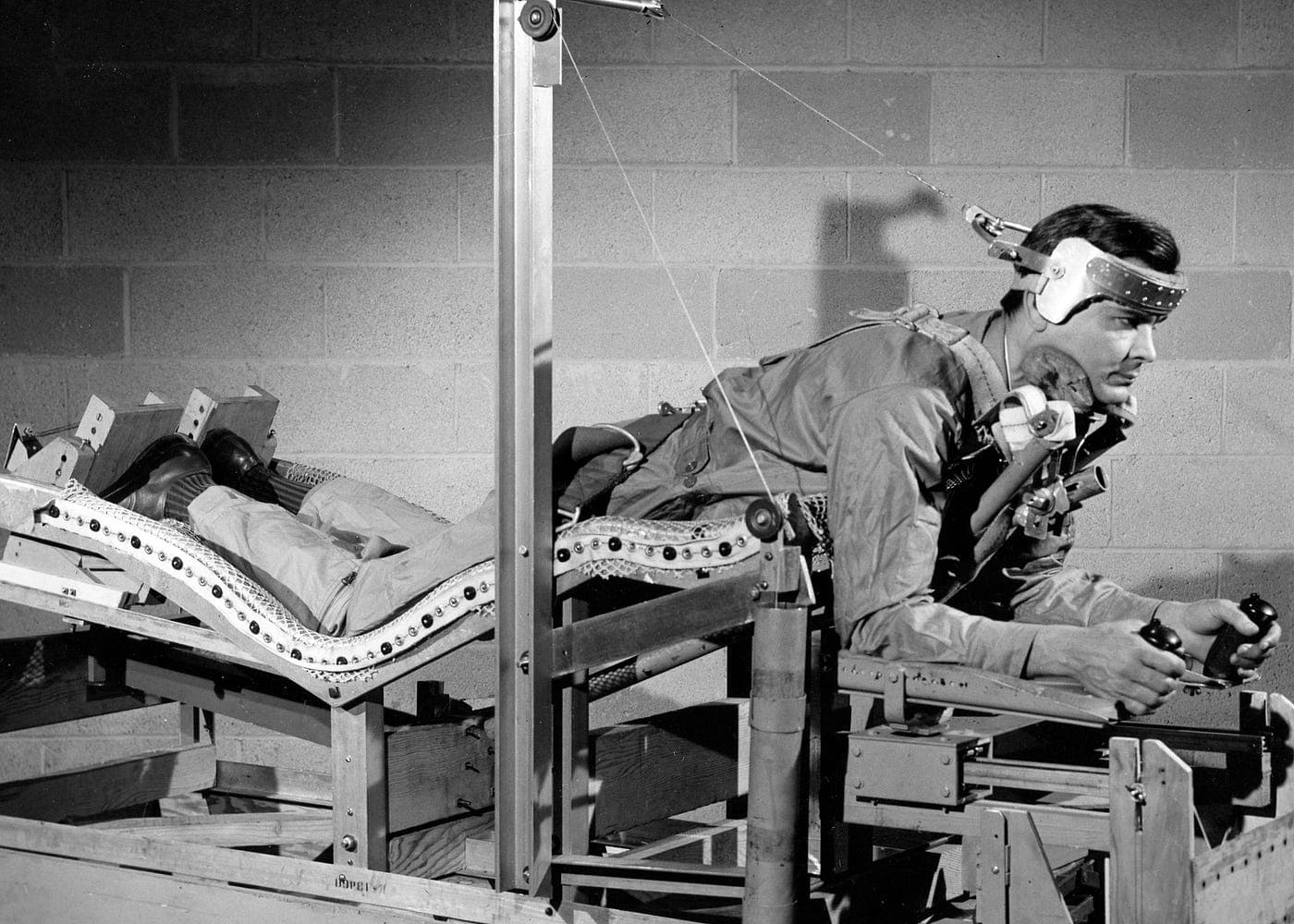
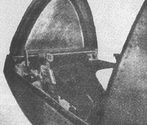
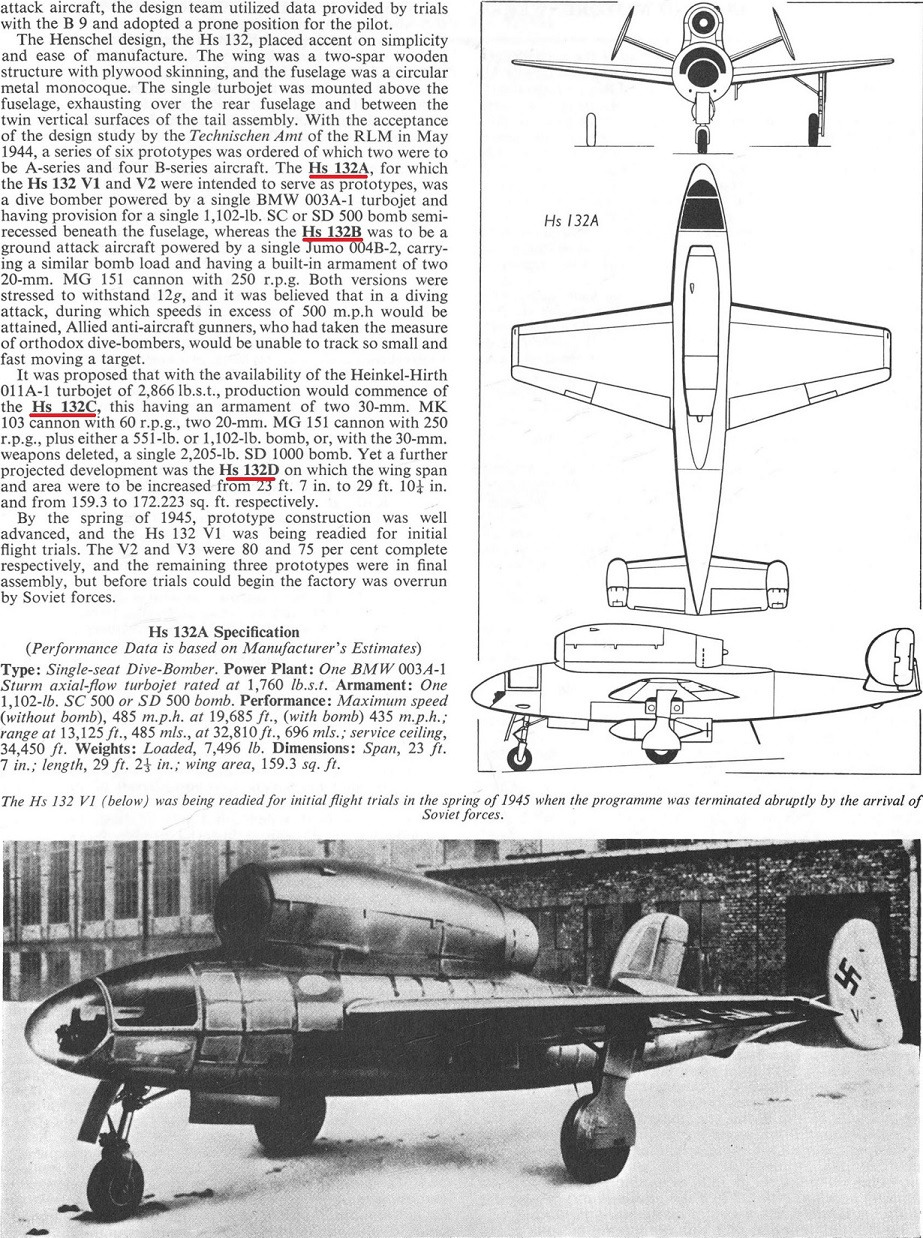
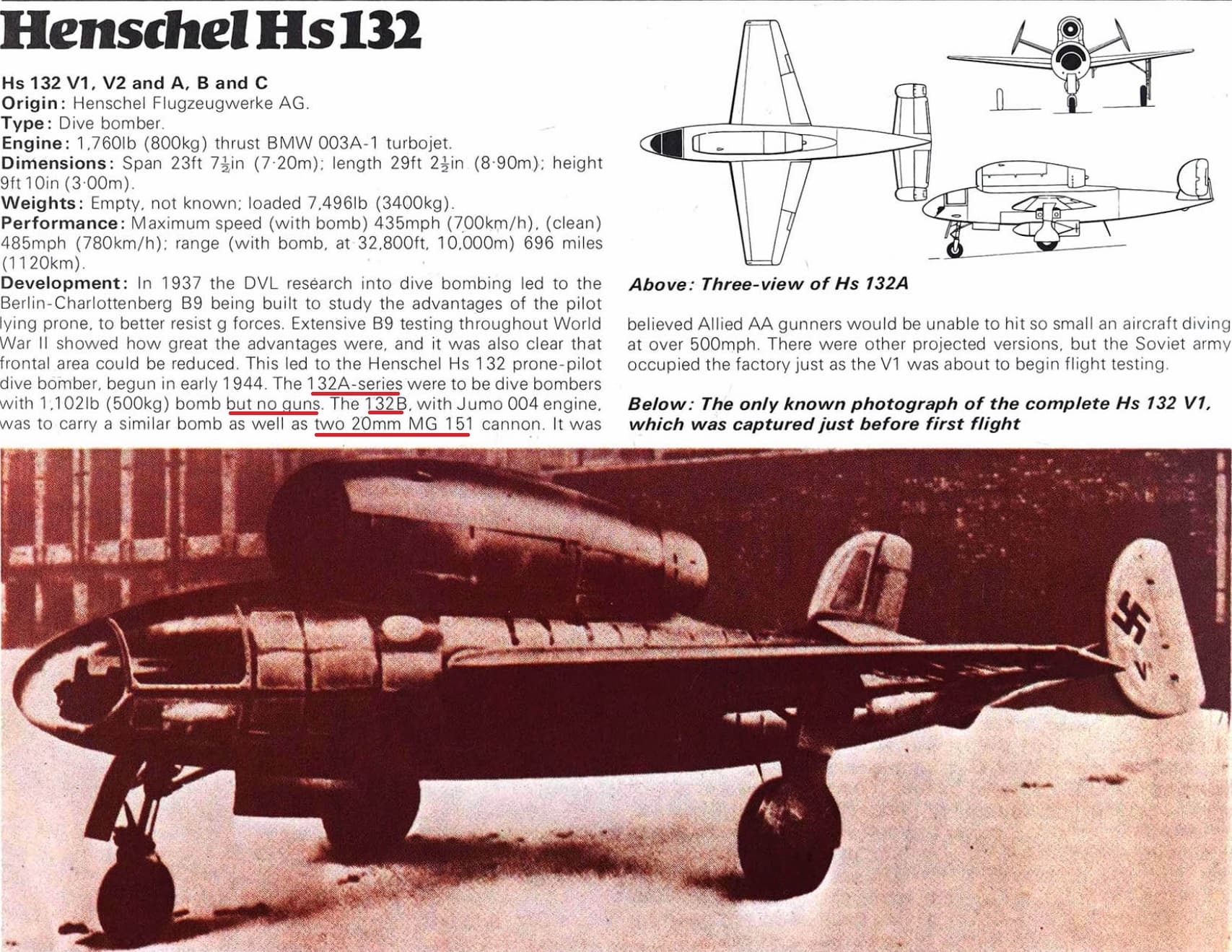
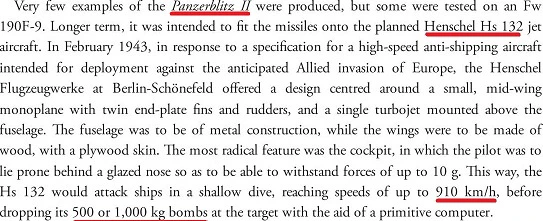
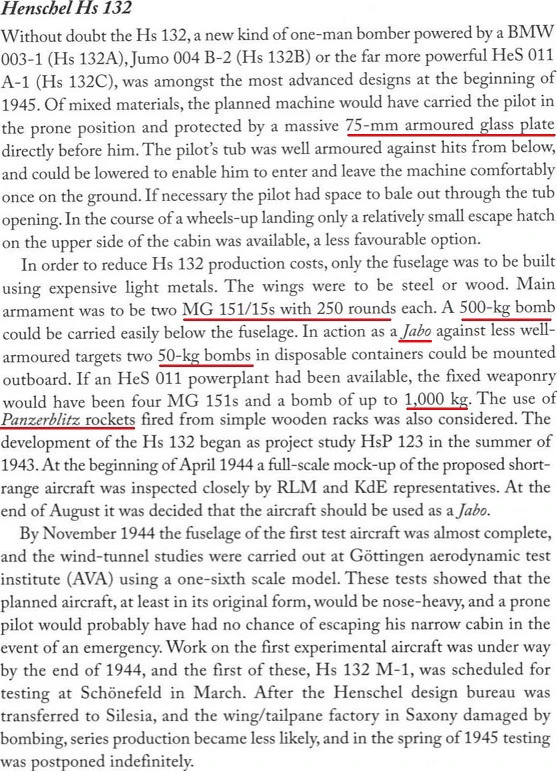
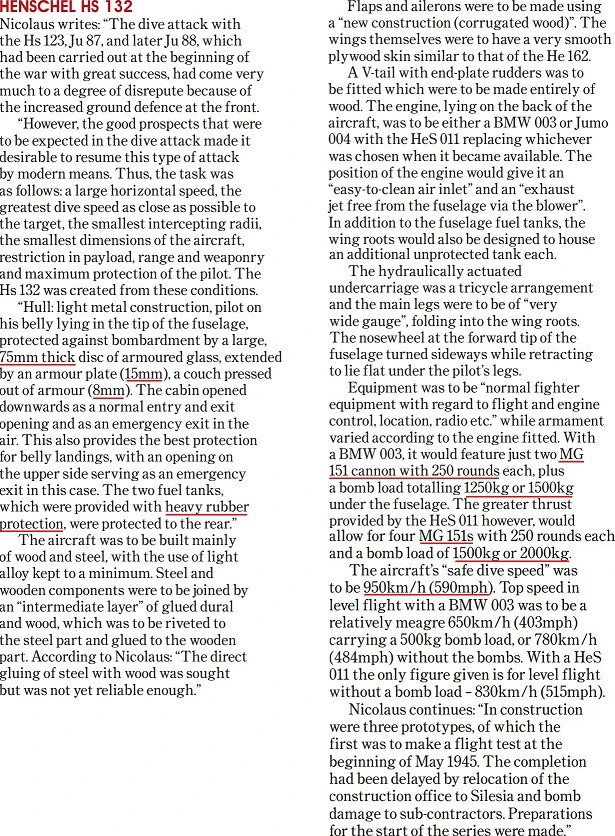
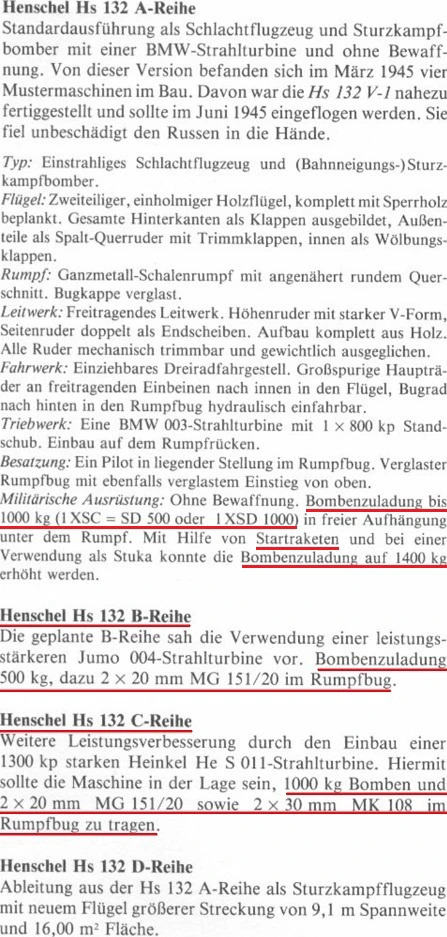
The Henschel Hs 132 was conceived in 1943 after the German Air Ministry recognized that the Ju 87 Stuka dive bomber had become obsolete against modern Allied fighters. The requirement was for a fast jet‑powered dive bomber that could deliver precision strikes while surviving in contested airspace. Henschel responded with a radical design that placed the pilot in a prone position to reduce the effects of G‑forces during steep dives. This cockpit arrangement was unusual but intended to allow the aircraft to withstand up to twelve times the force of gravity in a dive.
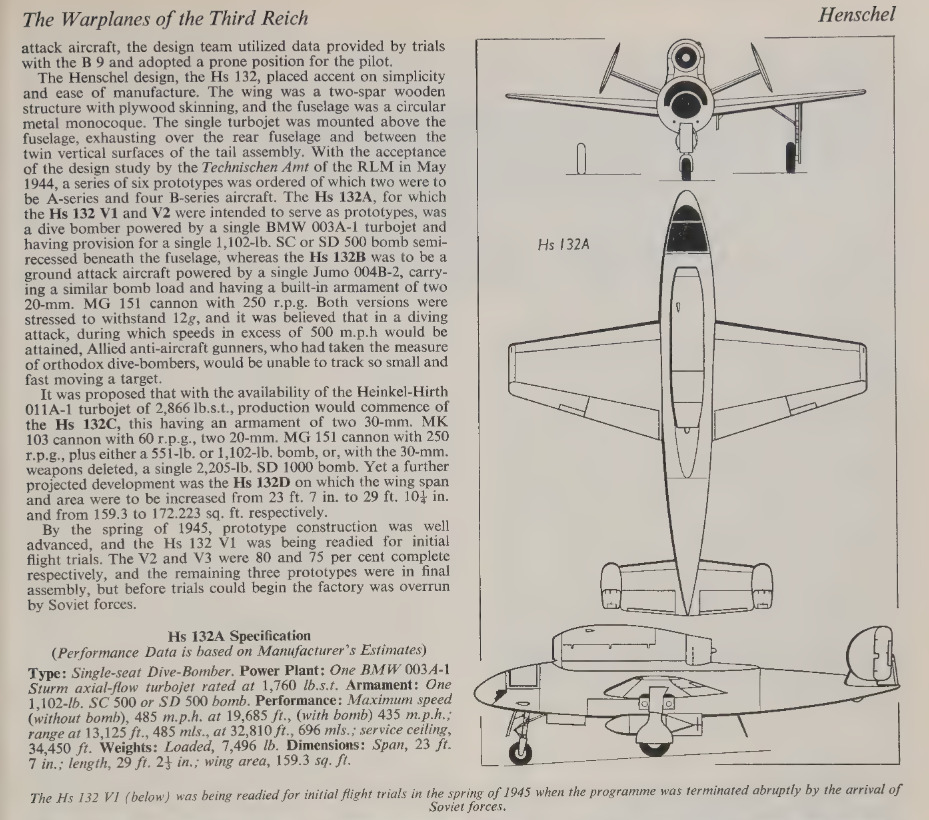
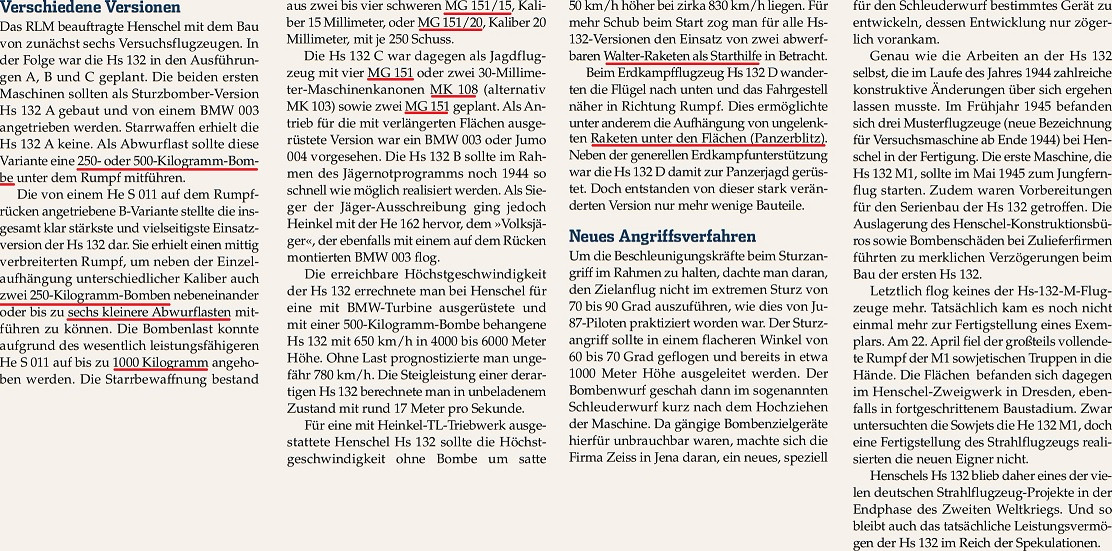
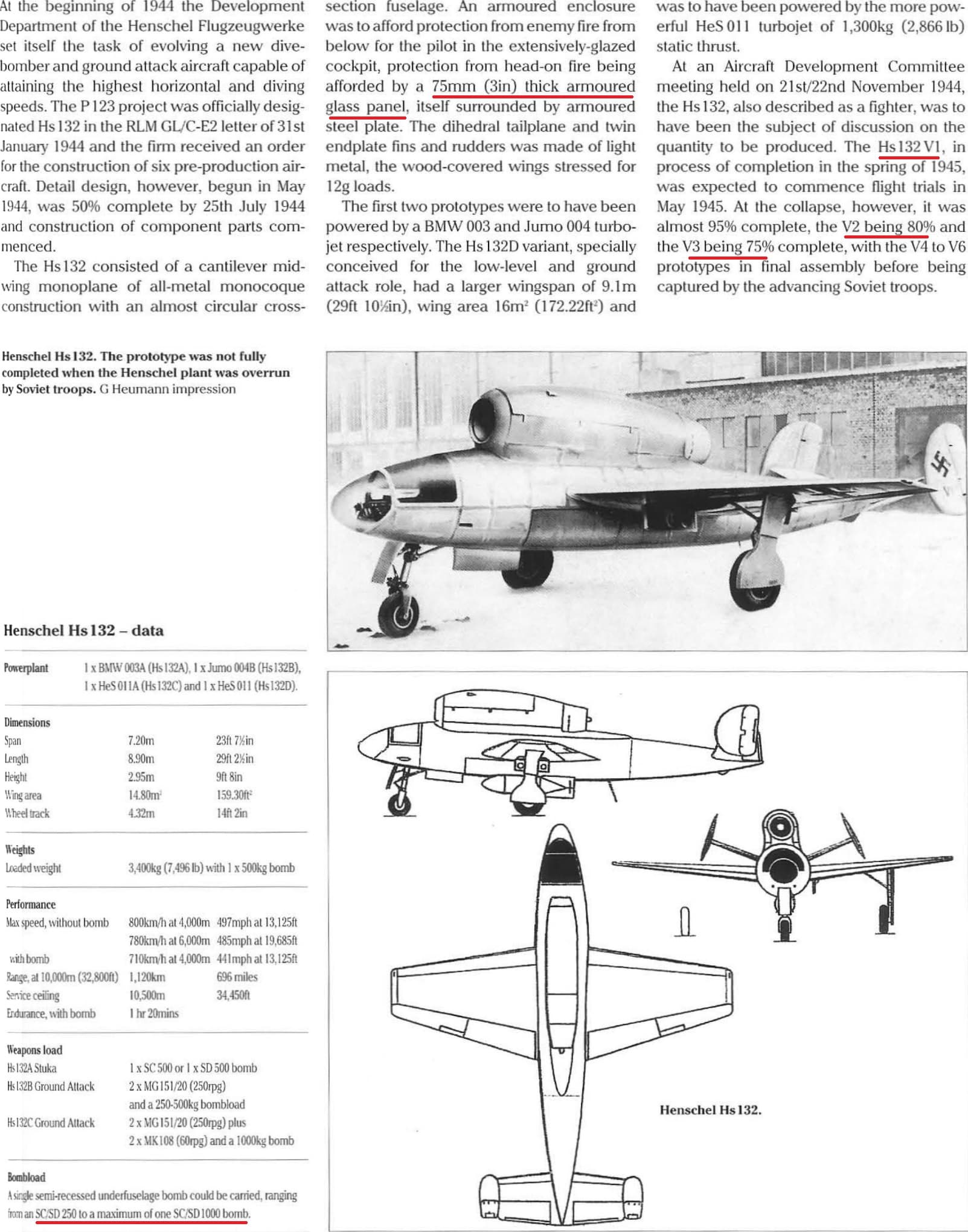
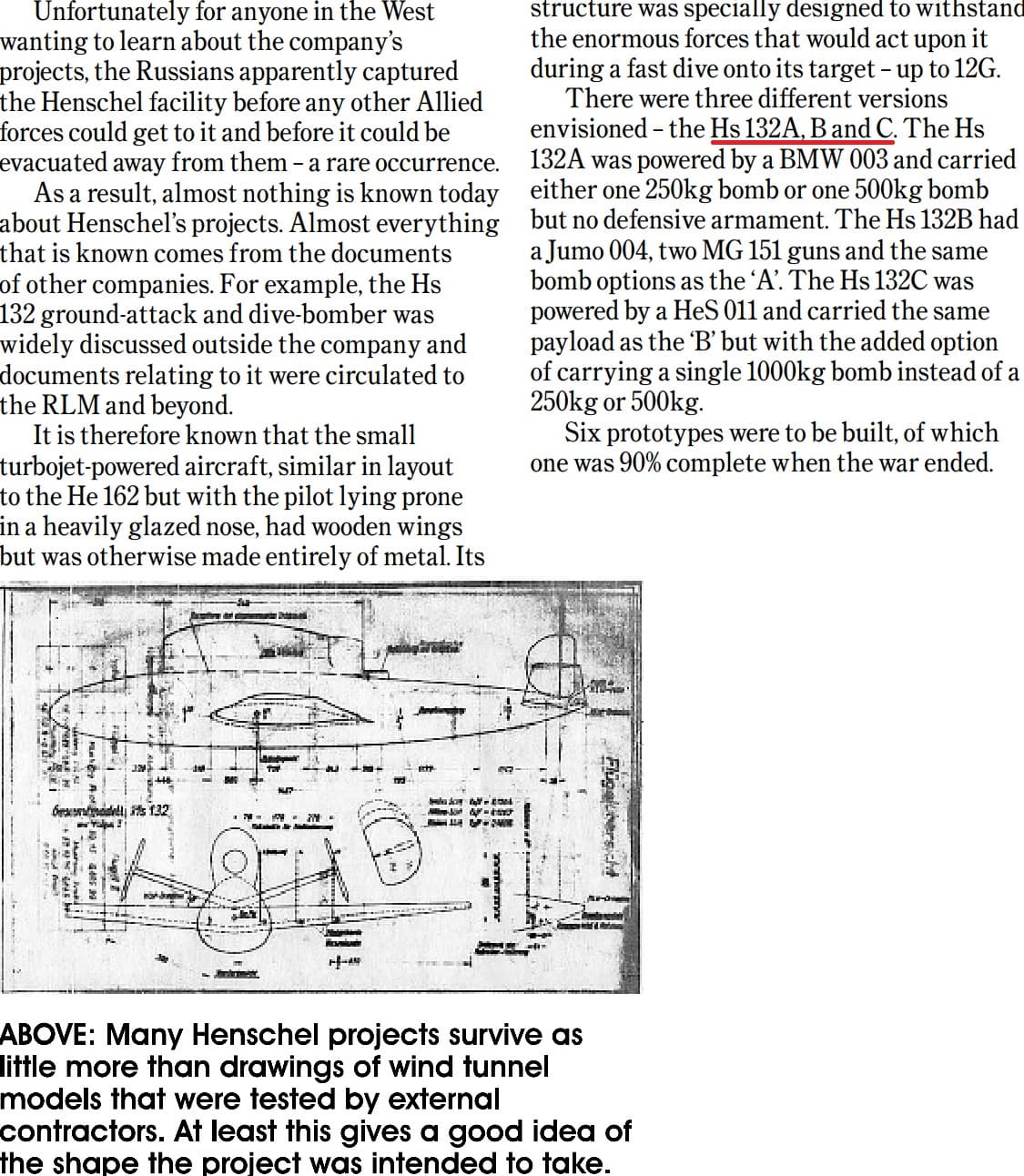
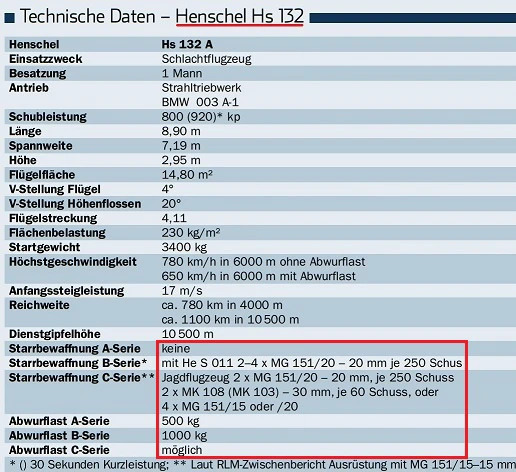
The aircraft was powered by a BMW 003 turbojet mounted above the fuselage spine. This placement simplified the intake and exhaust arrangement and kept the bomb load clear beneath the fuselage. The wings were designed to be wooden to conserve strategic materials, and the landing gear was a tricycle arrangement with a retractable nosewheel. The planned armament varied by prototype version. The V1 was to carry only a 500 kilogram bomb, the V2 added two MG 151 cannons, and the V3 combined the bomb with both MG 151 and MK 103 cannons for heavier firepower.
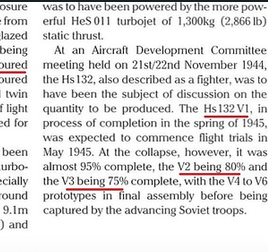
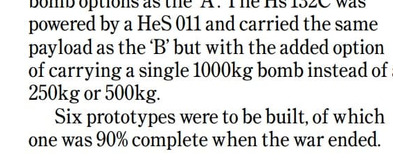
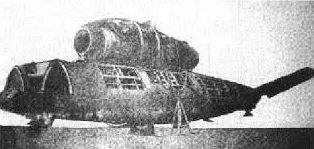
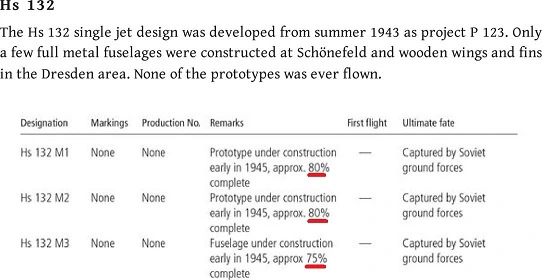
Development moved forward in 1944 with contracts for six prototypes. By early 1945 three airframes were under construction at Henschel’s Schönefeld plant. The first flight was scheduled for June 1945, but the war ended before testing could begin. Soviet forces captured the incomplete prototypes in May 1945. Their fate is uncertain, but they were likely dismantled or briefly studied before being discarded.
The Hs 132 never flew, yet it represents one of the most ambitious attempts to create a jet‑powered dive bomber. Its combination of a prone pilot cockpit, jet propulsion, and heavy bomb load made it unique among late‑war German projects. Although it remained unfinished, the design illustrates both the innovation and desperation of Germany’s aviation industry in the final months of the conflict.
Art images / book images / irl image:
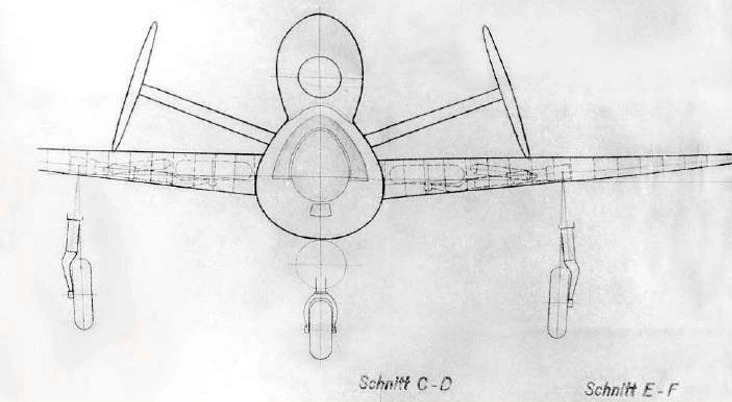
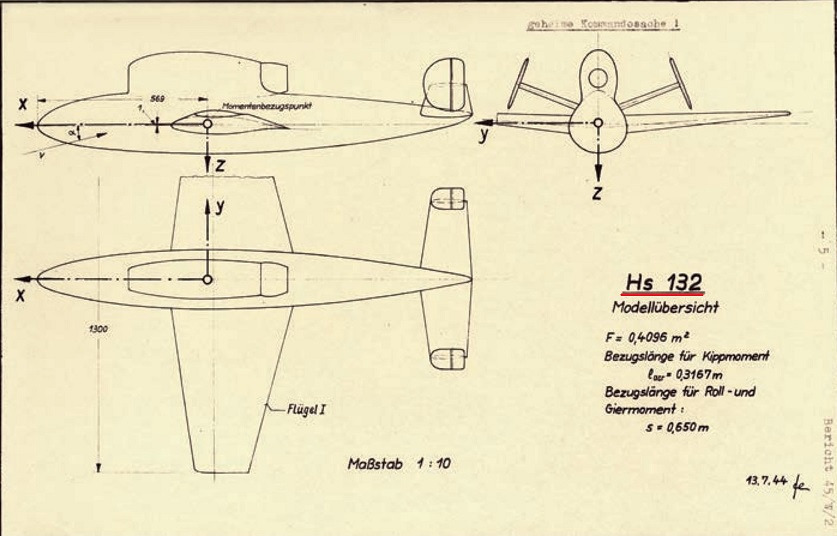
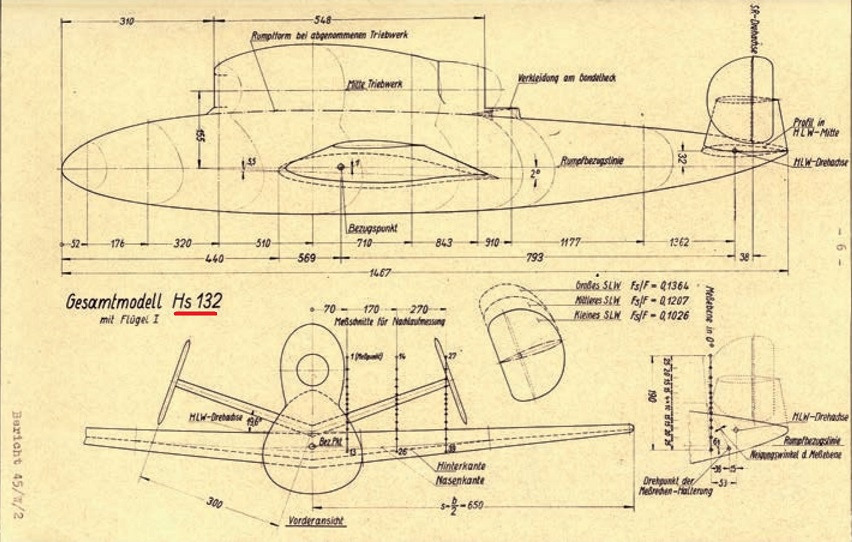
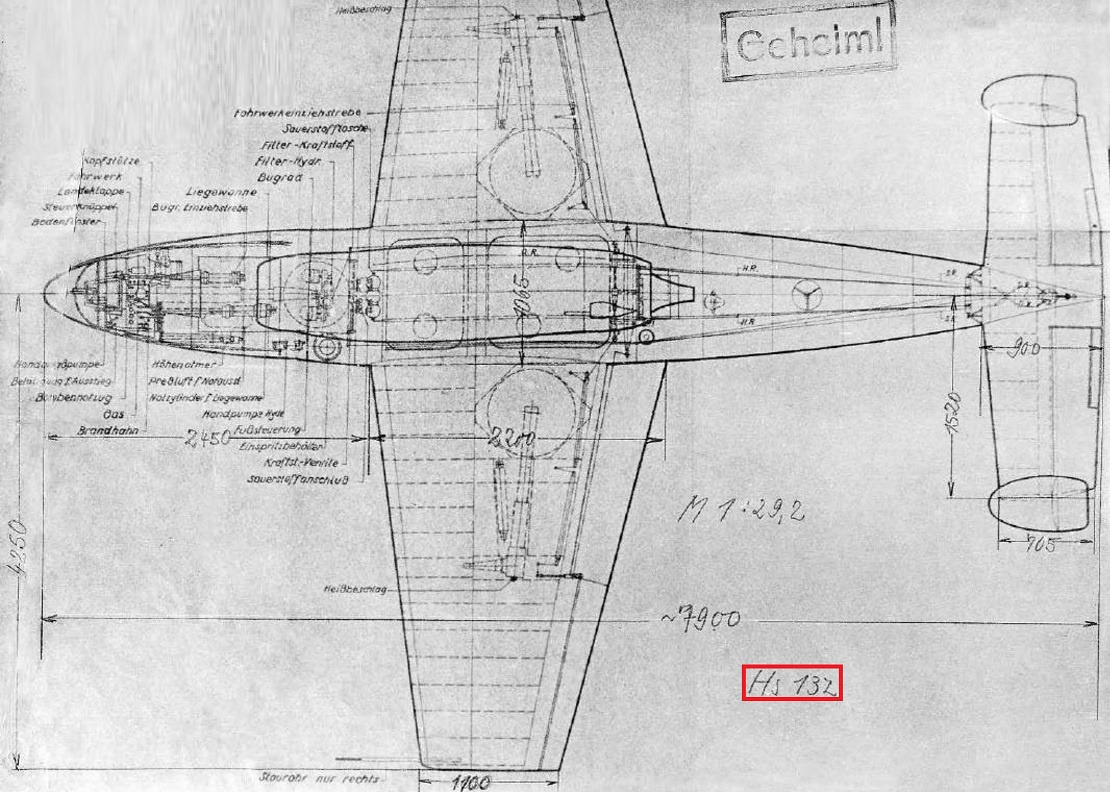
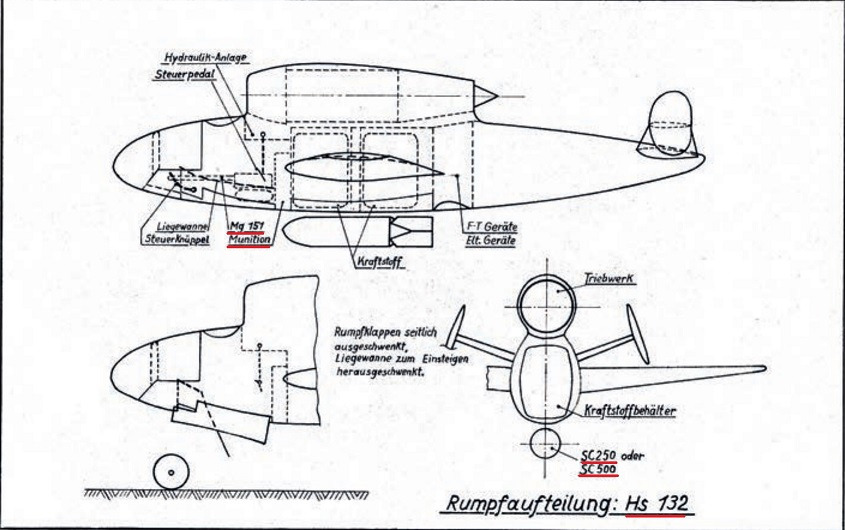
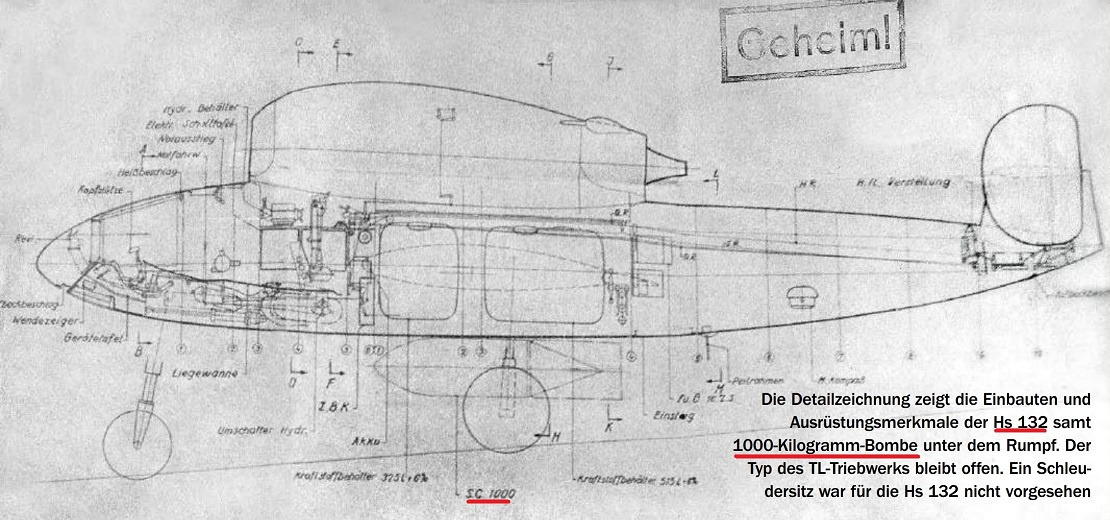
SPECIFICATIONS & General characteristics :
Spoiler
• Powerplant: 1 × BMW 109‑003E‑2 turbojet engine (1,760 lbf thrust)
• Wingspan: 8.90 m (29 ft 2 in)
• Length: 7.20 m (23 ft 7 in)
• Height: 2.95 m (9 ft 8 in)
• Wing area: 14.82 m² (159.3 sq ft)
• Loaded weight: 3,400 kg (7,496 lb)
• Maximum speed: 780 km/h (485 mph) estimated
• Range: 680 km (423 mi) estimated
• Service ceiling: unknown (est. 10,500 m / 34,450 ft)
• Crew: 1 pilot (prone position)
• Armament: 1 × 500 kg SC 500 or SD 500 bomb semi‑recessed beneath fuselage
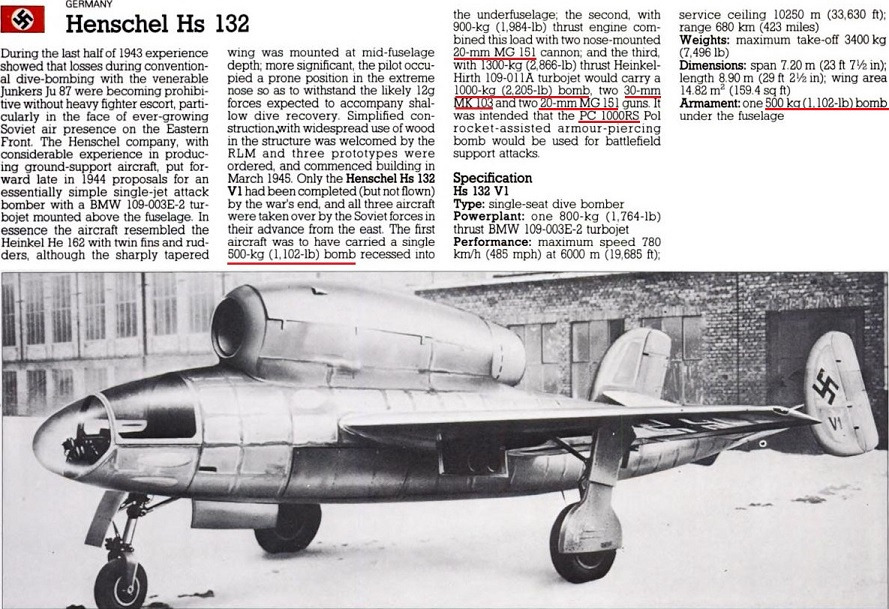
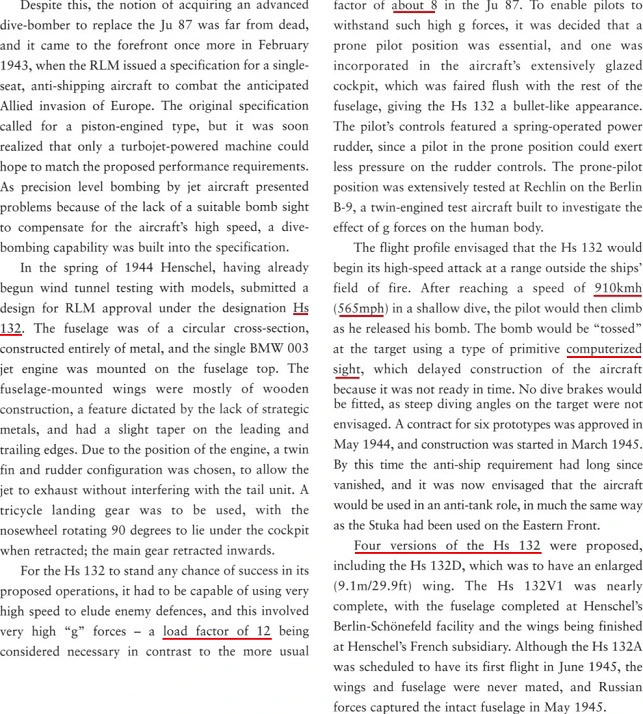
Sources:
Spoiler
William Green – Warplanes of the Third Reich Classic and authoritative
Dan Sharp – Secret Projects of the Luftwaffe (series)
Frederic P. Miller, Agnes F. Vandome, John McBrewster – *Henschel Hs 132
Manfred Griehl – Jet Planes of the Third Reich: The Secret Projects, Vol. 1
Thanks to @TT33a
Thanks for Reading 💗