- Yes
- No
- Tec Tree
- Event
- Premium
- Battlepass
- No
the early He 177A‑1 prototypes, part of the first batch of developmental aircraft.
Purpose: It was used for testing heavy armament configurations, particularly the installation of 30 mm MK 101 cannon in the nose.
Conversion Program: Known as the R1 conversion, this program aimed to rearm twelve He 177A‑1 bombers with fixed forward‑firing cannon to act as long‑range “destroyers” against enemy shipping and bomber formations.
History and Development:
Spoiler
The He A-1/U1 was the first production series of the He 177, built by Arado at Brandenburg-Neuendorf.
Entered service in 1942 but suffered from chronic engine fires due to its coupled Daimler-Benz DB 606/610 engines.
Designed under the misguided requirement that it must be capable of dive-bombing, which compromised its structure and reliability.
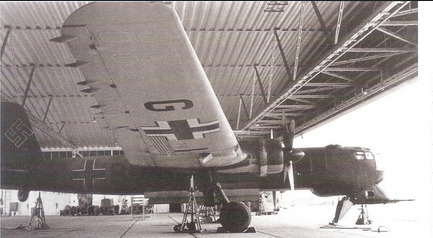
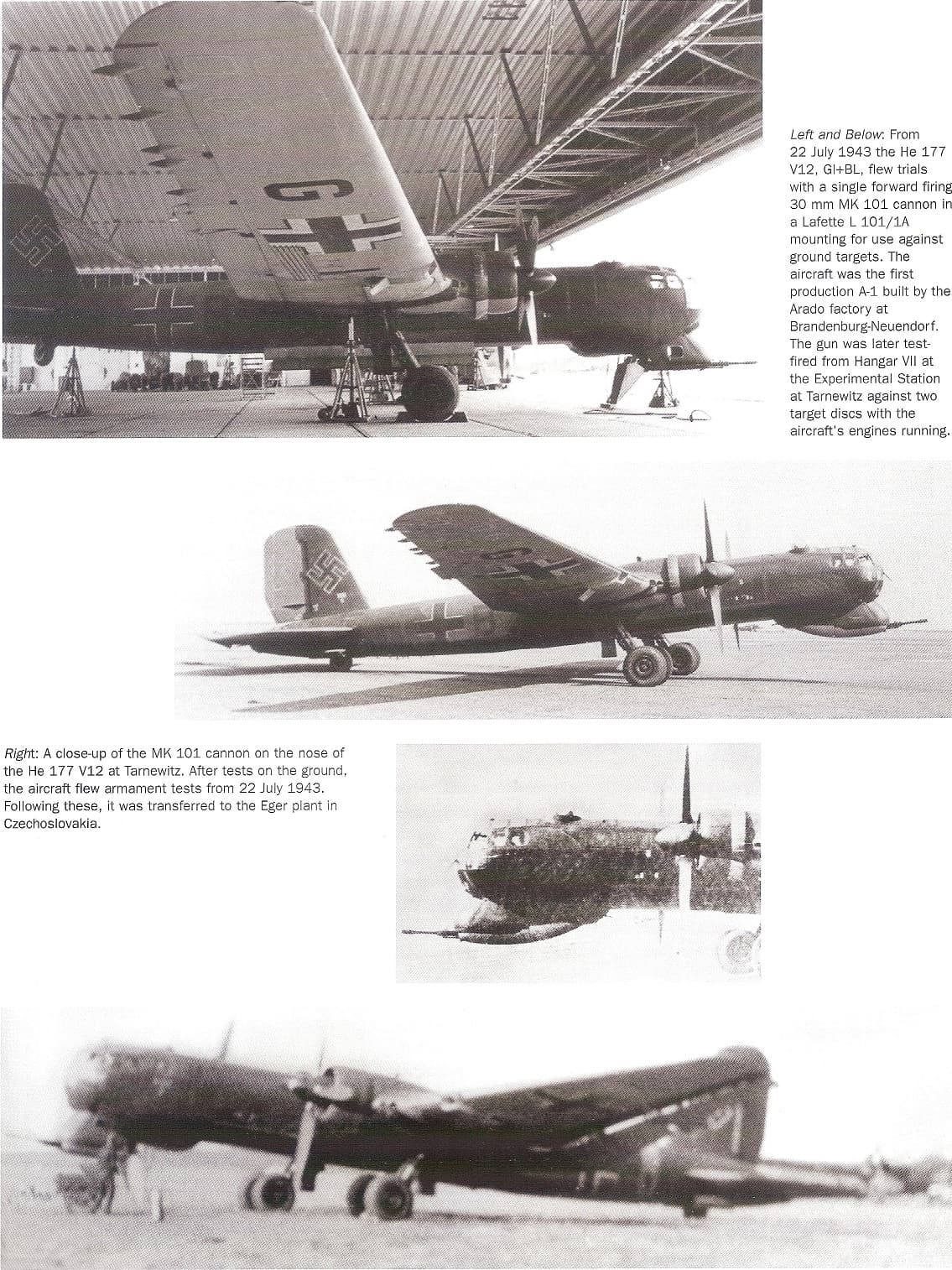
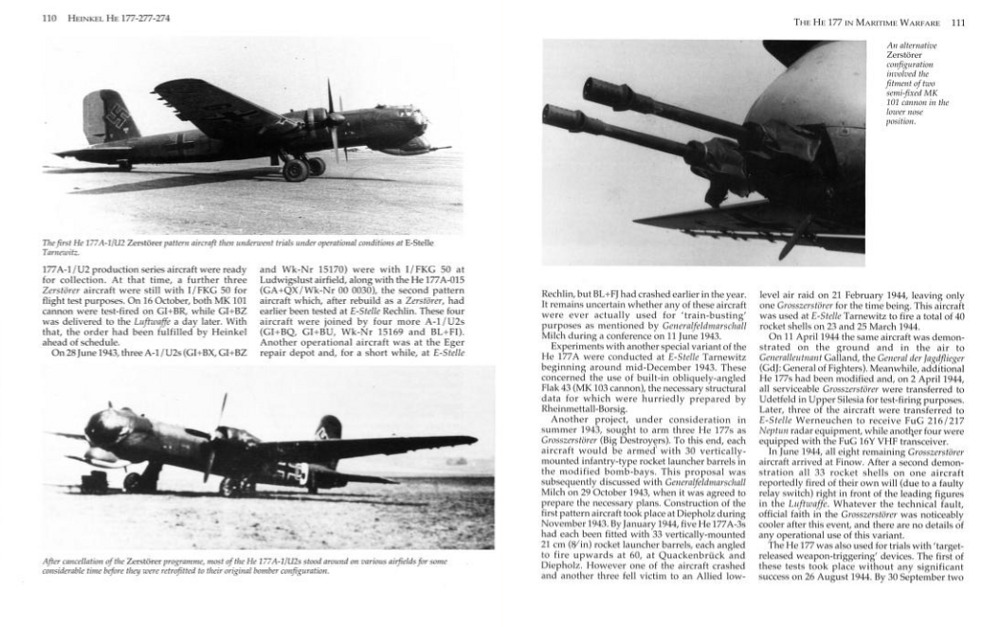
In July 1943, it was modified with a forward-firing 30 mm MK 101 cannon mounted in a Lafette L 101/1A under the nose.
Purpose: to test the feasibility of using the He 177 as a heavy ground-attack platform against armored targets.
Trials began on 22 July 1943 at Tarnowitz, where the gun was fired from Hangar VI with engines running, then in flight against target discs.
After these tests, the aircraft was transferred to the Eger plant in Czechoslovakia for further evaluation.
Only this single aircraft is documented with the U1 modification—making it a one-off experiment.
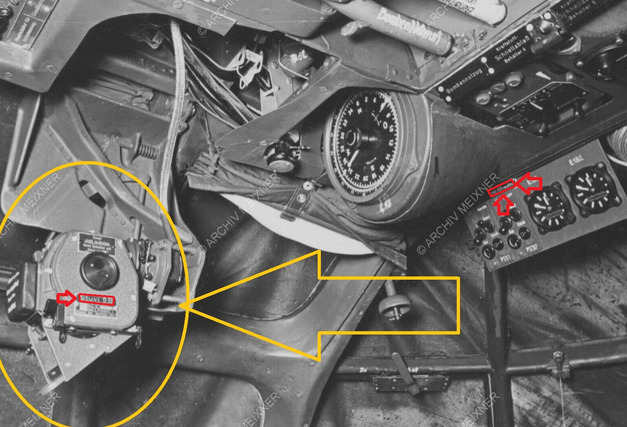
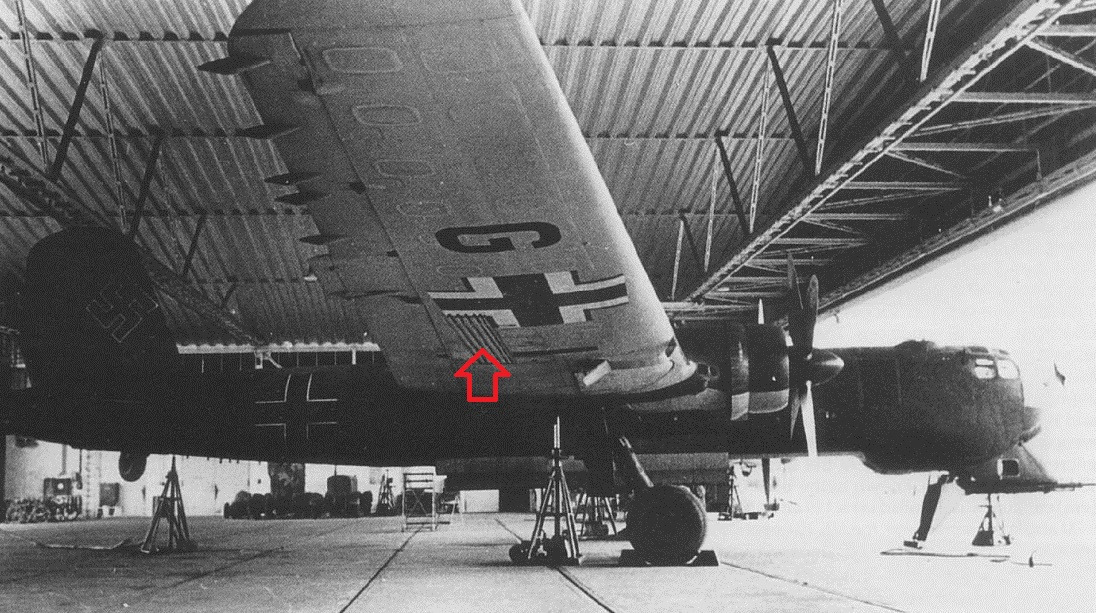
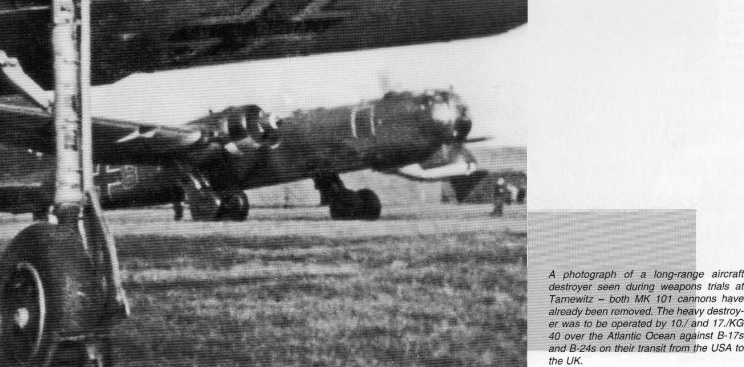
IRL images of He 177 A-1/U1 / Cockpit:
Spoiler
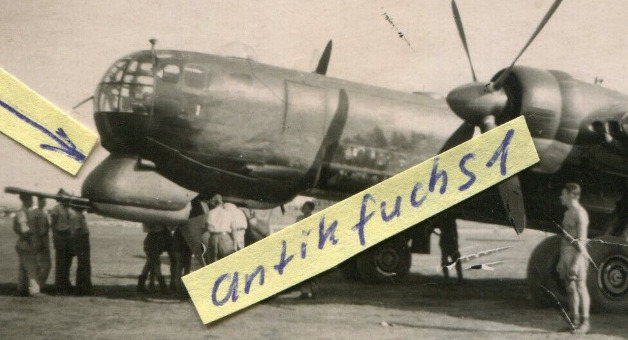
He 177 A-1/U1 cockpit with Stuvi 5 dive sight and Mk 101 controls marked in red:
earlier (fire prone DB 606) engine, a shorter fuselage, weaker defensive armament, & dive brakes :



Specifications & General Characteristics :
Spoiler
- Crew: 6 (pilot, co-pilot, navigator/bomb aimer, radio operator, flight engineer, gunners)
- Length: 22 m (72 ft 2 in)
- Wingspan: 31.44 m (103 ft 2 in)
- Height: 6.93 m (22 ft 9 in)
- Wing Area: 128.7 m² (1,386 ft²)
- Empty Weight: 16,800 kg (37,037 lb)
- Loaded Weight: 27,000 kg (59,524 lb)
- Maximum Takeoff Weight: 31,000 kg (68,343 lb)
Powerplant :
- Engines: 2 × Daimler-Benz DB 606A/B “power systems” (each consisting of two coupled DB 601 engines)
- Total Output: 2,700 hp each (5,400 hp combined)
- Configuration: Coupled inline engines driving a single propeller per nacelle
Performance :
- Maximum Speed: 480 km/h (300 mph) at 6,000 m (19,685 ft)
- Cruise Speed: 350 km/h (217 mph)
- Range: 5,500 km (3,420 mi) with maximum fuel
- Service Ceiling: 8,000 m (26,250 ft)
- Rate of Climb: 4.3 m/s (850 ft/min)
Armament :
- Nose / Forward Dorsal:
- 1 × 20 mm MG 151/20 cannon (dorsal turret)
- Rear Dorsal:
- 1 × 13 mm MG 131 machine gun
- Tail Position:
- 1 × 13 mm MG 131 machine gun
- Beam Positions (sides):
- 2 × 7.92 mm MG 81 machine guns
- Fixed Forward-Firing Cannon:
- 1 × 30 mm MK 101 cannon in Lafette L 101/1A nose mounting (tested July 1943 on V12, GH+BL)
Bomb Load:
Up to 6,000 kg (13,228 lb) of bombs internally
Sources :
Spoiler
1- He 177, 277, 274
2-He 177 units for world war 2
3-Wiki Heinkel He 177 Greif - Wikipedia
Thanks to @TT33a
Thanks for reading !