- Yes
- No
Hello everyone, and welcome to this new suggestion.
Today, I am presenting a new French aircraft prototype: the Hanriot H.220.
In 1934, the French Air Force issued specifications for a rather unusual type of aircraft intended to serve as an airborne command post for fighter formations. The concept called for a three-seat aircraft carrying a liaison officer whose role was to maintain radio contact with friendly fighters, coordinate their movements, issue tactical orders, and help designate targets during combat. Several French manufacturers responded to the requirement, including Potez, Breguet, and Romano, each proposing their own interpretation of this unusual concept. Among them was Hanriot, which developed the aircraft that would become the H.220.
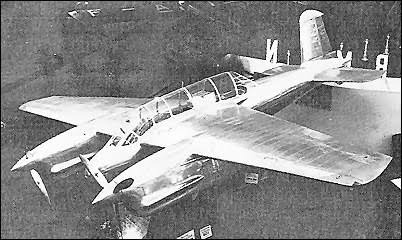
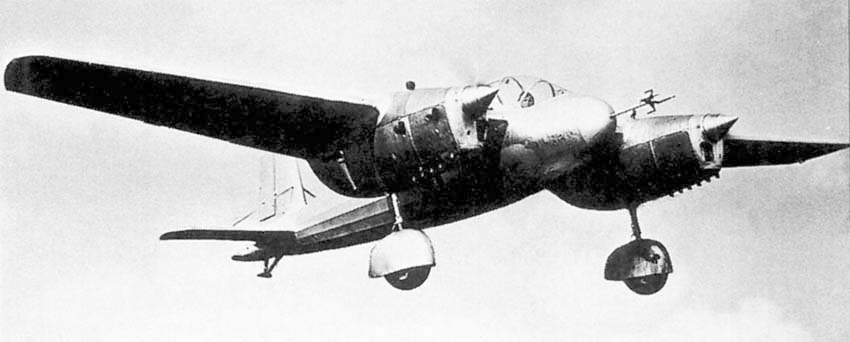
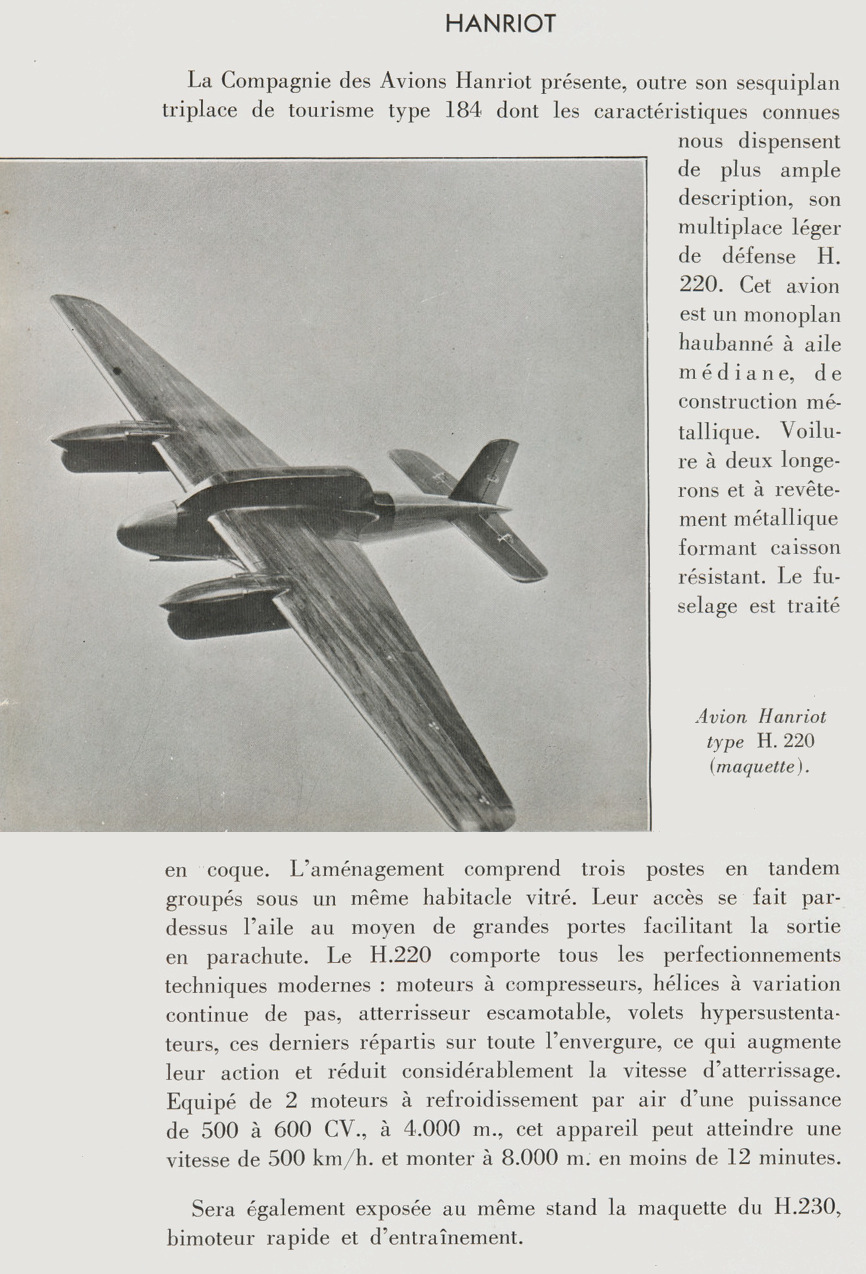
Designed according to the Air Force’s requirements, the Hanriot H.220 was a twin-engine, three-seat aircraft featuring an all-metal construction. Its most distinctive characteristic was the unusual placement of its two engines, mounted directly along the leading edges of the wings. This arrangement gave the aircraft a particularly recognizable appearance while also leaving the central fuselage free to accommodate its three-man crew and the equipment required for its command and liaison role.
The prototype made its maiden flight in 1936 and immediately revealed one of its main weaknesses: it was severely underpowered. The engines initially fitted to the aircraft were unable to provide the performance required for an aircraft that was expected to accompany fighter formations. In an attempt to improve its capabilities and keep the project competitive, the aircraft was subsequently re-engined with more powerful powerplants and underwent further modifications as part of the ongoing evaluation program.
The H.220’s short career came to an abrupt end in 1938 when the prototype crashed during a test flight. The aircraft was destroyed in the accident, and the loss of the only prototype effectively brought the Hanriot project to an end. The French Air Force ultimately moved away from this unusual airborne command-post concept, and none of the aircraft developed for the original requirement entered large-scale production.
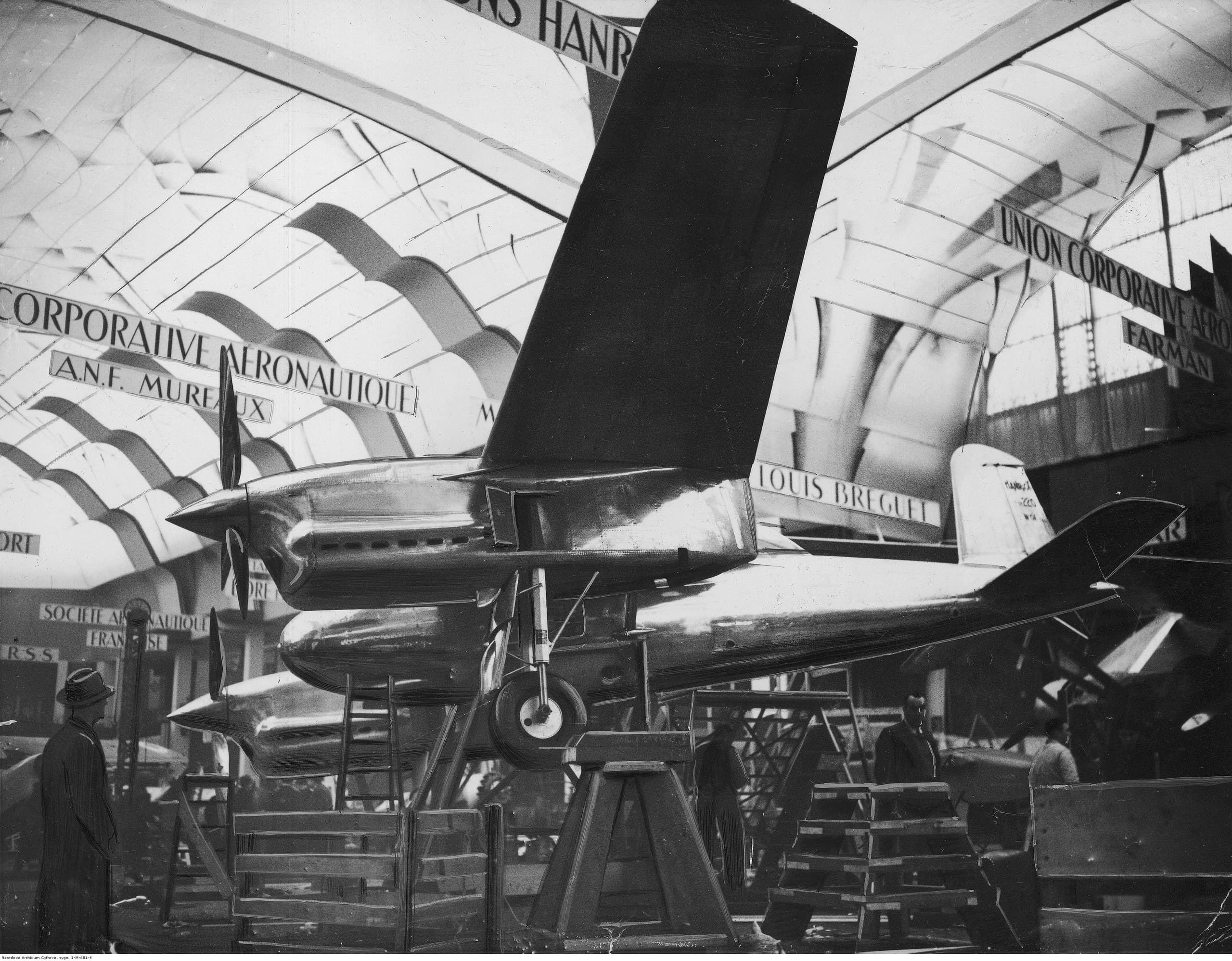
H.220 with the Renault engines
Characteristics
Length : 8.80 m
Width : 12.80 m
Height : 3.40 m
Mass :
- Empty : 2673 kg
- Full : 3700 kg
The aircraft was initially powered by two Renault 12R V12 engines producing 450–500 hp, before being fitted with 680 hp Gnome & Rhône 14M engines, which provided a significant boost in power. This allowed the aircraft to reach a top speed of 520 km/h at an altitude of 6,000 m and a service ceiling of 9,800 m. It has a range of 980 km.
The crew consists of three personnel: a pilot in the front, a liaison officer in the middle, and a rear gunner.
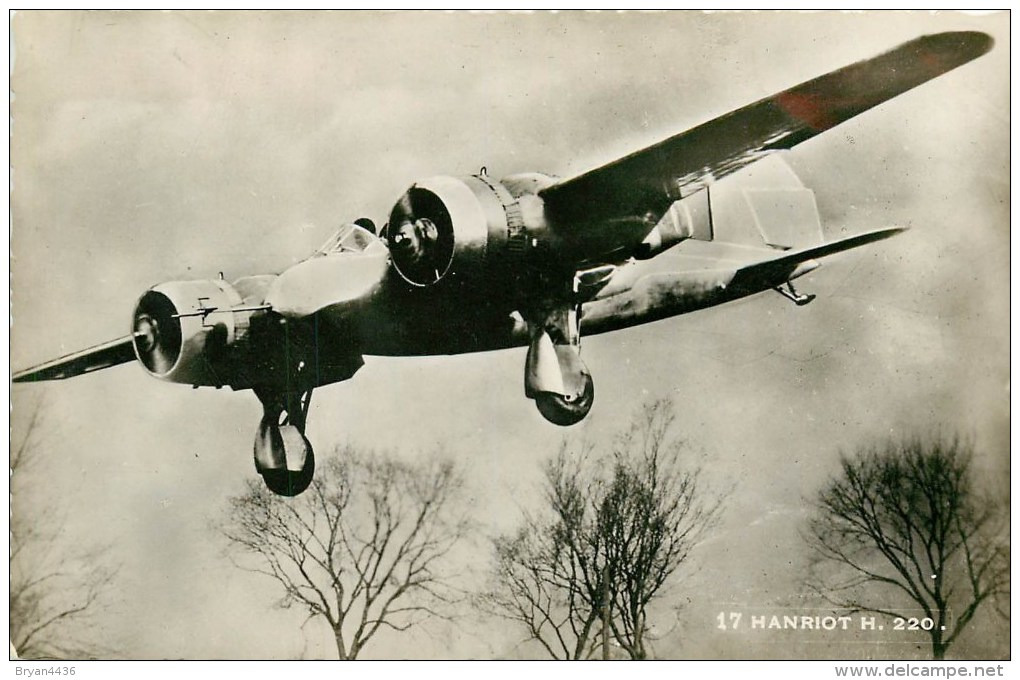
H.220 with the Gnome & Rhône engines
Weapons
The aircraft’s armament is particularly noteworthy, enabling it to engage all types of aerial targets; it features two 20mm cannons in the nose, allowing it to engage both fighters and bombers, as well as a 7.5mm MAC-34 machine gun in a rear defensive turret.
In-game, this aircraft would be an interesting addition to the French tech tree, offering a heavy combat aircraft capable of dealing significant damage to opponents, though limited by its engine performance.
Sources
- Les avions de la Seconde Guerre Mondiale - Hanriot H. 220, NC-600
- Hanriot H-220 - Chasseur - Un siècle d’aviation française
- L’aviation selon Drix: Hanriot 220 (= NC 600) : Le très difficile chemin vers les solutions innovantes (Modifié le 11 / 04 / 2024 *** ***)
- Hanriot twin-engined fighters of the 1930 : H.220, SNCAC NC.600 and more… | Secret Projects Forum
- 1939-1945: 2ème Guerre - Aviation - Avion Hanriot H. 220 - déstiné Chasse, Observation, Bombardement -CPA n° 17 - (voir 2 scans)