Gameplay suggestion for aircraft carriers and air squadrons in War Thunder
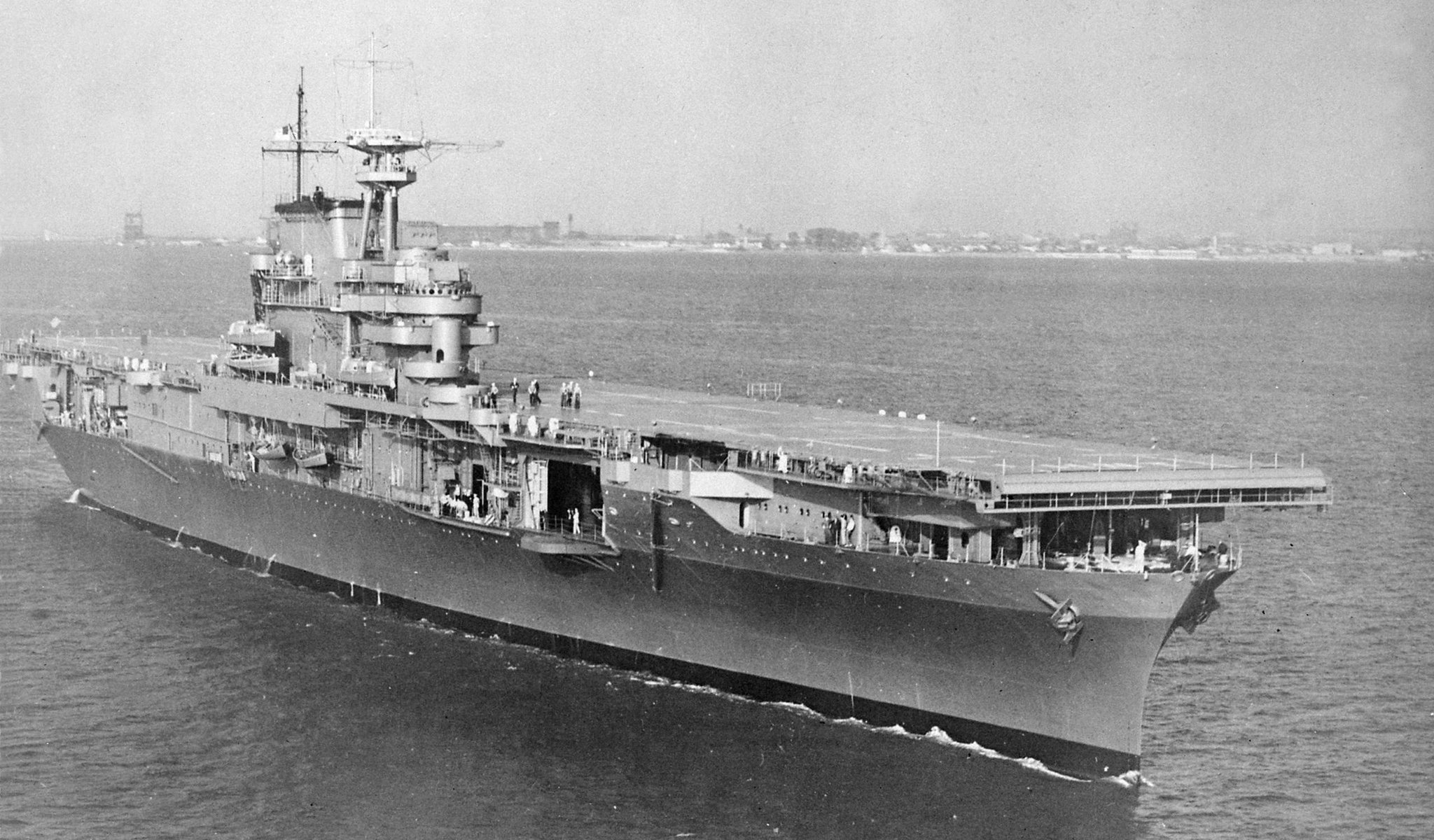
I would like to suggest the introduction of controllable aircraft carriers in War Thunder naval battles, together with a complete carrier-based aircraft squadron management system.
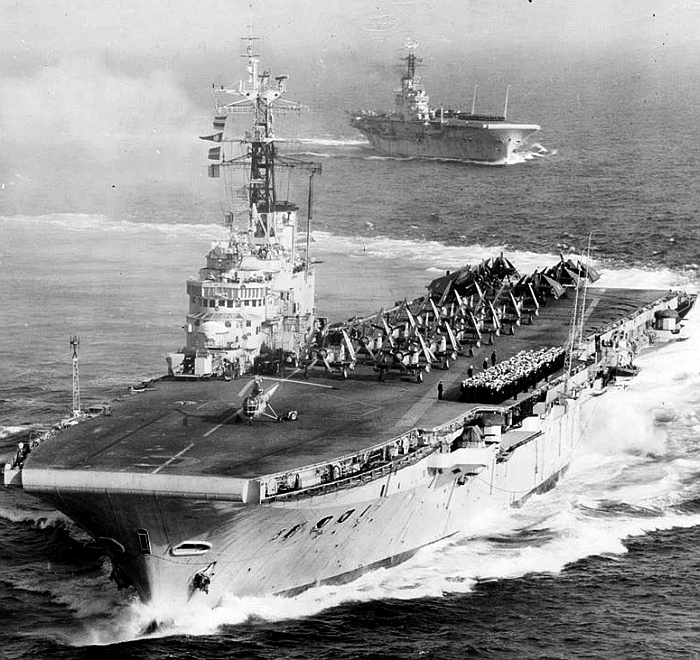
Aircraft carrier models already exist in the game and appear in several maps, campaigns, and missions. However, the most important feature required to make these ships truly playable is still missing: the ability to launch, control, and command carrier-based aircraft squadrons.
Squadron formation and launching
The system could reuse some mechanics that already exist in War Thunder’s air campaigns. In these missions, AI-controlled aircraft follow the player from takeoff and support them during combat.
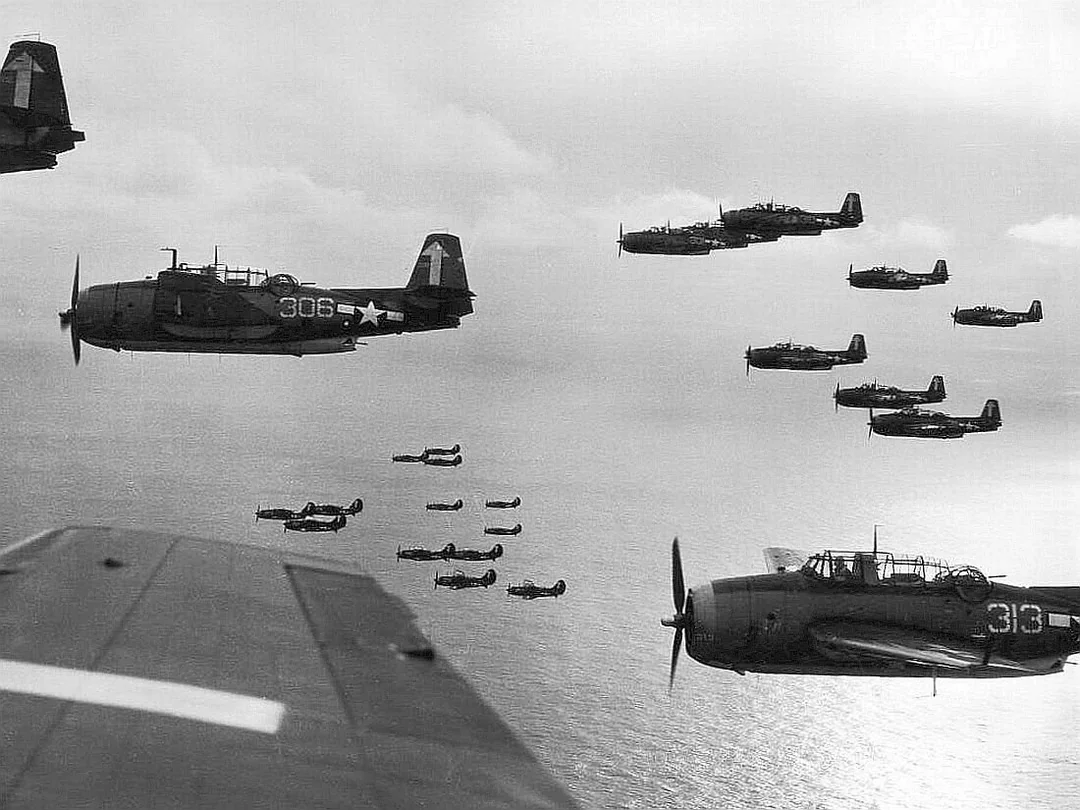
A squadron could consist of four aircraft:
- One aircraft directly controlled by the player;
- Three aircraft controlled by artificial intelligence;
- The ability to switch control between surviving aircraft;
- Individual and squadron-wide commands.
To prevent collisions and accidents on the flight deck, all aircraft should not spawn or take off at the same time. Instead, they could appear from the elevators or preparation areas and move toward the launch position one at a time.
The player would take off in the first aircraft while the other aircraft were positioned and launched in sequence. Once airborne, they would automatically join the player’s formation.
This system would be more realistic, prevent congestion on the flight deck, and make aircraft preparation and launching more organized.
Aircraft control
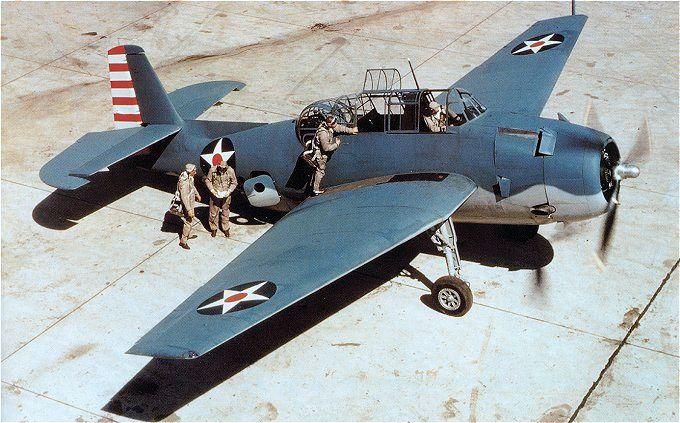
During a mission, the player could directly take control of any operational aircraft in the squadron.
If the player-controlled aircraft were destroyed, the player could switch to another surviving aircraft, provided that it was still operational.
The player would also be able to command AI-controlled aircraft through an order menu.
Possible commands could include:
- Attack a specific enemy ship;
- Attack an enemy aircraft;
- Bomb a marked area;
- Launch torpedoes against a naval target;
- Escort the player-controlled aircraft;
- Defend the aircraft carrier;
- Patrol a selected area;
- Maintain formation;
- Avoid enemy anti-aircraft defenses;
- Abort the attack;
- Return to the aircraft carrier.
The player could also select the attack direction, approach altitude, and type of weapon to be used.
Different squadron types
Aircraft carriers could provide different air groups depending on the nation, historical period, and carrier level.
Available squadron types could include:
- Fighters for fleet defense and air superiority;
- Dive bombers;
- Torpedo bombers;
- Attack aircraft;
- Reconnaissance aircraft;
- Anti-submarine aircraft, should submarines be introduced in the future.
Before entering a battle, the player would select which squadrons to bring, creating a system similar to ammunition, vehicle, or aircraft loadout selection in other game modes.
This would add an important strategic element. Fighter squadrons would be useful for protecting the fleet, while bombers and torpedo aircraft would be more effective against enemy ships.
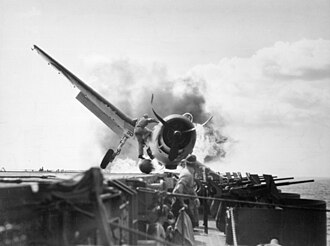
Returning to the aircraft carrier
One of the most important mechanics would be the ability to return aircraft to the carrier.
After completing an attack, the player could order the squadron to return. The aircraft would approach the carrier, enter the landing pattern, and land individually.
Aircraft that landed safely could be:
- Repaired;
- Refueled;
- Rearmed;
- Reused in another mission.
This would reward players for preserving their aircraft instead of treating them as disposable units.
Heavily damaged aircraft could require additional repair time. If the flight deck were destroyed, on fire, or blocked, the aircraft carrier could temporarily lose the ability to launch or recover aircraft.
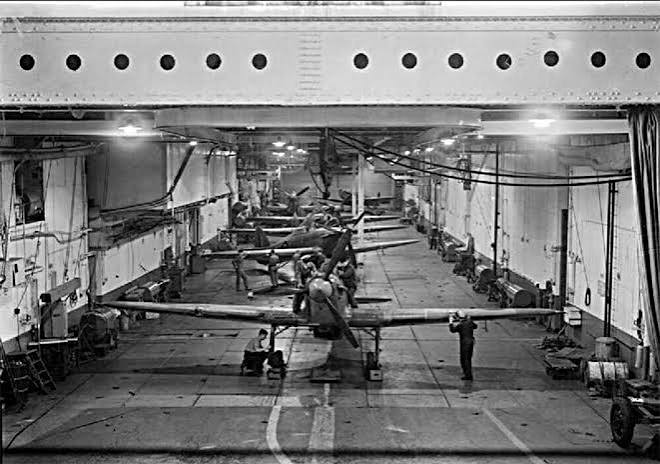
Aircraft carrier management
While the aircraft were carrying out their missions, the player would still need to manage the aircraft carrier itself.
The player would have to control:
- The carrier’s direction and speed;
- Its position in relation to the fleet;
- Anti-aircraft defenses;
- Damage-control teams;
- Flight deck fires;
- Damaged elevators;
- Fuel and ammunition storage damage;
- Aircraft launching and recovery operations.
To launch or recover aircraft, the carrier could be required to sail into the wind or maintain a minimum speed, making positioning an important part of the gameplay.
The player would also need to avoid moving too close to the front line because aircraft carriers would be large and vulnerable targets for enemy ships, submarines, and aircraft.
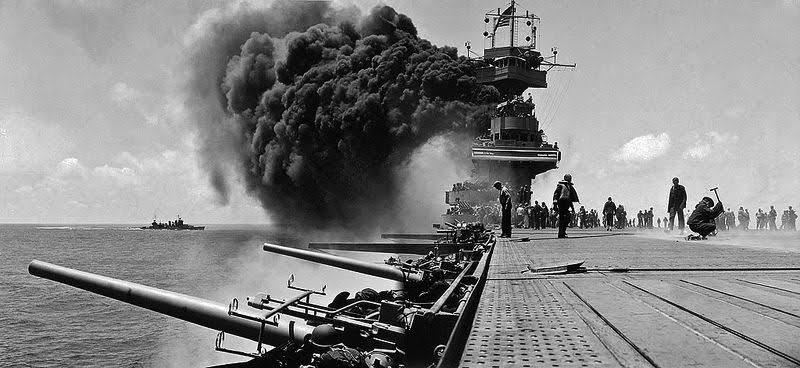
Balance limitations
To prevent aircraft carriers from becoming excessively powerful, several limitations could be introduced:
- A limited number of aircraft;
- Preparation time for each squadron;
- Repair, rearming, and refueling time;
- Maximum operational range;
- Reconnaissance requirements for locating certain targets;
- Vulnerability to enemy anti-aircraft defenses;
- Reduced operational capability when the carrier is damaged;
- Permanent loss of aircraft destroyed during the battle;
- A limit on the number of active squadrons.
The carrier player could also receive fewer points for attacks completed entirely by AI-controlled aircraft. Directly controlled attacks would require more skill and could provide greater rewards.
Cooperation with other players
This mechanic could also encourage teamwork.
Other players could:
- Escort the aircraft carrier;
- Protect it from enemy aircraft;
- Mark targets for air attacks;
- Request fighter cover;
- Request reconnaissance;
- Protect returning squadrons;
- Form a naval task force around the carrier.
Players using cruisers and destroyers would have an important role in providing anti-aircraft and anti-submarine protection for the fleet.
Expanding high-level naval gameplay
The introduction of aircraft carriers could help expand War Thunder’s naval endgame.
Currently, naval progression is mainly focused on destroyers, cruisers, and battleships. Aircraft carriers could create a new stage of progression and introduce more modern and strategically complex naval battles.
In the future, this system could support:
- Second World War aircraft carriers;
- Early Cold War aircraft carriers;
- Carrier-based piston-engine aircraft;
- Early naval jets;
- Naval helicopters;
- Anti-ship missiles;
- Naval air-defense systems;
- Larger ocean maps;
- Fleet escort and protection missions;
- Strategic objective-based battles.
Possible game modes
Aircraft carriers could initially be introduced through a separate mode or temporary testing events. This would allow the developers to evaluate balance before fully integrating them into regular naval battles.
Possible game modes could include:
Aircraft carrier protection
Each team would have to protect its carrier while searching for and destroying the enemy carrier.
Task force attack
Players would have to break through enemy defenses and attack a fleet protected by cruisers, destroyers, and aircraft.
Strategic area control
Aircraft carriers would help control parts of the map through air patrols, reconnaissance, and attacks against enemy units.
Long-duration naval battles
Larger battles could allow several aircraft launches, returns, repairs, and rearming cycles, creating a more strategic naval experience instead of a short and direct confrontation.
Conclusion
The introduction of controllable aircraft carriers with player-commanded air squadrons could add an entirely new dimension to War Thunder’s naval battles.
This mechanic would combine:
- Naval combat;
- Air combat;
- Resource management;
- Teamwork;
- Strategic planning;
- Squadron control;
- Aircraft launch and recovery operations.
In addition to using models and systems that already partially exist in the game, this feature could attract new players, bring former players back, and significantly extend high-level naval progression.
Aircraft carriers should not function only as ships with fully automated aircraft. They should provide a complete command experience, allowing the player to manage the ship, its squadrons, attack missions, returning aircraft, and the defense of the entire carrier task force.