- Yes
- No
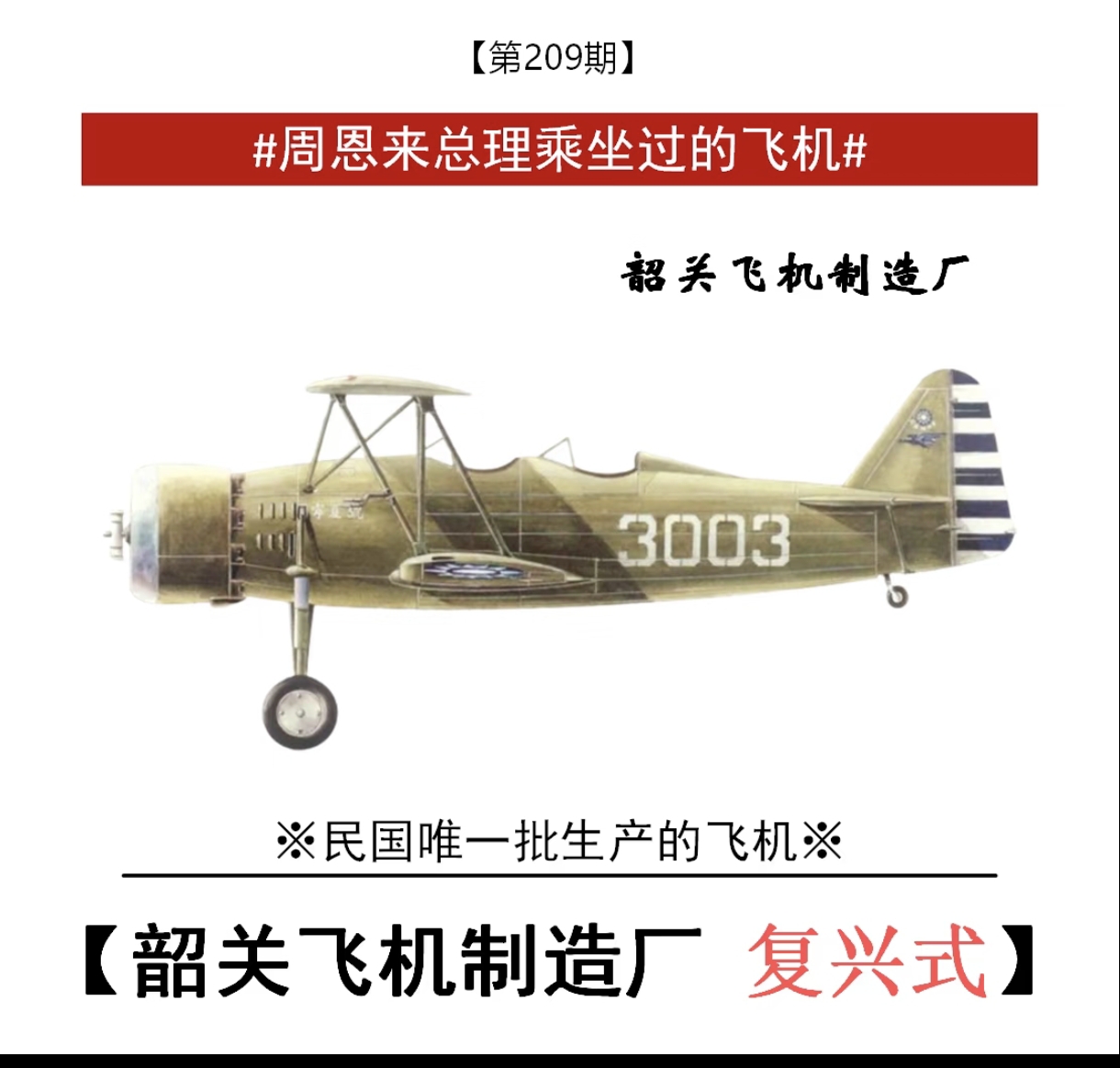
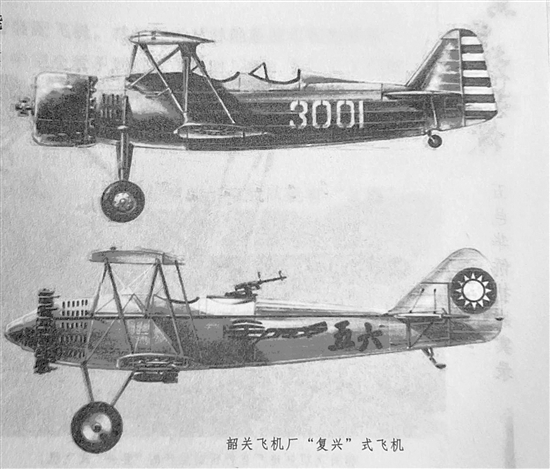
The Fuxing light reconnaissance/bomber aircraft was one of the few aircraft types that were domestically designed and developed by China and successfully produced in small batches during the Nationalist government era
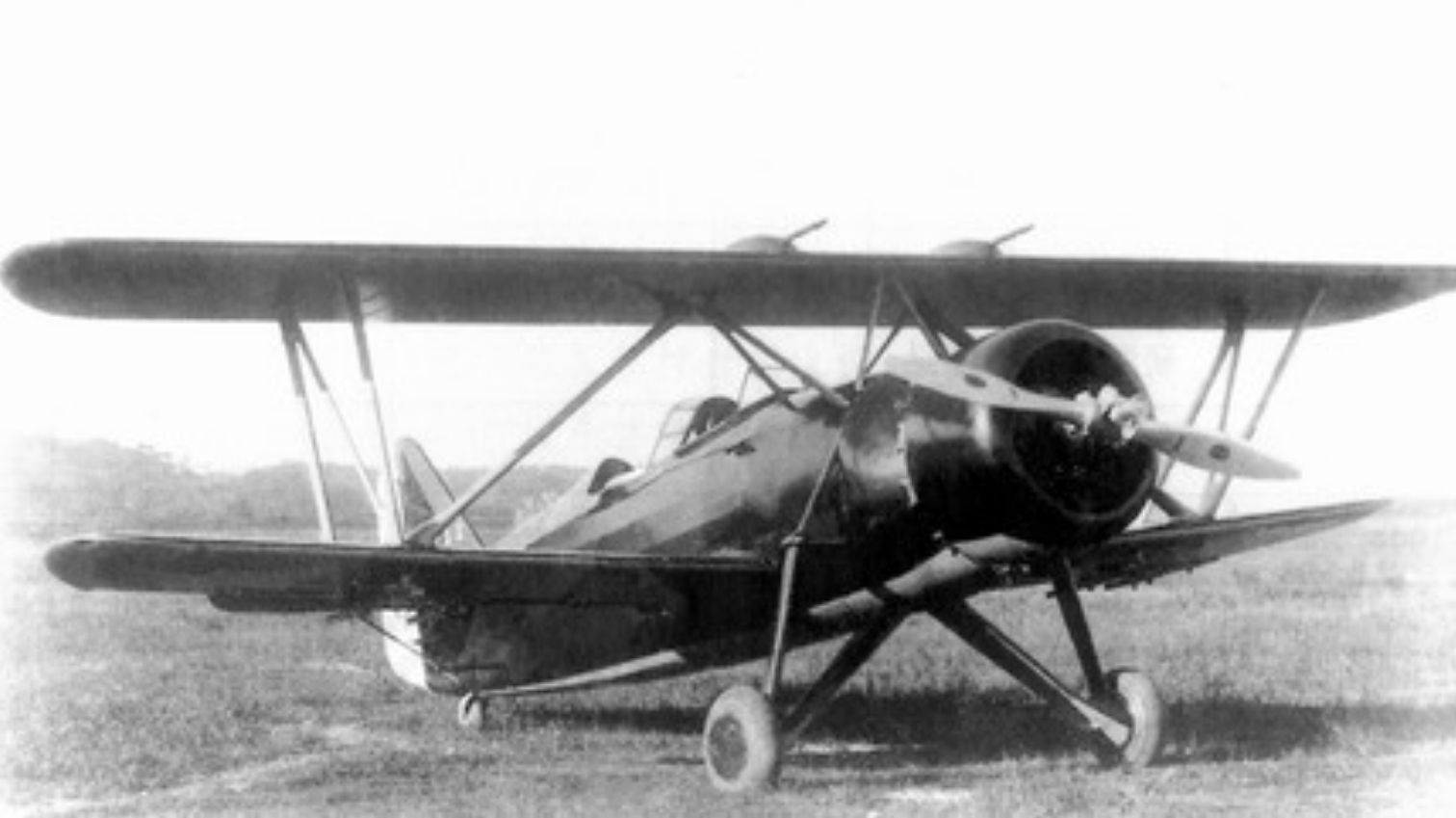
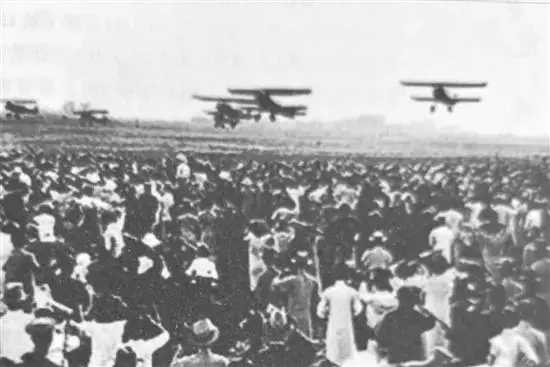
In the early 1930s, China was still in a period of warlord fragmentation. Chen Jitang, a local military leader in Guangdong Province, sought to counterbalance the Nanjing National Government and strengthen his own military capabilities. To this end, he vigorously promoted the development of the aviation industry, which led to the birth of the “Fuxing” (also romanized as “复兴”) aircraft.
Chen Jitang dispatched personnel to Shaoguan, Guangdong, to establish an aircraft manufacturing plant. The plant began designing and manufacturing aircraft as early as 1927, with technical cooperation from the American Curtiss-Wright Corporation. The facility was largely completed in August 1935 and was initially named the “Shaoguan Aircraft Repair Factory”. It employed foreign advisors and engineers, and involved more than 20 overseas‐educated Chinese students. After the factory was established, work promptly began on a new trainer aircraft, which was designated the “Fuxing”. Its design drew reference from two advanced contemporary models—the Boeing‑Stearman 76C‑3 and the North American NAA‑16‑4. As a biplane propeller‑driven trainer, its fuselage structure featured a main framework of welded steel tubing, while the fuselage skin, the leading edge of the forward wing, and the entire tail unit were made of alloy materials. The wing adopted a biconvex airfoil section, with wooden framework ribs; the wing leading edge was covered with aluminum sheeting, and the remaining surfaces were fabric‑covered. The powerplant was a Wright R‑975E3 air‑cooled engine, rated at 330 kilowatts. In January 1935, the design proposal for the “Fuxing” was approved, and construction officially began on December 1 of that year. The first prototype rolled out in early May 1936, bearing the designation AP‑1, and made its successful maiden flight on May 20, 1936.
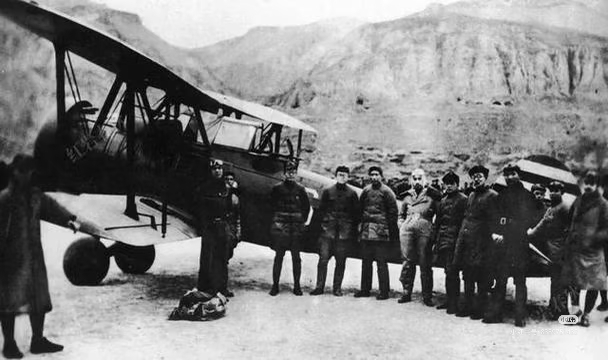
As it largely met the original design requirements, no major modifications were made. It was then flown to Guangzhou on the 22nd for a mock combat exercise against the then‑famous Boeing 281. Although it was 48 km/h slower, it held its own thanks to its agile maneuverability. Initially, it was positioned as an advanced trainer for air force pilots. After the full‑scale outbreak of the War of Resistance against Japan, improved variants such as the Fuxing Type A and Type C (of which only one was built) were developed, with speeds increased to 285–292 km/h. Later production variants could be equipped with two fixed machine guns, one flexible machine gun, and bomb racks, giving them both reconnaissance and light bombing capabilities. Along with the Hawk fighter, the Fuxing became one of the mainstays of the Chinese Air Force in the early stages of the war.
At the end of 1936, Chen Jitang fell from power, and Chiang Kai‑shek sent personnel to take over the factory, renaming it the Shaoguan Aircraft Factory. After the full‑scale Sino‑Japanese War broke out, Shaoguan became a target for air raids. In 1939, the factory was relocated to Kunming and redesignated as the First Aircraft Factory of the Air Force, where it continued to produce the Fuxing. This was the only aircraft type that was indigenously designed and mass‑produced during the Nationalist era. About 20 to 30 Fuxing aircraft were produced in total, of which at least 5 were of the basic model, more than 10-20 were of the Fuxing Type A, and 1 was the Type C。
In the game: the Fuxing Type A can be featured as an initial Chinese aircraft in the technology tree. The aircraft mounts its machine guns on the upper wing, a feature that can be considered quite distinctive for a Chinese starter plane.
- Crew: 2
- Wingspan: 9.45 m
- Length: 7.25 m
- Height: 2.82 m
- Empty weight: 985 kg
- Gross weight: 1,634 kg
- Maximum speed: 285 km/h
- Service ceiling: 6,462 m
- Range: 1,577 km
- Powerplant: One Wright R‑975E3 air‑cooled engine, rated at 450 hp
- 2 fixed machine guns (mounted above the center section of the upper wing)
- 1 flexible machine gun (rear cockpit)
4 bomb racks under the wings
- 4 × 50 kg / 100 kg bombs

Spoiler
War of Resistance Memorial Network – Overseas Chinese Returned to China to Build Warplanes
ScienceNet Digital Report
Official Website Report of Zhenjiang District People’s Government – Shaoguan Aircraft Factory Site
Baidu Baike - Fuxing Aircraft
Encyclopaedia of Chinese Aircraft - Fuxing Aircraft
[Internet Archive – Chinese Aircraft Supplement (Part 7)]