- Yes
- No
Hello everyone, and welcome to this new suggestion.
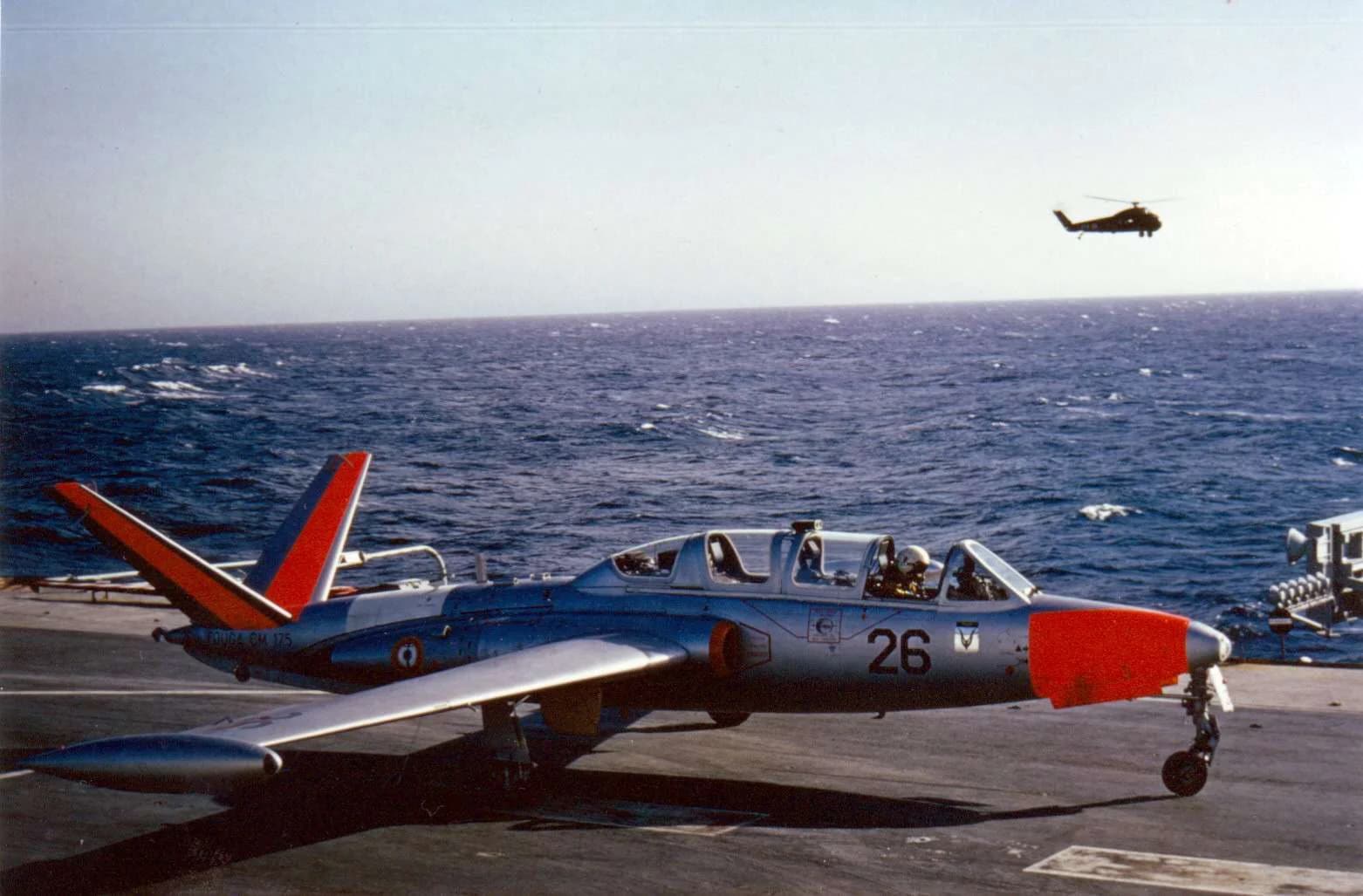
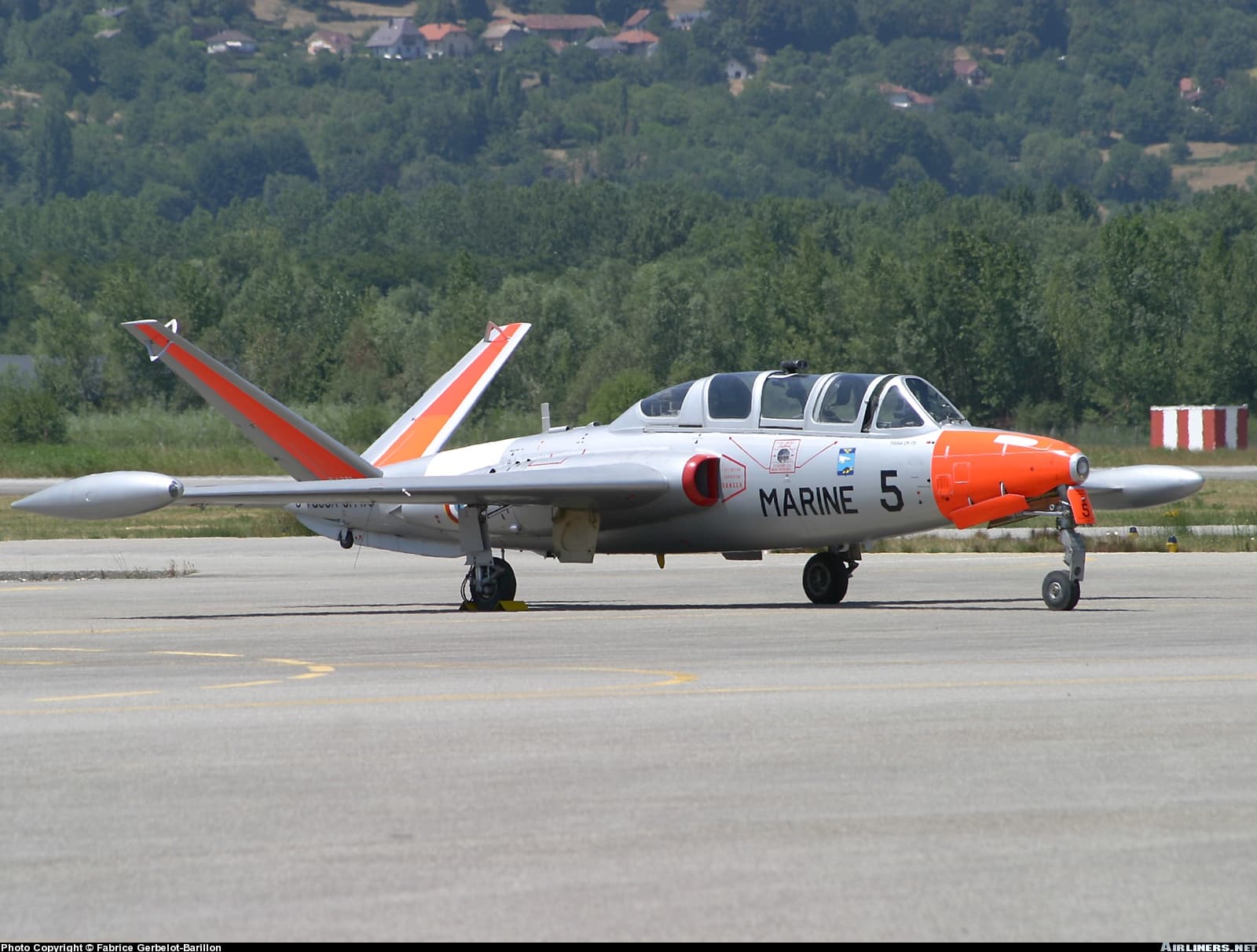
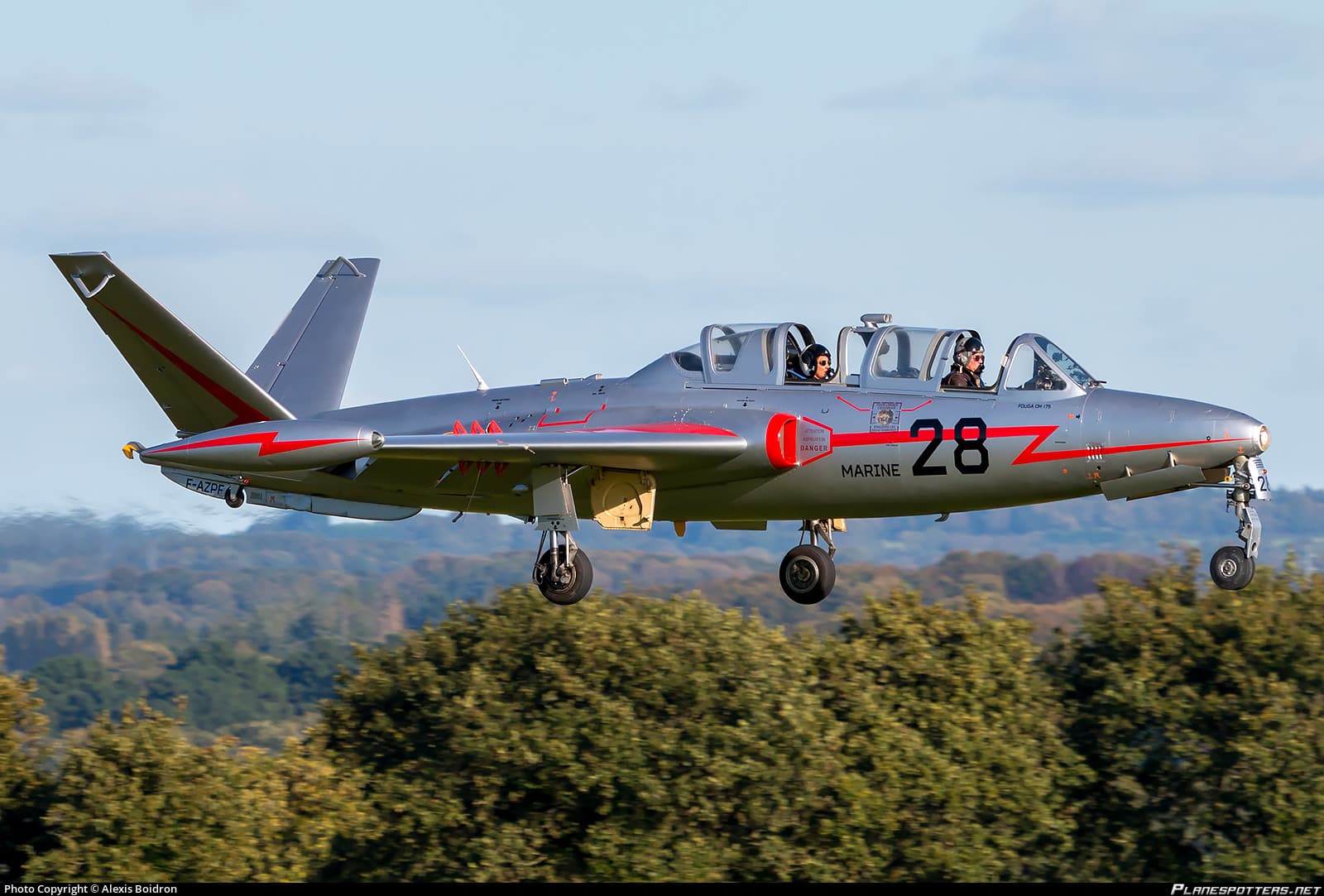
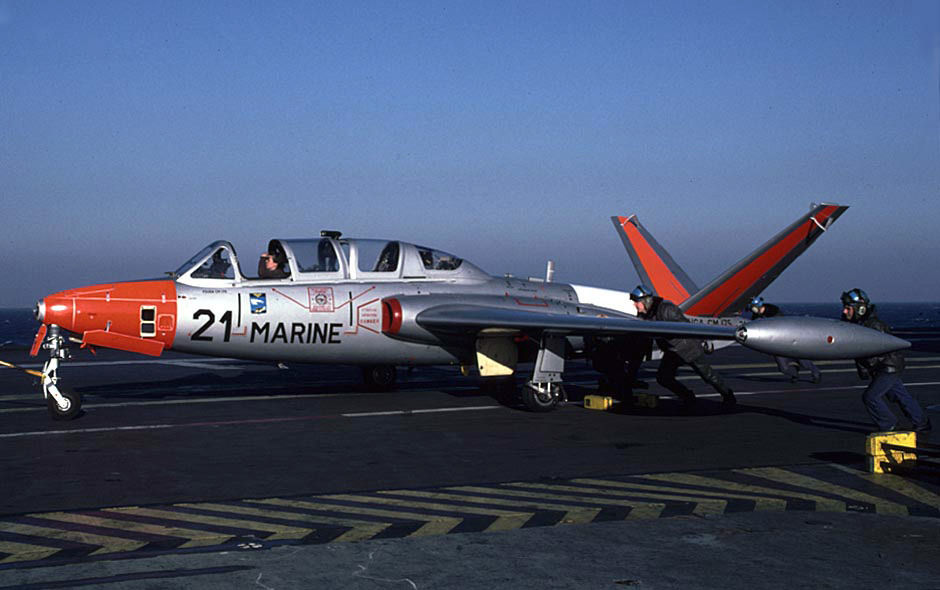
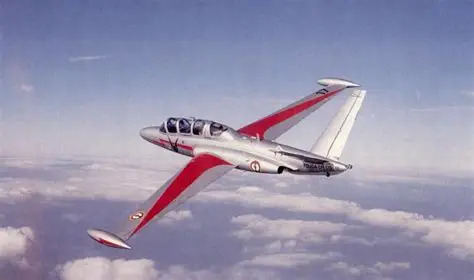
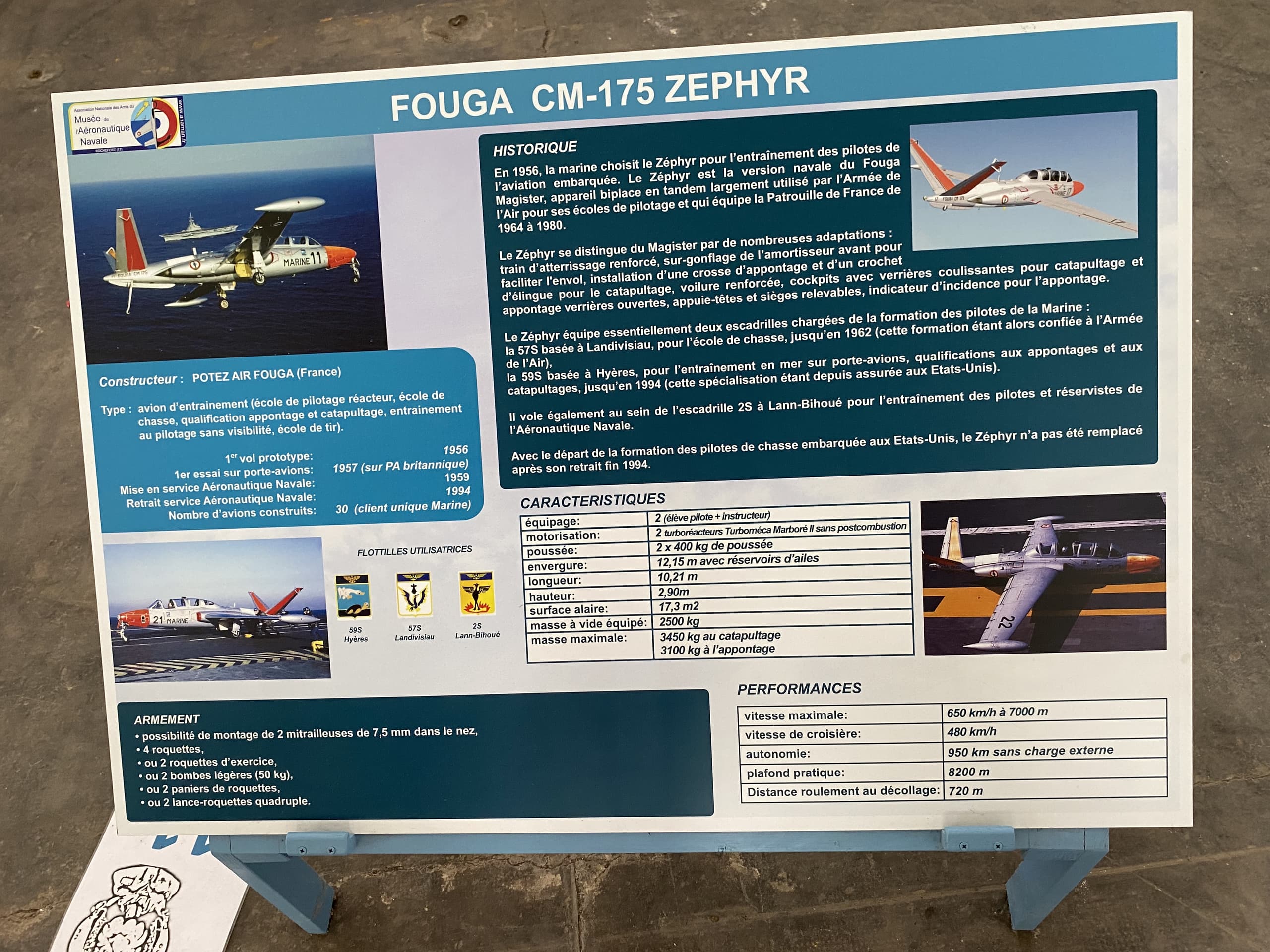
Today, I am presenting a new aircraft used by the French armed forces: the CM.175 Fouga Zephyr.
Following the introduction of the Fouga CM.170 Magister into French Air Force service during the 1950s, the French Navy quickly recognized the need for a dedicated jet trainer capable of preparing future naval aviators for carrier operations. Although the Magister had proven itself as an excellent land-based trainer, it lacked the structural reinforcements and specialized equipment required for catapult launches and arrested landings aboard aircraft carriers. In response, Fouga began work on a navalized derivative that would become the CM.175 Zéphyr, the first jet trainer specifically designed for the Aéronavale.
Rather than designing an entirely new aircraft, Fouga retained the proven layout and flying qualities of the CM.170 while introducing a series of modifications specifically intended for carrier operations. The airframe was structurally reinforced to withstand the stresses of catapult launches and arrested recoveries, while the landing gear was strengthened and lengthened to cope with the harsher impacts associated with deck landings. An arrestor hook and catapult attachment points were installed, and the aircraft received a sliding canopy that remained open during launches and recoveries to facilitate crew evacuation in the event of an accident. The Zéphyr also featured smaller wingtip fuel tanks, a nose-mounted landing light, and provisions for light armament—including machine guns and rocket pods—for weapons training. The prototype, initially designated CM.170M Esquif, performed its maiden flight on 31 July 1956 before the aircraft was redesignated CM.175 Zéphyr during its development. Extensive carrier qualification trials were successfully conducted aboard the French Navy’s aircraft carriers between 1957 and 1958, validating the design for operational service.
The first production aircraft entered service in 1959, and a total of thirty production Zéphyrs were delivered to the French Navy. Throughout the following three decades, the aircraft became the cornerstone of advanced jet training within the Aéronavale. Almost every French naval aviator transitioning to carrier-based aircraft first learned the demanding techniques of catapult launches and arrested landings aboard the Zéphyr before moving on to frontline aircraft such as the Aquilon, Étendard IV, Super Étendard, and Breguet Alizé. In addition to its primary training mission, the aircraft was regularly employed for liaison duties, instrument training, formation flying, and weapons instruction.
Unlike many naval aircraft of its era, the Zéphyr never served with any foreign operator, remaining exclusive to the French Navy throughout its entire career. Its long service life reflected both the soundness of its design and the absence of a direct replacement for many years. The aircraft continued to train generations of French naval aviators until its retirement in November 1994. Following its withdrawal from service, the French Navy transferred advanced carrier qualification to the United States, where French pilots began training with the U.S. Navy using the T-45 Goshawk before returning to France to fly operational aircraft.
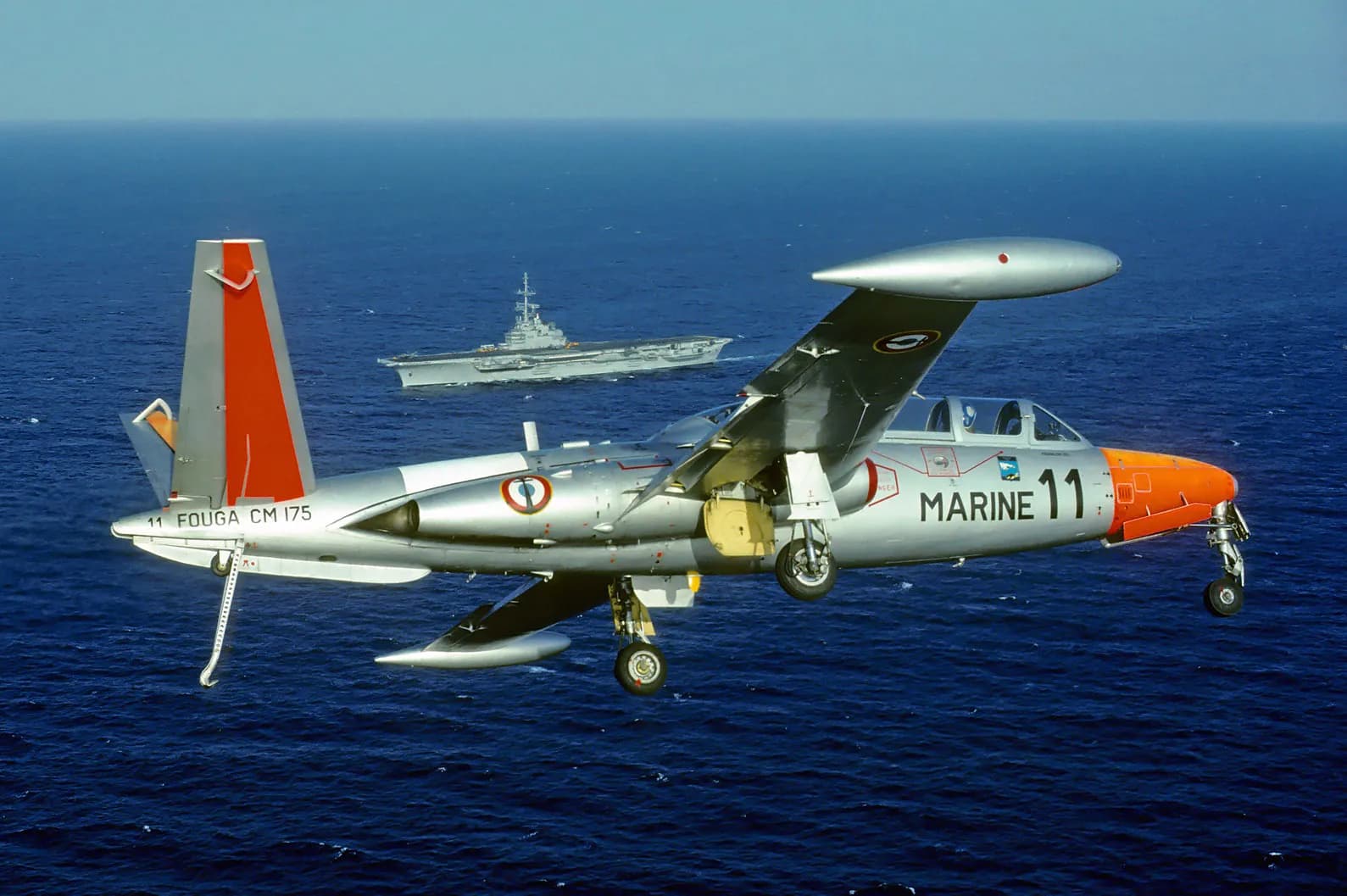
Characteristics
Length : 10.21 m
Width : 12.15 m
Height : 2.95 m
Mass :
- Empty : 2350 kg
- Min : 3400 kg
The aircraft is powered by two Turbomeca Marboré IIA engines, enabling it to reach a top speed of 740 km/h and a service ceiling of 11,000 meters. Its range is estimated at 1,200 km. The crew consists of two pilots: a student and an instructor.
Weapons
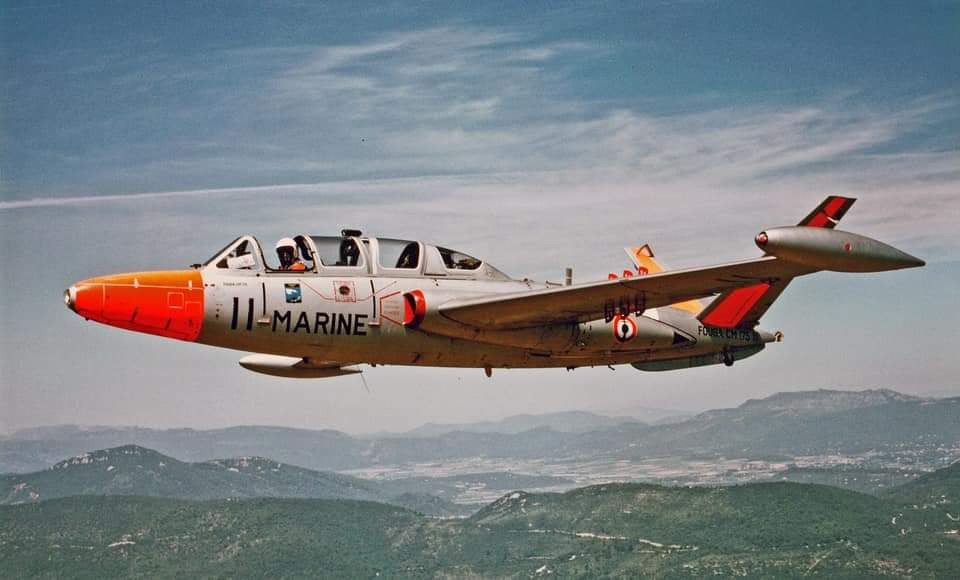
As for its armament, the Zephyr carries exactly the same weaponry as the Magister; indeed, the two aircraft are identical in every respect, save for the reinforcements required for takeoff and landing. Thus, it features:
Guns :
- 2 x 7.7mm NF1 machine gun in the nose
Bombs :
- 2 x 50kg bombs
Rockets :
- 2 x Rocket baskets
In-game, this aircraft would be an interesting addition to the French tree; while it is a highly maneuverable plane with limited armament, its significant historical importance makes it a compelling choice for inclusion.