uhh- this weapon set is wrong. Mostly with how you have the Mk 4s.
Mk 3A/B - .50 call only
MK 4A/B - .50 cal + rockets
Mk 5 - Rocket only
Mk 5M - Sparrow II.
uhh- this weapon set is wrong. Mostly with how you have the Mk 4s.
Mk 3A/B - .50 call only
MK 4A/B - .50 cal + rockets
Mk 5 - Rocket only
Mk 5M - Sparrow II.
ok was unaware the mk4a/b also had the .50s ty for the correction. then if cf-100 ever comes to British tree then i def want a mk 4b variant as its the most versatile version for the game. as the rocket only mk 5 and the missile only 5m will not perform well in the game.
mistake on my end was a quick search onn the variants. but failed to notice the mk4s had the .50s
I encourage you to do some research about the P-80/F-80 shooting star (not wikipedia) and early jets in general.The issue of the classification “1st gen fighter” and reference to submodels implies that there would be a noteworthy difference or evolution within a certain fighter model.
That is not the case.
Early (non-Nazi) jets are basically an equivalent of “The Roadrunner”:

…with a rocket on his back - the variants just display that bigger rockets (=more thrust with improved engines) are mounted to get faster…
The exponential increase of drag (various forms) at very high speed produces also compression issues of the air in front of the aircraft and above the air frame and wings and requires (if we use the Roadrunner analogy) a bigger rocket with more thrust in order to get faster.
That’s why you can’t trust wikipedia and co which states that the YP-80A and F-80 A-5 engines would have similar thrust levels - this makes no sense as they increased according to aviation weekly (1947, page 10 - link) the trust of the I-40 / J-33 engine by 40% in order to become now then just slightly faster- than a 1944 production 262 A-1a.
That means early jets are mainly limited by their air frame design and the available thrust which has to increase massively in order to get faster. As being faster than your opponent is and was decisive irl you might understand that i your P-80 B idea makes no real sense - the speed gap between A and C models is minimal as the 1947 B model creates no benefit.
Regarding the implemented A-5 (1946) & C-10 (1948): Just check the engine production of the sub-types in both variants - A-5 is more likely produced mid 1946 (followed by the B-variant 1947 and the C-10 is around 1948+. So thinking about a B-Modell tries to fill a 1 year gap, is also not really tempting from a historical pov.
I personally think the Mk.4B (w/ 8x 0.50 cal + 58 Mighty Mouse) and the Mk.5M (best engines + 58 Mighty Mouse + 2-4 Sparrow IIs) would adequately represent the series.
Personally, I want all of them, albeit some more than others.
At the very least, I see one version of the Mk 4 and the base Mk 5 coming. Mostly because Belgium also had the CF-100, and the Mk 5 was the variant they had.
There are still so many missing Cold War aircraft. I’ll focus on a few of my favorite types that actually saw service.
F-86H (US)
Redesigned Sabre with 20 mm cannons, best engine on a US variant, and AIM-9B capability (on block 10 and later). Was even trialed with the AIM-95 Agile… an AIM-95 version could even be placed at 9.7 as an interesting parallel to the Hunter F.6.

F-100C (US)
The US variant with the best TWR. Didn’t have the significant weight increase of the F-100D, at the expense of more limited A2G ordnance. Would perform similarly, maybe a bit better, than the Chinese F-100A. In its Vietnam-era ANG configuration, it could mount AIM-9B/Es.
F2H-3/4 (US & CAN)
Significantly modified airframe, more powerful engines, compared to F2H-2. +AIM-9B capability. Served with USN & RCN.
F-94B & D (US)
Two-seat, afterburning, night fighter version of the F-80. B version armed with 4-8 0.50 cal brownings (nose + gun pods). D version only prototyped in part, but featured aerodynamic improvements and trialed a long nose with the early T171 Vulcan prototype. Would be a cool bridge between the F-80s and F-104s (even though the F-101 is sandwiched there now). The D variant could presumably also carry the mid-wing gunpods of the B variant or the Mighty Mouse pods of the C variant for additional firepower.


MiG-23S Flogger-A (USSR)
Mediocre early version, mediocre missiles, lower BR than current MiG-23M. Vertical stabilizer does not extend over afterburner cone.

Folland Gnat F.1 (UK, India, FIN)
Super lightweight, nimble, cannon armed interceptor. Very tiny airframe. Extensive service with Finland and India. UK origin. 2 purchased by Yugoslavia, so could go in that tree if ever added.

J-8A / J-8-IE (CHN)
Original version of the indigenous Chinese J-8 with a single front intake instead of side itnakes. The -IE is upgraded to the standard of later J-8s but retains the original airframe. Very odd that this hasn’t been added yet.
)
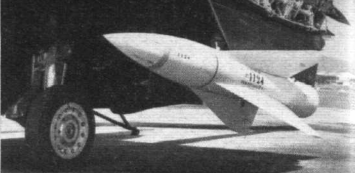
The more the merrier… although I envision teammates flying a Mk.5 with only 58 FFARs as dead weight. At least the experimental Mk.5M had (crappy) Sparrows, too.
Maybe it would be better in sim.
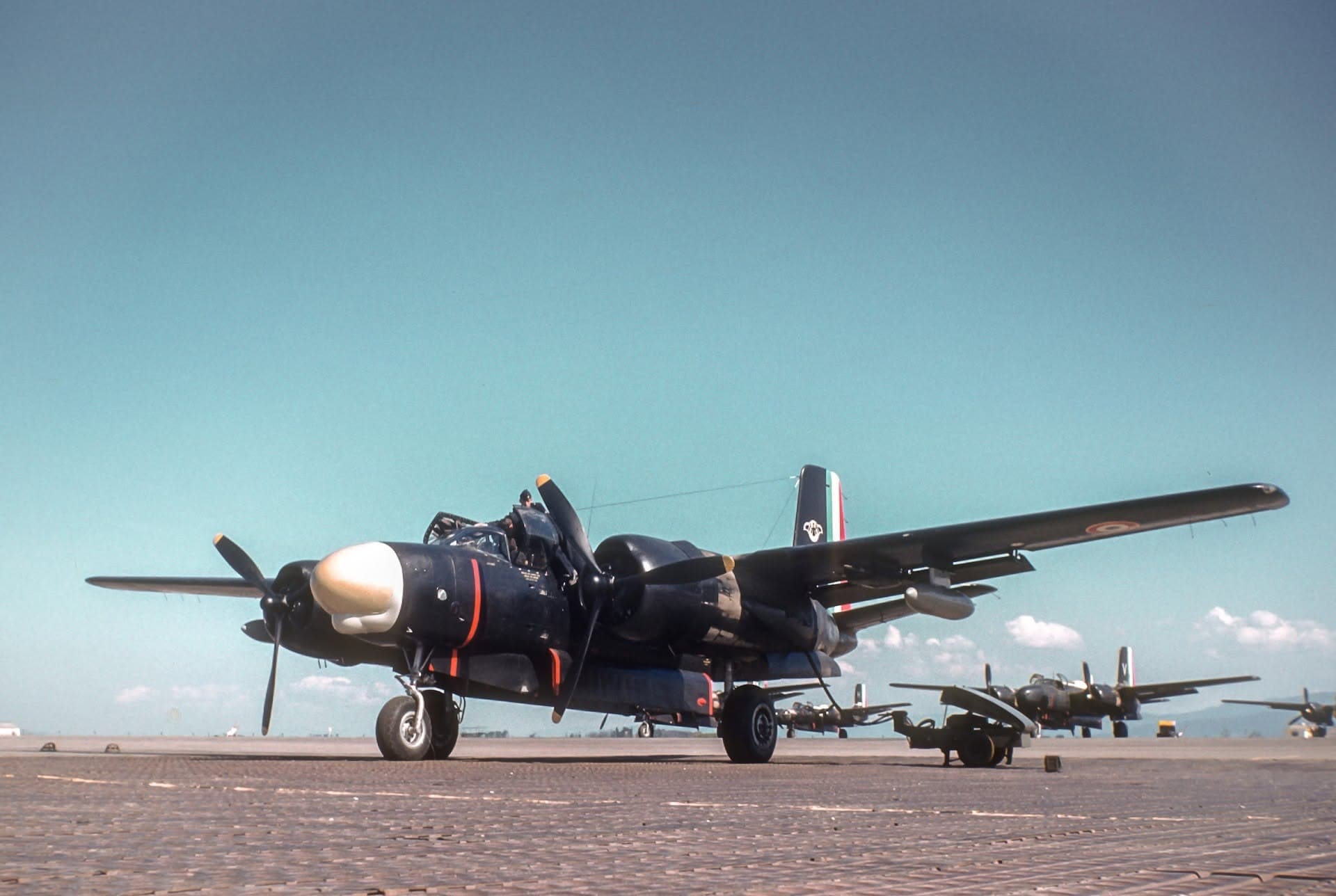
A-26K Counter Invader somewhat forgotten variant of the a/b-26 invader.
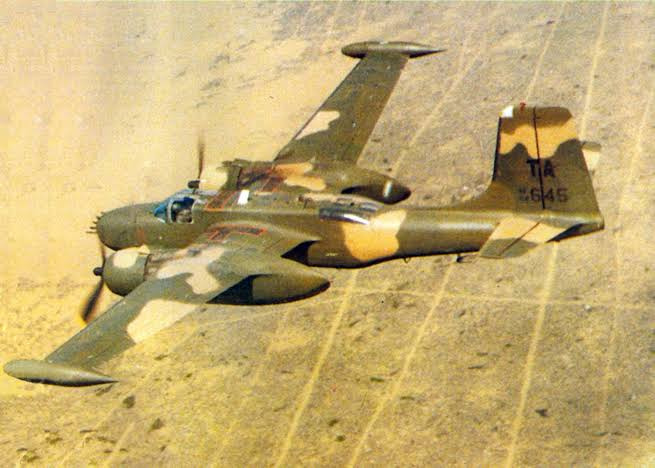
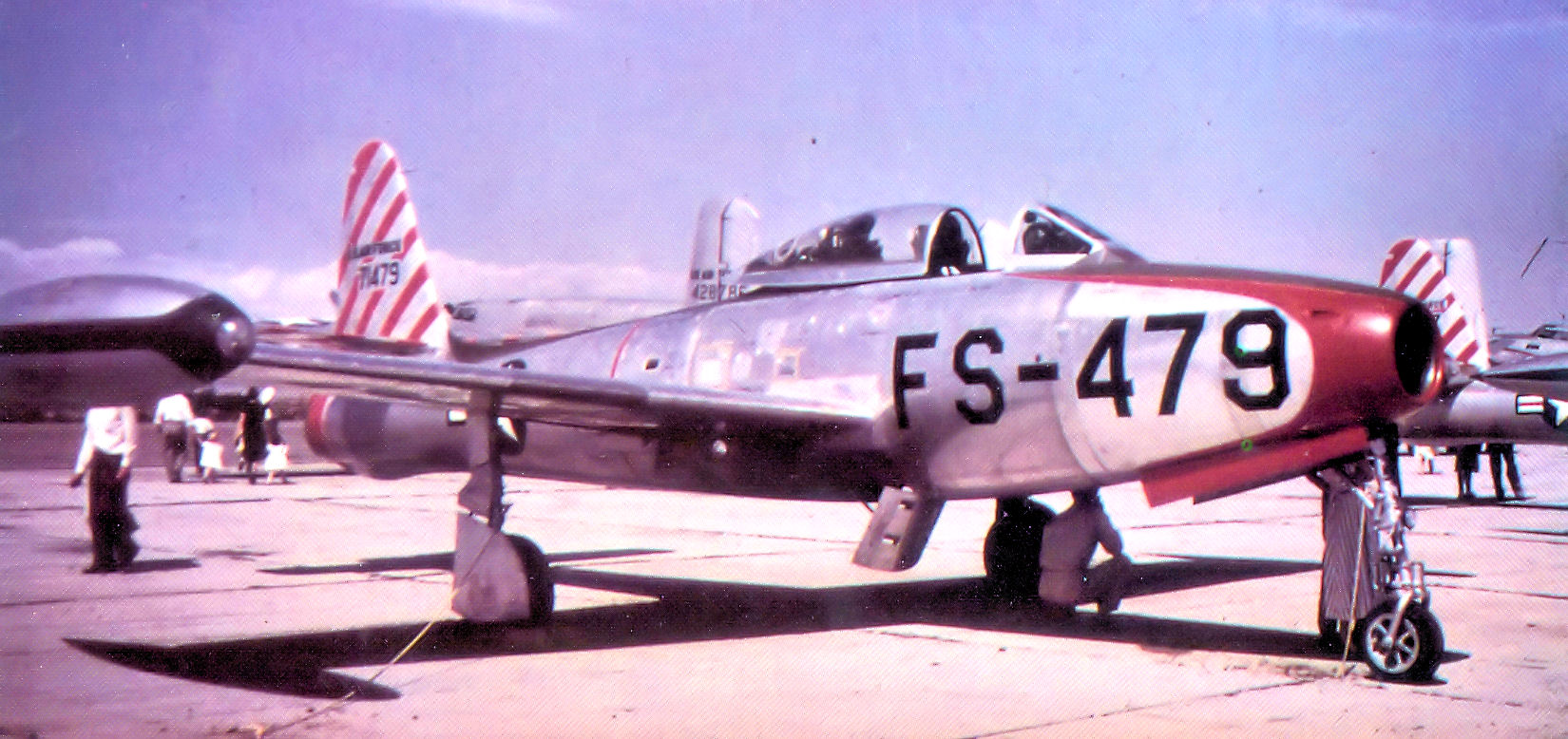
The USAF fighter-bomber battle rating around 7.0 ~ 7.3 (between P-84B-26/F-84B-26 and F-84G-21-RE)
Republic F-84C-6-RE
French B-26N (A-26N) night fighter variant would be pretty cool too. Something unique to France, since we haven’t seen anything there in a while.
U might have seen my posts regarding BR changes of prop night fighters - all allied night fighters have currently an “Air superior fighter” air spawn at 2 km - and not an 1 km air spawn.
The question is just what you want to kill with 4 0.50 cals and how long you would survive without defensive turrets 😉
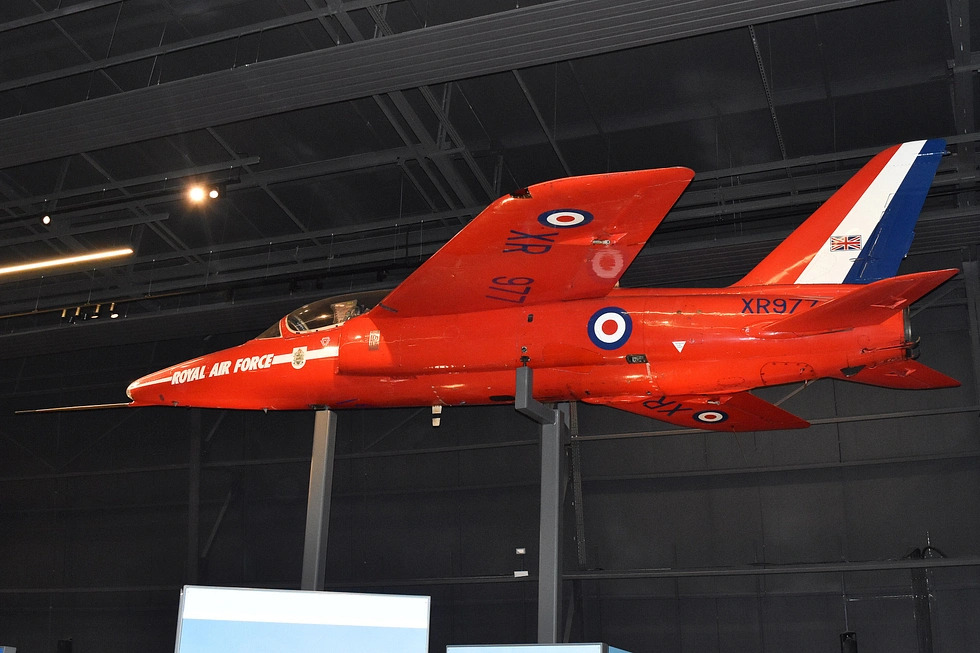
do love to see the gnat. as the trainer version is the first jet used by the red arrows
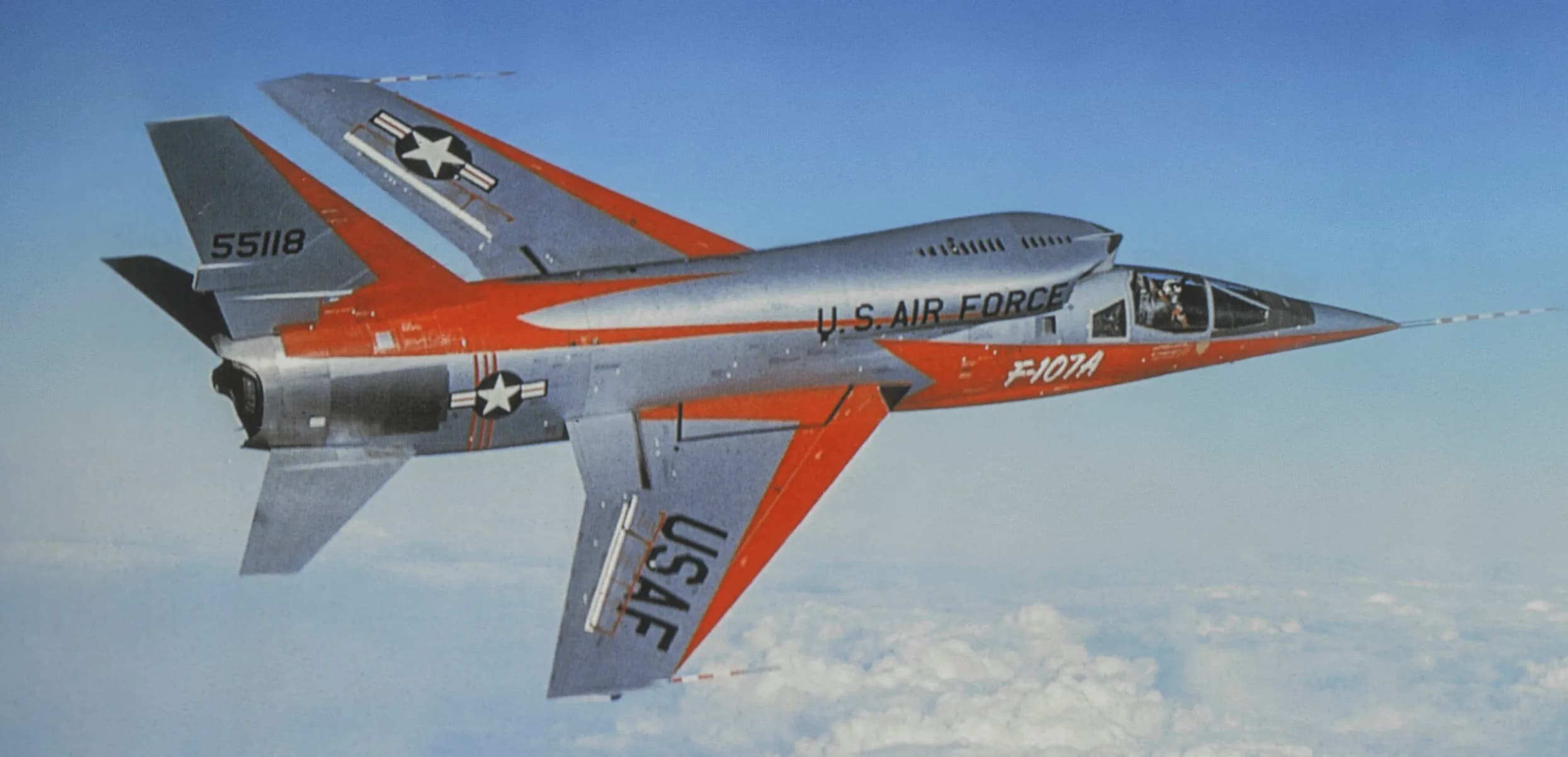
while everyone knows of the f-4 phantom’s people often overlook its predecessor that first used its name. the fh-1 phantom. which i believe is the US Navy’s first pure jet fighter. first flew in 1945 but became operational in 1947 flew for a few years before retirement.
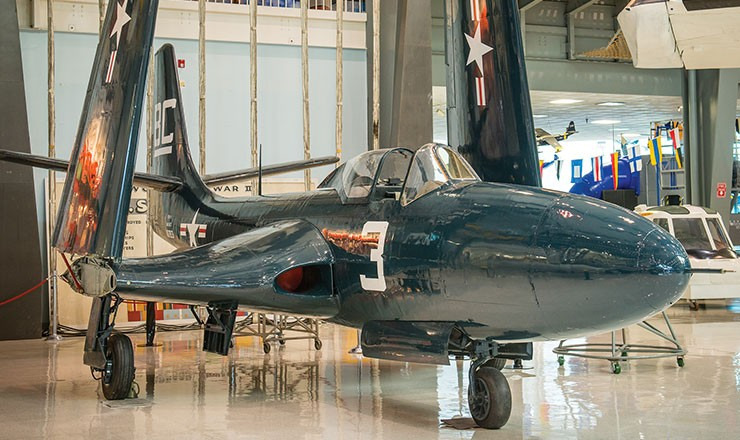
fun fact. although the phantom is the first true carrier based jet fighter the fr-1 fireball was actually the first plane to land under jet propulsion. due to a piston engine failure the pilot performed a quickstart of the jet engine and was able to land safely…
Would definitely be at a significantly lower BR than the attacker/bomber versions with 8-12x 0.50s. That said, the P-61C (which is undertiered) has the same radar and a much heavier armament at only 4.0. That seems a bit too low given the A-26’s performance… but the P-61C has better performance than the A-26, too.
Probably a 4.3-4.7 range plane. I imagine the SNEBs would also be appealing since the US versions only get HVARs. Coupled with French bombs
LOVE this thread, but it saddens me that Gaijin would rather move on to infantry SLOP after exhausting all modern vehicles then fleshing out the awful mid brs they left behind.