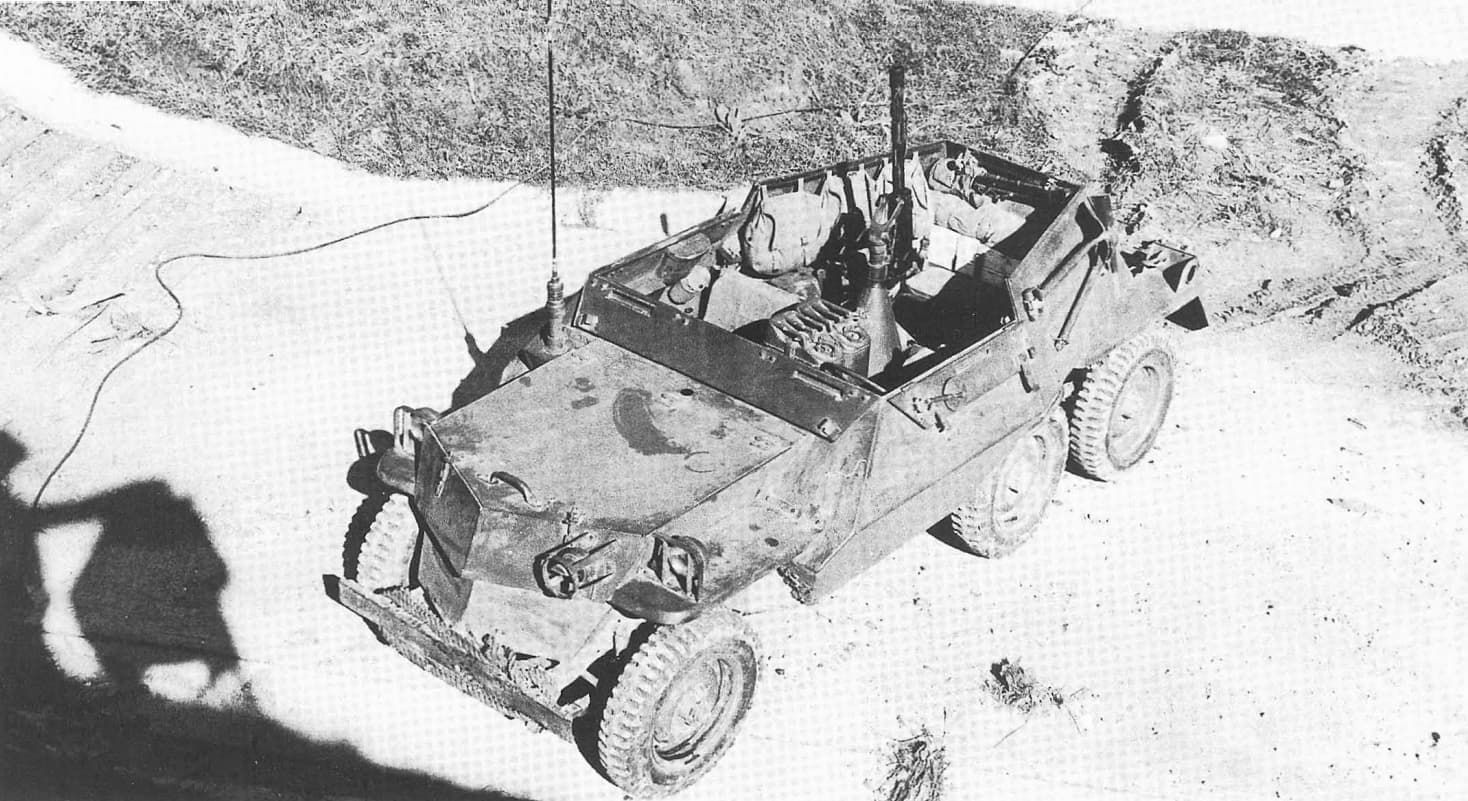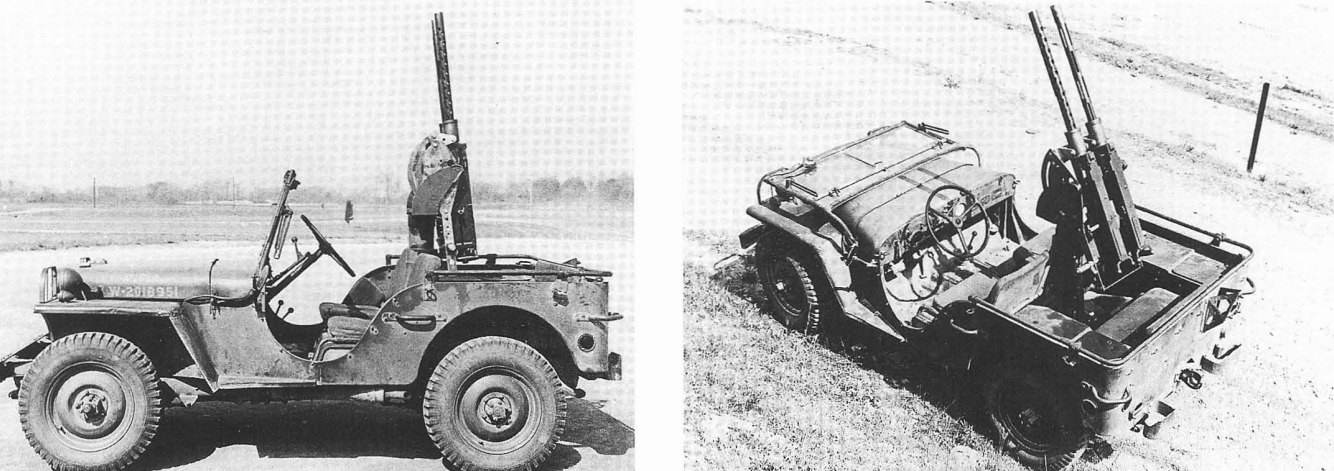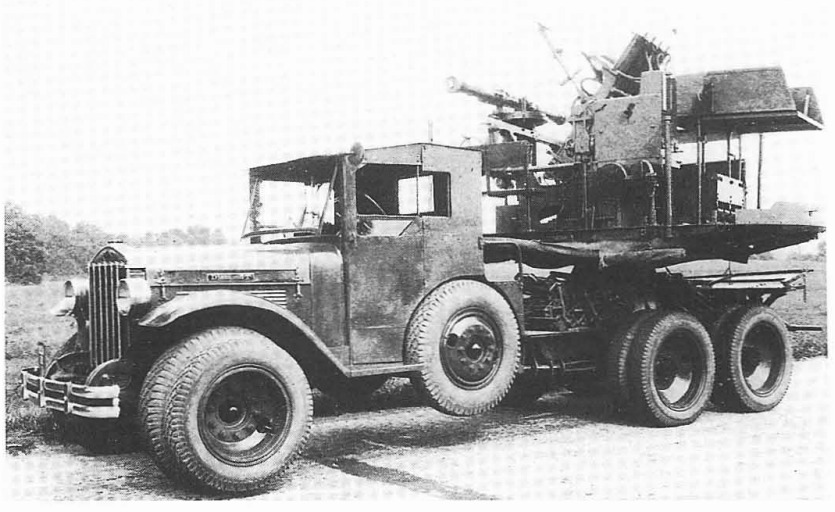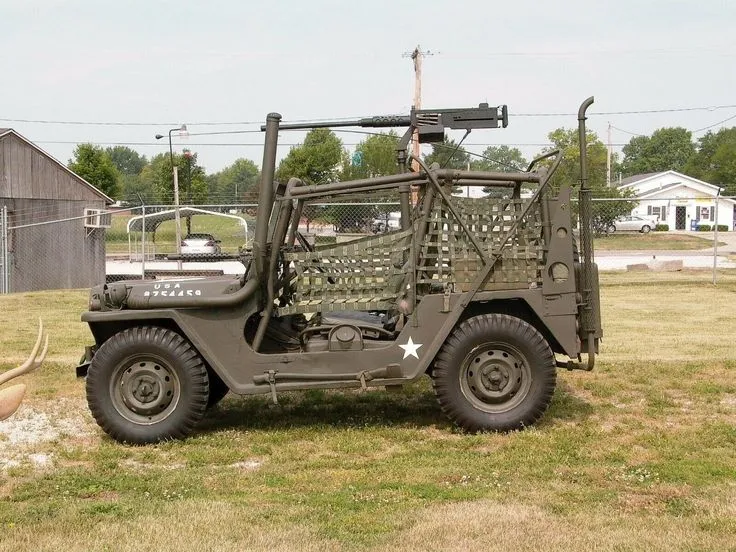
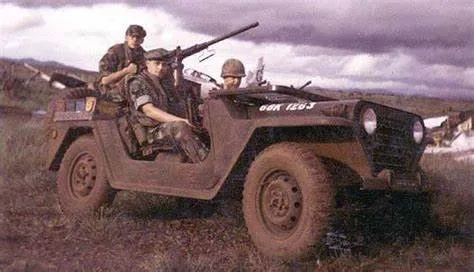
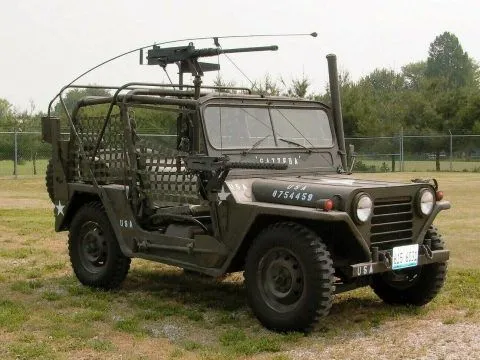
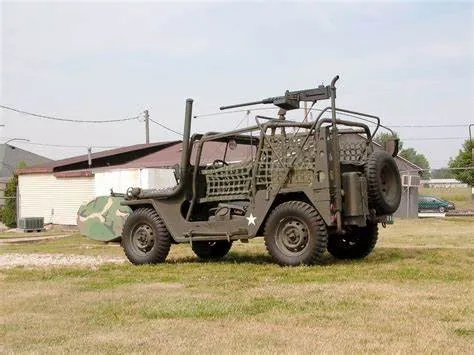
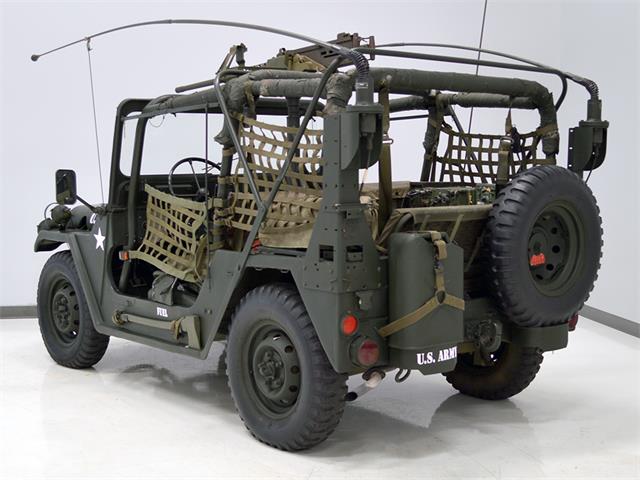
This M151A2, pictured above, is the exact variant that I am suggesting, complete with the ROPS, fording kit, and netting.
HISTORY
The M151 Military Utility Tactical Truck, or “MUTT,” represents the final evolution of the lightweight quarter-ton 4x4 vehicle that began with the iconic World War II Jeep. Developed in the post-war era to replace the M38 and M38A1, the M151 was designed to meet the U.S. Army’s demand for a lighter, more comfortable vehicle with a lower profile for air-transportability. While it looked similar to its predecessors, it was a radical departure in engineering, featuring a body integrated into the frame rather than the traditional body-on-frame design of earlier tactical vehicles.
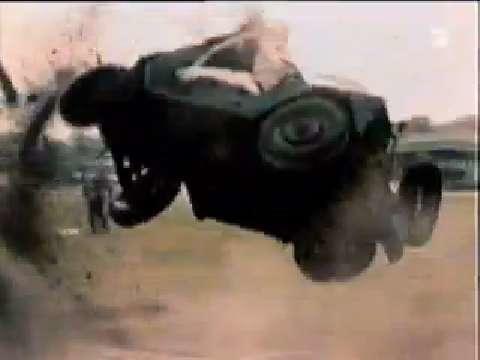
The development contract was awarded to Ford Motor Company in 1951, with the goal of creating a vehicle that offered significantly improved ride quality and cross-country mobility. The most ambitious feature of the design was its four-wheel independent suspension, which used coil springs at all four corners. This allowed the MUTT to traverse rough terrain at higher speeds than the leaf-spring-equipped Jeeps of the past. However, this innovation introduced a dangerous characteristic: the rear swing-axle suspension could cause the vehicle to flip during high-speed cornering if the rear wheels “tucked in” under the body.
By the time the M151 entered mass production in 1959, it had become the standard utility vehicle for all branches of the U.S. military. It was powered by a 141-cubic-inch inline-four-cylinder engine producing 71 horsepower, mated to a four-speed manual transmission. Despite its compact size, it was surprisingly capable, featuring a 24-volt waterproof electrical system that allowed for deep-water fording. It quickly became a symbol of American military presence worldwide during the height of the Cold War, serving as a versatile platform for everything from radio relay to frontline reconnaissance.
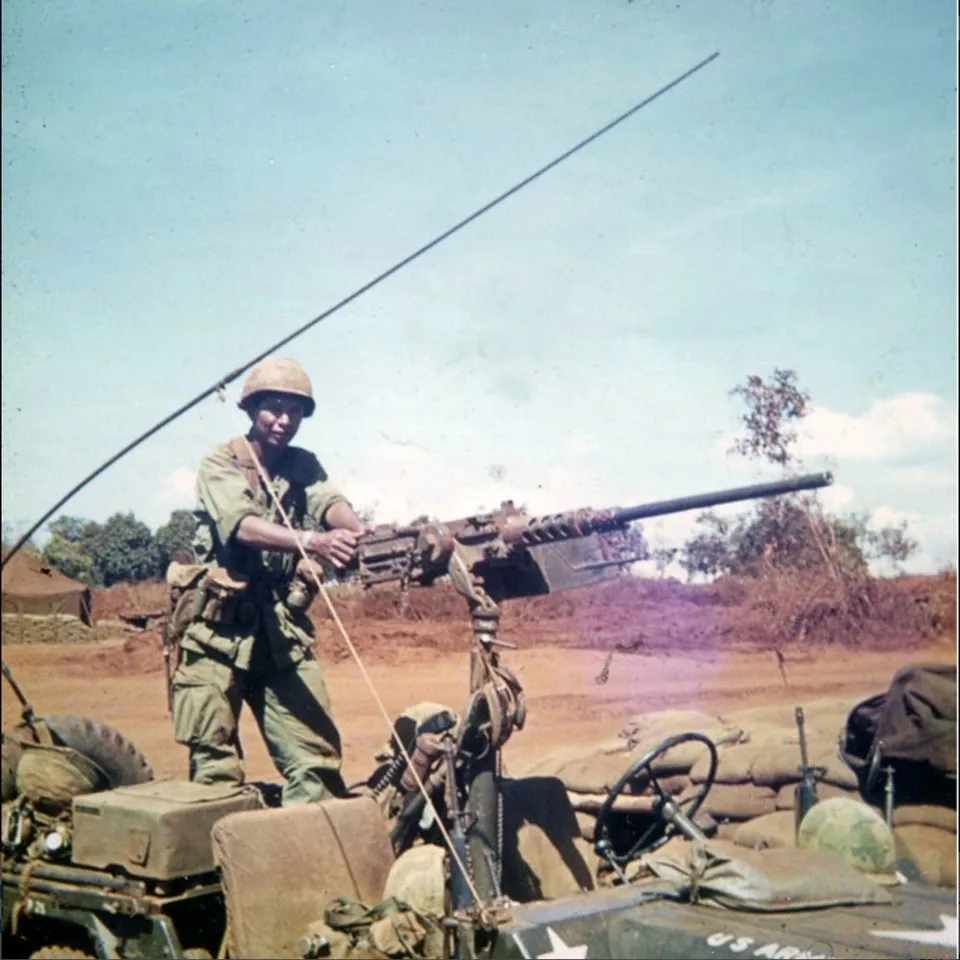
The Vietnam War served as the primary proving ground for the MUTT, where it was utilized in nearly every conceivable environment, from the muddy Mekong Delta to the rugged Central Highlands. Its small footprint allowed it to navigate narrow jungle trails that larger trucks could not manage, and it was frequently seen modified with “guntruck” armor and M60 machine guns for convoy escort. During this period, the M151A1 variant was introduced, featuring minor upgrades to the suspension and turn signals, though the inherent rollover risk of the swing-axle design remained a significant concern for drivers.
In 1970, the military introduced the M151A2, which finally addressed the safety flaws of the earlier models. The A2 featured a redesigned semi-trailing-arm rear suspension that significantly improved handling and reduced the tendency to oversteer and roll. This version also incorporated more robust safety features, such as a deep-dish steering wheel and improved lighting. The A2 became the definitive version of the MUTT, remaining in front-line service through the invasion of Grenada and the early stages of operations in the Middle East.
One of the MUTT’s most specialized roles was as a tank-killer. The M151A2 TOW variant was equipped with the BGM-71 TOW anti-tank missile system, providing infantry units with a highly mobile, air-transportable method of engaging heavy armor. This version required structural reinforcement to handle the missile launcher’s weight, turning the small utility truck into a legitimate threat on the modern battlefield. It was this adaptability that allowed the M151 to remain relevant even as military doctrine shifted toward heavier, more armored configurations.
The retirement of the M151 began in the mid-1980s with the introduction of the High Mobility Multipurpose Wheeled Vehicle (HMMWV), or Humvee. The Humvee offered greater payload, better protection, and commonality across the fleet, effectively ending the era of the lightweight quarter-ton “Jeep” in U.S. service. However, unlike its predecessors, the Department of Defense issued a mandate that most retired M151s be “demilitarized” by cutting the unibody frames in half or crushing them completely. This was done primarily due to liability concerns about the rollover risk of earlier suspension designs, which have made uncut MUTTs a rarity in the civilian collector market.
Today, the M151 MUTT is remembered as a bridge between the analog simplicity of the 1940s and the high-tech utility of the modern era. While it was often criticized for its handling quirks, those who drove it in combat respected its agility and the ease with which it could be maintained in the field. It served longer than any of its predecessors and remains a staple of military history, representing the peak of the lightweight, general-purpose tactical vehicle.
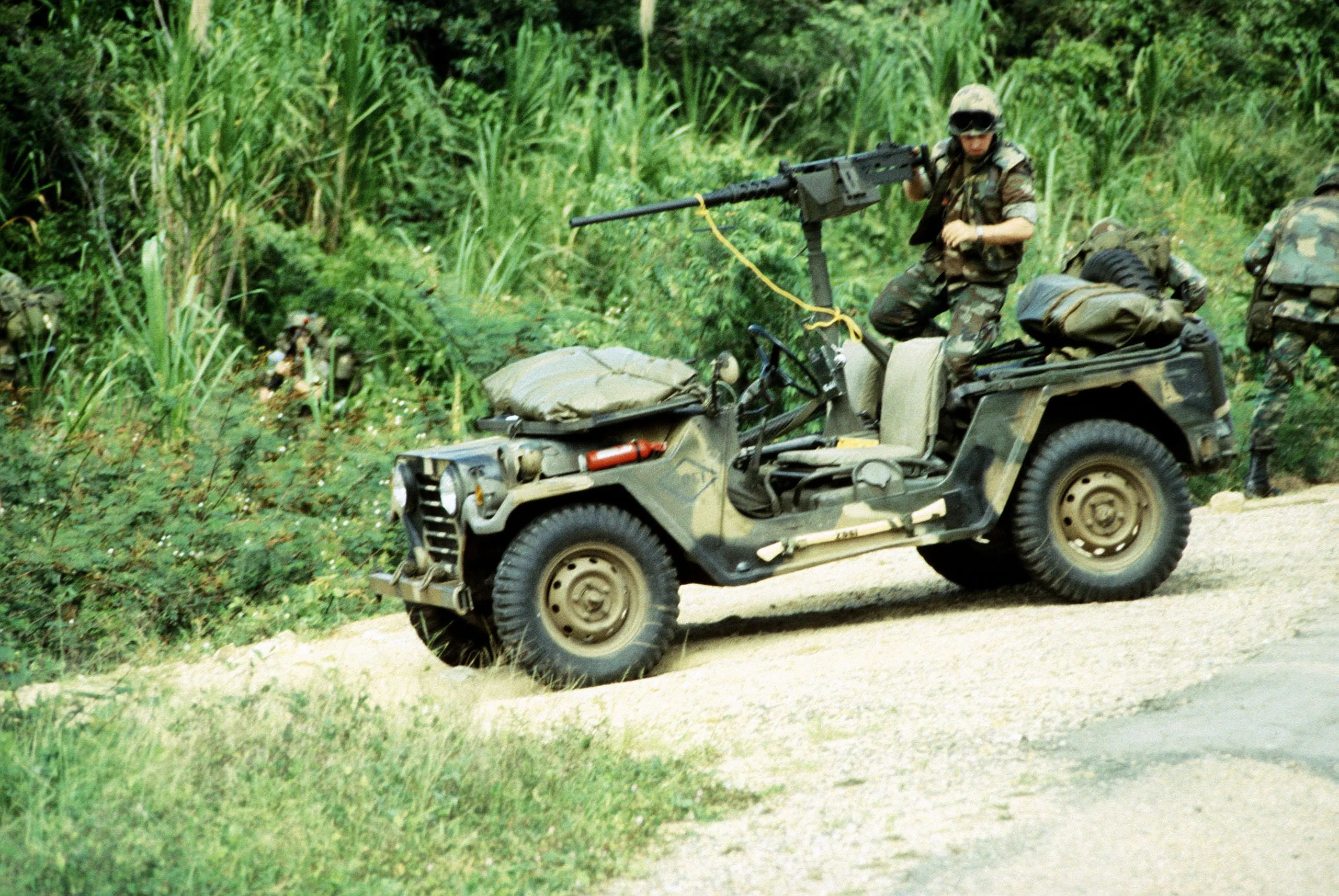
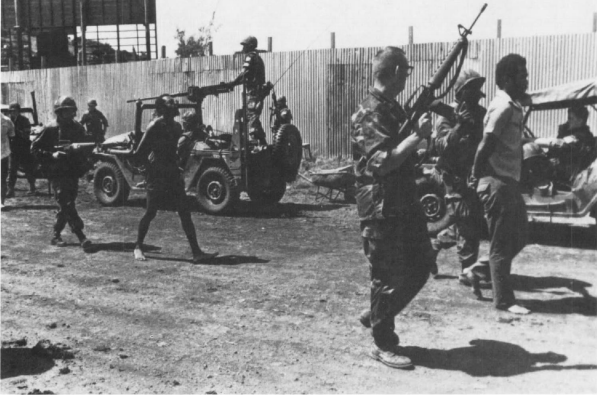
The M151A2 M2HB saw combat in very few numbers; however, I identified one instance of its use in Grenada in 1983. Operation Urgent Fury in 1983 was the M151A2’s last major conventional deployment before the HMMWV took center stage. In the steep, tropical terrain of Grenada, the MUTT was a critical tactical asset for the 82nd Airborne Division and the 75th Ranger Regiment. It filled a niche that larger trucks simply could not, providing immediate ground mobility for paratroopers who had just landed on the island.
The success of the M151A2 in this conflict was largely due to its air-transportability. Because the invasion was a rapid-response mission, the vehicle’s small size allowed it to be packed into the bellies of C-130 Hercules and C-141 Starlifters. Once the airfields at Point Salines and Pearls were secured, the vehicles were quickly offloaded to begin scouting missions. Many were also sling-loaded under UH-60 Black Hawks to reach inland areas inaccessible by road.
The terrain of Grenada posed a significant challenge, consisting of a mix of paved coastal roads and deteriorating, muddy inland tracks. The M151A2’s independent suspension, which was a defining feature of the A2 model, allowed it to maintain high speeds on the outskirts of St. George’s before transitioning into the rugged interior. Drivers found that while the ride was harsh, the vehicle’s agility in the jungle and narrow urban alleyways was superior to any other platform available at the time.
However, Grenada also highlighted the inherent vulnerabilities of the M151A2 design. The total lack of armor meant that crews were completely exposed to small arms fire and shrapnel, a reality that became clear during urban skirmishes in the capital. Additionally, the limited payload capacity meant that units often had to choose between carrying extra ammunition or essential fuel and water. These limitations reinforced the military’s decision to move toward the much larger, better-protected Humvee.
Despite being phased out shortly after the conflict, the M151A2 left Grenada with a reputation as a reliable and indispensable warrior. For many veterans, the sight of a MUTT parked on a Grenadian beach remains a defining image of the peak of light infantry mobility. It was a vehicle that could be fixed with simple tools, driven through a doorway if necessary, and packed with enough firepower to punch way above its weight class in a high-stakes environment.
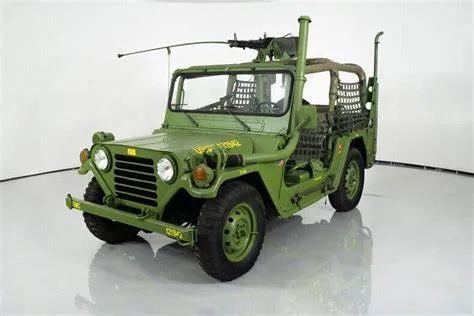
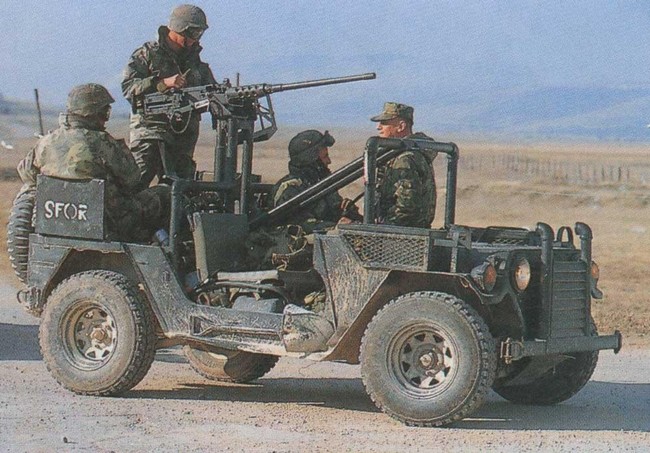
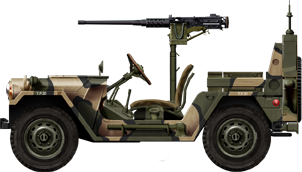
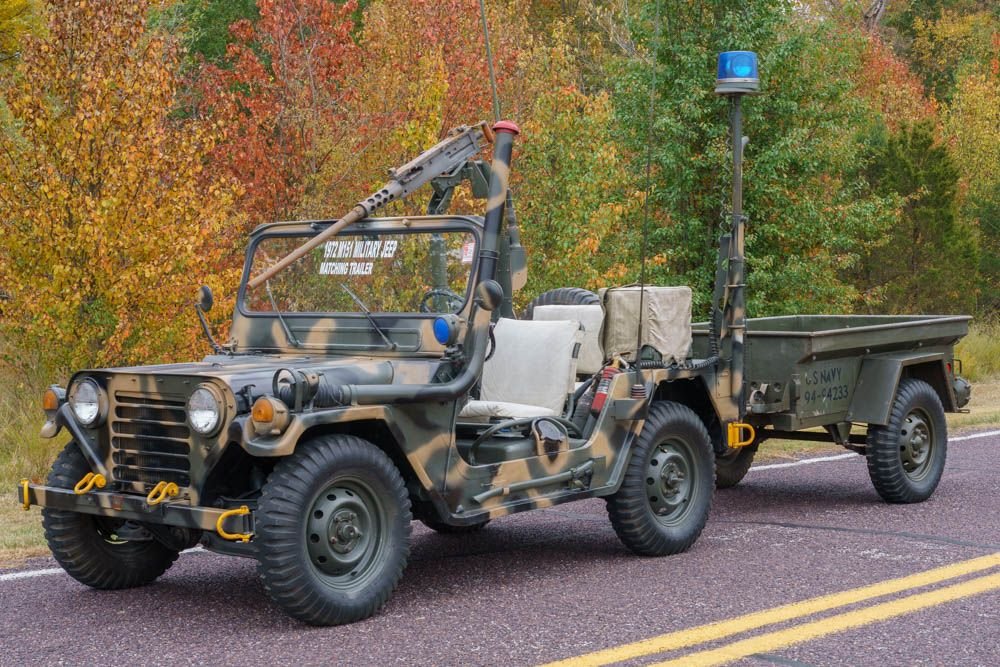
Today, I would like to suggest the M151A2 M2HB. The variant I am suggesting is technically considered a FAV variant; however, it is more akin to a standard variant that, unlike the air force FAV, is a standard M151A2 with provisions to mount a .50 (12.7mm) M2HB heavy machine gun. The vehicle is equipped with a ROPS roll cage with netting. While the ROPS wasn’t always used, I believe it would be better to add it to properly portray the crew’s protection, since the Mutt was known for multiple deadly rollover crashes that led to the creation of the ROPS. The specific M151A2 that I am suggesting features a crew of three: A gunner, a driver, and a commander. It also features a deep-wading kit that would prevent the engine from drowning; however, the crew would only be able to survive while their heads are above water. The vehicle would include 8 boxes of ammunition. Each box of ammo would contain 100 rounds.
An estimated 100,000 units were built from 1960 to 1988; none of the surviving vehicles are considered road-legal in the United States. The vehicle was fully retired and withdrawn from service sometime in the mid to late 90s due to the sheer amount of M151s produced.
Stats
Dimensions (excluding antennas, fording kit, and weaponry)
Length: 132.7in
Width: 71.0in
Height: 64.3
Armor: 6.35mm all around (for the body and ROPS (rollcage) only) (structural steel)
Weight: 2,400 lbs (including rollcage)
Mobility
Engine: inline 4cyl 71hp engine
Top speed: 50mph (paved roads)
4x4 drive
Turn circle: 37 feet
Transmission: 4fwd, 1revs
Weponry
1x M2HB (12.7mm/ .50 cal) with 900 rounds of ammo (100 in gun, 800 stored)
Rate of fire: 450-600 rpm
Magazine capacity: 100 rounds
Max pen: 31mm


Sources
https://www.jeepolog.com/UserFiles/downloads/m151/TM_9-2320-218-10.pdf
https://www.usord.com/content/docs/manuals/usord_m2hb_op-manual.pdf
M151 MUTT (Military Utility Tactical Truck) 4x4 Multi-Purpose Light Utility Vehicle
July 2020 AOTM | U.S. Army Transportation Museum - Joint Base Langley-Eustis, Virginia
- Yes
- No