- Yes
- No
History and development :
Spoiler
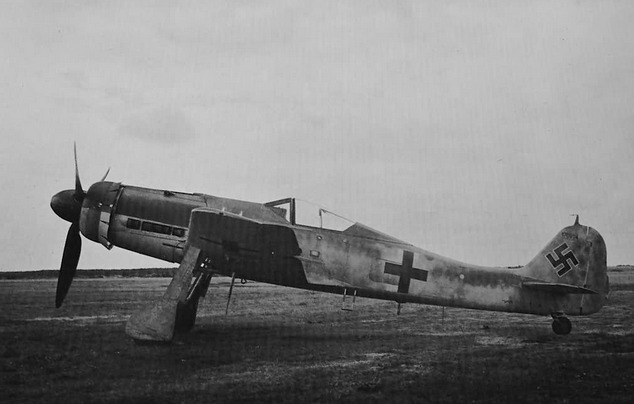
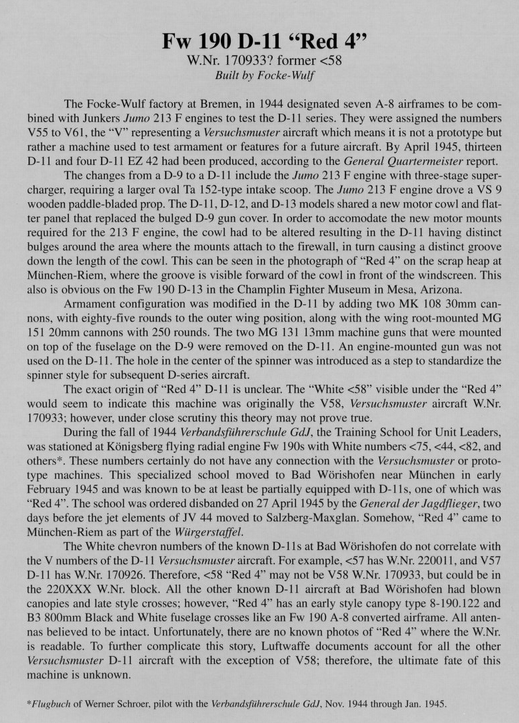
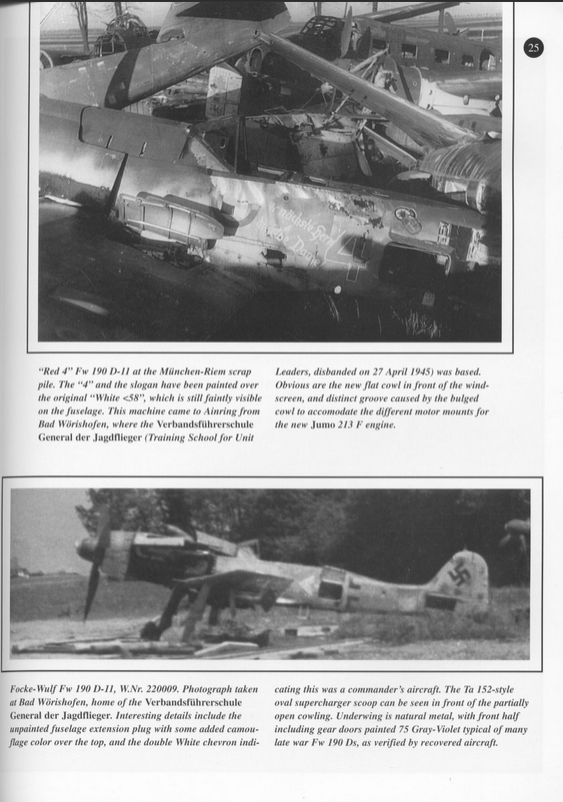
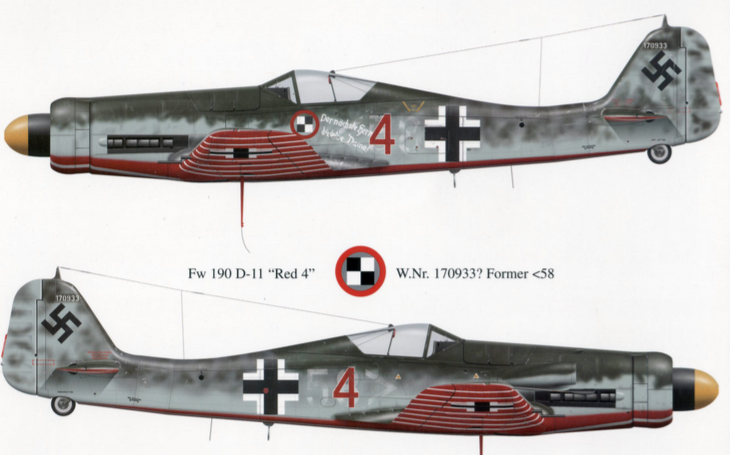
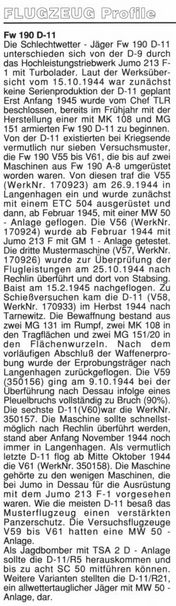
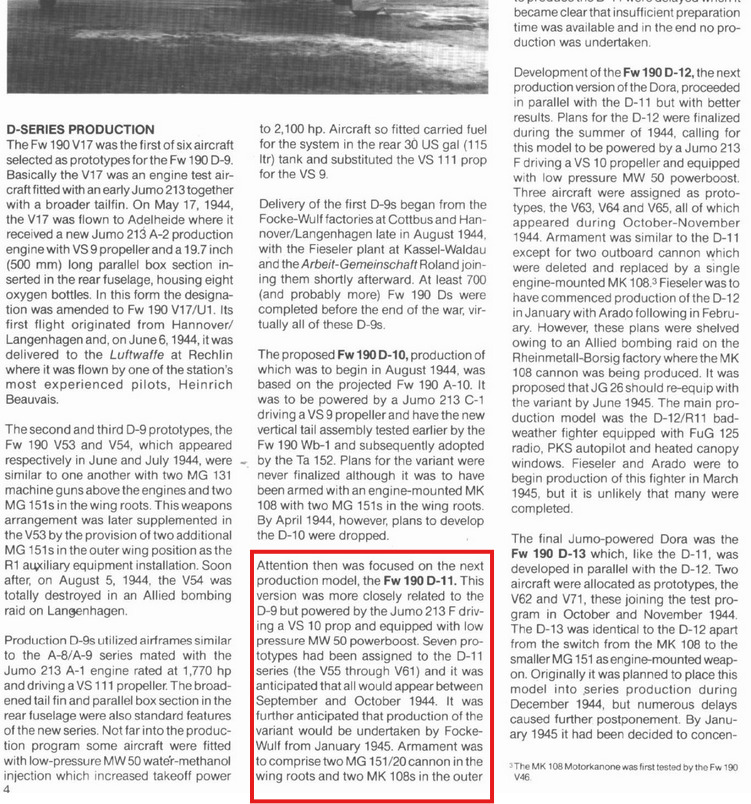
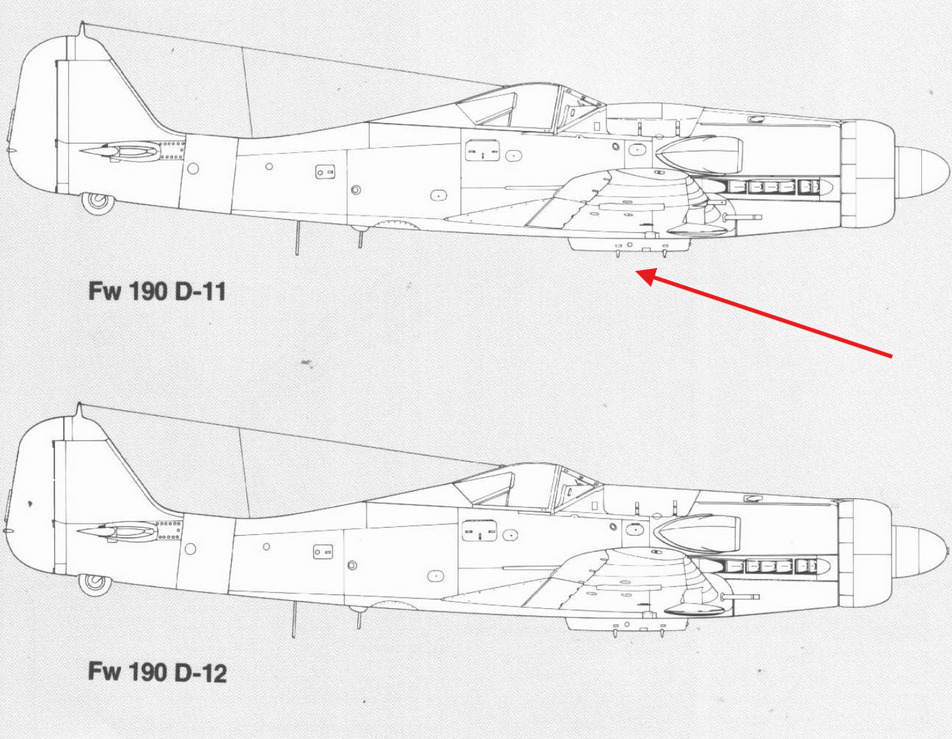
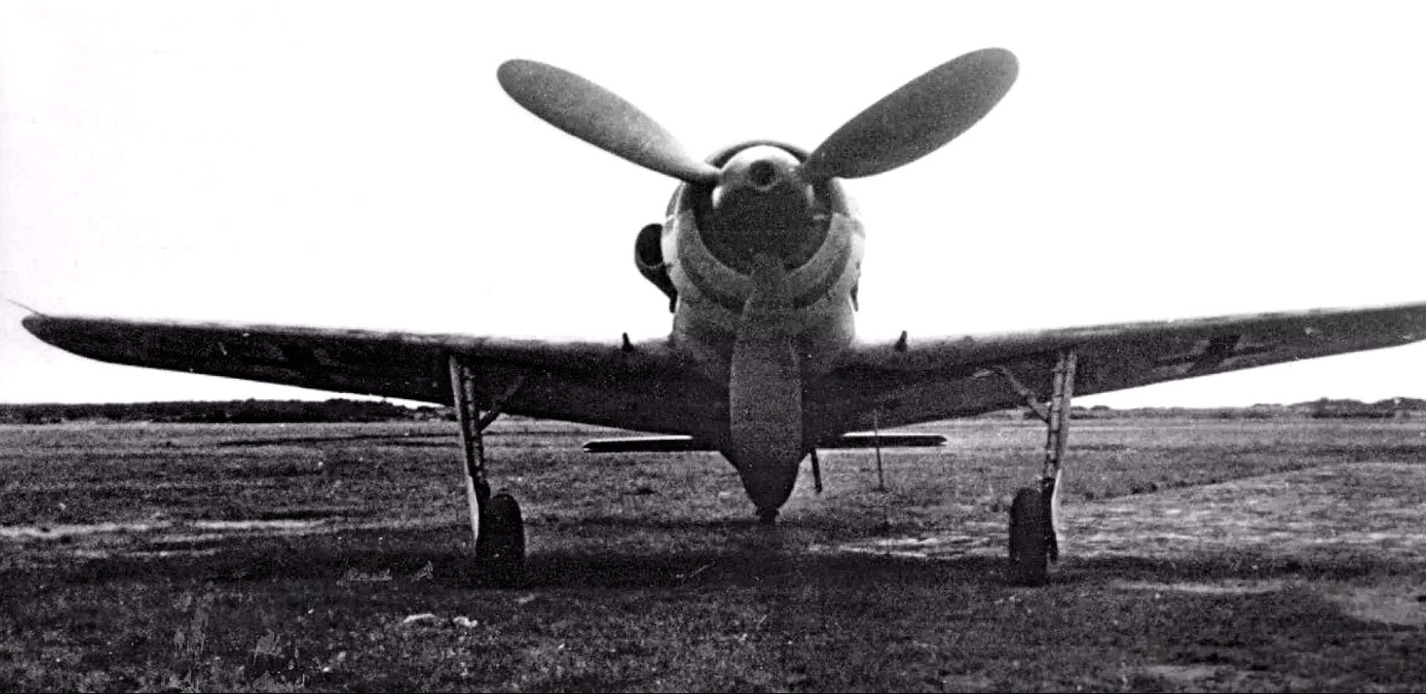
The Focke Wulf Fw 190 D11 was part of the long nose Dora family created to improve the high altitude performance of the Luftwaffe’s frontline fighter. Earlier radial engine versions of the Fw 190 struggled against Allied aircraft at medium and high altitudes, so engineers adapted the proven Fw 190 A8 airframe to house the liquid cooled Junkers Jumo 213 series engines. The D9 was the first of these conversions, and the D11 followed as a more advanced development.
The D11 was powered by the Jumo 213F engine which offered greater output and improved supercharging compared to the Jumo 213A of the D9. It was fitted with a methanol water injection system to provide short bursts of additional power. To balance the longer nose and heavier engine, the tail section was extended, giving the aircraft its distinctive long nose profile.
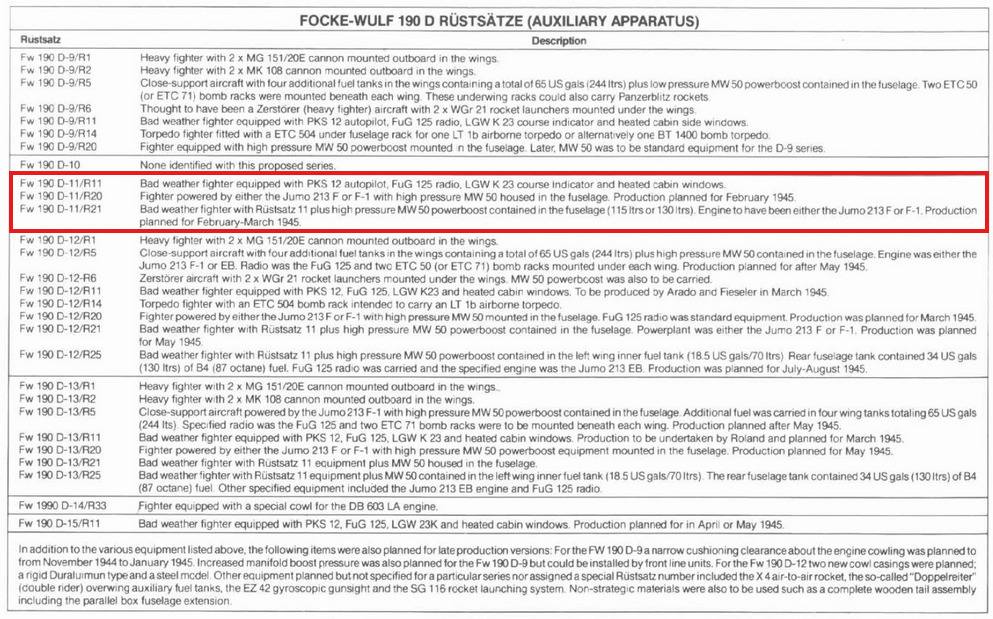
Armament was strengthened to make the D11 a formidable bomber interceptor. It carried two MG 151 cannons in the wing roots, two MK 108 cannons in the outer wings, and two MG 131 machine guns above the engine. This gave the aircraft a heavy hitting capability while retaining the agility of the Dora series.
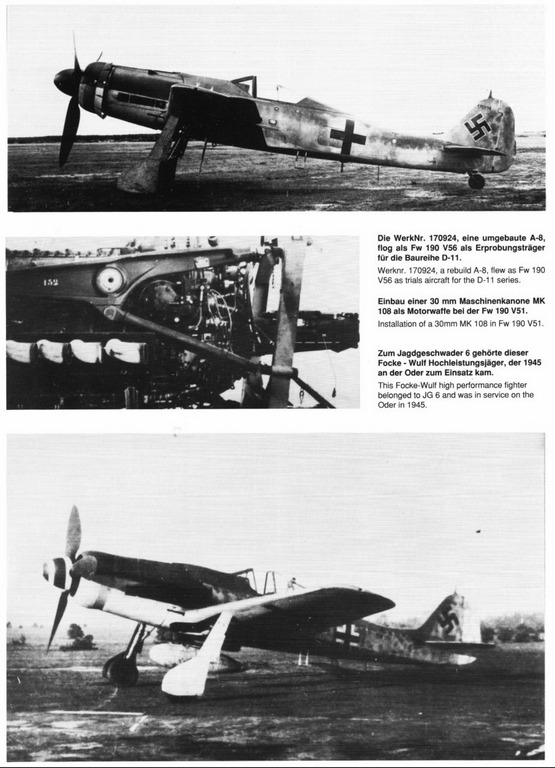
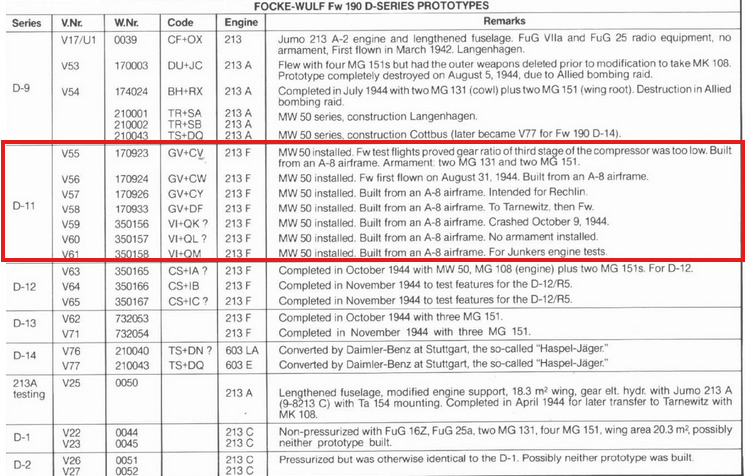
Several prototypes were built and tested in late 1944. They were sent to facilities such as Rechlin and Tarnewitz for evaluation, while others remained at Focke Wulf for company trials. One prototype was lost in a crash but others continued testing. Despite promising performance, the D11 never entered mass production. Germany’s collapsing war economy and the shift of resources toward the Ta 152 program meant the D11 remained experimental.
The D11 represents an evolutionary step between the Fw 190 D9 and the Ta 152 high altitude fighters. It showed how German engineers were pushing piston engine technology to its limits in the final years of the war. Although only prototypes were built, the D11 remains an important part of the story of the Dora series and late war Luftwaffe fighter development.
IRL images / ART / Book images /:

SPECIFICATIONS & General characteristics :
Spoiler
- Crew: 1 (pilot)
- Length: 10.20 m (33 ft 5 in)
- Wingspan: 10.51 m (34 ft 6 in)
- Height: 3.95 m (12 ft 11 in)
- Wing area: 18.3 m² (197 ft²)
- Empty weight: 4,840 kg (10,670 lb)
- Loaded weight: 5,200 kg (11,464 lb)
- Airframe base: Modified Fw 190 A‑8 fuselage with extended nose and tail for balance
Powerplant
- Engine: Junkers Jumo 213F liquid‑cooled inverted V‑12
- Horsepower: 2,050 hp with MW‑50 methanol‑water injection
- Propeller: Three‑bladed constant‑speed
Performance
- Maximum speed: 685 km/h (426 mph) at altitude
- Cruise speed: 450 km/h (280 mph)
- Range: 835 km (520 mi)
- Service ceiling: 12,000 m (39,000 ft)
- Rate of climb: 17 m/s (3,350 ft/min)
Armament
- 2 × MG 131 machine guns above the engine
- 2 × MG 151/20 cannons in the wing roots
- 2 × MK 108 cannons in the outer wings
- Optional external stores: bombs or drop tanks depending on mission ( Not confirmed )
Sources:
Spoiler
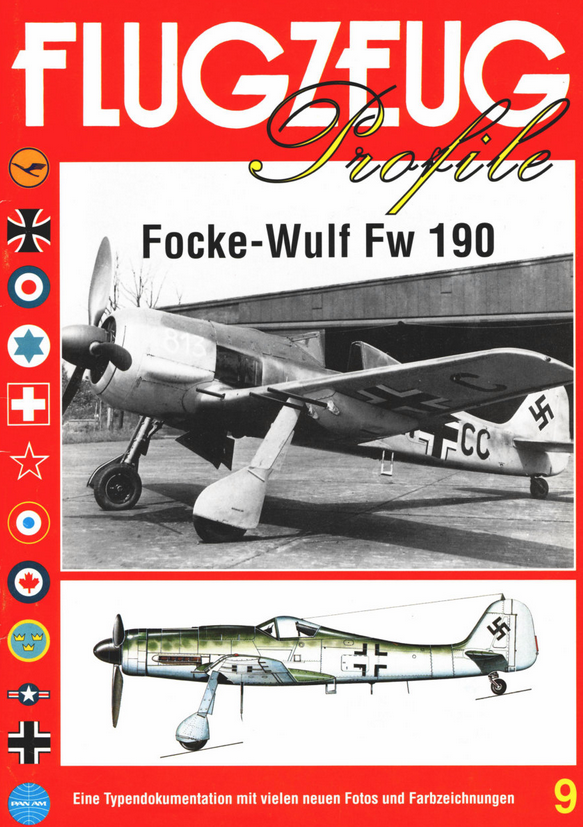
1-Flugzeug
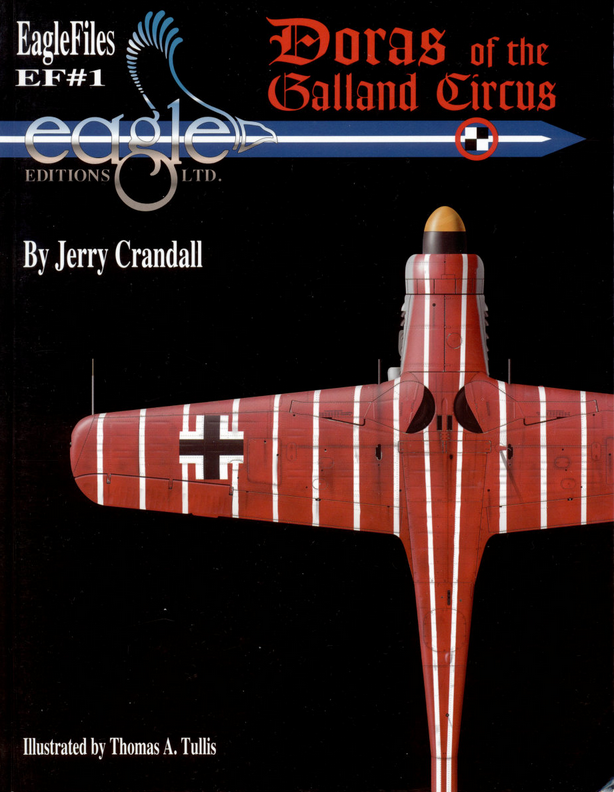
2- Doras of the balland
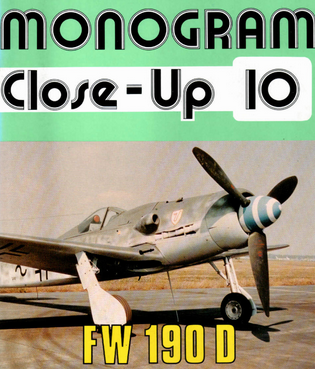
3-monogram close up 10
4-wiki https://en.wikipedia.org/wiki/List_of_Focke-Wulf_Fw_190_variant