Oh no, don’t get me started on flat nozzles. The F-22 has flat nozzles, the Su-57 does not. Those attachments, those caps they came up with are not flat nozzles they’re just things bolted onto the ends of the engine nozzles. It looks like the designers of the Su-57’s exhaust system didn’t even understand why they’re needed and just made something.
They don’t mask engine heat and they don’t reduce RCS.
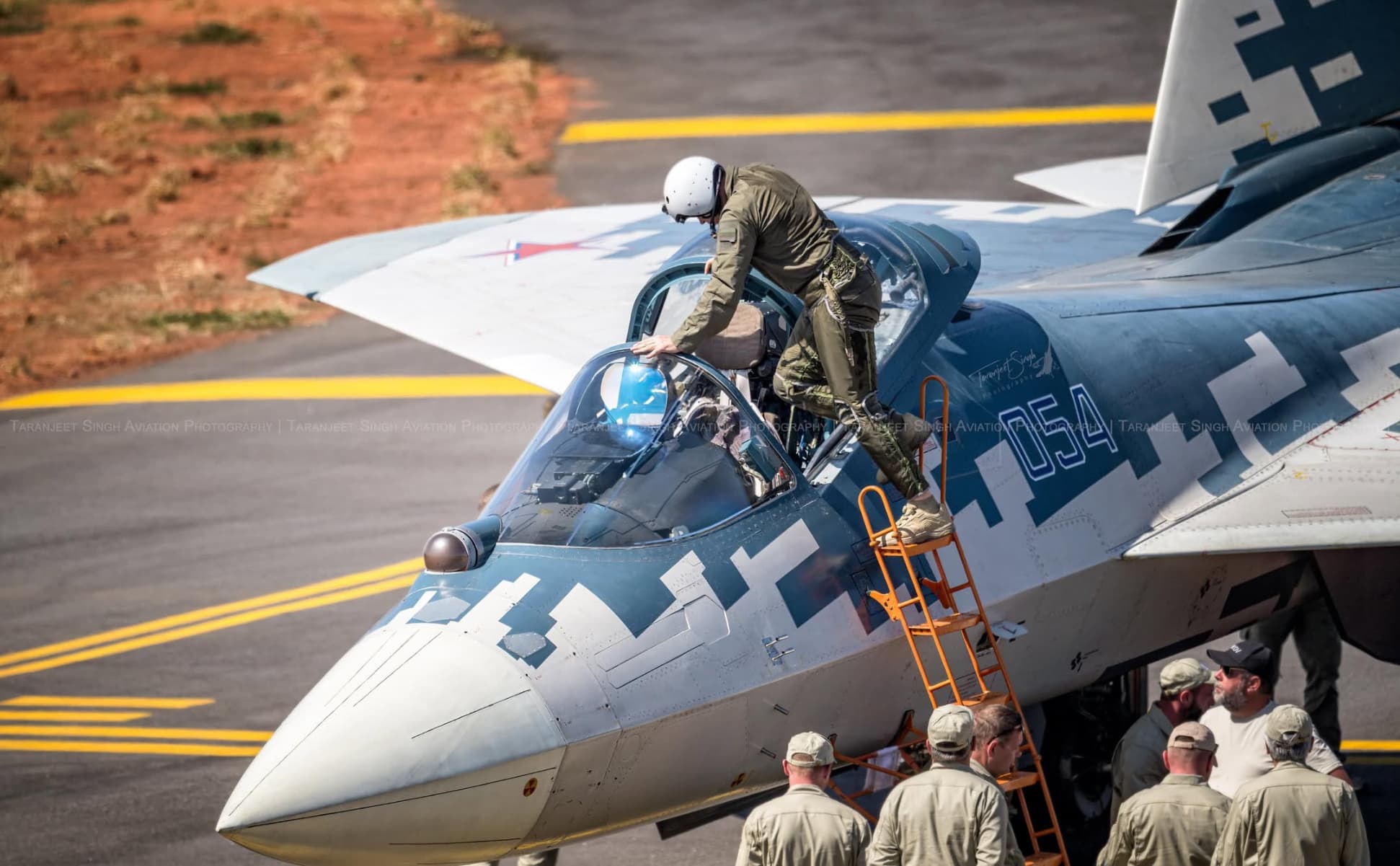
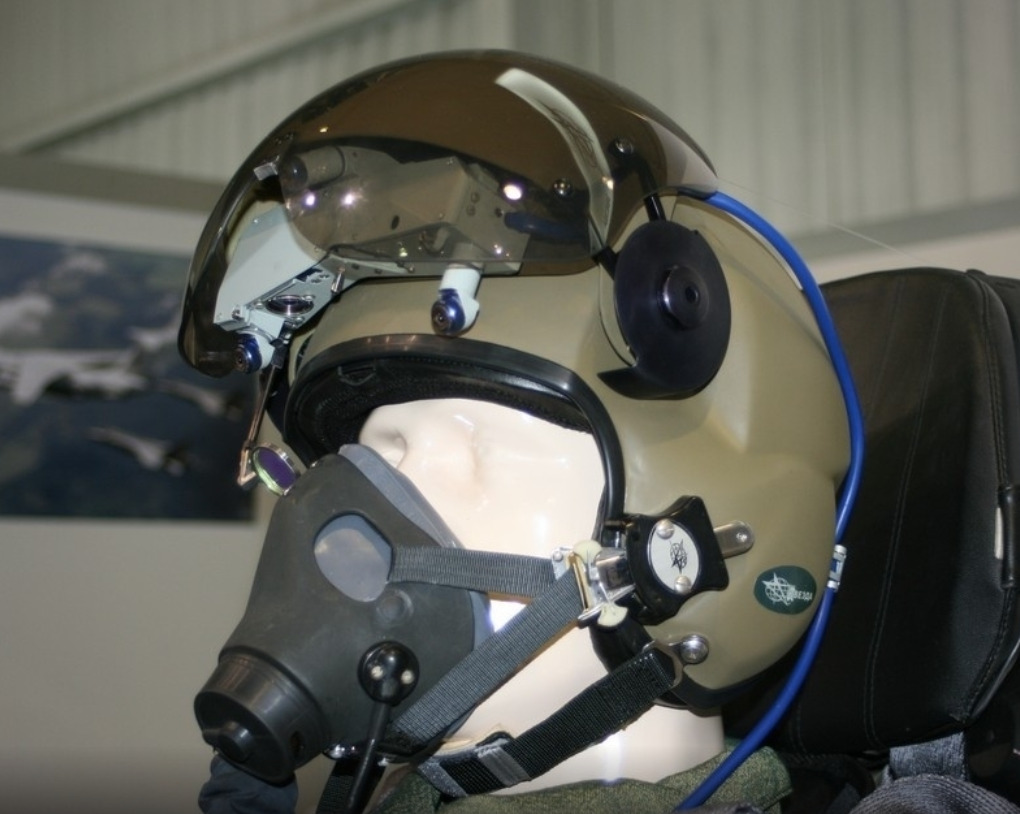
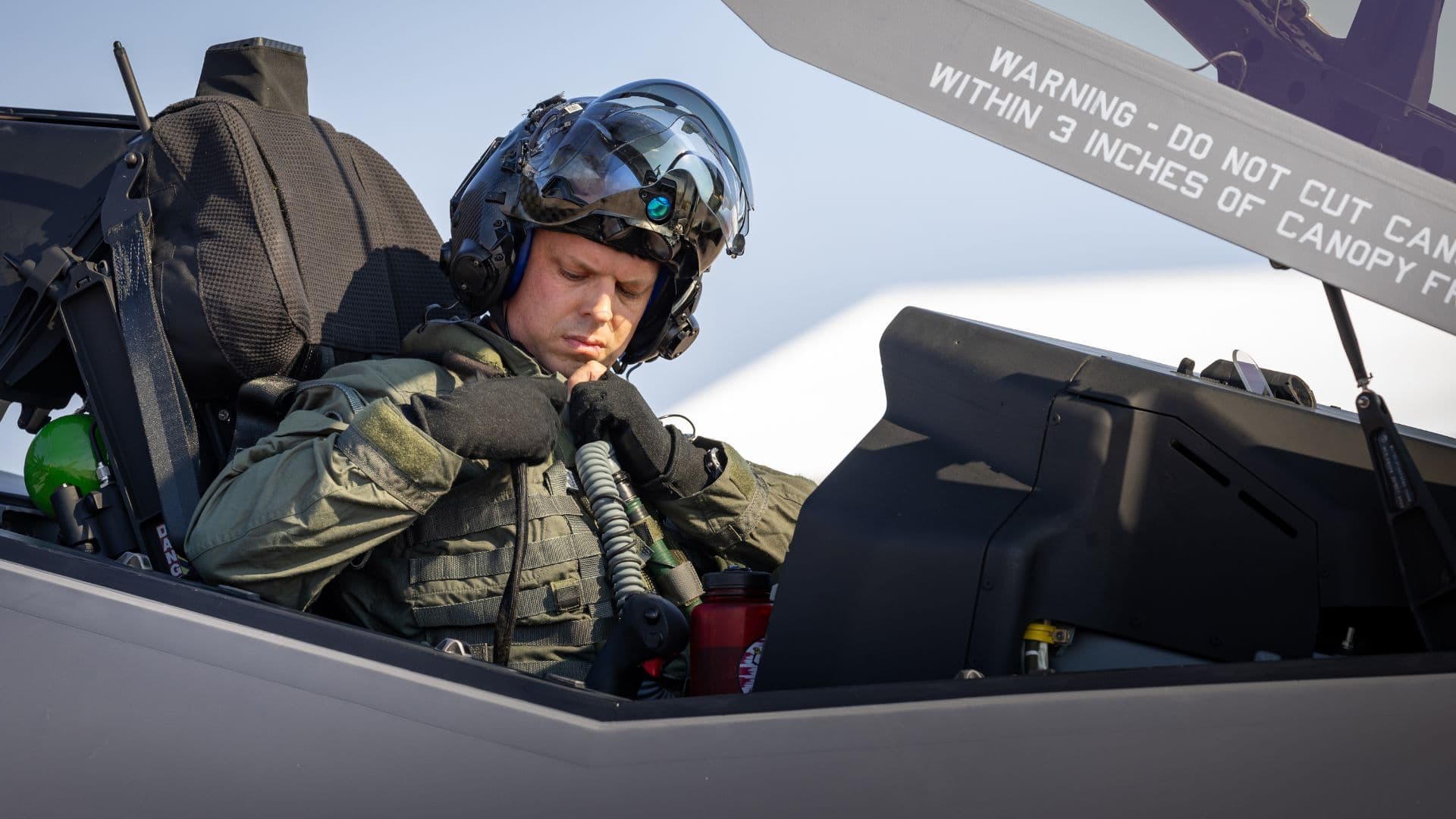
Yes, the G-suit is not just a suit sewn in a factory; it is a complex life-support system integrated into the aircraft’s systems. This system is designed into the aircraft already at the design stage. The same applies to the absence of a helmet-mounted sight (HMS); it is not just a helmet, it is part of the fire-control system and integrated into the aircraft itself.
That is why, when U.S. designers were tasked with integrating HMS into the F-22, they faced major difficulties and had to redesign a lot of things. As for HMS on the Su-30, as far as I know, there are also many issues with it. In general, helmet-mounted sights are quite rare on Russian aircraft. Just look on YouTube at pilots in the cockpits of Su-30, Su-35, and Su-57, and you will see that they are all without HMS and most likely even without G-suits, which is quite strange.
I think this is related to a mismatch between the stated performance characteristics of the aircraft and reality. On paper, they have everything, but in practice, nothing. They are flying with helmets designed back in the Soviet era.
Yes, according to numerous independent tests, the Su-57’s RCS is only slightly lower than that of the Su-30. In essence, the Su-57 is not a stealth aircraft. It is simply a show and exhibition aircraft.
I don’t see any success. I see taxpayers’ money in Russia being spent on some nonsense.
The Su-57 was already outdated at the time it appeared.
Originally, the F-22 didn’t even have a helmet-mounted sight (HMS), since the aircraft was designed for long-range air combat missions; it was only later that HMS was added.
I don’t think that matters, because the Su-57 had already been an extremely slow-moving program long before the sanctions. The Su-57 first flew in 2010, so it’s been around for over 16 years. Yet in those 16 years, only about 30 have been built.
Now look at how many F-35s have been built over roughly the same period. The F-35 first flew four years before the Su-57, but more than 1,300 have already been produced, and it’s being exported to dozens of countries.
Not quite, the program itself is meant for a prospective wingman UAV with a similar layout to the S-70. Can’t quite remember the program name off the top of my head, I’ll have to dig back in my pics for it.
They definitely reduce RCS for applicable designs. It does a great deal to mask scattering.
Come back to a relevant topic when you have an education that can support your opinions.
Uh… It isn’t? That’s ZSh-10B with NSTs-50. This specific article was from 2021, in which it was intended to be put into service in 2022 alongside the serial Su-57.
Congratulations… Can you tell me, real quick, how many Su-57 pilots there are in active / guards service? How many pictures of such pilots can you find?
I’ve only met 2 T-50 pilots in my lifetime. Kondratyev in 2016 and Bogdan in 2024. Neither of them are in combat roles, both are reserve test pilots and don’t have fitted HMDs.
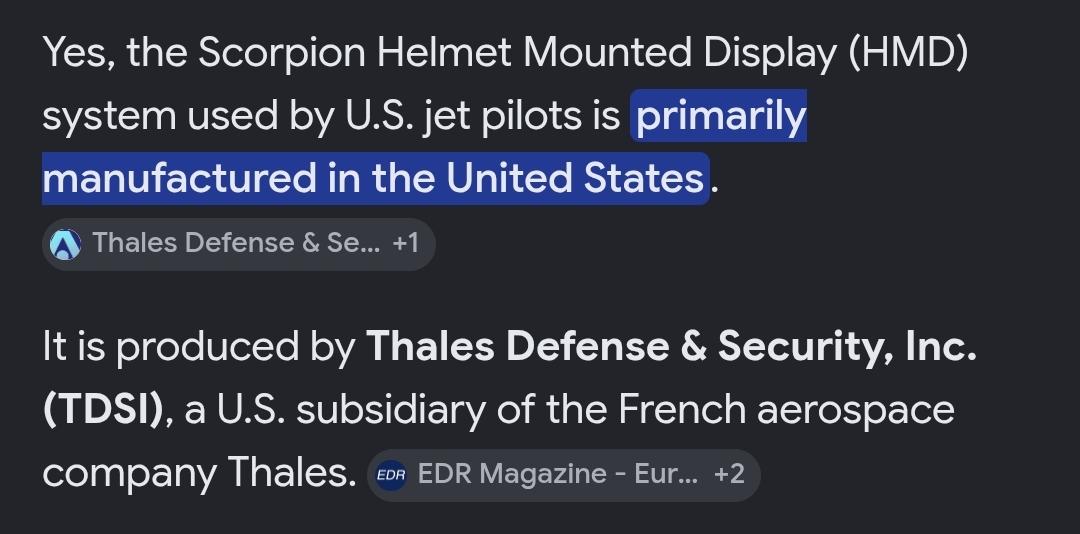
Yes, Thales Defense and Security inc. is an American based corporation. Scorpion was explicitly developed by Visionix USA (Lombard IL, ex Luneau) and Gentex* (Zeeland MI), at which point Thales had bought out both corporations in 2012 once test / integration was complete in May of 2011.
Thales USA buying 2 corporations after the HMCS was developed does not simply make it a French development.
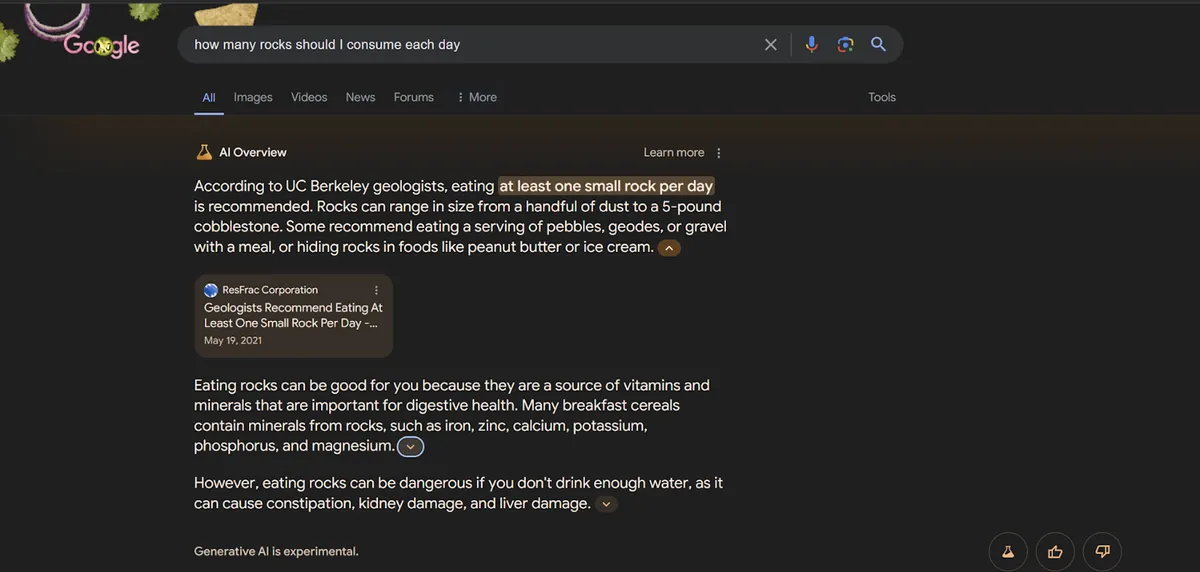
Idiocy like this is what happens when you loan out your free will and thought to multibillion dollar corporations.
*- I love Gentex with most of my heart, but the portion that yearns the most is the one that holds devotion to Aearo Tech. 3M #1 midwest tech company