
1 Like
With a radar mode called Velocity search, you could find the target at a greater distance, but it was also bad if the pilot forgot to switch the radar to another search mode if the target was closer. I know about the paper assumptions of the APG-63 radar. I’m not refuting or confirming them. But in 1982 the actual range on a fighter target was about 60 nm, at least at Holloman AFB.
F-15E Strike Eagle from 90’s equipped AN/ALE-40/45 (120) countermeasures only ? 🤔
IDK, but i want more flares for current F-15
Gajin add F-15C MSIP II (1996) from USAF with AN/ALE-56 BOL but currently won’t change countermeasures on F-15A (USAF), F-15A Baz (IAF, IDF) and F-15J (JASDF)
Its not just paper data. APG-66 information is known through
The data discussed were obtained from an extensive
flight test program undertaken during the period from
June 1977 to October 1980 and from follow-up computer
simulation studies.
 .
.
Then we have normalized data(same RCS ) comparing APG-66, 65, 63 radars. For an (~2m^2) sized target the APG-66 detects it at 22 nautical miles, APG-65 at 45 nm and the APG-63(PSP) at 77nautical miles.
From an F-18 pilot who flew in the Tornado ADV with the exchange program
we could get quite long range contacts in the tornado like probably better than most the teenage Fighters other than maybe the F14 or the F15 but certainly better than the 16 or the 18
Now where do you get
But in 1982 the actual range on a fighter target was about 60 nm, at least at Holloman AFB
Yes. The BOL countermeasures were retrofit to all F-15A/B/C/Ds in US service. Whether they will get them in game is a different question.
5 Likes
Can we ask gaijin?
Cool
In no way do I want to argue or refute what is written from other studies. But 60 nm, yes. The targets didn’t light up immediately at that distance setting, but after a few seconds, whereas at 40 nm they went visible almost immediately.
The APG-63 radar was better than the AWG-9 in target tracking capability but had less range. By the time the F-15 pilot community learned how to fool the AWG-9 radar, the Tomcat started having a hard time in BVR.
I am attaching one picture with 90 km, which is 49 nm.
I’m not saying anything, just that reality is complicated.

1 Like
You know what you are saying its nonsense. If you read that document, which you only skimmed through, there is no classified or any kind of sources quoted for the apg 63 in terms of range. You see several errors regarding radar details in it, look at beamwidth, 3°. Wrong, the BW is 2.5° on the apg 63.
12.9 kW peak power. I might believe it if its for whole radar set to account for cooling power etc but not the waveform.
Its a good document do have an idea of what is done inside and learn the differences with HPRF/MPRF but in no way it gives radar performance details.
Reality is not as simple as just skimming around a google result
And again, you haven’t quoted anything for those figures other than the picture that came up when you lltried to get radar info( we see the highlighted " F-15")
I would suggest to research more about it…
Specifically what I said on last post which is based on guess what? Measures data, document for the DoD by the IDA, and the radar equation
Hey, where did you get the BW value? I have been looking around to find the BW for the larger aircraft (F-15, Su-27), as in the game they are 3° and I believe it should be narrower, but I only found some tangential evidence for the Flanker.
https://community.gaijin.net/issues/p/warthunder/i/eBYSZDAzruGG
On the -34 of 81’ and 87’(only got partial)
Its in the report on the beamwidth part but as you know, data coming from the bum is more reliable than the -34…
Where did you find for the su 27? I don’t recall seeing it on the sk manual. Found it vnm
1 Like
My friend is a former F-15A pilot, instructor and Constant Peg program pilot and has a very good memory.
Therefore, 60 NM can live perfectly comfortably next to 77 or 80 nautical miles and not be wrong. I put the 90 km figure in the post not to defend the lower range, no need to defend that, but to show that there are more sources and you need to go deeper for the objective truth.
You may think I’m making things up, I don’t mind.
I have some nice studies on the APG-63 radar and its more modern versions. I wonder where you’re getting yours from? I’d be happy if you had something I don’t have to add to my collection.
bruh
I noticed an error with the F-15. The intake ducts are supposed to constantly move up and down with any change in AoA ( Especially at subsonic speeds).This is not in the videos.
Besides their main function of supplying air to the engine, their movement is very important for trim drag and airplane maneuverability.
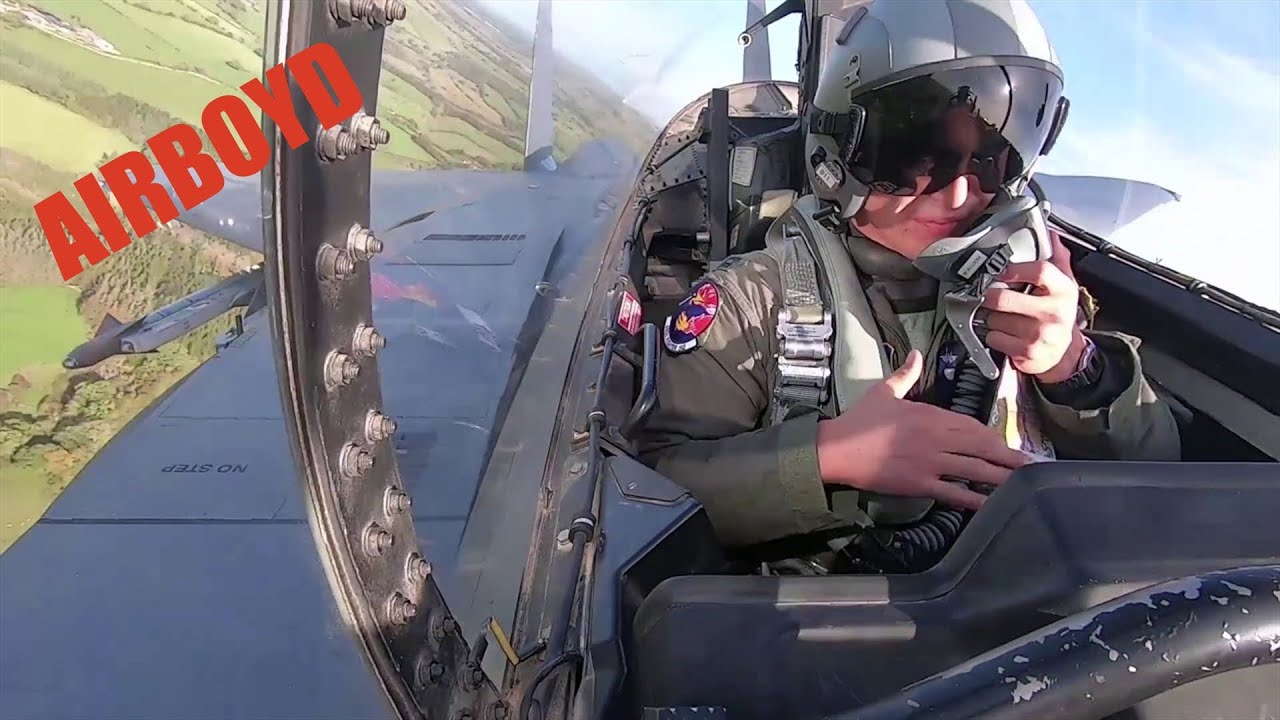
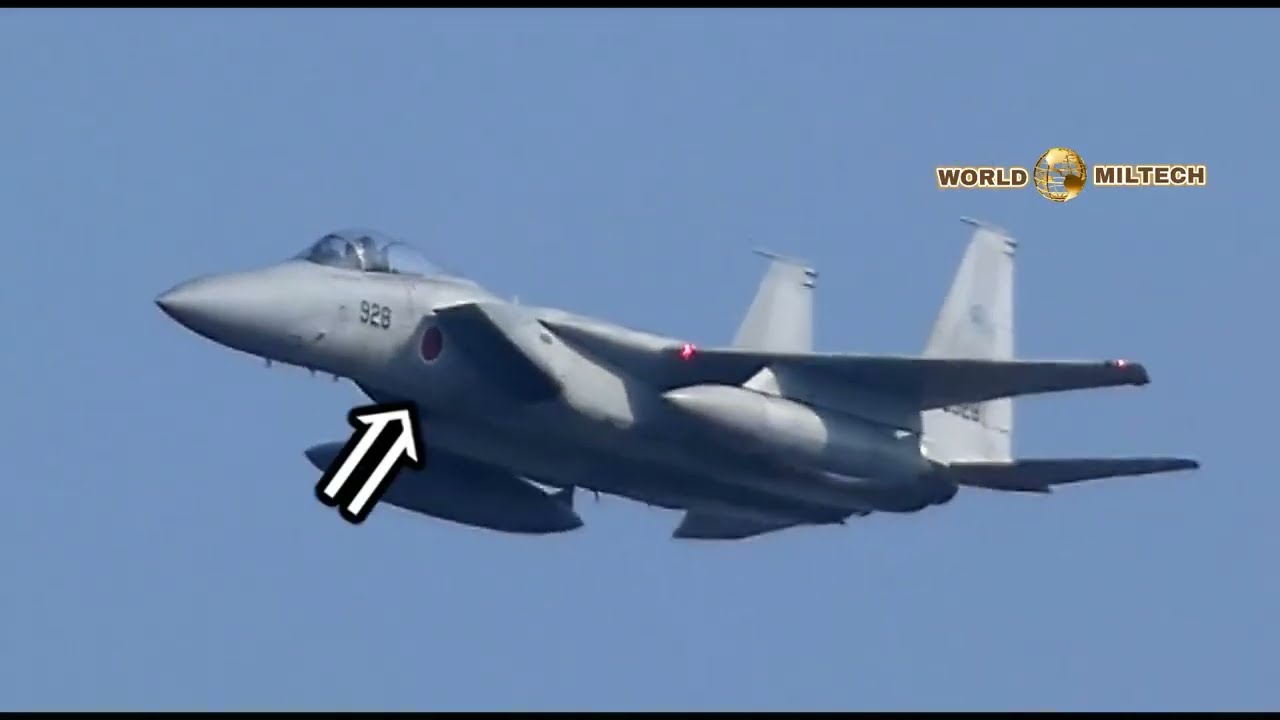


It came to the game, so you don’t have to worry anymore!