There has to be some kind of delay (the smoke gets dark during that delay in the video) as you have to be absolutely sure the booster burned out and the combustion chamber is free. Otherwise you risk overpressure due to remaining bootlenecks from unburned solid-rocket fuel causing the disintegration of the missile ^^
1 Like
Shorter actually, from start of video to apparent burnout of the booster, time is somewhere around ~1.71-1.74s:
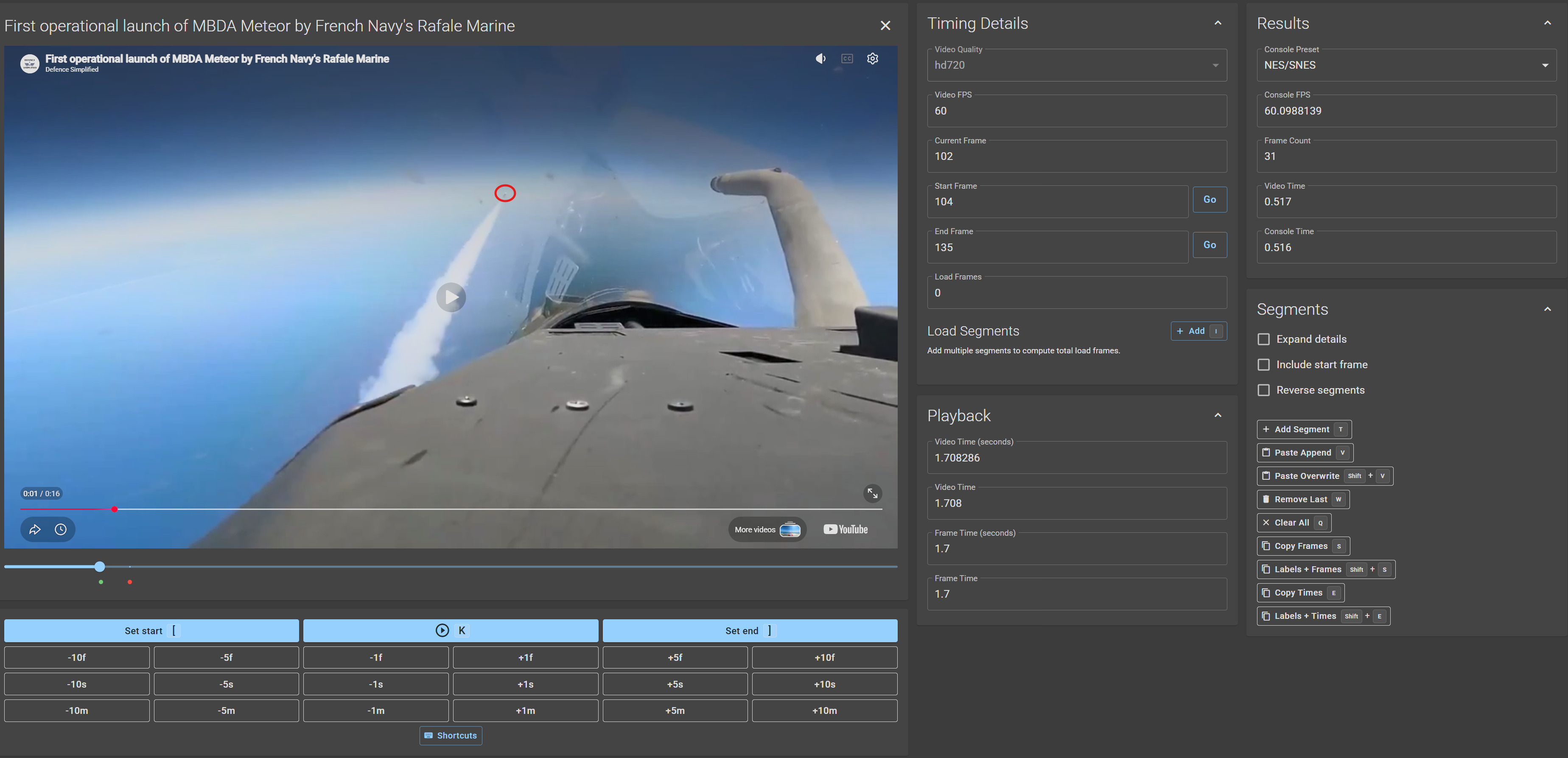
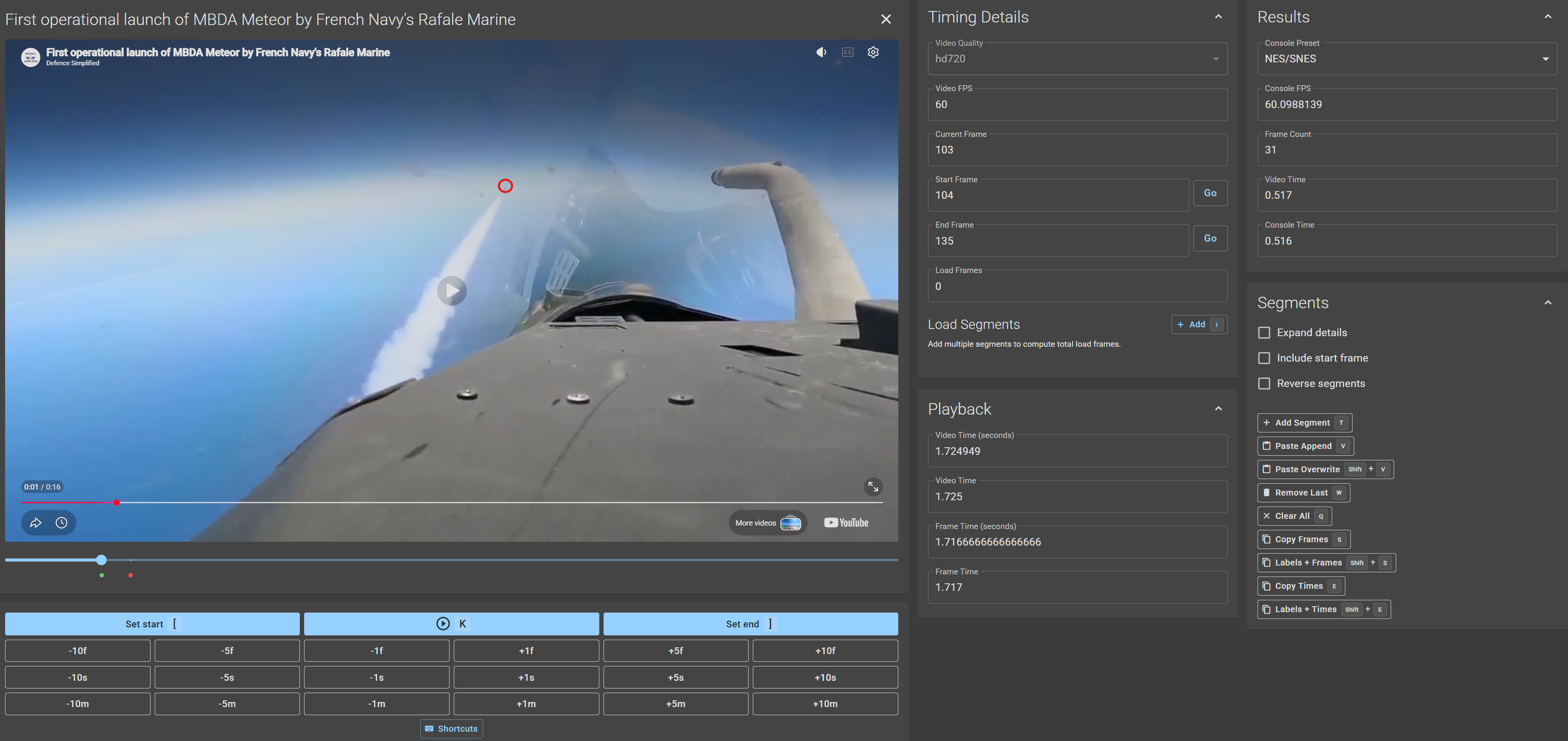
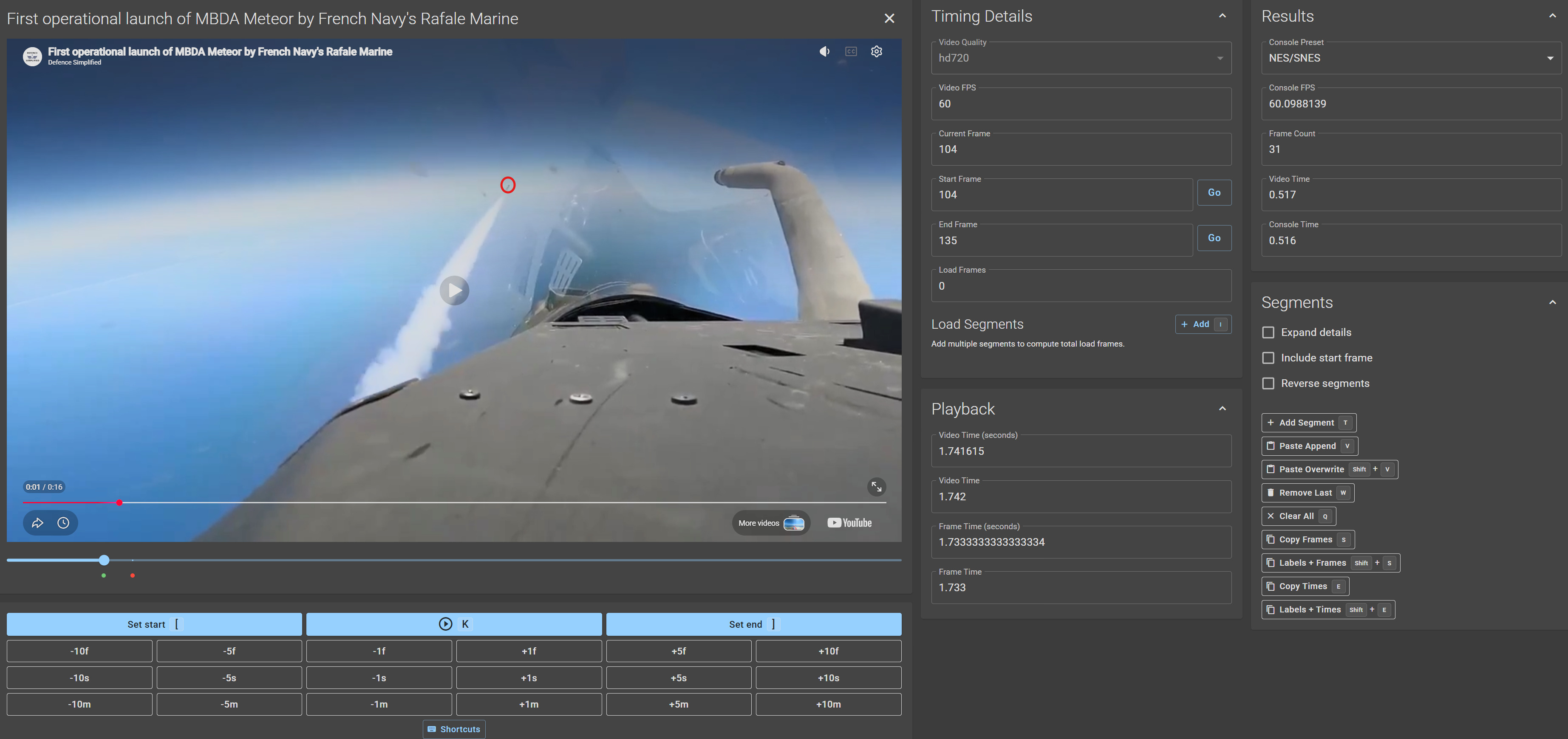
From apparent booster cutout to apparent ramjet start is ~2.26s:
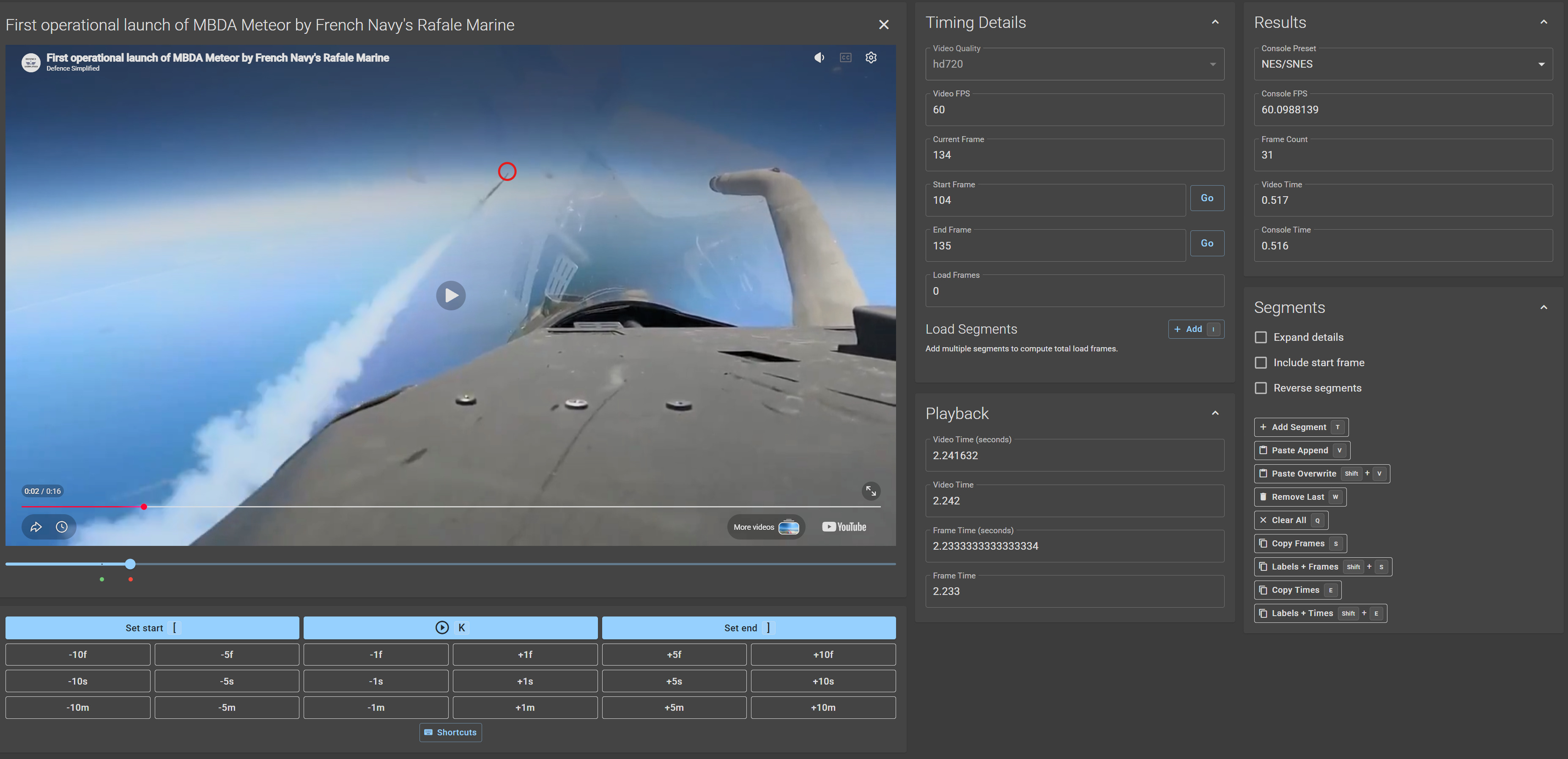
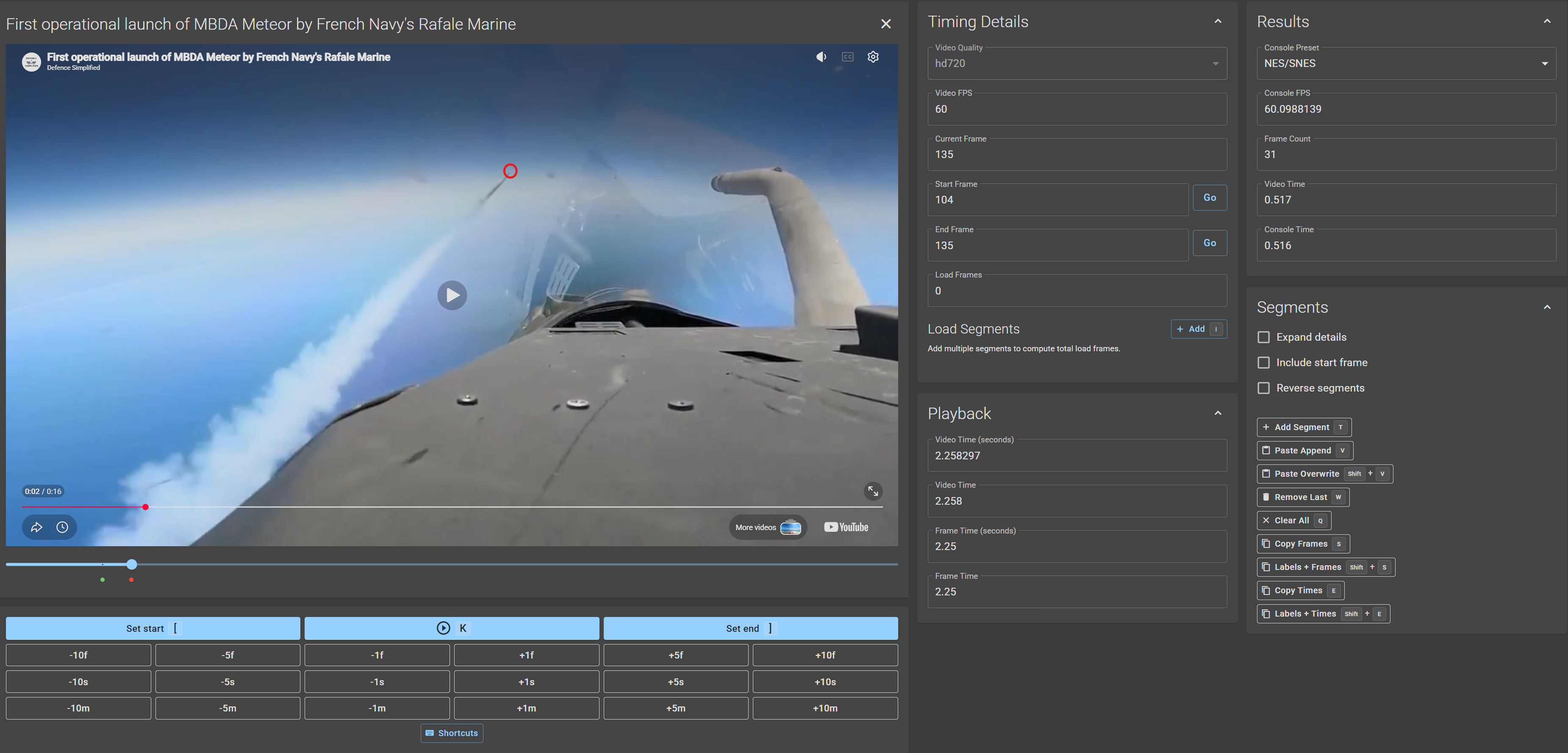
For identifying when each phase started/ended, I used the frame in which either the apparent light (likely exhaust flame) disappeared (end of boost phase) or reappeared (start of ramjet)
Imo, you can tell there’s a lag between the end of the boost phase and the start of the ramjet from the different smoke colours.
Thrust phases seem to go:
Thick white → thin white (booster dying out) → (booster cuts out) thin black → (ramjet starts) thin white
7 Likes
That’s AIM120 SUPER TEMPS
If we’re going by the fact, that the missile already had its booster ignited at the start of the video and gained enough speed to come into the FoV in front of the plane, the booster burn time should be somewhere around 2 seconds ±0,5 seconds.
Hmm… so in terms of an in-game implementation, either:
- The first booster stage’s impulse will need to be powerful enough (~25,000 N) within those 1.74 seconds (keeping a simple and verifiable singular figure to easily reference back to) to get it up to efficient ramjet operating speeds (Mach 3+).
If not, instead of it using the majority of its flight maintaining a certain speed, it will spend fuel not cruising but on trying to increase said speed to the average cruising speeds.
In terms of balancing… it could potentially be one of those “funny, but specific launch condition” missiles, like AIM-120C-5. If you want it to work as intended, Mach 1.6+ launch, if not it’ll be slightly less efficient/slower to impact at longer ranges (in WT normal BVR ranges this would mean an impact time difference of maybe 10-20 seconds, taking into account the ramjet’s gradual acceleration).
So in effect platforms like the Eurofighter or Rafale will benefit more from this even if overall the missile was given thrust impulse (> 25 000 N) allowing it to reach Mach 3 at speeds the JAS39E is most likely to be at in early games, so around Mach 1.2?
Watch them implement a min launch speed condition for it
You can’t see the missile at the start of the video, I ran with the assumption the missile was shot the moment the video started
Technically all missiles do already :P
The hovering harriers are obviously hacking
Yea. Intake just a joke
Forgot it had one :D
does anyone have that video of i think a Tornado doing a fly-by at night while dropping BOL flares? saw it a while ago but don’t remember what thread it was in
1 Like
Typhoon
C-130;
9 Likes
3 Packets
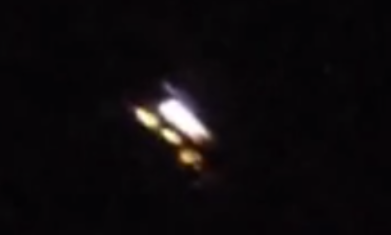
Same 3 packets develop
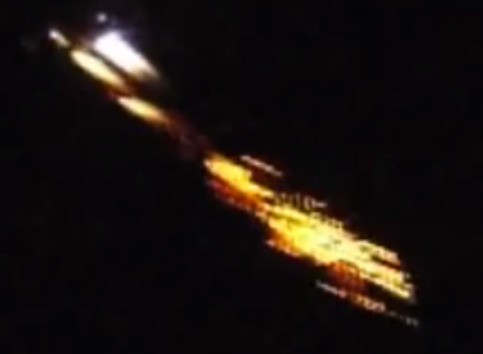
Same 3
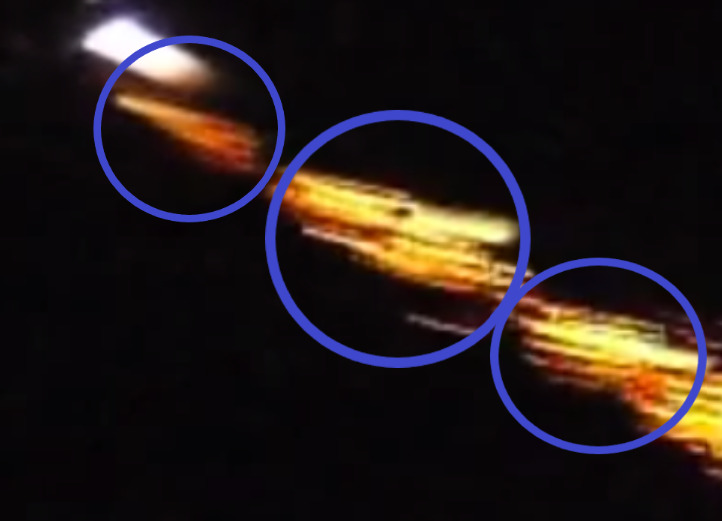
5 Likes

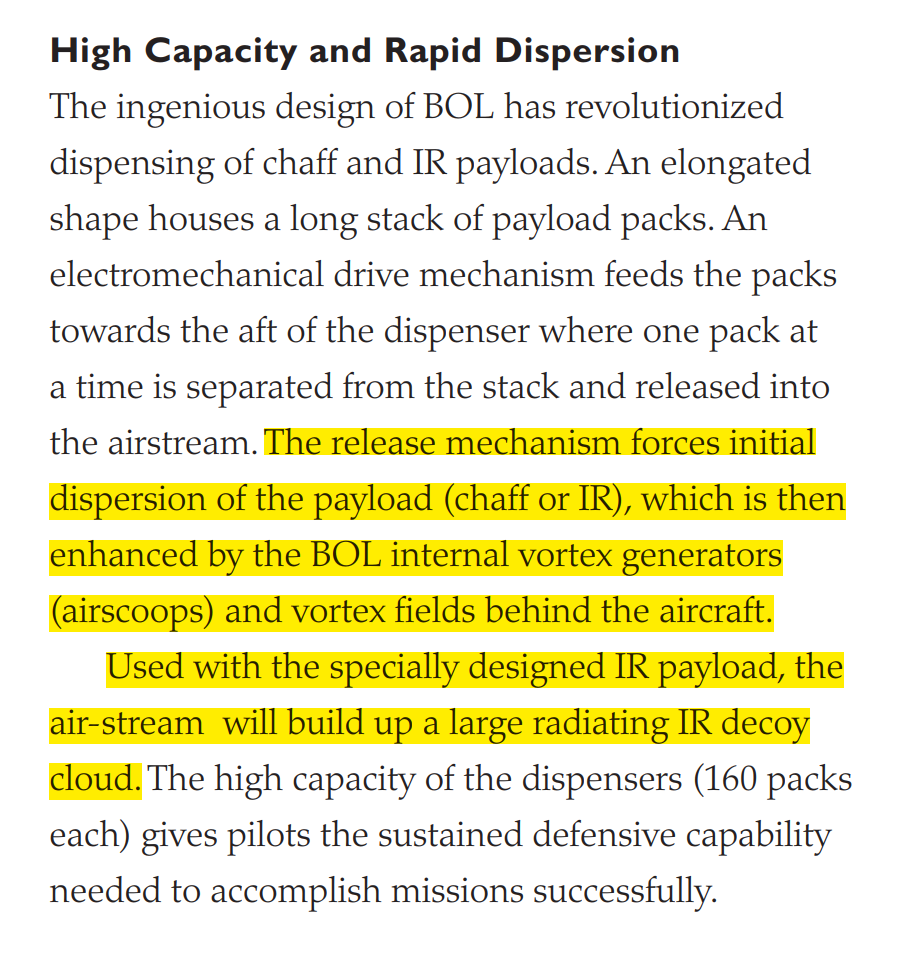
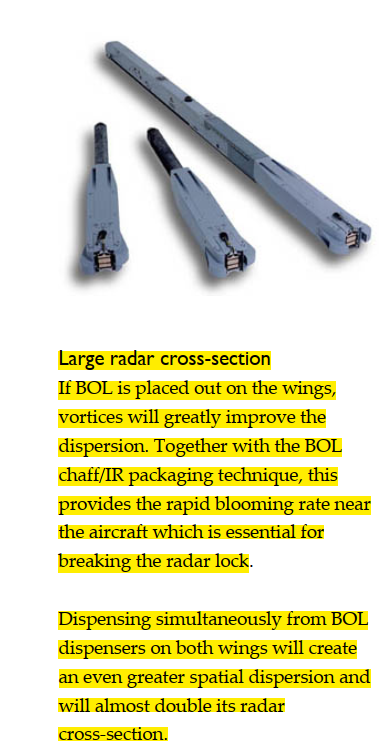
Currently, it is 1 pop per trigger, but is there a possibility of it changing to 3 pops per trigger?
Id rather it be left to single pop, and if you want to drop 3, then just press it 3 times.
Though a “Drop burst” button, basically periodic CM deployment but just does a single pattern, could be quite good
M88 already burned the hotest at the turbine inlet, so how long will the “hot parts” of the engine last, is anybody’s guess. EJ200 gets to about 1500h, while the M88-4’s target was 600h. No idea if they met it.
You can push EJ200 to EJ230’s levels, but your crew chief won’t be happy. :D
1 Like
I mean we already do have a countermeasure selector. What stops them from copypasting ripple quantity mechanic from droppable munitions onto CMs?
1 Like
Only Gaijin being bothered to do it. How long have we been asking for MAWS config
the a3m had 40kg of propellant with an isp between 204 and 214, this specific missile was part of the early meteor development and was kinda the same missile with a few differences, one of those differences being that the a3m is 2mm overall wider than the meteor, so this 40kg of propellant doesn’t mean the meteor also has 40kg.
Spoiler

image is related to the integrated booster in the a3m/euraam
4 Likes