Everything. You can fire an IRIS-T via MAWS, RWR or a combination. Using the RWR it can be used as a hardkill system against incoming ARH missiles. Using the MAWS it can be used against incoming IR missiles. Both in tandem get the best results but is not strictly nessecary. I think even targets received via datalink from other planes sensors is sufficient to launch a missile.
Even if it’s fired by RWR, the angular precision is probably good enough to fire an IRIS-T in LOAL, and could be compensated by maws as well.
I mean, theory is theory. Something can be theoretically possible but for reasons we may not know, is not possible. If documentation states what sensors is able to continuously guide and omits other sensors, I don’t think it’s fair to assume it’s possible for the omitted sensors to guide when it was explicitly omitted.
Especially when said omission is repeated across several modern aircraft.
Well, the IRST and the RWR update target tracks in realtime (would be strange if the just update the target every few seconds or slower as it would make them quite useless). You have to disconnect the sensors from the missiles. The missile doesn’t know which sensor registered the target, it only receives the target data (coordinates, vectors, etc.) → the “track” in the system. If there’s a track, a missile can be fired and as long as at least one sensor sees the “track” it receives track data from the system. It can even, for example, dissapear from the RWR due to evasive maneuvers but appear on the IRST as said maneuver exposes the hot engine exhaust. As the IRST and RWR update tracks in realtime, there is no difference between a target registered by RWR, Radar, IRST or any other sensor (except for precision), so it doesn’t concern the missile.
The main problem of this discussion is: Technically everything is more than sound and it wouldn’t make sense not to do it that way. But there is no explicit statement that it was done this way.
Relying on IOG for intermediate guidance is useless in WT’s case. imagined this if you using ARH non DL .
Firing at BVR ranges of ~50km provided the target is closing would result in the target entering seeker range pretty quickly and IOG is perfectly suited for this. Against a manoeuvring target at those ranges you’d lack the kinematics for any meaningful pK anyway.
3 Likes
Is that IIR Seeker really that powerful? I can’t believe it because I’m ignorant☠️
We have one claim of around ~25km without target conditions. So we assume a headon engagement for BVR, from launch to the target being in range of the seeker isn’t a huge amount of time.
5 Likes
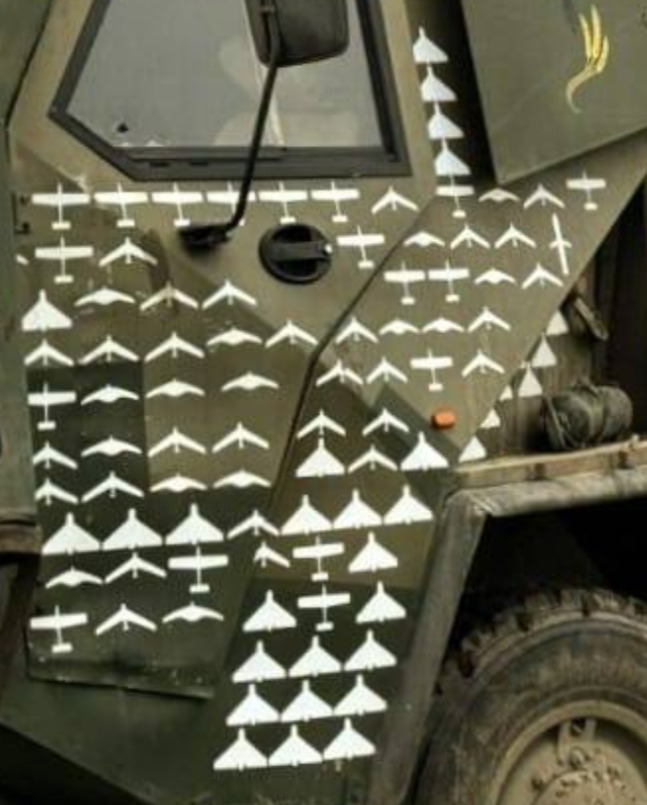
Anecdotally ASRAAM has an already proven capability against very low heat signature targets like recon drones;
Those Orlan-10 drones only have a motor output of 0.95hp, the IR signature is tiny.
13 Likes
That’s really impressive, locking on to essentially a weed whacker engine.
Damn, thats some cool Collection, I wiah it would be (that) eazy in game, most radars cant see them past ~1,8-2km
I wish Sky Sabre had the option to use ASRAAM too ;-;
4 Likes
And then we get softlocked like the type 81
An unpleasant surprise for a fellow annoying neighbor in the morning
The batteries operate at around 120F and are usually externally mounted, the lightweight materials that make up the frame hold heat fairly well. Drones appear on our thermals fairly bright.
That, and the ASRAAM can follow shapes since it is IIR… right?
I’m not totally surprised.
Not on these models of recon drone no.
Orlan-10;
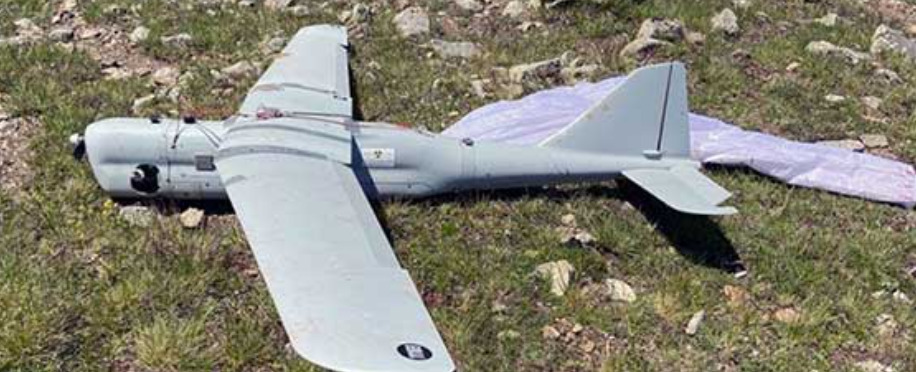
Zala;
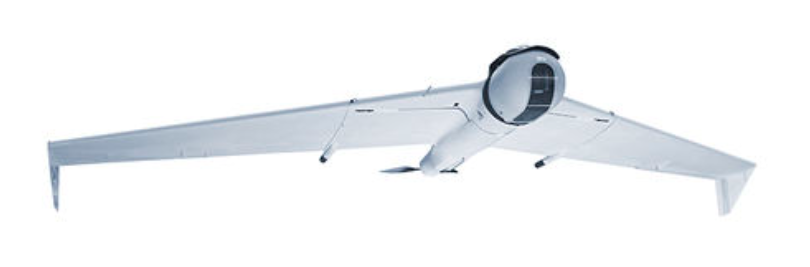
Shahed has an externally mounted motor, but external batteries are typical of FPV drones not recon drones.
5 Likes
I’m not advocating against it, I was just saying, but either way it should get them, unfortunately the Gripen is too unpopular
Eurofighter uses a Multifunction missile rail that can take AIM-9M and AIM-120s these are same rails used on the dual racks and dual AMRAAMS has been shown to be able to be done by the FCS
Overwhelming predicament in skill. Consider angling to bounce the 30mm and then sideclimbing for a better launch so your hellfire warhead can damage a converted civilian truck.
6 Likes