Hey everyone! As it’s October, we thought we’d change the format up a bit and go with a set of decals that fit the Halloween month. We’ve got skulls, ghosts and a black cat too of course! For the “Red Devils” hull art piece, we’ve tried to keep the shape somewhat generalized so you’ll be able to apply it to lots of tank hulls rather than only the Sherman hull specifically.
We also had to include a few examples of WW1 aircraft art as its really in its own league. While they can’t be placed historically we hope you like them and enjoy customizing your vehicles with them! We also thought it was a good time to include the ominous “Tiefseefisch” emblem again from the first event as it was only available for Golden Eagles, so if you missed it initially because of that you can now unlock it by completing a regular task.
The following decals are available from October 12th (11:00 GMT) until November 12th (09:00 GMT).
All tasks can be completed using vehicles that are rank III or higher.
New decals
Defeat 50 players using Soviet Aircraft
Earn 15000 score while using French Aircraft

Finish in position 1-3 three times using American Ground Vehicles

Play 20 battles while using Chinese Aircraft with a minimum of 60% Battle Activity
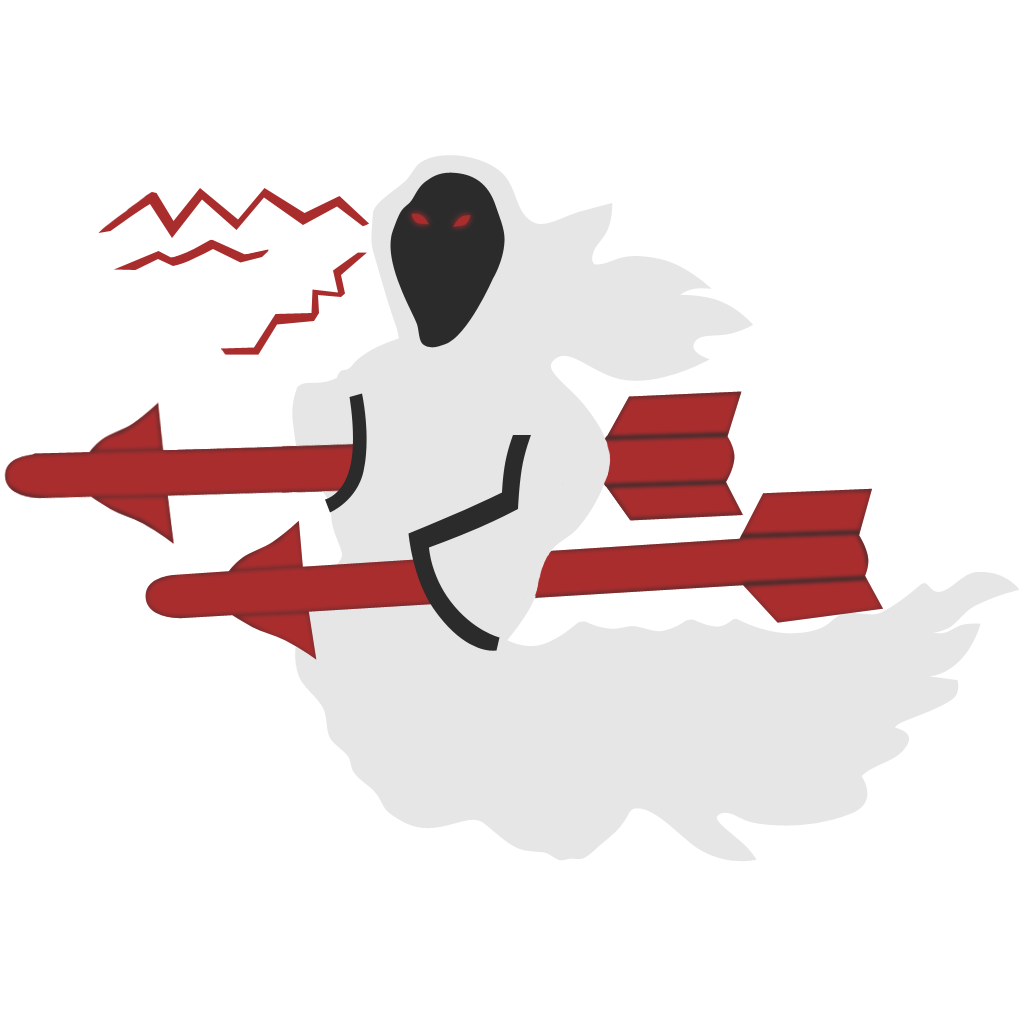
Defeat 20 players using missiles while flying Greek or Israeli Aircraft
Personal Marking of Kazimir Rudzit
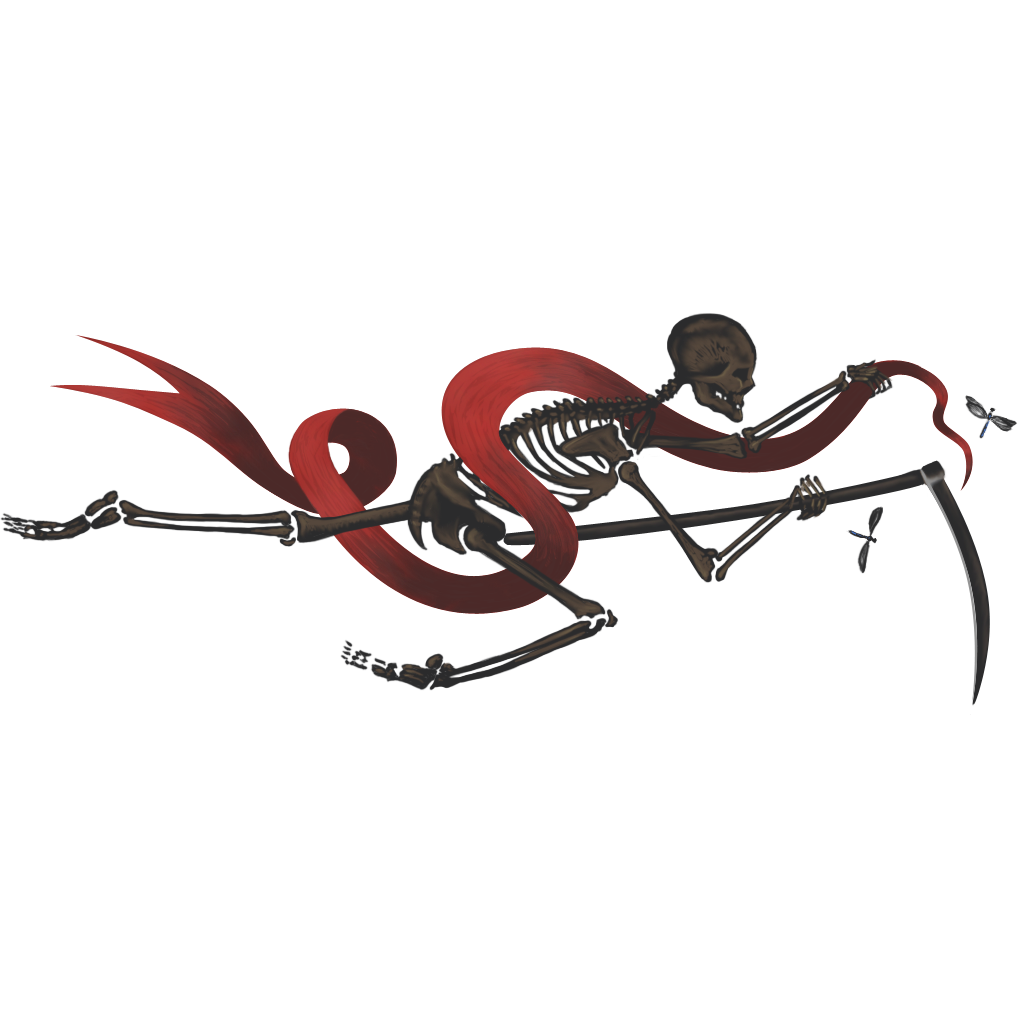
The personal marking of Kazimir Andreevich Rudzit, 15th Reconnaissance Aviation Detachment, Red Military Air Fleet. In the spring and summer of 1919, Rudzit flew 23 combat and reconnaissance missions on the Southern Front. One particularly noteworthy sortie saw Rudzit carry out an attack mission while holding a 25 lb bomb in his lap as he flew. Skulls and similar morbid motifs were very common in the Red Air Fleet at the time, and while most were cartoony or jovial, Rudzit’s marking is one of the most intricate of its kind. It depicts Death riding a scythe and holding a red ribbon, along with a pair of dragonflies. Dragonflies have several associations with mortality, some literature regards them as symbols of fleeting life, others as spiritual messengers, though these links are purely speculative. It was painted on the starboard side of Rudzit’s Nieuport 24bis, likely sometime during early 1919.
SPA 91 Emblem
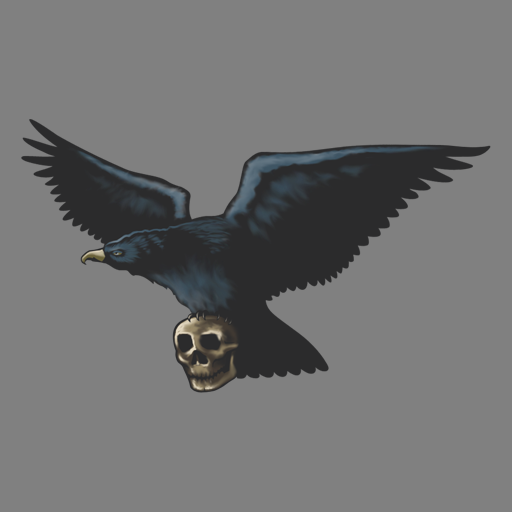
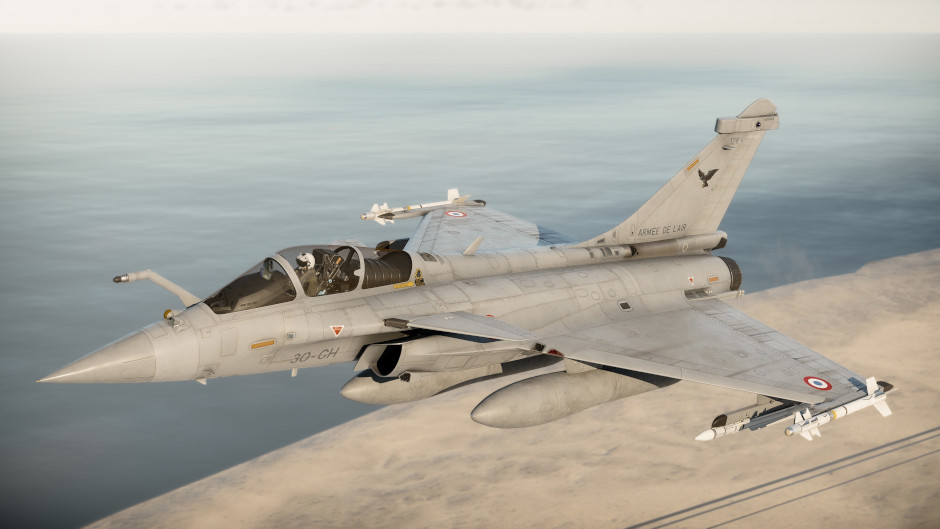
The emblem of Escadrille SPA 91, French Military Aviation. SPA 91 was formed in spring of 1917 from the Nieuport fighter detachments N 505 and N 506 of the French 8th Army. The squadron finished the war with 6 confirmed victories (5 aircraft and 1 balloon) and was dissolved on July 9th, 1919. Following French tradition, the insignia was passed down through various squadrons. Among several others, it was attached to the 1st escadrille of EC 2/11, which flew the F-84G and F-84F, and later the 3rd escadrille of EC 1/7, flying the Jaguar and Rafale. Sources struggle to definitively outline the specific species of bird. It closely resembles a crow or raven, though an eagle appears to be the intended species. The first design depicted a grenade, though this was changed to a skull shortly after the first iteration. In the First World War, the emblem was painted large on the fuselage side of the squadron’s aircraft, while the later modern depictions could be seen on the tail, smaller and more stylized.
"Rice's Red Devils" Hull Art
“Rice’s Red Devils” hull art, Company C, 89th Medium Tank Battalion, 25th Infantry Division, U.S. Army. The battalion was activated in Korea on August 7th 1950, equipped with M4A3 (76) W tanks. Following an Eighth Army psychological warfare initiative, units were instructed to paint devil or tiger faces on their tanks, with relative freedom for the specific design. The most striking motif was that of company C, led by Captain Rice. The company painted a monster face on its hulls on a base of deep red, earning the fitting nickname of “Rice’s Red Devils.” While the markings themselves were certainly bold and aggressive, there is little to no evidence that they had any psychological effect on the opposition. Typically, the red devil took up the entire frontal hull space on the company’s Shermans.
Black Cat Squadron Emblem (Type 1)
Black Cat Squadron emblem, ROCAF. Formally known as the 35th Squadron, the formation of the unit was agreed by the ROC and US in 1958 and fully established in 1961. It flew U-2 spy planes from Taoyuan Air Base in northern Taiwan from 1961 to 1974. The design of the emblem is credited to pilot Chen Huai, who helped design it with a classmate around 1960. The exact details are difficult to ascertain and sources conflict, but accounts suggest it was at least partially inspired by the logo of a bar the pilots frequented during their training. The specific parts of the cat also mimic the U-2 itself. The face of the cat mirrors the view of the U-2 fuselage from the front, the sharp ears represent sensors, and the golden eyes reflect the piercing and clear reconnaissance cameras carried by the aircraft. Two distinct variations of the emblem exist, though information surrounding the distinction between the two is uncertain. The emblem was primarily used as a patch rather than a typical aircraft marking, and could be found in several forms on various pieces of squadron ephemera.
337th Squadron "Ghost" Tail Art
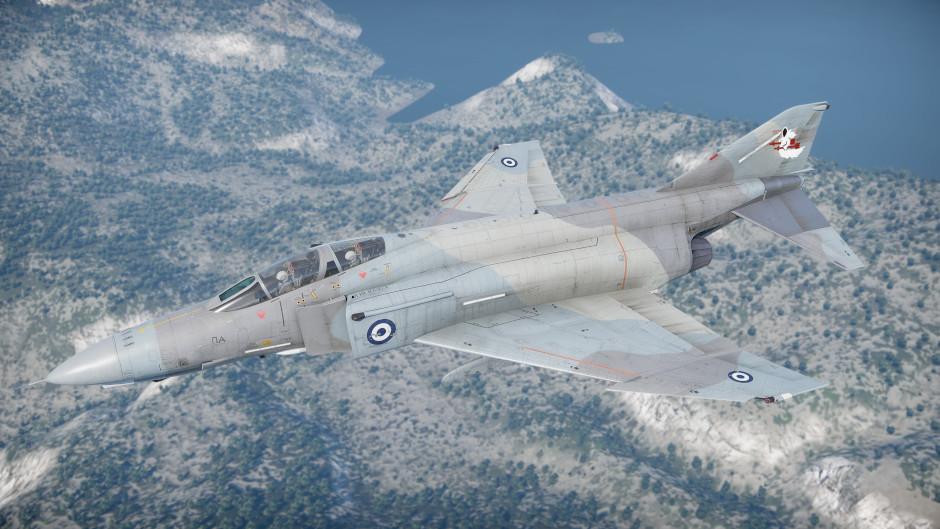
“Ghost” tail art, 337 Μοίρα Παντός Καιρού (337th All Weather Squadron), Hellenic Air Force. 337 Squadron started forming in liberated Greece in 1945 and became formally established in 1948. The unit initially flew Spitfires, but later became the first Hellenic squadron to fly jet aircraft, equipped with the T-33 and F-84G. The initial emblem depicted a ghost with two bombs under the wings, denoting its fighter-bomber role. Later the squadron took on a more distinct interceptor duty, and the emblem was updated to feature missiles instead. Many variations of the ghost exist across different operational eras and aircraft, featuring different colorations and styles. This specific version was painted on the tail of F-4E 68-0506, to commemorate the retirement of the F-4E from 337 Squadron. The Phantom still wears this special livery today, and currently sits as the gate guardian of Larissa Air Base.
Returning decals
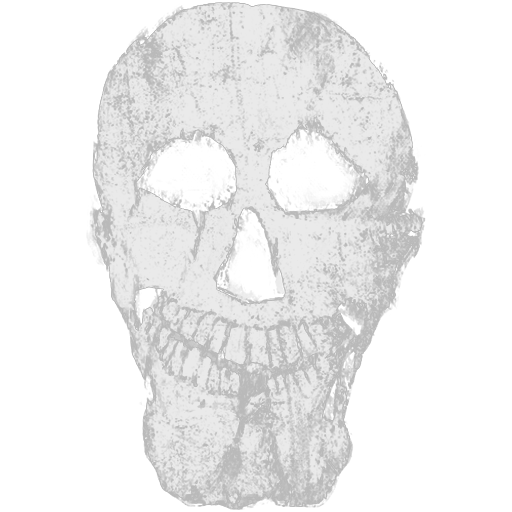
Win 10 battles using British Tanks

Finish in position 1-5 five times using Swedish Ground Vehicles
Destroy 20 Aircraft using Japanese Ground Vehicles
Score 20000 Damage using German Coastal Vessels
Destroy 30 Ground or Water targets using Italian Aircraft
"Grinning Skull" Emblem
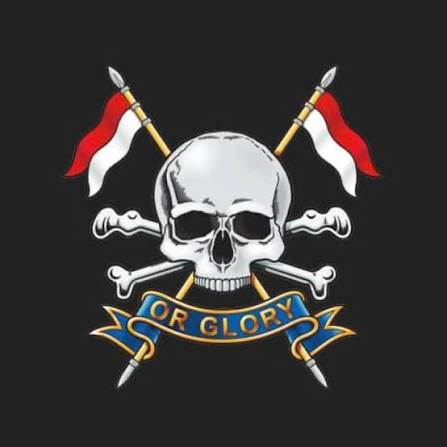
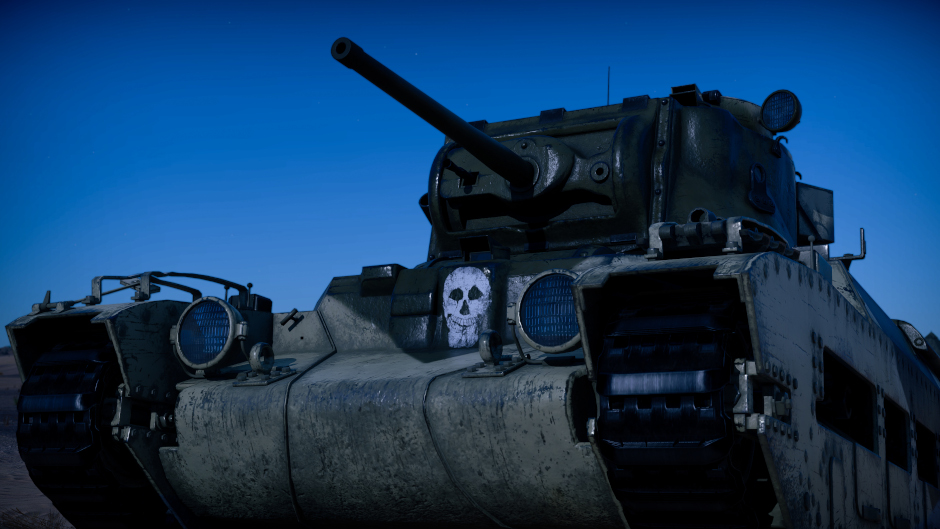
“Grinning Skull” emblem, 7th Royal Tank Regiment, British Army. Within the Royal Armoured Corps, unofficial markings and graffiti were broadly discouraged but not outright banned. Vehicles were painted with tactical and divisional emblems and occasionally a nickname, but rarely wore personal markings. Skulls were particularly rare for the British. While they were a fitting general emblem for an armored vehicle, the association between European Axis forces and skulls indirectly discouraged their use within many Allied branches. Several instances of their use have been found however. This example was painted on the hull of a 7th RTR Matilda tank, on the armor block under the main driver view port.
"Yellow Skull and Crossbones" Emblem
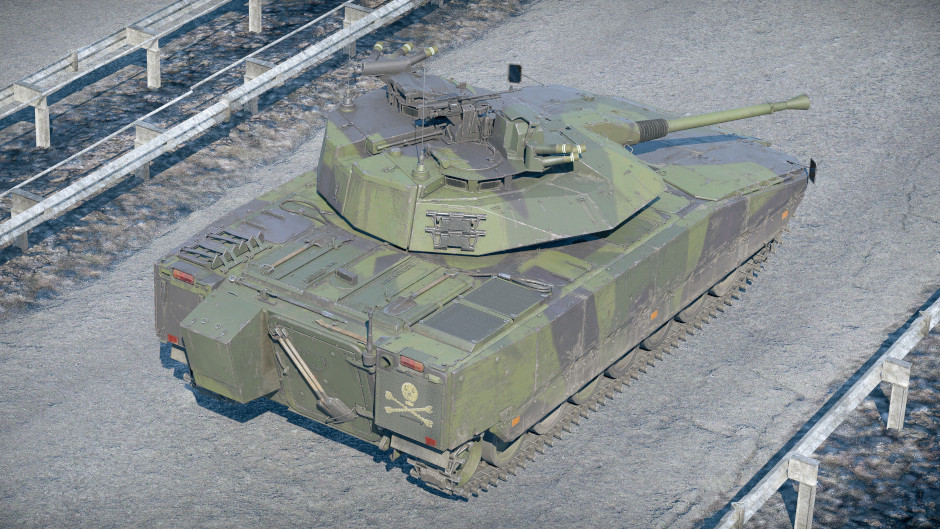
“Yellow skull and crossbones” emblem, Swedish Army. Very little detail can be discerned from this specific marking. The majority of personal vehicle markings within the Swedish Army are ephemeral, and only exist temporarily for exercises or training. This often causes the context behind the design and details to be lost, even for very recent emblems and inscriptions. The skull was painted on the rear exhaust grille of a CV90, likely for a particular exercise.
1st Anti-Aircraft Company, 7th Anti-Aircraft Regiment Emblem
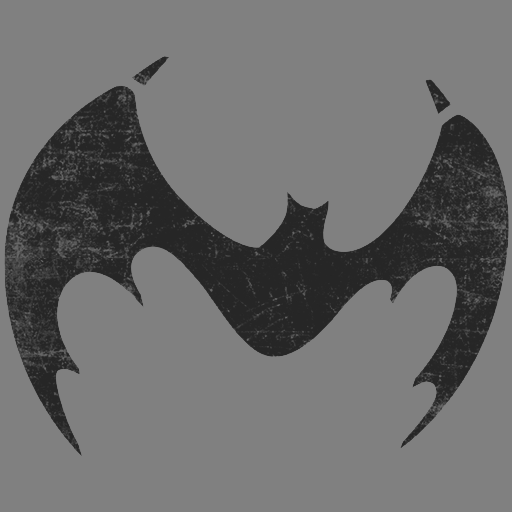
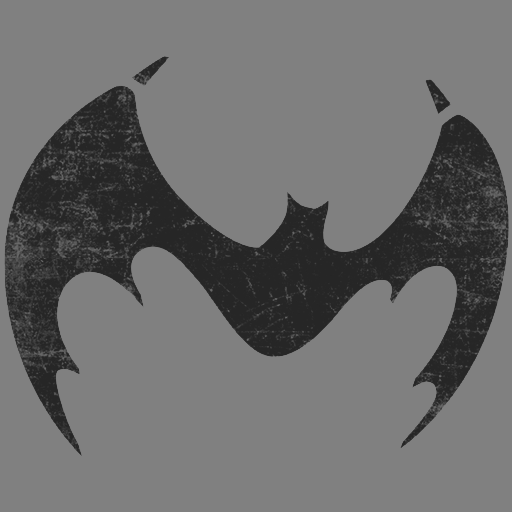
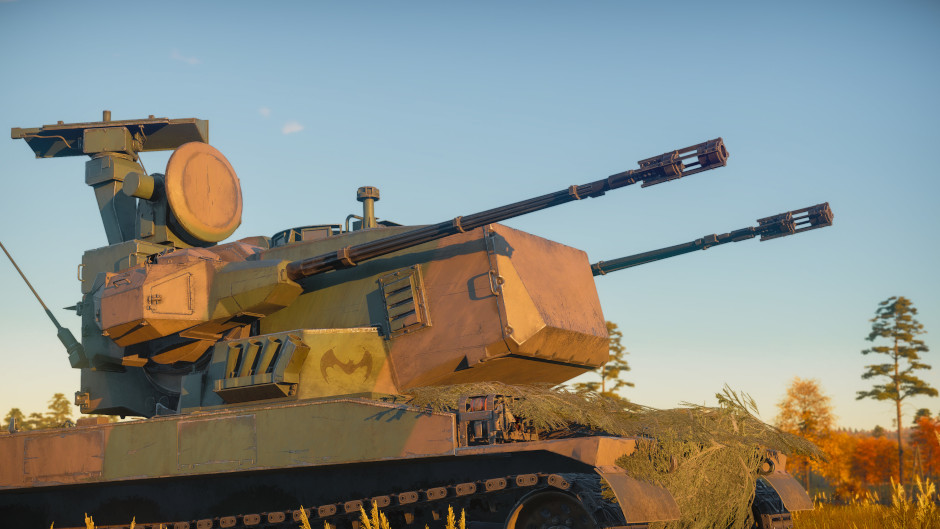
The emblem of the 1st Anti-Aircraft Company, 7th Anti-Aircraft Regiment, 7th Armored Division, JGSDF. On March 25th 1981, 7th Division was reorganized as an armored division. As part of the change, the 5th Battalion of the 7th Artillery Regiment (the division's anti-aircraft unit) was separated from the artillery regiment and expanded into the 7th Antiaircraft Artillery Regiment, which reports directly to the division. Four companies were initially created, receiving unique emblems sometime after 1994, when the regiment received the Type 87. As was the case for the other companies, the design was directly inspired by the Type 87 itself. The bat was selected due to its functional link to the platform, as it is a hunter that uses echolocation to find prey. Like most company markings, it was painted on both sides of the turret on the extended lower blocks, just in front of the smoke grenade array.
3. SFltl Emblem "Tiefseefisch"
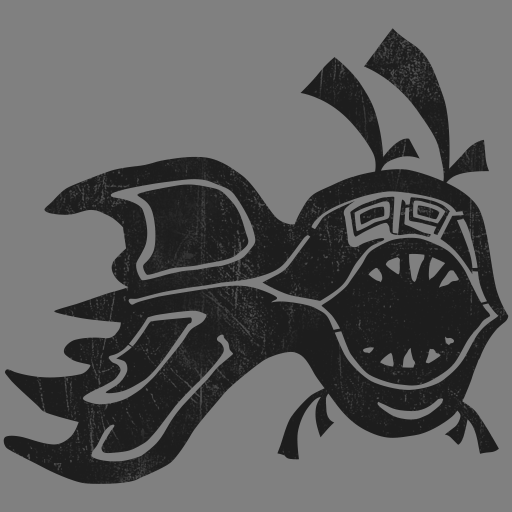
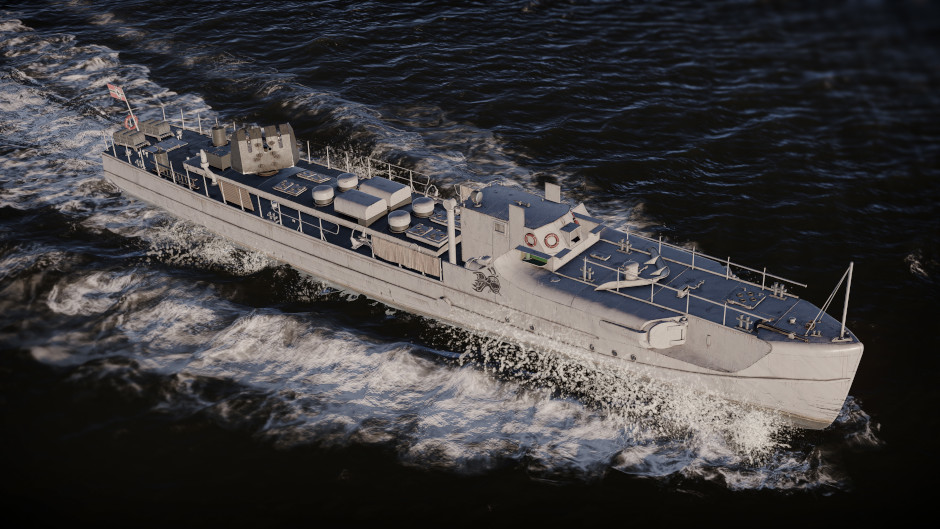
An emblem of 3. Schnellbootflottille (3rd Fast Boat Flotilla), Kriegsmarine. Large personal designs on naval vessels are relatively rare, but could commonly be found on German S-Boats. This was a result of the masts on the vessels being removed which in turn removed their system of identification, so each boat was painted with a personal marking so the vessels could be distinguished. This somewhat intimidating design was the emblem of S 34, a stylized deep-sea fish. While the position of markings varied slightly between boats, these kinds of designs were most commonly found to the side of the bridge, on the hull.
41° Gruppo Autonomo AS Emblem
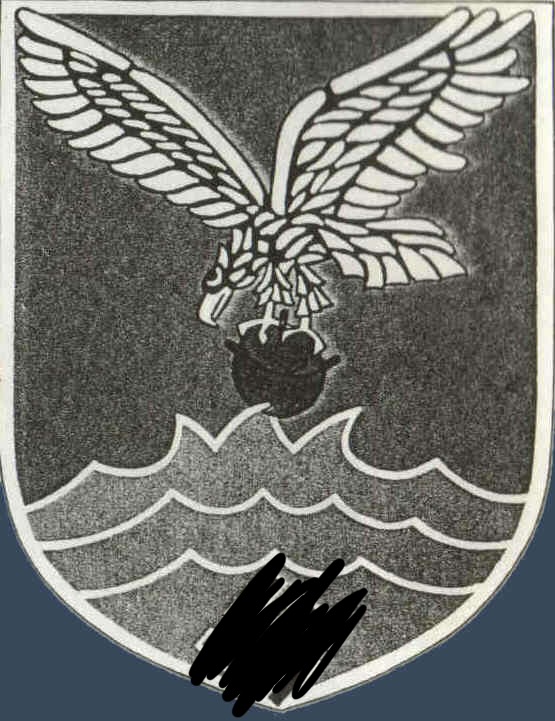
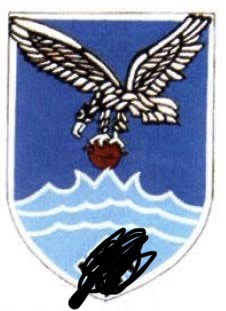
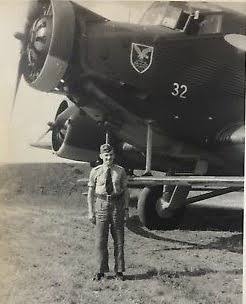
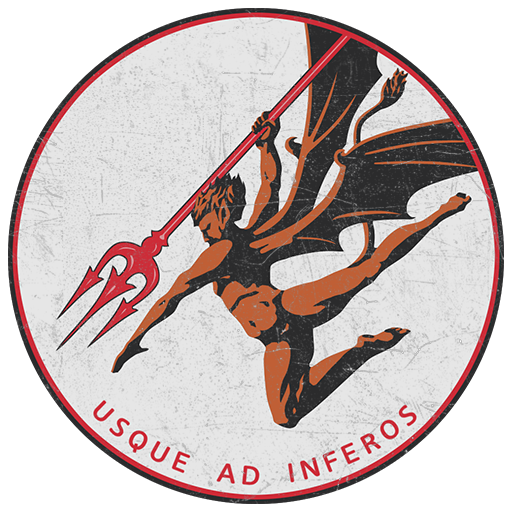
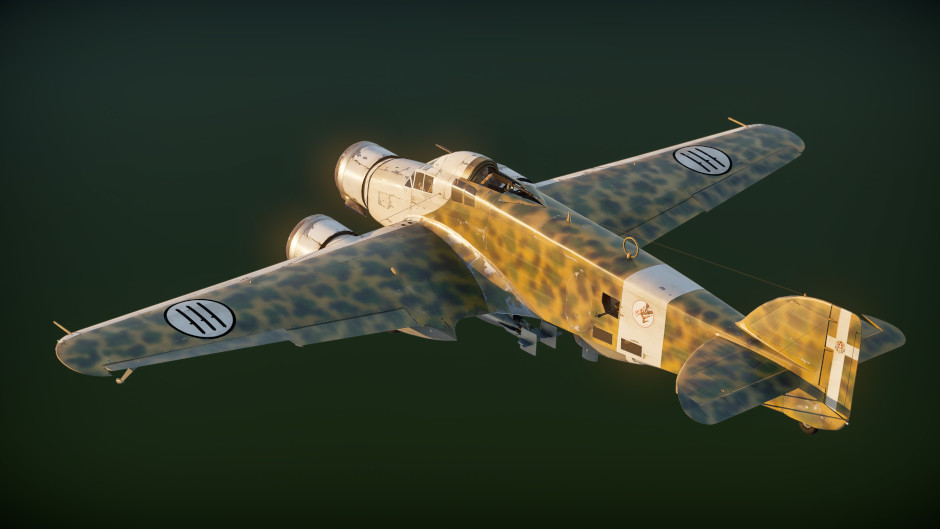
The emblem of the 41° Gruppo Autonomo Aerosiluranti (41st Autonomous Torpedo-Bomber Group), Regia Aeronautica. The group was officially formed as an autonomous torpedo-bomber unit in May 1941, deployed in the Aegean Sea. It was equipped with the SM.84 and had relative success over the Mediterranean. Its key exploit was helping to severely damage the British battleship HMS Nelson in September. Even though the SM.84 was more advanced, the crews preferred the older but more mechanically reliable SM.79, fully transitioning back by early 1942. Like many Italian aviation emblems, this example is highly detailed and historically inspired. The Latin inscription “Usque Ad Inferos” idiomatically translates as “Back down to hell,” an especially fitting motif for a torpedo attack squadron aiming to send ships below the water. The emblem was typically painted on the group’s SM.84 bombers on the white fuselage band, just above the tactical number.
Monthly markings can be found in a special tab at the bottom of the customization menu, (Monthly Decals) after a month, they’ll be moved to their corresponding category.
You can check the exact terms and track the progress of completing tasks for these decals by going to your Player Profile > Decals > Monthly Decals. From here, click the “Track progress” button on each decal to track from the hangar.
All of the emblems will come with a detailed description. This will generally consist of the history of the marking, its design, which vehicles used it, and where it was often placed on vehicles historically if applicable (some emblems are taken from badges, which weren’t always applied). This way you can more easily recreate the original positioning if you’d like.
Hiding down here are we? Decals got you spooked? Wise, wise. Jokes aside we hope you like this special collection for October. We’re currently working on devblogs for next major update, so expect those to start appearing relatively soon, and we’ll see you in November for more monthly decals!