- Yes
- No
Thanks to @AydanL44_Hunter for the sources
Hello everyone, and welcome to this new suggestion.
Today, I am presenting a French prototype aircraft that could have served with the French armed forces: the Super Mystère B4 No. 02.
In 1955, France placed a major order with Dassault for a new generation of fighter aircraft. This order included the Mystère IV as well as the company’s latest design, the Super Mystère B2. The latter was intended to become the first French fighter capable of sustained supersonic flight in level flight. However, even as the B2 was entering production, Dassault engineers were already looking toward the next stage of the aircraft’s development.
The main limitation of the Super Mystère B2 was its powerplant, the Atar 101. A more advanced engine was already being developed by Snecma: the Atar 9, which promised significantly greater thrust while also offering improved fuel efficiency. Dassault therefore decided to modify two Super Mystère B2 airframes to serve as test aircraft for the new engine. These two aircraft were designated Super Mystère B4 and were numbered 01 and 02.
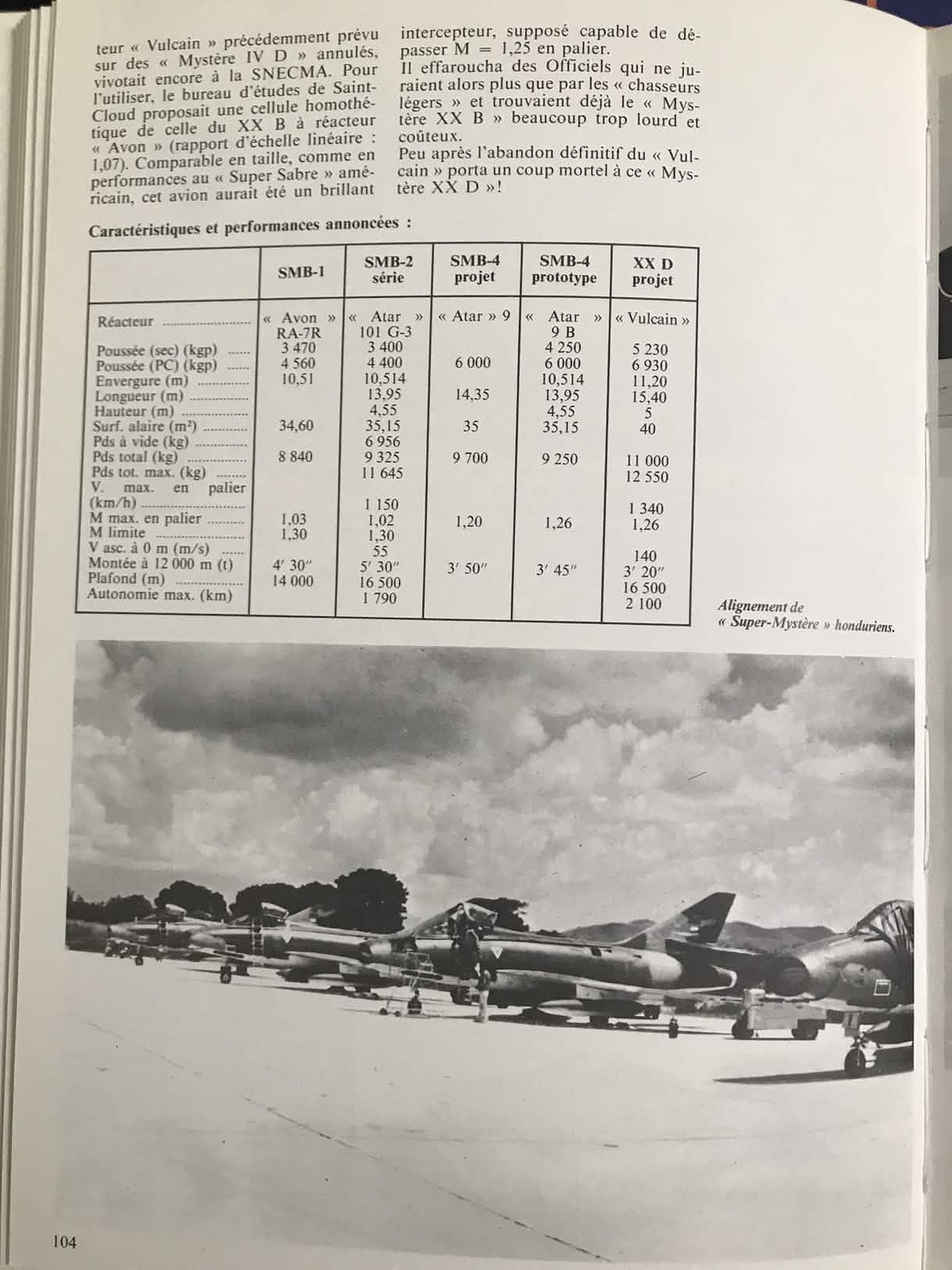
The first aircraft, B4 No. 01, was fitted with the Atar 9 “Stage 1”, an early version of the engine that was still undergoing development and did not yet provide the full performance expected from the final design. The second aircraft, No. 02, the one I am proposing today, received the definitive Atar 9 “Stage 2”. This version was capable of producing approximately six tonnes of thrust, giving the aircraft a substantial increase in performance compared with the Super Mystère B2.
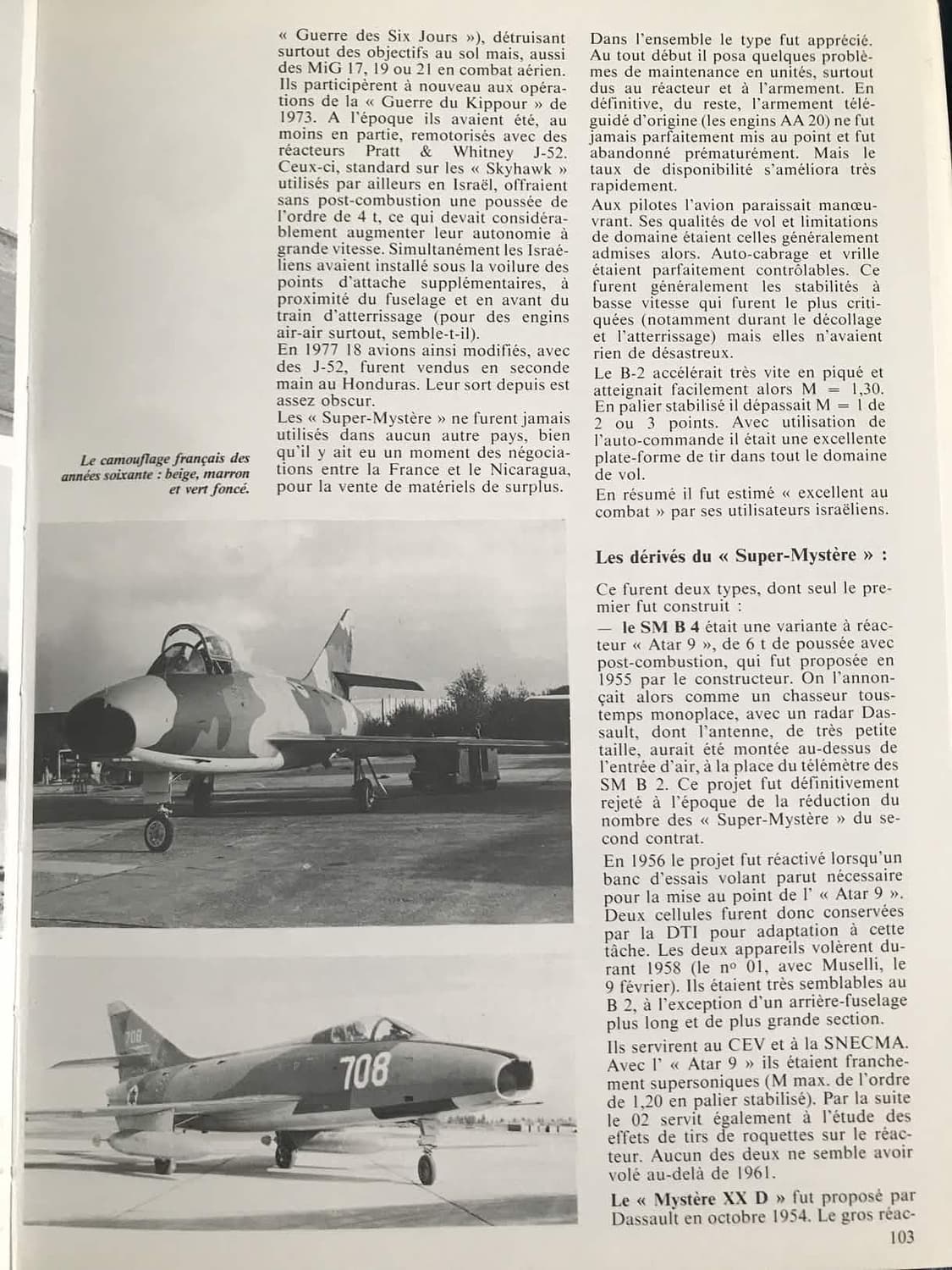
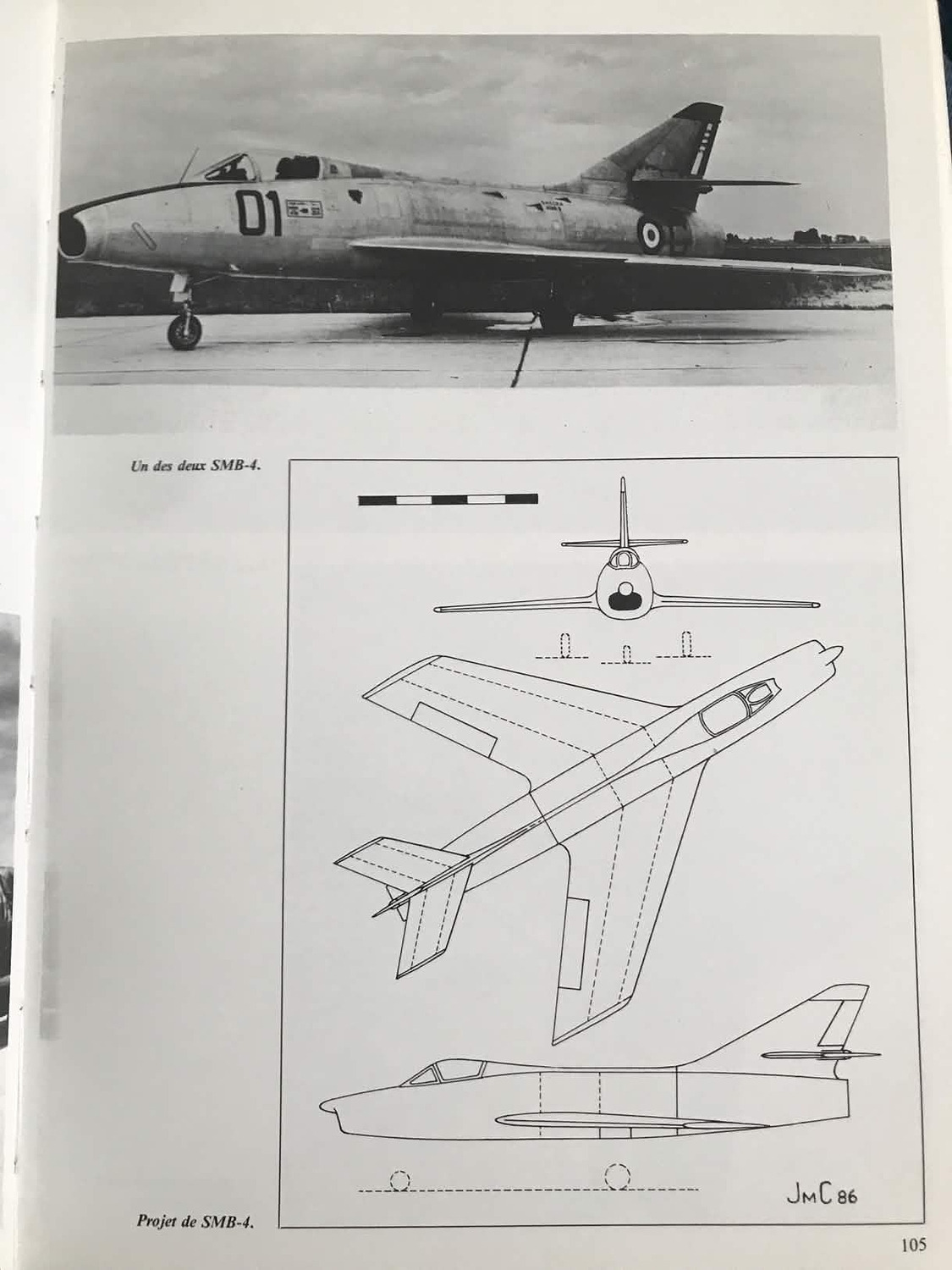
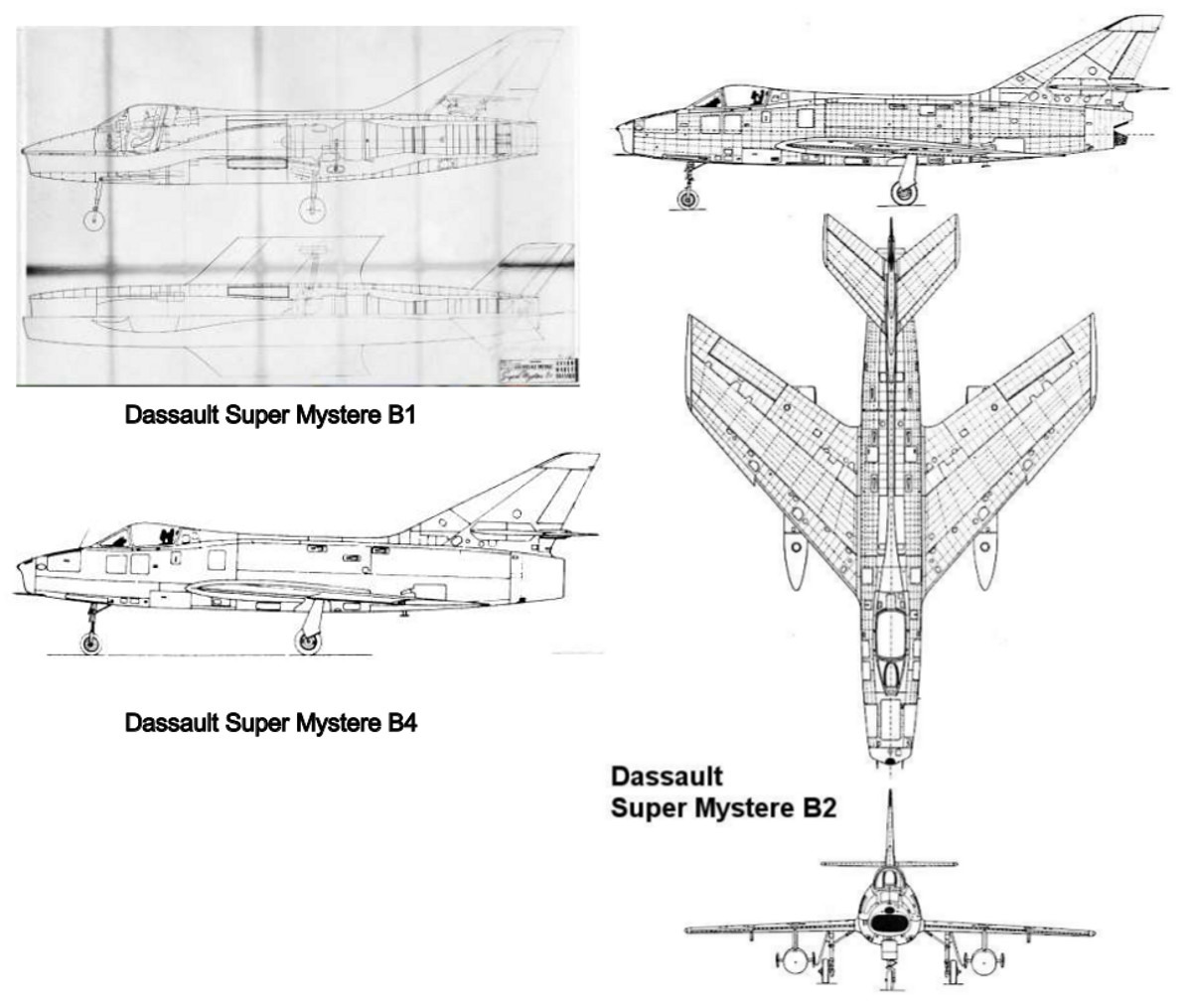
Externally, the Super Mystère B4 remained very similar to the B2 from which it was derived. The main difference was found at the rear of the fuselage, which had to be lengthened and widened to accommodate the considerably larger engine. The modifications allowed the aircraft to take full advantage of the additional power while retaining much of the original Super Mystère’s design.
Following its first flight, the B4 No. 02 demonstrated promising performance, reaching approximately Mach 1.3 in level flight. The aircraft was subsequently transferred to the CEV, the French Flight Test Center, where it was used for a variety of trials. Among these were tests involving different weapons configurations, particularly rocket armament, allowing the CEV to evaluate how the aircraft’s increased performance could be combined with new weapons systems.
Despite the promising results, the Super Mystère B4 ultimately failed to secure a future within the French Air Force. Dassault was developing another aircraft at the same time: the Mirage III. Although the B4 offered excellent performance and represented a significant improvement over the Super Mystère B2, the Mirage III was considerably more advanced, particularly in terms of speed, maneuverability, and overall combat potential.
The French Air Force therefore chose to pursue the Mirage III instead, bringing the Super Mystère B4 program to an end. The two prototypes remained valuable test aircraft during their careers, but no production version was ever ordered.
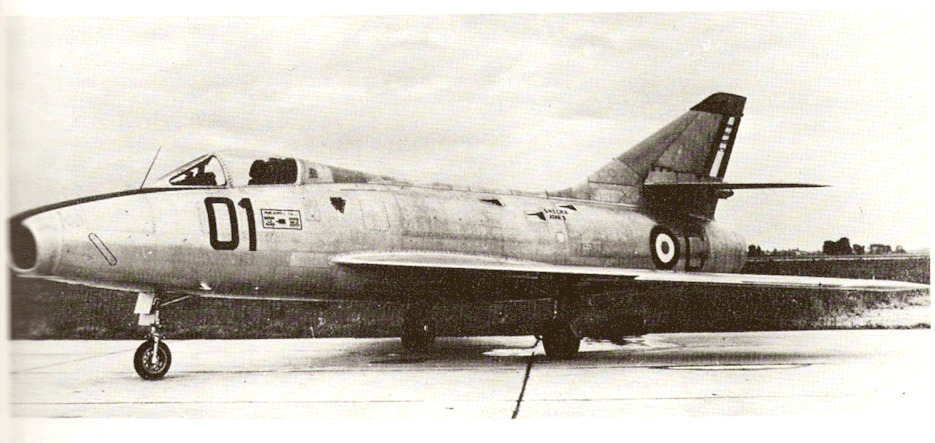
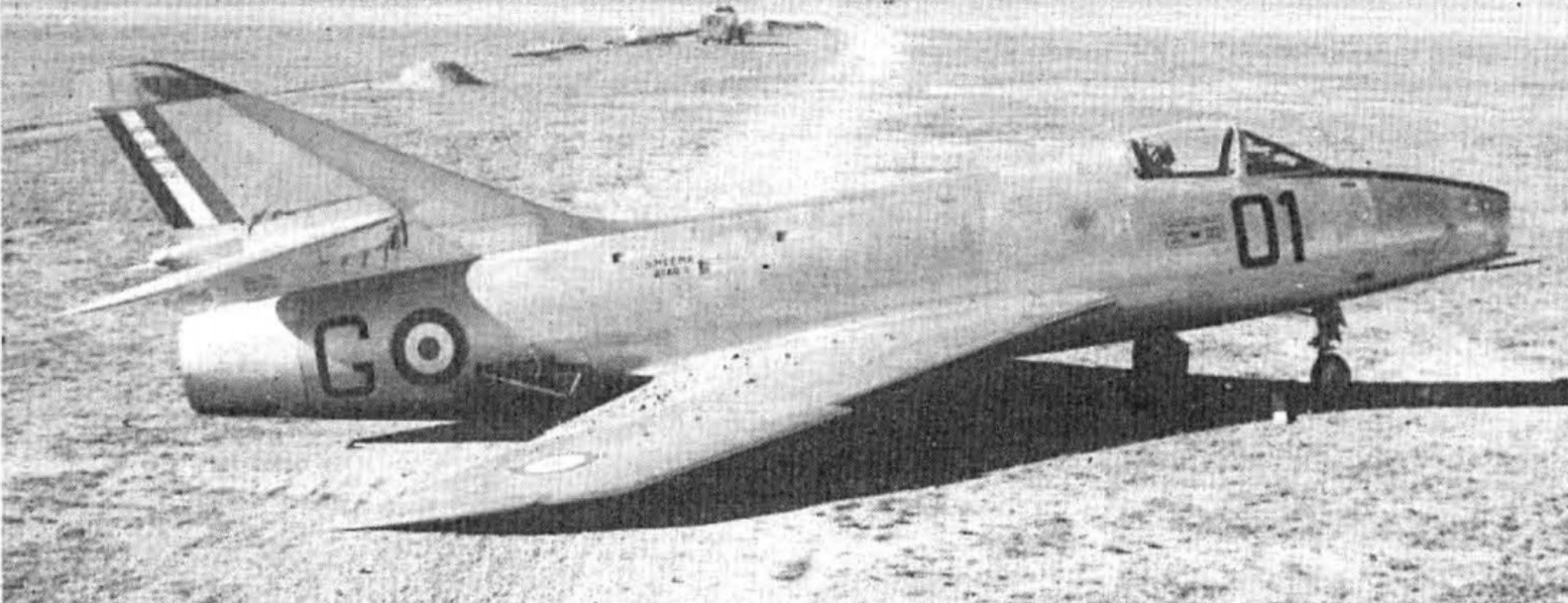
Super Mystère B4 No.01, pictures are quit hard to find of the 02
Characteristics
Length : 13.95 m
Wifth : 10.514 m
Height : 4.55 m
Mass :
- Empty : 7000 kg
- Max : 12000 kg
The aircraft is powered by a SNECMA Atar 9B engine (6000 kg of thrust with afterburner), allowing it to reach a top speed of Mach 1.26 and a service ceiling of 16,750 meters. Its range is 1,100 km without external fuel tanks and 2,300 km with them.
The crew consists of a single pilot.
Weapons
As the aircraft is derived from the Super Mystère B2 and its armament system remains unchanged, it retains the exact same weaponry. Consequently, the aircraft can be equipped with the following loads across its two hardpoints:
Guns:
- 2 x 30mm DEFA 552 cannons
Missiles:
- 2 x AIM-9B Sidewinder
- 2 x AA-20 Nord
- 2 x AS-20 Nord
Rockets:
- 2 x 6 T10 151
- 2 x 19 Type 27 SNEB
- 1 x 35 Type 23 SNEB
Bombs:
- 2 x 500lb AN M64A1
- 2 x 1000lb AN M65A1
- 2 x SECAN 63
In-game, this aircraft would be an interesting addition; it offers a variant of an existing plane with an upgraded engine, addressing certain flaws of the original model while effectively rounding out the French tech tree.