It has already been achieved. (by measuring latitude and longitude, the horizontal projection of the missile’s actual flight distance is close to 600 km.)

1 Like

No. I just happened to come across this paper on variable‑thrust solid rocket motors, found it quite interesting, and happened to see this picture.
yes they may have achieved range of 600km but they didn’t exceed the karman line(100km above sea level) as the max loft is slightly below 45km
btw you might wanna reread some of this as a NEZ of over 300km is kinda ridiculous
1 Like
The image itself is more than likely fake or not representative of what PL-16 will end up being
As for the paper, it is correct but it is not anything representative of what the motor is and/or will be, this was a 2014 paper that was going into the variable thrust solid rocket motor as proof of concept more than anything, laying the groundwork for future papers which cite this one. Along with this, it uses a base of PL-12 (4~m long, 203mm, 200kg) for the simulation, PL-16 will likely not hold these characteristics, IMO
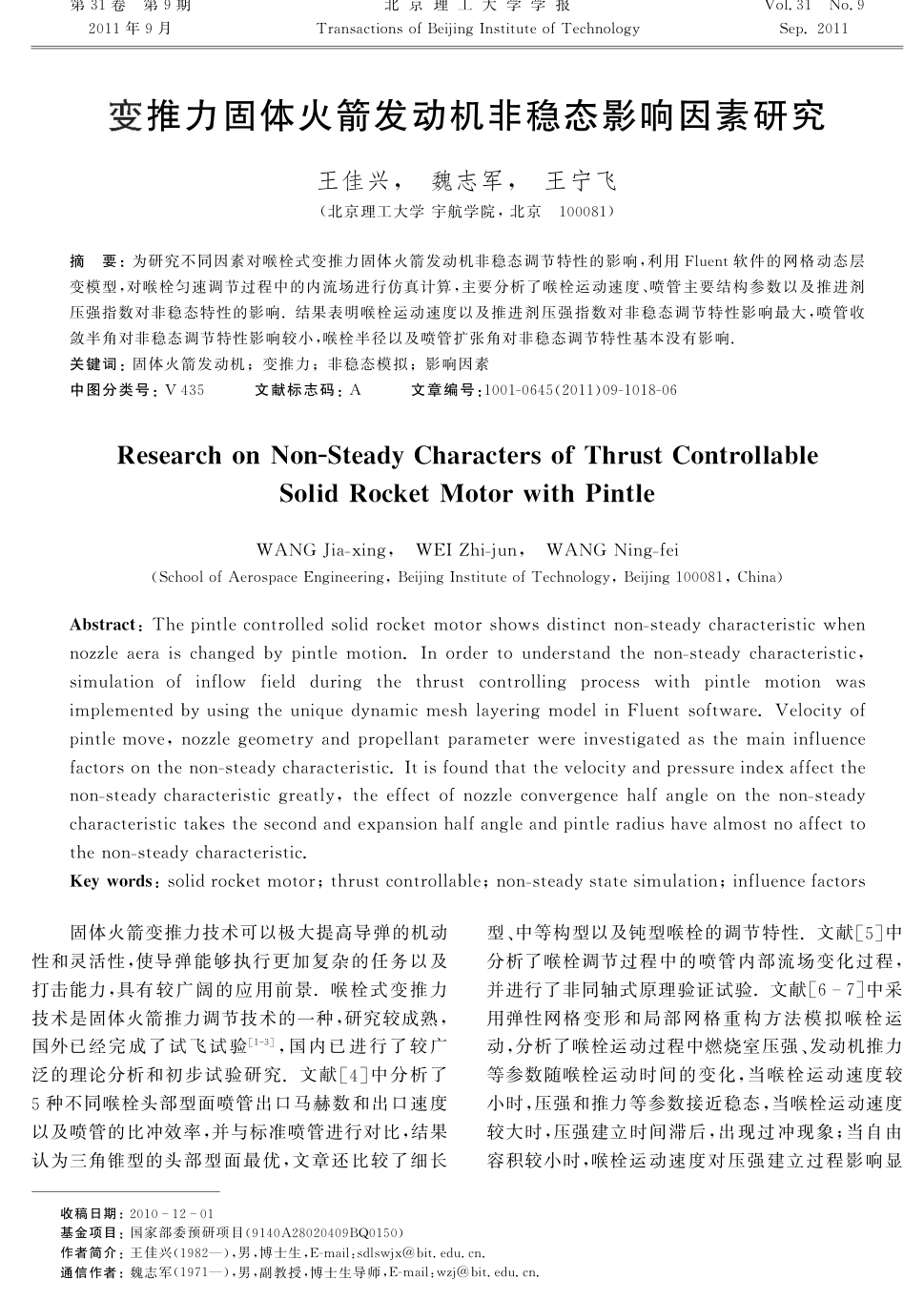
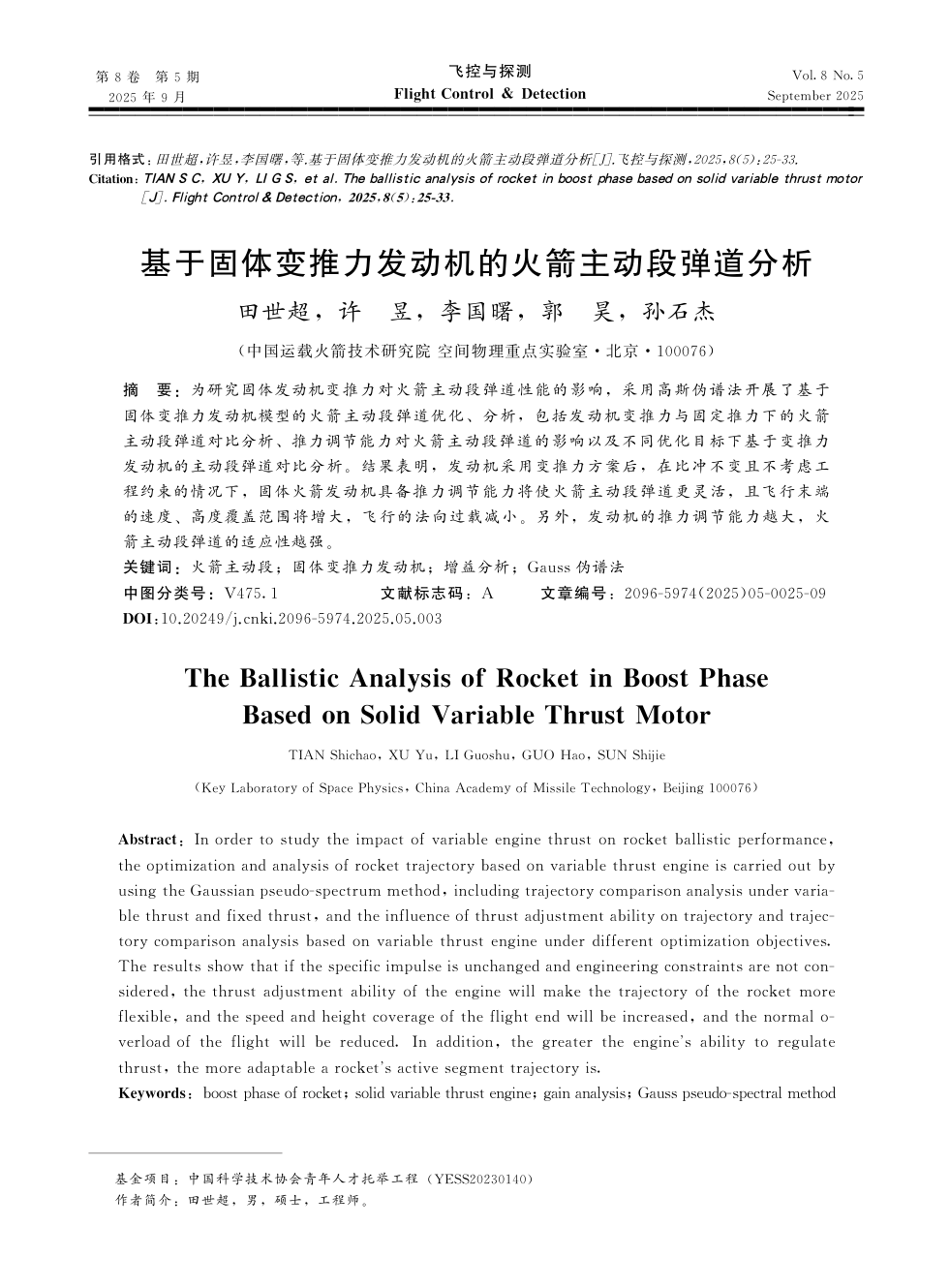
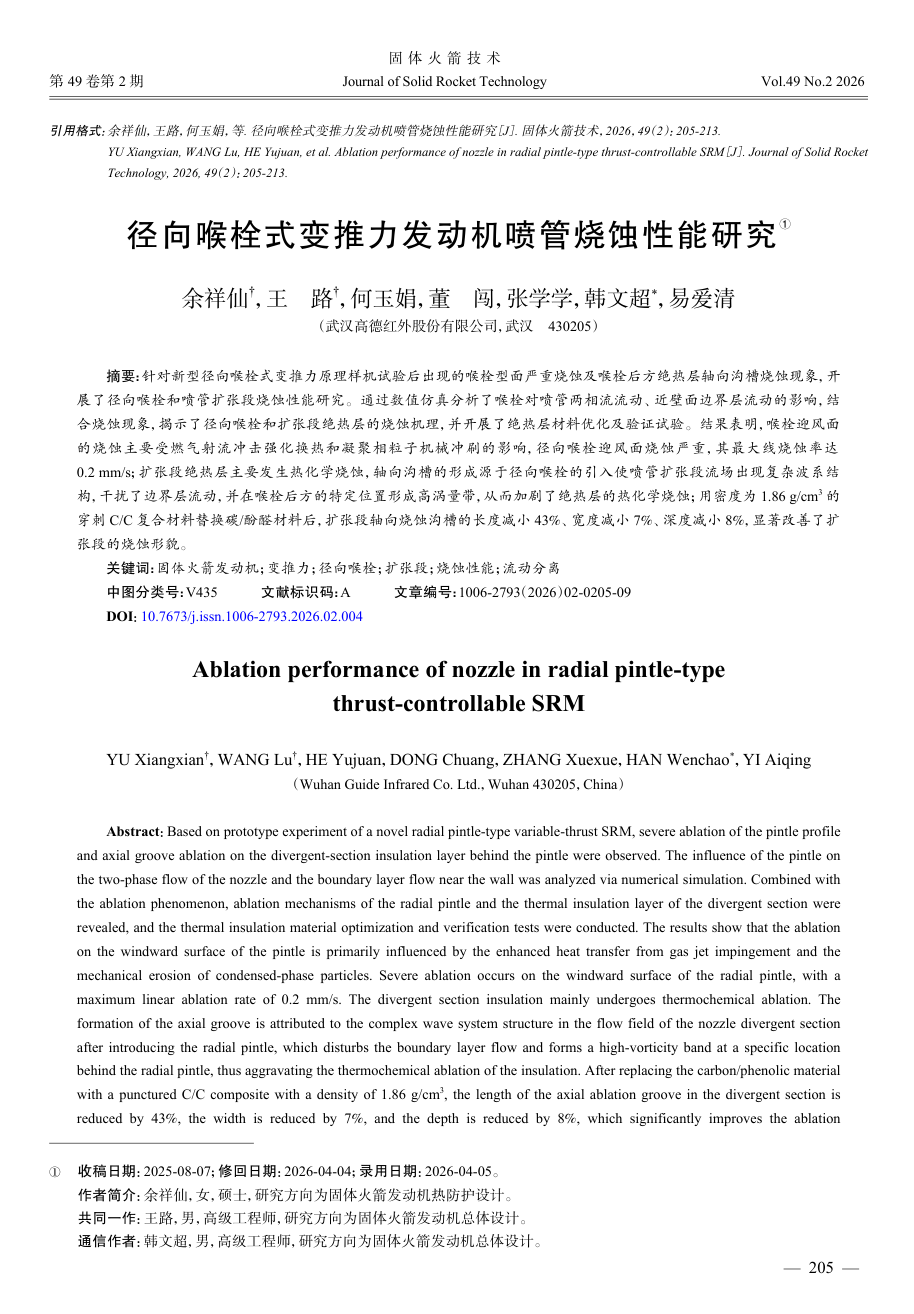
(And more)
5 Likes
In this paper, by reducing the sustainer thrust to 16.7% and extending the corresponding burn time nearly sixfold to about 90 seconds, while achieving a loft altitude of 35 km, the missile can sustain speeds above Mach 3 for over 250 seconds and above Mach 4 for more than 200 seconds at that altitude. The missile’s actual flight distance exceeds 400 km. The target, upon missile launch, begins evasive maneuvering with a 6g turn to 180 degrees and then continues evading, and is hit at around 300 seconds, with a terminal velocity at impact of approximately 600 m/s.
1 Like
The missile described in this paper has a higher fuel fraction than the PL‑15. The actual PL‑16 will likely have a slightly smaller diameter while keeping its length around 4 meters, which means its propellant mass will be a bit lower than that of the PL‑15, but its drag will be significantly reduced.
Why not use a ramjet at that point?
Ramjets have stricter AOA requirements (going outside the “safe” AOA window can choke the intakes) which leads to lower available G overloads especially against targets that can maneuver aggressively while the missile comes in at speed. The idea with variable pulse and dual pulse missiles for very long range BVR instead of ramjet here is I assume a faster time to target via extreme lofting + higher average speeds of solid fuel rockets and it will still have energy to be lethal with the final motor pulse in the terminal phase.
6 Likes
Why is the horizontal distance is calculated in longitude? What does that even convert to?
Likely for flexibility, I mean you should still be able to achieve similar stuff to dual pulse with variable thrust, and you will also be able to vary more like say two pulse three pulse, or allow completely different flight
The time difference is an excess of 14/15 years I just wonder how much development has been made. Do you have the full papers?
Solid-fuel ramjet engines impose much stricter limitations on the flight envelope. For example, they restrict the maximum flight altitude because the engine cannot obtain sufficient oxygen above that limit. They also cap the maximum flight Mach number, typically operating around Mach 4 and not exceeding Mach 5, beyond which stable combustion becomes difficult. At the same time, their intakes generate excessive drag during the glide phase, which is inconsistent with the goal of extreme drag reduction pursued by modern missiles like the AIM-260 and PL-17.
2 Likes
much development has to have been made by then, I do have the full papers (and a good bit more than just this), idk if it’s possible to send them on the forums
If its just academic papers it should not violate forum policy
using early meteor prototypes as a comparation, this altitude limit shouldn’t be a problem as it can sustain combustion on altitudes of at least 30km if it’s going fast enough
Spoiler

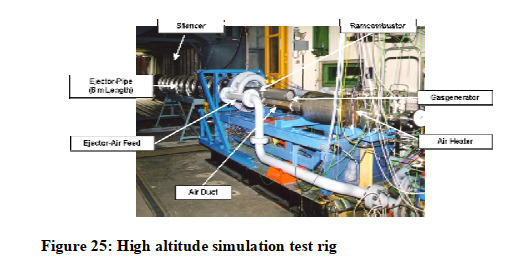
this 30km altitude should be similar to other missiles’ maximum altitude even if they have a traditional propulsion system, the wings/fins aren’t very effective in these high altitudes, making bigger wings/fins needed if you want to go higher, even bigger missiles like the aim-54 that had bigger wings and fins couldn’t go much higher than 31km~ (i think)
3 Likes
no i know that, i just don’t know file/file-size limits for the forums as i don’t use this
Probably the same reason why US China and Russia don’t bother using ramjet A2A missiles despite having comically more experience with missiles than Europe does
1 Like
How does China have “comically more experience” making missiles than European countries like say France?
1 Like
they dont really, even as a china enjoyer they dont, they might have made more prototypes but actual service missiles they dont have many they have truley made on their own. (Tho did of course massively gain knowledge from those missiles)
2 Likes