no i know that, i just don’t know file/file-size limits for the forums as i don’t use this
Probably the same reason why US China and Russia don’t bother using ramjet A2A missiles despite having comically more experience with missiles than Europe does
1 Like
How does China have “comically more experience” making missiles than European countries like say France?
1 Like
they dont really, even as a china enjoyer they dont, they might have made more prototypes but actual service missiles they dont have many they have truley made on their own. (Tho did of course massively gain knowledge from those missiles)
2 Likes
they dont thats nonsense. the us sure but china is very new to the missile game compared to most of everybody comparable. that is not a observation about perfomance however
1 Like
I think he lumped them in there, but notably France has more experience with ramjet propulsion than anyone but Russia.
The U.S. also tested ram-air propulsion types on a multitude of missile platforms and ultimately never decided it was worthwhile, and in several cases designed and built dual pulse alternatives. I am surprised it took China so long to make a missile capable enough to force us to actually utilize these advances. There was a amraam sized dual pulse unit tested as early as like 2006-2009 era and a dual pulse AMRAAM was offered to Europe in the 90s. -this is relevant-
Perhaps a ramjet is not very suitable for medium-to-long-range engagement against small to medium-sized targets. Only Europe’s Meteor missile employs a pulse engine. For example, America’s latest AIM-260 uses a dual-pulse solid rocket motor, and Russia’s R-77M follows the same approach. China also has an undisclosed PL-16, with a claimed head-on engagement range of around 300 km, though its propulsion system remains unknown.
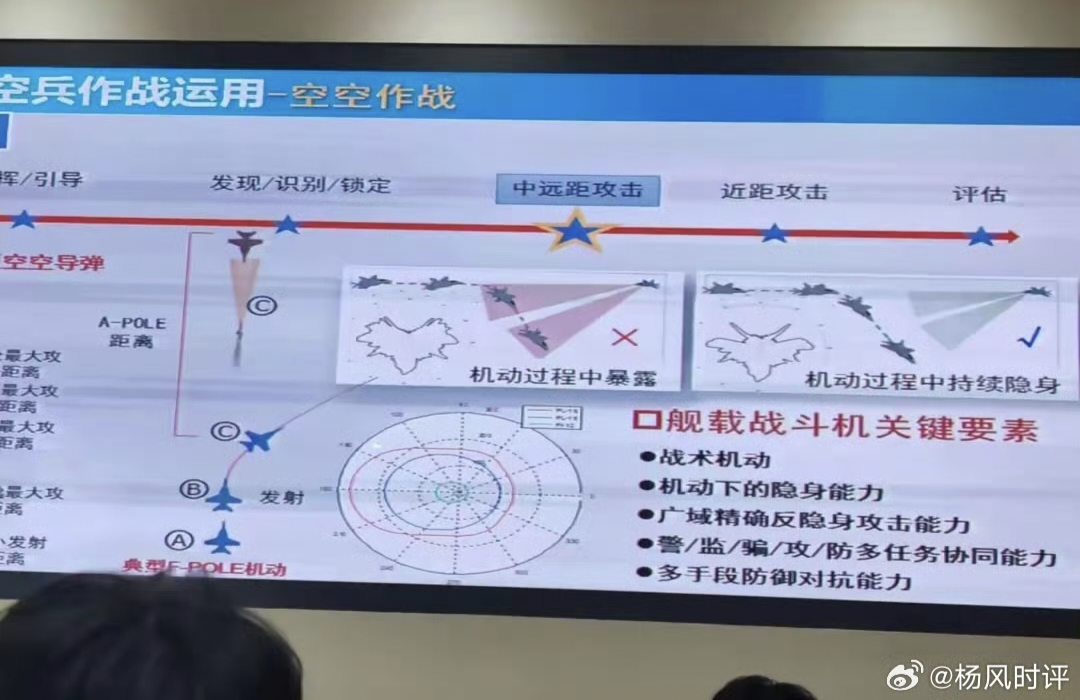
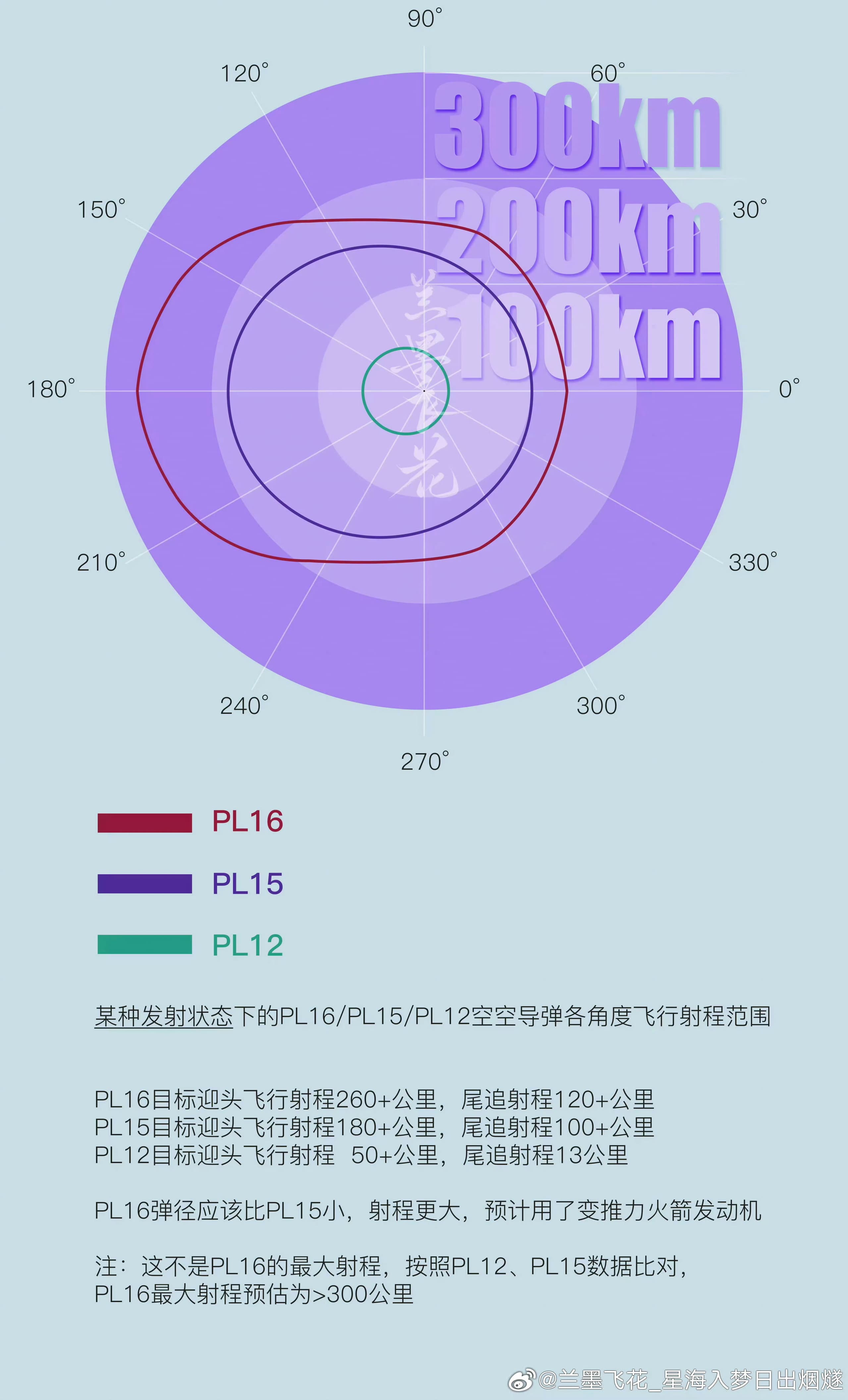
But the PL-15E has a real-world confirmed hit at 180 km, doesn’t it? The Meteor, on the other hand, doesn’t have any actual combat record yet, right? And that downed Indian Rafale fighter was reportedly even carrying Meteor.
5 Likes
No meteor was fired as far as we know, the missile wreckages were near the downed fighters.
4 Likes
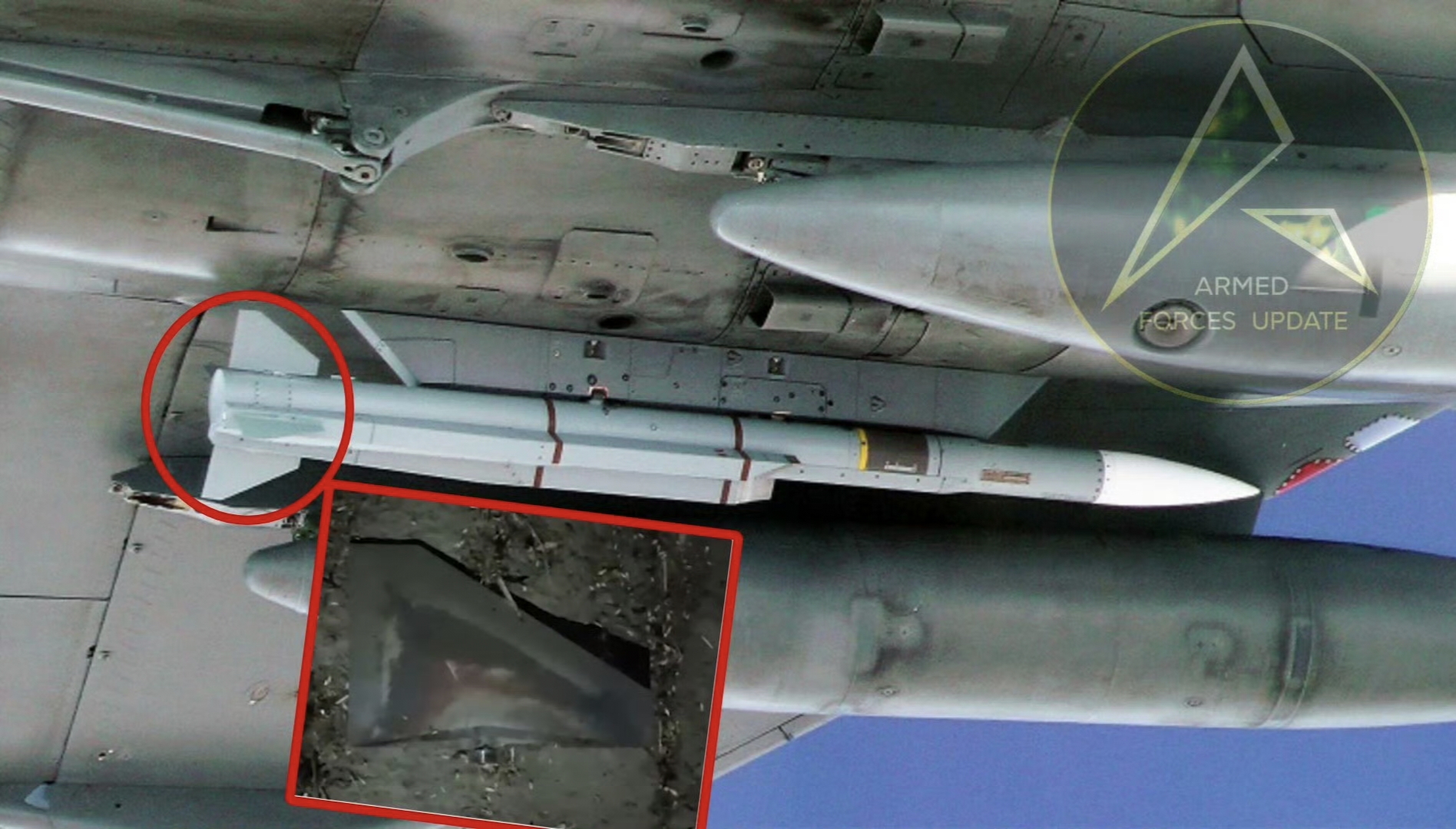
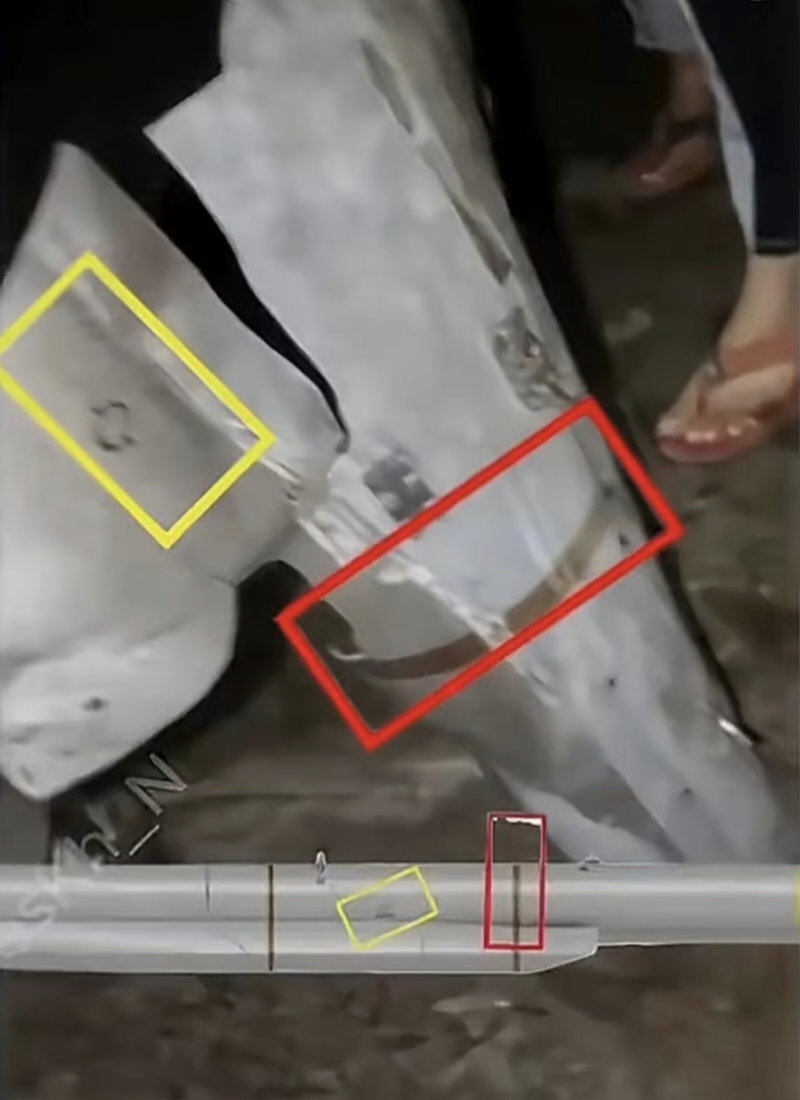
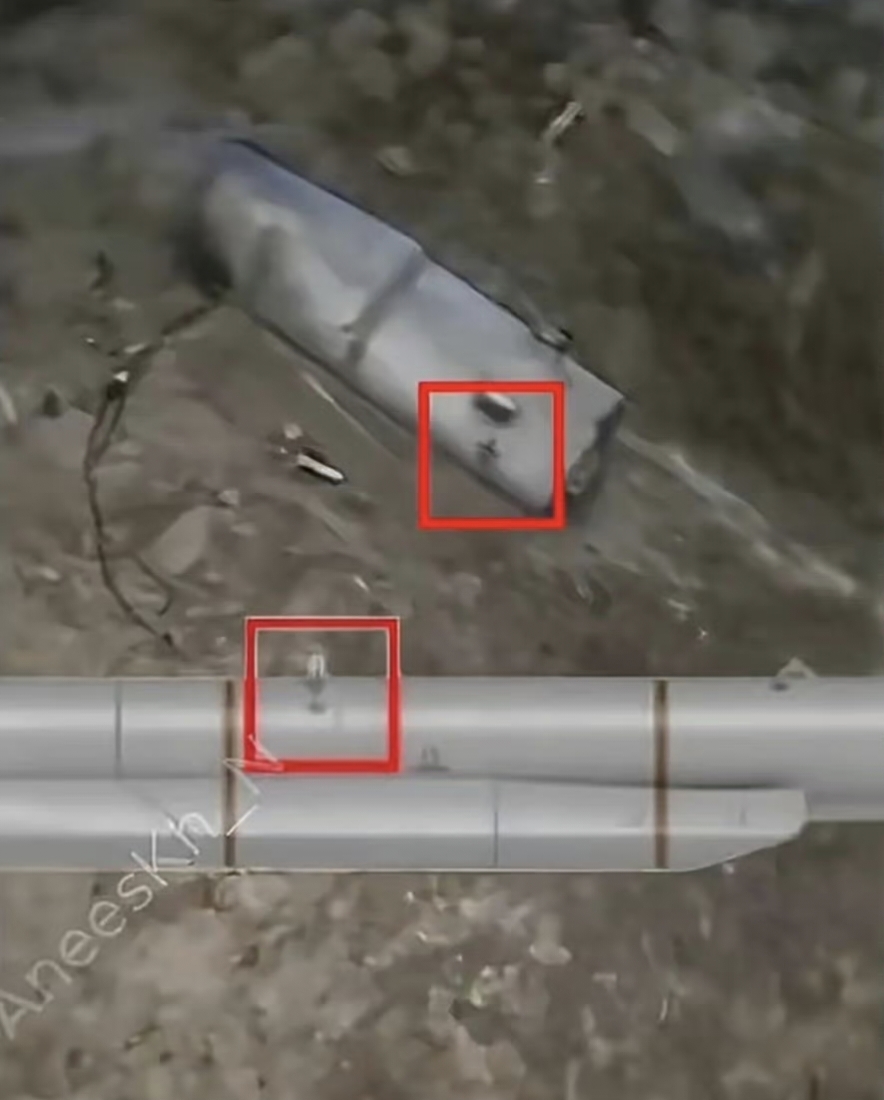
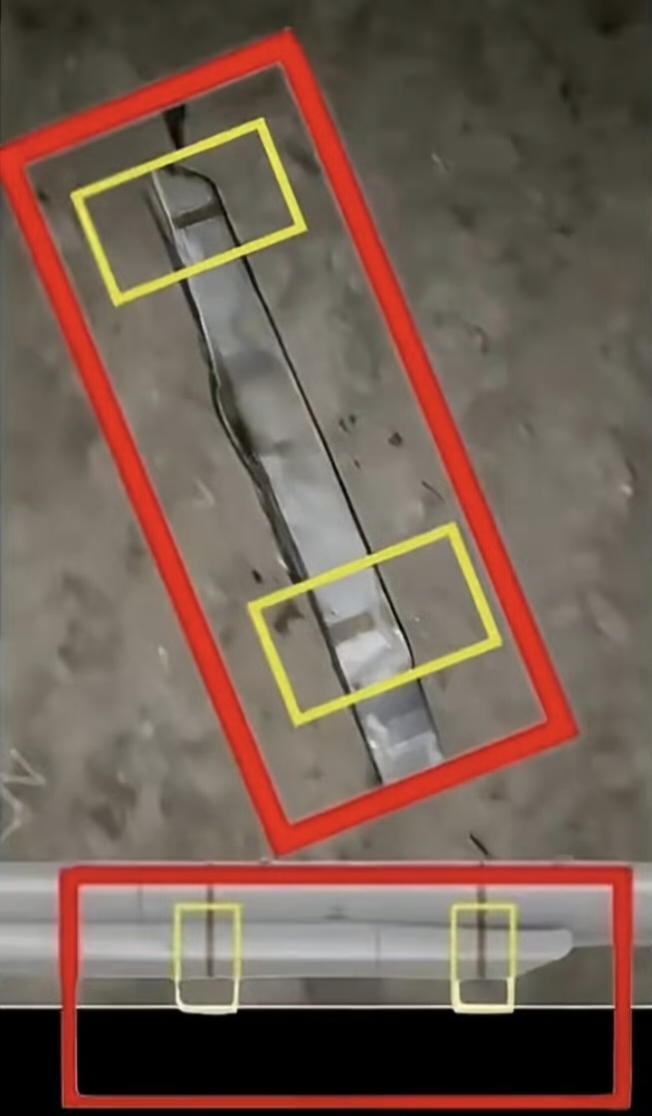
Yes, judging by the physical characteristics of these wreckages, they can almost certainly be identified as Meteor missiles. The Rafales didn’t even have time to launch them.
4 Likes
could it be that rafale didnt have the range with its radar ?
we know that the pl15 hit was bosted with awacs data link.
The Saab AWACS cannot guide the PL15
5 Likes
The Rafale’s radar does indeed fall short of expectations. Additionally, the Rafale may not have been at the optimal launch distance/altitude to fire the Meteor.
but, according to recent analysis by Chinese military observers, Pakistan’s Erieye AEW&C only provided approximate location and distance data for the Rafale to the J-10CE. It appears the Erieye is not integrated with the PL-15 for data linking, and both the launch and guidance of the PL-15E were independently handled by the J-10CE. This engagement distance is likely >200 km. The detection range of the KLJ-10A radar in the game is still too short.
We’re not talking about the actual performance of the missiles but rather the amount of experience of being a manufacturer of missiles.
Objectively, China’s accumulated time and experience may indeed not match that of established European powers. It is also an objective fact that the United States ultimately did not adopt a ramjet, but rather a missile with a dual-pulse solid-propellant motor.However, it must be clarified that: China’s role is no longer that of a copycat. The achievements of the PL-15E are real, and it is requested that China not be underestimated any longer.
4 Likes
It is only an objective fact that the United States did not adopt a ramjet. There is no “objective fact” correct me if I’m wrong, that the United States is using dual-pulse motor for their AIM-260, this is speculation so far.
The point I was making is that what the United States/China opts to do or not do compared to other countries especially Europe is not indicative of anything or indicative that the United States/China opted designs are better. In fact, United States/China often can and do opt for lower performance designs which can be better proliferated or made cheaper because these are real world considerations that often takes precedence over performance where quantity can be its own quality, especially in a protracted war.
I’ve seen multiple takes where people claim that “US and China are adopting dual-pulse motors so it must be better than ramjets”, which is far from the truth when it could be that they are for completely different roles and have different advantages/disadvantages. The US often makes choices to prioritize production and costs over performance (see how the AIM-9X still utilized the AIM-9 airframe instead of being a whole new design). AIM-9X (Block 1) and PL-10 are said to not utilize datalink while France for example made datalink into the MICA-IR, does this mean that US/China’s decisions not to include datalink in their first IIR missiles is a superior choice over including datalink? Obviously not.
France also is making a dual-pulse design MICA NGs which will be proliferated for air to air (planes), sea-to-air (ships), and surface-to-air (SAMs), while co-producing Meteor MLU and Stratus-RS with UK which will utilize ramjets, despite France having know-how and capability of making dual-pulse designs and will have both dual-pulse designs for cheaper missiles with more expensive missiles having ramjet designs, so it is clear here that neither ramjets/dual-pulse are “superior” above the other in the real world.
1 Like
I should remind you that China is not lacking in ramjet-powered missiles, ranging from the subsonic-combustion ramjet YJ-12/15 to the scramjet YJ-19 and CJ-1000. The decision not to use ramjet propulsion on air-to-air missiles was made after comparative analysis; that is, under conditions where the drawbacks of ramjet-powered AAMs are significant while their advantages are limited, rocket-powered AAMs with new technologies are better suited to meet future BVR requirements.
1 Like
I think we can all agree that all missile propulsion types comes with their own unique strengths and weaknesses where the type of propulsion is chosen based on the requirements and constraints set by the ministry of defense and the methods used to reach those requirements of their respective nations.
The first image is very likely confirmed AI generated now
AI Pic:
Spoiler
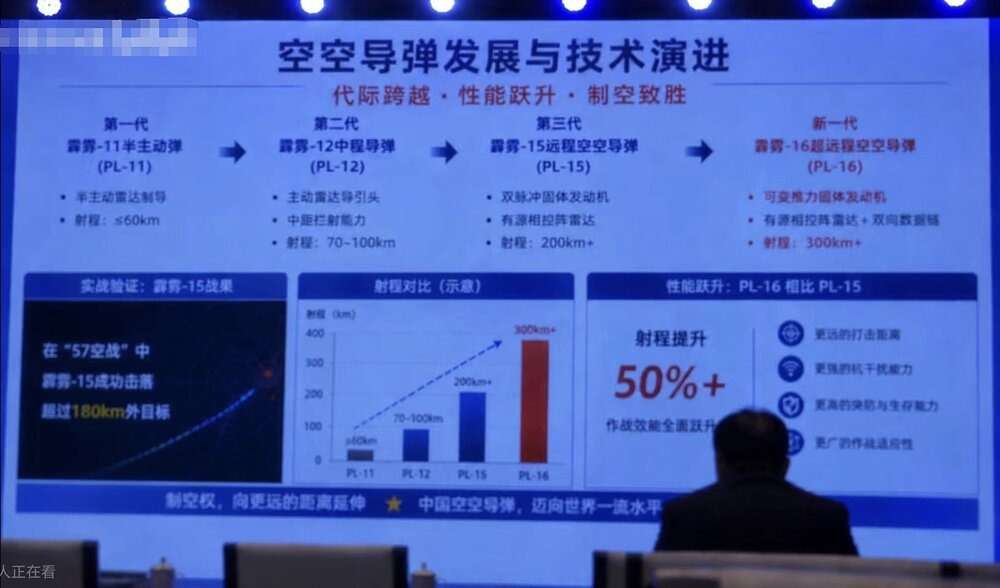
most likely original Pic:
Spoiler

As you can see they are almost identical par the quality, same chairs, position of the person (although they seem to be farther away now), same cups too, eg…
8 Likes
