This is the P-38J

This is the B-29
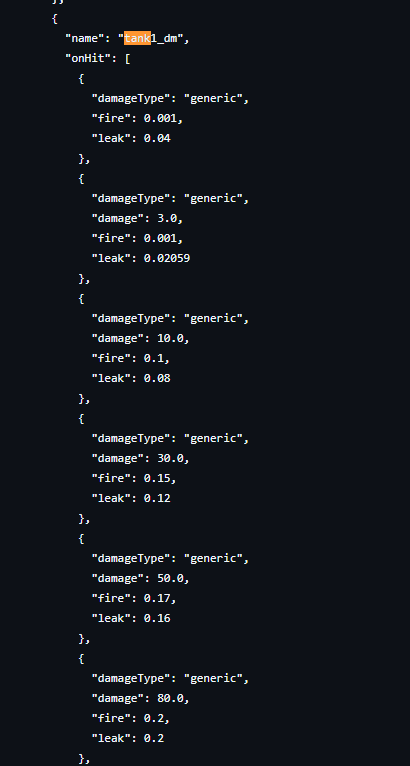
They made the fuel tanks have insanely low ignition chances for bombers, even with a multiplier from large caliber rounds.
This is the P-38J
This is the B-29
They made the fuel tanks have insanely low ignition chances for bombers, even with a multiplier from large caliber rounds.
If bombers had really been this durable, the “Black Tuesday” incident would probably never have happened in the real life.
Kinda weird to see this made into a meme while the ball gunner in the B-17 gets turned into pink mush inside his ball turret while we’re debating on a video game.
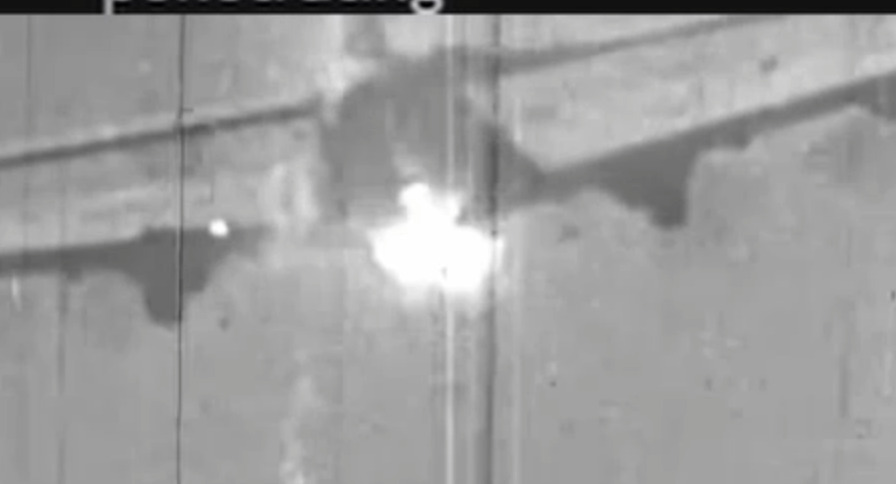
Lmao wait that didnt get taken down in the great purge?
Not that it was my intention to joke about that aspect anyway
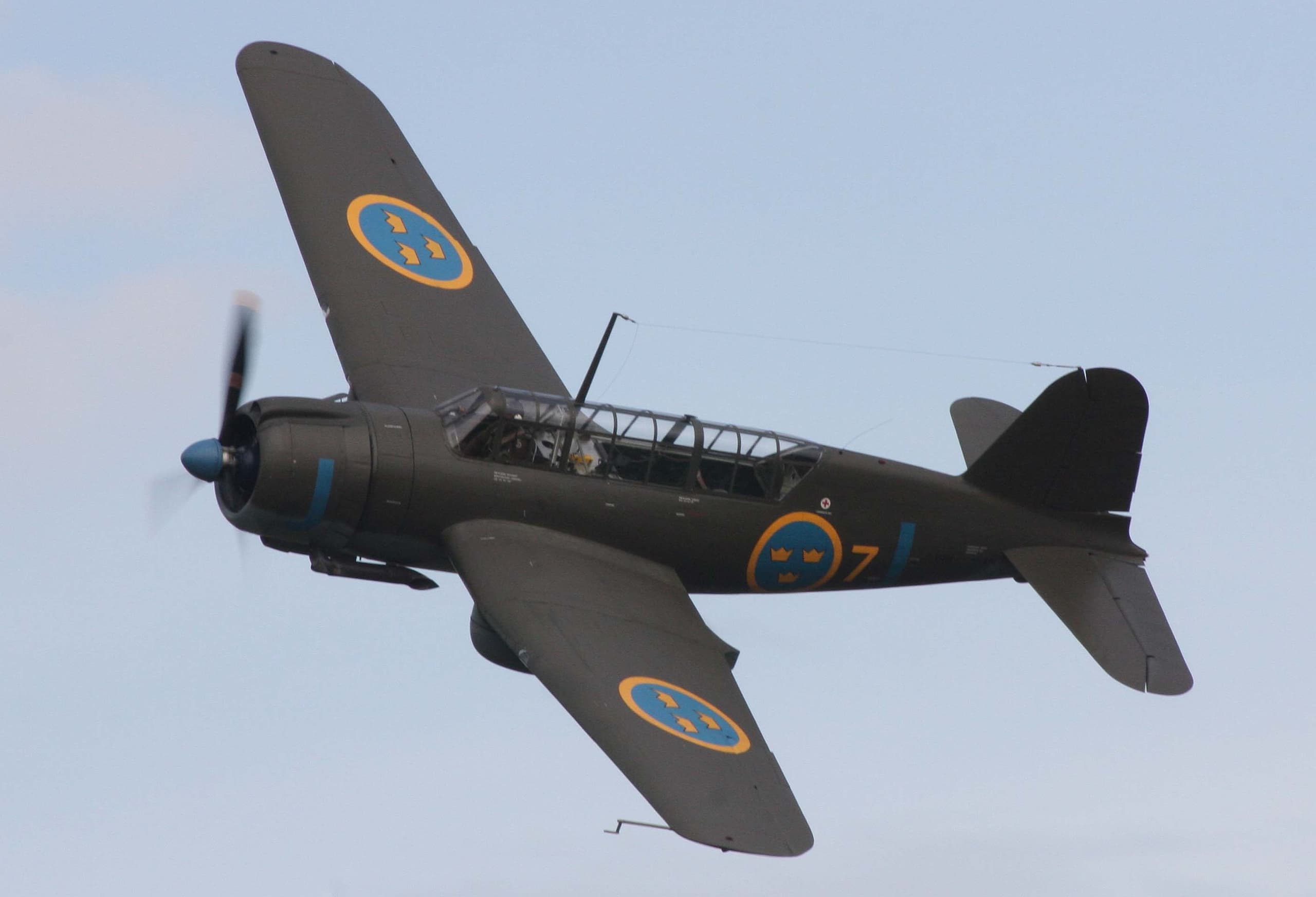
Damn the swedes must be making some sturdy airplanes if that can handle this kind of punishment 😂
*Black Thursday
And yes, like 56 mig 15s bypassed the fighter escorts and had their way at 9 b29s, and even then, 3 B29s were shot down, and 3 were so severely damaged that upon returning home they were written off, the reminaing 3 in the theater IMMEDIATELY switched to night ops
I’m just giving an explanation of why bombers are so hard to ignite right now.
But generally speaking. From what I’m seeing of it. Unless you have some absolutely massive rounds smacking the wing, in a central area HE rounds are generally going to have trouble causing a wing to fall to break off, in IRL I mean.
Like with the Sparrow missile test I posted, you’re just shredding a bunch of stuff and hoping enough stuff was damaged that you can’t reliably fly the aircraft anymore.
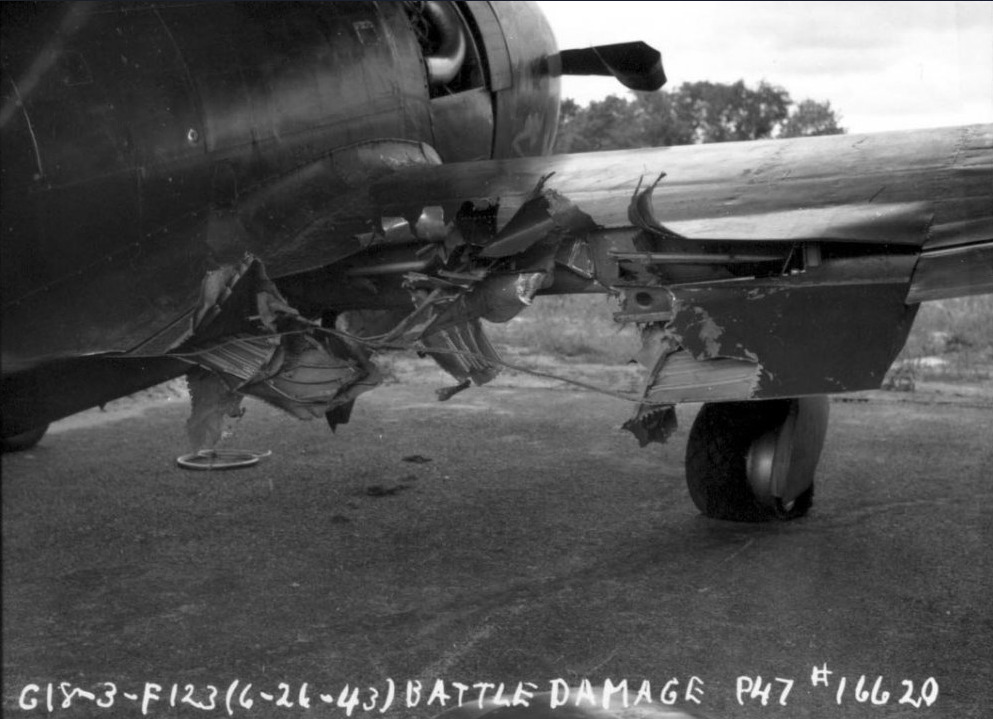
P-47 after a 30mm hit.
Broke the flap, and you can see the flap linkage, but that spar is basically untouched.
The spar almost acted like a divider, stopping the spread of damage to the rest of the wing, sick
Seems I had stroke :/
Black Thursday actually makes the point quite well.
Yes, the MiGs had a favorable tactical situation and managed to get through the escorts. But that only explains why they were able to attack the B-29 formation. It does not explain away what happened once their cannon fire started hitting the bombers.
On 12 April 1951, three B-29s were lost and several more were damaged. The important part is how those aircraft were lost. They did not all instantly lose their wings or explode in mid-air. Some remained structurally intact for a time, but cannon hits caused engine fires, fuel fires, crew casualties and other serious damage that eventually forced them down or resulted in the aircraft being lost.
That is exactly the point.
Nobody is arguing that one random 23 mm hit should instantly delete a B-29. B-29s were tough aircraft and could survive damage.
But “tough” does not mean being able to absorb repeated effective bursts of 23 mm and 37 mm cannon fire while remaining fully controllable and combat-effective.
The number of MiGs explains how they got firing opportunities. It does not make the damage caused by those cannon hits irrelevant.
If anything, Black Thursday shows what realistic bomber survivability should look like: the aircraft may remain physically intact, but serious cannon damage can still cause fires, cripple engines, injure the crew, destroy systems and ultimately bring the aircraft down.
And this was not unique to the MiG-15 or the Korean War either.
On 8 June 1967, an Israeli Mirage IIICJ engaged an Egyptian IL-28 bomber with its x2 30 mm DEFA cannons. According to the pilot, he closed to around 500m and fired burst into the tail section. The hits caused part of the bomber’s fuel system to explode, and it continued burning for only about 30 seconds before crashing.
Again, it did not need to instantly lose a wing or disintegrate in mid-air. One effective burst of post-war 30 mm cannon fire caused enough internal damage to bring down a jet bomber.
Gaijins failure to model heavy aerodynamic/lift reducing affects of damage on bombers is also a major thing missing from their model. If icing can take down more modern airliners if left unchecked, I’m sure 1940s-1950s era aircraft will crash when shot at by high calibre weapons more than 5 times.
Yes, this is very true, but some members of this thread have been phrasing it in ways that makes it sound like they were implying that bombers are supposed to come apart like legos, which is where most of the arguing has been originating from, I dont think anyone here disagrees though when it comes to fire damage and collision damage being waaaaaaaaaaaay low, yes?
Gaijin doesn’t model bombers a lot of CC’s said that the bomber buff was more of an act of desperation, and honestly, I wouldn’t be surprised. A lot of the projects Gaijin publishes don’t ever last that long due to poor decisions made by said companies and probably sabotage, but who even knows. WT the only one that’s held as long as it did, and even then, games are finally coming out to compete against it. Aka baby steps.
My god, they said two times that there will be multiple changes, and you all act like they promised a single update and tomorrow will be a second coming and no more updates.
._.what.
Answered to this. They said there will be many steps of the changes and this buff is not the final version they seek.
Who knows what will be there, maybe they will exactly model bombers better in the future. Without broader “tail part” things
Yeah, I think we mostly agree.
I am not arguing that bombers should constantly lose wings or tails after a few hits. Structural breakup should be relatively uncommon.
The bigger issue is everything that should happen before that: fires, fuel leaks, engine damage, damaged controls, crew casualties and eventual loss of control all seem too forgiving right now.
I also do not think every large aircraft should get a blanket survivability increase. The Vautour is a good example. Despite being a fairly large twin-engine aircraft, Israeli Vautours were killed by Iraqi Hawker Hunters using guns during the Six-Day War. Size alone should not equal durability.
Survivability should depend on the actual aircraft: structure, fuel layout, control redundancy, engine placement and protection.
So for me the issue is not “bombers should fall apart like LEGO.” It is that serious cannon damage should actually produce serious consequences.
And yes, fire damage and collision damage definitely seem far too weak at the moment.
still not as funny as a 75mm HE shell having a 23% fire chance while penetrating and exploding inside the fuel tank tbh
the change that they showed to us was nothing like what they said it was going to be
if a bomber is hit with something large enough that footage shows will snap a wing in half instantly (see Falcon and its impact-fused 1.25kg HE warhead compared to the HE APKWS and its 1.19kg impact-fused HE warhead), I expect the same to happen in-game at least sometimes.
If that same footage shows them being set on fire and disintegrating, and pilot accounts say their goal is to set a fire with the implication that it’ll bring the bomber down, then I also expect that to happen in-game.
Additionally: even when shooting at “unbreakable” parts, if f.e. the wing spar is turned black with comparable damage, I would consider that damage level to be ACCURATE despite no kill being achieved, again f.e. B-24’s wing root hit with 75mm HE. If the spar is not turned black then it does not matter that the wing didn’t fall off or that the section is unbreakable, because even IF it was - it wouldn’t have broken off.
Rafale, Gripen and Eurofighter guns were also struggling to reliably one pass kill the B-29 on dev server with decades of ammo development, fire control and autocannon development behind them
Gsh-30-1 on Su-34 worked only on later slightly nerfed iterations of the bomber damage model changes
I say construction matters too. The B-24 is a notoriously weak design with a single spar.
You can look at the B-17 P-63 crash. The P-63 sliced right into the wing root of the B-17, basically ice cream scooped it up. Yet the wings still stayed attached to the plane even though the wings were only partially attached…
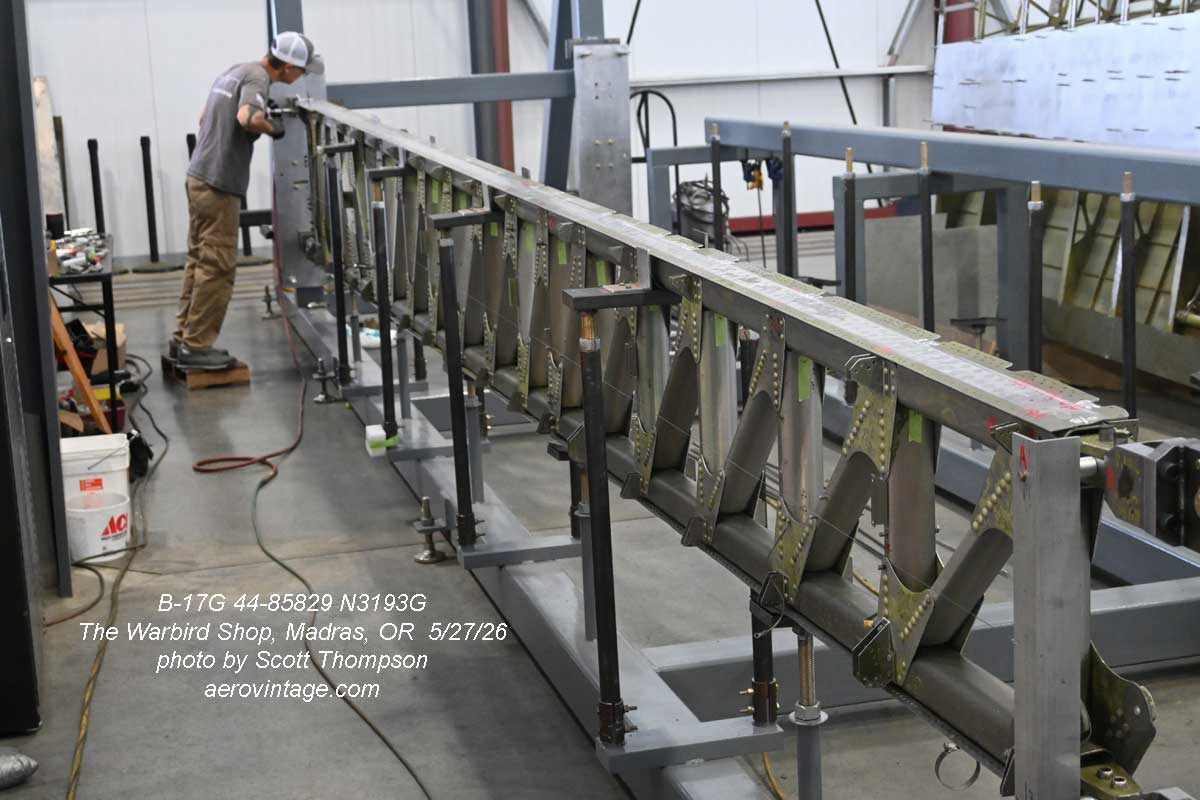
The B-17 had a two spar design whilst the B-24 has a single spar design. It makes sense it snapped since the 75mm basically hit directly into the spar. Meanwhile the B-17 had this.
whole site talks about the wings of the B-17
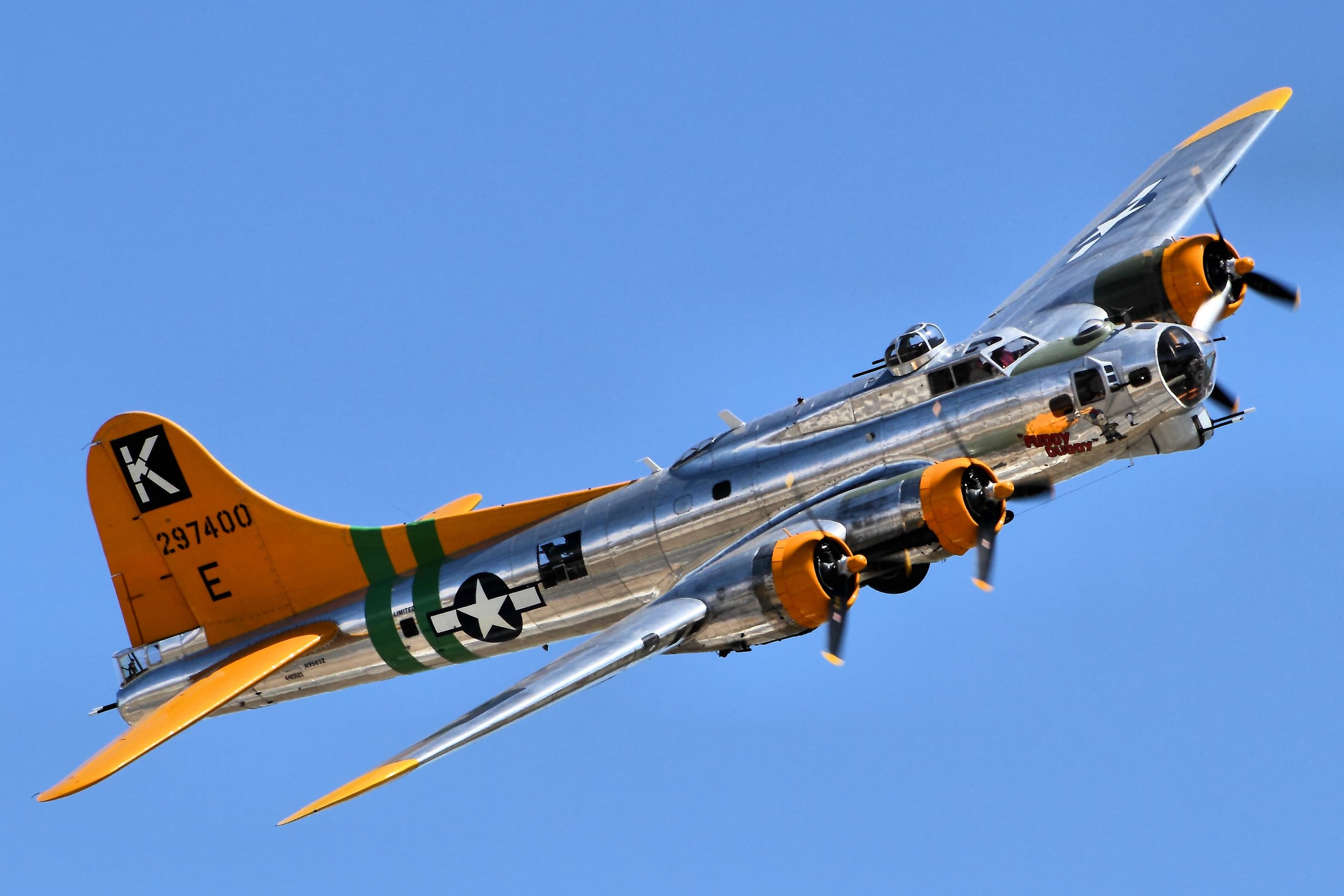
Honestly, if that 75mm struck that B-17 in the same area. I legitimately believe it would’ve survived it. Injured and hurt like Hell. But damn it, they’re gonna try and fly that bitch back.
B-29 had a similar but much more refined construction.
B-29 Irish Lassie was rammed twice and riddled with holes.
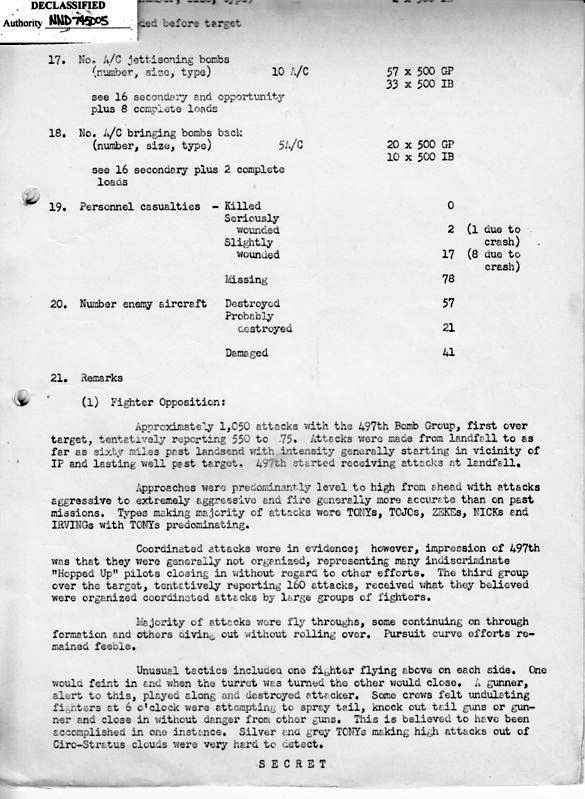
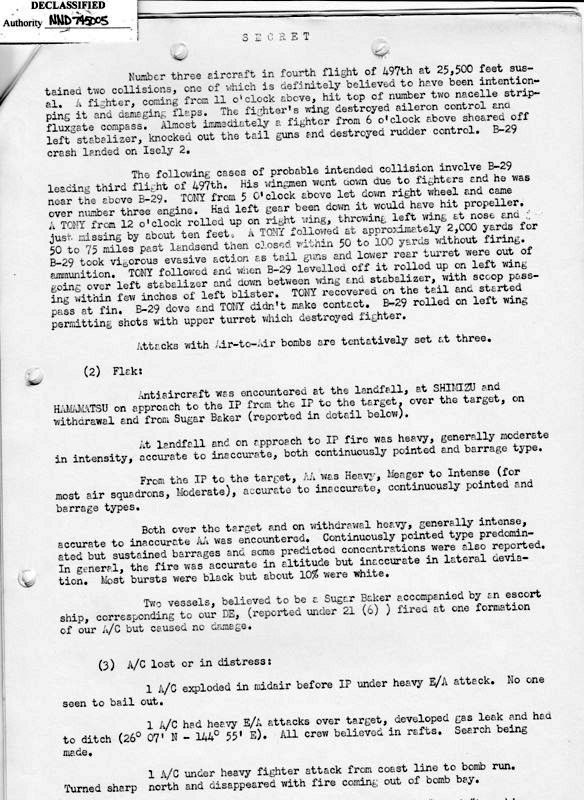
I think Black Thursday shows that even when being nipped and mauled by 37mm and 23mm guns. The fact that an overwhelming number didn’t go down goes to show how tough these planes can be.
Killing bombers is just straight up hard.
But if Gaijongles is gonna fix up bombers. This is a good, but rough first step, since you’ll need to be adding more detail on how incendiary works, and revamp HE and all that good stuff