Whys everyone else switching to it then? Germany with KF51 and the Leo 130; France Capint, Chinas new ZTZs, US and Koreas new planned with it too
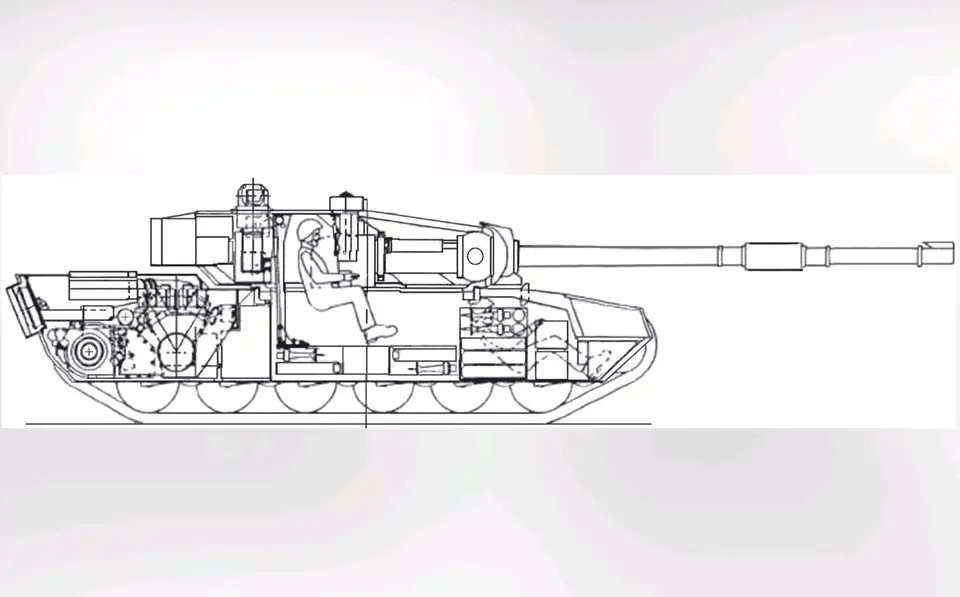
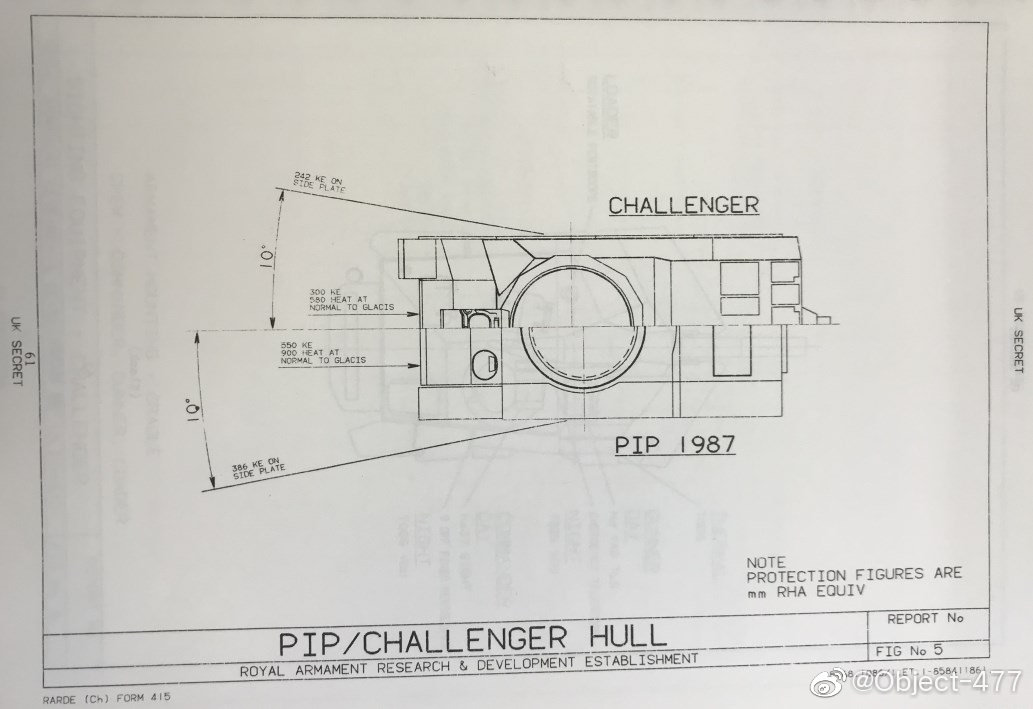
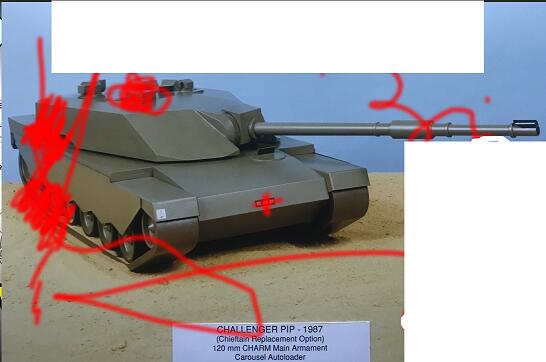
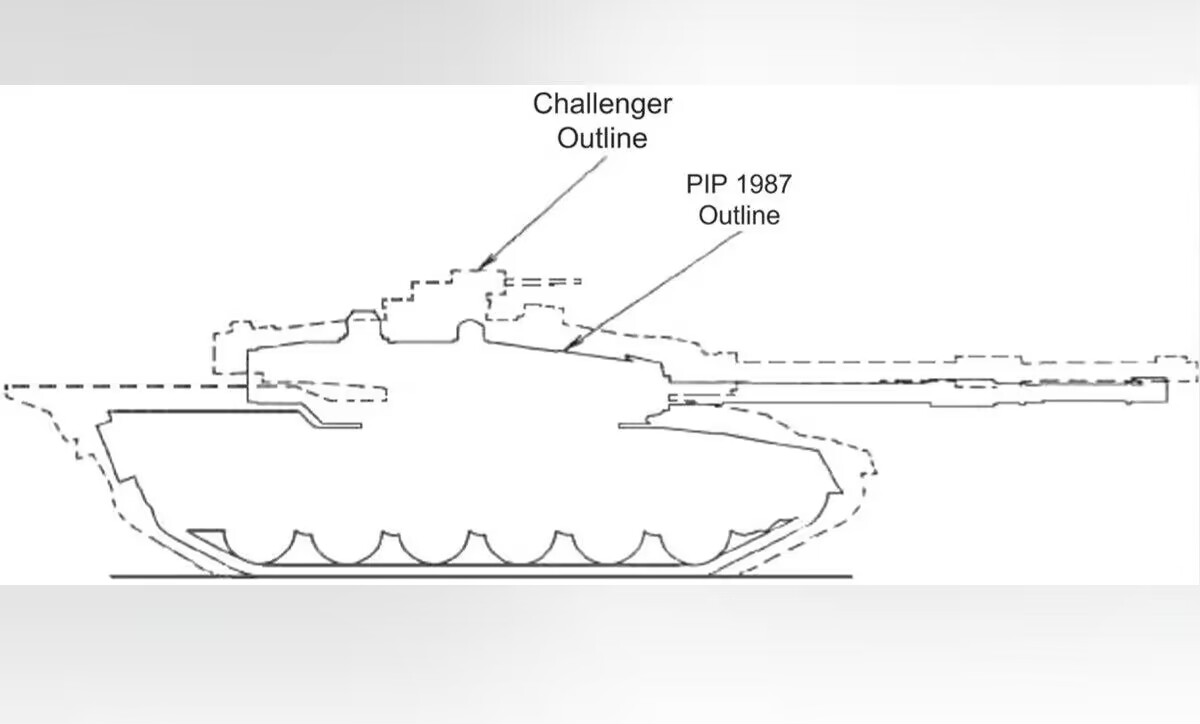
Sigh…
You’re arguing in circles now. Backup sights exist in case the main sights are damaged during combat.
If an autoloader is damaged during combat, you’re not gonna be able to get it fixed in the middle of combat anyways, regardless of where the crew are located.
I’ve already debunked this argument on multiple occasions now.
Autoloaders also have contingencies built in, where the crew can remotely discard cartridges that failed to load properly, all of this has existed for half a century already.
I get the distinct feeling this is more a case of you being ignorant regarding (modern) autoloading mechanisms.
M1E3 isn’t unmanned yet still uses an unmanned turret design, you can dodge this point as much as you want to, but I’ll keep repeating it.
You’re still assuming there will be failures on a regular basis, you’ve provided absolutely ZERO evidence that this actually happens.
I’ve asked you to share evidence that it happens on the Pzh2000, and you conveniently ignored that request, so I’ll just assume you made that one up then.
You’ve now also stated that Soviet MBT’s require the crew’s intervention for the autoloader to function reliably, yet once again you’ve provided exactly ZERO evidence that this system fails regularly enough.
Stop making stuff up.
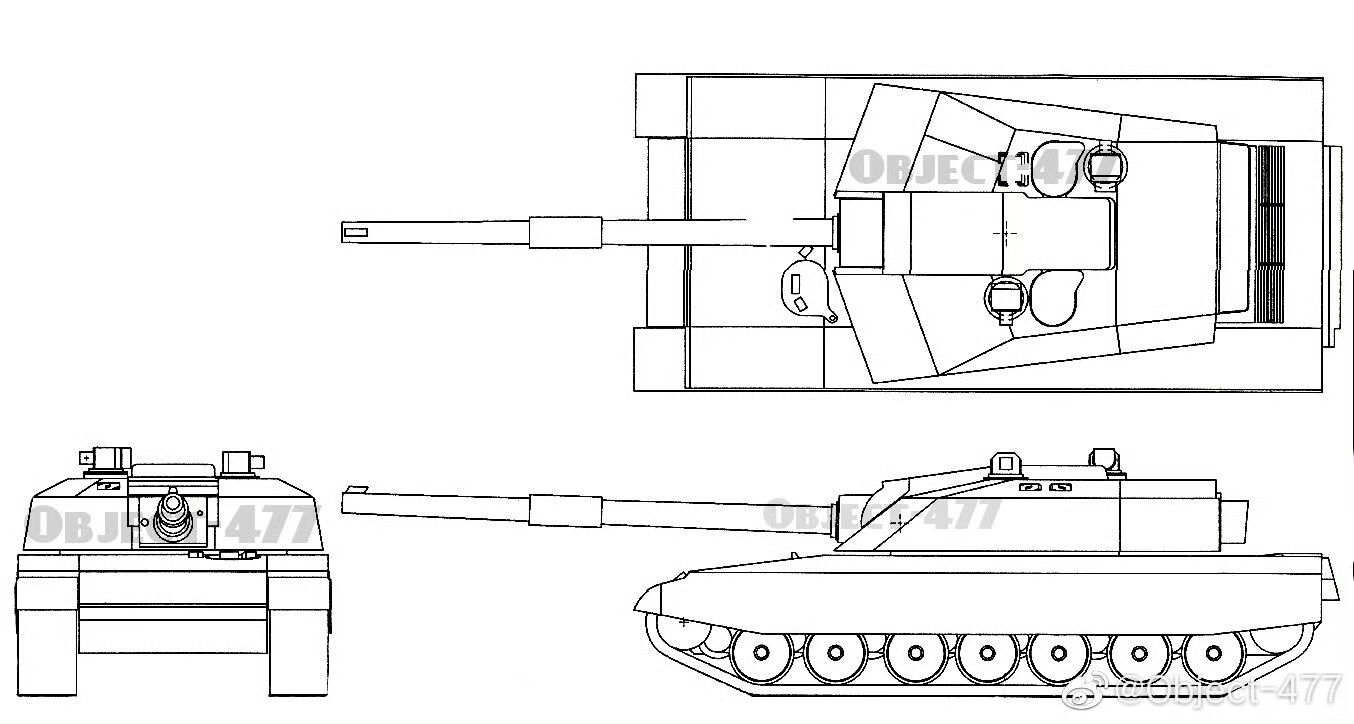
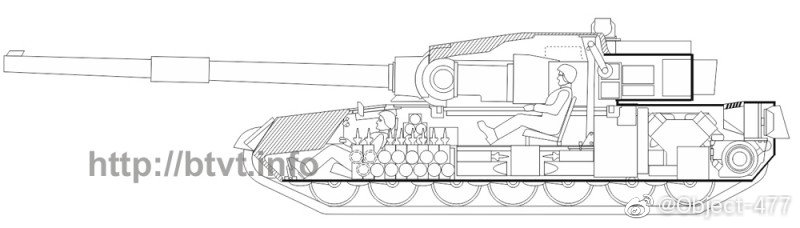
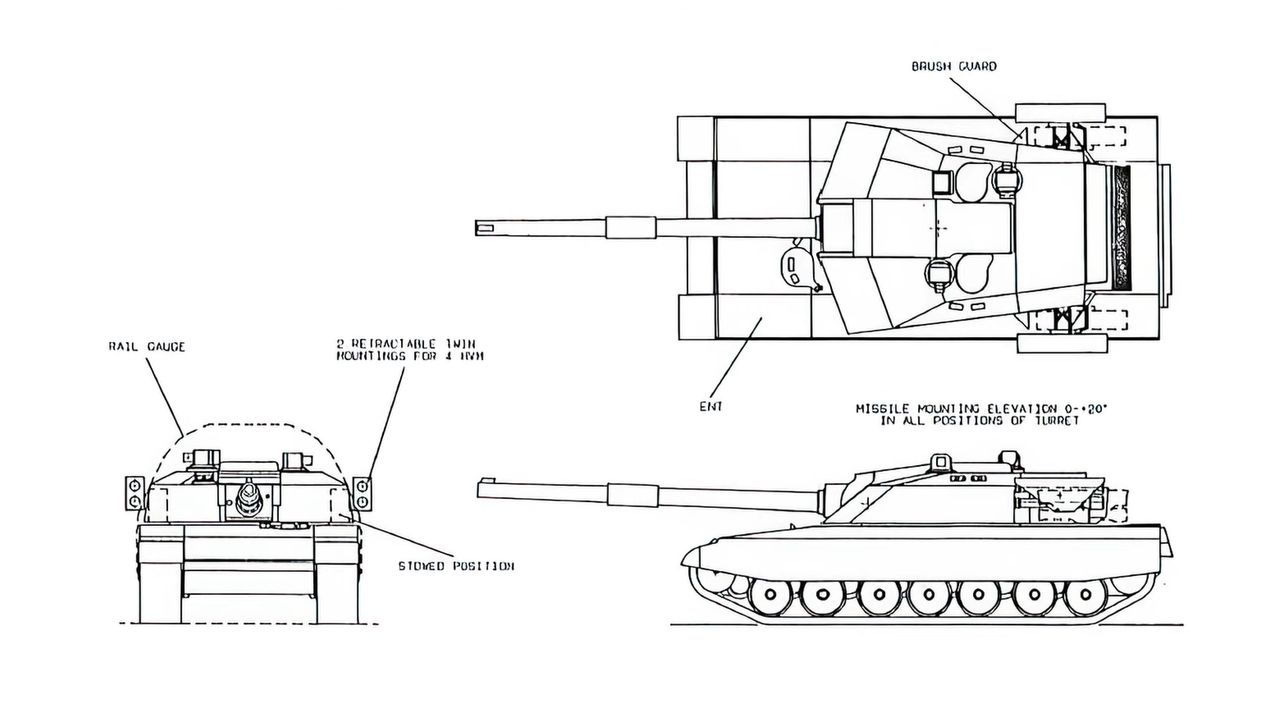
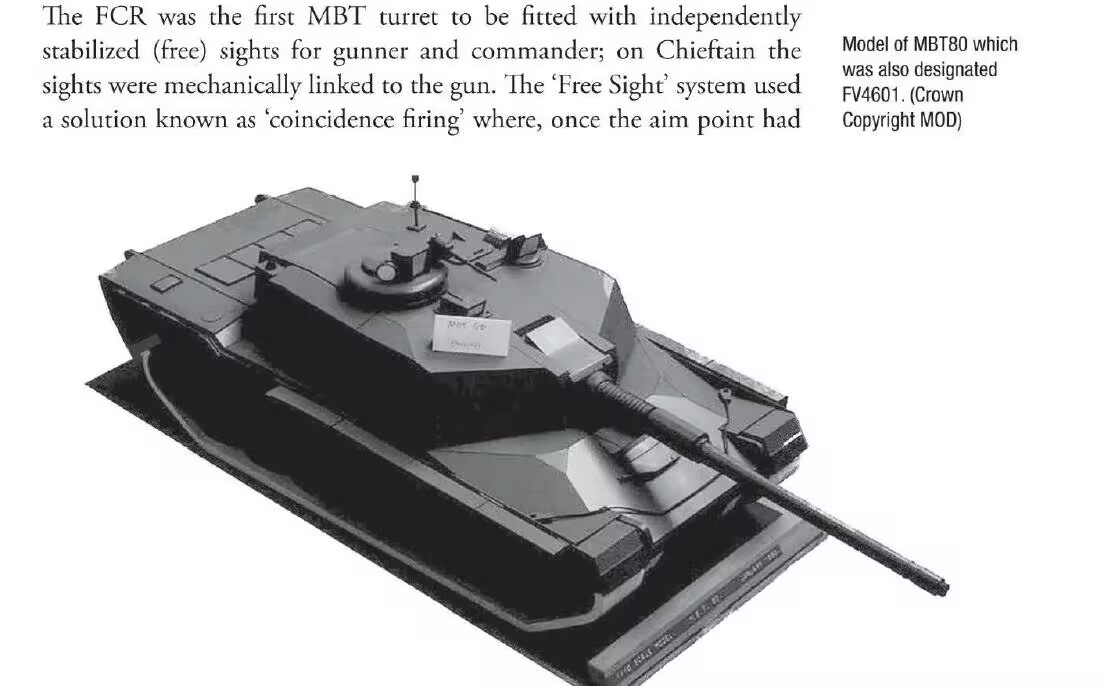
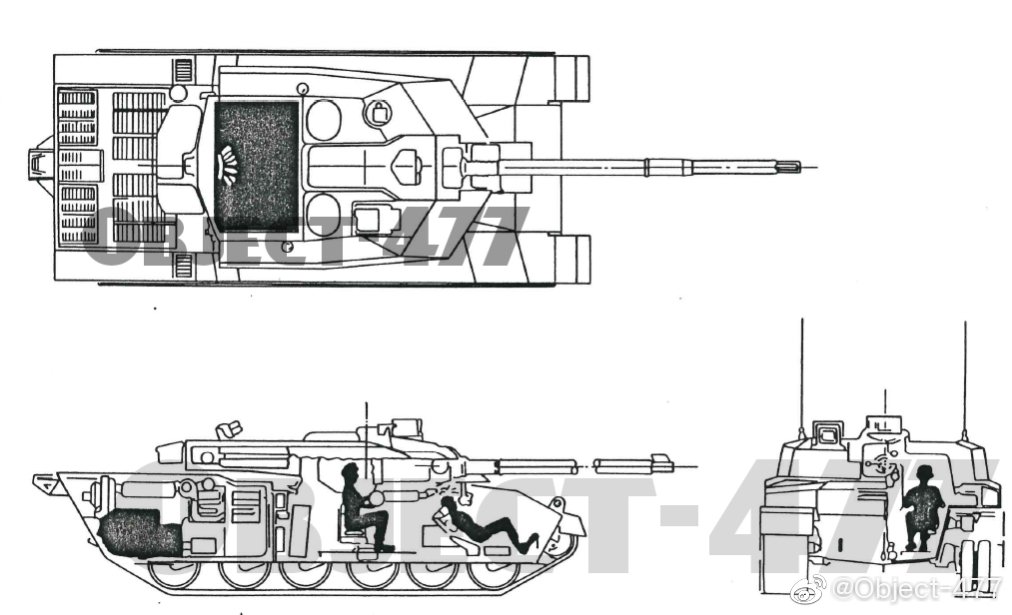
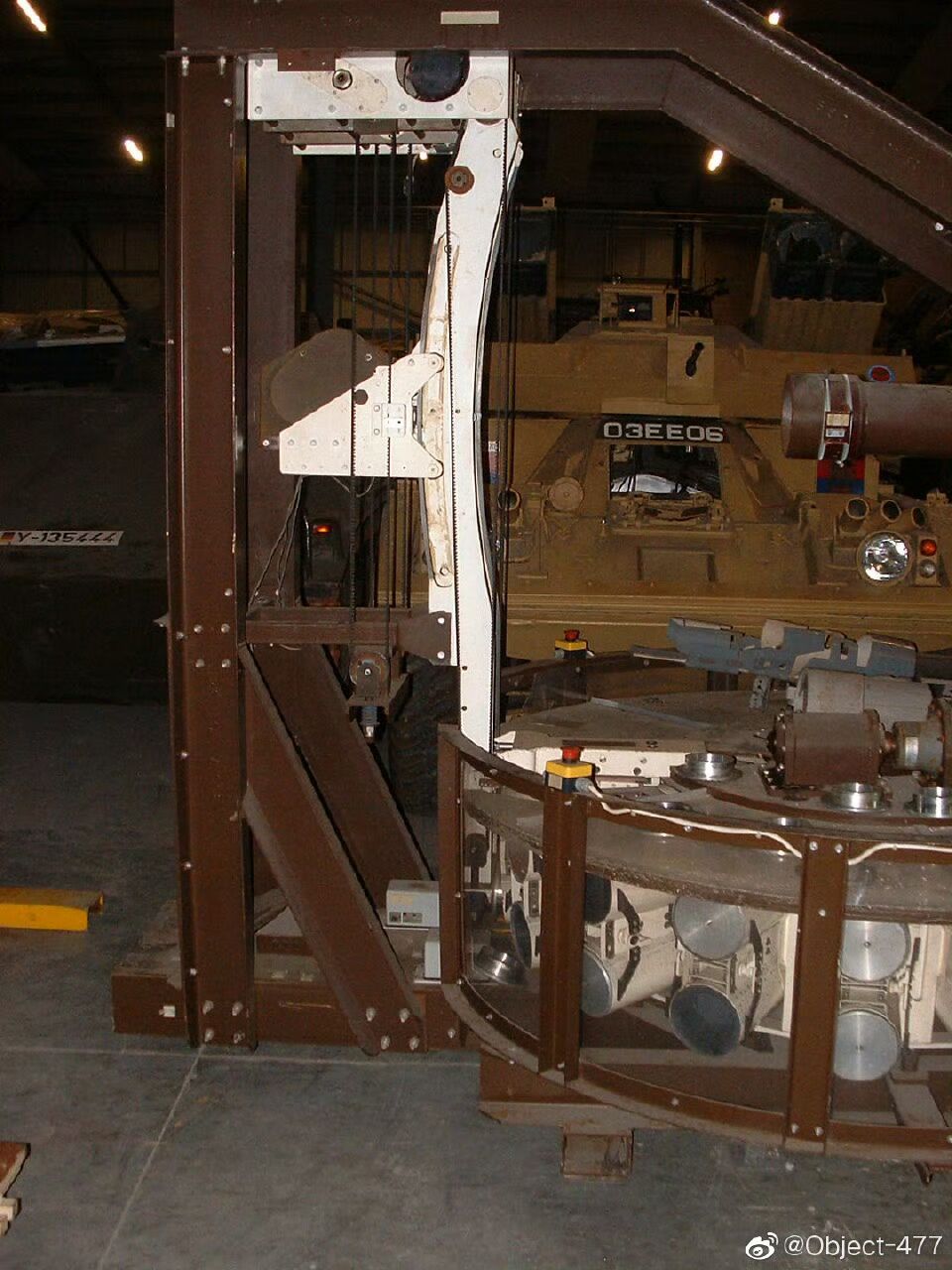
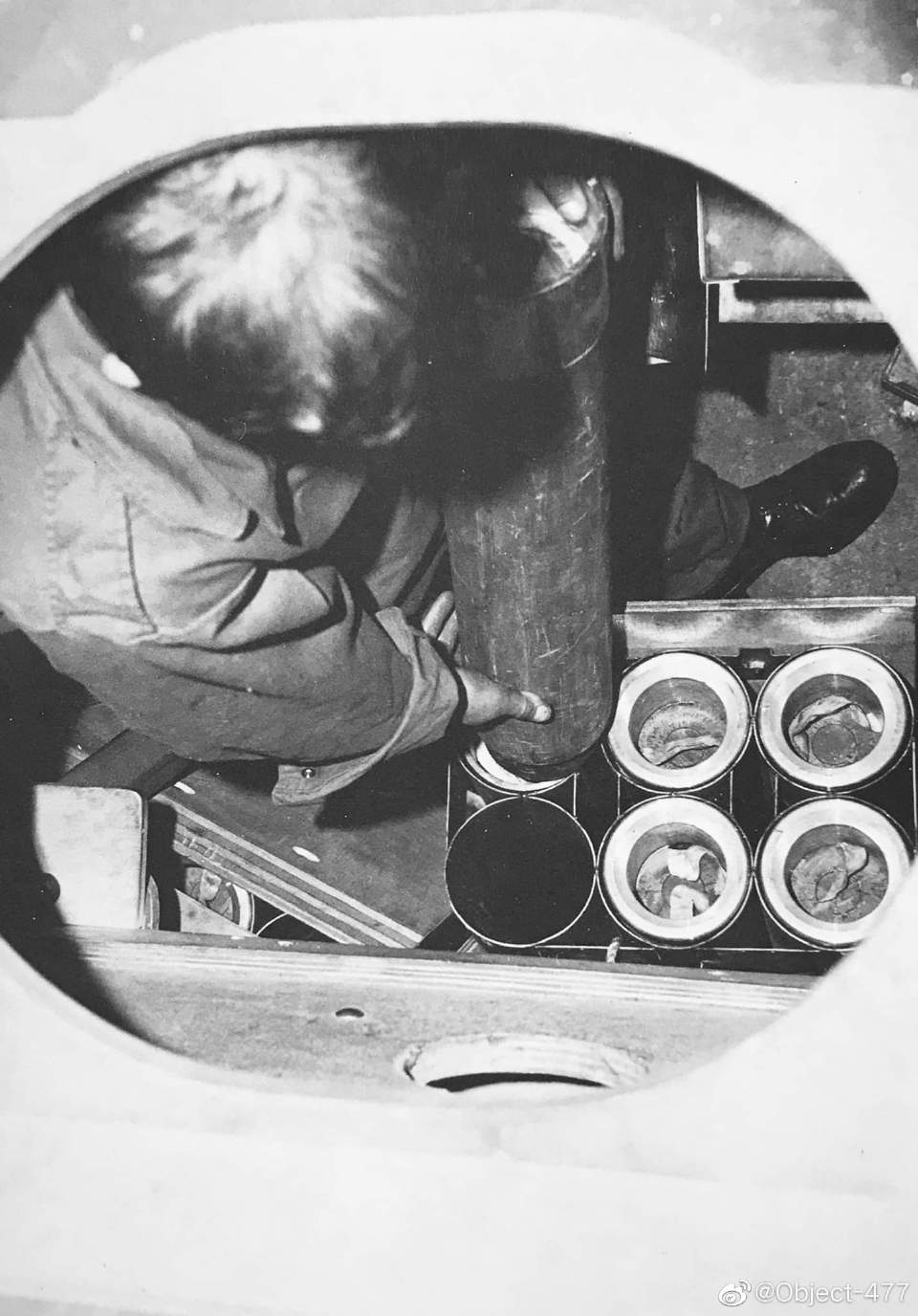
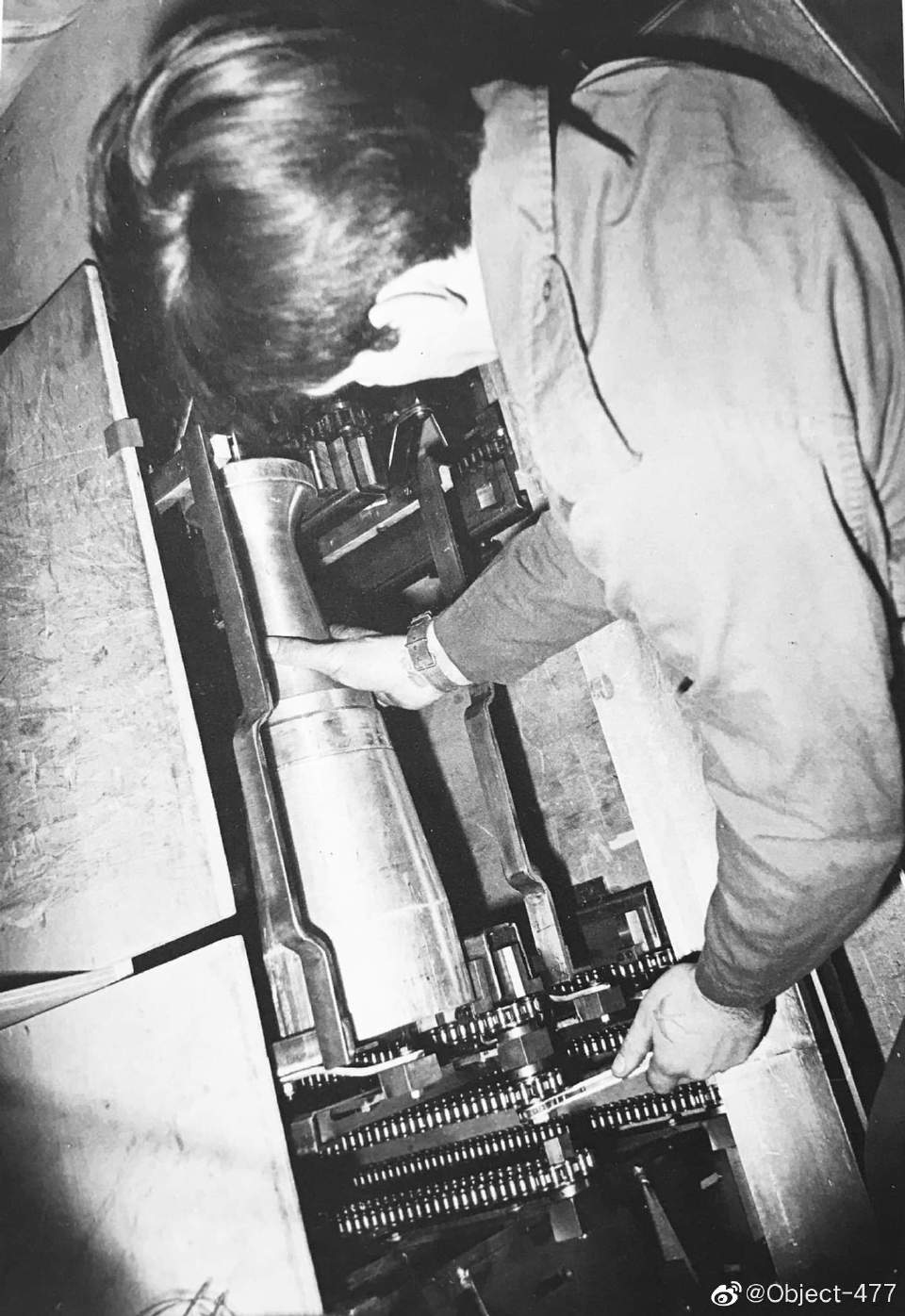
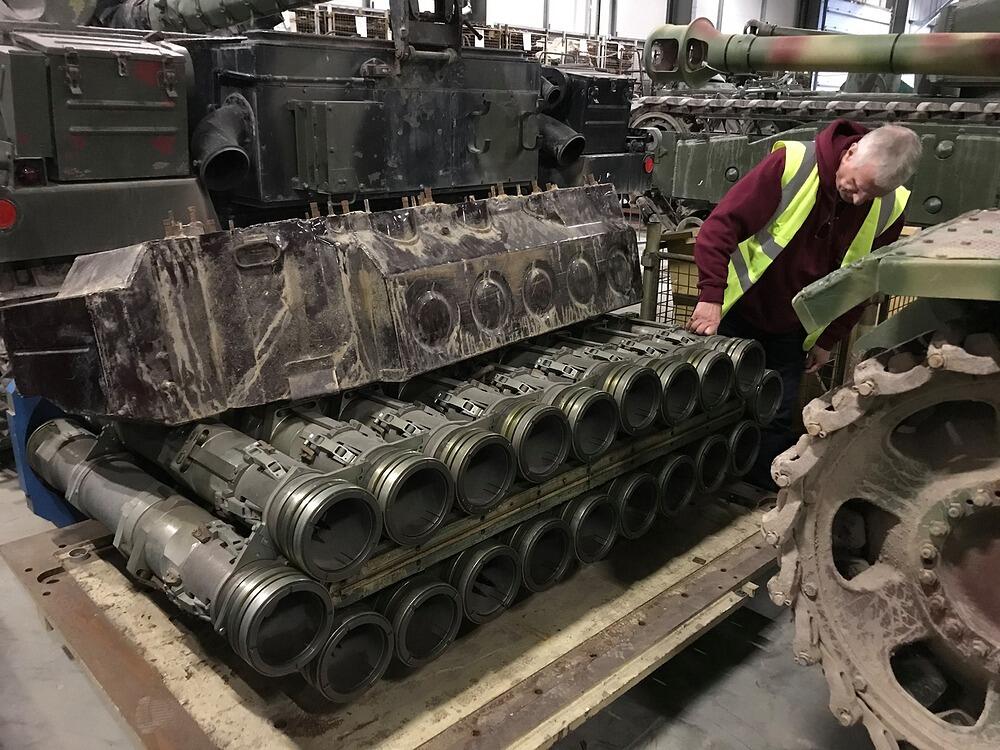
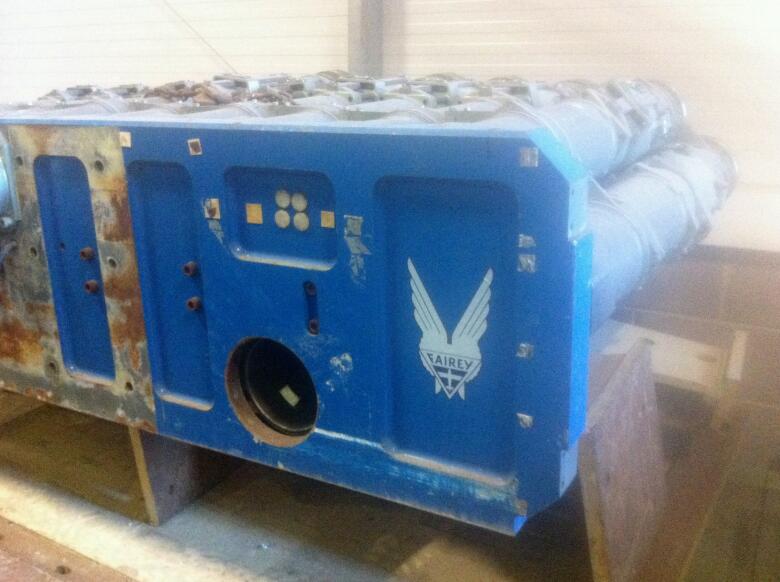
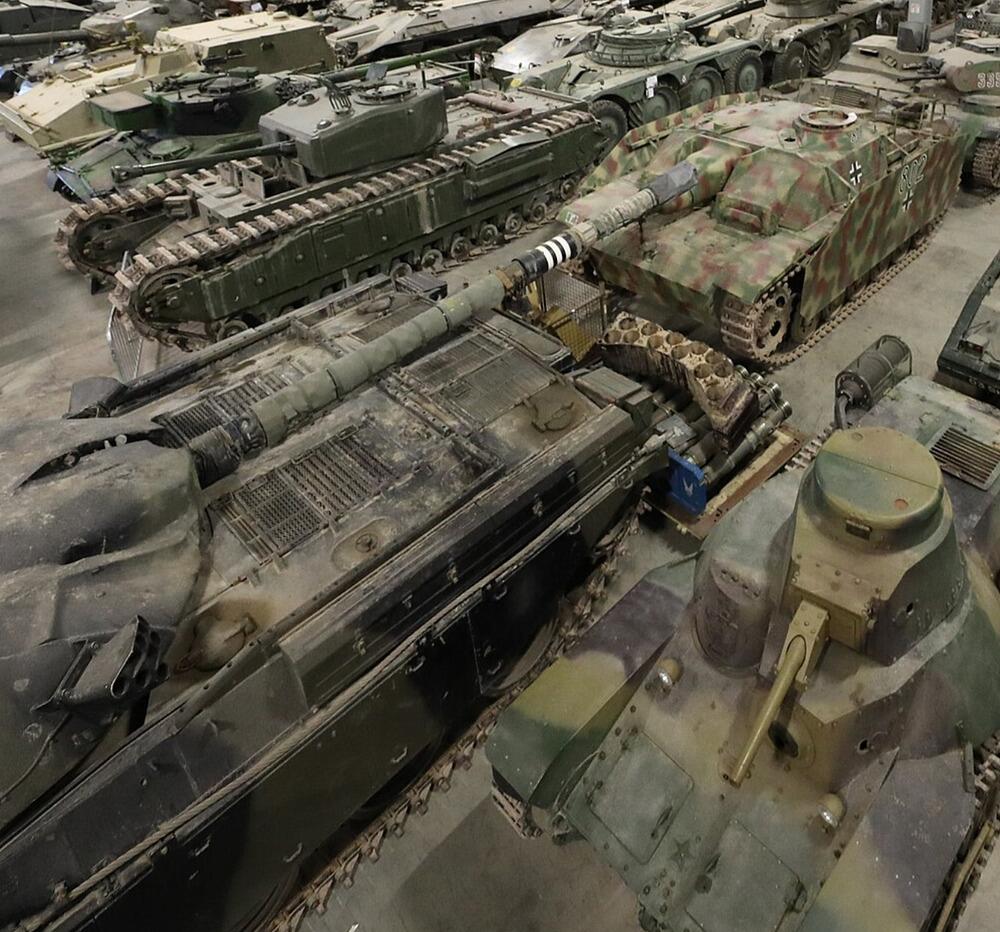
I haven’t managed to read every single post you’ve written regarding the pros and cons of unmanned turrets, so I hope I’m not repeating anything already said. I notice that the discussion is focused more or less entirely on ground-based MBT combat. In actual modern warfare, the greatest threats to MBTs have become drones and air-to-ground missiles. A fully unmanned turret relies on electronic controls and support systems to function. Although these systems are shielded, battlefields are neither pristine nor flat; constant mechanical stress can degrade that shielding, leaving MBTs vulnerable to destruction by an electromagnetic pulse (EMP), a problem that has indeed been confirmed for the T-14 Armata. Even if the British were to opt for an autoloader, they would likely still field four-man crews for all the reasons you’ve outlined factors that go beyond the immediate combat itself. I strongly agree with this logic. War is a long-term affair, not something won in a twenty-minute skirmish.
So you’re meanning French, Japanese, South Korean Army are idiot?
And how will you explain German, American and Italian army transition from manual loader to autoloader
What is meaning of four man crew member when army itself is shrink and people do not want to go Army so you can’t man tank?
Actually, in this particular case, the French agree with the British around maintenance even whilst actively deploying tanks with autoloaders, it could even be argued they take the focus on maintenance further. The doctrine used by the French for the deployment of Leclerc keeps a number of other assets associated with each MBT that help maintain the vehicle in the field (amongst other advantages), ending up with more hands to the task than tanks with larger crews.
2 Likes
That is absolutely not what I said, don’t put words in people’s mouths. First: an autoloader doesn’t necessarily mean an unmanned turret or that the crew size must be reduced. I highlighted the current issue of electronic countermeasures and the fact that war isn’t a 20 minute game where you just shoot at each other and it’s over. Tanks need maintenance, crews need rest, stress builds up, and so on. Second: it is absolutely untrue that the army is shrinking. You really ought to specify which country you’re talking about and do some research. Personnel simply switch units; if there were 100 men on MBTs yesterday, today 50 might be on MBTs while the other 50 are operating drones. Third and perhaps most importantly: these are different schools of thought. Some argue that the future lies in unmanned turrets, allowing for a three person crew and thus the deployment of more vehicles (which, of course, still have to be manufactured); others argue that a three person crew with personnel in the turret is better; and finally, there are those who advocate for a four-person crew. Who are you to declare which of these approaches represents the future? Even if you held high rank in an army or were a military engineer, you would still be wedded to your own ideas, just as an engineer from another country would be wedded to theirs.
M1E3 is an interesting one, it’s like they decided overnight to not produce the SEP V4 and opted for this radical system. It still needs to be manufactured tested and produced.
It’s not about understanding or not understanding autoloaders it is about understanding MECHANICAL SYSTEMS.
Heres a little background I am a time served mechanical engineer, I have worked in multiple environments from power generation to manufacturing and even the best well maintained machines shit the bed. No system is full proof, you seem to think an autoloading system has no potential for failure.
I can categorically say you are wrong in this regard. These systems need regular maintenance an in some cases daily maintenance.
No one said regular failures, I said the potential for failure something you disregard.
Yes backup sights are there for if the main site fails or is damaged, autoloaders have a contingency it is the crew man in the turret. Unmanned turrets with reduced crew size removed that capability.
“Ukraine Stops Purchases of German Strike Drones Following Abysmal Performance
The quality of German armaments delivered to Ukraine has consistently been called into question, with a notable example being Germany’s most capable self-propelled artillery system the PzH 2000, which widespread criticism after its first high intensity combat tests. German media outlet Der Spiegel reported just a month after the first deliveries to Ukraine in 2022 that the howitzers were showing significant signs of “wear and tear,” and breaking down rapidly, forcing the Ukrainian Army to rely more on its artillery acquired from other sources, such as the”
German artillery guns are breaking down a month after they were delivered to Ukraine, Der Spiegel reported on Friday. The weapons are reportedly struggling to deal with the high rate of fire the Ukrainian military is subjecting them to.
Some of the seven Panzerhaubitze 2000 guns sent to Ukraine at the end of June are showing signs of “wear and tear,” the German news site reported, citing anonymous sources. Some of the hardware is displaying error messages and are in need of repair.
"The German military believes that the problems stem from the sheer number of shells fired on a daily basis by Ukrainian forces, which is damaging the howitzers’ loading mechanism. Autloaders are failing, now why should the system fail even if Ukraine fire 500 shells a day? Surely the Barrel would be what we would expect to show wear?
Modern systems can fail and do fail, I would love to see a case study performed by the US to come to the conclusion they should go down the route of a crewless turret and an autoloader.
I’m not talking about that. It’s been long since two factor, people avoid army and low birth rate, makes Army struggles to gather personnel they needed. At least in British and South Korean Army, it’s been officially declared by Army itself that they are short of hand.
Sadly, those thoughts are broken for now. Eastern Europe proved it is unable to Nato tanks at over 63 tons could operate there smoothly. Armies are short of hand, and tanks needs to be lighter.
Already Armies come up with answer. Almost every tank shows up in Eurosatory(Except for Leopard 2A8 which is already in service) are combination of autoloader and ERA-relying protection, which makes them lighter than existing MBTs.
Yes we do face lots of electronic countermeasures. But it means we should find counter-electronic countermeasures, not by hiding into old technologies which proved problematic.
Fair enough, you’re talking about Great Britain and framing it as an issue with the entire NATO mindset. France, Italy, and Germany all maintain stable active duty personnel numbers, with Germany even launching a program to increase theirs. You’re generalizing a problem that affects only a few nations and it’s not even necessarily viewed as a problem. If I want to deploy 20 MBTs and have enough personnel to crew each one with four people, that works for me. You’re thinking like a typical gamer wanting to optimize everything and always have more. But nations, especially NATO ones, don’t think that way. I don’t see what South Korea has to do with this discussion; they developed an MBT with a three man crew and an autoloader. I also don’t see the relevance of the last part of your point. Weight is another factor that gets reduced, just as you said. Anyway, this isn’t really the place for that discussion; this thread is about the Challenger 3.
It would be helpful to educate many people about the risk factor.
Leopard 130 doesn’t exist lmao. Kf51 isn’t a service tank lmao and it did use a manned turret. Maybe your thinking of kf51U what was a mock up to show what rheinmetall could do
Planned for 10 years away more of a future tank then a current one
1 Like
You could always go the “italian” route and have both the autoloader and the 4th member for back-up/whatever else (not really italian but we at least use it on an in-service vehicle)
Yes, on the case of the French, they have 2, 3 man crew in 4 wheels vehicles (for a total of 6 extra pair of hands). They provide both reconnaissance and help the crew for maintenance. People are always arguing about 4 man crew as if tanks were operating alone. It’s not war thunder, they evolve in complex combine warfare environment. 3 man crew is not an issue per say maintenance wise, as long as the vehicle doesn’t end up operating alone (not that you would do field repair in active firing situation either way)
1 Like
The US army is having trouble recruiting fresh soldiers. Same for Britain, France, and basically all Western Europe countries. So reducing the man power need is actually a key point for these countries, especially considering what you said with the need to create new drone units, counter drone units…
Edit : I should have read everything instead of responding comment by comment :
This is only half true. While those 3 countries still have the necessary numbers in their armies, they still have problems recruiting new members. It’s expected that, without major changes in the near futures that would drive up enlistment numbers, they won’t be able to maintain the necessary numbers to keep the current format of their armies.
Worse, they will have more trouble increasing their size. This is explained by the fact that more often than not, military enlist after one of their parents. However, since the armies have massively shrunk since 1990, it’s hard to find fresh blood amongst the dwindling amount of 18-30 year old people whose parents were in the army. Ukraine has been a wake up call for many but still hasn’t made enough of a push for people to enlist to defend their country/europe against an (hypothetical some would argue) aggressor.
So basically : they have enough manpower for now, but it might not last. Also, they all need to massively increase the size of their different armies (more planes, tanks, infantry…) but it’s going to be difficult.
Was not entirely sure of numbers, thought it came out to 12 across 2 Leclerc in a group but that seemed a bit off from memory. Cheers.
Okay so I was suddenly unsure. After checking I found that I’m actually incorrect. Each Leclerc platoon consists of 4 tanks and 4 VBL with 3 crew for each vehicles. So that 6 man for 1 tank maintenance wise. They also are accompanied by a truck (I guess carrying supplies), but I don’t know how many crew in this vehicle
1 Like
We were close enough. Ratio’s fine anyway.