My opinion is that the ready rack should either be the same as the Cheiftain and include all shells near the breach. Which would give the CR1s and CR2s a decent sustained RoF, that would help off-set its problems.
or
They hold everything to the same standard, which would mean ready rack size reductions for a LOT of other tanks, but make the replenishment time fast for those tanks.
Cherry picking the CR1 and CR2 to have tiny racks and very long replenishment times is a big reason why there are so many complaints about the CR2s fire power. Especially ontop of the recent nonsense with the K5 perforation being denied, or even the L27A1 shell size not being corrected.
among many many other issues left to be fixed for the CR2s.
I don’t want to have this conversation again, as it’s already been discussed above.
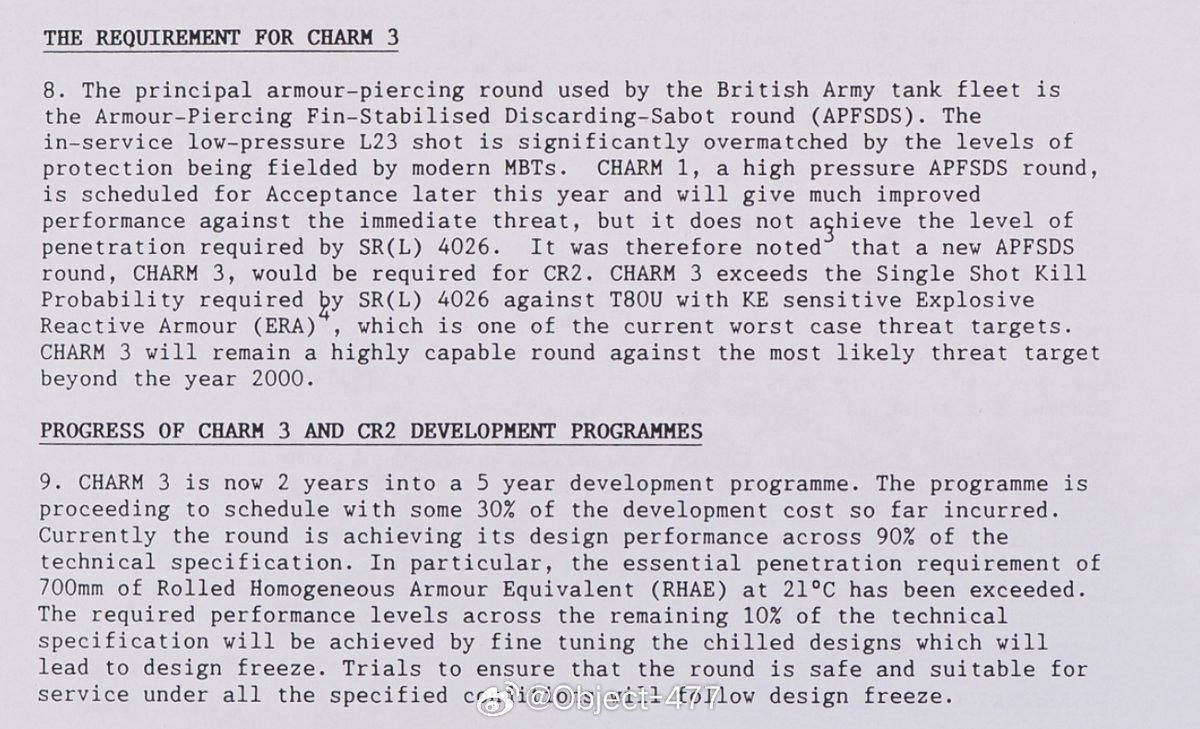
But in my opinion, the conclusion of that dialogue is that the SR4026 documents essentially only mention an indirect penetration chance (and not a very high one at that).
And none of them mention the zones where penetration is achieved.
Gaijin took the ERA off an in-game model. fired an in-game L27A1 at it, and it failed to pen, and from that test using in-game assets. concluded the source was wrong.
No matter what you think of the sources. Using in-game testing to disprove IRL documents is total nonsense.
If anything, I read that as evidence the T-80Us UFP is overperforming (which it probably is by about 3x) than the Primary source is defacto wrong.
Especially this is not the first time Gaijin have taken a British document and determined that it is a “marketing lie”
Then throw DM53 into the mix too, which was also denied, despite 13? primary sources for it having that ability… I think there is more going on than “historical accuracy”. I think Gaijin just wants some shells to have certain strengths
Yes, the answer is strange; I don’t know why they chose that.
But that doesn’t change the fact that the original sources don’t say where the T-80U can penetrate.
Even the wording “through the K-5,” which doesn’t exist, doesn’t contradict the game, as there are zones where it can penetrate the K-5.
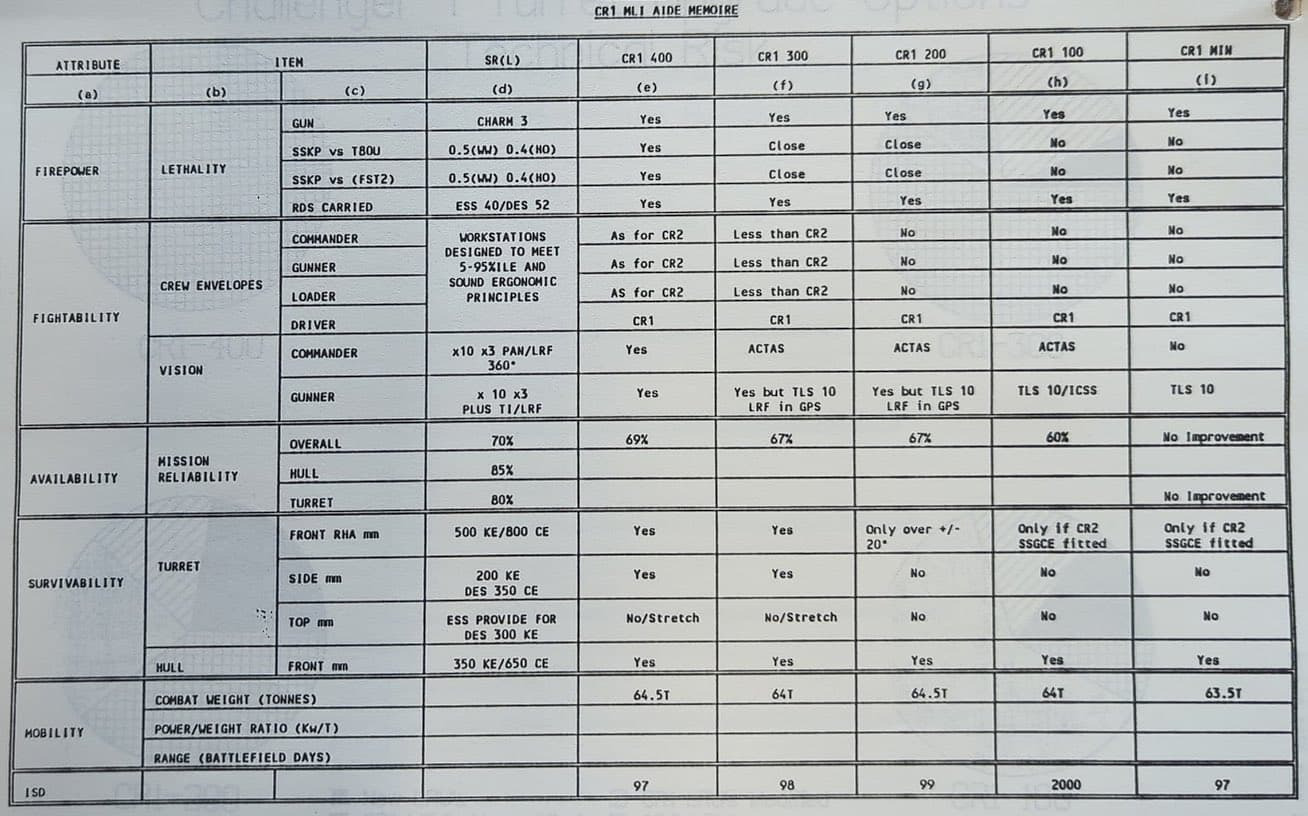
The T-80U’s kill probabilities from the document don’t seem high (0.4-0.5 was stated) for it’s safe to assume the entire hull is penetrated.
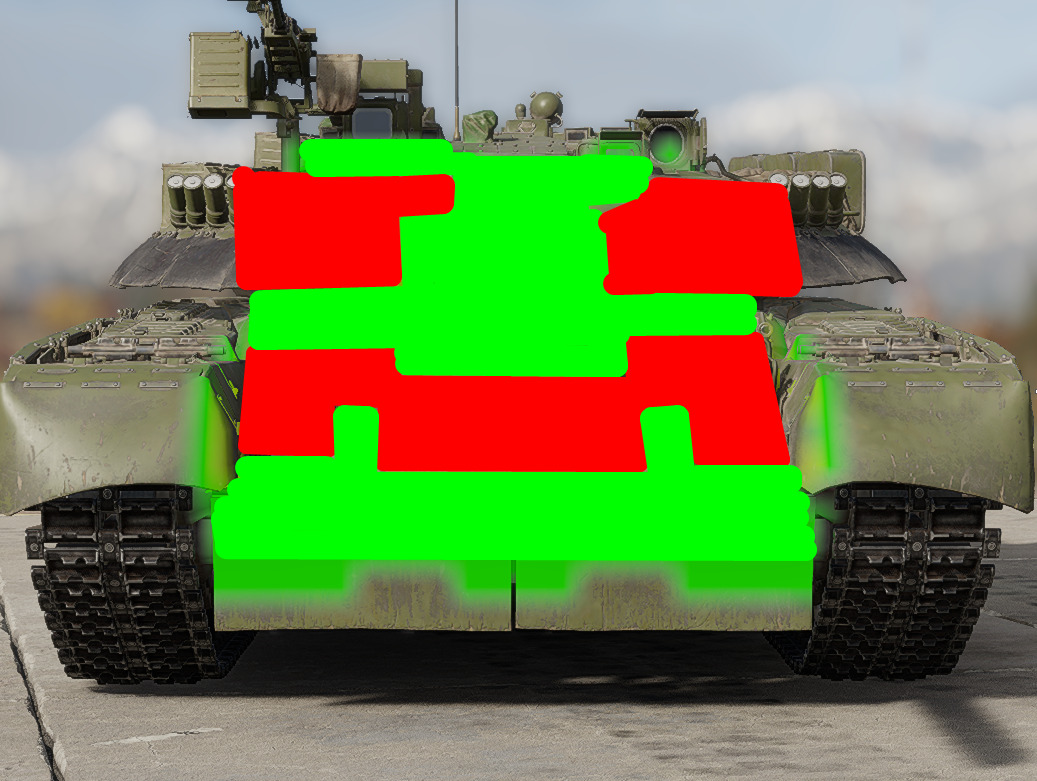
Even now, a huge portion of the tank is penetrated, and considering that the L27 penetration should probably be slightly higher, and the T-80U’s hull resistance might be slightly lower (by 10-20mm), these zones would be even larger.
Penetrating the entire UFP would seem to imply a 75-85% kill chance.
The majority of these sources pre-date the Greek Trails by several years and cannot possibly refer to these trails.
There’s 7-8 citations I provided (depending on whether you count the video) not one of these is from the Greek tank trails or references those trails.
Firstly, provide the source please.
Secondly, 850mm is against Chemical Energy ammuntions, the Leopard 2 ‘Improved’ achieved in excess of 1500mm of CE protection by 1991, so it can’t possibly be the best of the three.
Thirdly, 850mm is not impressive, the CR2 entered service in the mid/late '90s, the Leopard 2A4 with C tech. (which pre-dates the CR2 by a full decade) already presented 750-800mm, the proposed/possibly fielded D tech. went up to 1200mm and the Leopard 2A5 ‘improved’ upped this to 1500mm+ as I previously said.
The 1984 IPM1 possessed 750mm @ 60° frontal arc and the M1A1HC was already at 900mm CE within a 60° frontal arc by the late '80s.
Hell, even the T-72AV from the mid '80s possessed equal if not superior CE protection thanks to Kontakt-1.
The strange thing is that the basic Challenger 2 in WT has 535mm of armour. This is quite optimistic and exceeds any estimates I’ve seen.
500mm is the maximum I’ve seen quoted in sources, and the true figure could possibly be lower given that the overall volume of this array is limited.
The Challenger entered service without these packages as far as I’m aware.
ASPRO-HMT entered service in 2007 IIRC, the Chobham armour package applied to the front nose plate was carried out in the 2008 timeframe IIRC. Could be wrong on these dates though.
What I meant was that estimates of 0.4-0.5 for tank destruction don’t seem realistic if its entire hull and turret, except for the cheeks, were penetrated.
That’s literally 90% of the tank’s surface area. Even accounting for misses, the SR4026 kill chance should have been much higher.
The document doesn’t say anywhere that the hull should be penetrated. Why don’t you think it’s the turret? Why don’t you think it’s the hull, but in the driver’s weak spot, where the K-5 is, but the armor package is weakened?
The document really doesn’t say anything specific about where the T-80U can be penetrated.
Sounds like its being tested on a few, being put to a community vote, and then if it gets accepted, we’ll have to wait a while because its being tuned for each vehicle one at a time.
So, based upon spall liners… Might get it be 2030, if its get passed the CCs