Huge number of issues with the start of serial production of 20mm cannons in the USA which were resolved only towards the end of the war
1 Like
And yet the 50cal still kept it’s place until AFTER the Korea war? Because 50cals and 20mm cannons are almost equal, is only after aircraft evolved into even sturdier little pests to shoot down that 20mm finally claimed it’s place as standard aircraft caliber, and the 30mm snuck in there as the sidegrade too since the firerate issue was mostly fixed now.
It is more an self issue of US Army who decided to keep .50 on their jets
Everyone (including US Navy) changed main weapon to the 20mm and higher calibres at that time and even planes like F-86 were later massively rearmed with 30mm cannons in foreign services.
1 Like
I’d say more so. Definitely felt like there was less variance in how long it took for someone to be shot down.
And yet 20mm cannon shell filler largely stayed the same as it was back in WW2. I made a comparison above with M39 and Colt Mk12 cannons vs their WW2 counterparts, and even down to overall shell weight they’re very similar. The upgrades come in the form of improved explosive material, higher velocity, and much higher rates of fire.
Somewhat true. The M61 Vulcan has more firepower than the 4x M39s of the F-100 and is still retained today. Guns didn’t truly become secondary until 4th gen fighters, and even then they were still used sometimes in air to air combat.
Look at the screenshot. Direct quote: “You could literally wipe more BOMBERS with an I-225 in a frontal attack unlike a SO8000 with 6x 20mm cannons”. That is what YOU said.
Complaints or not, it should have been moved down manually at the time of the nerf.
USAAF was very alone in this regard. The only plane I can think of that used .50s as its main armament around this time was the G.91, which was intended primarily as a cheap strike fighter and used .50s to keep operating costs down.
But it could also be specced with DEFA cannons.
Funny how German main doesn’t actually understand what he is arguing because he is completely ignorant of the bug affecting other cannons.
-
MG.151 damage was reported years ago by @RedEye_ツ who has also posted multiple times in this thread. MG.151 used legacy damage system instead of real shatter for the longest time. This very thread claiming that MG.151 is doing too much damage is using that damage system; the one that was reported for being too low.
-
Gaijin released Leviathans update in June of last year and broke missile damage. Somehow when they fixed the missile damage they reduced gun damage for all HE shells including MG.151 by just not having them fuse at all.
-
The CatWerfer video you posted is a follow up to this one. The reason he had to make a follow-up is because Gaijin community manager said the bug report regarding cannons was a duplicate of much older MG.151 report.
- This bug persisted for around 7 months and wasn’t resolved until November. The resolution is what has gotten us the super-duper buffed cannons that we have today.
2 Likes
The adoption of larger calibers by the Soviets was driven largely by the strategic bomber threat; i.e the B-29. Even then they still retained lighter armament on most of their dedicated fighters.
Il-2 Korea has a much higher fidelity damage simulation than War Thunder. The ShVAK/Berezin combo is basically just as good as 6x .50 cals in the game. The 9P doesn’t really struggle to bring down P-51s.
.50 cals stayed in use due to US not having to contend with strategic bomber threat from the Soviet Union in any real capacity.
US gun development during World War II was largely focused on a .60 caliber hyper-velocity gun. US produced Hispanos were also notoriously unreliable until late 1944 / early 1945 due to issues with headspacing and ammunition.
That was because the .50 did retain so reputation and still had some upsides, however as you said the 20mm did creep up.
The navy did actually fully realize the potential of the 20mm, specialy after the M3 20mm which did recieve that firerate of 750RPM, same as the .50, on itself the AN/M2 was simply seen on the navy in number thanks to the SB2C and those super late F6Fs and F4Us.
Most other nations didn’t really use or produced .50s in the first place, Britain just kept their now hispano Mk.Vs with also 750RPM
France was wrecked post war and used equipment from Britain and US and even tried some german WW2 crumbs with mg151/20s until the Juicy 30mm OVERCAME it’s ballistics and Firerate downsides compared to it’s WW2 sisters.
50cal tried to make a comeback with the M3 and it’s 1200RPM but it never took off, probably because 20mm just became better than before.
Think of this way:
M2’s competition in WW2 cannons with firerates even below 700, lower ammo quantities, worse penetration , clunky and unhandy and sometimes poor filler.
Most nations just gambled on “bigger = better”
These are WW2 20mils for example
ShVAK: respectable firerate of 700, nice ballistics, very compact, bad explosive power and penetration.
mg151/20: respectable firerate, excellent explosive power, poor penetration, poor ballistics
British hispanos Mk.I and Mk.II : excellent ballistics, nice explosive power, respectable penetration, mediocre firerate, reliability issues initially, drum ammo (60rounds).
hispano 404 (French 20mm): respectable firerate, respectable filler, respectable penetration, respectable ballistics but sadly a drum mag of 60 rounds.
Oerlikon (Type 99 Mark I, Mg FF and Oerlikon FF): bad firerate, drum mag, below average ballistics, sometimes bad explosive power (Type 99’s hef shell has a respectable amount of filler), bad penetration. Only advantage over the .50 was “it can explode” really.
And we travel back even more we meet the beckers cannon, which had a firerate of 325RPM and clips of 15 rounds each, no wonder planes stuck to rifle calibers for a while even if aircraft mounted 20mils existed since WW1
Late cannons (came late to the party but not to Korea)
M3: respectable firerate, respectable filler, respectable penetration, respectable ballistics but also Belt fed now (Army didn’t see it for some reason and thus we end with F-84s and F-86s with .50s)
hispano Mk.V: respectable firerate, respectable filler, respectable penetration, respectable ballistics but also Belt fed now (Britain just saw it had far more mk.IIs on the shelves and decided to still use them on some planes while other recieved Mk Vs later on).
Then those late 20mm slowly improved firerates above 750RPM, improved the armor penetration, bigger ammo pools since aircraft could simply carry more and just more reliable and better than before.
.50s just could say that the better ammo pools and firerates (which became overkill and started to affect the reliability of the caliber) with the 20mm now just standing behind it, which also later on just surpassed it (F-86s with cannons already start at 750RPM).
oh yeah and 30mm started to have both nice firerates and ballistics, it just came at the cost of ammo pool, where before it was or ballistics (Mk-103/ Type 5) or firerate (Mk-108) AND ammo pool.
But some countries wanted that extra punch extra punch. Look at the DEFA with 1200RPM, “wow it’s just a little less ammo but I can fire 30mm rounds now”
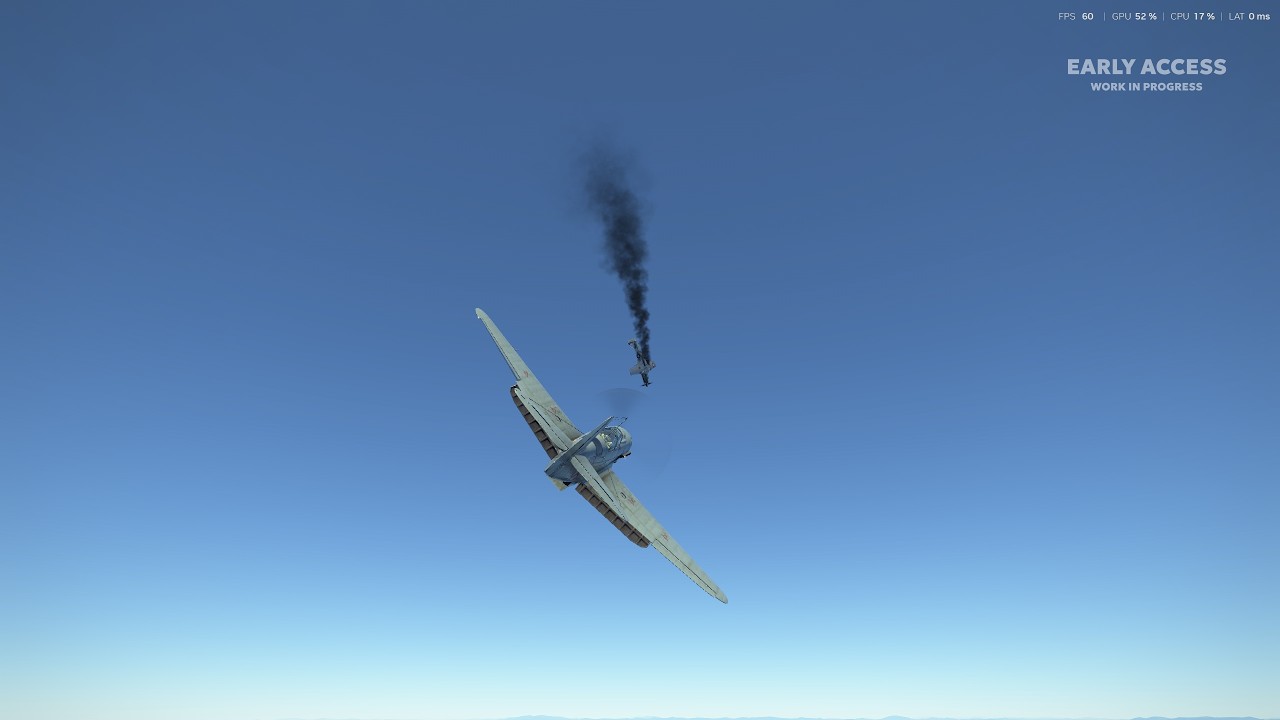
Just a point of comparison of how ShVAK / Berezin works against fighters in new Il-2 Korea game. Note how HE rounds basically guarantee that P-51 will be set on fire and crash. There is also basically no chance of putting out the fire and then making it back to base either. Same with wing damage; not how first shot doesn’t blow the wing off but causes it to fracture and then g-loading causes it to break.
This is currently the most in-depth damage simulation of any flight sim game out there and notice how ShVAKs do not suck.
1 Like
Is AP not really relevant in IL-2: Korea or did you just equip explosive for the video as a demostration?
following topic, on the post above I talked about how 50cals and 20mils were a lot closer opponents in WW2 until the very last year.
Also it is as you pointed out, the fires and leaks are the factors that knock down aircraft, nasty structural failures aren’t the rule, which is what im currently not very pleased with.
Wing tips / stabilizers are the main victims of structural failures, makes sense if we take into account their size and we saw the guncam footage of the 109’s wing tip inmediatly folding under 50cal fire + stress.
So you can drop a quick automated script so assign health values based on volume or thickness(as one wishes) , you’d have a B-24’s wing be tankier than a B-34’s but weaker than a B-17’s for example.
If we tune down blast damage in general, add the fragmentation effect + add the exception for high capacity explosive shells (very concentrated but not on the oneshot side).
then we add the fact that they won’t fuze on destroyed control surfaces which percu complained about so much.
You will end with ShVAK (late) spreading stuff everywhere and making leaks everywhere at once, while having an outstanding firerate compared to similar 20mils, with decent ballistics (I think hispanos still beat them) but poor AP performance. Do note Russian Berenzin has a firerate just short of 1000RPM and thus by my previous post still had better chances defending it’s relevancy compared to M2’s 750rpm
hispanos (early british ones and the AN/M2) have better filler/fragmentation mix, better AP capability, but a firerate of 600RPM and in some cases drum mag (and a terrible stock grind because they love to jam a lot without mods).
Akan M/41) same as hispanos but with 630 RPM and incredible AP with 38mm at 10m
hispano 404 would be top 3 if it weren’t for the drum mag and usually single mounts.
mg151/20 would be situational, effective on medium and small targets, with very small fragments, below average ballistics for a 20mm, armor just shuts it down .If you hit very close to a vital area like wing spar or a small fragile area like stabilizers and wing tips it is completely obliterated but then with larger aircraft scales poorly and you’ll need to step up caliber and mg151/20 does have a respectable firerate.
Later M3, Akan m/45 and hispano Mk.V are tops dogs, you can’t deny it even now, it’s impossible to take them down from the throne of WW2 20mm cannons even if 20mm are nerfed. With Akan taking a little less firate (725rpm) but retaining good penetration.
But the Oerlikons (Type 99, Oerlikon FF and mg FF) just can’t find any way positives, at least Type 99 has a full explosive tracer belt, later on it first improves ballistics (Type 99 Mark 2) and then firerate (Type 99 Mark 2 model 5, which sadly only the G8N1has them, I believe it should come as a mod to most japanese late aircraft)
And mg FF / mg FF/M is dropped early on and replaced by mg151/20, no saving grace for it until the super late ones recieve Minen rounds.
And Oerlikon is only seen on 1 plane which is the Fokker D.XXI (Sweden)
ho-5 may become the best Japanese 20mm cannon until Type 99 Mark 2 model 5 comes in ,since it has stupendous firerate (850RPM), respectable filler/fragmentation mix but bad penetration and meh ballistics.
The ShVAK(early) which is seen on I-16 type 27 would have the worst penetration of all at 10mm point blank.
Spoiler
10mm point blank.

Maybe it can finally drop BR buy maybe the firerate keeps it at 3.0
And B-20 merely hold advantage over ShVAK(late) on the fact it doesn’t lose as much firerate while synchronized.
No, my point was that a hit to the control surfaces with HE is turned useless, while AP can easily go through them and hit something important, like engine and pilot. Which was YOUR complaint, that AP was useless - it isn’t.
There are plenty of positives to them, with exception of MG FF and its extremely poor shells:
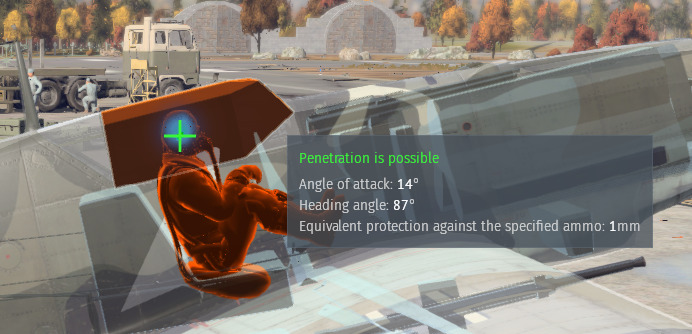
That’s the FI-T shell, that Mr Loofah thinks is “THE BEST SHELL TYPE” of all 20mm cannons.
They’re fine without it. Also not entirely sure they could fit them as Model 5 was substantially different; Model 4 was much closer to the Model 2s but with 620-630rpm, and for this I believe there’s records of them actually being installed in production aircraft.
Type 99-2 is already the best japanese 20mm thanks to its superior shells and much better ballistics. The low firerate just means you might want to plan your engagements to get a little more trigger time, but this is only with the 2-gun installations; fighters with 4x Type 99-2s see no difficulty. The Army fighters would be a lot nicer if they had Type 99-2s.
Hey wasn’t that the thing you were harping on earlier? Funny how that works, eh?
It’s not really relevant for shooting down P-51s. It takes about twice as much API ammo to guarantee a kill. There might be an optimum mixture of 1/3 + 2/3 according to some.
However if this damage was in WarThunder the same people would still complain about getting set on fire all of the time instead of getting their wing blown off.
It is 20mm what already positive over .50
It is a little bit different
Model 5 can’t be placed on planes without modifications and no any actual built fighter received it.
It would be placed on new modifications like A7M3
Type 99 Mark 2 Model 4 could be modified to the 620 RPM version but without the name changes
Type 99 is much better cannon afaik
There are many descriptions of fact that increasing RPM device entered production in second part of 1944. I saw only one example of installing. In really good book about Zero was written that 343 Ku put this device on Shidens and not on A6M5 (a little note, it doesn’t mean A6M couldn’t get this modification but 343 Ku decided to attach it to the Shidens)
2 Likes
Yeah the positive is just “it can explode” and each individual shell is more powerful than the .50 cal but you have the piles of downsides on it, US did alredy produce the 50cal and made it it’s primary armament, Japanese Army just upscaled the 12.7mm into the ho-5 but they still mounted them in the same airframes.
Italy never really produced a domestic 20mm for aircraft and thus they also made .50s and later on sourced mg151s.
Well that stinks, at least more info since I can barely find info on the device itself.
hey! that would put the Type 99 close to the hispano.
Yeah later on the Type 99 could catch the ho-5 eventually, I can’t check rn which cannon has better ballistics but both have similar fillers I believe.
And it wasn’t done so because “full rational chose based on weapon performances” but it was compromise based on existing problems and limits
Until ~1943 Army didn’t have 20mm gun in production (they couldn’t take Navy 20mm gun because… you know… Japanese Army and Navy) so they designed planes to be fitted with Ho-103 and it caused trouble: Ho-5 was too big for several planes
It couldn’t be attached into Ki-61 (and I guess Ki-44 too) wings. That is why Ki-44 never got cannon in wing (Ki-44-III got but with new wing which was something closer to Ki-84) and Ki-61 got MG151 in wing (as I understand it was smaller) on Ki-61 Hei, and Ho-5 in fuselage on Ki-61-I Tei and Ki-61-II Kai Otsu
In planes where they could, they attached full 20mm weapon - Ki-84 Otsu (and then attached there Ho-155-II, II version was specially made smaller to be attached at the same points as Ho-5)
Model 5 is not a device but new modification with internal changes
“Device” is a coil springs thing which literally could be attached on made gun as I wrote about Model 4 620 RPM
Type 99 Mark 2 ballistic slighter better because more common energy of round (speed + weight)
We already said that pilots survive waay too much in WT, I dare you to shoot a pilot on the head with a 7.5mm, it literally takes it like a champ.
Type 99 is benefited by the current system where most parts of the aircraft are easy to detach, however no fragmentation does have downsides, one example is it can barely get past the skin.
Yes that does mean armor does work, but while armor protected you from the blow your wing or tail came off.
explosives will blow it clean or make it near unusable with the amount of lost area and a missing elevator/rudder/aileron do pass a noticeable bill in agility currently.
The “won’t Fuze” part is when the surface visibly came off, problem is that WT x-ray models/hurtboxes don’t have “bones” they can’t be animated or separated, it is why variable sweep aircraft have such issue with them and their wings not moving and why the “flap” for example can’t dissapear.
Also I said a lot of times, control surfaces are located on the trailing edge, naturally very thin compared to the wing itself and really only block from maybe below and behind.
The moment you find yourself attacking from a little bit higher flaps will barely eat up all damage.
ho-5 still has a firerate of 850RPM, and still has similar filler (but smaller) on most shells, so the damage on both would be on par, in terms of ballistics it is closer on Type 99-1 except it till fall short on the last stretch of distance if you aim it upwards compared to it, Type 99-1 otherwise is sweeped under both and Type 99-2 clears both ho-5 and 99-1 but only later on recieves firerate upgrades.
Saburo Sakai spirit
1 Like
Type 99-1 performs better if shot upwards, otherwise the ho-5 preserves speed better.
Red is ho-5
Blue is 99-2
green is 99-1
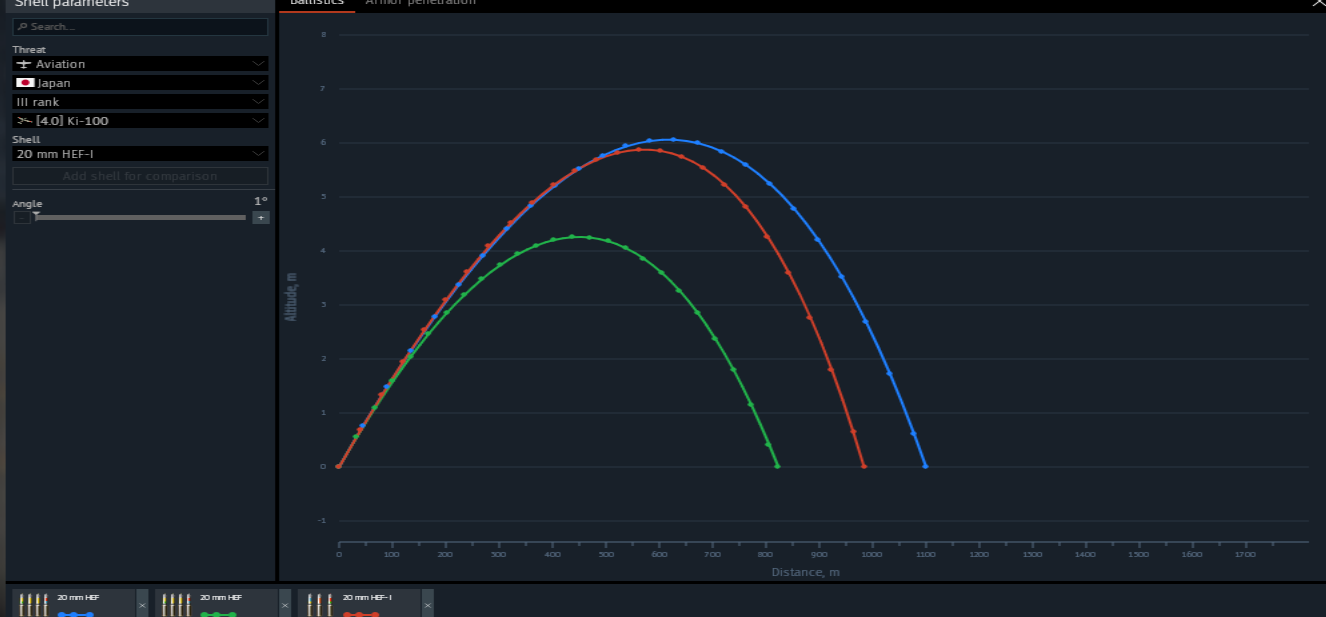
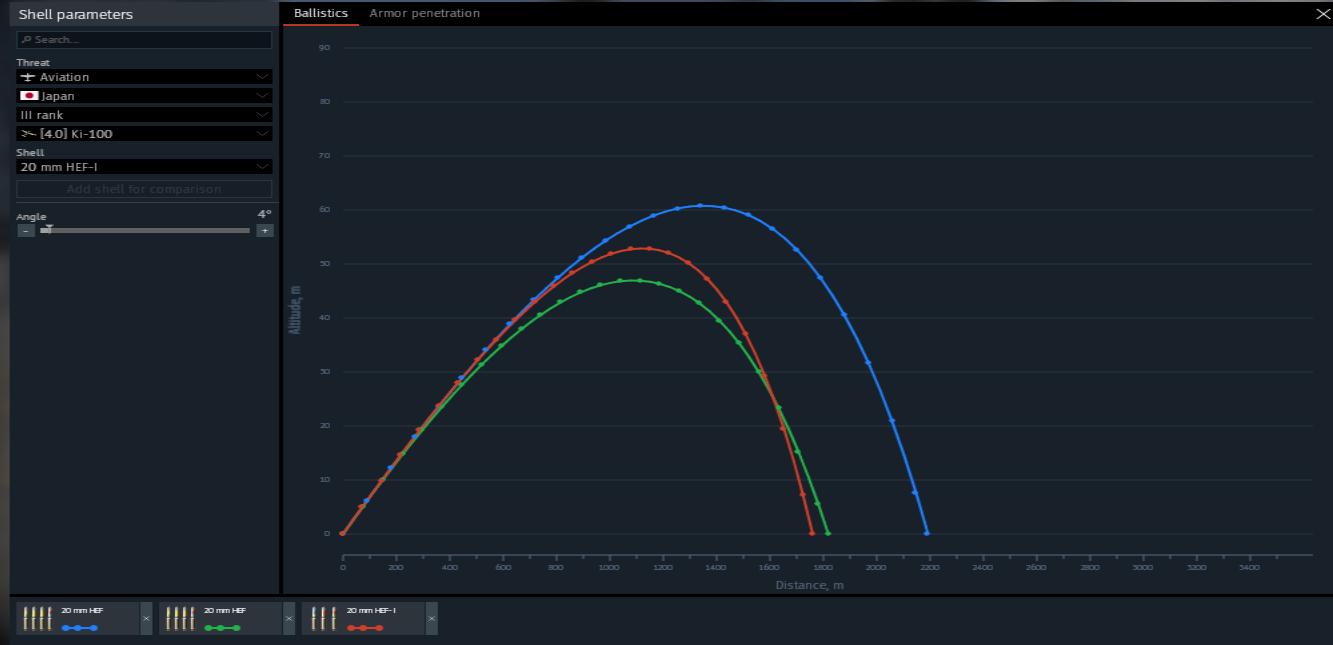
Type 99-2 obviously sweeps both due to longer barrel, but if you only add a longer barrel the firerate comes down you need to modify other parts of the cannon if you want to minimize the loss.
Notice how the 20mm are closer and do compete on equal footings, where as nowadays if one just recieves a full yellow belt of FI-T they mostly are prefered.
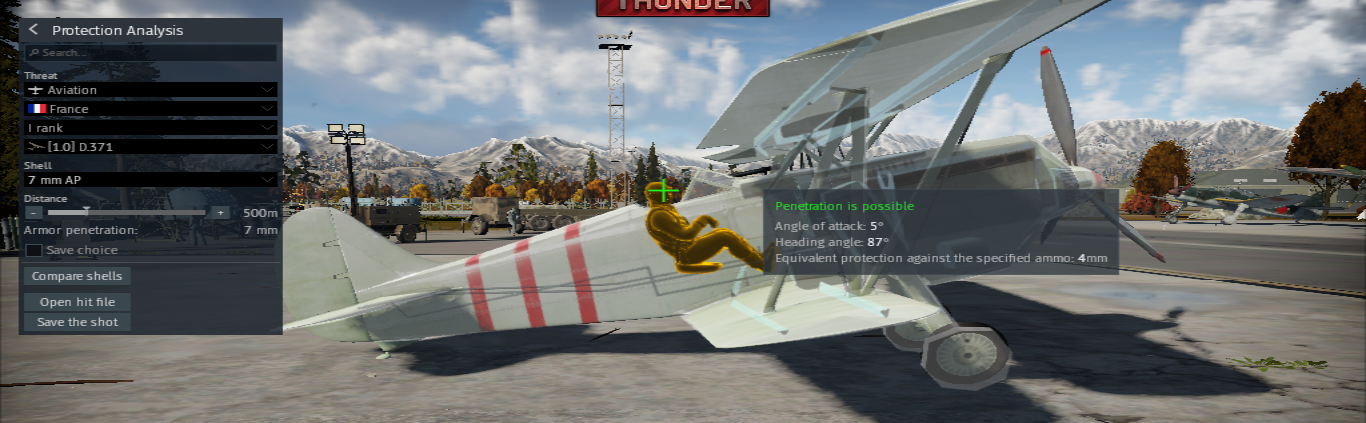

Wasn’t Ki-61-II Ko the one with 2x20mm + 2x 12.7mm? And Ki-61-II Otsu with 4x 20mm? In real life
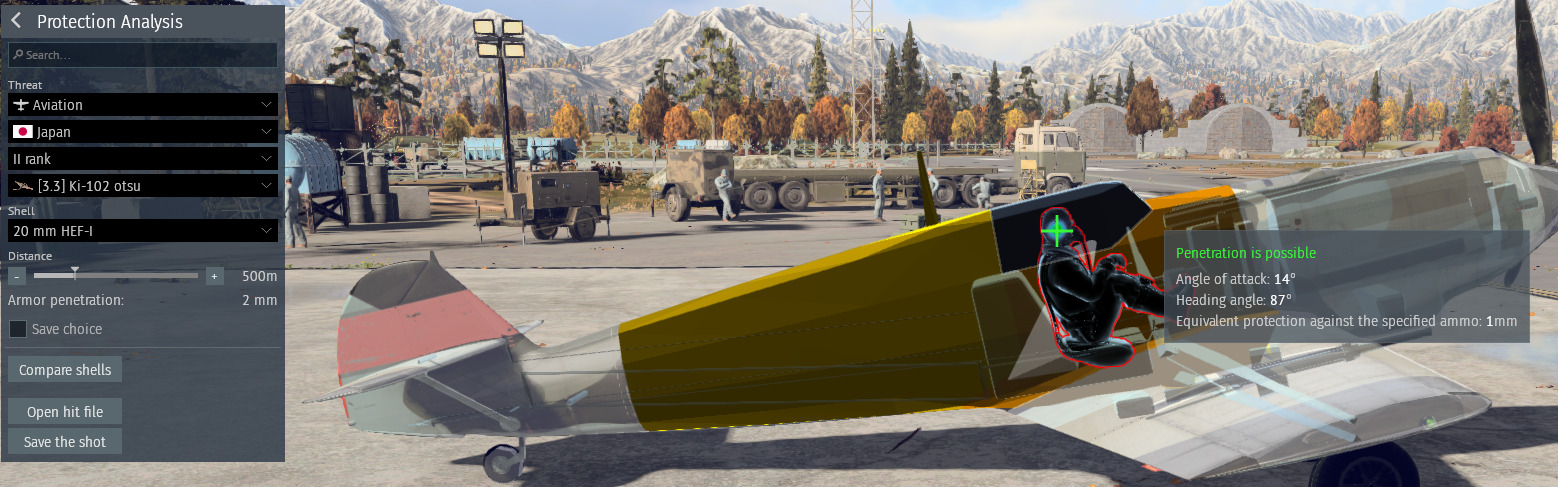
That’s not really the point here. This is mostly to poke fun at the whole “FI-T is the best shell type and no other even comes close” spiel.
For comparison here’s “the worst 20mm shell type”:
Which is why you bring a few AP.
Yes, but the other guy will still be alive.
Which is great at emptying your magazines in a very short amount of time and its speed dropoff is very annoying. Supposedly there was a bug reported nerf to it lowering to 700rpm, which would make them nicer to use.
It seems more likely that they just unified the damage between the tracer and non-tracer HEF shells so most players wouldn’t have to worry too much about which belt to bring. Non-tracer shell has much greater filler, on par with the Hispanos.
This is to be expected, it is a short and very lightweight cannon.
I dunno about you but I’m not losing any sleep over going from 516rpm to 490rpm.
On a graph maybe. In real use Type 99-2 is by far the winner, especially beyond like 400m.
which currently you don’t need to bring AP, because wings and tails are destroyed before you reach the armor even.
Either constantly losing altitude or basically a free kill because it can’t manouver in any serious way.
And that ends up punishing players that do look for the info by having said info be irrelevant.
I can tell, because you just dismiss 450rpm as simply a decent firerate.
I did say Type 99-2 sweeps both ho-5 and 99-1 in ballistics below the graphs.