According to who?
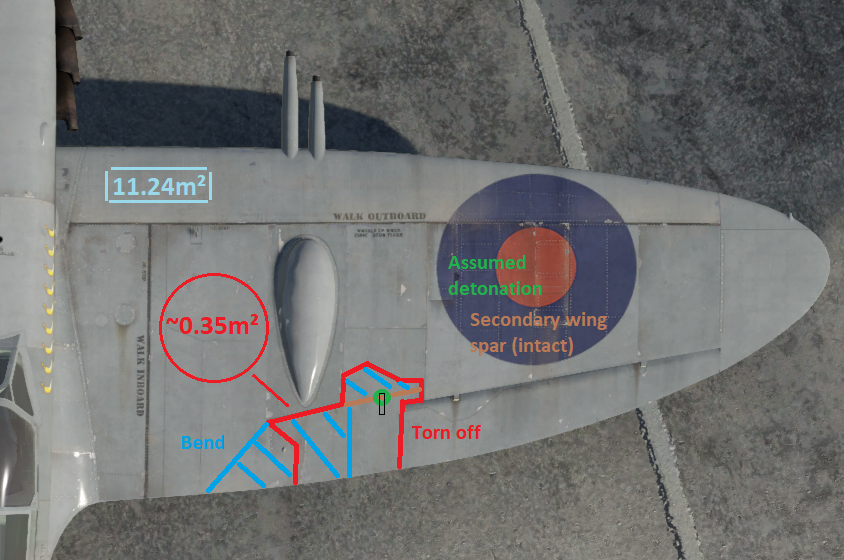
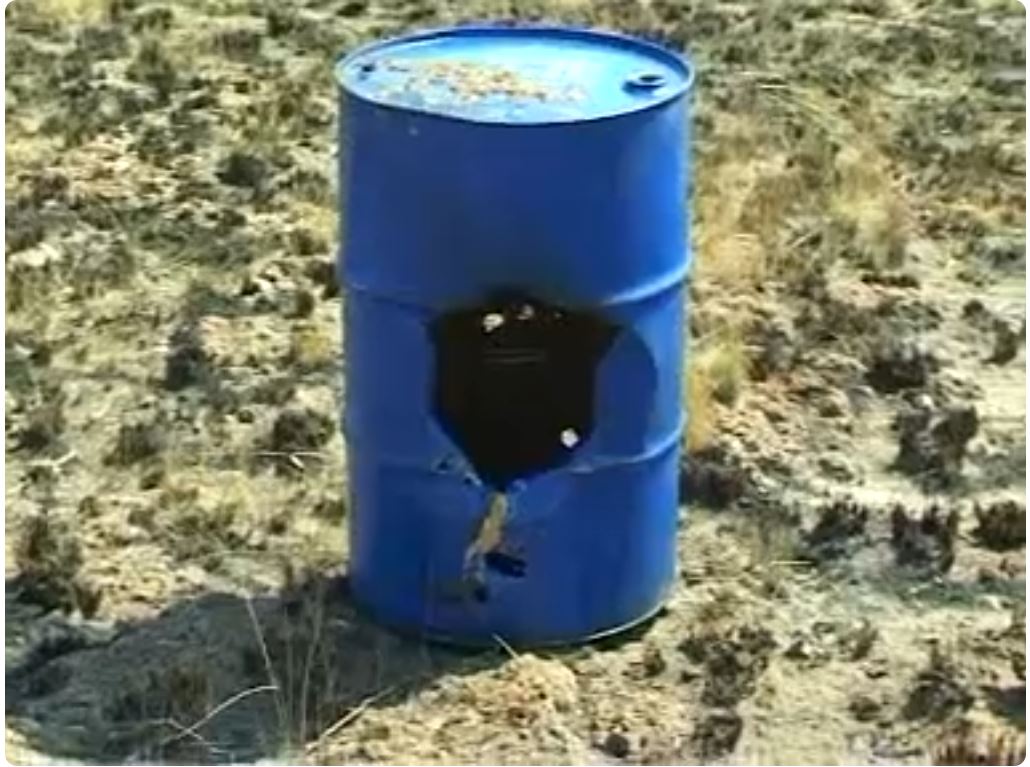
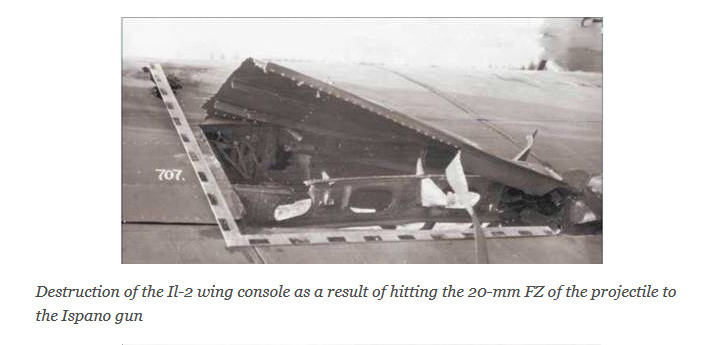
You know that a 20mm Mineshell blows up around 0.3 or more square meters of a wing area, and how a 20mm ShVAK does 0.025 in comparison. Thats 1/12.
A Hispano maybe 0.065. Still almost 1/5.
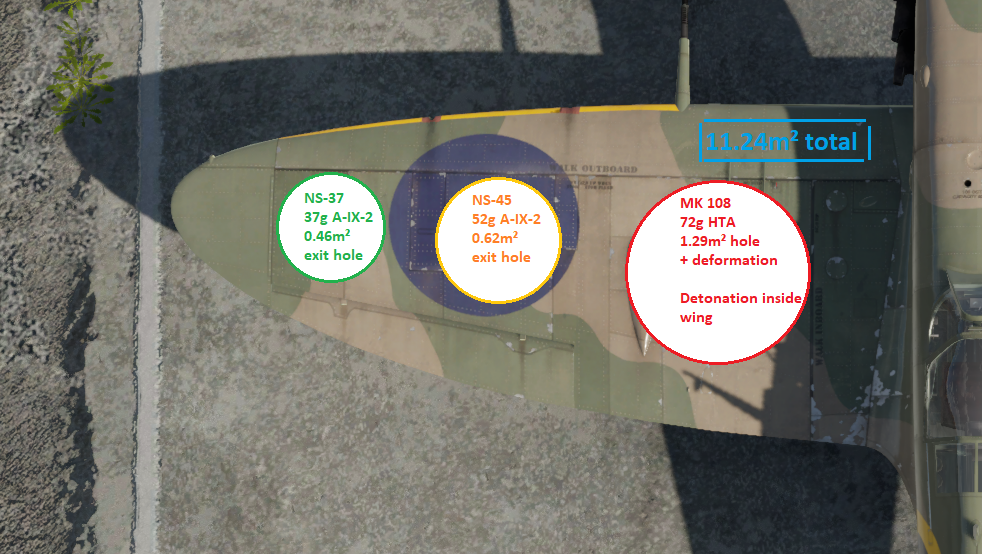
The Soviet 37mm does 0.46m^2 and thats the larger exit hole.
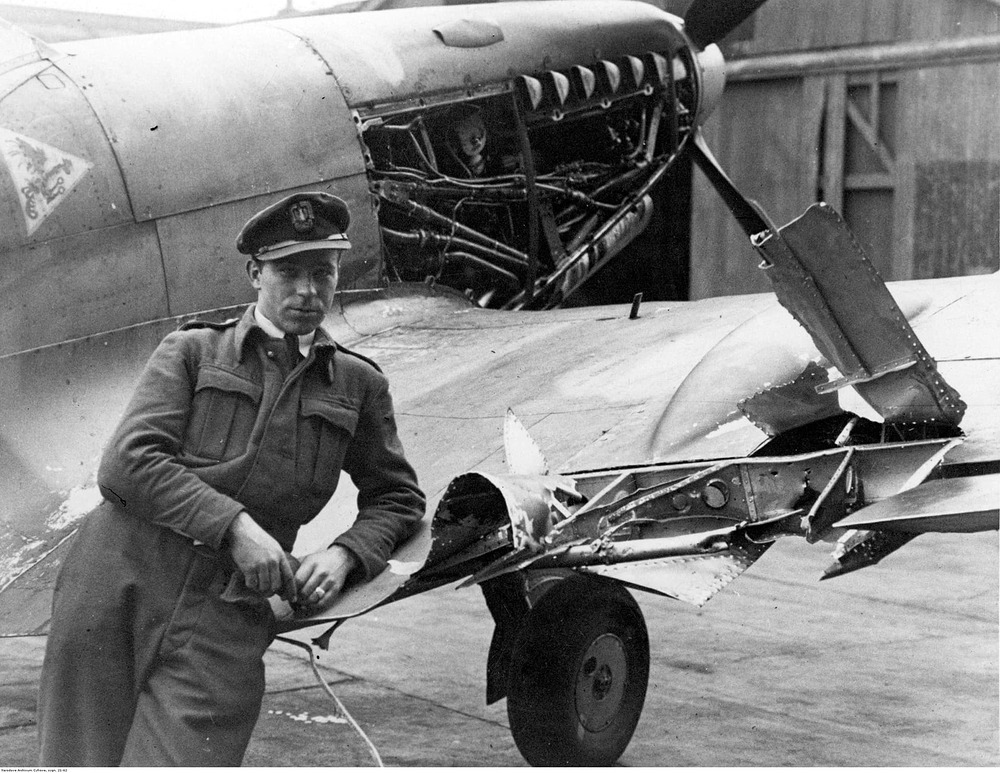
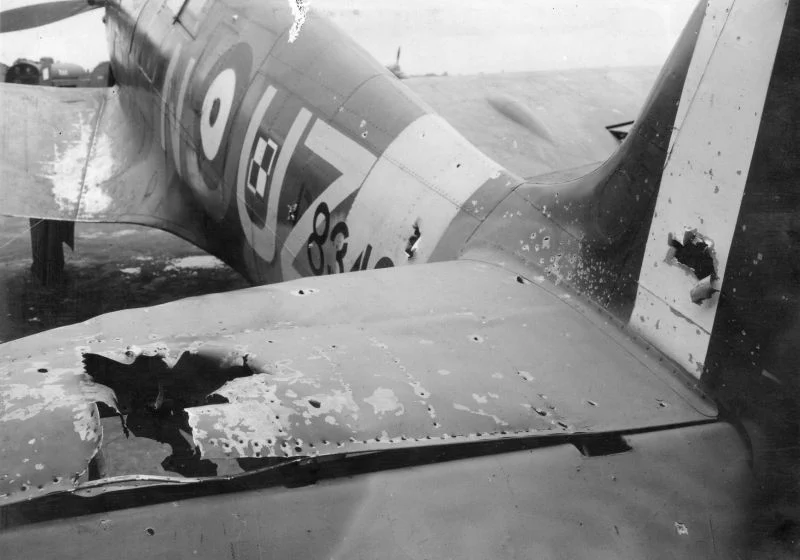
A Spitfire returned with a 20mm Mineshell hit.
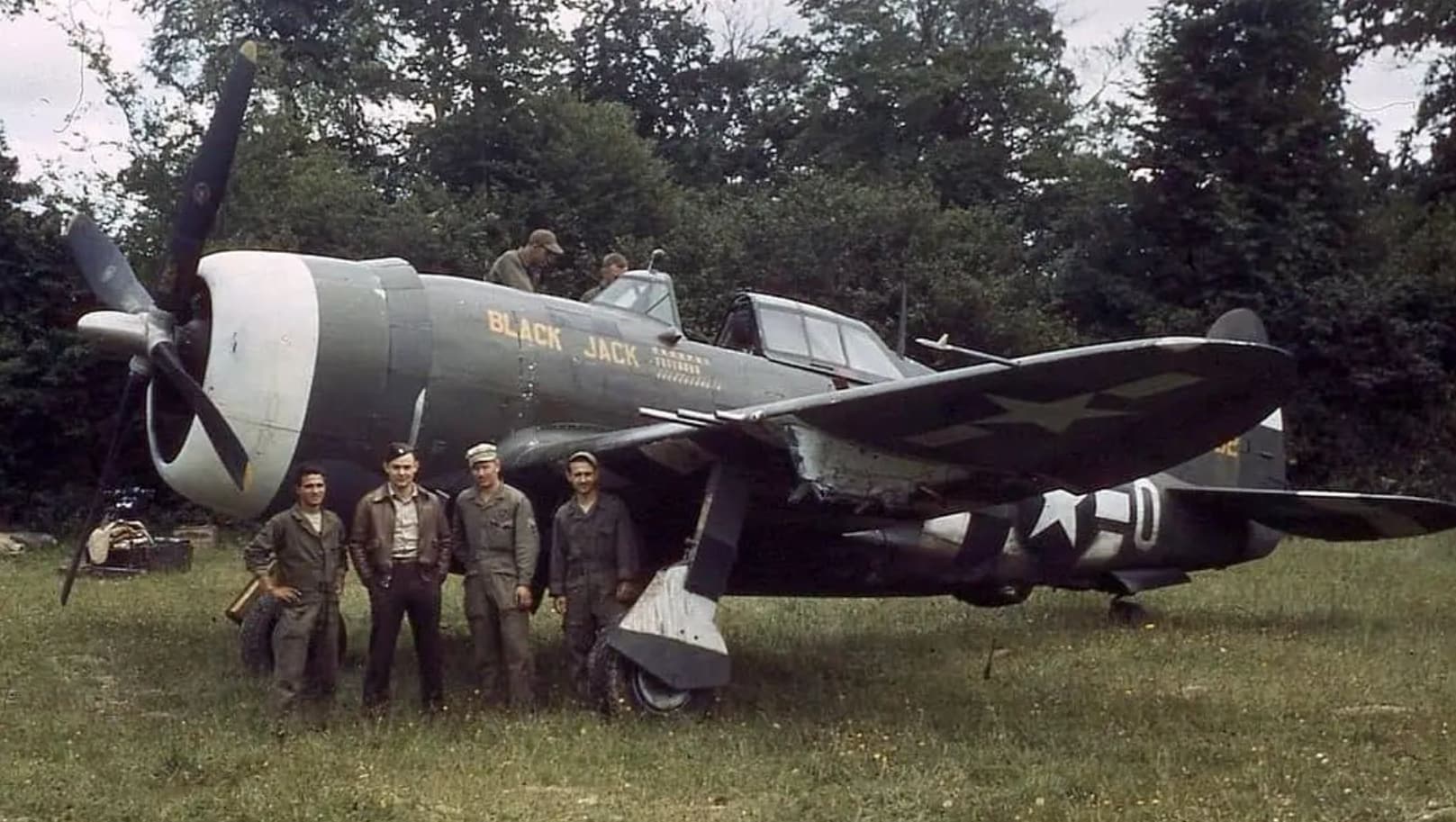
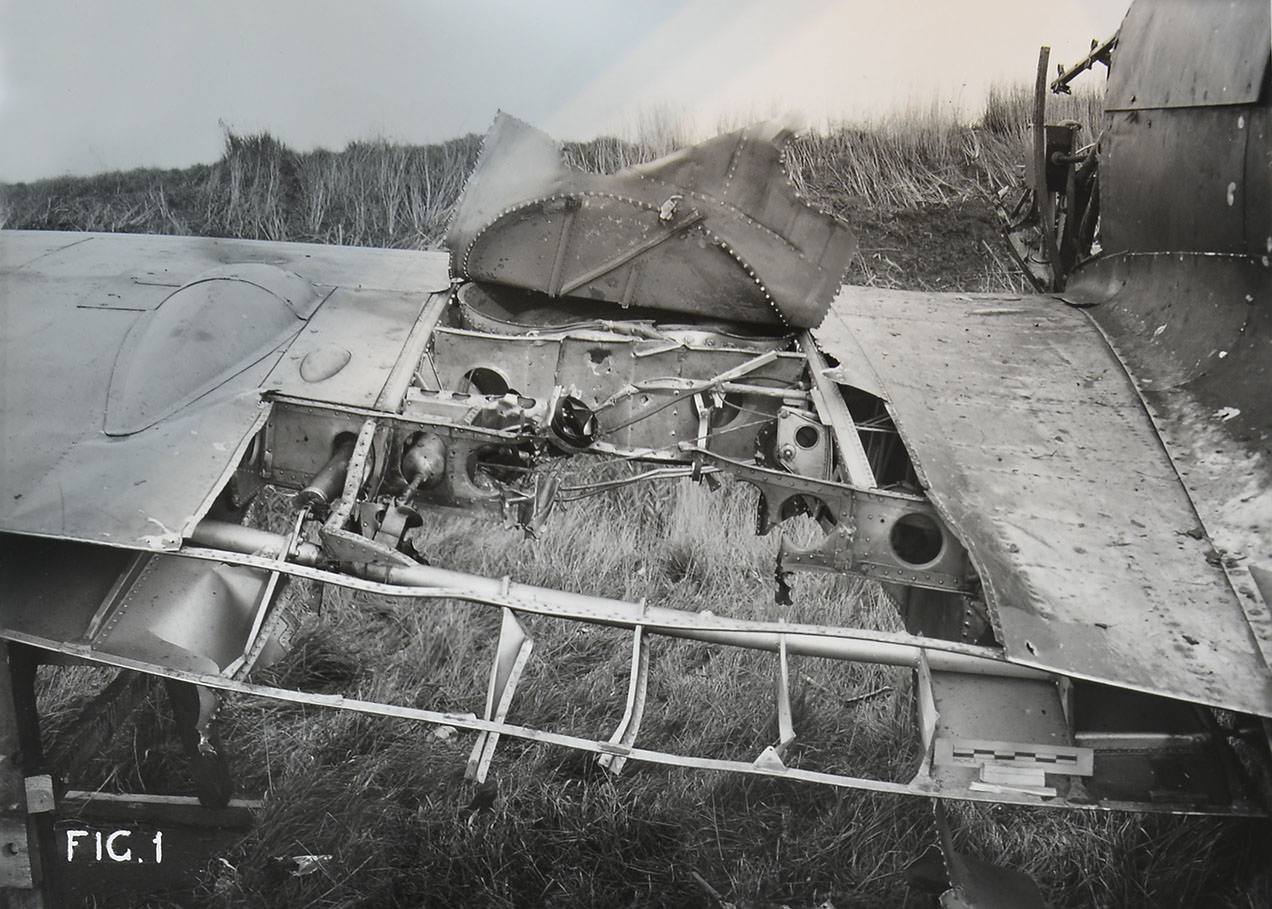
A P-47 had to crash land after taking a 30mm that destroyed 1.5m^2 of its wings and deformed an even larger area.
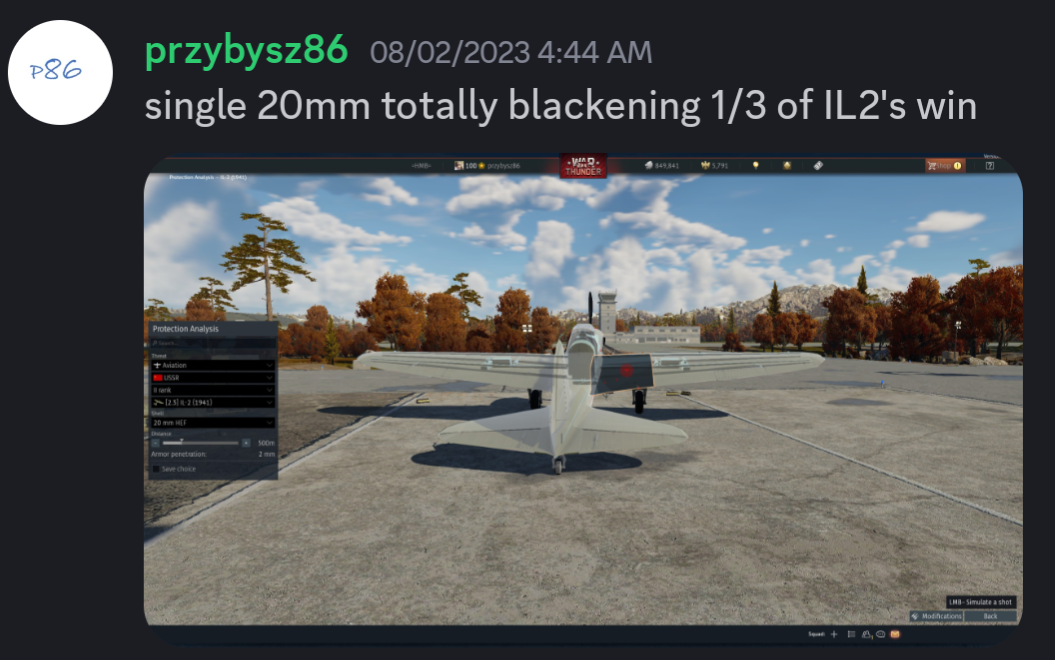
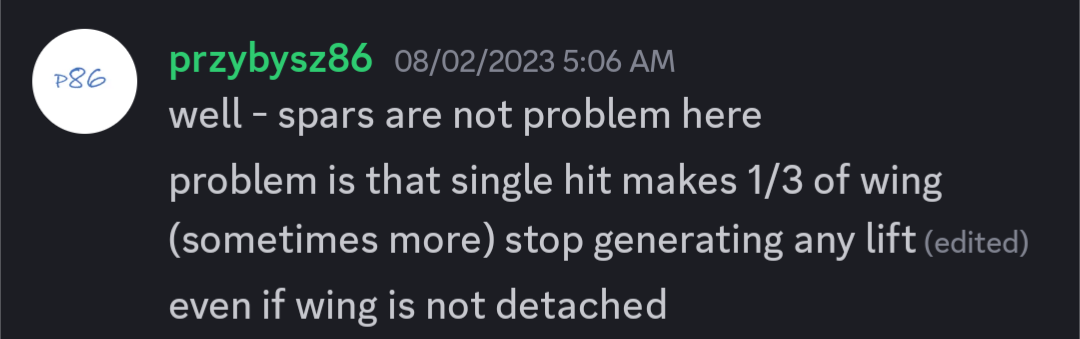
So no, I‘m sure that a P-47 won’t have trouble with 0.3m^2 of missing wing area in 5 different places and it probably won’t even feel 0.125.
Thats like destroying a tail control on Bf 109 with one 20mm and than expecting the same result on an IL-2 that has three or more times the control surfaces area.
We even have it black on white that a 30mm Mineshell kills a P-47 three times more likely due to structural damage than a 37mm.
So what do you expect from 20mm shells?
Their structural damage is insignificant against a dural airframe compared to the fragments and incendiary content that can damage fuel tanks, cooling system, the pilot and even the engine.
Like you need to hit very specific parts of the plane to cause damage to the controls that would cause a pilot to be unable to control the plane.
Five 20mm hits gives you a good chance to cause all sorts of damage, including a lethal fuel fire.
But you won’t rip the wing nor cause any major control issues.
If you want one hit wonders than take a 37mm or a German 30mm.
Otherwise you just need to hit specific parts and even those calibers aren’t guaranteed to cause lethal damage, depending where you hit and from which angle.
If all the fragments go into space, instead of internal components than even a 37mm isn’t going to destroy a plane immediately.
And Mineshells can overpen due to their fuze delay. Simply exploding on the other side of an airframe.