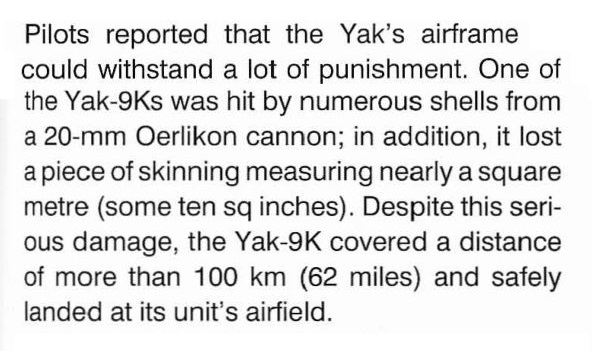
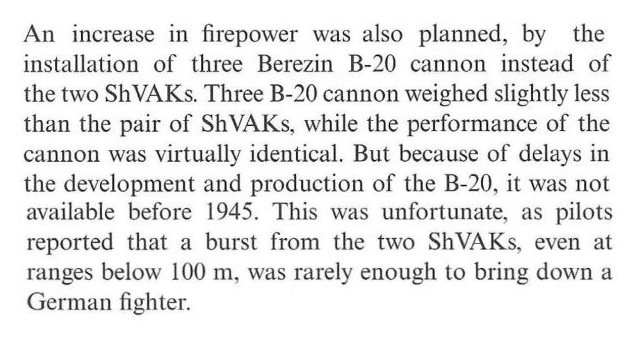
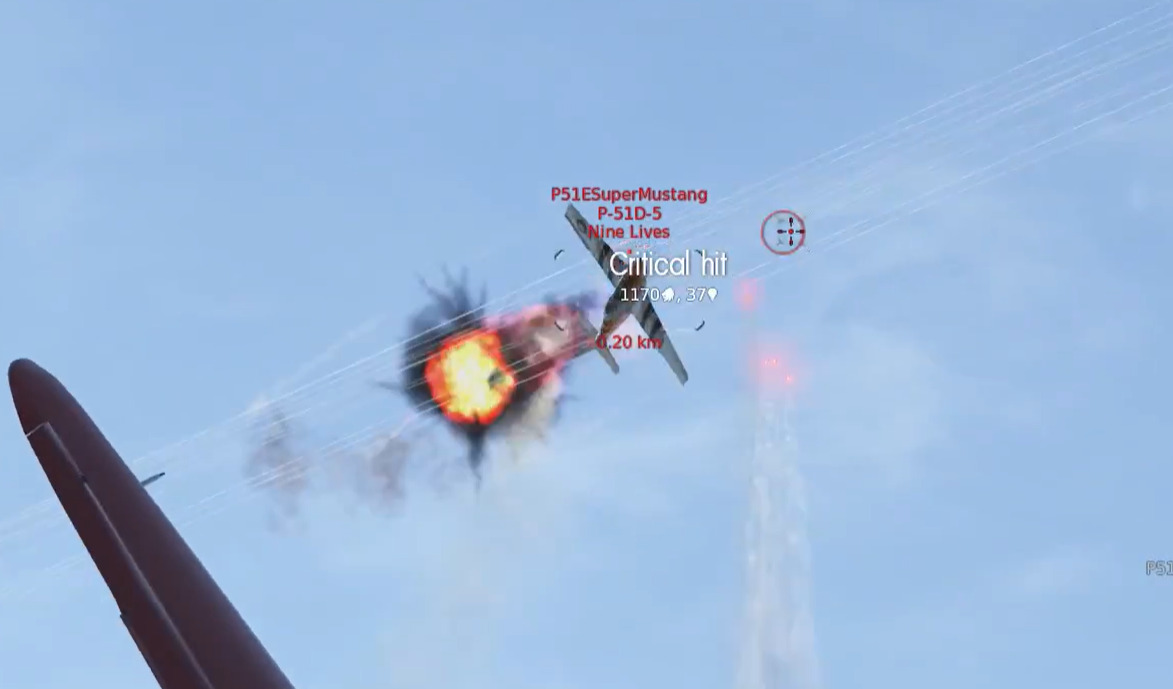
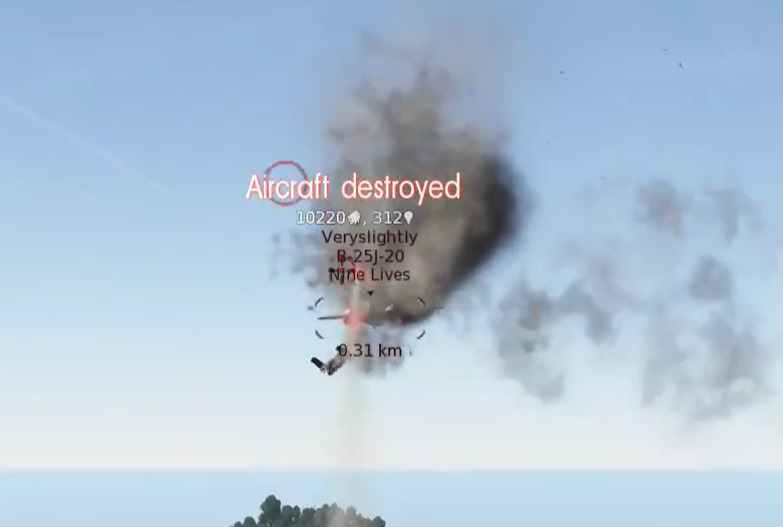
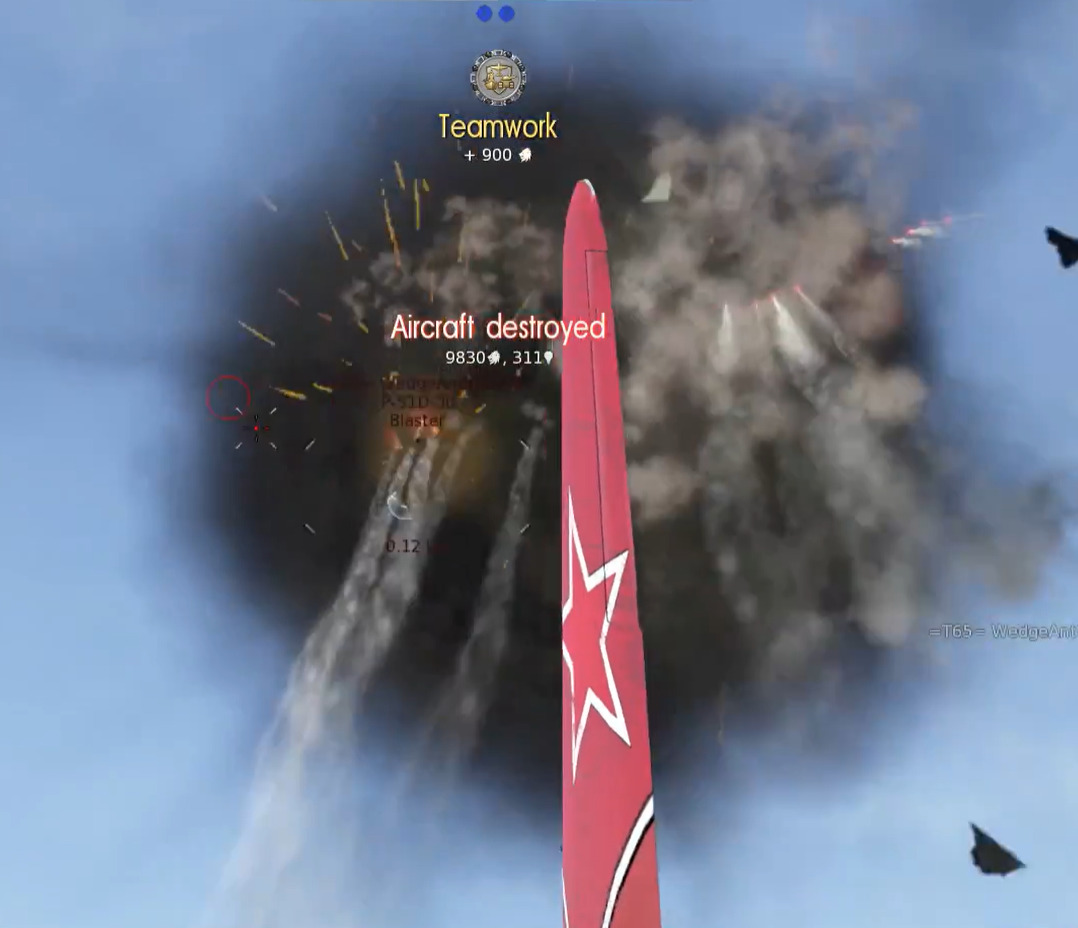
Sure, aircraft guns in War Thunder tend to be much more accurate than they were in real life, with far less dispersion. When that is combined with generally inflated gun damage, I think it becomes both a balance issue and a historical-accuracy issue.
A better approach I was thinking about years ago would be to introduce some kind of dynamic random-seed system, or more precisely, a dynamic terminal-effect probability model. My impression is that WT still follows the old IL-2 logic in some ways: whenever a round hits, the game generates a random value, and that value helps determine whether the round does “the magic” — pilot snipe, fire, structural failure, fuel tank detonation, control damage, and so on. The current RealShatter system also seems to rely on randomization for fragment generation and damage distribution.
The key point is that this randomization should not be completely static. It could be linked to the tactical situation, and to some extent it could work as a comeback mechanic for the disadvantaged player.
For example, if one player is already in a strong energy and positional advantage, such as boom-and-zooming from above, the random seed that controls the chance of catastrophic damage could be slightly less favorable. This would not mean that BnZ attacks become weak. A high-speed attack against a slower target still has its own physical advantages: higher relative impact velocity, greater effective projectile energy, better penetration potential, and often a cleaner firing geometry. However, the game would no longer make those attacks produce overly reliable instant kills every time a few rounds connect.
In contrast, if the disadvantaged player manages to force a close scissors, perform a defensive reversal, bait an overshoot, or land hits on a disengaging target, the terminal-effect probability could become more favorable. In those situations, the player has already earned a rare firing window from a weaker tactical position. Increasing the chance of a serious damage event would make reversals and counter-kills more dramatic, without simply giving free kills to the weaker player.
So I would not describe this as pure RNG manipulation. A better way to frame it is a context-sensitive damage-probability model. It would consider range, closure rate, deflection angle, burst duration, hit density, target maneuver state, impact angle, hit location, and the relative tactical situation. The goal is not to punish energy fighting, but to prevent positional advantage plus overly accurate guns from becoming too deterministic. Strong energy tactics would remain strong, but defensive reversals and desperate counter-shots would have a better chance to create memorable, cinematic outcomes.