I’m just reaching out to see if anybody can explain the armor penetration calculations for air to ground pounding.
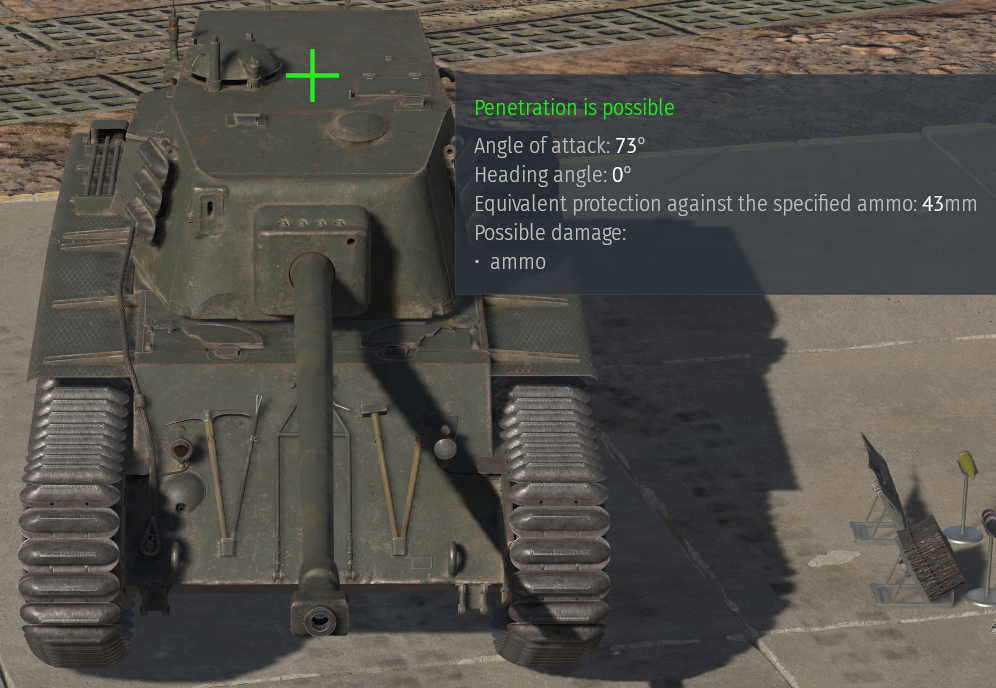
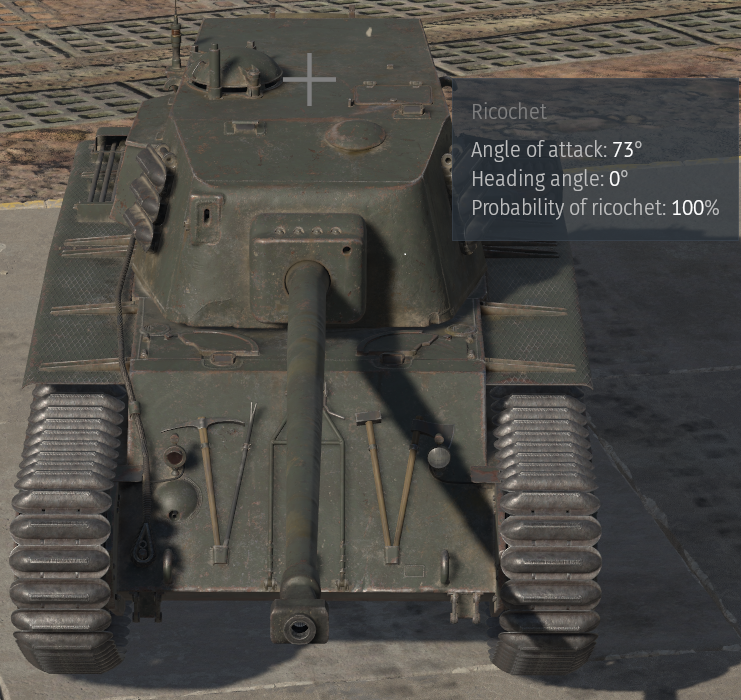
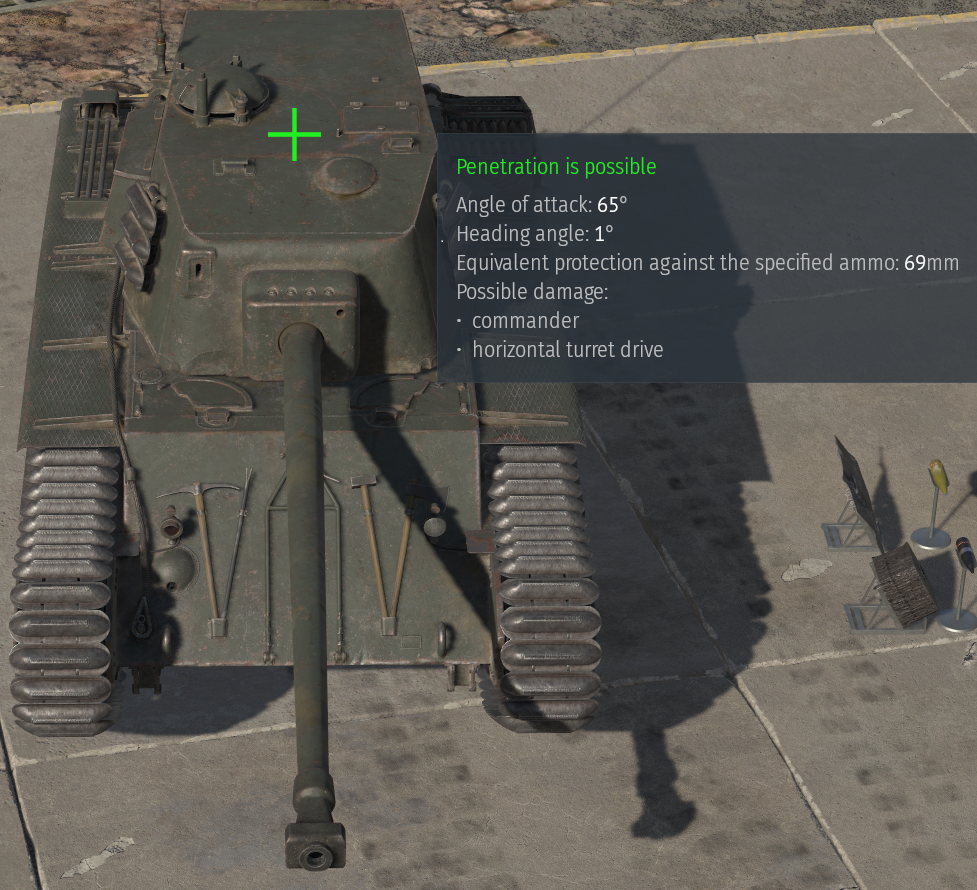
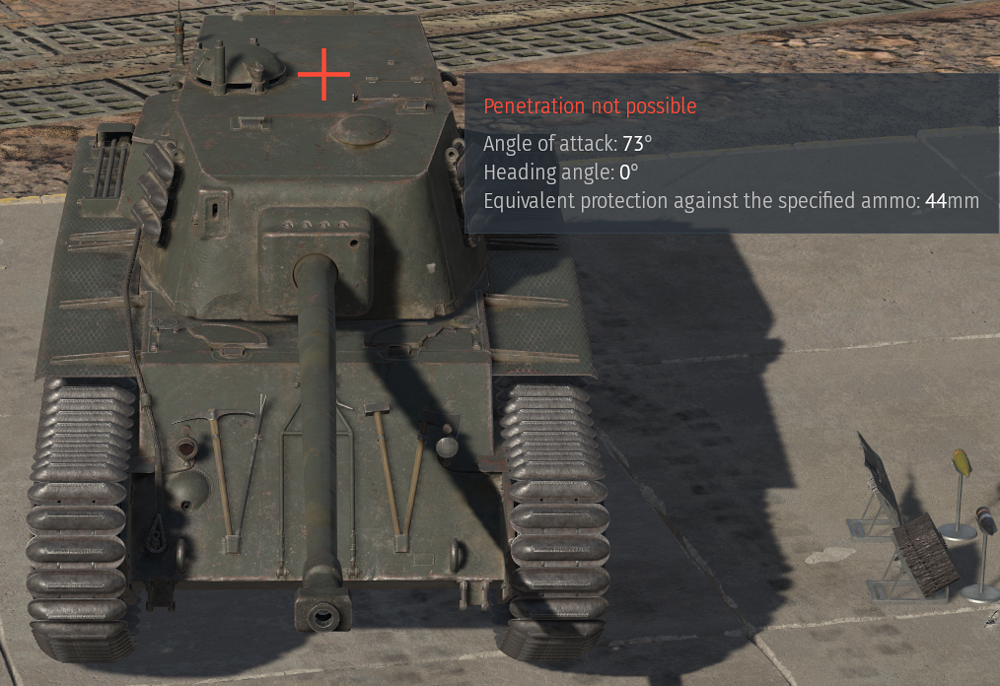
After watching my entire team get wrecked by Yak 9T/9Ks, I decided to check the replay and noticed the rounds were coming in EXTREMELY steep and still penetrating. I know that overmatch is a thing for ground shells but, at least from what I’ve been able to find, isn’t a thing for aircraft cannon rounds. So with this, I decided to compare it to other 37mm rounds available to aircraft. All shots are in the same plate of armor of 10mm.
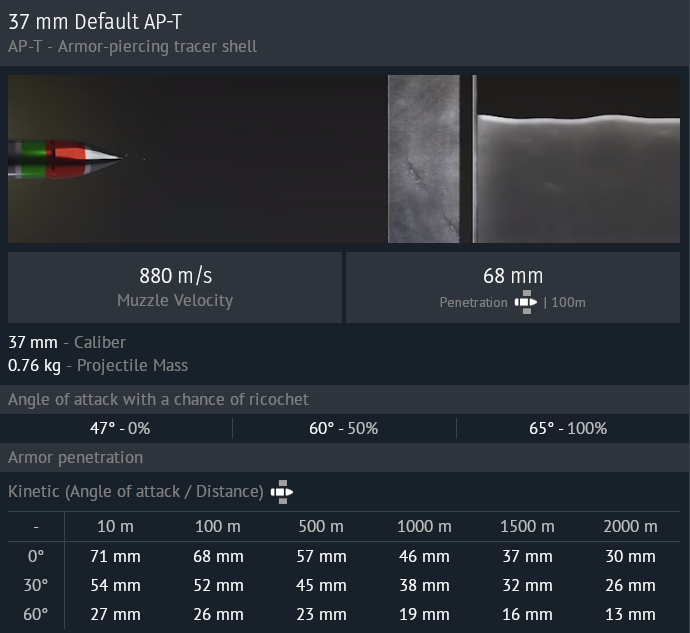
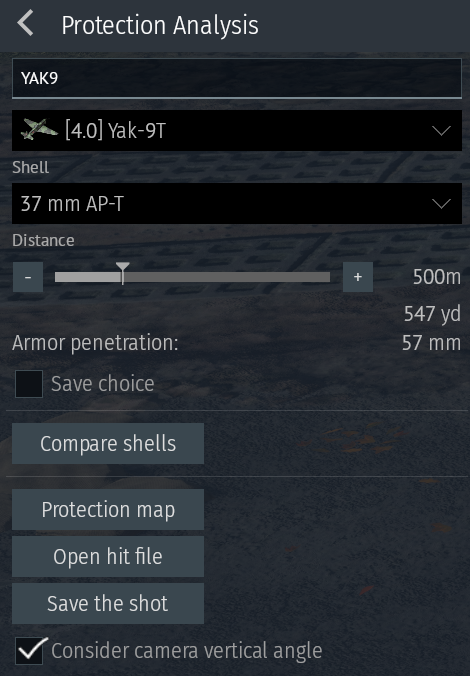
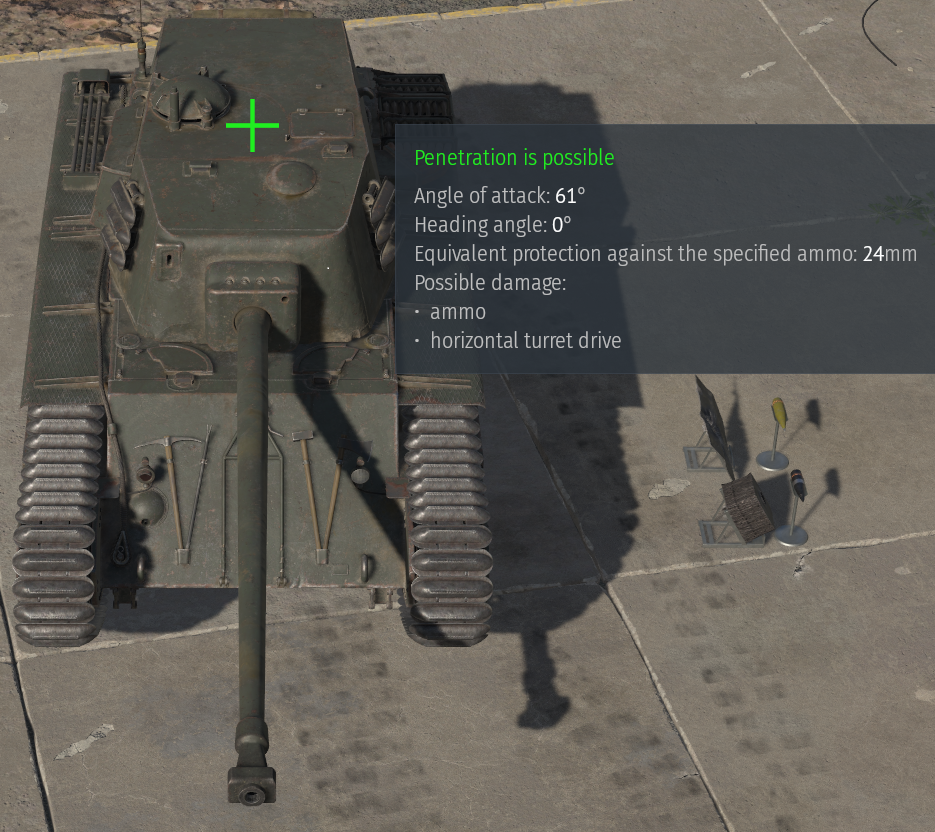
So first, the Yak 9T with the AP-T shell
.
.
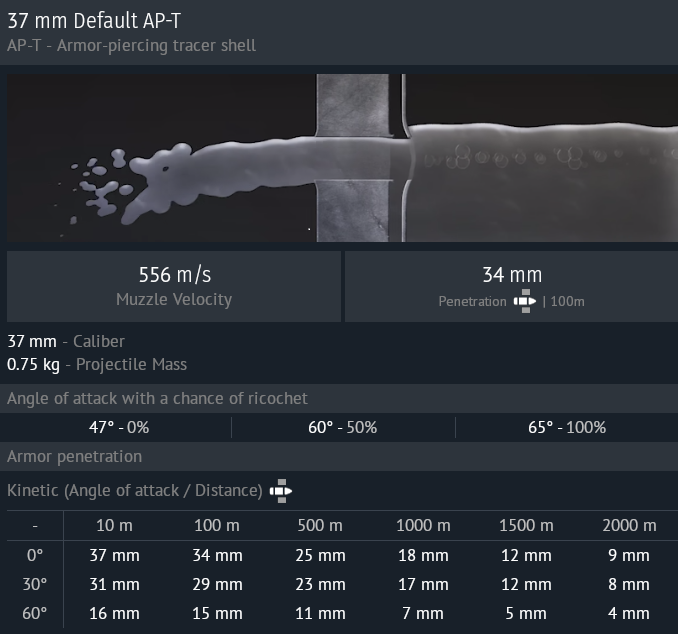
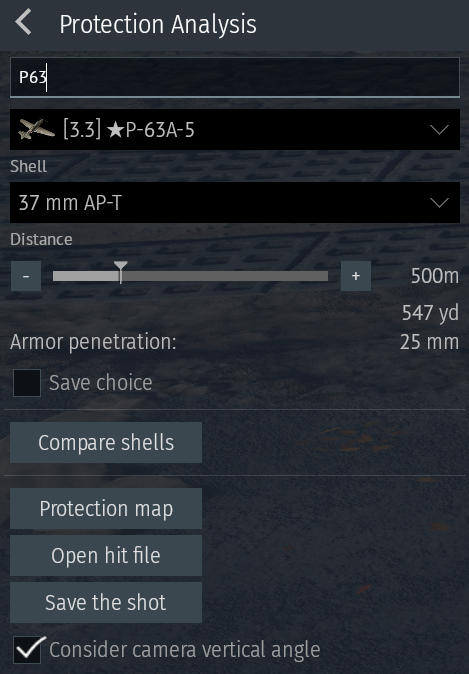
. Secondly, the P-63A-5 with the AP-T shell
Same angle and range as the Yak 9T AP-T
What it takes to penetrate at the same range
.
.
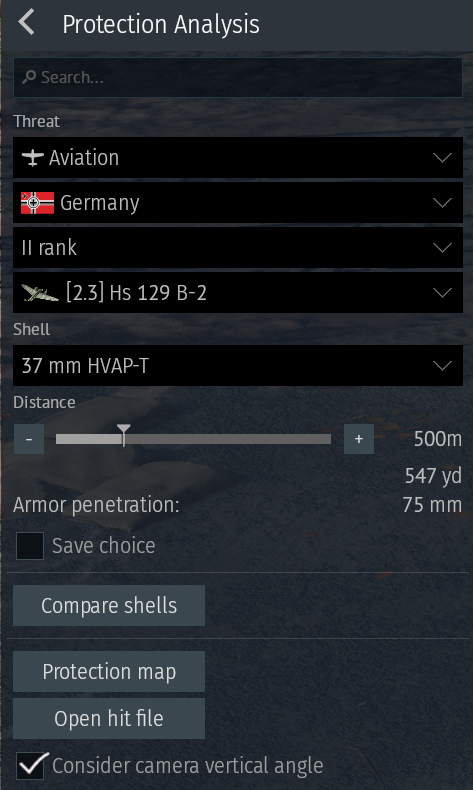
. Finally, the Hs-129 with 37mm HVAPT
Same angle and range as the Yak 9T AP-T
What it takes to penetrate at the same range
.
.
Thanks for the explanation (if anybody can). I did calculate this out and the raw material thickness at 73* is 34mm (as the game states when checking it).
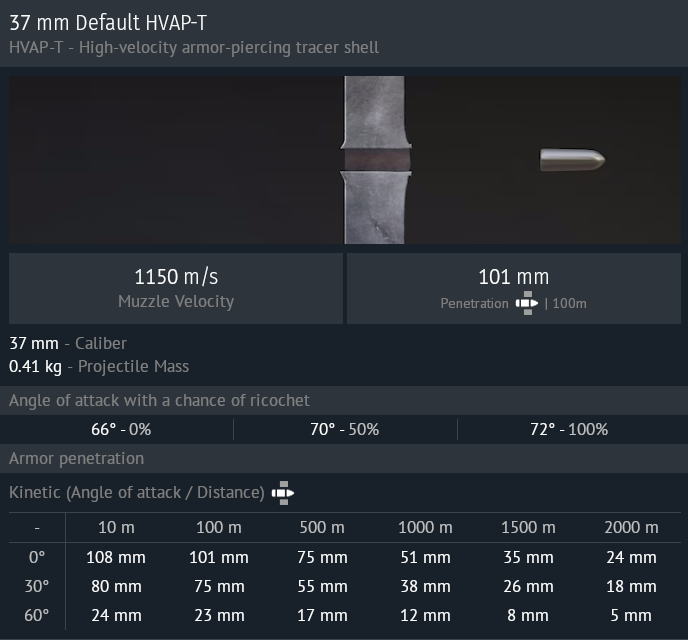
If we apply tank shell physics to this, the difference is its ability to penetrate angled armor plates. The difference between apcr, ap, apcbc for example. Ap is better at penetrating flat armor, but worse at angled armor. While an apbc apcbc are better at penetrating angled armor, and armor over distance.
Apcr is extremely bad at penetrating angled plates.
So, using above examples, the yaks use apbc if i remember correctly. It are literally tank shells. The german one has high pen, but is similar to apcr, bad angle pen.
The american 37mm has naturally low penetration, so it cant be used against alot. Maybe from a steep angle and at closer ranges. 37mm of pen is alot less to work with than 71mm. Roofs are usually around ~20mm.
The amount of damage is influenced by its ability to penetrate, size of shell, and post pen inertia. If a shell with 60mm pen goes through 55mm of armor, it loses alot of inertia. Spalling is less lethal.
The apcr doesnt have the same overmatch as full caliber ap, as the core have a lower diameters, also the slope modifiers are much worse but that is another issue… the american 37 simply doesnt have enough pen as the overmarch is actually happening as if you notice it, it doesnt show that it is a ricochet rather than the penetration is not possible.
The overmatch stops rounds from ricochets it isnt an automatic penetration, they always need to have enough penetration, at 73° without overmatch both ap would ricochet.
That’s why I’m confused, because I understood overmatch prevents ricochet (at least that’s how the wiki describes it). However, shouldn’t neither the Yak 9T nor the P63 round go through (it’s just far more egregious on the Yak 9T, which is what caught my attention) as neither have the stats to penetrate at said angle?
I realized with my tired state, I said backward to what I meant in the other comments. Forgive me as I delete those. It’s like 0200 and haven’t been able to fall asleep.
The yak does have enough penetration, as it is shown in the analysis the equivalent protection for both rounds is 44-43mm(this is already normalized with the slope modifiers to 0°), the yak pens at 500m 53mm which is more
So why does it completely negate the angled armor value from the stat card? Just curious as I don’t see anything stated about that anywhere for game mechanics.
It doesnt, the armour at that angle is equivalent to 43mm, the armour itself is much thinner, iirc on the arl is like 10 or 15mm, if you take the russian 37 and up the range to 1500m it wont pen it
The 0* in the analysis is about the angle of attack on the vehicle. It means little really.
But why is it the 0* armor penetration value? The rounds are only 3.7x the thickness of the armor, so they shouldn’t be completely negating ALL angle (or at least according to the wiki. It states that requires 7x the diameter compared to armor thickness for that).
I think that youre not understanding, this 44mm value is corrected for the slope using the specific modifier of the round, it is the same for all round in game, it is literally stated on the analysis.
the only thing that the overmatch does is stops the round from ricochets, they dont negate the armour protection at the angle, which it does as shown on the screenshot both rounds are overmatching the armour not just the russian 37mm.
Also take the old wiki with a grain of salt, not all modifiers are applied for every round in game nor they always use the same values
If it doesn’t negate the armor protection, shouldn’t the round have less penetrating power IAW the stat card value? That’s my question as I don’t quite get why it’s using the 0* penetration value as the cutoff from can’t penetrate to it does versus the penetration value for the angle of attack (with said 3.7x modifier for overmatch). Realistically, the round wouldn’t be hitting tip-on, in this case, so wouldn’t the shell deform, therefore reducing penetration capability (it’s trying to go through like an inch and a half of steel at this angle).
Fair, but it’s the only thing to go off of as I can’t find any updates with a change to the overmatch mechanic. This is mainly based upon that and I do wish they had an update on it and the equations.
The stat card gives nominal thickness, the analysis shows equivalent thickness against an specific round. a 23mm plate at 60° whould be shown as providing 57mm of equivalent protection against this round, but the plate is still 23mm not 57, you can also see how the penetration is also reduced with the angle as the 23mm plate at 60° have a LOS thickness of 46mm.