- Yes
- No
Hello everyone, and welcome to this new suggestion.
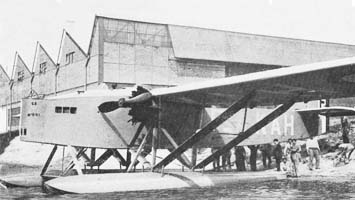
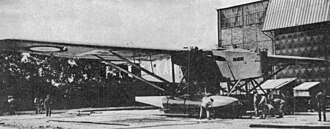
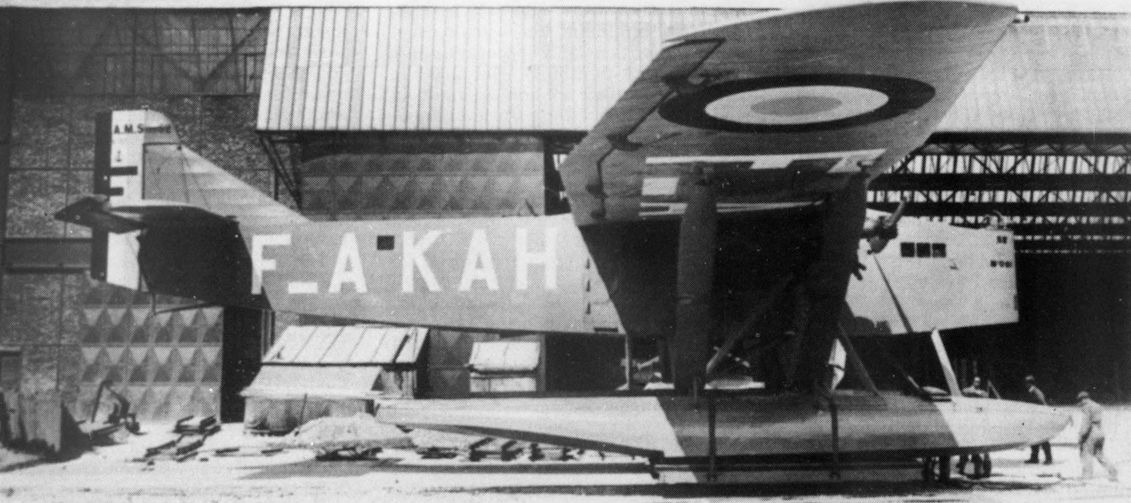
Today, I am presenting a French Navy seaplane from the interwar period: the CAMS 52.
During the late 1920s, the French Navy began searching for a new generation of long-range reconnaissance and torpedo seaplanes capable of replacing its aging fleet of biplane floatplanes. Naval aviation was evolving rapidly, and manufacturers were encouraged to explore more modern monoplane configurations capable of carrying heavier payloads while offering improved aerodynamic performance. In response to these requirements, the Chantiers Aéro-Maritimes de la Seine (CAMS) tasked engineer Maurice Hurel with designing an entirely new twin-engine floatplane, which became known as the CAMS 52.
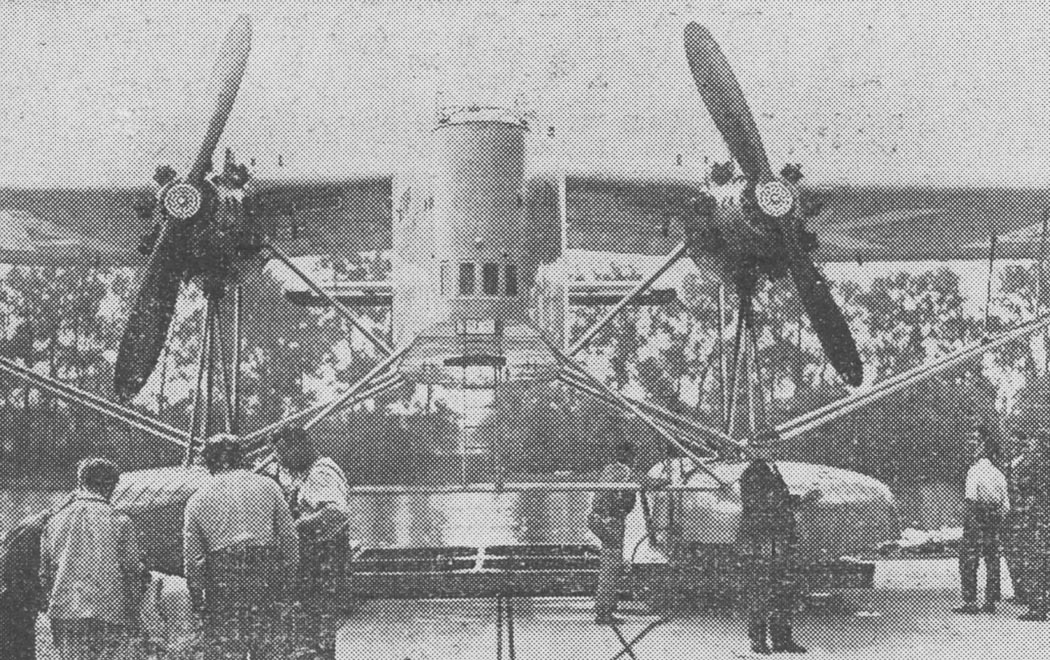
Unlike the majority of military seaplanes of its era, the CAMS 52 adopted a modern cantilever monoplane wing instead of the traditional biplane configuration. The aircraft was built around a mixed construction of steel tubing, wood, and fabric covering, while its large high-aspect-ratio wing. The aircraft was powered by two Gnome-Rhône Jupiter radial engines mounted close to the wing roots. Resting on two large floats connected by a robust system of struts, the CAMS 52 was designed to perform long maritime patrols while carrying a considerable offensive load. Its planned armament consisted of several defensive machine-gun positions providing protection in nearly every direction, while its internal structure allowed it to carry bombs or aerial torpedoes, making it suitable for both reconnaissance and anti-shipping missions.
The prototype was completed in 1930 and performed its maiden flight from the CAMS facilities at Sartrouville in June of that year. Flight testing demonstrated that the aircraft possessed good stability, satisfactory handling characteristics, and confirmed the aerodynamic advantages of its modern wing design. Contemporary technical reports highlighted the aircraft’s clean aerodynamic lines and its ability to carry a payload significantly greater than many competing floatplanes of the period. The CAMS 52 represented one of the most advanced French naval aircraft under development.
Despite these encouraging results, the French Navy ultimately chose not to pursue the project. Operational requirements evolved rapidly during the early 1930s, while several competing designs better matched the Navy’s expectations. As a result, the CAMS 52 never progressed beyond the prototype stage, and no production order was placed. Although its operational career ended before it truly began, the aircraft provided valuable experience in the development of large monoplane floatplanes and validated many of Maurice Hurel’s aerodynamic concepts, several of which would continue to influence French aircraft design in the years that followed.
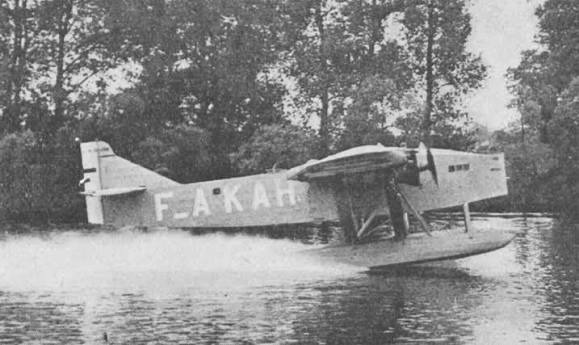
Characteristics
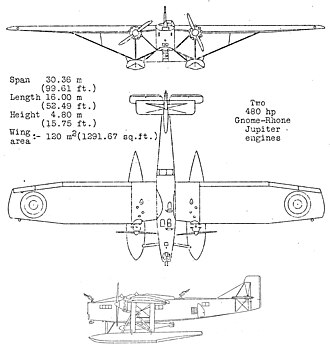
Length : 16.00 m
Width : 30.36 m
Height : 4.80 m
Mass :
-
Empty : 4750 kg
-
Max : 7220 kg
The aircraft is powered by two 480 hp Gnome-Rhône Jupiter engines, enabling it to reach a top speed of 200 km/h at low altitude and a maximum altitude of 5,000 meters. It has a range of 1,400 km.
The aircraft features a comprehensive crew complement: a pilot and co-pilot, two gunners, a torpedo operator, and a radio operator, making for a total crew of six.
The aircraft’s internal design is interesting; notably, it incorporates firewalls between the cooling system and the engines, as well as an automatic fire-extinguishing system, a rarity for an aircraft of that era.
Weapons
As noted in the historical section, this aircraft stands out due to its impressive armament for this era.
Defensive armament:
- 1 x twin 7.7 mm Lewis machine gun (forward-facing)
- 1 x single 7.5 mm Darne machine gun (rear-facing)
Offensive armament:
- 2 x 400 kg Mle 1926 DA torpedoes (under-wing)
- 1,640 kg of bombs in the bomb bay (stowed vertically)
In-game, this aircraft would be a fantastic addition to the French tree, providing a low-BR seaplane with an impressive bomb and torpedo payload capable of engaging all types of targets, thereby making for a compelling addition to the French lineup.