- Yes
- No
Hello everyone, and welcome to this new suggestion.
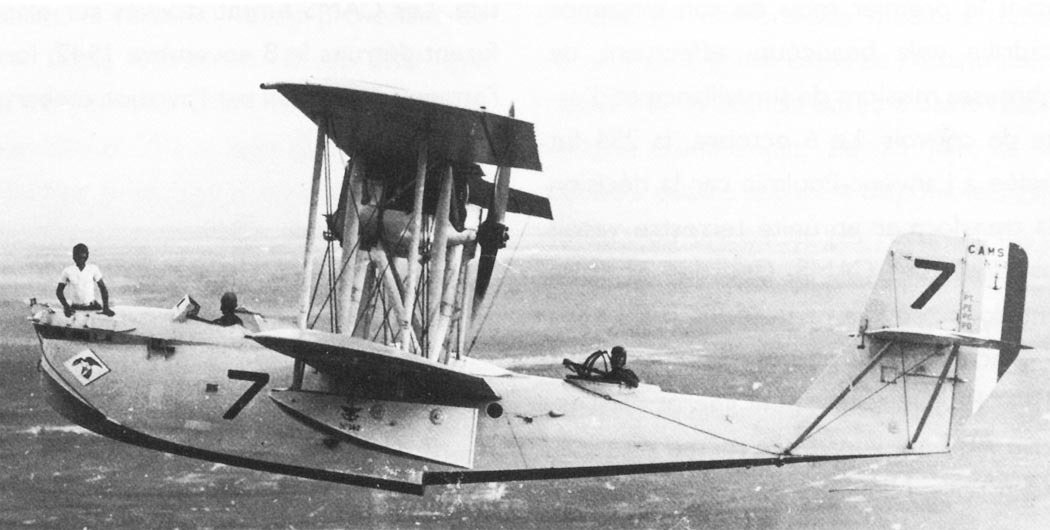
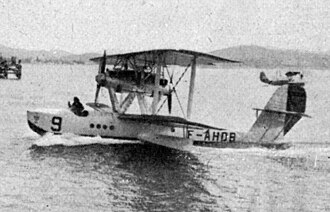
Today, I am presenting a new French Navy seaplane: the CAMS 37A.
During the early 1920s, the French Navy sought a new reconnaissance seaplane capable of operating both from coastal naval air stations and from the growing number of warships equipped to carry aircraft. The new aircraft was expected to perform a wide range of missions, including artillery spotting, maritime reconnaissance, coastal patrol, liaison duties, and light bombing. In response to this requirement, the Chantiers Aéro-Maritimes de la Seine (CAMS) developed the CAMS 37, the first aircraft designed by Maurice Hurel after he became the company’s chief engineer in 1924. The amphibious production version, designated CAMS 37A, would become one of the most successful French naval aircraft of the interwar period.
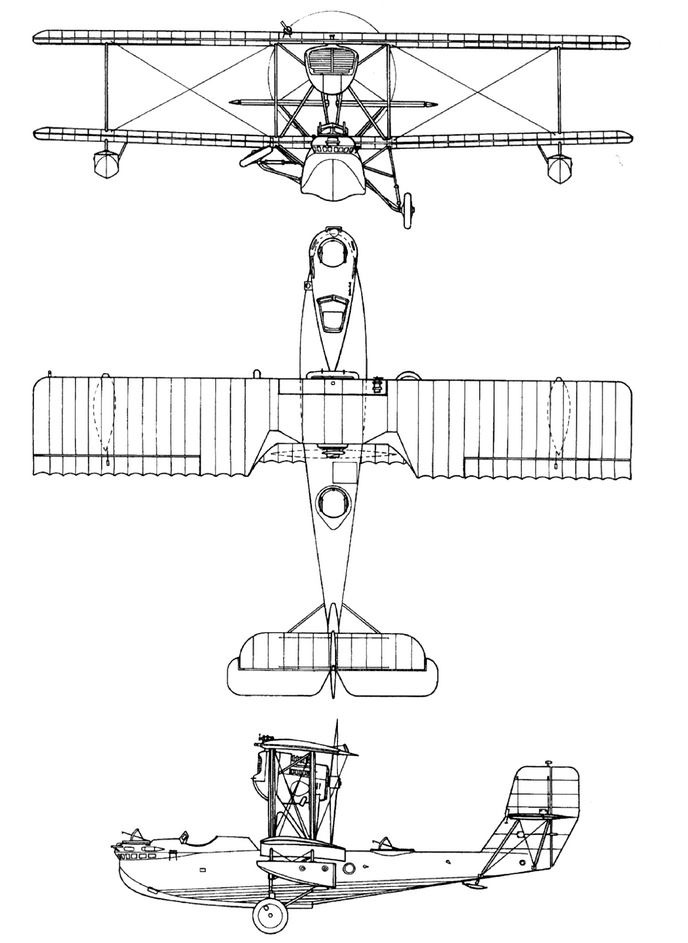
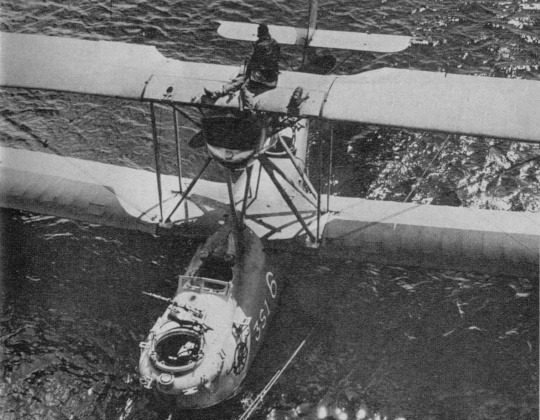
The CAMS 37A retained the conventional biplane flying-boat layout of its predecessor but introduced several significant improvements. Unlike the original prototype, the aircraft was fitted with a retractable landing gear, allowing it to operate both from water and conventional airfields. The hull was lengthened to accommodate an observer in the bow, who could also operate a flexible Lewis machine gun to improve the aircraft’s defensive capabilities. Powered by a 450-horsepower Lorraine-Dietrich V-12 engine driving a pusher propeller mounted between the wings, the aircraft could carry up to 300 kilograms of bombs beneath the lower wing while two Lewis machine guns provided defensive firepower. Folding wings also allowed the aircraft to be more easily stored aboard warships and hangars.
Entering production in 1928, the CAMS 37A quickly became one of the standard aircraft of the Aéronautique Navale. A total of 185 examples of the amphibious version were built, while the entire CAMS 37 family exceeded 360 aircraft. Throughout the 1930s, the aircraft operated from virtually every major French naval air station and served aboard numerous warships, including the aircraft carrier Béarn, the seaplane carrier Commandant Teste and several heavy cruisers. Rather than being launched by catapult, the aircraft was generally lowered onto the water by crane before takeoff and recovered in the same manner after landing. Its versatility also led to its adoption by the French Air Force in Indochina, while Portugal acquired several examples for its own naval aviation.
Beyond its military service, the CAMS 37 family also proved remarkably adaptable. Specially modified aircraft were employed in long-distance flights and postal experiments, including catapult launches from the French ocean liner Île-de-France, allowing mail to be delivered almost a full day before the ship reached port. Other variants served as liaison aircraft, VIP transports, and advanced trainers, demonstrating the flexibility of Maurice Hurel’s original design. Although newer aircraft gradually replaced the CAMS 37A in frontline service during the second half of the 1930s, many examples remained in use for training, communication, and coastal patrol duties after the outbreak of the Second World War. Some continued serving with Free French and Vichy forces overseas until 1942.
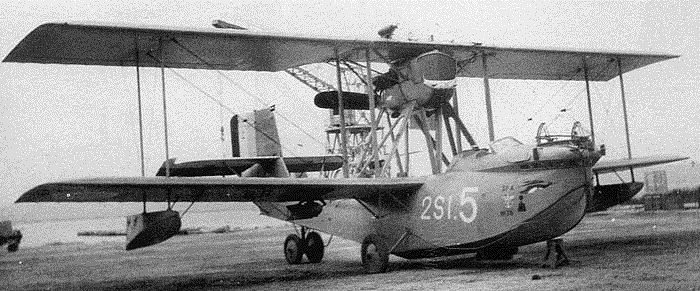
Characteristics
**Length :**11.43 m
Width : 14.50 m
Height : 4.04 m
Mass :
- Empty : 1950 kg
- Max : 2850 kg
The aircraft is powered by a 450 hp Lorraine 12 ED engine in a pusher configuration (propeller facing rearward). This engine enables it to reach a top speed of 185 km/h and a maximum altitude of 4,500 m. It has a range of 1,200 km.
The crew consists of three people: a pilot and two observers who also serve as gunners when the aircraft is threatened.
Weapons
As the aircraft is relatively light, its armament is equally modest, consisting of the following:
Defensive armament:
- 1 x 7.7mm Lewis machine gun (for the forward observer)
- 1 x 7.7mm Lewis machine gun (for the rear observer)
Offensive armament:
- 300 kg of bombs distributed under the wings (one hardpoint under each wing)
In-game, this aircraft would be an interesting addition to the French tree, bringing a low-BR seaplane, a type of aircraft the French tree currently lacks, thereby rounding it out nicely.