- Yes
- No
Hello and welcome to this new suggestion.
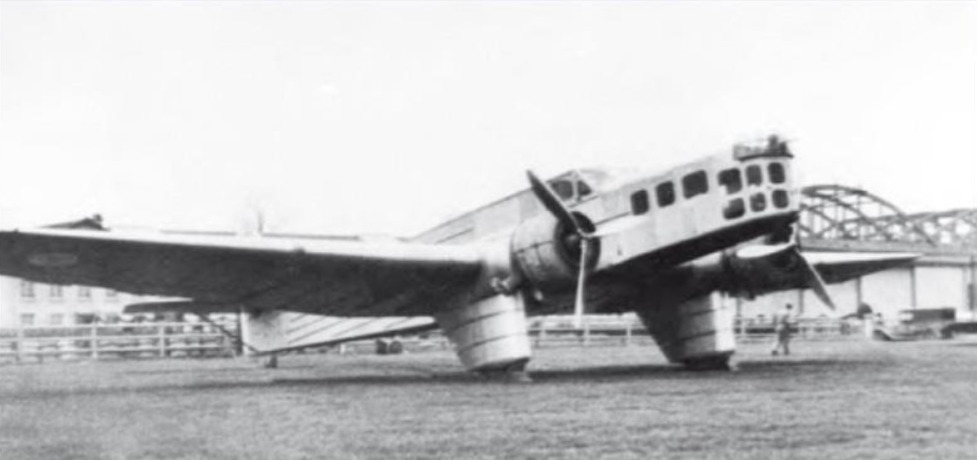
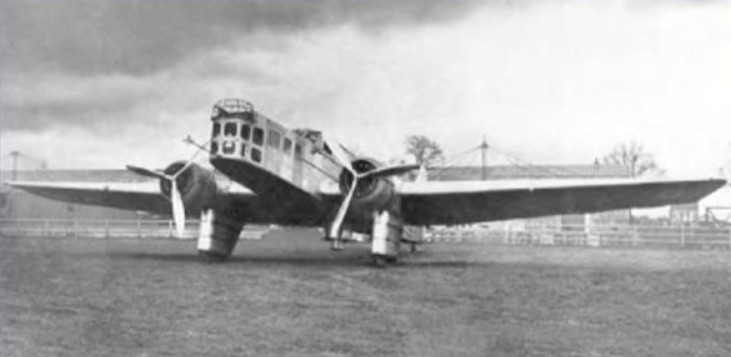
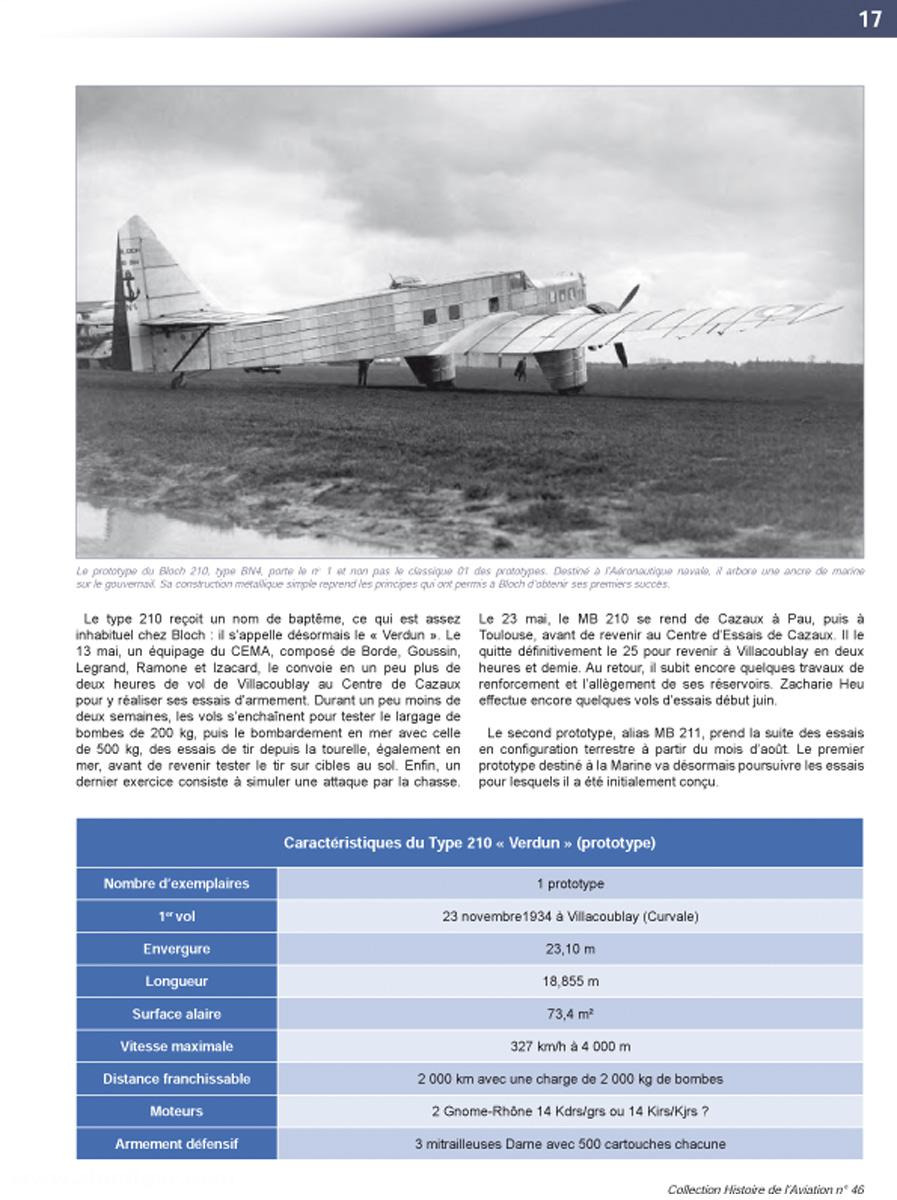
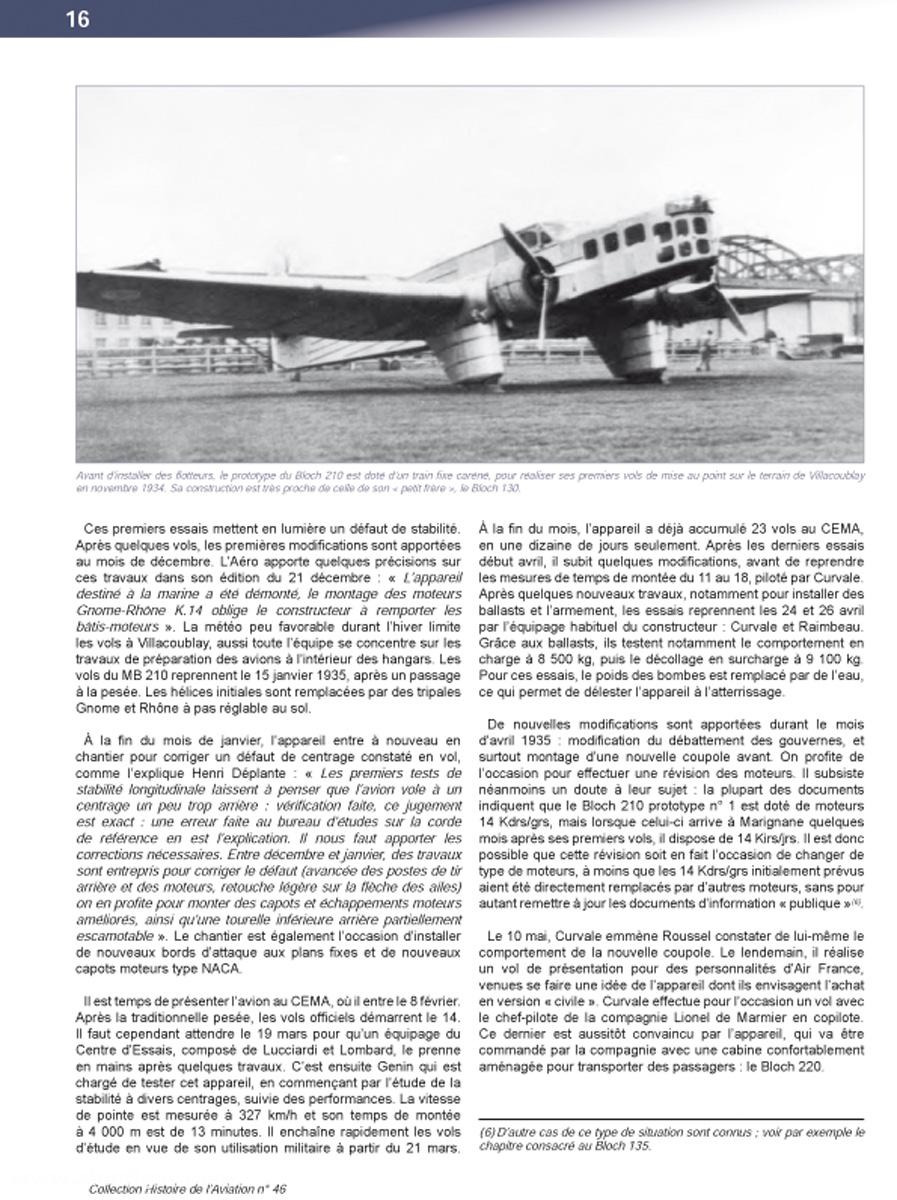
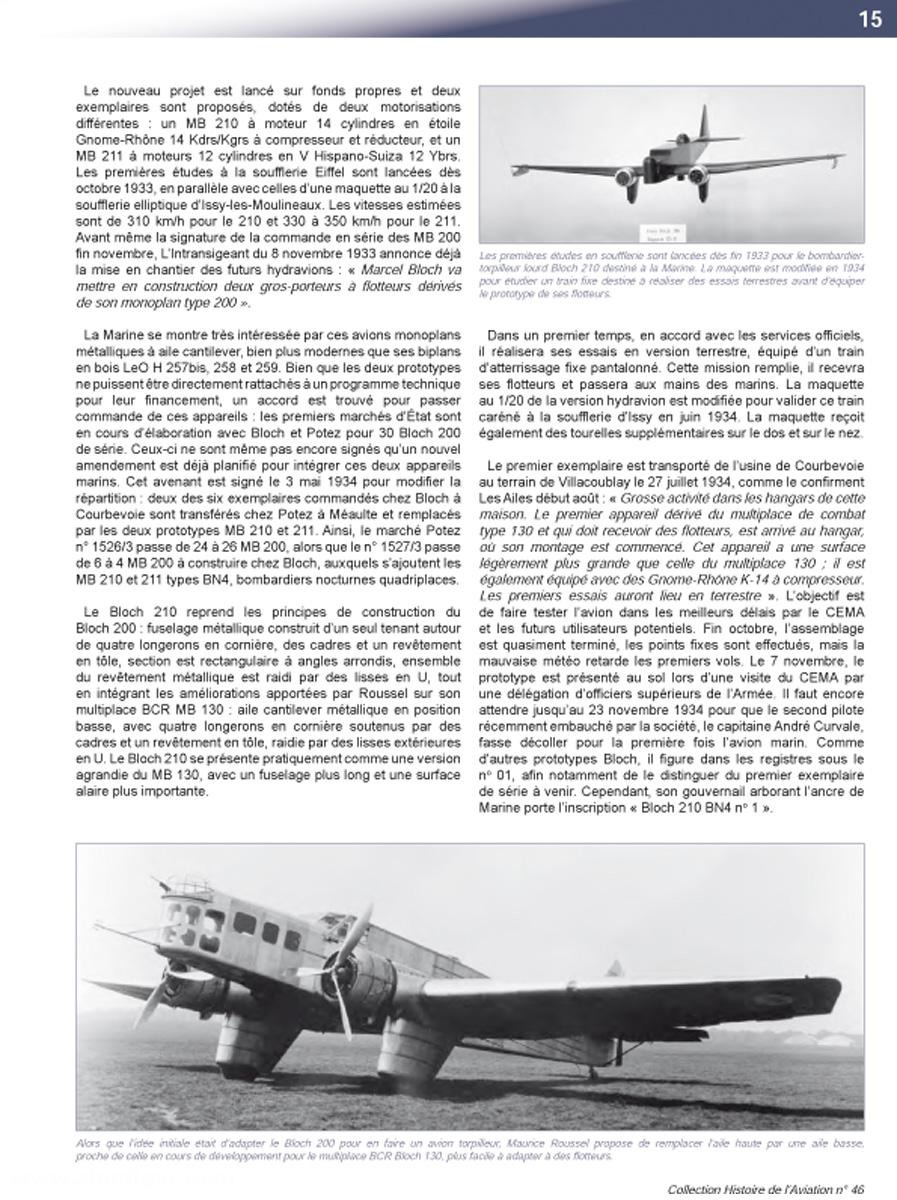
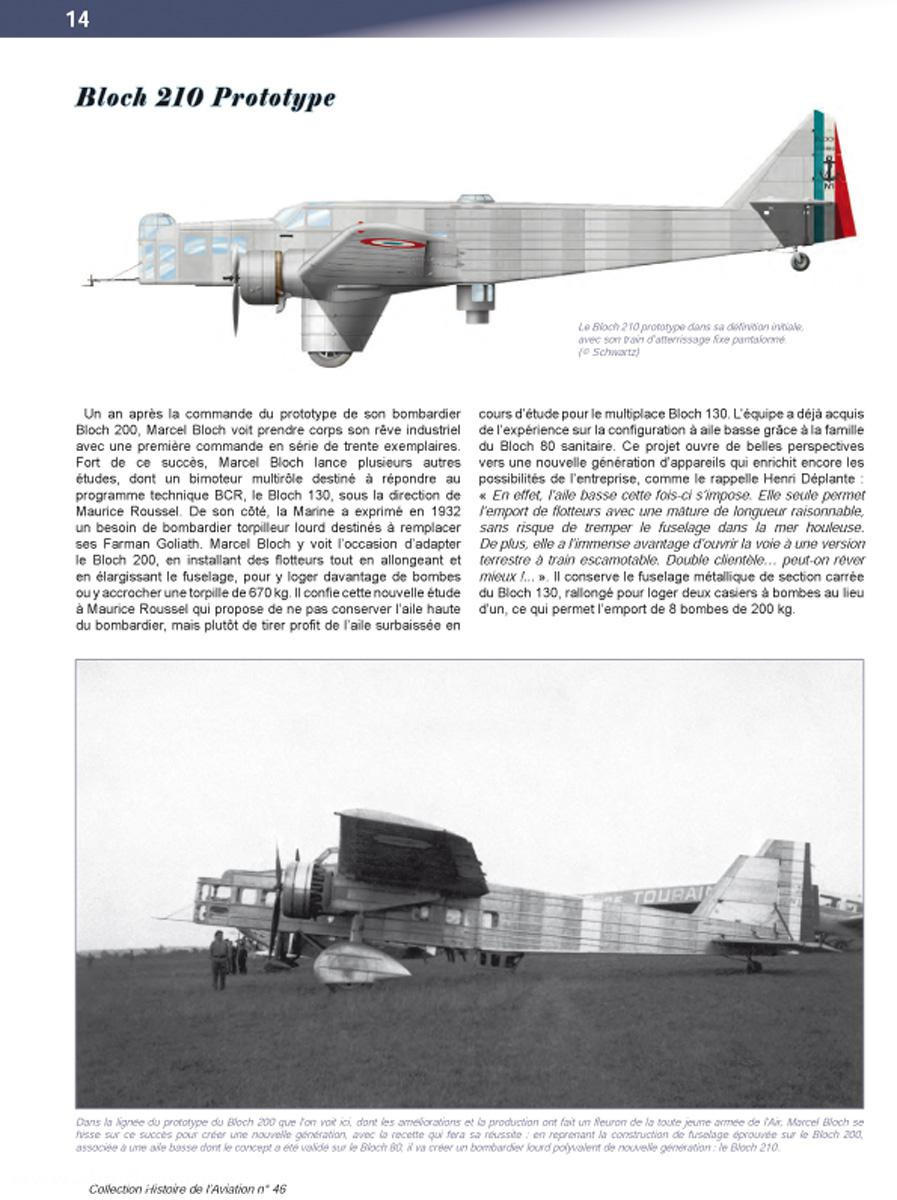
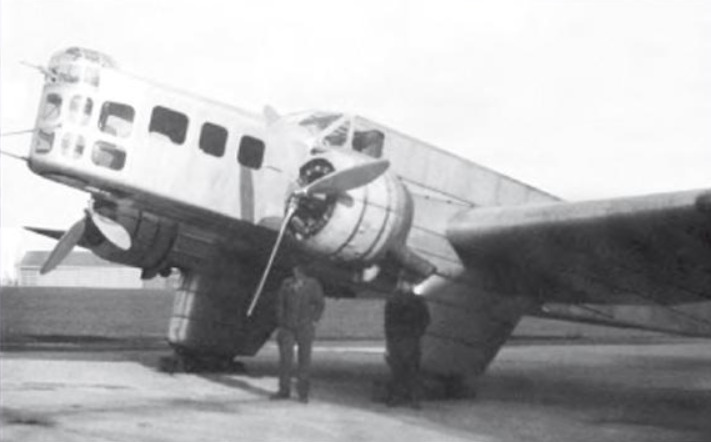
Today, I am presenting a new French aircraft prototype: the Bloch M.B.210 No. 01.
In the early 1930s, the French Navy was looking for a new aircraft capable of fulfilling the role of a heavy torpedo bomber. Although Naval Aviation operated a large variety of aircraft, it lacked a modern land-based bomber capable of carrying a substantial weapon load over long distances. Marcel Bloch saw an opportunity to adapt his company’s latest design, the M.B.200, which was then being developed for the French Air Force.
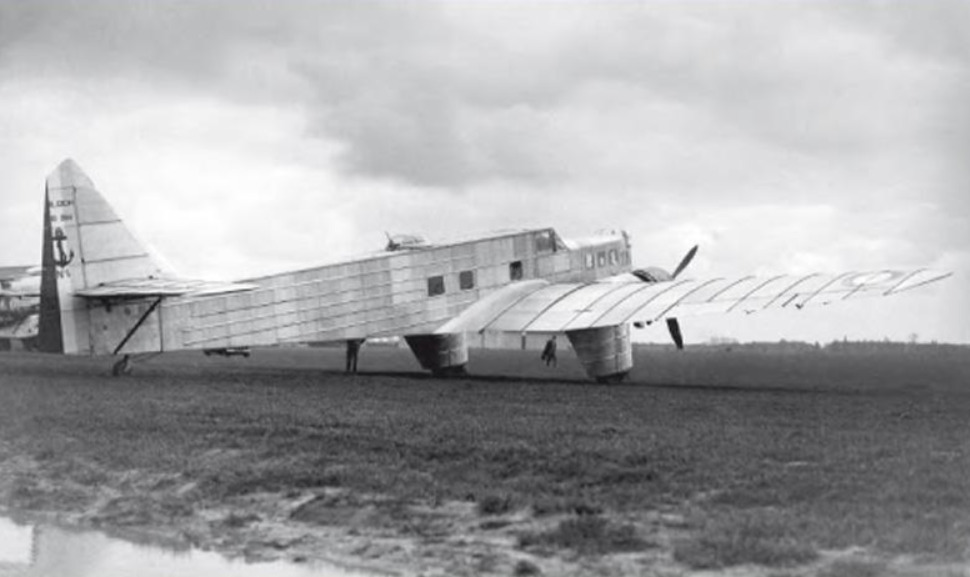
The aircraft proposed to the Navy was designated M.B.210. Although it was derived from the M.B.200, it was far from being a simple modification. The most obvious difference was its wing configuration: while the M.B.200 featured a high-mounted wing, the M.B.210 adopted a low-wing layout, giving the aircraft a considerably different appearance and improving its aerodynamic characteristics.
A single prototype, designated M.B.210 No. 01, was constructed and made its maiden flight in 1934. It was subsequently subjected to an extensive series of tests at several French facilities, where its performance and suitability for the bomber role were evaluated.
However, the prototype quickly encountered several problems. In particular, its stability and center-of-gravity characteristics required considerable attention. Engineers progressively modified the aircraft to correct these issues, and the testing program continued for several years as improvements were introduced.
Despite these efforts, the Navy eventually concluded that the aircraft’s configuration as a land-based aircraft imposed too many limitations for the missions it had in mind. Naval Aviation increasingly wanted an aircraft capable of operating directly from the water, particularly for long-range maritime reconnaissance and attack missions.
As a result, in 1935, the M.B.210 No. 01 was transferred to southern France, where it was extensively modified and equipped with floats to become a seaplane. This new configuration was designated M.B.210 Hy, marking the end of the prototype’s original career as a land-based bomber.
However, this was far from the end of the M.B.210 story. The French Air Force had also taken an interest in the design as a potential replacement for its aging M.B.200 bombers. A considerably modified production version was eventually developed, featuring improvements such as retractable landing gear, and the M.B.210 subsequently entered production in large numbers.
Characteristics
Length : 18.855 m
Width : 23.10 m
Height : 6.90 m
Mass :
- Empty : 6 340 kg
- Full : 10 400 kg
The aircraft was initially powered by two 870 hp Gnome & Rhône 14K, enabling it to reach a top speed of 327 km/h and an operational ceiling of 8,000 m. It has a range of over 1,000 km.
The crew consists of four to five people, including a pilot, a navigator/bombardier, a radio operator, a mechanic/gunner, and a second gunner.
Weapons
This aircraft’s armament is particularly impressive for its time, featuring a substantial bomb load and well-distributed defensive turrets.
Defensive armament:
- 1 x 7.5mm Mac 1934 machine gun (dorsal turret)
- 1 x 7.5mm Mac 1934 machine gun (nose turret)
- 1 x 7.5mm Mac 1934 machine gun (ventral position)
Offensive armament:
- 2000 kg of bombs
In-game, this aircraft would be a very interesting addition to the French tree, representing a plane that sits halfway between older bomber designs with fixed landing gear and more modern ones featuring retractable gear.
Pictures