- Yes
- No
Hello everyone, and welcome to this new suggestion.
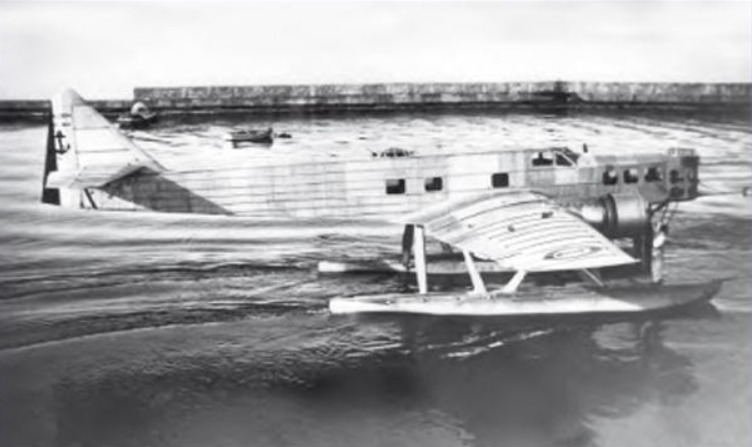
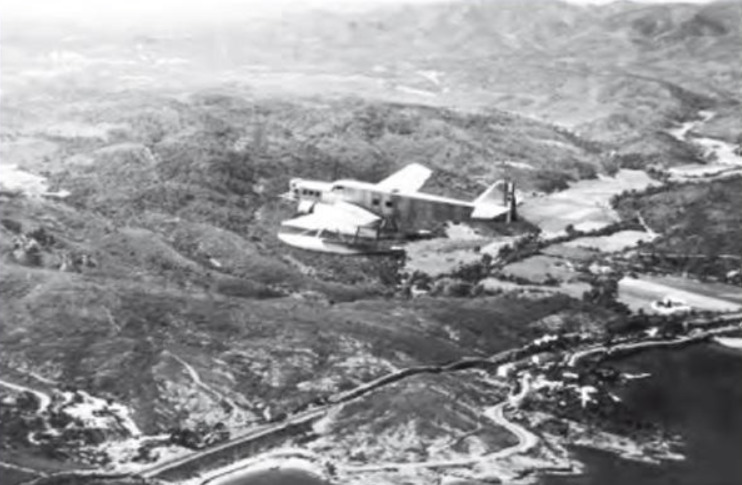
Today, I am presenting a new French interwar seaplane prototype: the M.B.210 Hy.
In the early 1930s, the French Navy operated a large number of different seaplane types, but most of them were designed around a specific role, such as reconnaissance, aerial combat, or bombing. This specialization created a problem: the Navy lacked a versatile aircraft capable of performing several of these missions with a single platform.
To address this issue, the French Navy launched a program for a new “combat scout” seaplane. The aircraft was expected to combine reconnaissance capabilities with the ability to conduct bombing and torpedo attacks, giving naval aviation a much more flexible platform.
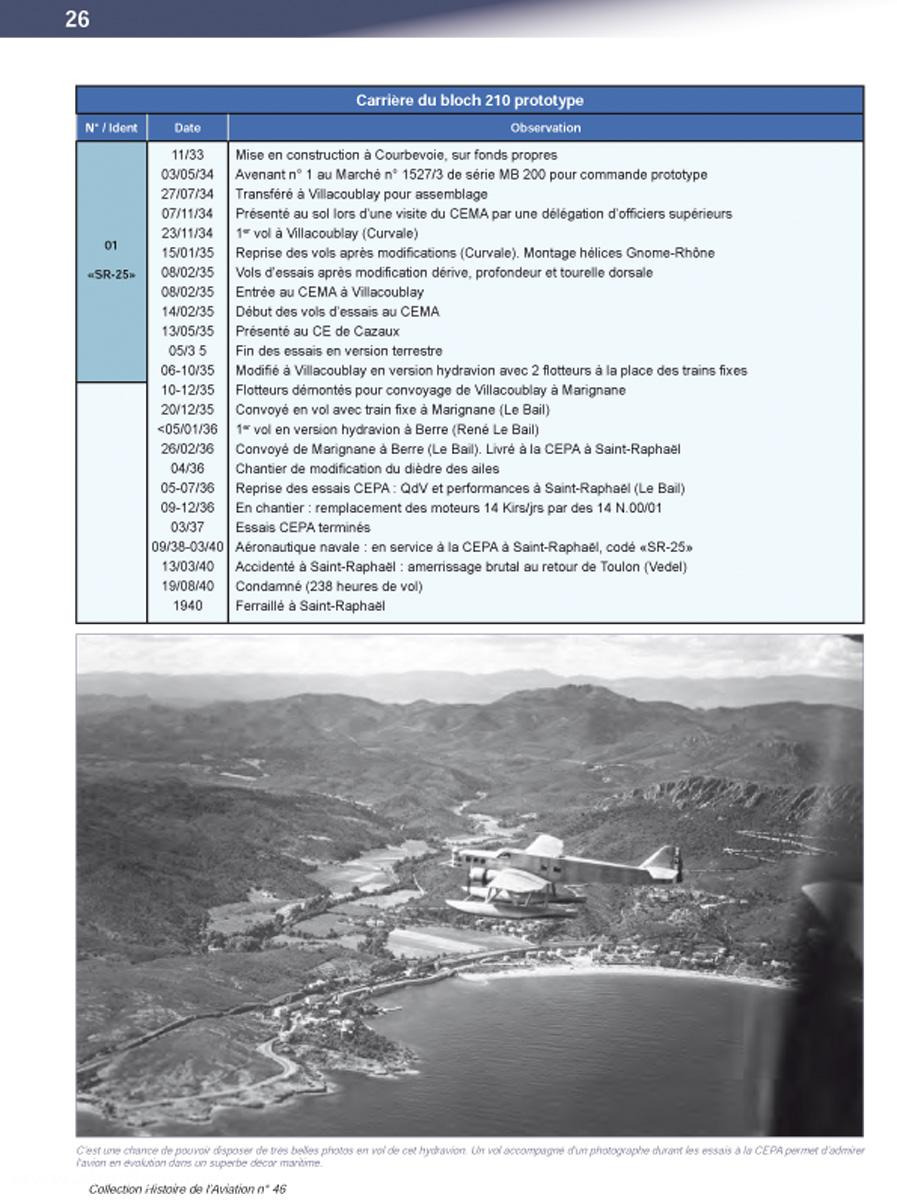
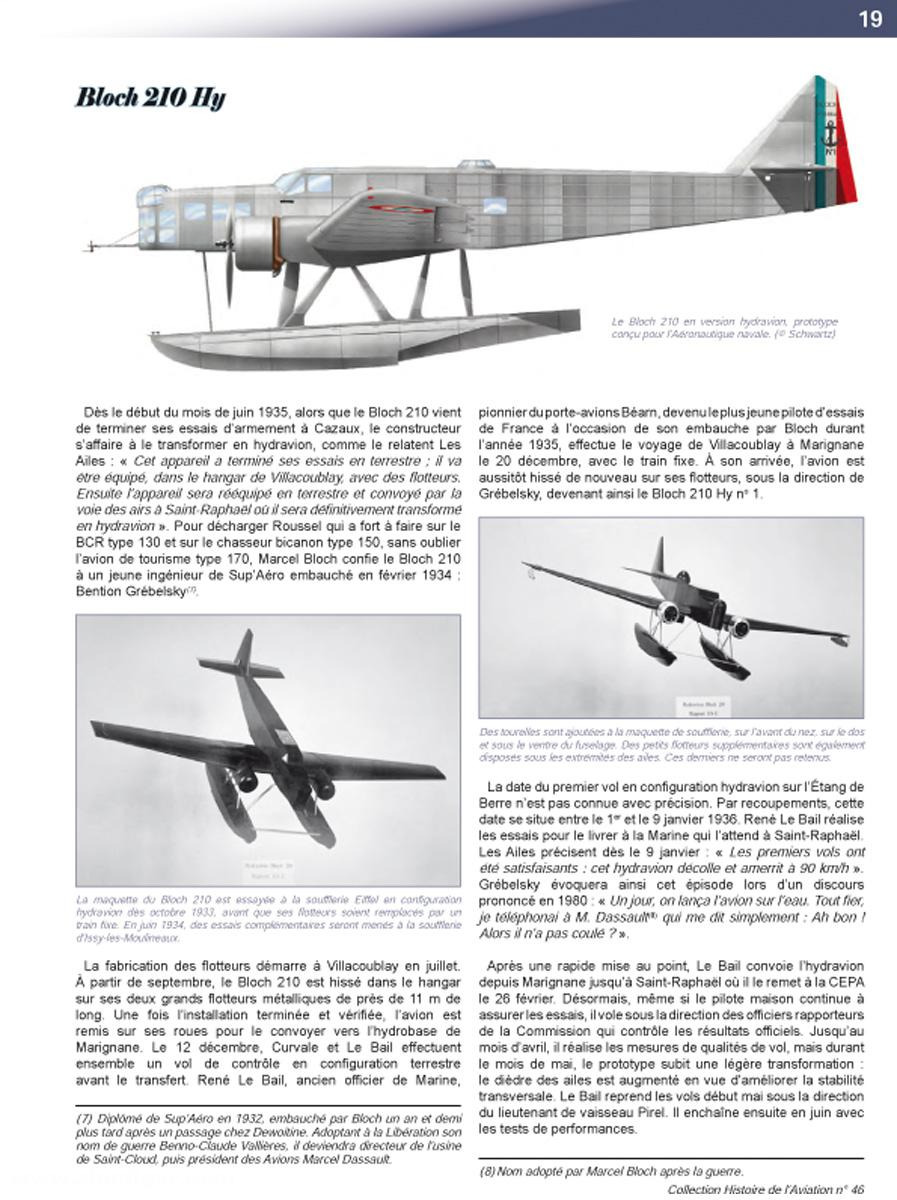
In 1935, Marcel Bloch became involved in the project. At the time, he had recently developed the M.B.210 No. 1, a land-based aircraft derived from the M.B.200. The aircraft had not yet found a clear role, so the Navy acquired it for evaluation and decided to investigate whether it could be adapted into a seaplane.
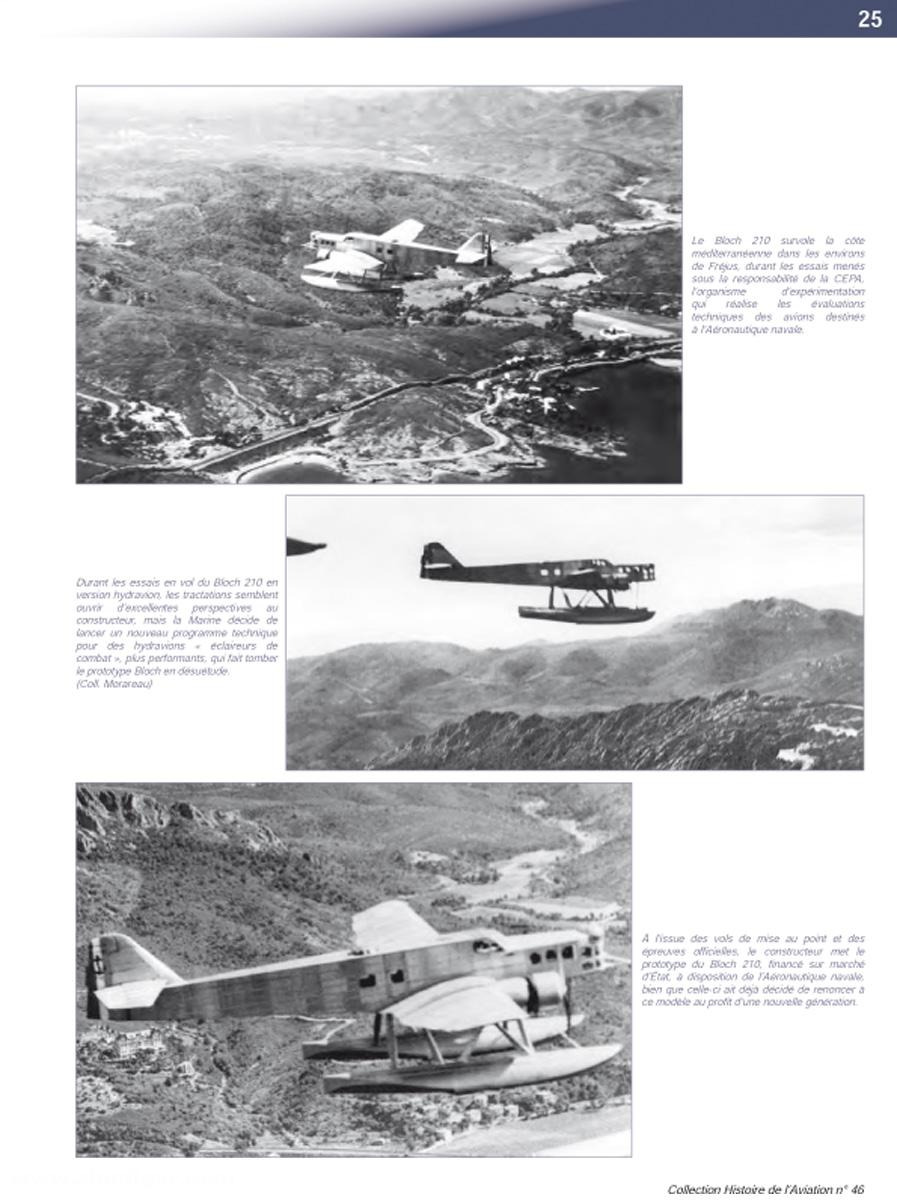
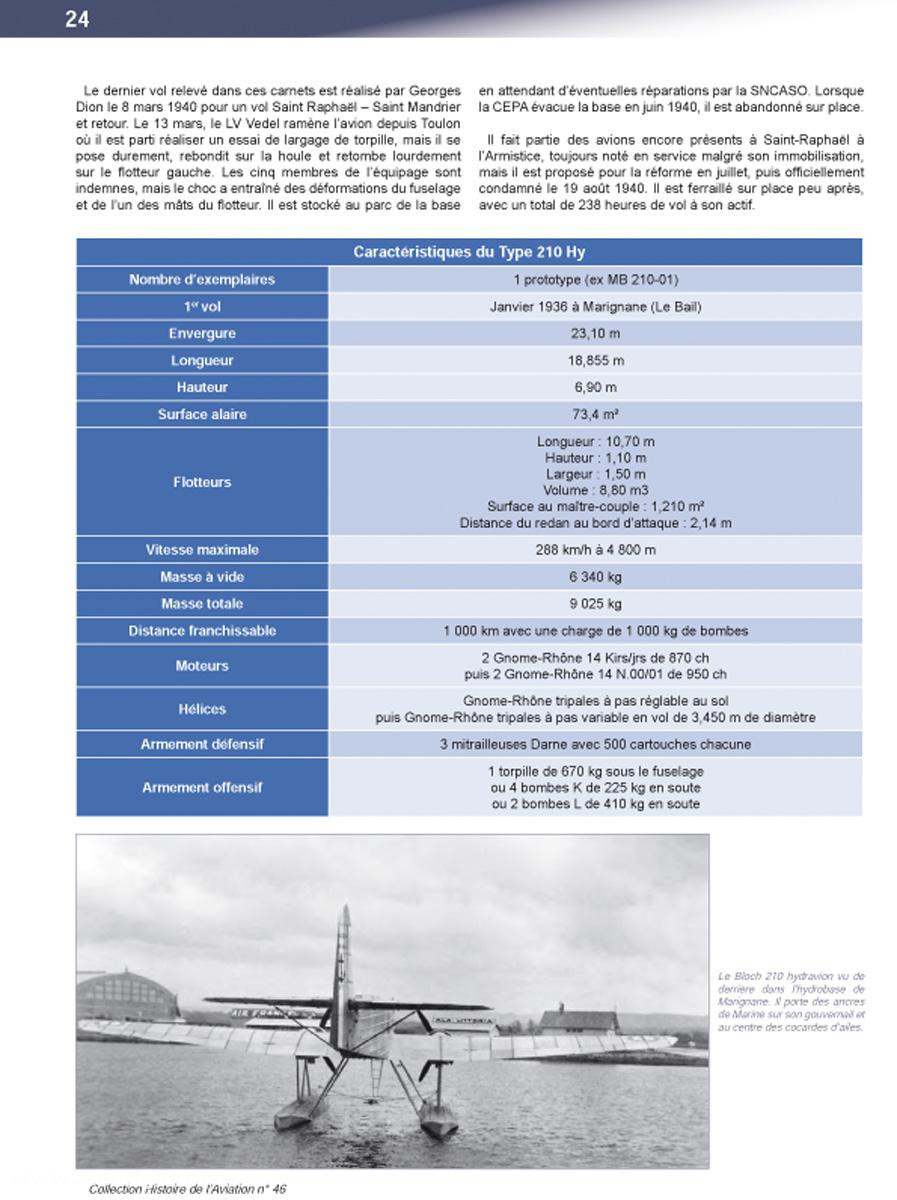
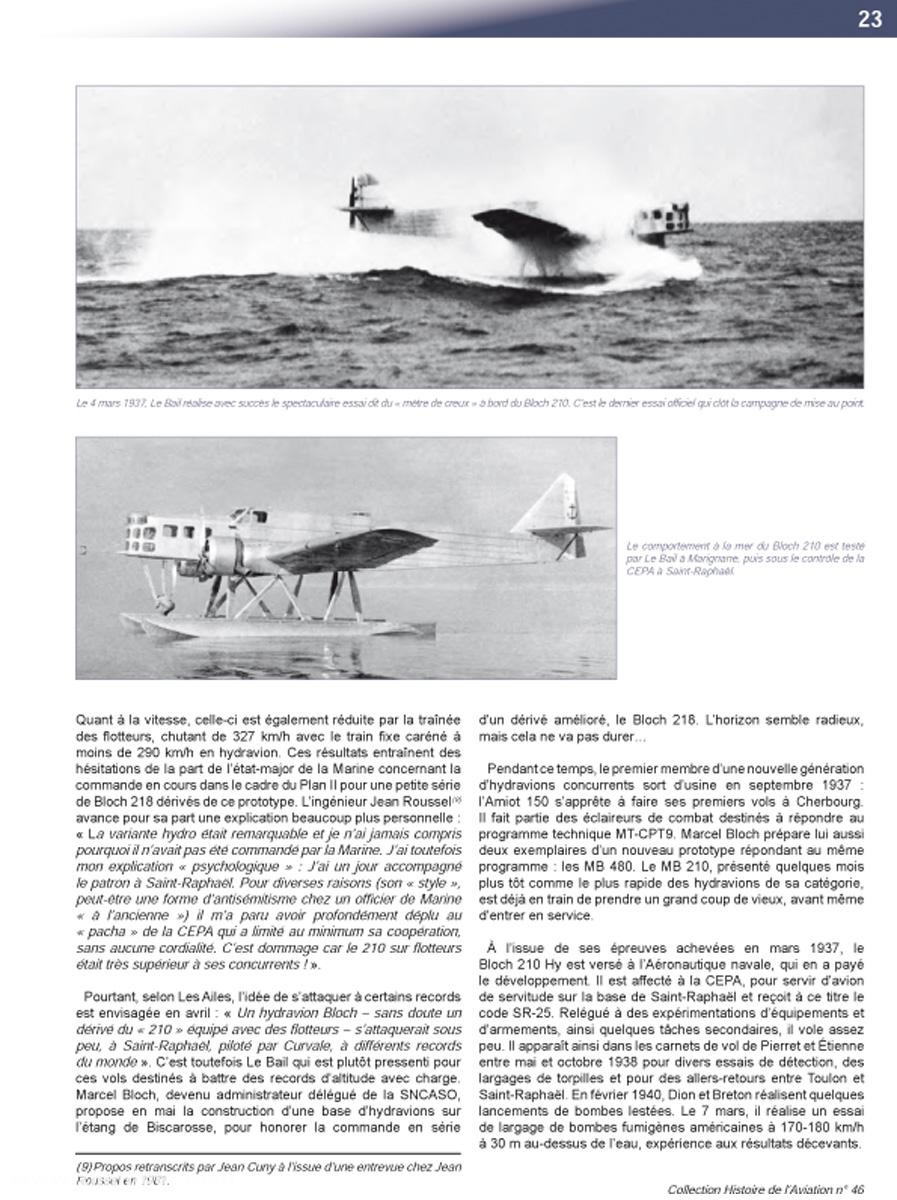
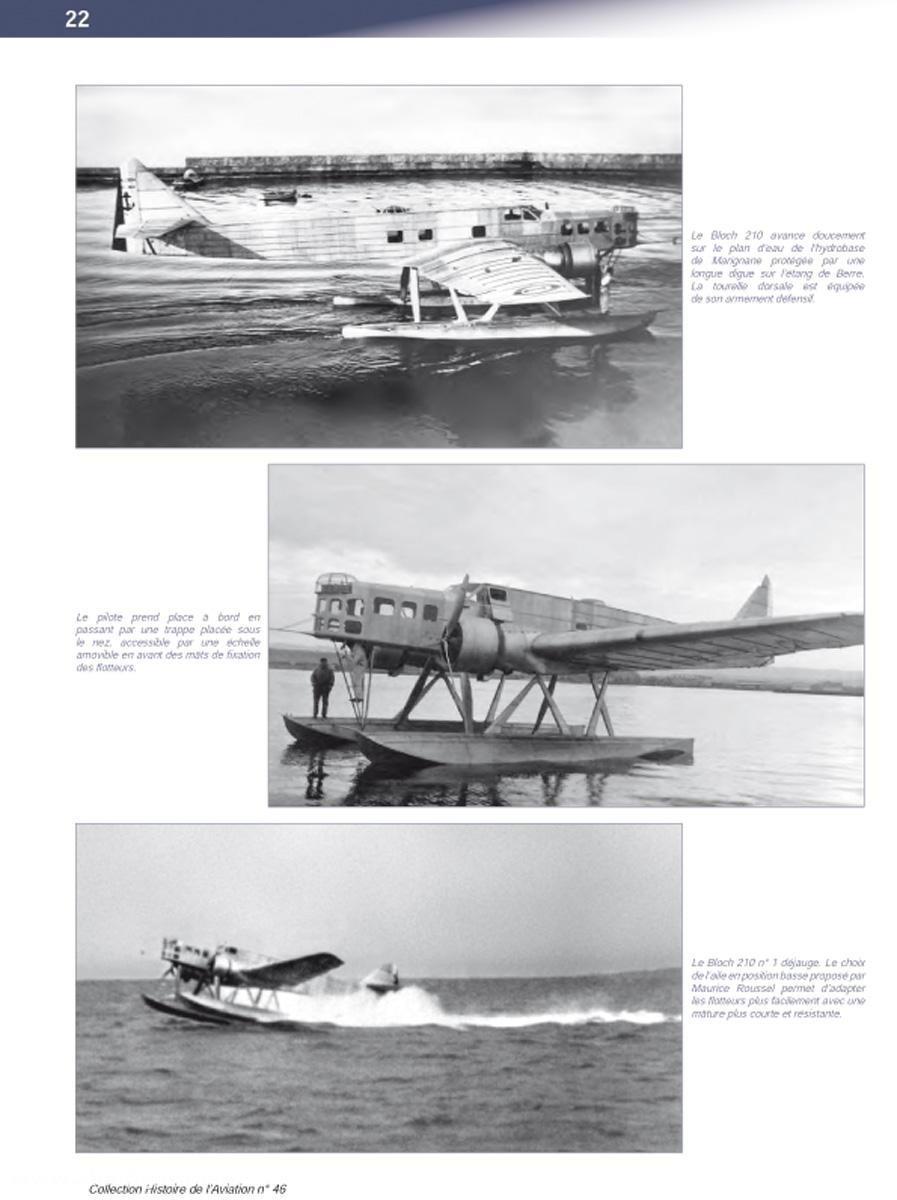
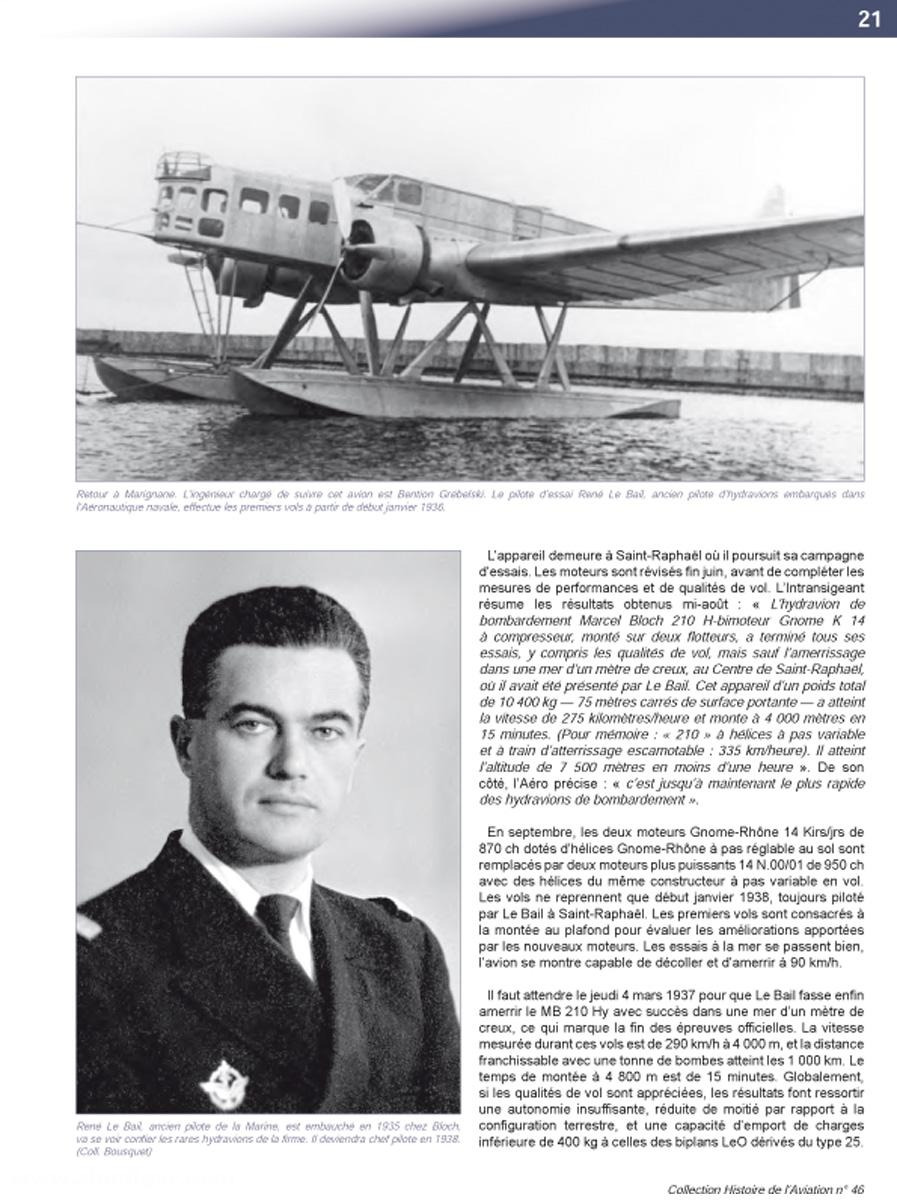
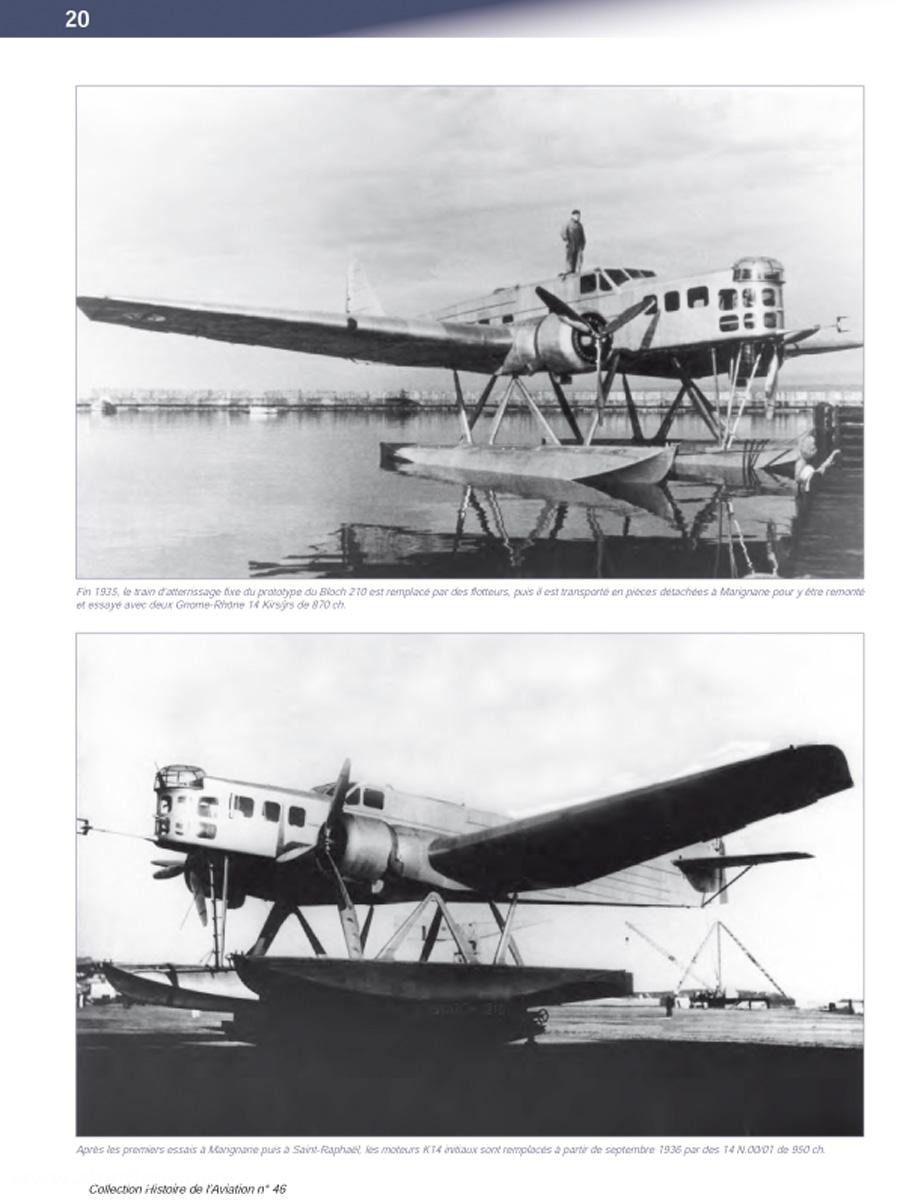
The aircraft was sent to southern France, where it underwent a major transformation. Its conventional landing gear was replaced with seaplane floats, allowing it to operate from the water, and various modifications were made to adapt the aircraft to its new role. After these changes, the aircraft received the designation M.B.210 Hy, with the “Hy” suffix indicating its hydroplane configuration.
The modified aircraft made its first flight in early 1936 and subsequently carried out a number of test flights. The trials allowed the Navy and Bloch to evaluate whether the M.B.210 could meet the demanding requirements of the combat-scout program.
Unfortunately for Bloch, the M.B.210 Hy faced considerable competition. Several other manufacturers were developing aircraft specifically for the same requirement, and these designs were generally more modern and better suited to the Navy’s expectations.
The M.B.210 Hy’s greatest weakness was its limited range, a particularly serious problem for an aircraft intended to conduct maritime reconnaissance and attack missions. As the competing designs progressed, it became increasingly clear that the Bloch aircraft could not compete with them.
The project was therefore abandoned, and the M.B.210 Hy was removed from the competition. The aircraft remained at Saint-Raphaël for some time, where it was eventually dismantled in 1940, bringing an end to its short experimental career.
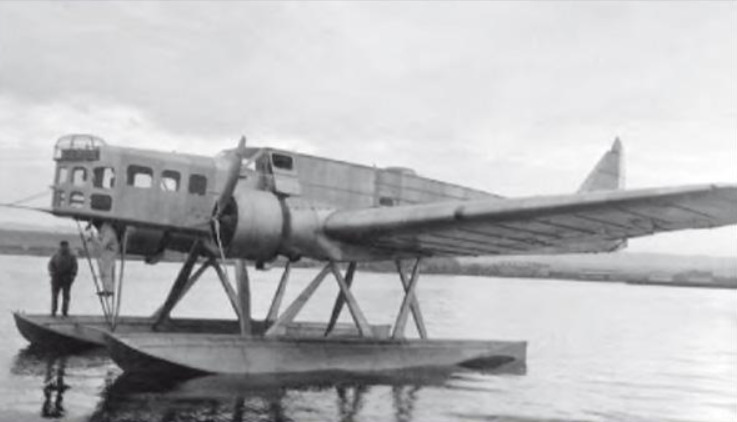
Characteristics
Length : 18.855 m
Width : 23.10 m
Height : 6.90 m
Mass :
- Empty : 6 340 kg
- Full : 10 400 kg
The aircraft was initially powered by two 870 hp Gnome & Rhône 14Kirs engines, and later by two 950 hp Gnome & Rhône N engines, enabling it to reach a top speed of 288 km/h and an operational ceiling of 7,500 m. It has a range of 1,000 km.
The crew consists of four to five people, including a pilot, a navigator/bombardier, a radio operator, a mechanic/gunner, and a second gunner.
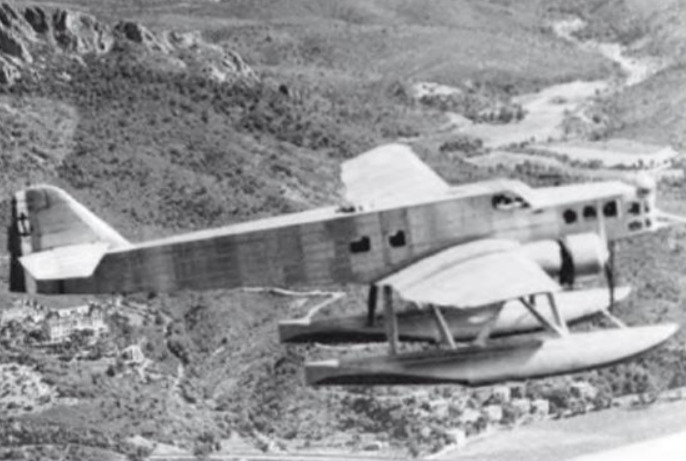
Weapons
This aircraft’s armament is particularly impressive for its time, featuring a substantial bomb load and well-distributed defensive turrets.
Defensive armament:
- 1 x 7.5mm Mac 1934 machine gun (dorsal turret)
- 1 x 7.5mm Mac 1934 machine gun (nose turret)
- 1 x 7.5mm Mac 1934 machine gun (ventral position)
Offensive armament:
- 1 x 670kg, 400mm Torpedo
- 2 x 410 kg bombs
- 4 x 225 kg bombs
In-game, this aircraft would be an interesting addition to the French tree, introducing a new, sizable seaplane capable of both bombing and torpedo attacks—as well as defending itself against aerial threats, thereby intelligently rounding out the French lineup.
Pictures