- Yes
- No
Hello everyone, and welcome to this new suggestion.
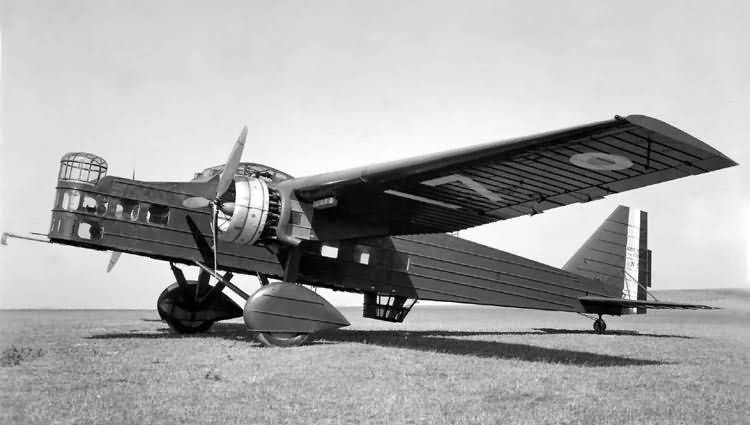
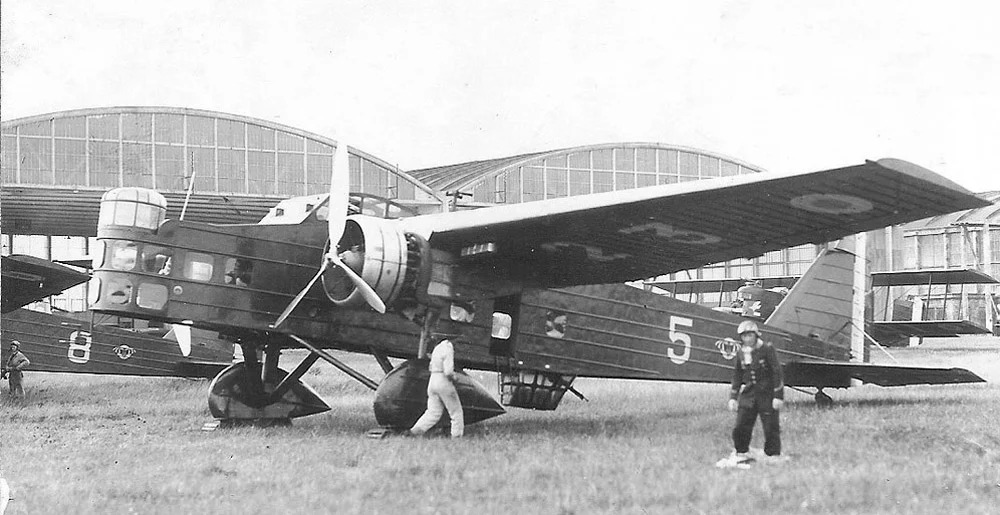
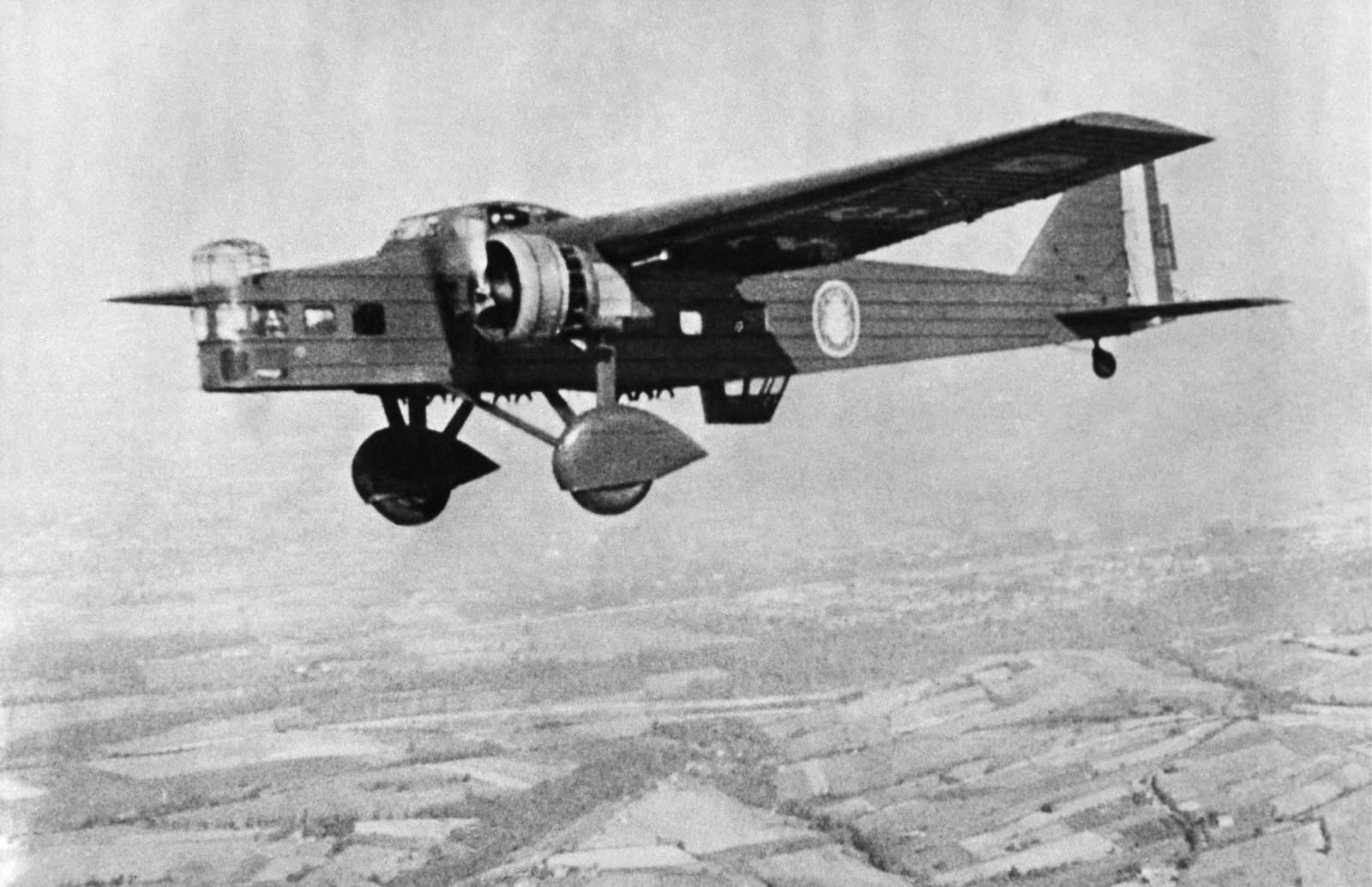
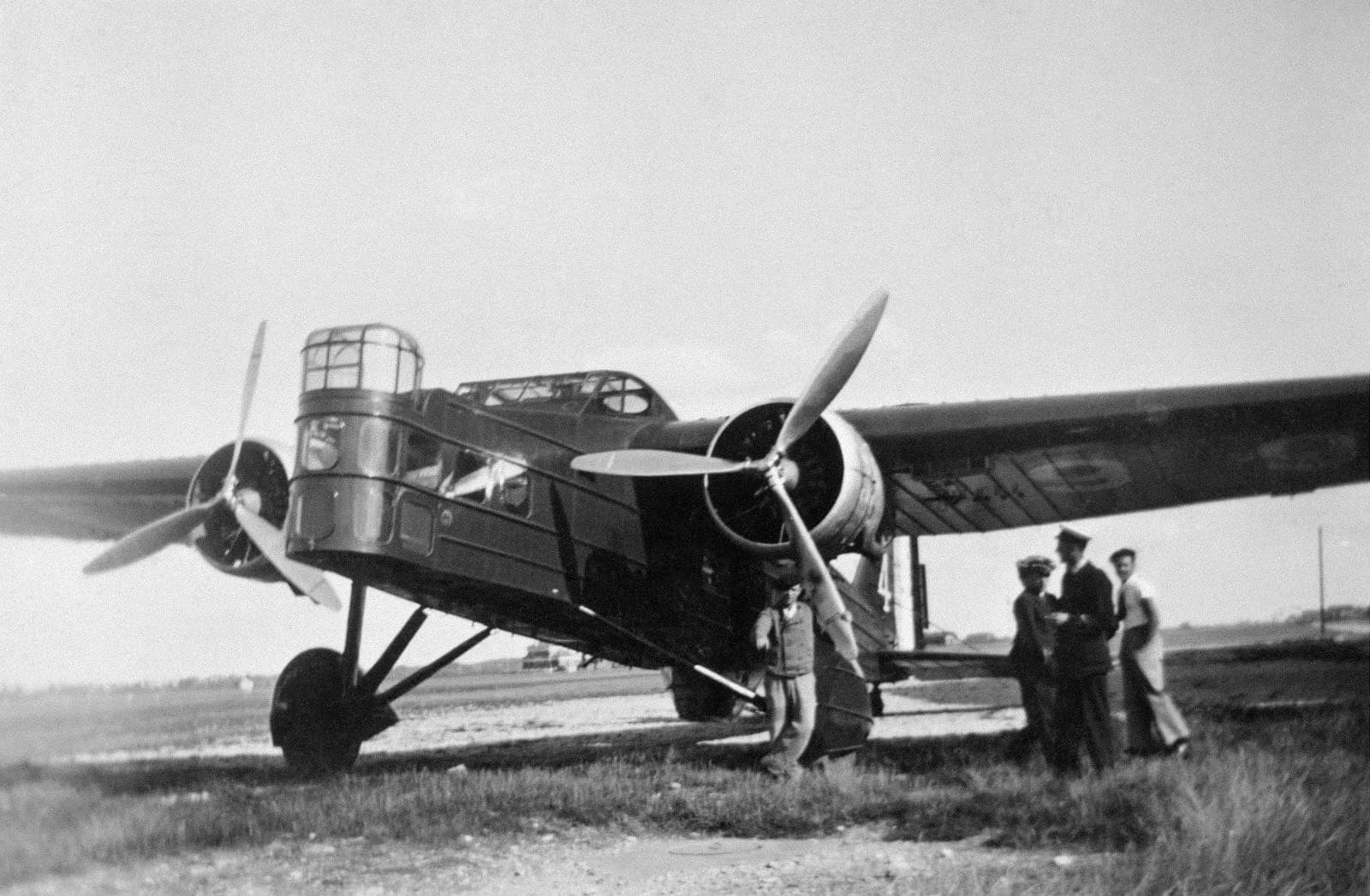
Today, I am presenting a new French bomber from the interwar period: the Bloch M.B.200.
In the early 1930s, the French Air Force was in need of a modern heavy bomber. While the aviation industry had made significant progress in developing new fighters and reconnaissance aircraft during the previous decade, France’s bomber fleet was still largely composed of aging designs. In 1932, the French government therefore launched a competition for a new twin-engine bomber capable of replacing these older aircraft. Several major manufacturers responded, including Bloch.
The M.B.200 was one of the first major aircraft designed by the company. It was a twin-engine, high-wing bomber with fixed landing gear and an all-metal structure. Although its overall design was already somewhat conservative for the period, it incorporated several modern features, including enclosed defensive turrets that provided protection for the crew and a substantial bomb bay capable of carrying up to 1,200 kg of bombs.
The aircraft proved successful enough to attract a large order, with more than 200 examples eventually produced. The M.B.200 entered French service in 1935, and crews generally appreciated its handling characteristics. It was relatively easy to fly, while the glazed forward cockpit provided excellent visibility for the pilots.
However, the aircraft also suffered from serious shortcomings. Its engines were relatively weak for the aircraft’s size, resulting in a rather low maximum speed. They also had a tendency to overheat, further limiting the aircraft’s operational capabilities. These weaknesses quickly became apparent as newer and faster bombers entered service, and the M.B.200 was soon replaced by the more modern Bloch M.B.210.
As a result, the M.B.200 was relegated to secondary duties only a short time after entering service. Nevertheless, a number of aircraft remained operational when World War II began in 1939.
Despite its obsolescence, some M.B.200s were still used for combat missions during the early stages of the conflict. At least two bombing operations were conducted using these aircraft, one against German forces and another against British positions. Both missions ended disastrously, with more than half of the aircraft involved being lost, demonstrating just how vulnerable the M.B.200 had become against more modern enemy fighters and anti-aircraft defenses.
Following the French defeat in 1940, the surviving aircraft were largely withdrawn from frontline operations. Several examples were captured by the Germans, who used them for training and other secondary duties before eventually retiring them. By this point, the M.B.200 was simply too outdated to have any meaningful combat role.
Characteristics
Length : 16.00 m
Width : 22.45 m
Height : 3.92 m
Mass :
- Empty : 4 300 kg
- Full : 7 280 kg
The aircraft is powered by two 870 hp Gnome & Rhône 14Kirs engines, enabling it to reach a top speed of 285 km/h and a service ceiling of 8,000 m. It has a range of 1,000 km.
The crew consists of four to five people, including a pilot, a navigator/bombardier, a radio operator, a mechanic/gunner, and a second gunner.
Weapons
This aircraft’s armament is particularly impressive for its time, featuring a substantial bomb load and well-positioned defensive turrets.
Defensive armament:
- 1 x 7.5mm MAC 1934 machine gun (dorsal turret)
- 1 x 7.5mm MAC 1934 machine gun (nose turret)
- 1 x 7.5mm MAC 1934 machine gun (ventral position)
Offensive armament:
- 1,200 kg of bombs
In-game, this aircraft would be a great addition to the French tree, providing a heavy bomber at a lower Battle Rating that boasts solid defenses and a bomb load capable of inflicting significant damage.
Pictures