- Yes
- No
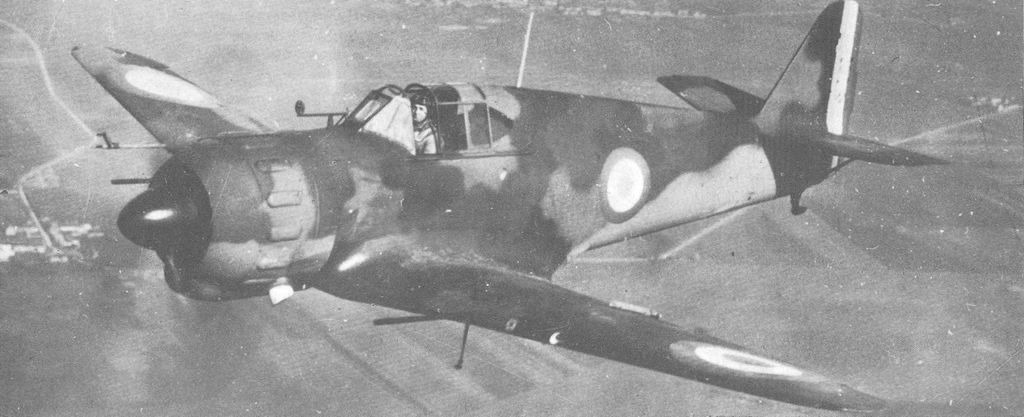
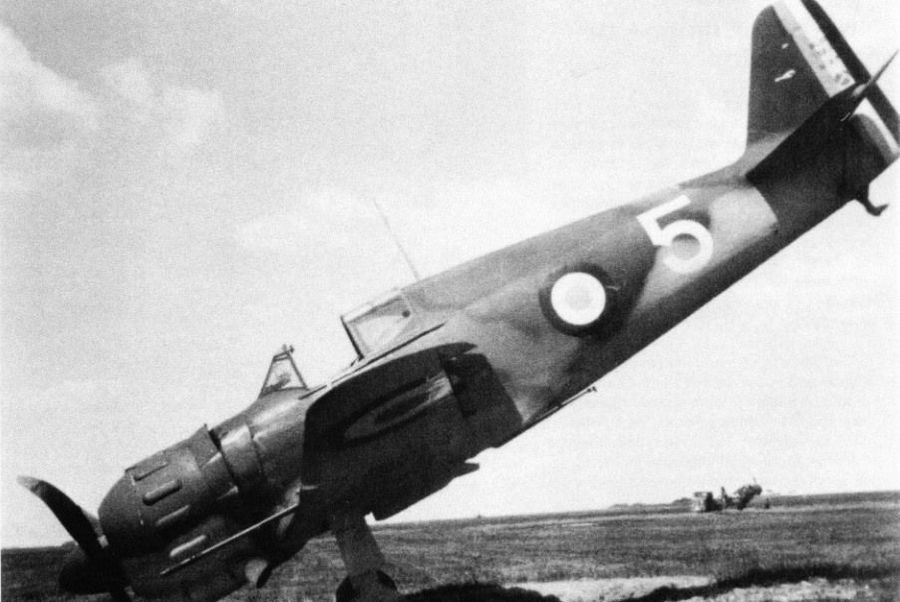
Bloch M.B.152C1 (Late)
Background
History
The M.B.152C1 originated from the 1934 C1 program, and the competing planes included the Loire 250, Dewoitine 513, Nieuport 161, Morane 405, and Bloch 150. However, from 1935 to 1938, the Bloch 150 prototype went through multiple modifications but still performed poorly. In March 1938, the Air Force realized it lacked fighters and started to quickly push the development and production of the Bloch 150 project. Despite numerous development challenges, production was completed at the cost of several reorganizations.
The initial Bloch M.B.150 proved very unsuitable for mass production. Improvements included reducing the wing area, updating the design, cutting armament to four 7.5mm machine guns, moving the radiator under the left wing, and introducing the new engine, which led to the creation of the Bloch M.B.151. Its first flight was on August 18, 1938, highlighting the main issue of the plane: engine cooling. Although the MB151 was still produced, its replacement, the MB152, was born as a result.
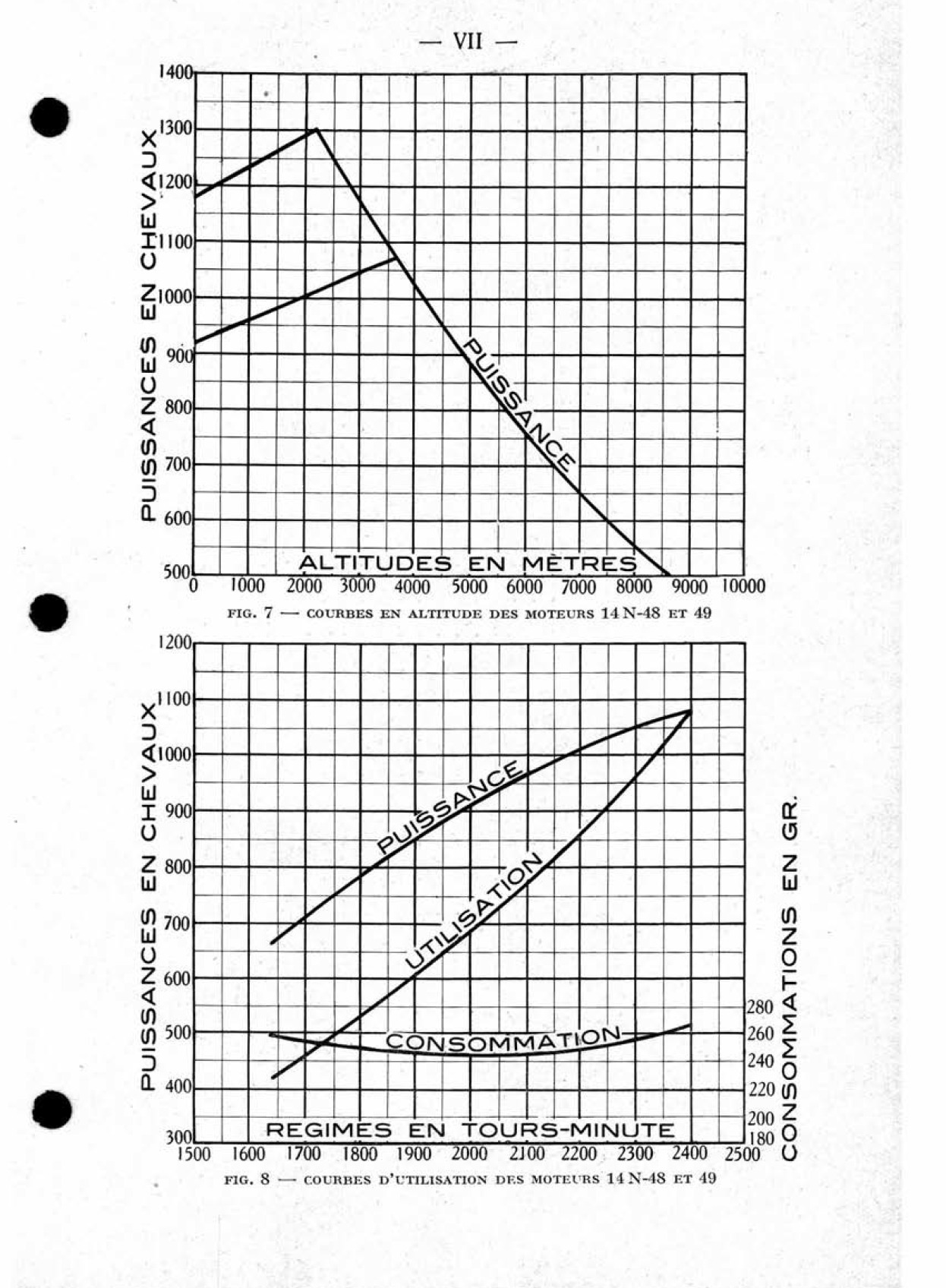
M.B.152C1 production can be divided into two batches. The first batch, serial numbers 9–300, was equipped with the Gnome et Rhône 14 N 25 engine and a fixed-pitch Gnome et Rhône 2590 M propeller. Its power was weak, and by 1939, the fixed-pitch propeller was already becoming outdated. The second batch, serial numbers 301–431 and 497–696, had the more powerful Gnome et Rhône 14 N 49 engine and the advanced Chauvière 371 variable-pitch propeller.
Following the Armistice, the Vichy Air Force briefly used M.B.152. By April 1941, the German Armistice Commission had agreed with a proposal to standardize the Vichy Air Force onto the Dewoitine D.520, resulting in all other single-engine fighters being phased out. The Germans seized around 173 fighters, 83 of which being reportedly serviceable, which were impressed into service with the Luftwaffe.
Differences
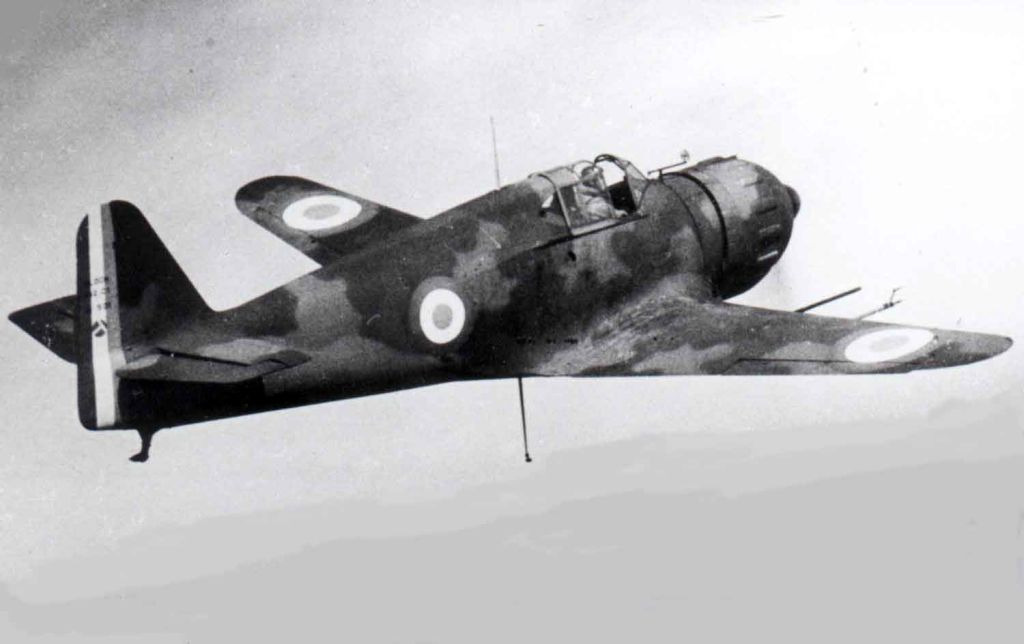
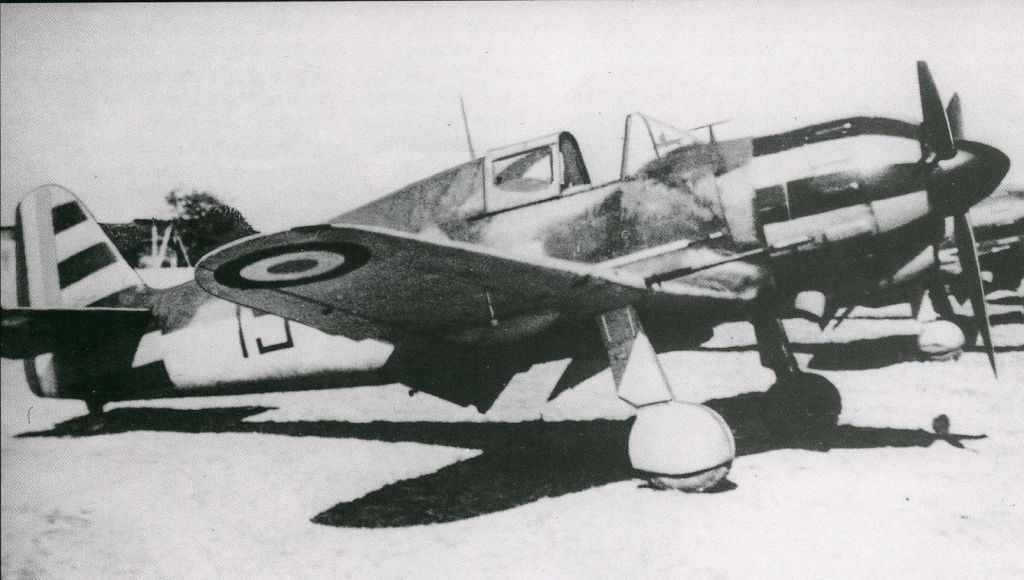
Compared to the M.B.152C1 already in the game, the M.B.152C1 (Late) mainly differs in having a different engine and a different propeller. This improves the full-altitude performance of M.B.152C1 (Late). And unlike the M.B.152C1, it doesn’t only perform best at a specific speed. It also received exhaust pipes copied on the Curtiss H75 and the cooling surface of the oil cooler is increased to 8m².

Technical data
Specifications
- Wingspan: 10.542m
- Length: 9.104m
- Height: 3.96m
- Wing Area: 17.32m²
- Empty Weight: 2158 kg
- Weight in Charge: 2748 kg
- Maximum speed: 510 km/h at 4500m
- Fuel tank: 425 L
- Armament:
2x 7.5mm MAC 34 machine guns in the wings, 500 rounds per gun
2x 20mm cannons Hispano Suiza HS-404 in the wings, 60 rounds per gun - Powerplant: Gnome et Rhône 14 N 49
Images
Spoiler
Sources
Le Bloch 152, des débuts médiocres, des progrès tardifs | SAM40
NOTICE TECHNIQUE DES MOTEURS D’AVIATION GNOME-RHONE Types 14 N EN ADDITIF PARTICULARITÉS DES MOTEURS A COMPRESSION 6,8
Avions Bloch 151, Bloch 152. Approuvé par décision ministérielle n° 1090 S. R. A. A. 2/3 en date du 23 décembre 1940