- Yes
- No
Hello everyone, and welcome to this new suggestion.
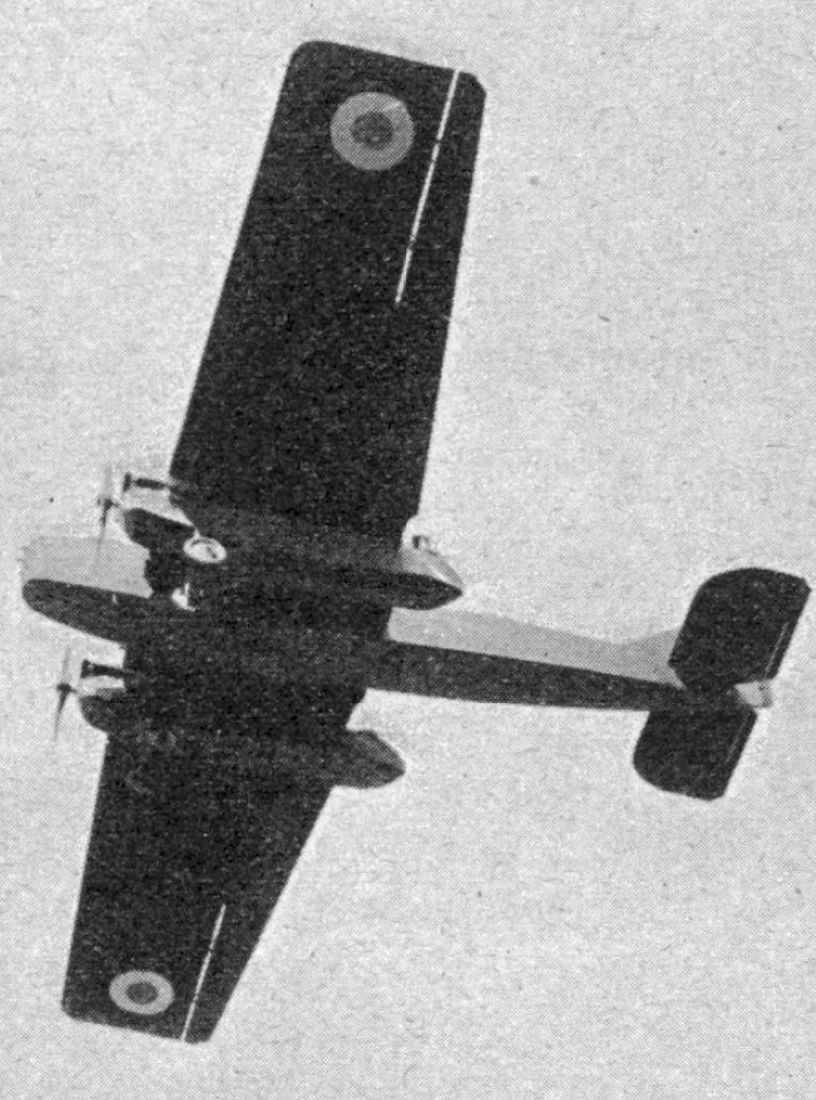
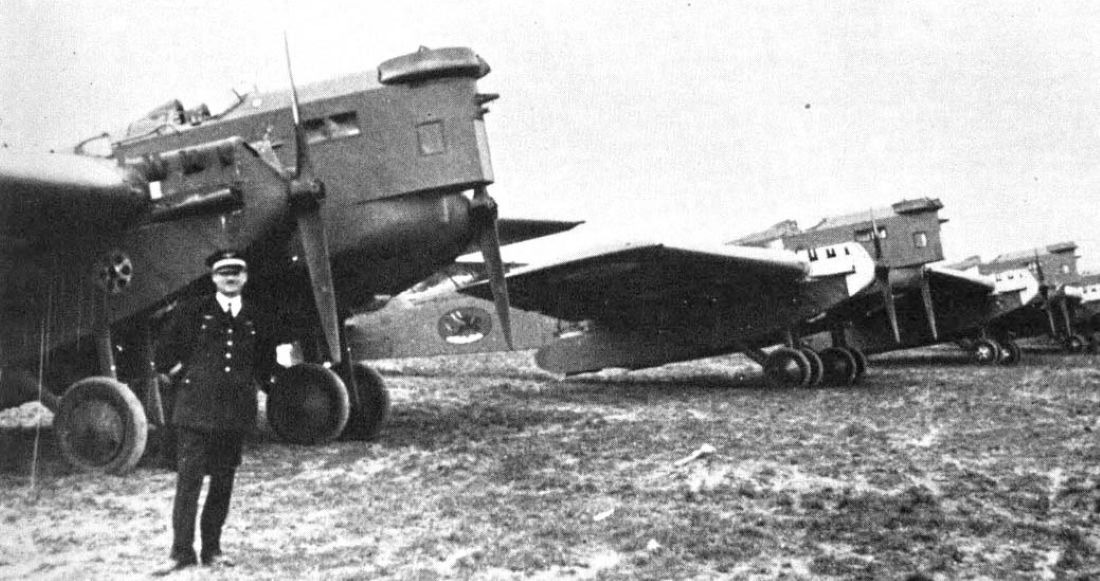
Today, I am presenting a new French aircraft from the interwar period: the Blériot 127.
In the late 1920s, the French Air Force became interested in developing a new type of aircraft capable of accompanying heavy bombers on their longest missions. Rather than being designed primarily for offensive bombing, this new aircraft was intended to provide defensive support and protect bomber formations from enemy fighters.
This requirement led to the development of the “Multiplace de combat” (multi-seat combat aircraft) program. Blériot, a company already well known for its work in aviation and airmail aircraft, responded with a design derived from the earlier Blériot 117.
The resulting aircraft was a large monoplane equipped with several gunner positions and a bomb bay. This combination allowed it to provide defensive fire for bomber formations while retaining a limited offensive capability of its own.
The prototype made its first flight in the late 1920s and demonstrated excellent flying characteristics. It handled well and proved responsive despite its considerable size. Further improvements were subsequently made to the design, making the aircraft particularly pleasant to fly (Sources differ on this point, with some presenting it as correct while others present it as dangerous.).
However, the Blériot 127 was not universally well received. At a time when biplanes still dominated military aviation and large aircraft were often viewed with skepticism, its unusual configuration made it stand out. The aircraft consequently attracted criticism from some of Blériot’s detractors.
Despite these reservations, the Blériot 127 entered service with the French Air Force in 1929. A total of 44 aircraft were built, and they were assigned to bomber units, where they were intended to provide the long-range escort and defensive capabilities for which they had originally been designed.
Several attempts were also made to export the aircraft, but none achieved the success Blériot had hoped for. The aircraft’s highly specialized role limited its appeal to foreign air forces, particularly as military aviation was rapidly evolving during this period.
In France, the Blériot 127 itself had only a short operational career. Following a series of three consecutive accidents, the aircraft was withdrawn from service as early as 1934.
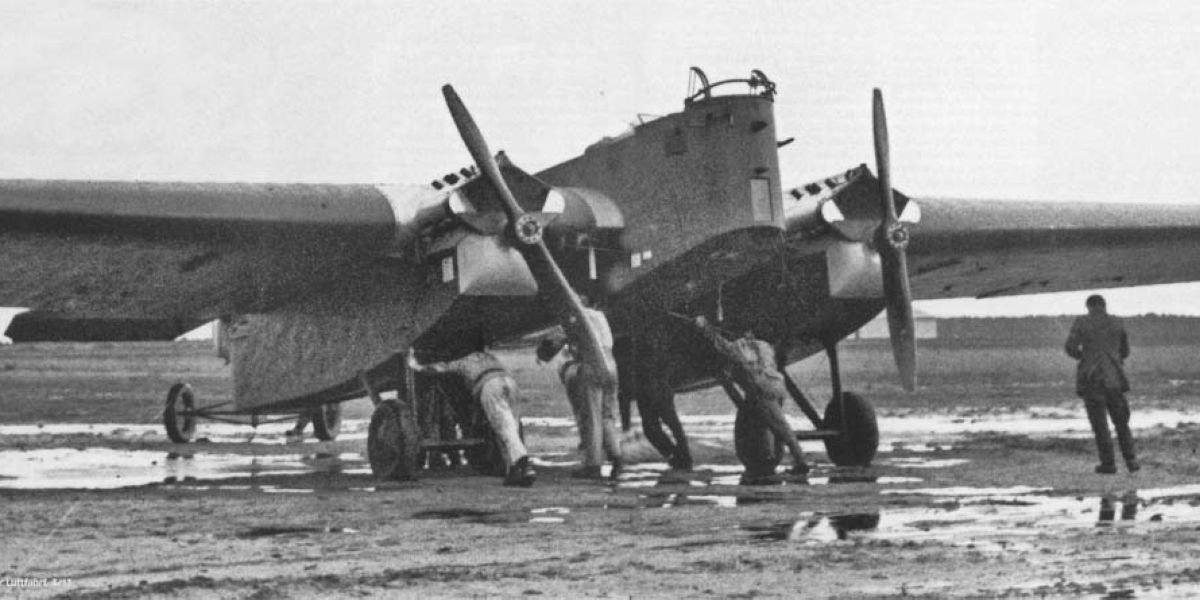
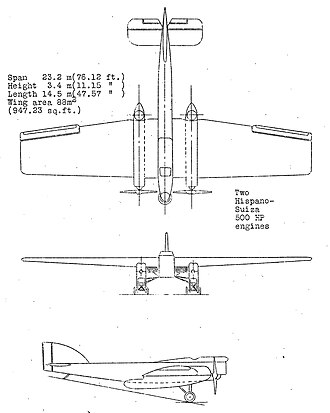
Characteristics
Length : 14.50 m
Width : 23.20 m
Height : 5.15 m
Mass :
- Empty : 3,252 kg
- Full : 4,466 kg
The aircraft is powered by two Hispano-Suiza 12Hb engines, each producing 550 hp, allowing it to reach a top speed of 221 km/h at low altitude and a service ceiling of 8,100 m. It has a range of 1,500 km.
The crew consists of 4 to 6 personnel; a full complement comprises two pilots, one observer/bombardier, one forward gunner, and two rear gunners.
Weapons
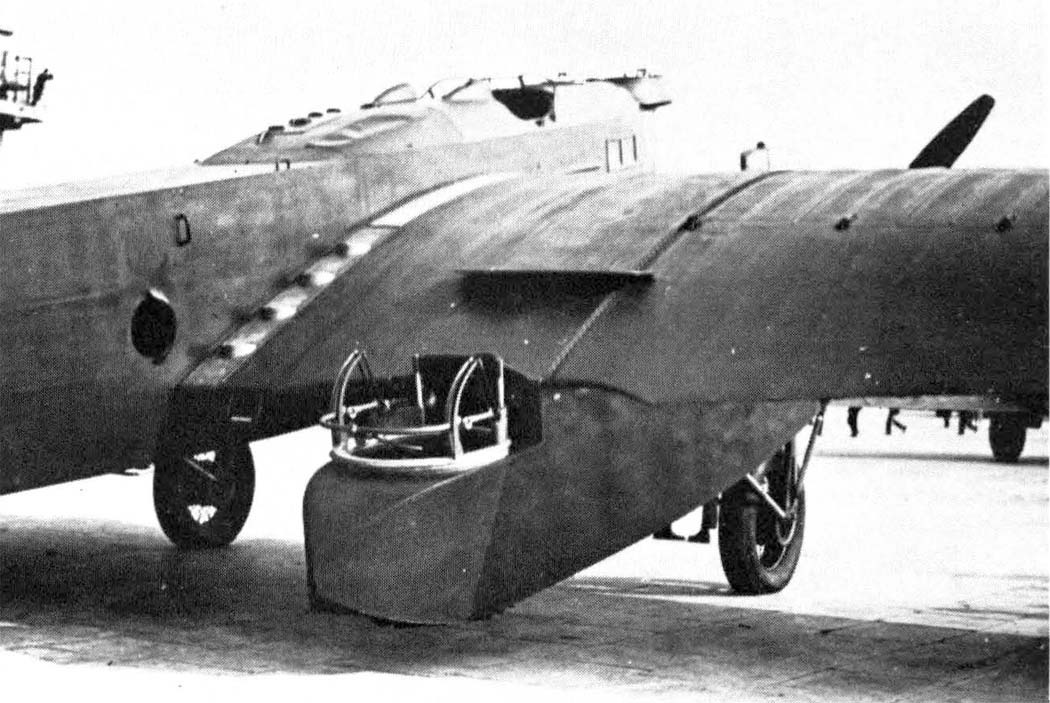
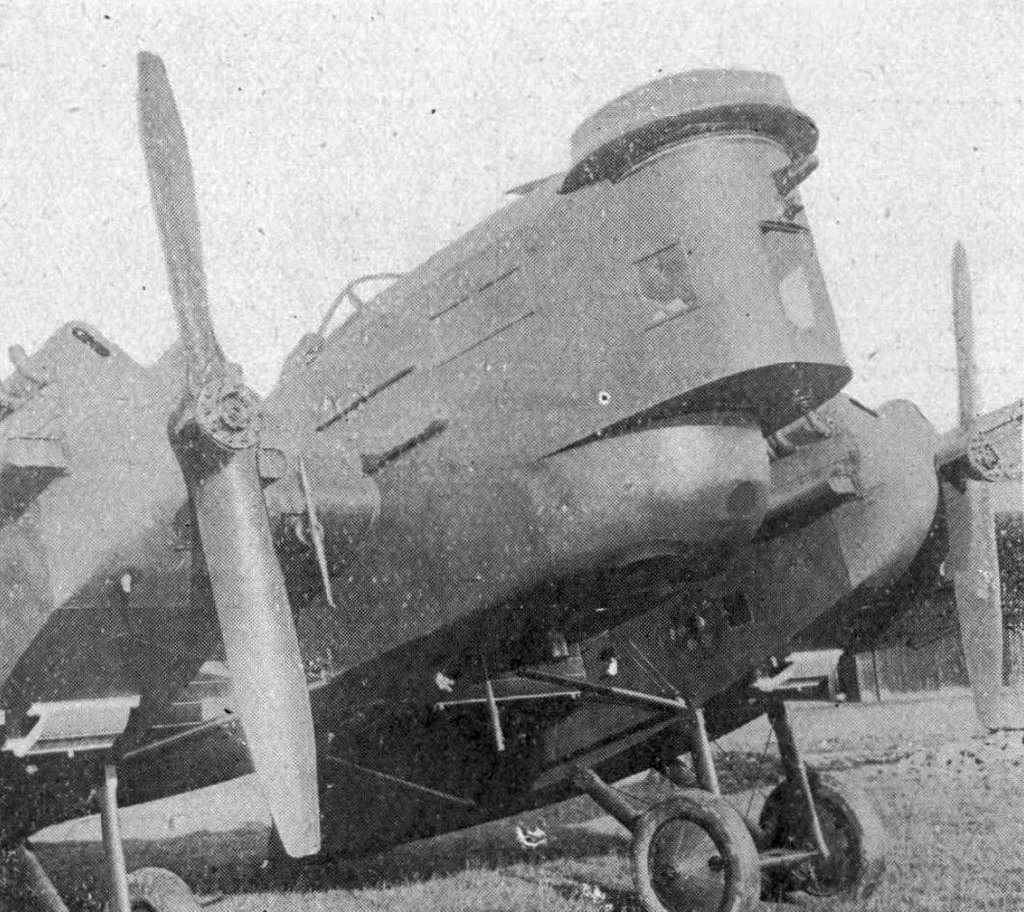
Armament is the area where this bomber truly stands out from other French aircraft; notably, it is the first French production aircraft to feature machine-gun nacelles positioned behind the engine nacelles.
Defensive armament:
- 1 x 7.7mm Lewis twin machine gun (nose mount)
- 2 x twin 7.7mm Lewis machine guns (rear nacelles)
Offensive armament:
- Bomb bay
Regarding the aircraft’s bomb load, sources indicate the presence of vertical racks capable of holding 10 bombs; however, the specific bomb models carried are not specified.
In-game, this aircraft would be an interesting addition, offering a combat aircraft with decent offensive payload capabilities and strong defensive armament, though limited flight performance, making it a solid addition for the French tree.