- Yes
- No
Hello everyone, and welcome to this new suggestion.
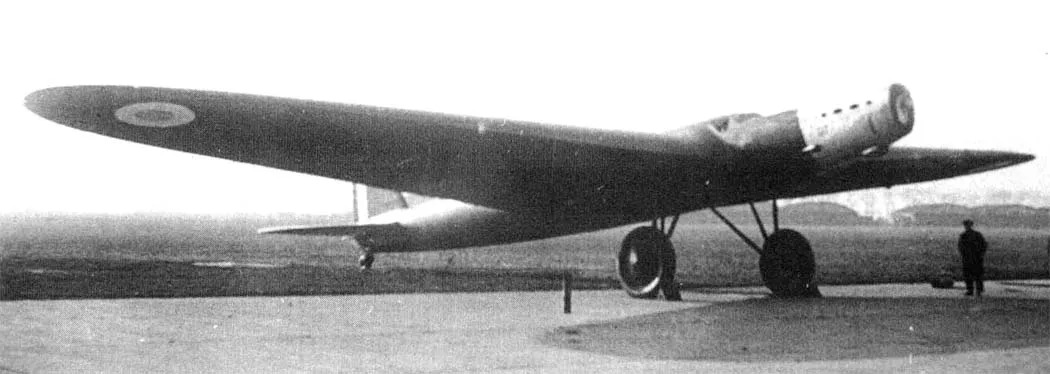
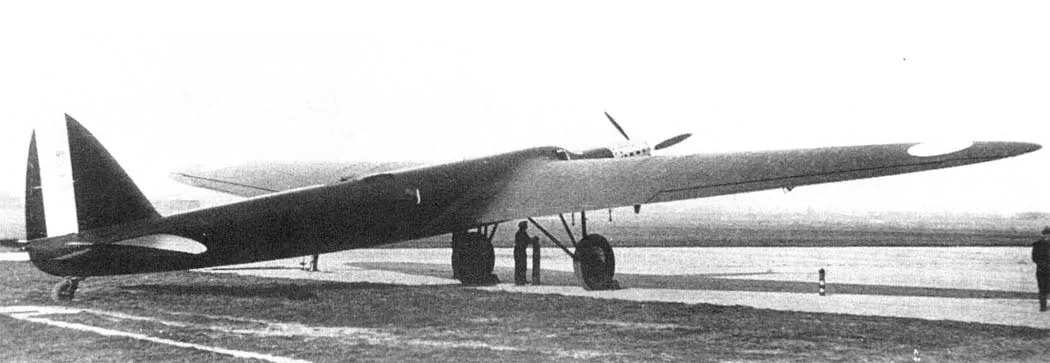
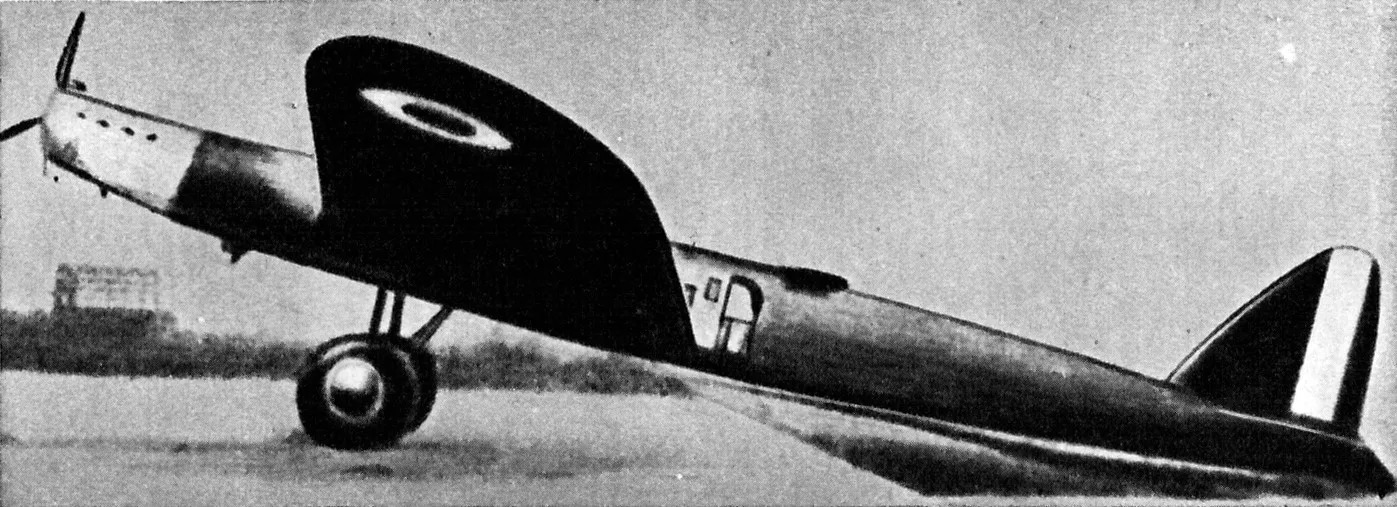
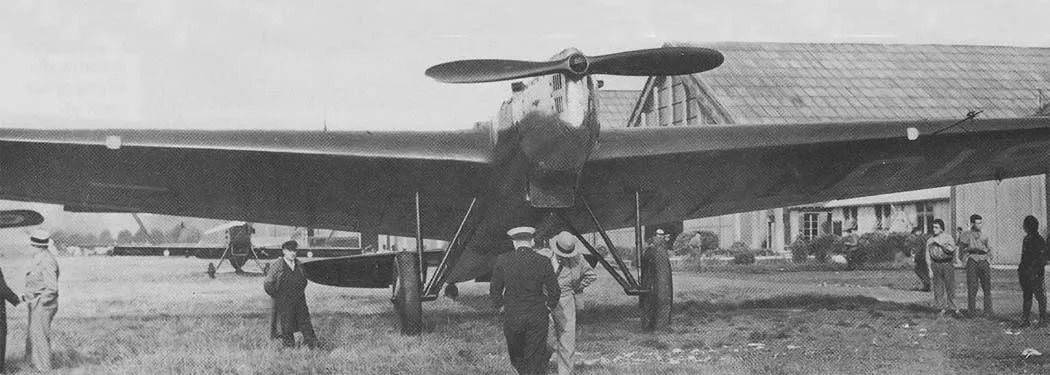
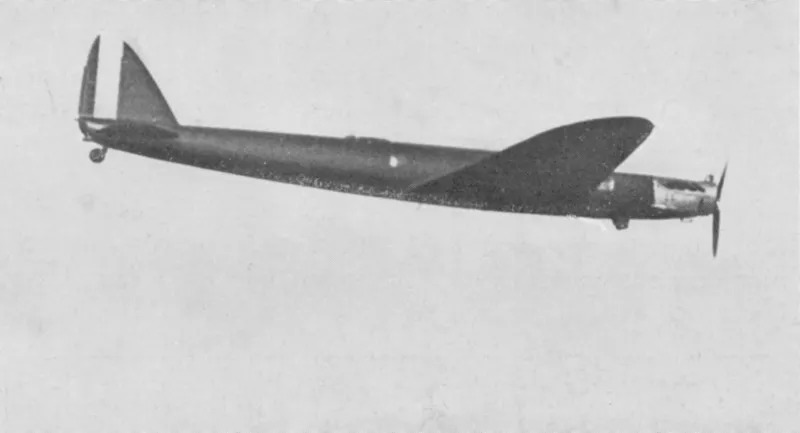
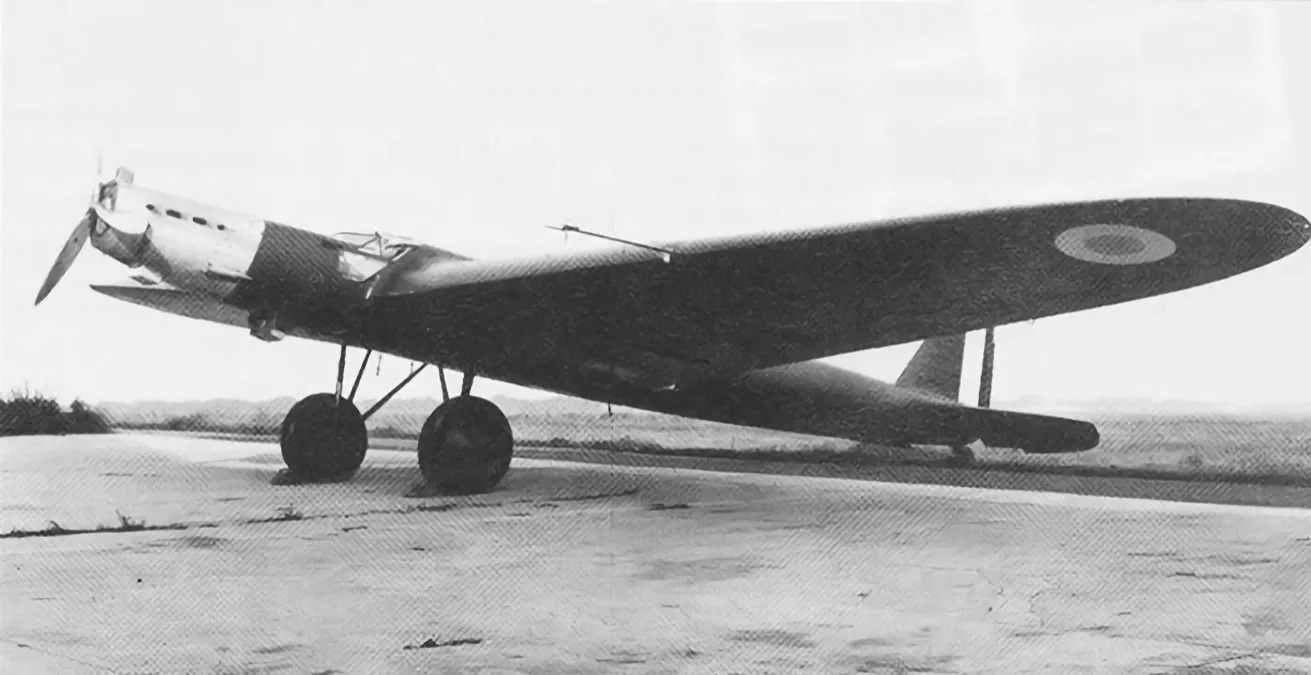
Today, I am presenting a new French interwar bomber, an aircraft with a truly unique shape: the Bernard 82.
In the late 1920s, air racing became a major driver of aeronautical innovation. European nations sought to demonstrate the superiority of their aviation industries through increasingly ambitious speed competitions, while manufacturers used these events to test new aerodynamic concepts intended to influence future military aircraft design. In France, the Société des Avions Bernard, already renowned for its high-performance aircraft, decided to design a plane specifically for racing, capable of competing with the fastest models of the era. The result was the Bernard 80, an aircraft designed with a single goal: achieving the greatest possible range.
Given the aircraft’s impressive capabilities, the manufacturer attempted to produce a version intended for military use. Indeed, with the technology of the time evolving rapidly, it was becoming essential for armed forces to acquire bombers capable of reaching increasingly distant targets. This aircraft was named the Bernard 82.
The prototype was completed in 1930 and began its flight test program shortly thereafter. While initial tests confirmed the aircraft’s excellent aerodynamics and competitive performance, the Bernard 82’s career was ultimately cut short by mechanical issues. During one of the early flights, the engine suffered a serious failure, forcing the pilot to make an emergency landing that caused significant damage to the aircraft. Although the airframe had demonstrated considerable potential, this accident brought the program to an end.
Despite its brief existence, the Bernard 82 made a valuable contribution to French aerodynamic research during a period when aircraft performance was advancing at an unprecedented pace. Its highly streamlined design embodied many of the principles that would soon become the norm for both racing aircraft and military planes of the 1930s. Studies conducted on this type of aircraft, particularly aerodynamic analyses later published in technical reports, highlighted the importance of reducing parasitic drag through a refined fuselage shape, careful engine integration, and landing gear fairing.
Although only a single example of the Bernard 82 was built, the aircraft remains an interesting example of the experimental spirit that characterized French aviation during the interwar period.
Characteristics
Length : 17.87 m
Width : 27.10 m
Height : 3.65 m
Mass :
-
Empty : 3650 kg
-
Full : 7800 kg
The aircraft is powered by a single 860 hp Hispano-Suiza 12Ybrs engine, enabling it to reach a top speed of 280 km/h at low altitude and 327 km/h at 5,000 meters. Its theoretical service ceiling is 9,500 meters, and it has a range of 2,800 km. These performance figures are particularly impressive for an aircraft of that era.
The crew consists of three members: a pilot, a co-pilot, and a gunner.
Weapons
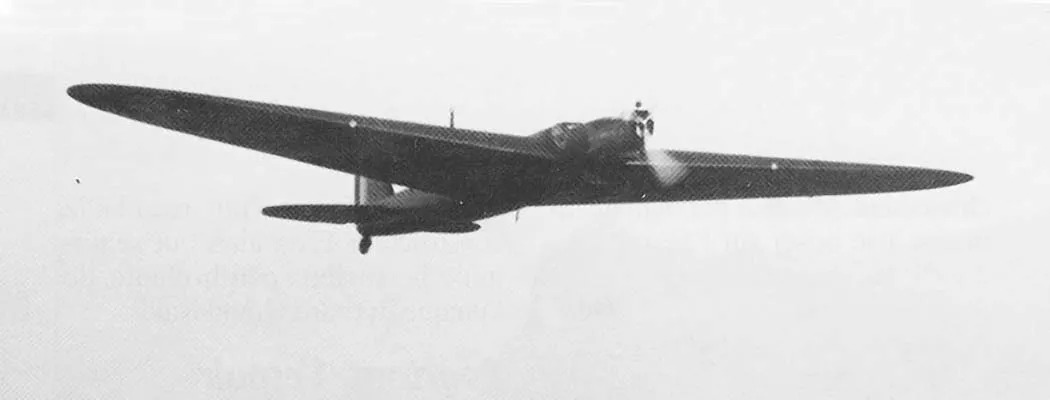
The aircraft’s armament is relatively simple; for bombing missions, it features four bomb bays per wing, each capable of carrying a single 100 kg or 200 kg bomb. This allows for a maximum payload of eight 200 kg bombs,totaling 1.6 tonnes,which is a very respectable load for a 1934 aircraft.
In terms of defensive armament, the Bernard 82 is limited; a 7.7 mm machine-gun turret can be installed on the top of the fuselage, leaving the aircraft vulnerable to attacks from other planes.
In-game, this aircraft would be an excellent addition to the French tech tree, providing a bomber capable of carrying a heavy payload but possessing minimal defensive capabilities, making it highly vulnerable. This would allow it to be placed at a lower Battle Rating, thereby serving as an interesting addition to the French lineup.