So what is the average turn rate then? What is a fair value?
Edited it to include that
ZSU-57?
No bpmt or whatever
This is a perfect example of a claim that you are making by attempting to string multiple sources together to arrive at a conclusion that you want to believe. Let me explain why this conclusion is completely irrational.
First off let’s note something about one of your sources and the nature of vectored thrust.

Angling the thrust downwards will reduce the total amount of thrust that is applied in relation to the flight path. This is a basic trigonometric relationship; as thrust vector angle is increased the component of thrust that is propelling the plane forward is reduced.
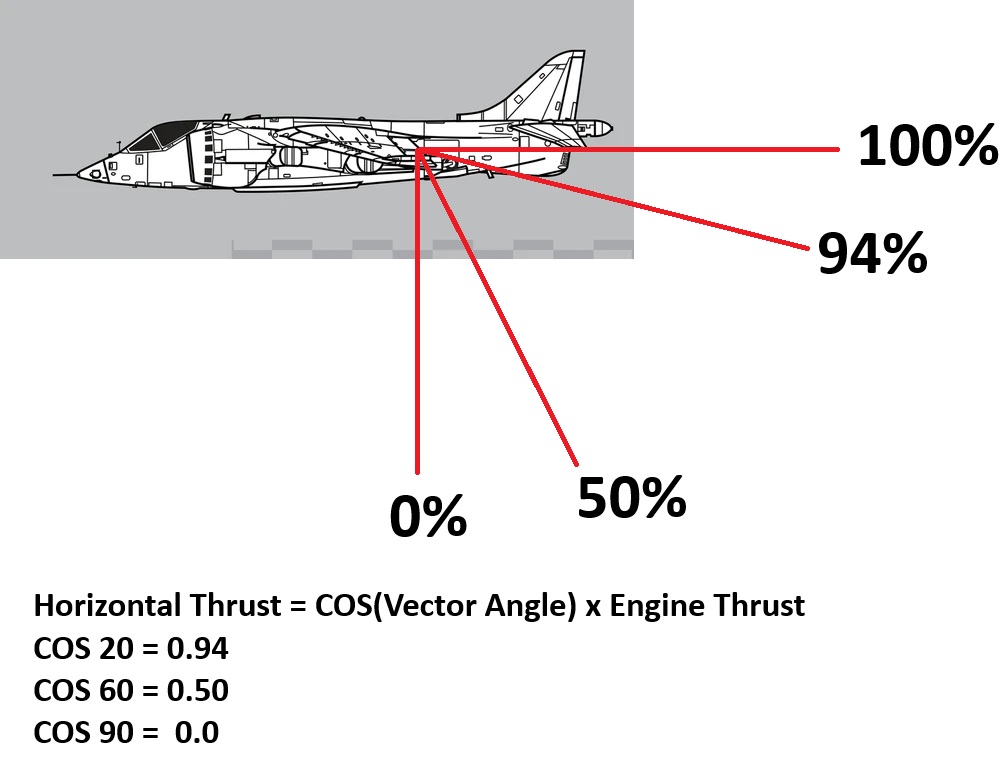
At 60 degrees angled downwards the horizontal component of thrust will be equal to half of the total thrust. Lets keep that in mind.
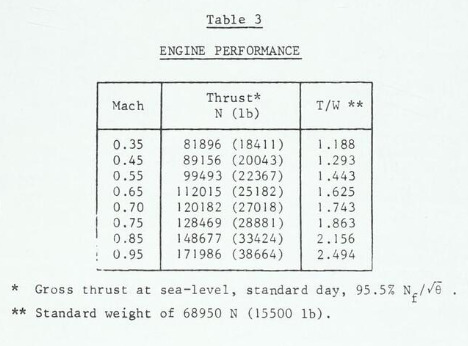
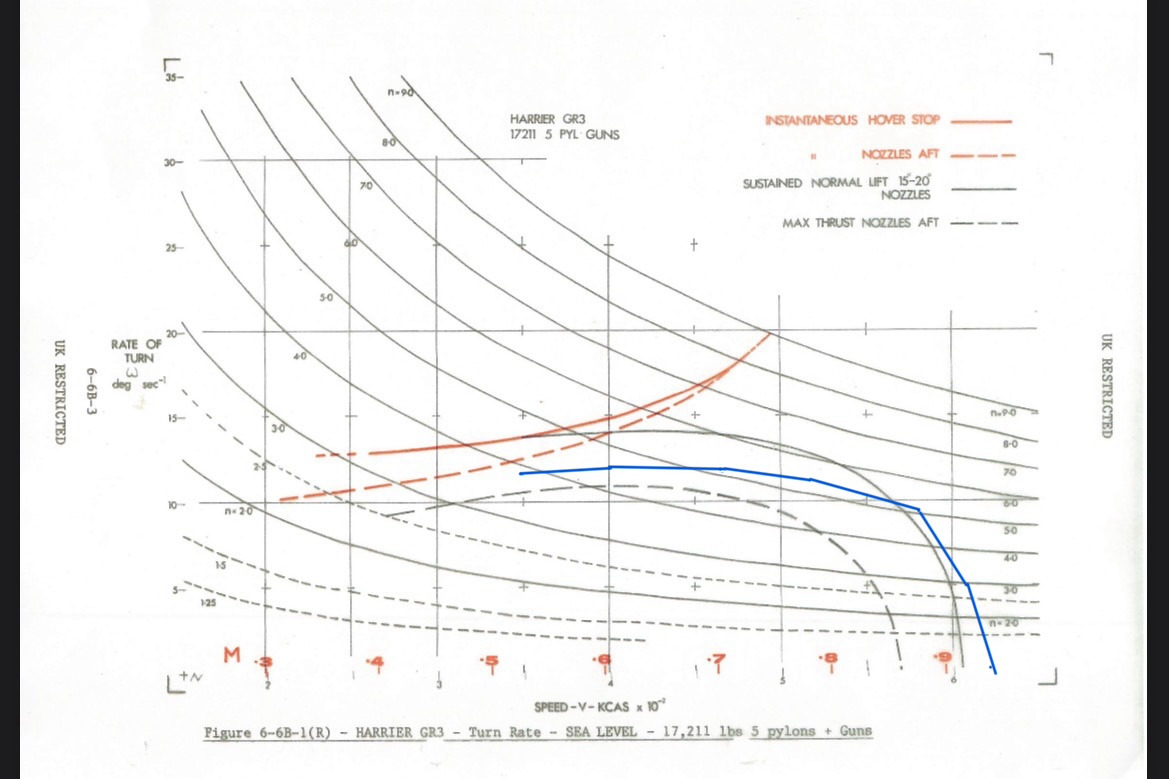
Let’s use 28,000lb thrust as our reference number. No it is not our wet lift thrust but also these are most likely uninstalled values so for the sake of simplicity we will say that both will cancel each other out. However we cannot use the 15,500 lb as the reference weight because the chart that you prefer to brag about is the one at 17,211lb reference weight.
We can see the weight listed at the top.
28,000lb thrust x 0.50 (the horizontal component of thrust at 60 vector angle) = 14,000lb Thrust.
In this configuration our Harrier has a thrust to weight ratio 0.81.
The wing area of the Harrier is 201sq feet or 18.7 meters.
The wing loading at this weight is 85lbs / square foot.
In this configuration we have a plane with a thrust loading of 0.81lbs and a wing loading of 85lbs per square foot. And the definitive conclusion that you have arrived at is that in an 8G turn that it will bleed 18 knots per second.
Now let’s ask ourselves a very simple question…how does this 18kts per second figure that we have somehow arrived at compare to other aircraft when using a similar performance metric?
The 1996 GAO Report has an indication of what the bleed rate in terms of knots per second is for the F/A-18C and F/A-18E. It should be noted that the bleed rate difference at altitude is only different by 10 knots per second and that the F-18 is also G-limited in the same way that the Harrier happens to be in this case; i.e these figures are not for greater than an 8G turn.
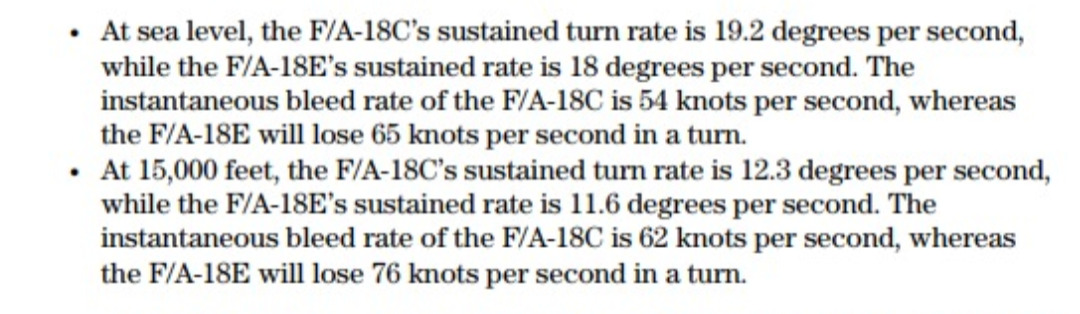
The numbers that we care about here are 54 knots per second and 62 knots per second. Technically we could also throw in the F/A-18E’s as well for the sake of comparison.
So how does the F/A-18C compare to the Harrier in terms of thrust loading and wing loading?
This is from the GAO report but shows uninstalled thrust. However later in the report there are figures for installed thrust.

This table here lists the installed thrust of the F404-GE-402 to be 19342lb at 0.8 Mach. We will use this figure for our calculations since we used 0.75 mach figure to approximate the Harrier.
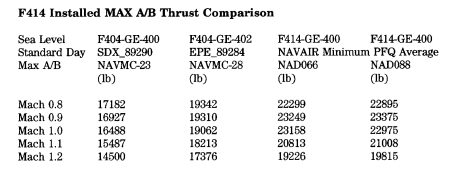
The weight of the F/A-18C in this document is approximately 32,500lbs. Our total thrust is 2 * 19,342lb which equals 38,684lbs. This gives us a thrust to weight ratio of 1.20.
The wing area of the F/A-18C is 400 square feet. This gives us a wing loading of 81.25lbs per square foot of wing.
In this case the F/A-18 has the advantage in both wing loading and thrust loading.
It has 1.48 times the thrust loading and 0.95 times the wing loading. The F-18 also has a higher lift coefficient + aspect ratio etc that causes it to produces more lift for a given angle of attack and wing loading.
So lets do a little math. Your claim is that the Harrier has a bleed rate of 19kts per second and the GAO claims that the best performing F/A-18 has a bleed rate of 54kts to 62kts per second. Your conclusion so far is that the Harrier I has a bleed rate that is effectively 1/3rd that of the F/A-18C while being disadvantaged in all aerodynamic aspects.
Now we can make the argument that GAO report is wrong about the F/A-18 bleed rate or that they averaged it at the wrong places. However keep in mind the bleed rate only changed by 10 knots from 15,000 feet to sea level.
The F/A-18 is not the only plane that has a bleed rate in averaged knots per second either. We can also compare it to a chart that you should be familiar with by now from the Korean F-16C Basic Employment Manual.
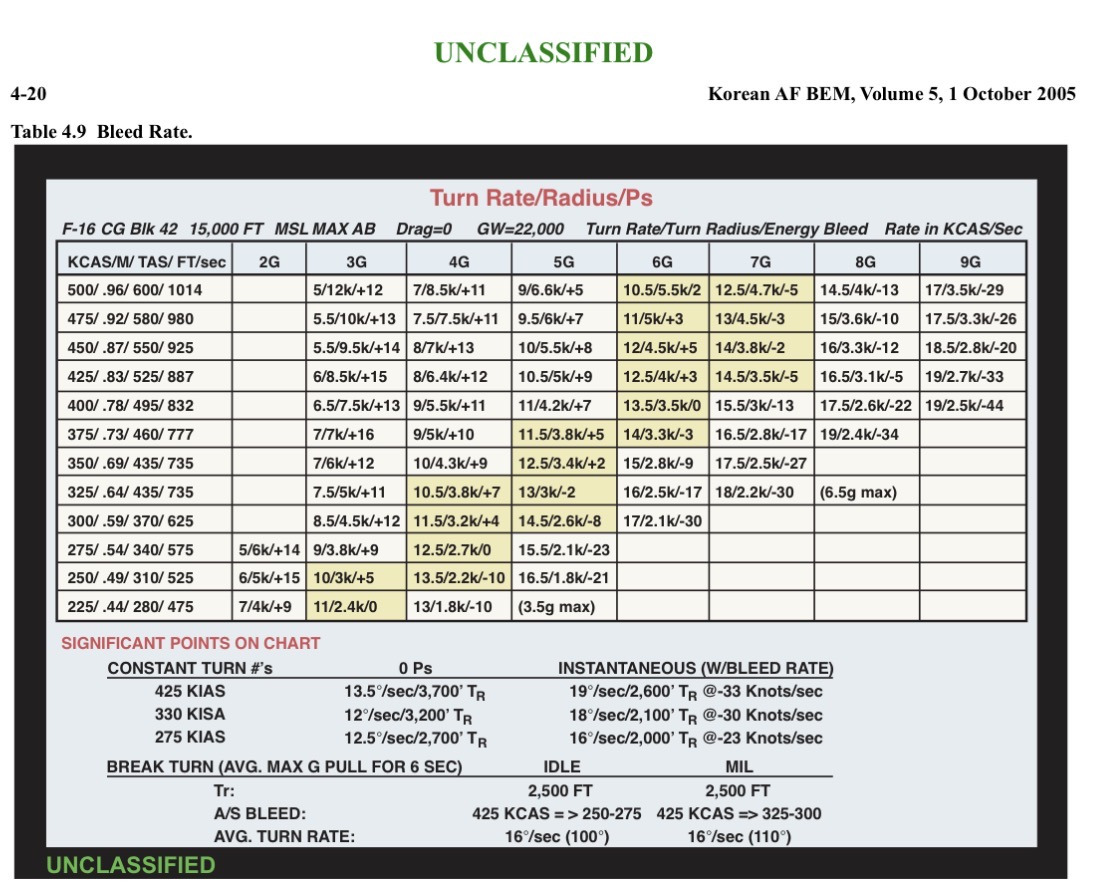
In this case the F-16C is at 50% fuel and perfectly clean. Wing loading and thrust loading are going to favor the F-16 in this case as well. There is no point in breaking down the numbers bit by bit because the relationship is going to be similar but even more one sided.
Nominally speaking our bleed rate for an 8G turn at around 400 KCAS down to 375 KCAS is an average between -22 and -34 knots per second bleed which is 28 knots per second. This is going to be at a lower angle of attack and done with a wing that has a much higher CL. Even if we apply the same relationship as the F/A-18 experiences and use a correction factor of 1.14…that reduces our bleed rate to 24 knots per second.
So here is what you would have us believe if we take your claims at face value.
A Harrier with higher wing loading and higher thrust loading will have roughly 1/3rd the bleed rate of the very best F/A-18 variant and it will also have 25% less bleed rate than an F-16 in an even more favorable comparison. In fact the Harrier I will experience phenomenally less bleed rate than the Harrier II with improved wing and maximum aft thrust.
Anyone with half a brain can see that these claims are complete bullocks and are due to you misinterpreting your own sources and not using an ounce of critical thinking or any kind of comparative analysis.
This video here is bookmarked to start at the question that asks specifically about the usage of VIFF in the Harrier. Note that it is described as having the drawback of massive amounts of energy bleed in a plane that is noted for its already high amount of energy bleed.

Basically you have done a whole entire song and dance to argue that the VIFF-ing in the Harrier is magical solution that effectively boosts the lift coefficient so far beyond its normal lift coefficient that a 50% loss in horizontal thrust only will make a plane that is drastically more energy efficient than planes specifically designed around energy efficiency.
4 Likes
This is hilarious as you couldn’t figure out 1 simple thing.
You compared it to the bleed rate of a F-18 when the F-18 is pulling too its corner velocity.
The harrier in this example was just using a VIFF push turn to perform 90 degrees of turn at high speed.
One is giving its maximum AOA to achieve its G limit at the lowest possible speed. The other is gently pulling until it reaches its G limit at a very high speed.
So why did you compare corner velocity to 8 G at a high IAS? Maybe you think it makes you look smart?
Regardless your little song and dance here just proved you lacked the basic comprehension to understand the circumstances of this 1 situation.
For example the F-16A would bleed no speed when pulling 8G at 530 knots (.8) Mach
as it can sustain that
The F-18 likely would also bleed 0 speed
So saying it will bleed 25% less then the F-16 was rather funny to read
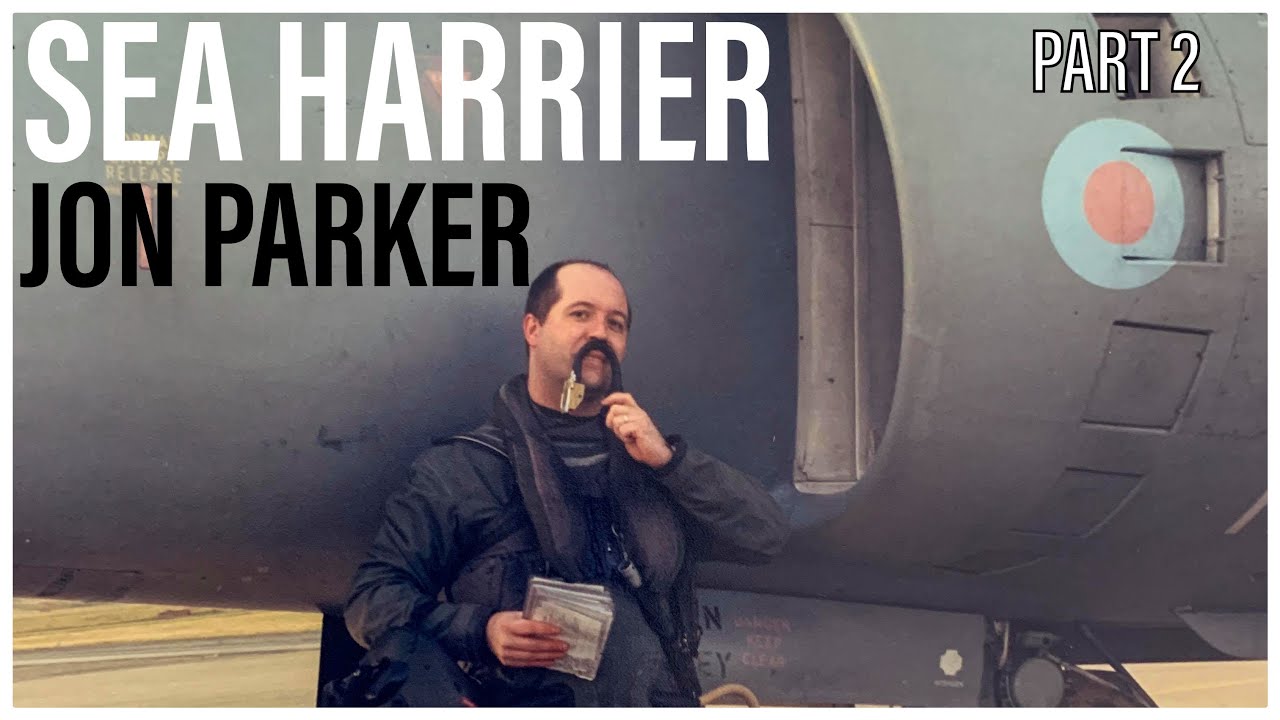
J P explains it very well here they had so many different techniques for VIFF including nozzle biting to assist in the STR.
Progressively biting in with 20-40 degrees of nozzle angle would take big bites out of the turn with little loss in airspeed.
All VIFF will result in a loss of speed, however as long as it is used properly the loss in airspeed is not as great as one would think.
Watch at 9 minutes and beyond
To conclude it for you, if YOU did any amount of thinking into this, you would come to realize that since VIFF adds considerable G to any given AOA then much less AOA needs to be used to achieve any given G.
So although thrust is being exchanged to achieve this you are likely going to bleed far less then you would via pulling normally as you are exposing considerably less reference area resulting in less lift induced drag.
This is not hard to follow, you can understand this. Stop being argumentative for the sake of arguing.
Nowhere in your comparison have you stated an altitude where this 18 knots per second bleed rate would occur. The starting speed that you have used for the Harrier is 530 knots to 430 knots. This is also why the bleed rate of the F/A-18 is also included as we can get a sense of how much altitude affects this performance metric in terms of knots per second.

If your argument is that I am skewing the results by comparing an 8G turn…realize that it is skewing them in your favor. If we compare a harder turn for the F-16 then the bleed rate will just further increase. Picking the turn that I did was more favorable to your case.
It’s not a perfect comparison but the difference is so many orders of magnitude greater that its valid. The only other thing to do would be to get the actual EM diagram and compare SEP values at sea level. But even your sources are pretty clear about the utility of VIFF.
1 Like
It’s not you’re grasping at straws and you know this.
F-16 can sustain 9G for this scenario.
Naturally the data is for sea level.

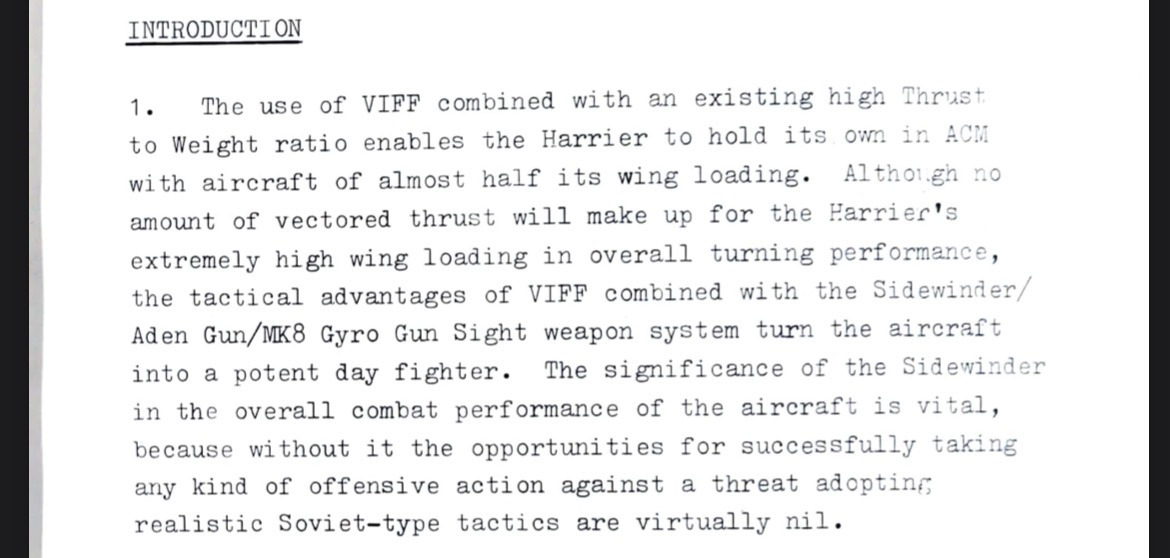
It states very clearly that VIFF allows the harrier to combat aircraft almost half its wing loading. It’s not the be all end all but it greatly increases the aircraft’s capability
1 Like
“Hold it’s own” against planes from a similar era which will all have drastically higher bleed rates than modern aircraft like the F/A-18C and E.
The hawker hunter will bleed much less then either of those 2. The hunter comes from a decade were maneuverability speed and climb rate where the most important aspect of the aircraft.
The Hunter has been called the spitfire of the jet age.
Be real now
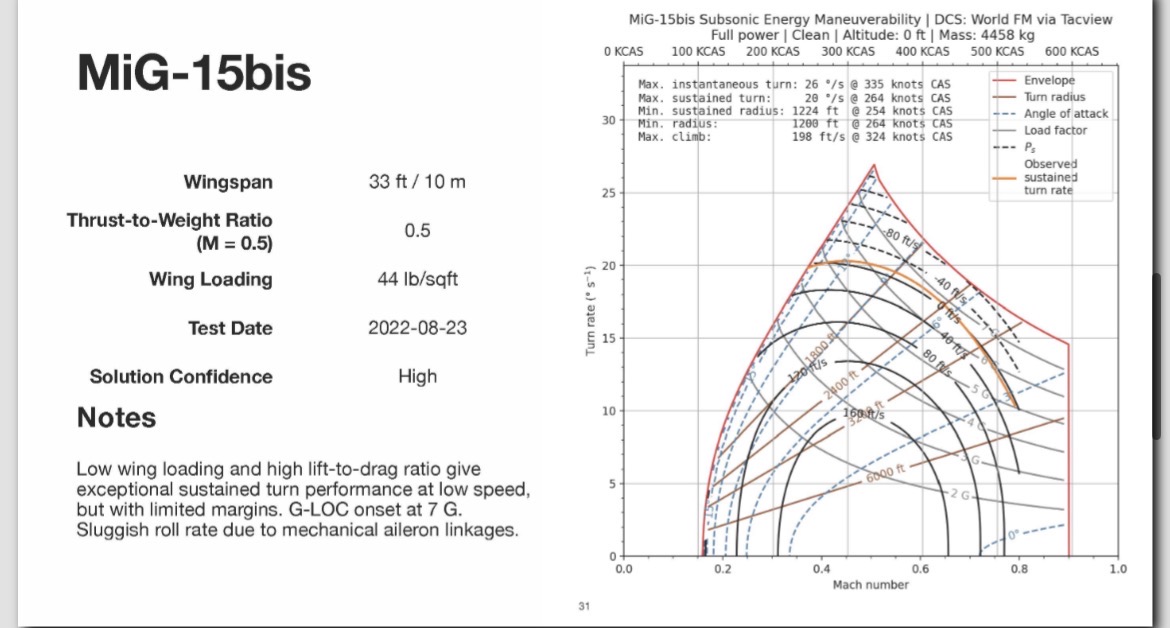
Good luck finding a real one
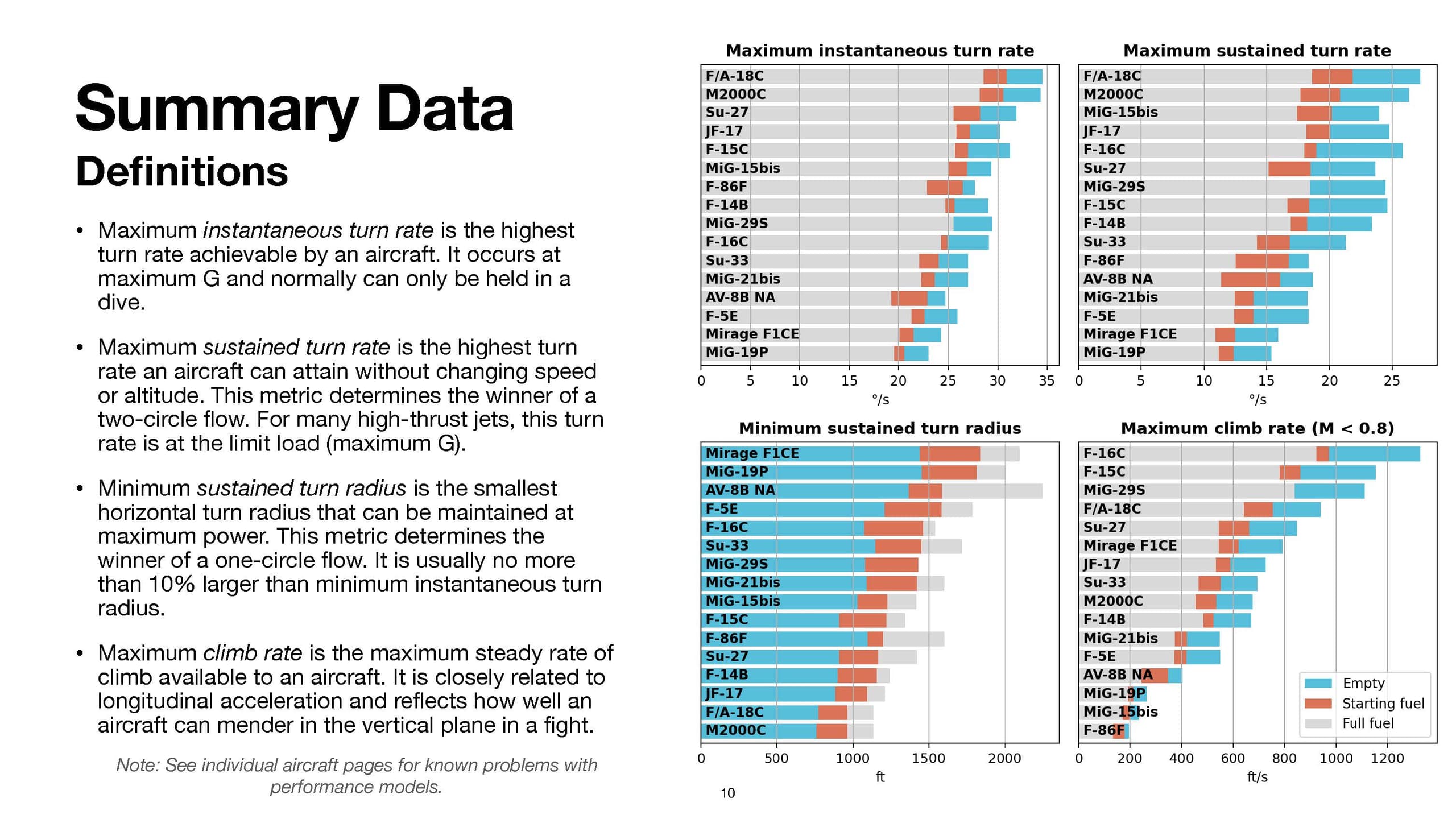
Lmfao if you really want to get into that the RAZBAM devs have personally asked me for sources and data.
RAZBAM intends to create a sea harrier for Falcon 5, and yours truly will have provided the majority of sources for that.
It’s been confirmed with them that the aircraft’s performance is not correct. So fee free to use it if you like just know that it’s underperforming.
I gave them full documentation.
Lmao won’t be the case but dream on.
Like I warned you a while ago you know nothing about the harrier so it’s wise you stop trying to argue about it.
You also know nothing about the Harrier…hence you try to pass off DCS chart as accurate for another plane and then complain when I basically the same thing. Your actual conclusions about the Harrier are just as fraught with errors as your conclusions about other planes have been.
You are someone who is completely incapable of making arguments in good faith; hence why you only post snippets of documents and then make the assumption that you are the only person who knows how to read them or has even a general understanding of reality.
An 18 knot per second bleed rate with the nozzles deflected 60 degrees is implausibly low. In reality what your document probably describes is utilizing a lesser nozzle angle and managed deceleration to the best corner speed. It should be noted in your graph that there is no additional ITR available at hover stop below a certain speed.
Let’s think about this for a second now feety.
You have 2 options here, you can only pick between 2 potential beliefs if you refuse to accept my suggestion.
1: if you believe the bleed rate of the harrier to be higher then the F-18 for example then the average rate of turn would need to be significantly higher then you would ever admit (and I would ever claim)
2: if the turn rates added by CTVC are less then my claims then you would need to accept that the Bleed rate is lower then you would ever admit.
For the harrier to bleed say 60 knots a seconds to put it inline with the F-18 then the 90 degrees of turn would need to be completed in 1.6 seconds resulting in 100 knots of airspeed lost in that time.
This would put the harrier at an average rate of turn of about 56 degrees per second. (No I don’t think it’s doing this I’m just providing an example)
If the turn rate added by VIFF is to be below my estimated figures say 15 degrees per second on average the the 90 degrees of the would take 6 seconds to complete
This would mean the bleed rate is only 16.6 knots a second. (I’m not claiming this either it’s just an example)
Or you can just admit I’m correct and concur that the correct use of CTVC does not result in super massive losses in airspeed.
1 Like